
Verleger: 16

Miłosz Biedrzycki
Miłosz Biedrzycki * Mróz był taki, że drzewa krzyczały gwiazdy w miarowych odstępach czasu gasły i osuwały się w dół z delikatnym brzękiem trącanej nożem szklanki też szukam ciszy ale samo milczenie pewnie ... Miłosz Biedrzycki ur. 6 sierpnia 1967 Najważniejsze dzieła: * (1993), OO (1994), Pył/Łyp (1997), No i tak (2002), Sonce na asfaltu/Słońce na asfalcie/Il sole sull'asfalto (2003), Porumb (2013) Poeta, tłumacz, inżynier geofizyk. Książki podpisuje jako MLB, a tytuły wielu jego tomików są równie krótkie jak ten akronim. Urodził się w Słowenii, mieszka w Krakowie. Tłumaczył na polski wiersze Tomaža Šalamuna, prywatnie swojego wuja. Sam jest jednym z najbardziej rozpoznawalnych autorów wiązanych przez krytykę z tak zwanym pokoleniem bruLionu". Chętnie bawi się językiem, zmieniając np. telefon komórkowy w telefon wielokomórkowy z jamą chłonąco-trawiącą. Krytyczka Anna Kałuża dostrzega w tej poezji efekt oszołomienia realnością. Za książkę poetycką pt. Porumb, polemizującą z poezją Zbigniewa Herberta, Biedrzycki nominowany był m. in. do Nagrody Poetyckiej Silesius i Nagrody Literackiej Gdynia. Kupując książkę wspierasz fundację Nowoczesna Polska, która propaguje ideę wolnej kultury. Wolne Lektury to biblioteka internetowa, rozwijana pod patronatem Ministerstwa Edukacji Narodowej. W jej zbiorach znajduje się kilka tysięcy utworów, w tym wiele lektur szkolnych zalecanych do użytku przez MEN, które trafiły już do domeny publicznej. Wszystkie dzieła są odpowiednio opracowane - opatrzone przypisami oraz motywami.

Miłosz Biedrzycki
Miłosz Biedrzycki * Mróz był taki, że drzewa krzyczały gwiazdy w miarowych odstępach czasu gasły i osuwały się w dół z delikatnym brzękiem trącanej nożem szklanki też szukam ciszy ale samo milczenie pewnie ... Miłosz Biedrzycki ur. 6 sierpnia 1967 Najważniejsze dzieła: * (1993), OO (1994), Pył/Łyp (1997), No i tak (2002), Sonce na asfaltu/Słońce na asfalcie/Il sole sull'asfalto (2003), Porumb (2013) Poeta, tłumacz, inżynier geofizyk. Książki podpisuje jako MLB, a tytuły wielu jego tomików są równie krótkie jak ten akronim. Urodził się w Słowenii, mieszka w Krakowie. Tłumaczył na polski wiersze Tomaža Šalamuna, prywatnie swojego wuja. Sam jest jednym z najbardziej rozpoznawalnych autorów wiązanych przez krytykę z tak zwanym pokoleniem bruLionu". Chętnie bawi się językiem, zmieniając np. telefon komórkowy w telefon wielokomórkowy z jamą chłonąco-trawiącą. Krytyczka Anna Kałuża dostrzega w tej poezji efekt oszołomienia realnością. Za książkę poetycką pt. Porumb, polemizującą z poezją Zbigniewa Herberta, Biedrzycki nominowany był m. in. do Nagrody Poetyckiej Silesius i Nagrody Literackiej Gdynia. Kupując książkę wspierasz fundację Nowoczesna Polska, która propaguje ideę wolnej kultury. Wolne Lektury to biblioteka internetowa, rozwijana pod patronatem Ministerstwa Edukacji Narodowej. W jej zbiorach znajduje się kilka tysięcy utworów, w tym wiele lektur szkolnych zalecanych do użytku przez MEN, które trafiły już do domeny publicznej. Wszystkie dzieła są odpowiednio opracowane - opatrzone przypisami oraz motywami.
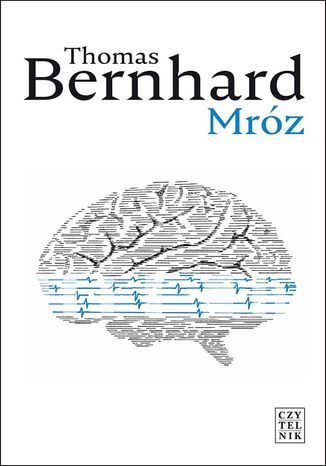
Thomas Bernhard
Mróz to książkowy debiut prozatorski Thomasa Bernharda. Wydana w 1963 roku powieść została przyjęta z ogromnym zainteresowaniem przez krytykę literacką w krajach języka niemieckiego, zdobywając niezwykle pozytywne, a nawet entuzjastyczne recenzje. A dwa lata później przyniosła jej autorowi Nagrodę Literacką Miasta Bremy – pierwszą spośród wielu nagród, jakie Bernhard miał otrzymać za swą twórczość. Powieść ma konstrukcję dziennika, zapisywanego przez 27 kolejnych, zimowych dni przez narratora – studenta medycyny. Na prośbę lekarza, pod którego kierunkiem odbywał praktykę szpitalną, udał się on do niewielkiej miejscowości położonej w alpejskiej dolinie, aby tam obserwować brata owego lekarza, malarza Straucha. Artysta ten, bliski obłąkania, po zniszczeniu całego swego dorobku i odciąwszy się od przeszłości, zaszył się na austriackiej prowincji. Codzienne notatki studenta-narratora, na które składają się jego obserwacje oraz zapisy rozwichrzonych monologów malarza, uzupełnia kilka listów ze sprawozdaniami, jakie student wysyłał co jakiś czas do Straucha-lekarza. Już w tej pierwszej powieści Bernhard zagłębił się w problematykę, która będzie odtąd wielokrotnie powracać w jego twórczości – w analizę stanów psychicznych osób o szczególnej, artystycznej wrażliwości bądź skłonnościach do filozoficznej refleksji, ich cierpień i obsesji śmierci. A w tle mroźna i śnieżna zima w alpejskiej dolinie; echa zakończonej zaledwie kilkanaście lat wcześniej drugiej wojny światowej; wkraczające w strukturę miejscowego społeczeństwa nowości gospodarcze (budowa elektrowni) i idee (komunizm); a także portrety postaci lokalnej społeczności. To przede wszystkim gospodyni prowadząca samodzielnie wiejską gospodę, rakarz i grabarz (w jednej osobie), inżynier kierujący robotami przy budowie elektrowni, mrukliwy gorzelnik, żandarm… Dzisiejszy czytelnik zwróci też zapewne uwagę na ówczesne warunki życia codziennego – sprzed zaledwie 60 lat, a jak bardzo już różne od obecnych. Polski przekład Mrozu miał dotychczas tylko jedno wydanie, w 1979 roku. Obecna edycja, druga z kolei, została uzupełniona o całkowicie nowe posłowie, którego autorem jest Marek Kędzierski. W treść posłowia włączył on fragmenty swego wywiadu oraz korespondencji z Peterem Fabjanem, przyrodnim bratem Thomasa Bernharda, z zawodu lekarzem, z którego medycznej wiedzy Bernhard obficie korzystał, pisząc swą powieść.
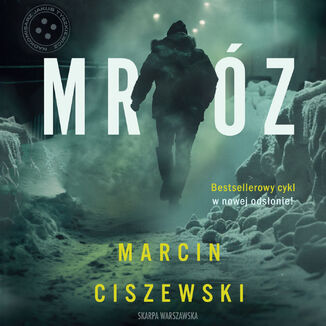
Marcin Ciszewski
Trzymający w napięciu thriller polityczny na miarę naszych czasów: niespodziewane zwroty akcji, nietuzinkowi bohaterowie i meteorologiczna katastrofa w tle. Nadciąga nowa epoka lodowcowa: temperatury spadają do minus 60 stopni Celsjusza, wiatr zrywa linie energetyczne, a miasta przykrywa kilkumetrowa warstwa śniegu. Gdy na najwyższych szczeblach władzy dochodzi do trzęsienia ziemi, na żądanie premiera nadkomisarz Jakub Tyszkiewicz ląduje nie tylko w samym centrum śledztwa, ale też kataklizmu...
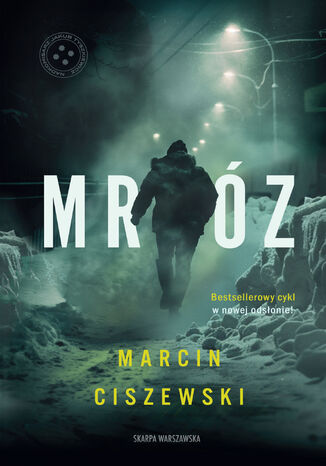
Marcin Ciszewski
Trzymający w napięciu thriller polityczny na miarę naszych czasów: niespodziewane zwroty akcji, nietuzinkowi bohaterowie i meteorologiczna katastrofa w tle. Nadciąga nowa epoka lodowcowa: temperatury spadają do minus 60 stopni Celsjusza, wiatr zrywa linie energetyczne, a miasta przykrywa kilkumetrowa warstwa śniegu. Gdy na najwyższych szczeblach władzy dochodzi do trzęsienia ziemi, na żądanie premiera nadkomisarz Jakub Tyszkiewicz ląduje nie tylko w samym centrum śledztwa, ale też kataklizmu...

Mróz, głód i wszy. Życie codzienne Wyklętych
Stanisław Płużański
Pierwsza książka traktująca o codzienności bytowania żołnierzy podziemia antykomunistycznego po II wojnie światowej. Opowiemy o jednostkach działających w ramach obozu poakowskiego, narodowego, jak i stanowiących niezależne oddziały wojskowe. Poznajemy ekstremalne warunki życia partyzantów, ich ubiór, wyżywienie, możliwości dbania o higienę osobistą i zdrowie. Gdzie kwaterowali ,jak odpoczywali, jak wyglądały codzienne obowiązki oraz standardowy harmonogram dnia - co ciekawe, bardzo zbliżony do siebie w większości oddziałów. Autor opisuje też problem dyscypliny w poszczególnych oddziałach. Nie omija niesubordynacji, grabieży czy uzależnienia od alkoholu skupiając się na sposobie egzekwowania prawa przez dowódców i efektach walki o utrzymanie wojskowej karności w jednostce. Unikatowa książka Stanisława Płużańskiego powstała w oparciu o bogaty materiał źródłowy: wywiady z żyjącymi żołnierzami, źródła archiwalne, wydane dokumenty i wspomnienia. Autorowi udało się przeprowadzić 14 rozmów z żyjącymi żołnierzami.Ich historia zaczyna się jeszcze w 1944 roku, koniec następuje dopiero w 1963 roku wraz ze śmiercią ostatniego z żołnierzy wyklętych Józefa Franczaka ps. Lalek.
E.F. Benson
E. F. Bensons subject is always the petty concerns of petty people, but his talent is to make those concerns nearly as important to us as they are to his characters. For us, what happens to Bensons people is also much funnier than it is to them. This is another of Bensons social comedies with women battling it out for social supremacy in the village. Mrs. Ames, first published in 1912, has been described as a forerunner to the authors Mapp and Lucia novels
Virginia Woolf
An amazingly soft film adaptation of the novel, it subtly merges the past and present, here and there, because it is the world of feeling, and it is feeling, and not dry logic that determines what is important and what is not, turning the moment into eternity, and a trifle in event.. The author describes only one summer day in the life of the prosperous socialite lady Mrs. Dalloway. A meeting with an old acquaintance, Peter Welsh, her first love, opens the door to the world of memories, complex feelings, secret thoughts, mental anguish, dreams.