
Видавець: 16

Paradoks marionetki. Paradoks marionetki: Sprawa Marionetkarza (#3)
Anna Karnicka
Canelle wróciła z podróży po Drugiej Stronie, powroty jednak nigdy nie są łatwe. Teraz musi przekazać wszystko, czego dowiedziała się w trakcie swojego śledztwa i odwieść Martina od popełnienia ogromnego błędu. Jak jednak zatrzymać machinę, która została już wprawiona w ruch? Jak dotrzymać słowa, kiedy w mieście wciąż czają się spiskowcy, a Kolegium usiłuje przemocą utrzymać dominującą pozycję? Jak patrzeć w przyszłość z nadzieją, kiedy Król Demonów czeka tylko na sygnał do ataku? I co właściwie ukrywa Kobold? Siadajcie i czytajcie. Historia chce być opowiedziana do końca...

Paradoks marionetki. Paradoks marionetki: Sprawa Zegarmistrza (#2)
Anna Karnicka
Egzaminy wstępne to dopiero początek. Martin spełnił swoje marzenie i dostał się do Praskiej Szkoły Lalkarzy. Wraz z księciem Walterem oraz nowymi przyjaciółmi przygotowuje się na wyzwanie, jakim będzie rozpoczynający się rok szkolny. Co może pójść nie tak? Ostatecznie musi jedynie przetrwać, odkryć sekrety Kolegium Iluzji i Manipulacji, odnaleźć zaginioną Canelle, nie dopuścić do odkrycia spisku oraz ochronić swoich najbliższych przed tym, co kryje mroczna strona Pragi. I oczywiście nie zapomnieć o uczęszczaniu na wykłady i regularnych ćwiczeniach z marionetką.
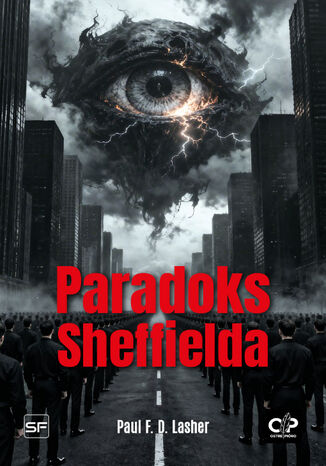
Paul F. D. Lasher
Postęp nie zawsze oznacza lepsze jutro. W niedalekiej przyszłości nauka odkrywa istnienie elastów - ludzi zdolnych do przekraczania biologicznych ograniczeń mózgu. Bane Warner, jeden z trzech znanych elastów, dołącza do tajnego programu SALUS badającego potencjał ludzkiego umysłu. Wieloletnia hibernacja ma pomóc naukowcom zrozumieć naturę jego zdolności. Po wybudzeniu odkrywa jednak, że świat zmienił się bardziej, niż przypuszczał. Rozwój sztucznej inteligencji, eksperymenty z binarytem i rosnące znaczenie elastów sprawiają, że Bane zaczyna kwestionować prawdziwy cel programu. Szukając odpowiedzi, trafia na tajemnicę mogącą zmienić przyszłość ludzkości. "Paradoks Sheffielda" to realistyczne science fiction o ewolucji człowieka, granicach świadomości i świecie, w którym coraz trudniej ustalić, kto naprawdę kontroluje przyszłość.

Paul F. D. Lasher
Postęp nie zawsze oznacza lepsze jutro. W niedalekiej przyszłości nauka odkrywa istnienie elastów - ludzi zdolnych do przekraczania biologicznych ograniczeń mózgu. Bane Warner, jeden z trzech znanych elastów, dołącza do tajnego programu SALUS badającego potencjał ludzkiego umysłu. Wieloletnia hibernacja ma pomóc naukowcom zrozumieć naturę jego zdolności. Po wybudzeniu odkrywa jednak, że świat zmienił się bardziej, niż przypuszczał. Rozwój sztucznej inteligencji, eksperymenty z binarytem i rosnące znaczenie elastów sprawiają, że Bane zaczyna kwestionować prawdziwy cel programu. Szukając odpowiedzi, trafia na tajemnicę mogącą zmienić przyszłość ludzkości. "Paradoks Sheffielda" to realistyczne science fiction o ewolucji człowieka, granicach świadomości i świecie, w którym coraz trudniej ustalić, kto naprawdę kontroluje przyszłość.

Steve Peters
Sposób na sukces, szczęście i pewność siebie Masz problem z osiągnięciem sukcesu i osobistego szczęścia? Bezskutecznie próbujesz zrozumieć siebie? Emocje zbyt często dyktują ci, co masz robić? Twój wewnętrzny Szympans może być twoim najlepszym przyjacielem albo największym wrogiem przekonaj się, na czym polega paradoks Szympansa! Paradoks Szympansa to sprawdzony w praktyce model zarządzania umysłem, który pomoże ci stać się szczęśliwym, pewnym siebie i odnoszącym sukcesy człowiekiem. Profesor Steve Peters, światowej sławy psychiatra, tłumaczy naturę wewnętrznej walki, jaka odbywa się w twoim umyśle, i wyjaśnia, jak wykorzystać tę wiedzę w każdej dziedzinie życia. Dowiesz się: jak dokładnie rozpoznać mechanizmy działania umysłu i zarządzać nim w świadomy sposób, jak rozpoznać i zrozumieć swoje emocje i myśli oraz właściwie nimi kierować, jak stać się pewną siebie osobą, którą zawsze pragnąłeś być.
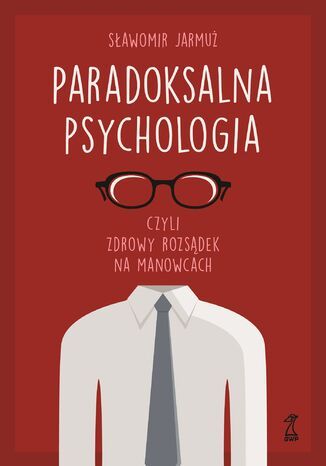
PARADOKSALNA PSYCHOLOGIA czyli zdrowy rozsądek na manowcach
Sławomir Jarmuż
Często ulegamy potocznym, ogólnie przyjętym opiniom i schematom. Wiele z nich dotyczy ważnych spraw w naszym życiu. Dlatego właśnie warto wiedzieć, które z naszych przekonań jest trafne i przydatne, a gdzie należałoby zweryfikować swoje poglądy. Książka Paradoksalna psychologia dotyczy właśnie tych zjawisk, które idą pod prąd zdroworozsądkowym sądom. Jej ideą jest pokazanie koncepcji psychologicznych, które mówią o zjawiskach niezgodnych z potocznym myśleniem. Znajomość mechanizmów i prawidłowości psychologicznych pozwoli nam lepiej poznać samych siebie, zrozumieć zachowanie innych, nawiązywać zdrowsze relacje czy efektywniej działać w sytuacjach zawodowych. Przyjrzymy się zatem powodom, dla których wielu ludzi słabo radzi sobie z samokontrolą swoich emocji, myśli i działań. Poznamy błędy i skrzywienia naszego spostrzegania samych siebie. Z zaskoczeniem odkryjemy sytuacje, w których nasze dobre intencje pomocy innym prowadzą na manowce. Wreszcie spojrzymy z globalnej perspektywy na związek między pieniędzmi a poczuciem szczęścia. Wszystko to na podstawie rzetelnych badań i sprawdzonych teorii psychologicznych. Zapraszam zatem w podróż po meandrach paradoksów psychologicznych!

ks. Edward Staniek
Jeden z najlepszych badaczy i znawców Biblii odkrywa dla nas ewangeliczne sceny, które mają swe odzwierciedlenie w tajemnicach różańcowych. Wielką siłą książki jest zrozumiały przekaz tych wydarzeń, które ludzką miarą są niewytłumaczalne i niepojęte. Autor, odkrywając przed nami znaczenia Bożego objawienia, formułuje pytania o naszą osobistą relację z Bogiem i podsuwa odpowiedzi na nie. To publikacja, która zmusza do głębokiej refleksji, a jednocześnie pokazuje, jaka jest nasza wiara. Absolutnie unikatowym atutem książki jest jej część będąca rozmową, którą z ks. Edwardem Stańkiem przeprowadził Piotr Podlecki. Trudno byłoby znaleźć badacza, który z równym znawstwem, ale i łatwością potrafiłby wskazać wytłumaczenie szeregu wątpliwości rodzących się wokół wiary w jej niezrozumiałych, paradoksalnych zdawałoby się prawdach ukazanych w tajemnicach różańca świętego. Przecież to my potrzebujemy Boga, a nie Bóg nas. Błędny pogląd. To On mnie stworzył, dlatego że mnie potrzebuje. Precyzyjnie określił godzinę i miejsce moich narodzin oraz czas, w jakim jestem Mu potrzebny na ziemi. Przestawienie życia z tego, że ja potrzebuję Boga, na to, że On mnie potrzebuje, to godzina nawrócenia. Nie ja stworzyłem Boga, nawet w swoich myślach, dlatego że jest mi potrzebny, lecz On mnie stworzył, bo jestem Mu potrzebny teraz i w wieczności.

Paradoksy idei reprezentacji politycznej
Andrzej Waśkiewicz
Książka Andrzeja Waśkiewicza dotyczy jednej z kluczowych idei związanych z demokracją - idei reprezentacji. Kiedy dzisiaj mówimy o kryzysie demokracji, w istocie najczęściej mamy na myśli kryzys instytucji reprezentacji. Andrzej Waśkiewicz z perspektywy historyka idei pokazuje znakomicie narodziny i rozwój idei reprezentacji, zwłaszcza przed jej zinstytucjonalizowaniem w demokracji przedstawicielskiej, a także problemy związane z funkcjonowaniem instytucji reprezentacji we współczesnym państwie. Dzięki tej wyczerpującej, świetnie napisanej książce możemy się zastanowić, czy słabościom reprezentacji jesteśmy w stanie jakoś zaradzić, do jakich historycznych dzieł i autorów powinniśmy się odwołać oraz na jakie pytania związane z ideą demokracji musi jeszcze odpowiedzieć myśl polityczna, by kwestia reprezentacji została potraktowana poważnie. Nie jest to książka wyłącznie dla specjalistów, gdyż zarówno z ideą, jak i instytucją reprezentacji mamy przecież wszyscy do czynienia na co dzień. Marcin Król