
Wydawca: 16

Jan Kochanowski
Jan Kochanowski Laments Lament XIV tłum. Dorothea Prall Where are those gates through which so long ago Orpheus descended to the realms below To seek his lost one? Little daughter, I Would find that path and pass that ford whereby The grim-faced boatman ferries pallid shades And drives them forth to joyless cypress glades. But do thou not desert me, lovely lute! Be thou the furtherance of my mourn... Jan Kochanowski Ur. 6 czerwca 1530 r. w Sycynie koło Zwolenia Zm. 22 sierpnia 1584 r. w Lublinie Najważniejsze dzieła: Odprawa posłów greckich (1578), Psałterz Dawidów (parafrazy psalmów, 1579), Treny (1580), Fraszki (1584), Pieśni ksiąg dwoje (1586) Wybitny poeta polski okresu odrodzenia, którego twórczość odegrała ogromną rolę w rozwoju języka, literatury i kultury polskiej. Syn zamożnego ziemianina, studiował w Akademii Krakowskiej (1544-1547) oraz na uniwersytetach w Królewcu i Padwie (1555-1559). Podróżował po Włoszech i Francji, gdzie poznał poetów Plejady (Ronsard). Po powrocie do Polski dzięki biskupowi Myszkowskiemu rozpoczął karierę na dworze Zygmunta Augusta, w 1563 r. został sekretarzem królewskim. Ok. 1575 r. ożenił się i osiadł na wsi. Śmierć jednej z córek stała się pobudką do napisania oryginalnego cyklu trenów. Zmarł nagle na serce. W jego pogrzebie uczestniczył król Stefan Batory, kanclerz J. Zamojski i in. autor: Katarzyna Migdał Kupując książkę wspierasz fundację Nowoczesna Polska, która propaguje ideę wolnej kultury. Wolne Lektury to biblioteka internetowa, rozwijana pod patronatem Ministerstwa Edukacji Narodowej. W jej zbiorach znajduje się kilka tysięcy utworów, w tym wiele lektur szkolnych zalecanych do użytku przez MEN, które trafiły już do domeny publicznej. Wszystkie dzieła są odpowiednio opracowane - opatrzone przypisami oraz motywami.
Jan Kochanowski
Jan Kochanowski Laments Lament XIX The Dream tłum. Dorothea Prall Long through the night hours sorrow was my guest And would not let my fainting body rest, Till just ere dawn from out its slow dominions Flew sleep to wrap me in its dear dusk pinions. And then it was my mother did appear Before mine eyes in vision doubly dear; For in her arms she held my darling one, My Ursula, just as she used to run To me at dawn to say her morning prayer, In her white nightgown, wi... Jan Kochanowski Ur. 6 czerwca 1530 r. w Sycynie koło Zwolenia Zm. 22 sierpnia 1584 r. w Lublinie Najważniejsze dzieła: Odprawa posłów greckich (1578), Psałterz Dawidów (parafrazy psalmów, 1579), Treny (1580), Fraszki (1584), Pieśni ksiąg dwoje (1586) Wybitny poeta polski okresu odrodzenia, którego twórczość odegrała ogromną rolę w rozwoju języka, literatury i kultury polskiej. Syn zamożnego ziemianina, studiował w Akademii Krakowskiej (1544-1547) oraz na uniwersytetach w Królewcu i Padwie (1555-1559). Podróżował po Włoszech i Francji, gdzie poznał poetów Plejady (Ronsard). Po powrocie do Polski dzięki biskupowi Myszkowskiemu rozpoczął karierę na dworze Zygmunta Augusta, w 1563 r. został sekretarzem królewskim. Ok. 1575 r. ożenił się i osiadł na wsi. Śmierć jednej z córek stała się pobudką do napisania oryginalnego cyklu trenów. Zmarł nagle na serce. W jego pogrzebie uczestniczył król Stefan Batory, kanclerz J. Zamojski i in. autor: Katarzyna Migdał Kupując książkę wspierasz fundację Nowoczesna Polska, która propaguje ideę wolnej kultury. Wolne Lektury to biblioteka internetowa, rozwijana pod patronatem Ministerstwa Edukacji Narodowej. W jej zbiorach znajduje się kilka tysięcy utworów, w tym wiele lektur szkolnych zalecanych do użytku przez MEN, które trafiły już do domeny publicznej. Wszystkie dzieła są odpowiednio opracowane - opatrzone przypisami oraz motywami.

Jan Kochanowski
Jan Kochanowski Laments Lament XV tłum. Dorothea Prall Golden-locked Erato, and thou, sweet lute, The comfort of the sad and destitute, Calm thou my sorrow, lest I too become A marble pillar shedding through the dumb But living stone my almost bloody tears, A monument of grief for coming years. For when we think of mankind's evil chance Does not our private grief gain temperance? Unhappy mother (if 'tis evil hap We blame when caught in our own folly's trap) Where are... Jan Kochanowski Ur. 6 czerwca 1530 r. w Sycynie koło Zwolenia Zm. 22 sierpnia 1584 r. w Lublinie Najważniejsze dzieła: Odprawa posłów greckich (1578), Psałterz Dawidów (parafrazy psalmów, 1579), Treny (1580), Fraszki (1584), Pieśni ksiąg dwoje (1586) Wybitny poeta polski okresu odrodzenia, którego twórczość odegrała ogromną rolę w rozwoju języka, literatury i kultury polskiej. Syn zamożnego ziemianina, studiował w Akademii Krakowskiej (1544-1547) oraz na uniwersytetach w Królewcu i Padwie (1555-1559). Podróżował po Włoszech i Francji, gdzie poznał poetów Plejady (Ronsard). Po powrocie do Polski dzięki biskupowi Myszkowskiemu rozpoczął karierę na dworze Zygmunta Augusta, w 1563 r. został sekretarzem królewskim. Ok. 1575 r. ożenił się i osiadł na wsi. Śmierć jednej z córek stała się pobudką do napisania oryginalnego cyklu trenów. Zmarł nagle na serce. W jego pogrzebie uczestniczył król Stefan Batory, kanclerz J. Zamojski i in. autor: Katarzyna Migdał Kupując książkę wspierasz fundację Nowoczesna Polska, która propaguje ideę wolnej kultury. Wolne Lektury to biblioteka internetowa, rozwijana pod patronatem Ministerstwa Edukacji Narodowej. W jej zbiorach znajduje się kilka tysięcy utworów, w tym wiele lektur szkolnych zalecanych do użytku przez MEN, które trafiły już do domeny publicznej. Wszystkie dzieła są odpowiednio opracowane - opatrzone przypisami oraz motywami.
Jan Kochanowski
Jan Kochanowski Laments Lament XVI tłum. Dorothea Prall Misfortune hath constraind me To leave the lute and poetry, Nor can I from their easing borrow Sleep for my sorrow. Do I see true, or hath a dream Flown forth from ivory gates to gleam In phantom gold, before forsaking Its poor cheat, waking? Oh, mad, mistaken humankind, 'Tis easy triumph for the mind While yet no ill adventure strikes us And naught mislikes us. In plenty we praise poverty, 'Mid pleasures ... Jan Kochanowski Ur. 6 czerwca 1530 r. w Sycynie koło Zwolenia Zm. 22 sierpnia 1584 r. w Lublinie Najważniejsze dzieła: Odprawa posłów greckich (1578), Psałterz Dawidów (parafrazy psalmów, 1579), Treny (1580), Fraszki (1584), Pieśni ksiąg dwoje (1586) Wybitny poeta polski okresu odrodzenia, którego twórczość odegrała ogromną rolę w rozwoju języka, literatury i kultury polskiej. Syn zamożnego ziemianina, studiował w Akademii Krakowskiej (1544-1547) oraz na uniwersytetach w Królewcu i Padwie (1555-1559). Podróżował po Włoszech i Francji, gdzie poznał poetów Plejady (Ronsard). Po powrocie do Polski dzięki biskupowi Myszkowskiemu rozpoczął karierę na dworze Zygmunta Augusta, w 1563 r. został sekretarzem królewskim. Ok. 1575 r. ożenił się i osiadł na wsi. Śmierć jednej z córek stała się pobudką do napisania oryginalnego cyklu trenów. Zmarł nagle na serce. W jego pogrzebie uczestniczył król Stefan Batory, kanclerz J. Zamojski i in. autor: Katarzyna Migdał Kupując książkę wspierasz fundację Nowoczesna Polska, która propaguje ideę wolnej kultury. Wolne Lektury to biblioteka internetowa, rozwijana pod patronatem Ministerstwa Edukacji Narodowej. W jej zbiorach znajduje się kilka tysięcy utworów, w tym wiele lektur szkolnych zalecanych do użytku przez MEN, które trafiły już do domeny publicznej. Wszystkie dzieła są odpowiednio opracowane - opatrzone przypisami oraz motywami.
Jan Kochanowski
Jan Kochanowski Laments Lament XVII tłum. Dorothea Prall God hath laid his hand on me: He hath taken all my glee, And my spirit's emptied cup Soon must give its life-blood up. If the sun doth wake and rise, If it sink in gilded skies, All alike my heart doth ache, Comfort it can never take. From my eyelids there do flow Tears, and I must weep e'en so Ever, ever. Lord of Light, Who can hide him from thy sight! Though we shun the stormy sea, Though from war's affray... Jan Kochanowski Ur. 6 czerwca 1530 r. w Sycynie koło Zwolenia Zm. 22 sierpnia 1584 r. w Lublinie Najważniejsze dzieła: Odprawa posłów greckich (1578), Psałterz Dawidów (parafrazy psalmów, 1579), Treny (1580), Fraszki (1584), Pieśni ksiąg dwoje (1586) Wybitny poeta polski okresu odrodzenia, którego twórczość odegrała ogromną rolę w rozwoju języka, literatury i kultury polskiej. Syn zamożnego ziemianina, studiował w Akademii Krakowskiej (1544-1547) oraz na uniwersytetach w Królewcu i Padwie (1555-1559). Podróżował po Włoszech i Francji, gdzie poznał poetów Plejady (Ronsard). Po powrocie do Polski dzięki biskupowi Myszkowskiemu rozpoczął karierę na dworze Zygmunta Augusta, w 1563 r. został sekretarzem królewskim. Ok. 1575 r. ożenił się i osiadł na wsi. Śmierć jednej z córek stała się pobudką do napisania oryginalnego cyklu trenów. Zmarł nagle na serce. W jego pogrzebie uczestniczył król Stefan Batory, kanclerz J. Zamojski i in. autor: Katarzyna Migdał Kupując książkę wspierasz fundację Nowoczesna Polska, która propaguje ideę wolnej kultury. Wolne Lektury to biblioteka internetowa, rozwijana pod patronatem Ministerstwa Edukacji Narodowej. W jej zbiorach znajduje się kilka tysięcy utworów, w tym wiele lektur szkolnych zalecanych do użytku przez MEN, które trafiły już do domeny publicznej. Wszystkie dzieła są odpowiednio opracowane - opatrzone przypisami oraz motywami.

Jan Kochanowski
Jan Kochanowski Laments Lament XVIII tłum. Dorothea Prall We are thy thankless children, gracious Lord. The good thou dost afford Lightly do we employ, All careless of the one who giveth joy. We heed not him from whom delights do flow. Until they fade and go We take no thought to render That gratitude we owe the bounteous sender. Yet keep us in thy care. Let not our pride Cause thee, dear God, to hide The glory of thy beauty: Ch... Jan Kochanowski Ur. 6 czerwca 1530 r. w Sycynie koło Zwolenia Zm. 22 sierpnia 1584 r. w Lublinie Najważniejsze dzieła: Odprawa posłów greckich (1578), Psałterz Dawidów (parafrazy psalmów, 1579), Treny (1580), Fraszki (1584), Pieśni ksiąg dwoje (1586) Wybitny poeta polski okresu odrodzenia, którego twórczość odegrała ogromną rolę w rozwoju języka, literatury i kultury polskiej. Syn zamożnego ziemianina, studiował w Akademii Krakowskiej (1544-1547) oraz na uniwersytetach w Królewcu i Padwie (1555-1559). Podróżował po Włoszech i Francji, gdzie poznał poetów Plejady (Ronsard). Po powrocie do Polski dzięki biskupowi Myszkowskiemu rozpoczął karierę na dworze Zygmunta Augusta, w 1563 r. został sekretarzem królewskim. Ok. 1575 r. ożenił się i osiadł na wsi. Śmierć jednej z córek stała się pobudką do napisania oryginalnego cyklu trenów. Zmarł nagle na serce. W jego pogrzebie uczestniczył król Stefan Batory, kanclerz J. Zamojski i in. autor: Katarzyna Migdał Kupując książkę wspierasz fundację Nowoczesna Polska, która propaguje ideę wolnej kultury. Wolne Lektury to biblioteka internetowa, rozwijana pod patronatem Ministerstwa Edukacji Narodowej. W jej zbiorach znajduje się kilka tysięcy utworów, w tym wiele lektur szkolnych zalecanych do użytku przez MEN, które trafiły już do domeny publicznej. Wszystkie dzieła są odpowiednio opracowane - opatrzone przypisami oraz motywami.
Tadeusz Miciński
Tadeusz Miciński Strąceni z niebiosów Lamentacye Szumi wicher płacze, w gałęziach jodłowych dokądże mnie wiodą bogunki żałobne? Poprzez góry, morza przez wulkanów jamy powiedziem braciszka na trójsen głęboki. W pierwszym śnie on wyśni lico ukochanej i będzie z nią płynął po złotych jeziorach; a w drugim śnie bory, pałace wysokie, miesiące czerw... Tadeusz Miciński Ur. 9 listopada 1873 w Łodzi Zm. w lutym 1918 pod Czertykowem na Białorusi Najważniejsze dzieła: W mroku gwiazd, Kniaź Patiomkin, W mrokach złotego pałacu czyli Bazylissa Teofanu, Nietota. Księga tajemna Tatr, Xiądz Faust Prozaik, poeta, dramaturg, publicysta; zafascynowany gnozą, mistycyzmem, towianizmem, głosił idee panslawistyczne i mesjanistyczne. Urodził się w rodzinie inteligenckiej w Łodzi, ukończył szkołę średnią w Warszawie, następnie studiował w Krakowie (UJ, literatura polska, historia) oraz w Berlinie i Lipsku (filozofia i psychologia). Był członkiem radykalnych ugrupowań studenckich; pracował jako nauczyciel domowy. W 1896 r. debiutował poematem ,,Łazarze" i otrzymał drugą nagrodę krakowskiego ,,Czasu" za opowiadanie Nauczycielka (1896). Podczas studiów zagranicznych zaprzyjaźnił się ze Stanisławem Przybyszewskim i Wincentym Lutosławskim, filozofem i mesjanistą, propagatorem abstynencji, wówczas wykładającym w Hiszpanii; tam też ożenił się (1897) z Marią Dobrowolską, pochodzącą z zamożnego ziemiaństwa, co zabezpieczyło jego byt materialny i pozwoliło poświęcić się pracy intelektualnej i twórczej. Po powrocie do kraju osiadł w Krakowie, często przebywał też w Zakopanem, gdzie przyjaźnił się ze Stanisławem Witkiewiczem (ojcem), współpracował z krakowskim ,,Życiem". W 1902 r. wydał swój jedyny tom poezji W mroku gwiazd, później pisał jedynie poematy, często wplecione w większe całości. W 1906 r. opublikował tom artykułów Do źródeł duszy polskiej oraz dramat Kniaź Patiomkin, a w 1909 r. ukazał się kolejny dramat historyczny, tym razem z dziejów Cesarstwa Bizantyńskiego, W mrokach złotego pałacu (...). Następnie związał się z Warszawą. Wydał dwie ważne powieści Nietotę (1910) i Xiędza Fausta (1913), do których krytyka odniosła się z pełnym zastrzeżeń dystansem. Publikował m.in. w ,,Tygodniku Ilustrowanym", a w 1914 r., podczas wybuchu konfliktu bałkańskiego wyjechał do Sofii jako korespondent tygodnika "Świat". W latach 1915--1918 przebywał w Rosji, w Moskwie współpracował z czasopismami ("Gazeta Polska", "Russkoje słowo", "Russkije wiedomosti") oraz kołem literacko-artystycznym przy Domu Polskim, był oficerem oświatowym w korpusie polskim Józefa Dowbora-Muśnickiego. W drodze powrotnej korpusu do kraju, Miciński zginął w przypadkowym starciu czy napadzie, zabity przez chłopów lub żołnierzy Gwardii Czerwonej; dokładna data śmierci nie jest znana. Z pozostałych rękopisów wydano pośmiertnie m.in. dramat Termopile, powieści Wita, Mene-Mene-Thekel-Upharisim oraz poemat Niedokonany. Będąc twórcą Młodej Polski, Miciński kształtuje odrębny styl, oparty na odrębnym również światopoglądzie. Przedstawiał wizję świata jako pola walki dobra ze złem (manicheizm), opowiadając się zarazem za moralnym obowiązkiem doskonalenia siebie, własnego narodu i świata (realizacja idei wolności). Jego symbolizm przechyla się niekiedy w kierunku surrealizmu, jego twórczość dramatyczna, określana jako ekspresjonistyczna, wykracza w kierunku misteriów filozoficznych; operując poetyką snu, strumienia świadomości, Miciński nie wahał się przeplatać te wysokie tony mistyczne analizą społeczną i groteską. Zafascynowany nim Witkacy czerpał wiele inspiracji artystycznych z twórczości Micińskiego, ponadto zadedykował mu Nienasycenie oraz sportretował w jednej z postaci z młodzieńczej powieści 622 upadki Bunga. Kupując książkę wspierasz fundację Nowoczesna Polska, która propaguje ideę wolnej kultury. Wolne Lektury to biblioteka internetowa, rozwijana pod patronatem Ministerstwa Edukacji Narodowej. W jej zbiorach znajduje się kilka tysięcy utworów, w tym wiele lektur szkolnych zalecanych do użytku przez MEN, które trafiły już do domeny publicznej. Wszystkie dzieła są odpowiednio opracowane - opatrzone przypisami oraz motywami.

Jan Kochanowski
Introductory note Jan Kochanowski (1530-84) was the greatest poet of Poland during its existence as an independent kingdom. His Laments are his masterpiece, the choicest work of Polish lyric poetry before the time of Mickiewicz. Kochanowski was a learned poet of the Renaissance, drawing his inspiration from the literatures of Greece and Rome. He was also a man of sincere piety, famous for his translation of the Psalms into his native language. [...]Jan KochanowskiUr. 6 czerwca 1530 r. w Sycynie koło Zwolenia Zm. 22 sierpnia 1584 r. w Lublinie Najważniejsze dzieła: Odprawa posłów greckich (1578), Psałterz Dawidów (parafrazy psalmów, 1579), Treny (1580), Fraszki (1584), Pieśni ksiąg dwoje (1586) Wybitny poeta polski okresu odrodzenia, którego twórczość odegrała ogromną rolę w rozwoju języka, literatury i kultury polskiej. Syn zamożnego ziemianina, studiował w Akademii Krakowskiej (1544-1547) oraz na uniwersytetach w Królewcu i Padwie (1555-1559). Podróżował po Włoszech i Francji, gdzie poznał poetów Plejady (Ronsard). Po powrocie do Polski dzięki biskupowi Myszkowskiemu rozpoczął karierę na dworze Zygmunta Augusta, w 1563 r. został sekretarzem królewskim. Ok. 1575 r. ożenił się i osiadł na wsi. Śmierć jednej z córek stała się pobudką do napisania oryginalnego cyklu trenów. Zmarł nagle na serce. W jego pogrzebie uczestniczył król Stefan Batory, kanclerz J. Zamojski i in. autor: Katarzyna Migdał Kupując książkę wspierasz fundację Nowoczesna Polska, która propaguje ideę wolnej kultury. Wolne Lektury to biblioteka internetowa, rozwijana pod patronatem Ministerstwa Edukacji Narodowej. W jej zbiorach znajduje się kilka tysięcy utworów, w tym wiele lektur szkolnych zalecanych do użytku przez MEN, które trafiły już do domeny publicznej. Wszystkie dzieła są odpowiednio opracowane - opatrzone przypisami oraz motywami.
![[Laments - Motto and dedication]](https://static01.helion.com.pl/global/okladki/326x466/e_1j39.jpg)
[Laments - Motto and dedication]
Jan Kochanowski
Jan Kochanowski Laments [Motto and dedication] tłum. Dorothea Prall Tales sunt hominum mentes, quali pater ipse Juppiter auctiferas lustravit lumine terras. To Ursula Kochanowski A charming, merry, gifted child, who, after showing great promise of all maidenly virtues and talents, suddenly, prematurely, in her unripe years, to ... Jan Kochanowski Ur. 6 czerwca 1530 r. w Sycynie koło Zwolenia Zm. 22 sierpnia 1584 r. w Lublinie Najważniejsze dzieła: Odprawa posłów greckich (1578), Psałterz Dawidów (parafrazy psalmów, 1579), Treny (1580), Fraszki (1584), Pieśni ksiąg dwoje (1586) Wybitny poeta polski okresu odrodzenia, którego twórczość odegrała ogromną rolę w rozwoju języka, literatury i kultury polskiej. Syn zamożnego ziemianina, studiował w Akademii Krakowskiej (1544-1547) oraz na uniwersytetach w Królewcu i Padwie (1555-1559). Podróżował po Włoszech i Francji, gdzie poznał poetów Plejady (Ronsard). Po powrocie do Polski dzięki biskupowi Myszkowskiemu rozpoczął karierę na dworze Zygmunta Augusta, w 1563 r. został sekretarzem królewskim. Ok. 1575 r. ożenił się i osiadł na wsi. Śmierć jednej z córek stała się pobudką do napisania oryginalnego cyklu trenów. Zmarł nagle na serce. W jego pogrzebie uczestniczył król Stefan Batory, kanclerz J. Zamojski i in. autor: Katarzyna Migdał Kupując książkę wspierasz fundację Nowoczesna Polska, która propaguje ideę wolnej kultury. Wolne Lektury to biblioteka internetowa, rozwijana pod patronatem Ministerstwa Edukacji Narodowej. W jej zbiorach znajduje się kilka tysięcy utworów, w tym wiele lektur szkolnych zalecanych do użytku przez MEN, które trafiły już do domeny publicznej. Wszystkie dzieła są odpowiednio opracowane - opatrzone przypisami oraz motywami.
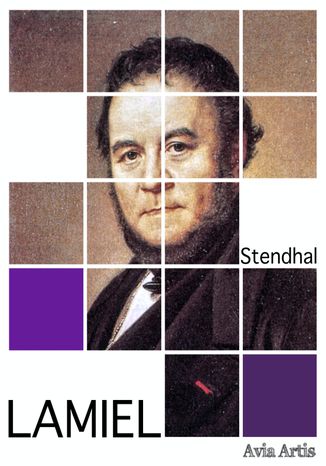
Stendhal
“Lamiel” to powieść Stendhala, słynnego francuskiego pisarza epoki romantyzmu oraz prekursora realizmu w literaturze. Wspaniała, niedokończona powieść Stendhala. Akcja utworu rozgrywa się na początku monarchii lipcowej, główną bohaterką jest młoda dziewczyna Lamiel - "harde dziecko ludu o niepodległych instynktach, wcielenie kaprysu i woli, ciekawości i znudzenia, pełna niespodzianek i kontrastów, wywierająca na wszystkich nieodparty urok, rozpraszająca jak czarami nudę wszystkich" (T. Boy-Żeleński).
Stendhal
Oto była wielka dama, u której spędzałem wrzesień, pod warunkiem że od piątej do północy będę się interesował miejscowymi plotkami i zdarzeniami. Carville, jest to miejscowość której nie znajdzie nikt na mapie, niech mi więc będzie wolno mówić o niej okropności, to znaczy część prawdy. Matactwa, brudne kombinacje tych Normandów sprawiły, iż pobyt ten nie dawał mi prawie wytchnienia po skomplikowanym życiu paryskim. (fragment)

Stendhal
Lamiel należy do licznych utworów Stendhala, które nie ukazały się za jego życia. Brak powodzenia, jaki prześladował autora Pustelni parmeńskiej, trudności wydawnicze, świadomość własnej przedwczesności, wszystko to nie działało podniecająco na jego działalność literacką. Pisał wprawdzie ciągle, ale pisał dla siebie, szkicował, ale nie wykończał. Wierzył, że wobec potomności czeka go zwycięstwo, i nawet z całą ścisłością przepowiedział jego datę; ale nie miał tej pobudki, jaką daje druk, który zmusza do decyzji, przyspiesza krystalizację formy i zniewala do ostatecznego wykończenia. Taką niedokończoną powieścią jest również i Lamiel, której akcja umiejscowiona jest w początkach monarchii lipcowej, a jej główną bohaterką jest młoda dziewczyna Lamiel - harde dziecko ludu o niepodległych instynktach, wcielenie kaprysu i woli, ciekawości i znudzenia, pełna niespodzianek i kontrastów, wywierająca na wszystkich nieodparty urok, rozpraszająca jak czarami nudę wszystkich Lamiel ma wszystkie warunki aby zrobić karierę; ale nie może: broni jej tego nuda i obrzydzenie; mierzi ją tak samo mieszczański snobizm, jak wprzód arystokratyczna i bezmózga nadętość - jak pisze tłumacz Boy-Żeleński.

Lamine Yamal. Sportowi giganci
Justyna Krupa
Mistrzem Europy został tuż po swoich siedemnastych urodzinach. Przed osiągnięciem pełnoletniości zdobył aż trzy trofea z FC Barceloną w jednym sezonie. Jego klubowy kolega Robert Lewandowski wyznał, że nie widział wcześniej gracza, zwłaszcza w tak młodym wieku, o tak potężnym talencie. Wielu wierzy, że Lionel Messi nieświadomie namaścił go na swojego następcę. Z trudnej dzielnicy pod Barceloną błyskawicznie wspiął się na szczyty futbolowego świata. LAMINE YAMAL. Zaskakująca historia młodego piłkarza, który stał się inspiracją dla niejednego nastolatka grającego w piłkę. Jak to było ― dowiesz się z tej książki.
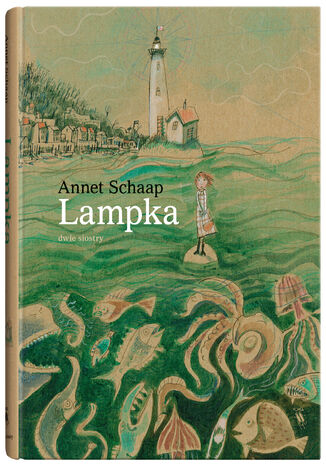
Annet Schaap Kelly
Poruszająca powieść dla młodzieży o samotności, trudnej przyjaźni i odwadze. Dla tych, którzy kochają baśń o małej syrence i nie tylko. To jest opowieść o morzu. O tajemniczych wodnych stworzeniach i o groźnych piratach. O admirale i jego Czarnym Domu, gdzie, jak mówią, mieszka potwór. O szarej latarni morskiej na małym półwyspie. O Lampce, córce latarnika, która co dzień wspina się po sześćdziesięciu jeden stopniach, żeby zapalić światło. I o pewnym sztormowym wieczorze, gdy zabrakło zapałek i wszystko poszło nie tak. Debiutancka powieść młodzieżowa holenderskiej pisarki i ilustratorki Annet Schaap, nagrodzona między innymi prestiżowym Złotym Rysikiem i przełożona na szesnaście języków.

Janusz Brzozowski
Annę i Piotra Balickich, parę detektywów z dalekiej Australii, czytelnik poznał już w poprzednich powieściach Janusza Brzozowskiego. Tym razem para dostaje zlecenie znalezienia sprawcy serii morderstw dokonanych na tasmańskiej plantacji wina. Kto wykradł tajną recepturę słynnego cierpkiego wina? Gdzie podział się pożyczony milion dolarów? Kto zginie następny? Wreszcie, komu zależało, by rodzinne tajemnice ujrzały światło dzienne? W sobie tylko specyficznym stylu Anna i Piotr rozwiązują skomplikowaną zagadkę, za każdym razem zaskakując czytelnika. Jak będzie teraz? Janusz Brzozowski Urodził się 58 lat temu w Polsce, w tętniących studenckim życiem Gliwicach. Od najmłodszych lat marzył o tym, by zostać pisarzem. W grę nie wchodziło zarobkowanie, lecz możliwość przelania na papier swoich odczuć, myśli, wyobraźni, której mu do dnia dzisiejszego nie brakuje. Zadebiutował już w szkole średniej, pisząc prace, w której wcielił się w postać adwokata broniąc winną popełnienia zbrodni Antygonę. Praca jego została bardzo wysoko wyróżniona. W wieku lat 27 z żoną i 3-letnią córeczką emigruje do Australii, zaliczając po drodze Austrię, gdzie spędza 2 lata. Obowiązek utrzymania rodziny oraz nauka nie pozwalały mu na oddanie się mojej życiowej pasji - pisaniu. Dopiero teraz, gdy jest już wolny od obowiązków, może pozwolić sobie na swoje przyjemności. Janusz Brzozowski zadebiutował w roku 2010 dwoma książkami "Sen" oraz "Tydzień u rodziny" (wyd. Goneta). Książki te spotkały się z doskonałymi recenzjami krytyków oraz zainteresowaniem wśród internautów, zdobywając nagrodę w konkursie na najlepszą książkę na jesień 2010.
Janusz Brzozowski
Małżeństwo detektywów Anny i Piotra Balickich planowało odpocząć od australijskich upałów i wybrać się na święta Bożego Narodzenia w okolice Nowej Zelandii. Niestety wymarzony urlop znowu trzeba było przełożyć. Zapowiedzią nowej przygody, która stała się udziałem Balickich stał się tajemniczy list z zaproszeniem na ślub oraz zlecenie odnalezienia seryjnego mordercy grasującego na tasmańskiej plantacji win. Kto jest tak naprawdę w posiadaniu pożyczonego miliona dolarów? Ile można w życiu poświęcić za cenę posiadania tajnej receptury na słynne cierpkie wino? Sympatyczna para Balickich po raz kolejny odkrywa wstydliwe rodzinne sekrety i ryzykując własne życie, rozwiązuje zagadkę serii zbrodni nieopodal Woodgate. ,,Lampka cierpkiego wina" to pełna zwrotów akcji powieść, która pokazuje konsekwencje ślepego podążania za korzyściami materialnymi i realizacji własnych pragnień za cenę śmierci niewinnych ludzi. Książka przypadnie do gustu miłośnikom Sherlocka Holmesa i Herculesa Poirota, a zwłaszcza słynnego motywu rywalizacji między policją a prywatnym detektywem.
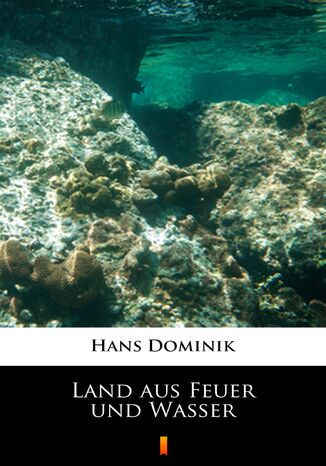
Hans Dominik
Ein bekannter Erfinder, dem die Aufgabe zuteil wurde, eine Flugzeugbasis in der Südsee zu gewinnen, plant kurzerhand, ein großes Land aus Feuer und Wasser zu schaffen. Das Experiment mit den Urgewalten der Tiefe Prof. Eggerth steht vor einer neuen Aufgabe: die vulkanischen Kräfte sollen entfesselt und in den Dienst der Menschheit gestellt werden. Kann der Mensch mit seinen besten technischen Vorraussetzungen solche Kräfte wie Wasser und Feuer bündeln und für sich gewinnen? Droht der Erde und den Menschen eine Katastrophe von unermesslichem Ausmaß? Immer brennender wird die Frage: Ist das Wagnis zu groß? Ein risikoreiches Abenteuer beginnt...

Landlord. Jak osiągnąć wolność finansową, inwestując w nieruchomości
Marcin Matuszewski
Inwestowanie w nieruchomości to w dużej mierze praca z ludźmi. Nawet bardziej z ludźmi niż z pieniędzmi. W drodze do wolności finansowej bardzo pomaga umiejętność zjednywania sobie ludzi. Jeżeli uważasz, że nie leży to w Twoim charakterze, a bardzo chcesz kupować mieszkania, biurowce i domy, najlepiej będzie popracować nad tą umiejętnością. Bez budowania zespołu, który Ci pomoże, nie da się zostać rentierem — ponieważ wtedy będziesz musiał wciąż angażować się w to, żeby utrzymać swój dorobek … To tylko jedna (za to bardzo ważna) z wielu rad, które ma dla Ciebie autor tej książki — człowiek, który w bardzo młodym wieku zaryzykował, zainwestował i… żyje z wynajmu. Ma na tyle dużo czasu i chęci dzielenia się z innymi swoją wiedzą, że zdecydował się napisać tę książkę. Czy uważasz, że jego historia to bajka? Jeśli tak, jesteś w błędzie. Nie ma tu nic z bajki — brakuje dobrej wróżki, czarów, cudów i szczęśliwych zbiegów okoliczności. Wszystko, co autor osiągnął, zdobył dzięki wiedzy i ciężkiej pracy włożonej w wybór właściwej lokalizacji, uzyskanie środków, następnie negocjacje ze sprzedającym, remonty, znalezienie odpowiedniego najemcy itd. Inwestowanie w nieruchomości to praca. Jednak w odróżnieniu od innych, ta praca daje stały, comiesięczny wpływ na konto, dzięki czemu nie trzeba martwić się o finansową przyszłość. Marcin Matuszewski – przedsiębiorca, właściciel firmy szkoleniowej Intelektualnie.pl oraz zapalony inwestor na rynku nieruchomości.
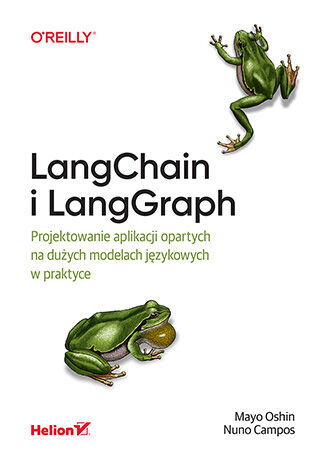
LangChain i LangGraph. Projektowanie aplikacji opartych na dużych modelach językowych w praktyce
Mayo Oshin, Nuno Campos
Jak zacząć tworzyć aplikacje AI, które potrafią wnioskować i wyszukiwać zewnętrzne dane w celu zapewniania odpowiedniego kontekstu? Sięgnij po LangChain! To popularne narzędzie programistyczne służy do tworzenia, uruchamiania aplikacji LLM, a także zarządzania nimi. LangChain jest używany przez wiele znanych firm, a jego popularność dynamicznie rośnie. To lektura obowiązkowa dla programistów, którzy chcą przesuwać granice możliwości LangChain! Tom Taulli, konsultant IT i autor książek Jeśli znasz Pythona lub JavaScript i chcesz rozpocząć przygodę z aplikacjami AI ta książka jest dla Ciebie! Krok po kroku zbudujesz agenta AI korzystającego ze wskazanego źródła danych, wyposażysz go w mechanizmy autoryzacji działań i umożliwisz mu zdobywanie dodatkowych informacji lub wyjaśnień. Dowiesz się, jak przygotować go do pracy w środowisku produkcyjnym z uwzględnieniem kwestii opóźnień, niezawodności i bezpieczeństwa. Nauczysz się również monitorować i stale ulepszać swoje aplikacje. Najciekawsze zagadnienia: zwiększanie dokładności LLM za pomocą techniki RAG inteligentna komunikacja aplikacji AI z użytkownikami architektura agentowa z wykorzystaniem LangGraph integracja z interfejsami API i narzędziami firm trzecich monitorowanie, testowanie i ewaluacja aplikacji AI praktyczne zastosowanie biblioteki LangChain Ta książka sprawia, że nauka LangChain jest interesująca i zabawna! Rajat K. Goel, IBM
LangChain in your Pocket. LangChain Essentials: From Basic Concepts to Advanced Applications
Mehul Gupta
LangChain in your Pocket offers a detailed exploration into the LangChain framework, designed to enhance your skills in developing sophisticated language understanding models and applications. This book begins with the basics, introducing you to the fundamental concepts of LangChain through a simple Hello World example. As you progress, you'll delve into various LangChain modules, learning how to create agents, manage memory, and utilize output parsers effectively.The journey continues as you explore the RAG Framework, vector databases, and their applications in natural language processing, providing you with the tools to tackle common NLP problems efficiently. The book also addresses critical aspects of working with large language models (LLMs), such as prompt engineering, handling hallucinations, and evaluating model outputs. Advanced topics like autonomous AI agents and the integration of LangSmith and LangServe are covered, giving you a holistic view of what you can achieve with LangChain.By the end of this book, you will not only understand the technical aspects of LangChain but also how to apply these principles in real-world scenarios, making it an essential resource for anyone looking to advance their capabilities in AI and language processing.
Marzena Wysocka-Narewska
Publikacja porusza problem fosylizacji języka u zaawansowanych użytkowników języka polskiego jako obcego. Zbadane są trudności (przejawy fosylizacji), z jakimi borykają się obcokrajowcy zarówno w mowie, jak i w piśmie, zasugerowane przyczyny istniejących problemów, a także sugestie zmian i form pracy nad językiem polskim.
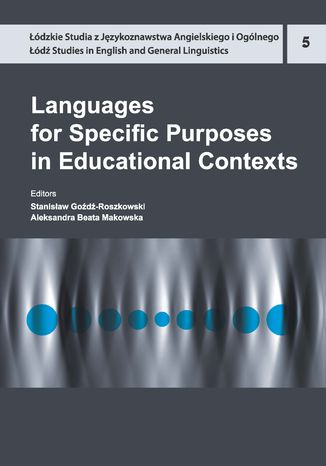
Languages for Specific Purposes in Educational Contexts
Stanisław Goźdź-Roszkowski, Aleksandra Beata Makowska
Scholarship in LSP studies is nowadays developing at an unprecedented rate reflecting the growing complexity, diversity and dynamicity of professional domains and their discourses. This volume sets out to disseminate the results of practicioners’ research carried out in various occupational and educational settings. Ranging from Business, Law and Logistics to Music, Medicine and Veterinary Medicine, the contributors examine in their chapters the numerous challenges faced when teaching specialised languages in these domains. This book is intended primarily for LSP researchers and practicioners but it should be of interest to anyone with a professional interest in teaching specialised languages in occupational contexts.
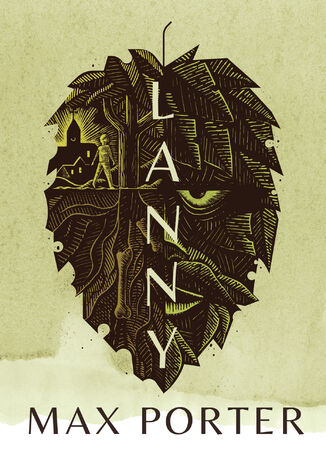
Max Porter
Mroczna i urzekająca powieść nominowana do Bookera 2019 O godzinę drogi od Londynu znajduje się wioska, w niczym nieróżniąca się od wielu innych: pub, kościół, domy z czerwonej cegły, kilka budynków urzędowych, na obrzeżach parę większych posiadłości. Wszędzie co normalne posłyszeć można ludzi mówiących o miłości, trudach dnia codziennego, pracy, umieraniu i wyprowadzaniu psów. Wioska należy do swych mieszkańców, a także do okolicy i jej przeszłości. Należy również do Praszczura Łuskiewnika, mitycznej postaci, którą dzieci w szkole zwykły rysować jako zieloną i liściastą, z wyrastającymi z ust wiciami. Łuskiewnik budzi się z błogiej drzemki. Wsłuchuje się we współczesną wioskę, w symfonię jej rozmów, na którą składają się pijackie wyznania, uliczne plotki, poirytowane czy płaczliwe rozmowy w rodzinnych domach. Najbardziej zaś wsłuchuje się w twórczego i żyjącego w swoim świecie chłopca, którego rodzice niedawno sprowadzili się do wioski: Lannyego. Lanny to płomienna obrona kreatywności, duchowości i płodnych sił, które często mogą się wydawać spychane na margines współczesnego świata. Książka ta umacnia sławę Portera jako jednego z najodważniejszych i wrażliwych pisarzy młodego pokolenia.
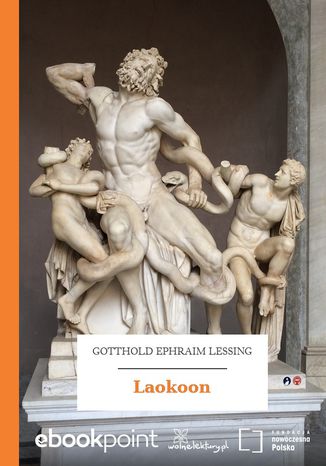
Gotthold Ephraim Lessing
Laokoonalbo o granicach malarstwa i poezji Przedmowa Ten, kto pierwszy malarstwo i poezję między sobą porównał, był człowiekiem o delikatnych uczuciach: czuł, że obie te sztuki podobnie na niego oddziaływają -- mianowicie, że obie przedstawiają rzeczy nieobecne jako obecne, pozór jako rzeczywistość, obie łudzą, lecz łudzące działanie obu podoba się ludziom. Ktoś drugi znowu starał się wniknąć w istotę tego podobania się i odkrył, że pochodzi ono u obu z tego samego źródła. Piękno, którego pojęcie urabiamy sobie najpierw z materialnych przedmiotów, posiada prawidła ogólne, dające się zastosować do wielu jeszcze rzeczy: do czynów, myśli, jako też i do form. Trzeci człowiek, zastanawiający się nad wartością i podziałem tych ogólnych prawideł, zauważył, że niektóre z nich więcej obowiązują w malarstwie, inne więcej w poezji, że przeto przy tych poezja malarstwu, przy owych malarstwo poezji może być pomocnym przez objaśnienia i przykłady. Pierwszym był miłośnik, drugim filozof, trzecim krytyk sztuki. Dwom pierwszym było łatwym czy to swe poczucie, czy to swe wnioski dobrze zastosować, natomiast przy uwagach krytyka sztuki główna rzecz polega na trafnym ich zastosowywaniu w poszczególnych przypadkach; skoro zaś na jednego bystrego krytyka przypada pięćdziesięciu pomysłowych, byłoby dziwnym, gdyby zastosowywano zawsze te uwagi z wszelką ostrożnością konieczną do utrzymania równowagi między obydwiema sztukami. [...]Gotthold Ephraim LessingUr. 22 stycznia 1729 w Kamenz w Saksonii Zm. 15 lutego 1781 w Brunszwiku Najważniejsze dzieła: Laocoon (esej o poezji i malarstwie), dramaty: Miss Sara Sampson (1755), Minna von Barnhelm (1763-1767), Emilia Galotti (1772), Natan mędrzec (1779) Dramaturg, krytyk, teoretyk literatury, filozof i teolog, przedstawiciel niemieckiego Oświecenia. Wywarł wielki wpływ na rozwój teatru jako redaktor ?Beitrage zur Historie und Aufnahme des Theatres", pracownik Teatru Narodowego w Hamburgu, autor książki Hamburgische Dramaturgie, wreszcie jako dramaturg. Dość powiedzieć, że jego sztuka Miss Sara Sampson uznawana jest za pierwsze dzieło tzw. dramatu mieszczańskiego, przeciwstawiającego się klasycznym regułom, zaś Natan mędrzec ? za pierwszy niemiecki przykład tzw. dramatu idei. Lessing przyjaźnił się z Mojżeszem Mendelssohnem, inicjatorem Haskali, czyli żydowskiego Oświecenia. Według niektórych na Mendelssohnie wzorowany jest tytułowy bohater sztuki Natan mędrzec. Był zwolennikiem wolności myśli w kwestiach teologicznych i żywił przekonanie o możliwości oparcia religii na racjonalnych podstawach. Kupując książkę wspierasz fundację Nowoczesna Polska, która propaguje ideę wolnej kultury. Wolne Lektury to biblioteka internetowa, rozwijana pod patronatem Ministerstwa Edukacji Narodowej. W jej zbiorach znajduje się kilka tysięcy utworów, w tym wiele lektur szkolnych zalecanych do użytku przez MEN, które trafiły już do domeny publicznej. Wszystkie dzieła są odpowiednio opracowane - opatrzone przypisami oraz motywami.