
Wydawca: 16
Jan Kochańczyk
Złe czarownice z Katowic i... jeszcze gorszy czarnoksiężnik z Warszawy, chcą zniszczyć całą naszą ziemską cywilizację. Ich zamiary chcą pokrzyżować mieszkańcy stołecznego Domu Pogodnej Starości. Czy ludzki spryt wygra z potęgą czarnej magii? Czy dzielnym staruszkom w trudnej walce pomogą lekcje magii - na pozór lekkie, łatwe i przyjemne? Powieść fantasy - z przymrużeniem oka.
Lekcje miłości czyli poradnik o relacjach damsko-męskich
Laura de la Love
Lekcje miłości czyli poradnik o relacjach damsko-męskich... Jak budować trwały i satysfakcjonujący związek? Na co zwracać uwagę w relacjach damsko-męskich? W swojej publikacji "Lekcje miłości" Laura de la Love dzieli się przemyśleniami i doświadczeniem, zwracając uwagę na najważniejsze aspekty budowania relacji między kobietą a mężczyzną. Książka powstała dzięki inspiracji pewną prawdziwą historią miłosną i prowadzi czytelnika przez kilka ważnych "lekcji", które mogą pomóc lepiej zrozumieć siebie i drugą osobę.
Lekcje tańca dla zaawansowanych
Wioletta Grzegorzewska
Wioletta Grzegorzewska Orinoko Lekcje tańca dla zaawansowanych Potem wypadli z siedzeń, z czasu, z torebek wysypały się plany na jutro, chipsy o smaku przestraszonej skóry, niedokończone zdania w telefonach, kryształki szyby kiełkowały... Wioletta Grzegorzewska ur. 9 lutego 1974 Najważniejsze dzieła: Wyobraźnia kontrolowana (1997), Parantele (2003), Orinoko (2008), Inne obroty (2010), Pamięć Smieny/Smena's Memory (2011), Guguły (2014) Poetka i prozaiczka, absolwentka filologii polskiej w Częstochowie. Książki wydawane w języku angielskim podpisuje jako Wioletta Greg. W latach 20032005 wspólnie z Szymonem Grzegorzewskim prowadziła magazyn literacki i niezależne wydawnictwo Bulion. Autorka kilku tomików poetyckich i dwóch tomów prozatorskich. W tej drugiej kategorii popularność przyniosły jej Guguły, opowiadające o dziewczynce dorastającej na PRL-owskiej wsi, po angielsku wydane pod tytułem Swallowing Mercury. W 2015 otrzymała nominacje do Griffin Poetry Prize, Nagrody Literackiej Nike i Nagrody Literackiej Gdynia. Zdaniem krytyczki Anny Kałuży utrzymuje wiersze na granicy snu i jawy, wyobraźniowej fantasmagorii i realnego konkretu. Kupując książkę wspierasz fundację Nowoczesna Polska, która propaguje ideę wolnej kultury. Wolne Lektury to biblioteka internetowa, rozwijana pod patronatem Ministerstwa Edukacji Narodowej. W jej zbiorach znajduje się kilka tysięcy utworów, w tym wiele lektur szkolnych zalecanych do użytku przez MEN, które trafiły już do domeny publicznej. Wszystkie dzieła są odpowiednio opracowane - opatrzone przypisami oraz motywami.
Lekcje typografii. Przykłady i ćwiczenia dla projektantów
Jim Krause
O pięknie i odbiorze każdego tekstu decyduje także jego zapis. Odpowiednio dobrany krój liter, ozdobny inicjał, profesjonalny skład tekstu i przemyślany layout mogą bardzo silnie wzmocnić przekaz słowa pisanego. Dzięki znajomości zasad typografii możemy wywołać u odbiorcy uczucie, że oto ogląda coś estetycznego, eleganckiego, a wizualna perfekcja w wyjątkowy sposób uzupełnia informacyjną funkcję pisma. Co więcej, dopiero opanowanie sztuki typografii pozwala na tworzenie prawdziwie profesjonalnych logotypów czy grafik tekstowych. Trzymasz w ręku książkę przeznaczoną dla wszystkich projektantów grafiki, którzy chcą korzystać z zasad typografii. Książkę tę doceni jednak każdy, kto chce się czegoś dowiedzieć o krojach pisma, o czcionkach i o tym, jak je rozpoznawać, wybierać i poprawnie stosować. Zamieszczono w niej mnóstwo praktycznych przykładów i ćwiczeń pogłębiających wiedzę i umiejętności typograficzne. Dzięki nim bardzo szybko zaczniesz tworzyć logotypy i emblematy, zaczniesz profesjonalnie składać tekst, a nawet projektować własne fonty! Podczas lekcji typografii nauczysz się: terminologii typografii, niezbędnej dla zrozumienia kolejnych zagadnień, rozpoznawania, wybierania i łączenia fontów stosownie do potrzeb, tworzenia monogramów i logotypów przy użyciu różnych fontów, również własnoręcznie opracowanych, zasad profesjonalnego składu tekstu oraz poprawiania jego czytelności w projekcie, zasad dodawania obrazów do liter: ozdobników, rysunków, dodatków dekoracyjnych. Typografia — obowiązkowa lekcja dla każdego projektanta! Jim Krause — wielokrotnie nagradzany projektant, ilustrator, grafik i fotografik. Autor wielu znanych książek poświęconych projektowaniu graficznemu. Od ponad 25 lat wykonuje projekty dla wielu klientów, włączając w to takie firmy, jak Microsoft, Kodak, Cingular Wireless, Seattle Public Schools, Levi Strauss czy Washington Apples.
Lekcje życia. Specjaliści od śmierci i umierania zdradzają tajemnice życia
Elisabeth Kubler-Ross, David Kessler
W ciągu czasu spędzonego na ziemi, który nazywamy życiem, wszyscy mamy do odrobienia pewne lekcje. Staje się to szczególnie widoczne wówczas, gdy pracujemy z umierajacymi. To oni uczą się i nas bardzo wielu rzeczy - jak właściwie przeżyć zycie, jak pozbywać się tego, co w nas złe, a odszukać to, co najlepsze w nas samych i innych. Wszystko sprowadza się do pytania:"Czy starczyło mi czasu, aby żyć właściwie?" Nauki z tej książki - owoc ścisłej wspólpracy autorów, których opisane doświadczenia pochodzą z ich wykładów, warsztatów oraz rozmów z pacjentami i członkami ich rodzin - są po to, byśmy potrafili docenić wagę życia.
Leki wieloskładnikowe i hybrydowe w ograniczaniu ryzyka sercowo-naczyniowego. Opisy przypadków
Celina Wojciechowska
W polskiej populacji wielu pacjentów ze współistniejącym nadciśnieniem tętniczym i hipercholesterolemią nie przestrzega zaleceń lekarskich. Osiągnięcie celów terapeutycznych w zakresie kontroli ciśnienia tętniczego i hipercholesterolemii wynosiło ok. 5,4% w grupie WOBASZ II (II Wieloośrodkowe Ogólnopolskie Badanie Stanu Zdrowia Ludności). Zalety terapii lekami hipotensyjnymi i statynami w pojedynczej tabletce - preparacie złożonym (SPC, single-pill combination) - zostały podkreślone w europejskich i polskich wytycznych dotyczących leczenia nadciśnienia tętniczego i hipercholesterolemii. Wydaje się, że wprowadzenie do terapii SPC poprzez zmniejszenie liczby przyjmowanych dziennie tabletek mogłoby przyczynić się do rozwiązania problemu niepodejmowania lub zaprzestania leczenia. Taki złożony produkt obecny w różnych dawkach daje możliwość optymalizacji leczenia. Zastosowanie SCP na większą skalę może poprawić kontrolę ciśnienia krwi i zmniejszyć stężenie cholesterolu, a dzięki temu zmniejszyć ryzyko sercowo-naczyniowe.
Lekka obudowa z płyt warstwowych
Krzysztof Kuczyński, Ołeksij Kopyłow
Przedmiotem opracowania są warunki techniczne wykonania i odbioru lekkiej obudowy z płyt warstwowych z rdzeniem z pianki poliuretanowej, styropianu lub wełny mineralnej w okładzinach z blach metalowych. Opracowanie zawiera: wymagania dotyczące obudowy wykonanej z płyt warstwowych (w tym obudowy chłodni), warunki montażu oraz kryteria odbioru obudowy. Opracowanie nie dotyczy prefabrykowanych elementów przeznaczonych do wykonywania chłodni. Wymagania i zalecenia podane w niniejszym zeszycie mają stanowić pomoc dla projektantów i wykonawców robót związanych z lekkimi obudowami z płyt warstwowych oraz dla inwestorów, nadzoru (osób odpowiedzialnych za jakość) przy ocenie poszczególnych robót pod kątem ich poprawności technicznej.

Tomasz Białkowski
Postapokaliptyczny krajobraz, w którym nikłe przejawy istnienia szybko zamieniają się w cierpienie i śmierć. W tej podobnej sennym koszmarom przestrzeni wędruje Beniamin, raz za razem ryzykując utratę życia. By przetrwać w ogarniętej pandemią rzeczywistości, utrzymuje intymne stosunki z niemłodą kobietą, bezskutecznie próbując ją okraść. Podążą do ukochanej Bereniki, która jest w ciąży z nieznanym mu człowiekiem. Powieść o dziesiątkującej ludzkość pandemii. Temat, po który sięga . Stephen King w "Bastionie", dedykowana jest czytelnikom swobodnie poruszającym się po literackich krainach mroku, gdzie spokój bywa nieczęstym gościem.

Lekko o atletyce, czyli historie o polskich sportowcach
Tomasz Sowa
31 lipca 1928 roku Halina Konopacka zdobyła pierwszy w historii złoty medal olimpijski dla Polski. Niespełna sto lat później historia polskich sukcesów w lekkoatletyce zatoczyła koło – 31 lipca 2021 roku na igrzyskach olimpijskich w Tokio sztafeta mieszana 4 x 400 metrów otwarła medalowy worek i po pierwszym, bardzo trudnym dla naszych reprezentantów tygodniu wlała nadzieję w kibicowskie serca, notując najlepszy olimpijski występ w dziejach. I choć dzisiaj może nam się wydawać, że polska lekkoatletyka od zawsze była dyscypliną „medalodajną”, to tak nie jest. W jej dziejach bywały gorsze okresy, a nawet głębokie zapaście, które jednak udało się pokonać dzięki ciężkiej pracy oraz wytrwałości zawodników i trenerów. Królowej sportu nie zniszczyli zaborcy, nie zabiła wojna, nie zawładnęła PRL-owska rzeczywistość, nie zgubiły zmiany po 1989 roku. Lekkoatletyka w Polsce przetrwała i ma się bardzo dobrze. Książka Lekko o atletyce, czyli historie o polskich sportowcach to opowieść o dziejach polskiej lekkoatletyki, począwszy od pierwszych zmagań XIX-wiecznych „szybkobiegunów” aż po olimpiadę w Tokio w 2021 roku. Pełna anegdot i ciekawostek narracja przybliża losy najwybitniejszych postaci w burzliwej historii królowej sportu w Polsce.
Lekkomyślna księżna. Powieść sensacyjna
Stanisław Antoni Wotowski
Powieść historyczna z elementami sensacji. Opisuje losy siostry jednego z najznamienitszych przywódców Francji Napoleona. Styl pisania powieści typowy dla powieści sensacyjnej, co nadaje lekkości historycznemu charakterowi książki.
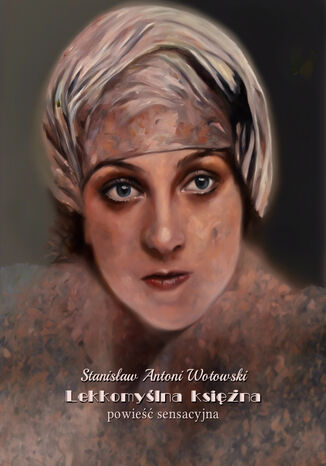
Lekkomyślna księżna. Powieść sensacyjna
Stanisław Antoni Wotowski
Lekkomyślna księżna: Wplątany w dworskie intrygi. Zanurz się w wirze historii i sensacji z "Lekkomyślną księżną" Stanisława Antoniego Wotowskiego! Początek XIX wieku. Napoleon u szczytu potęgi. Porucznik Stanisław Gaszczołd, bohater spod Somosierry, ratuje z opresji tajemniczą kobietę. Nie wie, że to początek wplątania go w intrygę z udziałem siostry Napoleona - Pauliny Bonaparte. Paulina, słynąca z rozwiązłego stylu życia, staje się tłem dla przygód Gaszczołda, który wplątuje się w wydarzenia na najwyższych szczeblach władzy. Mistrz sensacji, Wotowski, wciąga czytelnika w wir akcji, łącząc realizm historyczny z wartką fabułą. Pełen zwrotów akcji styl czyni książkę idealną dla miłośników historii i sensacji. "Lekkomyślna księżna" to: emocjonująca podróż w czasy bitew i intryg, połączenie faktów historycznych z fikcją, losy Polaka w służbie Napoleona. Znakomita lektura dla miłośników: historii XIX wieku, powieści sensacyjnych, intryg. Zamów "Lekkomyślną księżną" już dziś i daj się porwać w wir wydarzeń!
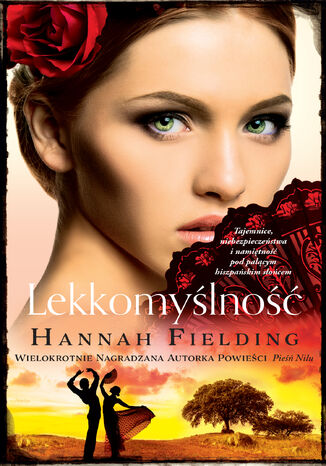
Hannah Fielding
Podróż młodej kobiety do Hiszpanii okazuje się wyprawą w świat ryzykownych namiętności, dzikiego piękna i zemsty Wiosna, rok 1950. Młoda pisarka Alexandra de Falla pół Angielka, pół Hiszpanka porzuca wygodne, ale monotonne życie w Londynie, by wyruszyć do Hiszpanii na spotkanie z krewnymi, z którymi od wielu lat nie utrzymywała kontaktów. Ma nadzieję, że odnajdzie upragnioną rodzinę. Poznaje jednak ludzi targanych gwałtownymi emocjami, uwikłanych w sieć surowych andaluzyjskich obyczajów i tradycji dla niej całkowicie obcych i niezrozumiałych. Wśród zagadkowych postaci gorącej Andaluzji spotyka mężczyznę, który budzi w niej uczucia, o jakich istnieniu nie miała dotąd pojęcia. Niestety na jej drodze piętrzą się przeszkody niebezpieczna rywalizacja, niespodziewane zdarzenia i lekkomyślne decyzje. Co szykuje dla Alexandry los w płomiennej krainie pełnej dramatów i nieposkromionych namiętności, gdzie podczas korridy przelewa się krew i wsiąka w spalone słońcem piaski areny, gdzie tuż obok żyją tajemniczy, mściwi Cyganie, a piękne ciemnookie tancerki ukrywają sekrety za eleganckimi koronkowymi wachlarzami? Lekkomyślność to pierwszy tom trylogii Noce Andaluzji.
Leksykografia - słownik specjalistyczny
Monika Bielińska
Leksykografia jest pierwszym słownikiem specjalistycznym z zakresu leksykografii, opracowanym z myślą o polskojęzycznym odbiorcy. Obejmuje 693 hasła, w tym 355 haseł samodzielnych i 338 haseł odsyłaczowych. Zawiera ona hasła przedstawiające budowę słownika, rodzaje i zawartość jego poszczególnych komponentów, typy układu haseł, rodzaje haseł oraz wszystkie elementy artykułu hasłowego. Omawia liczne typy słowników, zarówno słowniki ogólnie znane, np. słownik dwujęzyczny, słownik etymologiczny czy frazeologiczny, jak i rzadsze, np. słownik chronologiczny, fonologiczny i wierszowany. Uwzględnia aspekty związane z opracowywaniem słowników oraz ich użyciem, zawiera także hasła poświęcone zagadnieniom ogólniejszym – kulturze i dydaktyce słownikowej, ideologizacji słowników, komparatystyce leksykograficznej i typologii słowników. Na kształt słownika w znaczącym stopniu wpłynął interdyscyplinarny charakter leksykografii, a zwłaszcza ścisłe związki leksykografii językowej z językoznawstwem. Poza ogólnymi hasłami poświęconymi m.in. semantyce, pragmatyce, leksykologii, znaczeniu wyrazu oraz językowi i jego odmianom słownik zawiera krótkie opisy pojęć związanych z różnymi aspektami opisu słownikowego oraz poszczególnymi typami słowników. Adresatami publikacji są językoznawcy, leksykografowie i naukowcy zajmujący się pokrewnymi obszarami, jak również inne osoby, których aktywność zawodowa związana jest z językiem i szeroko pojętą pracą z tekstem, np. tłumacze i dziennikarze, studenci kierunków filologicznych, nauczyciele języka polskiego i języków obcych w szkołach oraz wykładowcy na uczelniach. Monika Bielińska – germanistka, językoznawczyni
Adam Sitarek, Ewa Wiatr, Izabela Terela
Życie ludzi pod przymusem narzuconym im z zewnątrz bez możliwości świadomego tworzenia wspólnoty z czasem przybrało formy, które były możliwe tylko w getcie. Codzienna egzystencja zbiorowości wymagała wypracowania pewnych norm współżycia polegających na stworzeniu własnej struktury, języka i terminologii. Nigdzie na świecie nie było takiej wspólnoty ludzi, którą można by porównać z tą z getta. Zmianie wszystkich funkcji społecznych, duchowych i ekonomicznych towarzyszyły przekształcenia znaczeniowe większości terminów. Dotychczasowe pojęcia, które wśród Europejczyków miały jednoznaczny sens, uległy całkowitej przemianie. Musiały zostać dopasowane do warunków panujących w getcie. Po tym, jak została utracona wolność przemieszczania się, nie mogło także słowo, przysłowie, sentencja być używane w dotychczasowym sensie. Zmiana form życia wymusiła zmianę form pojęciowych.[...] Potrzeby intelektualne zawężono do bardzo wąskich ram. Do ich wyrażania wystarczyło niewiele słów, pojęć, związków wyrazowych. Getto musiało zrzec się technicznych środków cywilizacji. Wykluczone zostały polityczne i metafizyczne aspiracje. Funkcje religijne zawężono do wąskiego kręgu. I tak ostatecznie pozostał tylko obszar wyżywienia i pracy w resortach, skromna pożywka do rozwoju języka. Oskar Rosenfeld, 1 grudnia 1943 roku
Katarzyna Kopecka-Piech
Konwergencja jest wciąż – w sposób coraz bardziej intensywny – obecna w praktyce medialnej i życiu użytkowników mediów. Niniejsza publikacja ma za zadanie zebrać i wyjaśnić najważniejsze pojęcia i terminy oraz relacje między nimi, naświetlić znaczenie powiązanych z konwergencją zagadnień, a także zilustrować (dosłownie i w przenośni) złożoną naturę konwergencji. Wyłaniające się z analizy dotychczasowych badań bogactwo znaczeń wymusza uporządkowanie, przypisanie poszczególnych kategorii określonym porządkom i określenie łączących je związków. Konwergencja jest koncepcją teoretyczną, lecz zarazem i biznesowo-administracyjną, co powoduje namnożenie różnych ujęć. Konwergencja jest niejednoznaczna, według niektórych – dyskusyjna. Dlatego w leksykonie obok haseł zamieszczono ilustracje. To właśnie artystyczne ujęcia i interpretacje pozwalają jeszcze lepiej zilustrować tak złożoną, niekiedy sprzeczną naturę konwergencji. Leksykon został podzielony na trzy rozdziały porządkujące obszary badań nad konwergencją; omówione tu zostały kwestie technologiczne, problematyka zawartości i jej odbioru oraz związki organizacyjno-prawno-polityczne. Częściowo odpowiadają im perspektywy badawcze, choć trzeba podkreślić, że źródła o proweniencji medioznawczej, literaturoznawczej, kulturoznawczej, socjologicznej, politologicznej oraz ekonomicznej i zarządczej są tu (celowo) wymieszane. Ostatni rozdział stanowią „przypadki” – opis przykładowych produkcji medialnych z zastosowaniem strategii konwergencyjnych. Publikacja, którą oddajemy do rąk czytelnika, stanowi zatem ramę terminologiczną i interpretacyjną, punkt wyjścia do dalszych badań, a jednocześnie podsumowanie pewnego etapu rozwoju zjawiska. Katarzyna Kopecka-Piech – doktor nauk humanistycznych, medioznawca. Specjalizuje się w badaniach nad nowymi mediami, w tym ich innowacyjnością. Jej dotychczasowe projekty dotyczyły przede wszystkim konwergencji mediów, rozwoju przemysłów kreatywnych, innowacji medialnych i mediów mobilnych. Autorka m.in. monografii Media Convergence Strategies. Polish Examples (2011), redaktorka prac zbiorowych, poświęconych medialnym transformacjom kultury i społeczeństwa – m.in. dwóch tomów Zmian medialnych i komunikacyjnych (2015). Stypendystka Ministerstwa Nauki i Szkolnictwa Wyższego, Fundacji na rzecz Nauki Polskiej, Norweskiej Rady ds. Badań Naukowych, Instytutu Szwedzkiego oraz wielu innych instytucji krajowych i zagranicznych. Jest pracownikiem Zakładu Komunikacji Społecznej i Mediów Akademii Wychowania Fizycznego, a także członkiem Akademii Młodych Uczonych i Artystów.
Włodzimierz Wilczyński
Kultura ukraińska, rozumiana jako całokształt dorobku duchowego i materialnego narodu ukraińskiego, gromadzony, utrwalany i pomnażany w ciągu ponadtysiącletnich jego dziejów, jest zjawiskiem odrębnym i niepowtarzalnym, stanowi zarazem nieodrodną część kultury europejskiej. Jej powstawanie i kształtowanie odbywało się w drodze asymilacji przez system rodzimych tradycji wartości cywilizacji zachodniej, w tym spuścizny starożytnej Grecji, Rzymu oraz judeochrystianizmu. Na każdym etapie swojego rozwoju kultura ukraińska wychodziła poza opłotki etnocentryzmu i partykularyzmu, wytrwale otwierała się na impulsy płynące z zewnątrz, zwłaszcza z Zachodu. Proces ten owocował licznymi przełomami i zwrotami, dramatyzmem wielowiekowych heroicznych zmagań całego narodu. Wątek jednoczenia się kultury ukraińskiej z Zachodem stanowi jeden z głównych motywów przewijających się w niniejszym Leksykonie, potwierdzając tezę o jej otwartości we wszystkich aspektach ludzkiej działalności – indywidualnych i zbiorowych: sztuki, nauki, języka, literatury, filozofii i dziejopisarstwa, wartości światopoglądowo-etycznych i zasad współżycia, budowania instytucji ustrojowych i społecznych oraz form gospodarowania. W tym kontekście autor wyeksponował też związki łączące naród polski z ukraińskim w przeszłości i teraźniejszości.
Leksykon logików polskich 1900-1939
Andrzej Dąbrowski, Magdalena Hoły-Łuczaj, Andrew Schumann, Konrad...
Gdyby ktoś w 1918 roku prognozował rozwój logiki w dalszych dwudziestu latach, zapewne wymieniłby Wielką Brytanię, USA, Włochy, Niemcy i Francję. Jednak około 1930 roku to Warszawa została uznana za jedną ze światowych stolic logiki matematycznej. W rzeczy samej, logika stała się doniosłym rozdziałem historii nauki w Polsce. Niniejszy leksykon przedstawia sylwetki i dokonania logików polskich, rozpoczynających swe kariery naukowe w okresie od przełomu XIX i XX wieku do 1939 roku. Uwzględnione zostały nie tylko osoby koncentrujące się na badaniach logicznych, głównie matematycy i filozofowie, ale i takie, dla których logika była pobocznym polem zainteresowań, na przykład językoznawcy, filologowie, socjologowie i psychologowie.
Leksykon organizacji i ruchów islamistycznych
Krzysztof Izak
W „Leksykonie organizacji i ruchów islamistycznych” scharakteryzowano zdecydowaną większość znaczących ruchów muzułmańskich oraz ugrupowań fundamentalistycznych i ekstremistycznych, poświęcając każdemu kilka lub kilkanaście stron tekstu. W tytule i w odniesieniu do wielu organizacji nie użyto sformułowania „terrorystyczny”, aby nie podawać w wątpliwość i pod kolejną dyskusję tego określenia oraz nie oskarżać wielu ugrupowań o prowadzenie tego typu działalności. Wymienione organizacje mają charakter radykalny. Określenie to odnosi się do ideologii głoszonej przez niektóre z nich oraz do praktyki stosowanej przez inne. Część organizacji scharakteryzowanych w leksykonie propaguje konserwatywną, purytańską ideologię, ale wystrzega się stosowania przemocy, choć jej nie potępia, kiedy stosują ją podobne im ugrupowania. Inne ograniczają działalność zbrojną (partyzancką lub terrorystyczną) do terytorium własnego kraju, dążąc siłą do zaprowadzenia szariatu. Pozostałe natomiast łączą salaficką doktrynę z ideą globalnego dżihadu, upatrując w cywilizacji Zachodu głównego wroga, zagrażającego światu islamu. Właśnie te organizacje stawiają sobie za cel dominację nad światem islamu i wprowadzenie prawa opartego na szariacie. Wszystkie natomiast odwołują się do nauk byłych i współczesnych radykalnych interpretatorów islamu oraz uczonych muzułmańskich, upowszechniając głoszone przez nich idee. Znaczna część członków tych organizacji stara się żyć i postępować zgodnie ze zmitologizowaną tradycją sięgającą początków islamu, widząc w niej rozwiązanie wszystkich problemów, zgodnie z zawołaniem Braci Muzułmanów: Al-islam hua al-hall (Islam jest rozwiązaniem). Fragment „Wstępu”
Jaworska Anetta
Prezentowany Czytelnikowi Leksykon resocjalizacji stanowi zbiór kilkudziesięciu alfabetycznie ułożonych haseł, które dotyczą: etiologii, symptomatologii, typologii, diagnostyki niedostosowania społecznego, a przede wszystkim profilaktyki społecznej i resocjalizacji oraz zjawisk związanych z patologiami społecznymi, zachowaniami ryzykownymi i przestępczością. W oddzielnych hasłach omówiono problematykę zachowań dewiacyjnych w rodzinie i szkole, wskazując na ich skutki i możliwości przeciwdziałania im. Książka zawiera także przegląd teorii oraz zagadnień definicyjnych związanych z resocjalizacją. Znajdujące się w leksykonie hasła obejmują także aspekty prawne i organizacyjne, dotyczące historii, współczesnej polityki reintegracji społecznej w Polsce oraz funkcjonowania placówek i instytucji resocjalizacyjnych. Znaczną uwagę poświęcono zagadnieniom kary pozbawienia wolności, a zwłaszcza resocjalizacji penitencjarnej, w zakresie której wyszczególniono hasła dotyczące resocjalizacji określonych kategorii skazanych, takich jak osoby: starsze, niepełnosprawne, niebezpieczne, uzależnione czy skazane za zabójstwa lub przestępstwa seksualne. Istotną częścią opracowania jest również omówienie wszystkich stosowanych w resocjalizacji terapii, w tym terapii niekonwencjonalnych, takich jak joga, ekologia, żagloterapia czy sztuka. Książka stanowi skompensowane podsumowanie dotychczasowych dociekań teoretycznych i empirycznych autorki dotyczących zagadnienia resocjalizacji i silnie powiązanych z nią dziedzin, takich jak patologie społeczne, kryminologia, profilaktyka społeczna czy penitencjarystyka. Większość haseł zawartych w tym tomie powstała na skutek nie tylko przeglądu literatury, ale także badań empirycznych. Celem zbioru jest dostarczenie Czytelnikowi skompensowanego studium wiedzy o resocjalizacji i powiązanej z nią problematyce. Każde hasło zawiera odwołania bibliograficzne, co ma za zadanie ułatwić zainteresowanemu odbiorcy dotarcie do obszerniejszych prac naukowych omawiających poruszane zagadnienia. Przypisy do tekstu, obok literatury polsko- i anglojęzycznej, zawierają także odniesienie do artykułów i monografii autorki omawiających szerzej prezentowane zagadnienia.
Leksykon smoków, czyli poradnik dla początkujących smokolubów
Agnieszka Korol
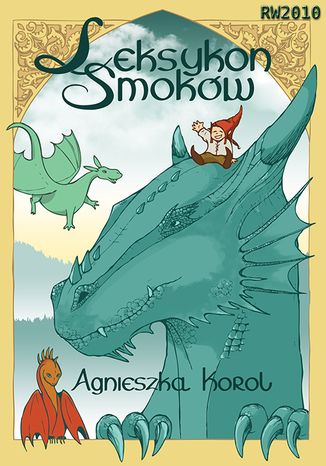
To poradnik dla podróżników zbłąkanych w Krainie Smoków, która nas zewsząd otacza. Znajdziecie w nim charakterystyki poszczególnych rodzajów smoków, a także wskazówki, z którymi osobnikami można się zaprzyjaźnić, a które należy omijać szerokim łukiem. Leksykon smoków jest pięknie ilustrowany przez Jolantę Jaworską. Polecamy go zarówno dzieciom, jak i dorosłym. Najlepiej czytajcie go razem, komentując na bieżąco i dzieląc się wrażeniami. Bo każdy z nas kiedyś spotkał smoki.
Leksykon terminów archeologicznych
praca zbiorowa
Leksykon terminów archeologicznych stanowi kompendium najważniejszych terminów, pojęć i kategorii badawczych definiujących ramy konceptualizacyjne polskiej archeologii początków XXI wieku. Ma charakter w pełni nowatorski i jest pierwszą tego typu publikacją w polskim środowisku archeologicznym. Zarysowując kolejne etapy procesu badawczego, takie jak konceptualizacje przeszłości, zakresy tematyczne badań, proces badawczy, metody i obecność archeologii we współczesności, ukazuje dojrzałość, oryginalność i intelektualny potencjał polskiego środowiska archeologicznego. Leksykon składa się z 107 haseł przygotowanych przez 70 badaczek i badaczy reprezentujących różne pokolenia i pracujących w wiodących ośrodkach badawczych, konserwatorskich i muzealnych Polski. Jest skierowany do archeologów pracujących we wszystkich sektorach dyscypliny, studentów, przedstawicieli nauk humanistycznych, społecznych i przyrodniczych współpracujących z archeologią oraz wszystkich zainteresowanych archeologią. Powstał oryginalny produkt intelektualny, który z uznaniem można zaklasyfikować do grupy esejów na temat dzisiejszych podstaw dyscypliny archeologia (...). Można być spokojnym nie tylko o jego funkcję podręcznikową (...), ale też o oryginalne autorskie przemyślenia, luźno osnute wokół dopuszczonego już kanonu. Właśnie ten ładunek myślowy jest najcenniejszą wartością (...). Zebrane teksty w przypadku większości haseł są dobrze osadzone w rozwoju myśli filozoficznej i dowodzą, że archeologia polska dynamicznie i szeroko rozwija swoje zaplecze teoretyczne, nawiązując do pomnikowych serii encyklopedycznych, słowników i leksykonów, tworzonych od lat w wielu krajach. Z recenzji prof. dra hab. Pawła Valde-Nowaka

Ewa Maria Mierzejewska
"Leksykon Wdzięku, czyli rzecz dla wierszolubów, kwiatomaniaków i działkofilów" to zbiór ułożonych alfabetycznie ponad stu miniatur poetyckich, portretujących rośliny ozdobne - kwiaty, zioła, krzewy i pnącza. Kwiatowy imiennik adresowany jest do wszystkich miłośników poezji, kochających ulotne piękno ogrodów, łąk i leśnych polan, dla romantyków zbierających polne bukiety oraz dla tych, którzy z radością i pasją uprawiają botaniczne piękności. Poetycki zielnik to próba opisania "osobowości" i "duszy" danego kwiatka w formie możliwie najkrótszej, a więc poszukiwanie jego kwint e s e n c j i... Ach, każdy kwiatek oddech mi zapiera i każdy z mej duszy przepędza chandry, więc kocham się w różach, bzach i gerberach i w złotym uśmiechu mej afelandry! I w małym fiołku, co słodki, choć wiotki i w celozjach z zadziornym pióropuszem, stokrotnym wdziękiem wabią mnie stokrotki, jaśmin - przepychem swych perskich poduszek! Więc kreślę portrety kwiatów i ziółek, tworząc jak bukiet - ten "Wdzięku Leksykon". O każdym czującym, ot, słówko czułe chcę szepnąć dziś - Przemiłym Czytelnikom! Wszystkim kwiatom, co nieba są przedsmakiem, leczą i bawią, wypełniają pustkę. Wciąż inspirują, są emocji znakiem, w skali wdzięku stawiam, ech, z plusem szóstkę! Spis treści: SPIS TREŚCIAFELANDRA - TERAPEUTKA Z PARAPETU ANEMON - KWIAT W DWÓCH ODSŁONACH ANTURIUM - KSZTAŁT NIE Z TEJ ZIEMI ASTRY - GWIAZDY JESIENNEGO NIEBA AZALIA - PIESZCZOSZKA KWIATOMANIAKÓW BEGONIA - KRÓLOWA CEBULBERBERYS - KROTOCHWILE Z CHLOROFILEM BEZ - HYMN NA CZEŚD MAJA BŁAWATEK - BUSZUJĄCY W ZBOŻU BRATEK - OCZKO W GŁOWIE WIOSNY BUGENWILLA - CUDNIE ZDOBI POŁUDNIE CELOZJA - ANIMUSZ MŁODOŚCI CHRYZANTEMA - UROK NOSTALGII CYKLAMEN - POEMAT BULWY CYNERARIA - ULOTNOŚD PIĘKNA CYNIA - ASERTYWNA, CHOĆ NIECO SZTYWNA CYTRYNOWIEC - ROZMACH WSCHODU DALIA - PRZEPYCH SIERPNIA DATURA - IMIGRANTKA Z EDENU DZIEWANNA - PANNA ZE ŚWIECZNIKIEM DZWONEK - LILIOWY ZWIASTUN NOWIN FASOLA KWITNĄCA - SOPRANISTKA CAŁA W LISTKACH FIOŁEK - WIOTKI, LECZ SŁODKI FLOKS - MISTER AMARANTU FREZJA - ZIELONA SAFONA FUKSJA - KWIAT MINIONYCH LAT GARDENIA - PIĘKNA KAPRYŚNICA GERBERA - UŚMIECH SŁOOCA GIPSÓWKA - KORONKOWA ROBOTA NATURYGOŹDZIK - ELEGANT Z TRADYCJĄ GROSZEK PACHNĄCY - FIRCYK NA PODPÓRCE HIACYNT - DYWERSANT Z ROZPYLACZEM HORTENSJE - IDOLKI AUTORKI HYZOP LEKARSKI - UJMUJĄCA WSZECHSTRONNOŚĆ IRYS - WYSŁANNIK TĘCZY JAŚMINOWIEC - IMPERIUM ZMYSŁÓW KAKTUS - DRUGA NATURA GBURA KALIA - MISTYCZKA W BIAŁYM KORNECIE KALINA - KORALOWY ZAWRÓT GŁOWY KAMELIA - KLEJNOT AZJI KONICZYNA - DLA KLACZY I ZAKLINACZY KONWALIA - MAJOWA BIAŁOGŁOWA KROKUS - KROK DO NOWEJ WŁADZY LAWENDA - PIĘKNO UŻYTECZNOŚCI LEWKONIE - OKAZ FAUNY CZY FLORY? LILIA WODNA - NIMFA W KĄPIELILILIA ZŁOTOGŁÓW - MUZA DESIGNERÓW LWIA PASZCZA - LWIA CZĘŚĆ WDZIĘKU ŁUBIN - EMPORIUM MOTYLI MACIEJKA - GIGANT ZAPACHU MAGNOLIA - GLORIA WIOSNY MAK - POLE WYOBRAŹNI MALWA - CHŁOPKA W KRASNYCH USTACH MARGARETKA - KUNSZT PROSTOTY MIECZYK - KWIAT, CO PODBIŁ ŚWIAT MIŁEK WIOSENNY - MIŁOŚNIK PIĘKNA MIMOZA - WRAŻLIWOŚD W KAŻDYM CALU NAGIETKI - NAGI INSTYNKT NATURY? NARCYZ - KWIAT PEŁEN WAD? NASTURCJA - PŁOMIEŃ NA SZTACHECIE NEMEZJA - KREACJA NA JEDEN SEZON NIECIERPEK - GŁADYSZ Z CHARAKTEREM NIEZAPOMINAJKA - CUD PAMIĘCI OSTRÓŻKA - GUSTOWNA STRZELISTOŚD PANTOFELNIK - KWIAT OD EFEKTÓW SPECJALNYCH PELARGONIA - MISS BALKONUPEŁNIK EUROPEJSKI - DOPEŁNIENIE WIOSNY PETUNIA - CZARKA MOTYLI PIERWIOSNKA - LASKA PIERWIOSNKA PIWONIA - ZAKAPTURZONA BOGINI POINSENCJA - GWIAZDA WIGILII POWOJNIK - RĄCZE PNĄCZE PRYMULKA - PIERWSZA DAMA KWIETNIA PRZEBIŚNIEG - ZWIADOWCA JEJ WIOSENNEJ MOŚCI RÓŻA - ODWIECZNY MIT I HITRUMIANEK - ZIÓŁKO W BIAŁYM KITLU SASANKA - WDZIĘK POD NADZOREM SKRZYDŁOKWIAT - PTAK W TONI WAZONU SŁONECZNIK - Z TARCZĄ W SŁUŻBIE SŁOOCA STOKROTKA - WIELOKROTNOŚD GRACJISTORCZYK - EGZOTYCZNY I EGOCENTRYCZNY SZAROTKA - TATERNICZKA W WEŁNIANYCH SPÓDNICZKACH TAWUŁA - ZADURZONA W MAJU TUBEROZA - ROZKOSZ ESTETY TULIPAN - PRZYTULONY DO KWIETNIA WEIGELA - ŚWIAT PRZEZ RÓŻOWE OKULARY WERBENA - ZIELE NA PRĘDKIE WESELE WICIOKRZEW - UWODZICIELSKI LINOSKOCZEK WILEC - ZAKRĘCONY NA WSZYSTKIE STRONY WRZOS - KOLOR MELANCHOLII ZIMOWIT - DELEGAT CHŁODÓW ZŁOCIEŃ - OPERATOR ŚWIATŁA ŻONKIL - ZŁOTY CHARAKTER!
Leksykon wiedzy o Chinach współczesnych
Praca zbiorowa
Książka zawiera artykuły-hasła dotyczące problematyki społecznej, kulturalnej, zagadnień politycznych, obyczajów, religii, miejsca tradycji, zagadnień ekonomicznych współczesnych Chin i chińskiej diaspory. Artykułów tych zamieszczono 300. Są one powiązane odsyłaczami z innymi podobnymi w treści hasłami. W ten sposób czytelnik zapoznaje się z problemem z różnych punktów widzenia. Ponadto, w książce zamieszczono szczegółowy indeks tematyczny, zawierający wyjaśnienie haseł niemających własnych omówień oraz liczne mapy. Autorami haseł są wysokiej klasy specjaliści, naukowcy pracujący w najbardziej renomowanych uczelniach we Francji, Szwajcarii, Stanach Zjednoczonych, Kanadzie i Chinach. Wprowadzenie do Leksykonu stanowi omówienie sytuacji społeczno-politycznej i gospodarczej współczesnych Chin.
Opracowanie zbiorowe
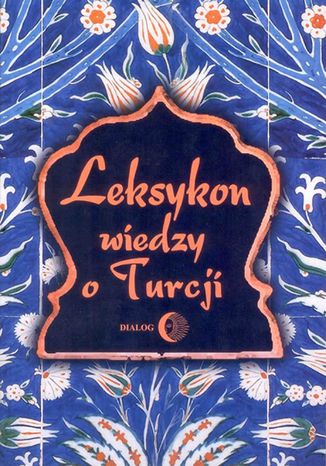
Praca zbiorowa pod redakcją Tadeusza Majdy Leksykon obejmuje okres przedrepublikański i Republiki Tureckiej. Hasła ułożone w porządku alfabetycznym podają wiadomości w sposób syntetyczny i odnoszą się do wszystkich dziedzin życia Turcji współczesnej i czasów dawniejszych, od zagadnień politycznych, ustrojowych na obyczajach i sztuce kulinarnej kończąc.