
Видавець: 16

Magiczny świat tuż za płotem 3. Przebudzenie Krzyżara
Dorota Mularczyk
Tym razem celem wyprawy jest odkrycie prawdy o zaginionych gościach Kopca. Ekipa Marcina i Piotra trafia do Mofargatanii, przepięknego i wyjątkowo spokojnego miejsca, gdzie trwa pozorna sielanka. Okazuje się jednak, że to tylko złudna zasłona, za którą kryje się strach i niepewność. Tam dalej znajduje się… Uroczysko, gdzie nieprzebyte lasy kryją siedzibę tajemniczego Gryptona . Kolejne niesamowite przygody czekają na uczestników wyprawy zarówno w podwodnym świecie jak i głęboko pod ziemią w ogromnym mrowisku. Dorota Mularczyk Pisać zaczęłam dość późno, bo przy łóżeczku najmłodszego dziecka. Pierwsza, napisana powieść fantastyczno-przygodowa "Magiczny świat tuż za płotem", to początek serii przygód Marcina i Piotra. Przerwałam to i udało mi się stworzyć kilka scenariuszy i bajek, po czym powróciłam do pisania powieści i tym razem powstała I cz. "Szkarady z głębi", cz. II jest w trakcie pisania.
Magiczny świat tuż za płotem 4. Włosy gwiazdy
Dorota Mularczyk
Przygotowania do tej bardzo tajemniczo i niebezpiecznie zapowiadającej się wyprawy zostały "zapięte na ostatni guzik". Jednak, nim zdążyła się rozpocząć zaczynają mieć miejsce dziwne wydarzenia, które nieco krzyżują z góry założony plan. Atak Hybrylców, przejście przez Niebo i Piekło, czy nocne wypadki w leśnych gęstwinach nie należą do najprzyjemniejszych, ale to, z czym będą mieli do czynienia w dalszej kolejności, przeszło ich najokropniejsze wyobrażenia.
Magiczny świat tuż za płotem 5. Rafenia
Dorota Mularczyk
Tym razem żadna wyprawa nie była planowana, miały to być zwyczajne wakacje w Asi królestwie Rafenii. Mają jednak miejsce niespodziewane zdarzenia, które nie tylko zakłócą wizję zaplanowanej sielanki, ale i spowodują zmianę planów. Coś złego dzieje się na krańcach królestwa i należy to jak najszybciej sprawdzić. Do ekipy dołącza niezwykła postać.
Magiczny świat tuż za płotem. Przejście 2
Dorota Mularczyk
Rusza kolejna wyprawa, mająca na celu uwolnienie legendarnego Orpagona. Misja zapowiada się dużo poważniej, bo tam, gdzie się wybierają, nie sięga już siła Ormiona. Mogą ze sobą zabrać jedynie kilka magicznych przedmiotów. Dotarcie do kryjówki okrutnej czarownicy Zendy, gdzie więzi Orpagona, okazuje się nie lada wyczynem. W drodze czeka na nich wiele niebezpieczeństw, wymyślnych pułapek , nieprzewidzianych wypadków , a także i niespodzianek. Tym razem do Marcina i Piotra dołącza Asia - siostra Marcina, syn królewski - Ayron i piękna Morfoza ze swoim lwem Onufrym. Nie zabraknie także stworów, potworów i … maleńkich ludzików.

Tom Hex
Tom Hex po latach działalności w zakonach magicznych i grupach czarownic postanowił spisać swoje przerażające, a jednocześnie absurdalnie śmieszne doświadczenia, czego efektem jest niniejszym tom. Magija bez teorii w praktyce, czyli Co robią współczesne czarownice to w istocie sama praktyka, bez (nie)zbędnej teorii. Jednak czytelnik nie znajdzie tutaj skondensowanych grimuarycznych przepisów na rytuały i zaklęcia do natychmiastowego wykorzystania w codziennym życiu. Hex nie ma zamiaru kopiować zawartości istniejących książek o magii. Raczej zakładając, iż światły czytelnik posiadł już odpowiednią Wiedzę, Hex opisuje, co dzieje się, kiedy takie czary zostaną uruchomione i jakie z tego mogą wyniknąć przerażające (albo rozśmieszające) konsekwencje. Mimo takiego podejścia, księga zawiera niezliczoną ilość zakodowanych czarów, a wytrawny praktyk może się z niej nauczyć kilku naprawdę niezłych sztuczek. Czytając wspomnienia Hexa: + spędzisz cztery dni na kalifornijskim festiwalu magii i pogaństwa PantheaCon, + weźmiesz udział w weekendowym kursie magii zaawansowanej dla początkujących, + poznasz fatalne skutki praktyk duchowych: wynaturzenia, pijackie burdy, zdziczenie, porachunki gangsterskie i wysoką śmiertelność ofiar uroków, + ujrzysz patologię środowiska magów: handel inicjacjami i inkarnacjami, rytualny seks grupowy, niepohamowane obżarstwo i demolowanie śmietników, + przeżyjesz naloty policji, ksenomorfów, FBI, Opus Dei, Demona Alkoholu i Freddy’ego Kruegera. Chyba nie trzeba Cię już bardziej zachęcać?
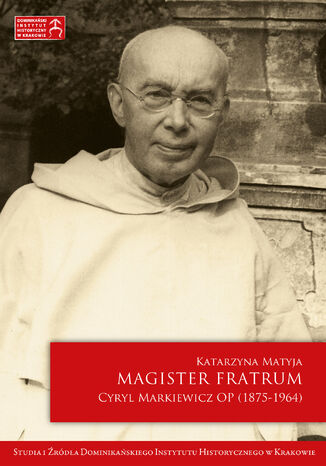
Magister Fratrum. Cyryl Markiewicz OP (1875-1964)
Katarzyna Matyja
Od początku istnienia Zakonu Kaznodziejskiego w jego szeregi wstępowało wielu braci, którzy wyróżniali się duchowo i intelektualnie. Niektórzy z nich zostali już odkryci przez teologów czy historyków, inni wciąż pozostają nieznani szerszemu gronu. Jedną z postaci, które zasługują na większe zainteresowanie jest Cyryl Markiewicz OP, którego wspomnienia ukazują się wraz z dokładnym opracowaniem Katarzyny Matyi w książce Magister fratrum. Cyryl Markiewicz OP (1875-1964). Cyryl Markiewicz OP żył w burzliwych czasach. Przyszedł na świat w XIX wieku, gdy Polski nie było na mapie świata, jako Franciszek Markiewicz. Doświadczył dwóch wojen światowych, zmian granic Polski i zmiany ustrojowej w kraju. Widział na własne oczy, jak Polacy powstają, by odzyskać niepodległość. Do nowicjatu wstąpił we wrześniu 1893 roku. Jako zakonnik był wychowawcą młodszych współbraci (magistrem nowicjatu i studentatu). W wychowaniu młodych pokoleń widział szansę na odbudowę Kościoła oraz zakonu, kulejącego wciąż po okresie zaborów. Starał się, by to wychowanie opierało się na solidnych fundamentach wiary i patriotyzmu. Ojciec Cyryl przygotował do życia zakonnego i świętości wielu dominikanów, m.in. bł. Michała Czartoryskiego, Józefa Innocentego Marię Bocheńskiego czy Ludwika Miączyńskiego. Ten prosty, niepozorny i heroicznie posłuszny człowiek w białym habicie był w oczach młodych zakonników wzorem do naśladowania. Mówili o nim, że żyje w obecności Boga. Przeżył prawie dziewięćdziesiąt lat, z tego niemal siedemdziesiąt w zakonie. Pod koniec jego życia przełożeni poprosili go o spisanie wspomnień. Wiedzieli, co robią. Ocalili w ten sposób nie tylko jego wspomnienia obfitujące w zaskakujące wydarzenia i będące świadectwem działania Bożej Opatrzności, ale też cenne przemyślenia wówczas jednego z najstarszych zakonników w polskiej prowincji. Ostatnie lata życia ojciec Cyryl spędził w Świętej Annie, pełniąc tam posługę kapelana sióstr dominikanek. To właśnie tam spisał większość swoich wspomnień. Pamięć o ojcu Markiewiczu OP była szczególnie żywa, kiedy żyli jego wychowankowie. Z czasem zaczęła się zacierać. Ponad pół wieku po jego śmierci chcemy ją podtrzymać zarówno dla historyków, jak i dla tych, którzy po prostu będą mogli w tej książce znaleźć świadectwo wiary, nadziei i miłości, które przenikały życie ojca Cyryla.

Przemysław Dębski
Pełna akcji, humoru i anegdot powieść o patriotyzmie, honorze i miłości w realiach Rzeczypospolitej z XVIII wieku. Z jednej strony wielkie, europejskie bitwy, podgraniczne starcia, leśne potyczki i brawurowe pościgi ulicami miast Rzeczpospolitej. Z drugiej strony karczemne burdy, obozowe awantury, sąsiedzkie zajazdy i honorowe pojedynki na ukrytych polanach. Z jednej strony piękne kobiety, oświeceniowe idee, nauka, muzyka i teatr. Z drugiej strony publiczne zniewagi, płomienne romanse, samobójstwa i szpiegostwo. Dyplomacja i intrygi. Wolność i swawola. Władza i pieniądz. Autor zabiera nas do XVIII-wiecznej Polski, opowiadając oparte na anegdotach perypetie z życia ówczesnych rodów szlacheckich Radziwiłłów, Czartoryskich, Poniatowskich i wielu innych wpływowych rodzin Rzeczpospolitej. Magnaci. Ostatni polski król" to wielowątkowa powieść o miłości, zdradzie, honorze oraz dążeniu do władzy. Przystępna i zabawna, lecz skłaniająca do przemyśleń propozycja literacka nie tylko dla miłośników historii. Wiedźma podniosła wybrane dziecko. Obchodziła się z nim bardzo ostrożnie i z szacunkiem, jakby od tego zależało jej życie, co zresztą było zgodne z prawdą. Trzymając maleństwo na rękach, odwróciła się do Konstancji Poniatowskiej i w geście tryumfu wzniosła dziecko ponad głowę. - Kto za lat trzydzieści parę żyw będzie, ten ma przed sobą króla! kobieta krzyknęła w najczystszej polszczyźnie.
Maria Rodziewiczówna
Magnat to wspaniała opowieść o marzeniach, uczuciach i dążeniu do wyznaczonego celu. Interesujący wątek miłosny nadaje powieści niezwykłego uroku. Aleksander Kalinowski, niegdyś dziedzic wielkich dóbr, jest obecnie rządcą magnatki Wojewódzkiej, swojej bogatej krewnej. Gdy sprzeciwia się jej ostatniej woli, traci względy i spadek. Dumny, nie chcąc być na niczyjej łasce, wyrusza na jedynym, pięknym koniu w daleką podróż do swojego szkolnego kolegi. Na miejscu okazuje się, iż obecny właściciel majątku to jego krewny. Aleksander kupuje dwór. Chce gospodarować i odzyskać dawną wielką fortunę. Zaczyna także bywać w towarzystwie i poznawać nowych ludzi. Pewnego dnia wpada mu w oko piękna hrabianka Gizela. Dziewczyna droczy się z nim, walczy na słowa. Kalinowski, chcąc uciec od uczucia, zajmuje się rolą. Unika pięknej magnatki. Jednak czy można oszukać serce? W Magnacie występują charakterystyczne rysy artyzmu Rodziewiczówny, takie jak: potężna siła w tworzeniu postaci porywających czytelnika energią swego witalizmu, niezwykła dynamika akcji wyrażona środkami najprostszymi, ale również najsilniej wzruszającymi, niezwykła pomysłowość wyobraźni w fabule i doskonała zwięzłość i przejrzystość budowy powieściowej.
Maria Rodziewiczówna
Powieść o wielkiej sile nadziei i marzeń. Młody charyzmatyczny zarządca majątku generałowej Wojewódzkiej, pochodzący ze zdegradowanej arystokratycznej rodziny, postanawia porzucić dotychczasowe życie. Celem, który już dawno sobie wyznaczył, jest zdobycie własnego kawałka ziemi. Chciałby też, wzorem swoich przodków, znów stać się członkiem elity. Dąży do tego cierpliwą pracowitością i uczciwością. Los nie oszczędzi mu jednak niemiłych niespodzianek i nie uchroni przed... miłością.
Maria Rodziewiczówna
Powieść o wielkiej sile nadziei i marzeń. Młody charyzmatyczny zarządca majątku generałowej Wojewódzkiej, pochodzący ze zdegradowanej arystokratycznej rodziny, postanawia porzucić dotychczasowe życie. Celem, który już dawno sobie wyznaczył, jest zdobycie własnego kawałka ziemi. Chciałby też, wzorem swoich przodków, znów stać się członkiem elity. Dąży do tego cierpliwą pracowitością i uczciwością. Los nie oszczędzi mu jednak niemiłych niespodzianek i nie uchroni przed... miłością.

Magnesy Nd-Fe-B. 30 lat doskonalenia materiału
Waldemar Kaszuwara
Monografia poświęcona jest materiałom magnetycznym twardym Nd-Fe-B, które dzięki swym doskonałym właściwościom dały nowe możliwości konstruktorom maszyn elektrycznych. Materiał ten, wynaleziony w 1984 roku, stanowi obecnie połowę wartości światowego rynku materiałów magnetycznych twardych. Jest obecny w wielu urządzeniach codziennego użytku (stacje twardych dysków, elektronarzędzia itp.), a także w aktualnie rozwijających się konstrukcjach (generatory elektrowni wiatrowych, silniki samochodów elektrycznych i hybrydowych). Magnesy Nd-Fe-B przez 30 lat swojego istnienia podlegały również dużym zmianom. Dzięki rozwojowi procesów wytwarzania doskonalono ich mikrostrukturę i właściwości. W tym czasie udało się podwyższyć temperaturę pracy magnesów o około 100 stopni C i zwiększono ich remantację o około 0,3 T przy kilkukrotnym zmniejszeniu ceny. Osiągnięto to poprzez doskonalenie mikrostruktury, optymalizując skład chemiczny i procesy wytwarzania. W monografii przedstawiono rozwój technologii materiału Nd-Fe-B oraz obecnie stosowane metody wytwarzania w zależności od wymaganych właściwości i postaci magnesu (magnez lity, wiązany, warstwa). Zaprezentowano także podstawowe zastosowania tego materiału i uwarunkowania (ekonomiczne i techniczne) jego dalszego rozwoju.

Helena Mniszkówna
Kasia Zahojska główna bohaterka powieści jest ambitną i uzdolnioną szlachcianką studiującą na politechnice. Po ukończeniu studiów zostaje żoną hrabiego Edwarda Zebrzydowskiego. Mężowi przeszkadza charakter pracy żony. W końcu porzuca i ją i majątek aby podróżować przez długi czas po świecie. Kasia czuje się bardzo samotna i zaczyna coraz więcej rozmyślać o swoim bliskim koledze ze studiów Andrzeju Dęboszu mężczyźnie wprawdzie niższego stanu ale za to wielkiego umysłu. Czy Kasia będzie znów szczęśliwa u boku Andrzeja?

Helena Mniszkówna
Główna bohaterka to ambitna Kasia Zahojska, która po studiach na politechnice wychodzi za mąż za hrabiego i rozpoczyna karierę architekta. Jednak mężowi nie podoba się charakter pracy żony i wkrótce ją porzuca, aby podróżować po świecie. Coraz bardziej samotna Kasia zaczyna rozmyślać o swoim bliskim koledze ze studiów.

Helena Mniszkówna
Główna bohaterka to ambitna Kasia Zahojska, która po studiach na politechnice wychodzi za mąż za hrabiego i rozpoczyna karierę architekta. Jednak mężowi nie podoba się charakter pracy żony i wkrótce ją porzuca, aby podróżować po świecie. Coraz bardziej samotna Kasia zaczyna rozmyślać o swoim bliskim koledze ze studiów.

Helena Mniszkówna
Powieść Heleny Mniszkówny to pełna emocji literatura obyczajowa, zanurzona w świecie romansu, psychologicznej przemiany bohaterki oraz społecznych napięć między klasami. Autorka, już w pełni ugruntowana jako twórczyni powieści popularnych, kreuje historię ambitnej Kasi Zahojskiej - młodej szlachcianki, która po studiach na politechnice wkracza w świat architektury, zawodów technicznych i męskich przestrzeni, tak rzadko dostępnych kobietom jej epoki. Jej małżeństwo z hrabią Edwardem Zebrzydowskim staje się areną konfliktu małżeńskiego, różnic klasowych oraz zderzenia nowoczesnych aspiracji kobiety z konserwatywnymi oczekiwaniami arystokracji. Edward, niechętny jej pracy i ambicjom, porzuca żonę, majątek i obowiązki, wybierając życie w podróży - motyw męskiej ucieczki od odpowiedzialności, często obecny w literaturze epoki. Samotna Kasia, rozdarta między lojalnością a poczuciem krzywdy, coraz częściej wraca myślami do Andrzeja Dębosza - kolegi ze studiów, człowieka wielkiego umysłu, lecz niższego stanu. Ich relacja niesie w sobie elementy romansu społecznego, miłości niespełnionej, różnic statusu oraz kobiecego dojrzewania emocjonalnego. To opowieść o samodzielności, odwadze, poszukiwaniu własnej drogi i o tym, jak kobieta z początku XX wieku próbuje połączyć zawodowe ambicje z pragnieniem miłości i akceptacji. Mniszkówna splata tu wątki romansu, dramatu psychologicznego, społecznej analizy, historii o przekraczaniu barier klasowych, motywów emancypacyjnych i narracji o kobiecej sile, tworząc pełną napięć, emocji i nadziei historię o tym, że szczęście czasem czeka tam, gdzie najmniej się go spodziewamy. 2026 Wydawnictwo Błysk (Audiobook): 9788368676761

Małgorzata Buśko
Czy kiedykolwiek zastanawiałaś się, dlaczego niektóre kobiety bez wysiłku budują autorytet, inspirują ludzi i prowadzą zmotywowane i zaangażowane zespoły? Sekret tkwi w tym, że przywództwo to zestaw konkretnych umiejętności, które można opanować - nawet jeśli dziś masz wrażenie, że daleko Ci do pewnej siebie liderki. Dobra wiadomość jest taka, że Ty również możesz to osiągnąć. Potrzebujesz tylko jasnego planu działania i skutecznych narzędzi, które krok po kroku przeprowadzą Cię od niepewności do pewności siebie, od stresu do spokoju, od chaosu do zespołu, który działa jak dobrze naoliwiona maszyna. Właśnie tym jest ebook "Magnetyczne Przywództwo. Jak zostać liderką, za którą podążają ludzie" - to Twój przewodnik, dzięki któremu: Nauczysz się komunikować jasno i z przekonaniem, budując zaufanie i zaangażowanie. Poznasz sprawdzone techniki motywowania zespołu, nawet gdy sytuacja jest trudna. Dowiesz się, jak prowadzić trudne rozmowy i dawać feedback, który naprawdę działa. Stworzysz własny styl przywództwa, oparty na Twoich mocnych stronach. Zapomnij o stresie i niepewności - przed Tobą praktyczne strategie, gotowe do natychmiastowego zastosowania! Co konkretnie otrzymujesz? Proste, ale skuteczne strategie przywództwa. Workbook z ćwiczeniami - natychmiastowa praktyka zdobytej wiedzy. Mini e-book "Klucz do efektywnej komunikacji" - jak pracować z różnymi typami osobowości. Mini ebook "Expose szefa" - jak skutecznie komunikować zmiany w zespole. 4 nagrania wideo - jak przeprowadzać kluczowe rozmowy z pracownikami. Koniec z teoretyczną wiedzą, którą odłożysz na półkę. ZACZNIJ DZIAŁAĆ już dziś! Nadal masz wątpliwości? Nie wiem, czy znajdę czas..." - Wdrażaj po jednej strategii na raz - zacznij od tych, które natychmiast wpłyną na Twój zespół. "Nie wiem, czy to dla mnie..." - ebook jest stworzony dla liderek na każdym etapie rozwoju - od początkujących po doświadczone. "Jestem przytłoczona ilością materiałów o zarządzaniu..." - W tej publikacji znajdziesz tylko sprawdzone, konkretne metody, które faktycznie działają. Przestań tylko obserwować sukces innych liderek - zacznij budować własny! Twoja pewność siebie, autorytet i zaangażowany zespół są na wyciągnięcie ręki! O Autorce Autorka od ponad 10 lat wspiera kobiety-liderki w budowaniu kariery i pewności siebie. Jako doświadczona Team Leaderka w korporacji, doskonale zna wyzwania związane z motywowaniem zespołu, presją oczekiwań i trudnymi rozmowami. Jako mentorka i trenerka pomaga kobietom odkrywać ich mocne strony, rozwijać kompetencje liderskie i tworzyć zaangażowane zespoły. Wierzy w autentyczne przywództwo oparte na szczerości i empatii. Opinie: "Gosia! Po raz pierwszy od dłuższego czasu miałam spokojny piątek. Bez gaszenia pożarów! Dziękuję Ci za te cenne wskazówki." "Krótkie konkretne bez lania wody! Już wdrażam zmiany! Dzięki." "OMG! Przeczytałam jednym tchem! Zawsze miałam poczucie, że muszę być twarda i udowadniać każdemu, że się nadaję na to stanowisko, a tu wkraczasz Ty i pokazujesz, że można inaczej! Z empatią, spokojnie, w zgodzie ze sobą i nie musieć nikogo udowadniać! Dziekuję Ci za ten ebook!" Dystrybucja książek, ebooków, audiobooków w księgarniach, hurtowniach i platformach sprzedażowych przez eBOOKnij to - partnera wydawniczego dla self-publishingu i niezależnych autorów

Grażyna Jeromin-Gałuszka
Tam, gdzie zwyczajne życie ociera się o magię. Filip Spalski jest pilotem, kocha latać, robi to całe życie. Pewnego dnia wraca do domu po długim locie przez Atlantyk i dowiaduje się, że jego żona odeszła. Nie chciała dłużej czekać na niego, na dziecko, na wspólne życie. Filip nagle widzi, że nic mu nie zostało. Jest sam, nie ma przyjaciół ani rodziny. Wsiada w samochód i rusza przed siebie. Dojeżdża na koniec świata, do małej wioski w Bieszczadach, gdzie czas płynie tak wolno, że wszyscy kupują gazety sprzed tygodnia. Na nieczynnej poza sezonem stacji kolejowej spotyka mężczyznę, znajdującego się w podobnej sytuacji. Kupuje od nieznajomego zaniedbaną knajpę o nazwie Magnolia. Pracuje tam kilka niezwykłych kobiet, które odmienią jego życie W życiu pewna jest tylko zmiana. W świecie Magnolii [AK1]mamy wielu odważnych bohaterów, którzy zmieniają swoje życie. Zachwyca niezwykłe bogactwo wyjątkowych postaci kobiecych, a ich różnorodność tworzy barwny patchwork charakterów, które chciałoby się zobaczyć na dużym ekranie. Mamy tu świat trochę jak z filmów Kusturicy, a wszystko okraszone przewrotnym poczuciem humoru. Warto zarezerwować wieczór na lekturę Magnolii[AK2]. Polecam! Małgorzata Foremniak, aktorka Grażyna Jeromin-Gałuszka znana i ceniona autorka powieści obyczajowych, łączących romans i kryminał z magią. Jej książki to zaproszenie do podróży w głąb ludzkich serc, do poszukiwania prawdy o życiu. Od wielu lat jest zafascynowana powieściami Gabriela Garcíi Márqueza. Otoczona rodziną i zwierzętami, mieszka i tworzy pośród przepięknych krajobrazów podradomskiej wsi. Absolwentka bibliotekoznawstwa na Uniwersytecie Warszawskim oraz scenopisarstwa w PWSFTViT w Łodzi. Publikowała utwory poetyckie i krótkie formy prozatorskie w czasopismach, a także w antologiach poetyckich. Laureatka ogólnopolskiego konkursu zorganizowanego przez Agencję Scenariuszową i magazyn Film. Jej debiutancka powieść Złote nietoperze (2007) otrzymała pierwszą nagrodę w konkursie literackim Kolory życia. Pięciotomowa saga Dwieście wiosen podbiła serca polskich czytelniczek, a wydana w 2025 roku powieść Skończyły mi się oczy kilka tygodni nie schodziła z list bestsellerów.

Grażyna Jeromin-Gałuszka
Tam, gdzie zwyczajne życie ociera się o magię. Filip Spalski jest pilotem, kocha latać, robi to całe życie. Pewnego dnia wraca do domu po długim locie przez Atlantyk i dowiaduje się, że jego żona odeszła. Nie chciała dłużej czekać na niego, na dziecko, na wspólne życie. Filip nagle widzi, że nic mu nie zostało. Jest sam, nie ma przyjaciół ani rodziny. Wsiada w samochód i rusza przed siebie. Dojeżdża na koniec świata, do małej wioski w Bieszczadach, gdzie czas płynie tak wolno, że wszyscy kupują gazety sprzed tygodnia. Na nieczynnej poza sezonem stacji kolejowej spotyka mężczyznę, znajdującego się w podobnej sytuacji. Kupuje od nieznajomego zaniedbaną knajpę o nazwie Magnolia. Pracuje tam kilka niezwykłych kobiet, które odmienią jego życie Grażyna Jeromin-Gałuszka znana i ceniona autorka powieści obyczajowych, łączących romans i kryminał z magią. Jej książki to zaproszenie do podróży w głąb ludzkich serc, do poszukiwania prawdy o życiu. Od wielu lat jest zafascynowana powieściami Gabriela Garcíi Márqueza. Otoczona rodziną i zwierzętami, mieszka i tworzy pośród przepięknych krajobrazów podradomskiej wsi. Absolwentka bibliotekoznawstwa na Uniwersytecie Warszawskim oraz scenopisarstwa w PWSFTViT w Łodzi. Publikowała utwory poetyckie i krótkie formy prozatorskie w czasopismach, a także w antologiach poetyckich. Laureatka ogólnopolskiego konkursu zorganizowanego przez Agencję Scenariuszową i magazyn Film. Jej debiutancka powieść Złote nietoperze (2007) otrzymała pierwszą nagrodę w konkursie literackim Kolory życia. Pięciotomowa saga Dwieście wiosen podbiła serca polskich czytelniczek, a wydana w 2025 roku powieść Skończyły mi się oczy kilka tygodni nie schodziła z list bestsellerów.
Magnus Carlsen. 60 pamiętnych partii
Andrew Soltis
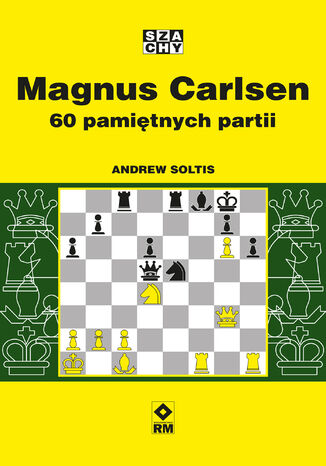
Graj jak Magnus Carlsen! Magnus Carlsen to jeden z największych współczesnych światowych mistrzów szachowych. Wygrał więcej super turniejów niż ktokolwiek inny i nadal jest w najlepszej formie. To jedyny gracz, który wielokrotnie wygrywał mistrzostwa świata w formatach szachów klasycznych, szybkich i błyskawicznych. Ta książka szczegółowo opisuje jego rozwój jako szachisty i to, jak zdobył kluczowe umiejętności arcymistrzowskie w szachach XXI wieku. Poprzez analizę 60 najważniejszych partii Carlsena pokazuje jego strategie, taktyczne uzasadnienie ruchów i psychologiczną walkę na szachownicy. Dzięki tej książce: poznasz procesy myślowe Magnusa Carlsena, odkryjesz sekrety mistrza, poprawisz swoją strategię i nauczysz się, jak wykorzystywać psychologię do zdominowania przeciwników. Będzie to wspaniała lektura dla entuzjastów szachów, zawodników i profesjonalistów o każdym poziomie umiejętności.

Eliza Orzeszkowa
Eliza Orzeszkowa Magon ISBN 978-83-288-2570-3 Na pokładzie wspaniałej tryremy, ognistem okiem ścigając blaski morza, przez trzy rzędy potężnych wioseł oranego, Mago Wielki, floty kartagińskiej wódz, czyli Nawarchos, w głębokich pogrążał się dumaniach. Dumania to były takie, jakie niekiedy szumią w duszach skrzydlatych, mających w sobie głębie tajemnicze, a w nich głuche boje i zdziwienia. Dziwił się Mago bojowi, który w nim powstał, a wzrastał w miarę zmniejszania si... Eliza Orzeszkowa Ur. 6 czerwca 1841 r. w Miłkowszczyźnie Zm. 18 maja 1910 r. w Grodnie Najważniejsze dzieła: Nad Niemnem (1888), Cham (1888), Meir Ezofowicz (1878), Gloria victis (1910), Dobra pani (1873), A...B...C... (1873), Niziny (1885), Dziurdziowie (1885) Polska pisarka nurtu pozytywizmu znana pod nazwiskiem męża, Piotra Orzeszko, nazwisko rodowe: Korwin-Pawłowska. Publikowała pod pseudonimami: E.O., Bąk, Wa-Lit-No, Li...ka, Gabriela, Litwinka. Pierwszymi jej tekstami były powieści tendencyjne (Marta 1873); cele swojej wczesnej twórczości przedstawiła w rozprawach: Kilka uwag nad powieścią (1866) i Listy o literaturze (1873). Drugim etapem pisarskim Orzeszkowej był realizm (Nad Niemnem), oscylujący niekiedy w kierunku naturalizmu (Dziurdziowie). Teoretycznoliterackie opracowanie założeń powieści realistycznej znalazło się w rozprawie O powieściach T.T. Jeża z rzutem oka na powieść w ogóle (1879). Późne utwory noszą cechy prozy modernistycznej (tom Gloria victis). Najsłynniejsza powieść Orzeszkowej, Nad Niemnem, dotyczy tematu tożsamości narodowej, będąc jednocześnie uczczeniem powstania styczniowego, w którym autorka czynnie brała udział. Samo powstanie było bardzo ważną częścią jej życia - w swoim domu ukrywała ostatniego dyktatora tego zrywu narodowego, Romualda Traugutta, osobiście też organizowała zaopatrzenie i pomoc lekarską dla powstańców. Pisarka utrzymywała ścisłe kontakty ze środowiskiem literackim: M. Konopnicka była jej bliską przyjaciółką jeszcze z pensji; ożywiona korespondencja łączyła Orzeszkową z L. Méyetem i Z. Miłkowskim; była związana z tygodnikiem Bluszcz. Nominowana do Nagrody Nobla w 1905 r., przegrała jednak z H. Sienkiewiczem. Twierdziła, że literatura powinna odpowiadać za los społeczeństwa. autor: Bartłomiej Sandomierski Kupując książkę wspierasz fundację Nowoczesna Polska, która propaguje ideę wolnej kultury. Wolne Lektury to biblioteka internetowa, rozwijana pod patronatem Ministerstwa Edukacji Narodowej. W jej zbiorach znajduje się kilka tysięcy utworów, w tym wiele lektur szkolnych zalecanych do użytku przez MEN, które trafiły już do domeny publicznej. Wszystkie dzieła są odpowiednio opracowane - opatrzone przypisami oraz motywami.
Krishna Dharma
Mahabharata jest niezwykłym dziełem literackim. Ponad 100 000 wersetów czyni z niej jeden z największych eposów świata – jest ośmiokrotnie dłuższa niż Iliada i Odyseja razem wzięte. Według współczesnych badaczy, Mahabharata powstała na przestrzeni kilku stuleci, między IV w. p.n.e a IV w. n.e. i miała wielu autorów. Według samej Mahabharaty oraz zgodnie z tradycją, została spisana przez wielkiego wieszcza Wjasadewę około 5000 lat temu, bezpośrednio po wydarzeniach, które składają się na jej akcję. Epos ten uważany jest za jeden z dwóch fundamentalnych tekstów (obok Ramajany), na których opiera się kultura, tradycja i religia Indii, a jej poszczególne epizody wielokrotnie znajdowały swoje przedstawienie w rzeźbie, malarstwie, tańcu czy teatrze. Mahabharata zawiera w sobie wszystko to, co tak fascynuje ludzi zachodu w kulturze Indii: duchowość, mistycyzm, świat bogów , demonów i joginów, wierzenia, miłość, erotyka, opisy bitew. Historia Mahabharaty została opisana na kanwie konfliktu dwóch gałęzi rodu Bharatów. Przedmiotem sporu jest tron Hasztinapury- stolicy Bharata-Warszy (tradycyjna nazwa Indii). Poprzez intrygi Kaurawowie skazali swoich kuzynów na wygnanie i bezprawnie sprawowali władzę w królestwie. Kulminacją historii jest wielka bitwa pod Kurukszetrą, w trakcie której giną Kaurawowie oraz prawie wszyscy biorący w niej udział żołnierze. Przed samą bitwą doszło do wypowiedzenia Bhagavat-gity (Pieśń Pana), której 700 wersetów, będących częścią Mahabharaty stanowi dla Hindusów najważniejszy i najświętszy tekst. W niej to Kryszna, który jest uznawany za samego Boga Wisznu, instruuje swojego przyjaciela Ardżunę (jeden z Pandawów) o naturze świata, prawie karmy, zasadach reinkarnacji oraz różnych systemach Jogi. Sama Bhagavat-gita doczekała się ponad 100 różnych tłumaczeń na język angielski oraz kilku na język polski.
Vyasa
Mahabharata - najbardziej obszerny oraz jeden z najstarszych poematów epickich znanych ludzkości, powstały w starożytnych Indiach i zapisany w sanskrycie. Mahabharata liczy sto tysięcy ślok (dwu- i czterowierszy), jest osiem razy dłuższa od Iliady i Odysei razem wziętych. Epos ten opowiada o współzawodnictwie pomiędzy rodami Pandawów i Kaurawów zakończonym osiemnastodniową, wyniszczającą bitwą na polach Kurukszetry, świętego miejsca pielgrzymek w środkowych Indiach. W szeregach wojsk Pandu poczesne miejsce zajmuje Kryszna, syn królewskiej dynastii Jadu, który widząc zwątpienie i rezygnację swego przyjaciela Ardżuny, tuż przed rozpoczęciem bitwy udziela mu filozoficznego wykładu w formie Bhagawad Gity. Obejmująca ponad siedemset ślok "Pieśni Pana" (zapisana w części Mahabharaty zwanej Biszma Parwa) wyjaśnia w zwięzły sposób trzy podstawowe nurty jogi: karma (szkołę działania pozbawionego rezultatów karmicznych), dźnana (jogę wiedzy spekulatywnej) oraz bhakti (czyli bezinteresowne oddanie dla Najwyższego). Uważaną za Piątą Wedę (pańćana weda) Mahabharata ustanawia supremację Kryszny, jako summum bonum całego stworzenia i jednocześnie Najwyższego Osobowego Boga, powtarzając jednocześnie zawarte w literaturze pańćaratra takiej jak sadhana, czy moksza. Ze względu na dogłębność i rozciągłość tematów związanych z kultem Kryszny, Mahabharata uważana jest za "encyklopedię religii i filozofii wisznuizmu". (źródło : Wikipedia)
Mahakala. Sześcioręki strażnik w buddyzmie tybetańskim
Joanna Grela
Zarówno istota, jak i funkcje tybetańskich bóstw są na Zachodzie mało znane. Elementy ikonograficznego przedstawienia bóstw są zazwyczaj odczytywane dosłownie, co prowadzi do wypaczonej interpretacji – na przykład do uznania strażników za demony, a buddyzmu tybetańskiego za zdegenerowaną odmianę religii propagującą ich kult. W książce podjęto analizę zagadnienia „strażnika” czy „bóstwa opiekuńczego” w wierzeniach i ikonografii. Przedstawiono rozmaite kategorie istot uważanych przez buddyzm tybetański – ludowy i ortodoksyjny – za strażników oraz omówiono różne aspekty ich kultu. Na tle bogatego materiału źródłowego i etnologicznego wyróżniono Sześciorękiego Mahakalę, jako pełniącego funkcje przypisywane wielu kategoriom bóstw należących do panteonu. Jego przypadek stanowił dogodną podstawę do badań nad istotą bóstw i ich rolą w buddyjskiej tantrze.
Derrin Michael Kent
Mahara is a user-centred environment with a permissions framework that enables different views of an e-portfolio to be easily managed. These views helps you display your artefacts – text files, spreadsheets, images, and videos – in a way you choose and to the people you want. You can also create online communities and social networks through groups, blogs, and forums.Being a novice, you will need a quick and easy implementation guide to set up your feature-rich digital portfolio.This book is your step-by-step guide to building an impressive professional e-portfolio using Mahara. It covers the key features of Mahara that will help you set up your customized digital portfolio and display the artefacts in your preferred way allowing contribution from selected users only.This book will introduce to the exciting features of Mahara framework and help you develop a feature-rich e-portfolio for yourself. You will see how easily you can create folders, upload multiple files like journals, project documents, pictures, and videos and share them with your friends. You will learn to set up views of these files, making these visible to your chosen friends only. And then, you will allow people to give their inputs.You will learn to create blogs and forums and get connected to the rest of the world. Customization and administration of your Mahara site will become easy after you have gone through this book. Imagine how good you will feel when you will see your knowledge, success, and ideas going live and available to your chosen audiences for their inputs.