
Видавець: 16
Krzysztof Galos
Takie właśnie było moje życie. A to była moja śmierć. Tak mi się wydawało. To było niebo, raj obiecany, ale tylko i wyłącznie z pozoru. Prawda była taka, że piekło jest różowe, jest delikatnie różowe, oświetlone stłumionym, różowym światłem. Trafiłem do piekła i teraz musiałem odpokutować tysiące grzechów, które odważyłem się popełnić w ciągu życia. Kto wie, może byłem na drodze do oczyszczenia. Pierwsze grzechy pojawiły się na ekranie monitora. Myśli, których się wstydziłem, które ukrywałem przed samym sobą, nad którymi nie miałem kontroli. Tak mi się wydaje, że nie miałem. A może miałem? Tylko nie chciałem ich kontrolować? Nie próbowałem wystarczająco mocno, wiedząc, że nikt moich myśli nie słyszy? Na ekranie pojawiła się zakrwawiona, pokaleczona twarz Jezusa. Dźwigał swój krzyż. Wyciągnąłem rękę w jego stronę, chciałem wstać, chciałem tam być, chciałem wziąć Jezusowi krzyż i ponieść go za niego. Chciałem tylko mu pomóc. Te myśli, to nie była moja wina. To było we mnie, gdy się urodziłem, to był grzech pierworodny. Grzech, który ciążył na mnie, wysysał i męczył całe życie. Jezus zawisł na krzyżu, a mnie zalała fala przyjemnego ciepła. Czy to jest prawdziwe cierpienie? Ciepłe, przyjemne, piękne?

Bolesław Prus
Ogród Saski Mylisz się, kochany przyjacielu, jeżeli sądzisz, że zawsze samotny stąpałem po żwirze, który w tej chwili tysiące nóg depcą. Patrz, teraz na przykład, w jak pięknym znajduję się kółku rodzinnym! ... Ta szanowna, aczkolwiek przysadzista matrona, w jedwabnej sukni, z tak tkliwym zaufaniem opierająca się na moim ramieniu, to pani X., właścicielka nieco zadłużonych dóbr ziemskich. Ten wysmukły, co chwila rumieniący się anioł w aksamitnej garybaldce, to panna Zofia, córka poprzedzającej; ma 18 lat, 6, 000 rubli posagu i wyobraża sobie, że w Saskim Ogrodzie wszyscy tylko na nią patrzeć i z niej wyśmiewać się będą. [...]Bolesław PrusUr. 20 sierpnia 1847 r. w Hrubieszowie Zm. 19 maja 1912 r. w Warszawie Najważniejsze dzieła: Anielka (1880), Powracająca fala (1880), Katarynka (1881), Antek (1881), Kamizelka (1882), Placówka (1886), Lalka (1890), Emancypantki (1894), Faraon (1897), Dzieci (1909) Właśc. Aleksander Głowacki (pseudonim literacki pochodzi od nazwy rodowego herbu Prus); polski pisarz i publicysta, jeden z najwybitniejszych pisarzy okresu pozytywizmu, teoretyk i twórca podwalin realizmu w polskiej literaturze. Twórczość Prusa bywa zestawiana z dziełami Karola Dickensa i Antoniego Czechowa. Wcześnie stracił rodziców, wychowywali go krewni, przez pewien czas w Kielcach pozostawał m.in. pod opieką brata Leona, działacza ?czerwonych?. Zapewne pod jego wpływem przyłączył się do powstania styczniowego; ranny w głowę, trafił do więzienia w Lublinie. Zwolniony, ukończył gimnazjum w Lublinie i zdał na wydz. mat.-fiz. Szkoły Głównej, ale studiów nie skończył. Pracował jako korepetytor, a nawet robotnik w fabryce Lilpopa, nie rezygnując z samokształcenia (szczególnie interesowała go logika, ale ogłosił też np. artykuł o elektryczności). Publikowanie stałych felietonów w ?Niwie? i sławnych Kronik w ?Kurierze Warszawskim? zapewniło mu stabilizację materialną; w 1875 r. ożenił się ze swą kuzynką Oktawią Trembińską. Powieści stawiał za cel dokonywanie rodzaju analizy socjologicznej, wskazywanie istotnych procesów społ. poprzez badanie typów ludzkich ukształtowanych przez aktualne przemiany. Praca literacka miała opierać się na obserwacji, systematyzacji spostrzeżeń i wnioskowaniu. Prus brał aktywnie udział w wielu akcjach oświatowych i społecznych (np. w organizowaniu Kasy Przezorności i Opieki dla Literatów i Dziennikarzy, obywatelskiej pomocy dla robotników pozbawionych pracy po strajkach w 1905 r.). W testamencie ufundował stypendium dla zdolnych dzieci wiejskich - wypłacane do dziś. autor: Iga GawrońskaKupując książkę wspierasz fundację Nowoczesna Polska, która propaguje ideę wolnej kultury. Wolne Lektury to biblioteka internetowa, rozwijana pod patronatem Ministerstwa Edukacji Narodowej. W jej zbiorach znajduje się kilka tysięcy utworów, w tym wiele lektur szkolnych zalecanych do użytku przez MEN, które trafiły już do domeny publicznej. Wszystkie dzieła są odpowiednio opracowane - opatrzone przypisami oraz motywami.
Ogród Utrapień Transcendentnych
Dominika Thomson
W roku 1944 podczas Wielkiej Wojny para zakochanych nastolatków zostaje uwięziona w schronieniu i prowadzi wyczerpującą walkę o przetrwanie. W tle dogorywających ruin ukochanego niegdyś miasta zmierzają się z głodem, szczurami oraz własnym strachem o jutro. Jednak w tym bolesnym oczekiwaniu nie zjawia się wyczekiwana pomoc i spotyka ich koniec… ziemskiej wędrówki! Wydawałoby się, że jest to kres ich problemów, ale do osobliwego miejsca, w jakim zjawia się dziewczyna, nie trafia jej ukochany… W Ogrodzie Utrapień Ania musi stawić czoło niedopowiedzeniom, niejasnościom, absurdalności, ale wędrówka po tej osobliwej krainie okazuje się być podróżą w głąb własnej duszy.
Romain Potocki
Która trafi w pierwszej kolejności na wydawnictwznak.pl i platformę b2b NAJBARDZIEJ BRAWUROWA FRANCUSKA POWIEŚĆ OSTATNICH LAT Południe Francji. Rozgrzany beton, odrapane klatki schodowe, wąskie balkony ze schnącym praniem. A ponad tym wszystkim, na dwudziestym drugim piętrze kwitnący ogród, którego nie powinno tu być. Robert ma siedemnaście lat, problem z jąkaniem, chorą matkę i klucz do wejścia na dach wieżowca. Sadzi tam agapanty, krokusy i róże chantilly, żeby ukryć marihuanę. Wchodzi w interesy, których nie rozumie, w dzielnicy, z której nikt nie jest w stanie się wyrwać. Jest jeszcze księgarnia trochę szalonej Sophie, która wierzy, że Rimbaud i Melville mogą ocalić człowieka. To azyl dla outsiderów, pełen bałaganu i magii. Gdzieś między półkami działów Historie zapierające dech" i Poezja po Hiroszimie Robert odkrywa, że można mówić inaczej, myśleć inaczej, że są inne wyjścia niż te, które zna. Ogród w chmurach to opowieść o dorastaniu w świecie bez złudzeń. Historia pachnąca kwiatami i marihuaną, gdzie w brutalność blokowisk wdzierają się poezja książek i blask śródziemnomorskiego słońca.
Andrzej Sarwa
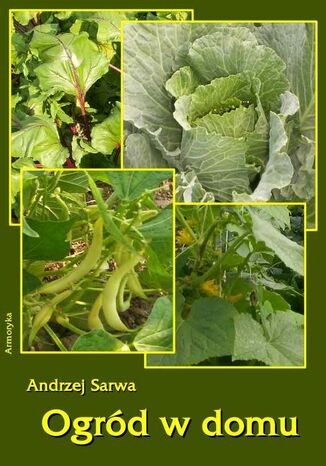
W domu a mam tu na myśli nie tylko okienne parapety, lecz również balkony, tarasy i piwnice można z powodzeniem uprawiać nie tylko rośliny przyprawowe, ale również niektóre warzywa, a nawet drzewka i krzewy owocowe, i to zarówno latem, jak i późną jesienią, a nawet w zimie. Taki ogród w domu prócz realnych, materialnych korzyści może przynosić nam pożytki pozamaterialne. Uprawiając rośliny, będziemy zmuszeni do pogłębienia swej wiedzy o nich o ich wymaganiach, przebiegu procesów życiowych, metodach uprawy aby prawidłowo je pielęgnować. Przy okazji dowiemy się wiele o właściwościach poszczególnych gatunków i o ich wpływie na nasz organizm. (Ze wstępu)

Bolesław Leśmian
Bolesław Leśmian Poematy zazdrosne Ogród zaklęty Tak mi mówili aniołowie, Co znają prawdę, skrytą w słowie, Że tam, gdzie, wisząc nad przestrzenią, Brzegi wieczności się zielenią, Przedarłszy czasu mdłe osłony, Wzgórzami tęsknot otoczony, Zakwita ogród niezbadany, Zaczarowany, obłąkany Zaczarowany skonem zorzy I obłąkany mgłą bezdroży! Więc, wizyą skrzydeł spromieniony, Szedłem w cudowne owe strony, Poprzez stężałych snów urwiska, Przez dawnych bytów uroczyska, I n... Bolesław Leśmian Ur. 22 stycznia 1878 r. w Warszawie Zm. 7 listopada 1937 r. w Warszawie Najważniejsze dzieła: zbiory wierszy: Sad rozstajny (1912), Łąka (1920), Napój cienisty (1936), Dziejba leśna (1938); zbiory baśni prozą: Klechdy sezamowe (1913), Przygody Sindbada Żeglarza (1913) i Klechdy polskie Wybitny polski poeta, eseista, prozaik i tłumacz tworzący w Młodej Polsce i dwudziestoleciu międzywojennym. Pochodził ze spolszczonej inteligenckiej rodziny Lesmanów. Spokrewniony z A. Langem i J. Brzechwą. Ukończył studia prawnicze w Kijowie. Współtworzył Chimerę i Teatr Artystyczny w Warszawie. Jego poezję cechował symbolizm, sensualizm, mistycyzm, spirytyzm, zainteresowanie paranormalnością, postulowanie powrotu do natury (poeta jako człowiek pierwotny), poszukiwanie miejsca Boga w świecie, ale i egzystencjalne spory ze stwórcą. Nawiązywał do ludowości (tworząc neologizmy oraz własne mity i postaci), stylistycznie do baroku i romantyzmu, ideowo do filozofii Nietzschego i Bergsona. Mistrz wiersza sylabotonicznego. W 1933 r. został członkiem Polskiej Akademii Literatury. autor: Alicja Szulkowska Kupując książkę wspierasz fundację Nowoczesna Polska, która propaguje ideę wolnej kultury. Wolne Lektury to biblioteka internetowa, rozwijana pod patronatem Ministerstwa Edukacji Narodowej. W jej zbiorach znajduje się kilka tysięcy utworów, w tym wiele lektur szkolnych zalecanych do użytku przez MEN, które trafiły już do domeny publicznej. Wszystkie dzieła są odpowiednio opracowane - opatrzone przypisami oraz motywami.
Krzysztof Galos
Gdy taflę jeziora oświetlało poranne słońce, zdawało się, że maź lśni, niczym złoto. Ale było to tylko złudzenie. Nie wszystko złoto, co się świeci. Tak samo tutaj, pod płaszczykiem drogocennego kruszcu, krył się brud i zgnilizna. Zgnilizna licznych ciał, które lądowały w Jeziorku. Ciała mężczyzn, o wysokim PSI. Zdawało mi się, że jeden z moich pobratymców zachłystuje się wodą i znika pod powierzchnią. Nie przeszkadzało mi to jednak wcale. Płynąłem sobie spokojnie do celu. Chciałem być pierwszy po drugiej stronie. Pragnąłem wygrać ten krótki wyścig i dotrzeć do stóp Piramidy, gdzie mógłbym oddać się w jej władanie. Z kilkunastu mężczyzn, na drugi brzeg dotarło pięcioro. Byłem dopiero trzeci. Wszyscy tańczyli i skakali uradowani. Nie ja. Mnie ogarnął szał. Poczułem wielką siłę, której nie byłem w stanie ujarzmić. Poczułem zazdrość. To ja miałem być pierwszy. To ja miałem być oczyszczony. Chwyciłem biedaka, który stał najbliżej mnie. Szarpnąłem za szyję, podciąłem nogi. W przypływie niepohamowanej energii, wspomaganej zastrzykiem adrenaliny, wrzuciłem go z powrotem do Jeziorka. Zniknął pod powierzchnią. Nie potrafił wydostać się spod gęstej mazi.
Stanisław Jachowicz
Stanisław Jachowicz Bajki i powiastki Ogródek Ach! jakżem ja szczęśliwa, mówiła Celinka, Rzuciłam ziarnko w ziemie, już z niego roślinka. Takie listeczki! tam dalej kwiatki, Tu groch cukrowy, tam trochę sałatki; To wszystko moje, wszystkom ja sadziła: A mieć ogródek, to bardzo rzecz miła! A na to mama odpowie Celince: Myślisz, że szczęś... Stanisław Jachowicz Ur. 17 kwietnia 1796 w Dzikowie (dziś dzielnica Tarnobrzega) Zm. 24 grudnia 1857 w Warszawie Najważniejsze dzieła: Rozmowy mamy z Józią służące za wstęp do wszelkich nauk, a mianowicie do gramatyki, ułożone dla pożytku młodzieży, Pisma różne wierszem Stanisława Jachowicza, Śpiewy dla dzieci, Rady wuja dla siostrzenic: (upominek dla młodych panien), Pomysły do poznania zasad języka polskiego, Ćwiczenia pobożne dla dzieci, rozwijające myśl, Podarek dziatkom polskim: z pozostałych pism ś. p. Stanisława Jachowicza, Upominek z prac Stanisława Jachowicza: bajki, nauczki, opisy, powiastki i różne wierszyki Poeta, bajkopisarz, pedagog, działacz charytatywny. Ukończył szkołę pijarów w Rzeszowie oraz gimnazjum w Stanisławowie. Studiował na wydziale filozoficznym na Uniwersytecie we Lwowie. Na studiach był współzałożycielem i wpływowym członkiem tajnego Towarzystwa Ćwiczącej się Młodzieży w Literaturze Ojczystej, a także inspiratorem i prezesem Towarzystwa Studenckiego Koła Literacko-Naukowego. Po studiach zamieszkał w Warszawie, gdzie objął posadę kancelisty w Prokuratorii Generalnej Królestwa Polskiego. Przystąpił do Związku Wolnych Polaków, po wykryciu którego otrzymał zakaz zajmowania posad rządowych. Wobec tego jego głównym zajęciem była praca pedagogiczna jako nauczyciela języka polskiego w domach i na prywatnych stancjach dla dziewcząt. Debiut literacki Jachowicza miał miejsce w 1818 r. w Pamiętniku lwowskim, gdzie opublikował bajki. Pierwszą książkę wydał w 1824 r. - zbiór bajek i powiastek pt. Bajki i powieści. Przez cztery kolejne lata ukazywały się rozszerzone wydania tego zbioru pod tym samym tytułem; w 1829 r. zbiór zawierał już 113 utworów. Jest autorem kilkuset wierszyków i powiastek dydaktyczno-moralizatorskich. Publikował również w periodykach pod własnym nazwiskiem lub pod pseudonimem Stanisław z Dzikowa. W 1829 r. redagował przez rok Tygodnik dla Dzieci. W W 1830 r. przy współudziale Ignacego Chrzanowskiego zaczął wydawać pierwsze w Europie codzienne pismo dla dzieci - Dziennik dla Dzieci. Publikowane przez niego gazety i książki miały wychowywać, ale też uczyć czytania, liczenia i historii. Zajmował się również opieką społeczną nad dziećmi. Kupując książkę wspierasz fundację Nowoczesna Polska, która propaguje ideę wolnej kultury. Wolne Lektury to biblioteka internetowa, rozwijana pod patronatem Ministerstwa Edukacji Narodowej. W jej zbiorach znajduje się kilka tysięcy utworów, w tym wiele lektur szkolnych zalecanych do użytku przez MEN, które trafiły już do domeny publicznej. Wszystkie dzieła są odpowiednio opracowane - opatrzone przypisami oraz motywami.

Maria Konopnicka
Maria Konopnicka Ogródek W naszym ogródeczku Są tam śliczne kwiaty: Czerwone różyczki I modre bławaty. Po sto listków w róży, A po pięć w bławacie; Ułożę wiązankę I zaniosę tacie. A tata się spyta: Gdzie te kwiaty rosną? W naszym ogródeczku, Gdziem je siała wiosną. ----- Ta lektura, podobnie ja... Maria Konopnicka Ur. 23 maja 1842 r. w Suwałkach Zm. 8 października 1910 r. we Lwowie Najważniejsze dzieła: O Janku Wędrowniczku, O krasnoludkach i sierotce Marysi, Nasza szkapa, Miłosierdzie gminy, Rota, Dym, Mendel Gdański Poetka, publicystka, nowelistka, tłumaczka. Zajmowała się krytyką literacką. Pisała liryki stylizowane na ludowe i realistyczne obrazki (W piwnicznej izbie). Wydawała cykle nowel (Moi znajomi, Nowele, Na drodze). W otoczeniu ośmiorga swoich dzieci tworzyła bajki (Na jagody). Jako poetka, inspiracji szukała w naturze (Zimowy poranek). Swoje wiersze publikowała głównie w prasie. Wiersz patriotyczny Rota konkurował z Mazurkiem Dąbrowskiego o miano hymnu Polski. Wiele jej utworów powstało podczas podróży po Europie (Italia). Ostatnie lata życia poświęciła poematowi Pan Balcer w Brazylii. autor: Bartłomiej Chwil Kupując książkę wspierasz fundację Nowoczesna Polska, która propaguje ideę wolnej kultury. Wolne Lektury to biblioteka internetowa, rozwijana pod patronatem Ministerstwa Edukacji Narodowej. W jej zbiorach znajduje się kilka tysięcy utworów, w tym wiele lektur szkolnych zalecanych do użytku przez MEN, które trafiły już do domeny publicznej. Wszystkie dzieła są odpowiednio opracowane - opatrzone przypisami oraz motywami.

Tomasz a Kempis
Autor „O naśladowaniu Jezusa Chrystusa” porusza problemy duchowe, pojawiające się w życiu ludzi. Oto książka będąca przewodnikiem, pomagającym w doskonaleniu życia duchowego dla zbudowania osobistej relacji z Panem Bogiem – obowiązkowa pozycja w biblioteczce każdego katolika. Fragment: „O bracie pielgrzymie! Niech ci nie będzie trudno oddalić się od przyjaciół i znajomych, którzy często są przeszkodą wiecznego zbawienia i ujmą boskiej pociechy. Gdzież są towarzysze twoi, z którymi bawiłeś się i śmiałeś ? — Nie wiem. — Opuścili mnie i odeszli. Gdzież jest, coś wczoraj widział? — Znikło. — Gdzież to, coś jadł i pił? Wszystko przeszło. Cóż ci zaszkodziło, żeś był wstrzemięźliwym? — Nic zgoła. — A więc mądry jest ten, który Bogu służy i gardzi światem i wszystkimi jego rozkoszami. — Zaiste, tak jest. Biada wszystkim upojonym uciechami świata, których wnet wszelkie przyjemne towarzystwo opuści i pogrzebie. Oto już wszyscy pomarli i nie wrócą do mnie, owszem ja za wolą Boga pójdę za nimi. Gośćmi byli na ziemi, jakim i ja jestem. Wszystko oni tu zostawili i ja toż zostawię. Jako cień nagle znikli i ja też zniknę”.

Gawłowska Agnieszka
Ogródki warzywne są wyraźną częścią wiejskiego i działkowego krajobrazu. Coraz częściej również mieszkańcy miast chcą w swoim otoczeniu tworzyć namiastkę sielskiego zacisza i tam przenoszą warzywniki. Moda na zdrowe życie, a także propagowanie jedzenia warzyw wzmagają popularność przydomowych ogródków, które oprócz spełniania zadań użytkowych mogą pełnić funkcje ozdobne. Prezentowany poradnik to doskonała pomoc przy zakładaniu małego warzywnika. Czytelnik dowie się z niego, jak krok po kroku zaplanować miejsce pod uprawę oraz jak sadzić, pielęgnować i zbierać warzywa.
Ogrzewanie domów z zastosowaniem pomp ciepła, wyd. 1 / 2009
Wojciech Oszczak
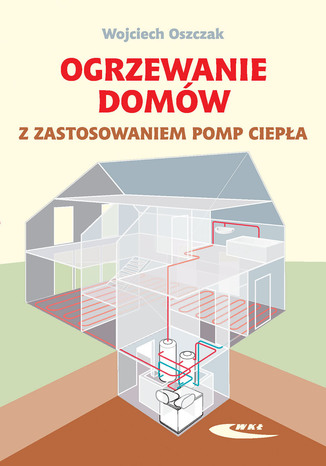
Omówienie sposobów wykorzystania energii odnawialnej pobieranej z gruntu, rzek, jezior lub otaczającego powietrza, do ogrzewania pomieszczeń oraz wody użytkowej w budownictwie jednorodzinnym. Praktyczne sposoby realizacji ekologicznych instalacji grzewczych, w których zastosowano pompy ciepła. Zasady obliczania i konstruowania własnych instalacji grzewczych (dla osób bardziej zaawansowanych technicznie). Diagnostyka i naprawy pomp ciepła. Liczne porady praktyczne i wskazówki dla zainteresowanych pozyskiwaniem ciepła z otoczenia. Książka, przystępnie napisana i bogato zilustrowana, uzupełniona informacjami dotyczącymi obowiązujących przepisów i norm.

Adam Asnyk
Oh, Void Complaints Oh, void complaints and vain endeavor, Abortive woes and fruitless pain. The past no miracle will ever Return to former life again. The world shall never, backward going, Return your scanty dreams, no chance! No sharpened sword, no fire a-glowing May stop the rushing thought’s advance. It is the living we must follow, And leave the former life beneath. Abandon the persistence hollow, Shake off the withered laurel wreath! Unstopped the waves of life proceeding! No aid in protests you may raise. Oh, useless wrath and futile pleading! The world shall follow its own ways. [...] Adam Asnyk Ur. 11 listopada 1838 r. w Kaliszu Zm. 2 sierpnia 1897 r. w Krakowie Najważniejsze dzieła: Pijąc Falerno, Piosnka pijacka, Między nami nic nie było, Gdybym był młodszy, Jednego serca..., Nad głębiami (cykl sonetów), Daremne żale, Do młodych Poeta, epigon romantyzmu tworzący w epoce pozytywizmu i Młodej Polski, autor dramatów i opowiadań. Syn powstańca 1831 r., zesłańca. Podejmował różne kierunki studiów (rolnicze, medyczne, nauki społeczne), prowadząc działalność spiskową. Był więziony w Cytadeli (1860). W powstaniu styczniowym zaangażowany po stronie ?czerwonych?, był członkiem rządu wrześniowego. Po upadku zrywu uzyskał stopień dra filozofii w Heidelbergu (1866), zaczął wydawać pierwsze utwory w prasie lwowskiej (1864-65). W 1870 r. osiadł w Krakowie, brał czynny udział w życiu samorządowym, był posłem na Sejm Krajowy z ramienia demokratów (1889). Amator Tatr, wiele podróżował (Włochy, Tunezja, Algieria, Cejlon, Indie). Pochowany na Skałce. Kupując książkę wspierasz fundację Nowoczesna Polska, która propaguje ideę wolnej kultury. Wolne Lektury to biblioteka internetowa, rozwijana pod patronatem Ministerstwa Edukacji Narodowej. W jej zbiorach znajduje się kilka tysięcy utworów, w tym wiele lektur szkolnych zalecanych do użytku przez MEN, które trafiły już do domeny publicznej. Wszystkie dzieła są odpowiednio opracowane - opatrzone przypisami oraz motywami.

Svetislav Basara
Mandarić i Maslesa, dwaj główni bohaterowie powieści "Ohyda" Svetislava Basary, zajmują się serbską mentalnością, doszukują się wypaczeń w środowiskach serbskich elit akademickich, politycznych oraz wśród funkcjonariuszy państwowych. Ich rozumienie demokratycznej Serbii jest w zasadzie takie samo, różni się jedynie ich reakcja na nadchodzącą epokę uwolnioną rzekomo od jednomyślności. Jeden z antagonistów, rozdarty między euforią a depresją, dostaje ataków choroby afektywnej dwubiegunowej, drugi natomiast stara się go uspokoić i przekonuje, że jego przeznaczeniem jest los, którego nie uniknie... W ich dialogach, które rozśmieszą czytelników do łez, ale niepozbawione goryczy, przywoływana jest postać premiera Zorana Đinđicia, człowieka, który w opinii obu bohaterów podjął daremny trud sprowadzenia rodaków na drogę demokracji i zapłacił za to swoim życiem. "Ohyda" to druga, po "Dzienniku Marty Koen" powieść jednego z najbardziej znanych współczesnych serbskich pisarzy Svetislava Basary, która została wydana nakładem Wydawnictwa Akademickiego SEDNO (2021).
Tadeusz Sławek, Aleksandra Kunce
Dlaczego powracamy do oikologii? Po pierwsze z przekonania, że gdzie ludzkiej i nie-ludzkiej egzystencji ma podstawowe znaczenie dla rozważania dylematów humanistyki. Oikologia jest pomyśleniem, które wiąże oikos i logos, rozpatrując swoistą korespondencję między nimi, ale także i to, co pojęcia te różni i oddziela. Język i praktyka oikos oraz logos nie są takie same, a więc idea domu, rozwijana przez oikologiczny namysł, byłaby już zawsze domem w translacji. Punkt ciężkości oikologicznego namysłu leży więc nieuchronnie „nieco dalej”, „zawsze dalej, coraz dalej”. Jesteśmy tymi, którzy wyszli z domu, którzy przepracowali dobrodziejstwa i porażki zakorzenienia i wykorzeniania. Jesteśmy tymi, którzy spoglądają z oddalenia, by coś było wyraźniejsze, ale i dotkliwiej odczuwane jako brak, przerwa, upadek. Dom – nasz własny, jako okolica, jako region, jako wspólnota, a może i jako Europa, wreszcie jako świat – już zawsze będzie miał tę rysę, a nawet i mrok. Po drugie, rozpatrywanie owego gdzie przywraca nam sensy już utracone lub zaciemnione przez upodabnianie się do siebie miejsc, a lokalność, wraz z jej doświadczeniowym wymiarem, wraca człowiekowi umiejscowienie, czyniąc go odpowiedzialnym za słowo i czyn. Miejsce, odnajdywane na nowo przez oikologię, zrośnięte jest z byciem na uboczu, w ruchu oddalania się od centrum i pochopnej wiedzy/władzy, jest powrotem do doświadczenia tego, co bliskie i dalekie jednocześnie. Rozpoznajemy dom w miejscu na uboczu – na uboczu świata, na uboczu dyskursów, na uboczu oficjalnego traktu kultury, na uboczu promowanej mobilności ludzi i rzeczy, ale i na uboczu propagandy stabilności i swojskości. Oikologia zaprasza tym samym do poluzowania funkcjonalnego myślenia i pochopnego praktykowania domu. Po trzecie, oikologia prowadzi swe rozważania na pograniczu filozofii, literatury, antropologii, a może nawet polityki, bowiem jej założeniem jest to, że „dom” jest tyleż nam dany, co nieustannie konstruowany. A właściwie jest nam zadany, stąd oikologia, by podjąć się wypełnienia tego zobowiązania, prowadzi ku docenieniu powiązania domu, miejsca, miasta, wędrówki i źródła. Nieobce jej staje się doświadczenie miasta, duchowego wymiaru miejsca, powrotu do źródła, pęknięcia postindustrialnej przestrzeni i splecenia ruchu ze stałością rzeczy, jak i szukanie nauki domu w konkretnej czasoprzestrzeni (Śląsk, Europa, świat). Miejsce powstaje z jednostkowego doświadczenia powszechnie dostępnych przestrzeni i ich krytycznej interpretacji. Ten krytyczny impuls jest niezbędny, gdyż retoryka „domu” praktykowana w polityce przedstawia go jako zestaw oczywistych, niekwestionowanych, a zatem na swój sposób niewidocznych ram, w których lokuje się nasze życie. Oikologia zabiega o to, by wykazać nieoczywistość tych ram. Dlatego, po czwarte, oikologia stara się wykazać, jak bardzo splątane są okoliczności, w których nasza tożsamość konstruowana jest w miejscu. Dom nie jest tu trwałym, nienaruszalnym usytuowaniem, ale pozostającym do podjęcia doświadczeniem, którego nie sposób ignorować w myśleniu o człowieku. Oikologia (w tym śląska oikologia) pozostawia więc człowieka – czy to wędrownego czy osiadłego – z dyscyplinującym i niepokojącym pytaniem: naprawdę jesteś przeświadczony o tym, że dom tak łatwo wypuścił Cię w świat? Tak prosto Cię opuścił, a może i beztrosko Ci odpuścił?
Barbara Stenka
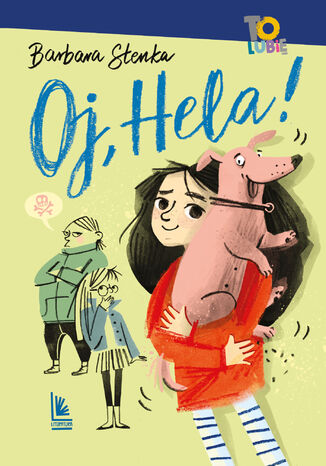
Mam na imię Hela i jestem najfajniejszą dziewczynką w naszym domu. Mieszkam z mamą i tatą, i Parówkasem. To mój pies. Chodzę do IIId, trochę gram na flecie, no i maluję paznokcie u stóp w ramach buntu. Na szczęście wiem o tym tylko ja, moje skarpetki i dziewczyny z klasy. Wszystko robimy razem i muszę wam powiedzieć zwykle z wyśmienitym skutkiem! Zresztą, sami przeczytajcie Hela jest moim ideałem. Gdy byłam w jej wieku, chciałam być właśnie taka jak ona. Z braku wzorca, ostatecznie stałam się sobą, ale nie przestałam marzyć o istnieniu takiej osoby. Heluś, Helutka Tak bym do niej mówiła. Joanna Kołaczkowska
Autor nieznany
Oj Maluśki, Maluśki... Oj Maluśki, Maluśki, Maluśki jako rękawicka, Alboli tez jakoby, jakoby kawałecek smycka. Cy nie lepiej Tobie by, Tobie by siedzieć było w niebie, Wsak Twój Tatuś kochany, kochany nie wyganiał Ciebie. Tam wciurnasa wygoda, wygoda, a tu bieda wsędzie; Ta Ci teraz dokuca, dokuca, ta i potem będzie. Tam Ty miałeś pościółkę, pościółkę i miękkie piernatki; Tu na to Twej nie stanie, nie stanie ubożuchnej Matki. Tam kukiełki jadałeś, jadałeś z czarnuszką i z miodem; Tu się tylko zasilać, zasilać musis samym głodem. Tam pijałeś ceć jakie, ceć jakie słodkie małmazyje; Tu się Twoja gębusia, gębusia łez gorzkich napije. [...]Autor nieznanyAutor nieznany - hasło to odnosi się zarówno do utworów plastycznych i literackich, których autor pozostaje bezimienny, choć jest zapewne konkretną osobą, o której można by ustalić jakieś przypuszczalne informacje (jak np. o Gallu Anonimie czy Mistrzu Pięknej Madonny z Wrocławia), jak również do utworów będących najprawdopodobniej dziełem pewnej zbiorowości, np. cechu. W przypadku sztuk wizualnych szczególny rodzaj anonimowości zachowują autorzy tworzący w pracowniach wielkich mistrzów, wykonujący ich polecania, pomniejsze partie większych zamówień. Niemal detektywistyczne technologie, m.in.: badania wieku podłoża, prześwietlenie warstwy malarskiej podczerwienią, pozwalają współcześnie coraz lepiej identyfikować twórców. Czasami jednak można wskazać tylko krąg kulturowy twórcy, centrum artystyczne, pod którego wpływem autor tworzył oraz oszacować czas powstania dzieła. W przypadku literatury do dzieł o autorze zbiorowym zaliczyć można utwory ludowe lub niektóre dzieła starożytne, których powstanie ginie w mrokach dziejów: zrodzone w kulturze oralnej, były powtarzane i zapamiętywane przez kolejnych słuchaczy. Z czasem ktoś zapisywał zapamiętany utwór, niekiedy powstawało kilka niezależnych zapisów. Po epoce antycznej, kiedy twórczość miała zapewniać autorowi indywidualną, ,,imienną" nieśmiertelność - na początku średniowiecza za cnotę twórców uznawano anonimowość. Sztuka miała służyć chwale Boga, religii, kraju - instytucjom trwalszym od znikomego i mało istotnego jednostkowego bytu. Legendy, mity, wiele kronik czy pieśni - teksty ważne dla całych społeczności, to często dzieła, których autorów nie sposób wskazać.Kupując książkę wspierasz fundację Nowoczesna Polska, która propaguje ideę wolnej kultury. Wolne Lektury to biblioteka internetowa, rozwijana pod patronatem Ministerstwa Edukacji Narodowej. W jej zbiorach znajduje się kilka tysięcy utworów, w tym wiele lektur szkolnych zalecanych do użytku przez MEN, które trafiły już do domeny publicznej. Wszystkie dzieła są odpowiednio opracowane - opatrzone przypisami oraz motywami.

Ojca Pawła Kielara memoriały w sprawie uporządkowania i zreformowania biblioteki krakowskiej
Wiktor Szymborski
Tekst z pracy zbiorowej Arma nostrae militiae. Kultura książki i pisma Zakonu Kaznodziejskiego na ziemiach polskich. Oddawany Czytelnikowi kolejny tom serii Dominikańskiego Instytutu Historycznego w Krakowie to zbiór studiów poświęconych różnym aspektom dziejów kultury książki i pisma w środowisku dominikańskim na ziemiach polskich. Pozwala on poznać kulturę umysłową braci i sióstr, poszczególnych klasztorów czy całych prowincji. Dzisiaj o dorobku i tradycjach intelektualnych dominikanów i dominikanek świadczą głównie zachowane druki i rękopisy ich autorstwa oraz skrawki dawnych księgozbiorów. Są one bardzo wymownymi świadkami dziejów zakonu św. Dominika na terenie Rzeczypospolitej.
Guy de Maupassant
Guy de Maupassant Ojciec tłum. anonimowy ISBN 978-83-288-2482-9 Przyjaciela mego Jana de Valuoir odwiedzam od czasu, do czasu. Posiada on nad brzegiem jednej rzeki małą rezydencyę, wśród lasów. Po piętnastu latach szalonego życia w Paryżu wycofał się przesycony, w to urocze zacisze. Nagle miał dość już tych wszystkich rozkoszy, tych uczt, tych ludzi, tych kobiet, kart, wszystkiego i schronił się do swej posiadłości, w której się urodził. Było nas dwóch, lub trzech... Guy de Maupassant Ur. 5 sierpnia 1850 w Tourville-sur-Arques Zm. 6 lipca 1893 w Paryżu Najważniejsze dzieła: Historia pewnego życia (1883), Bel-Ami (1885), Horla (1887), Mont-Oriol (1887), Piotr i Jan (1888), Jak śmierć silna (1889), Nasze serce (1890) Francuski powieściopisarz. Pracował jako urzędnik ministerialny. Pod wpływem Flauberta zaczął pisać nowele. Boule de Suif było pierwszy tytułem, którym zwrócił na siebie uwagę. Znajdował się także pod wpływem Zoli. Jego nowele i powieści miały pesymistyczny wydźwięk. Pod koniec życia zmagał się z chorobą psychiczną. Kupując książkę wspierasz fundację Nowoczesna Polska, która propaguje ideę wolnej kultury. Wolne Lektury to biblioteka internetowa, rozwijana pod patronatem Ministerstwa Edukacji Narodowej. W jej zbiorach znajduje się kilka tysięcy utworów, w tym wiele lektur szkolnych zalecanych do użytku przez MEN, które trafiły już do domeny publicznej. Wszystkie dzieła są odpowiednio opracowane - opatrzone przypisami oraz motywami.

Carl Spitteler
Ojciec Umknąłem we śnie ze zgrają junaków, zdecydowanych na wszystko, za światy. Dotarliśmy, gdzie trzeba, nocą mroczną. Jedni z palcami na cynglu trzymali u wrót cmentarnych wartę. Reszta pocztu z dłonią na cuglach. Ku mogile ojca w serca łomocie cicho się zakradłem i, tłumiąc oddech, odwalałem skiby, błyskiem łopaty ryjąc się w czeluście bezdenne. Próżno wtedy wielkim głosem wołałem, waląc się o ziem: «Mój ojcze, to ja! [...]Carl SpittelerUr. 24 kwietnia 1845 w Liestat (na płn. Szwajcarii) Zm. 29 grudnia 1924 w Lucernie Najważniejsze dzieła: Prometheus und Epimetheus, Schmetterlinge, Olympischer Frühling, Die Mädchenfeinde Szwajcarski pisarz niemieckojęzyczny. Studiował prawo i teologię w Zurychu, następnie w Heidelbergu i Bazylei. W latach 1871-1879 pracował jako prywatny nauczyciel w Rosji. Po powrocie do Szwajcarii był nauczycielem i dziennikarzem. W 1883 r. ożenił się ze swoją dawną uczennicą. W czasie pierwszej wojny światowej w eseju Nasz szwajcarski punkt widzenia wyraził niechęć niemieckojęzycznego mieszkańca Szwajcarii do niemieckich działań wojennych. W roku 1919 otrzymał Nagrodę Nobla w dziedzinie literatury. Kupując książkę wspierasz fundację Nowoczesna Polska, która propaguje ideę wolnej kultury. Wolne Lektury to biblioteka internetowa, rozwijana pod patronatem Ministerstwa Edukacji Narodowej. W jej zbiorach znajduje się kilka tysięcy utworów, w tym wiele lektur szkolnych zalecanych do użytku przez MEN, które trafiły już do domeny publicznej. Wszystkie dzieła są odpowiednio opracowane - opatrzone przypisami oraz motywami.

Ojciec zbiór opowiadań erotycznych o kontrowersyjnych relacjach
LUST authors
Leżałam na plecach na ołtarzu. Oplotłam go nogami. Wciąż miał na sobie koloratkę." Alva nie podeszła do konfirmacji razem ze swoimi rówieśnikami. Gdy jako dziewiętnastolatka otrzymuje szansę nadrobienia zaległości, nie chce jej przegapić. Ksiądz nazywa się David Widmark. Jest po trzydziestce. To czarujący, seksowny i bardzo zakazany mężczyzna. Zaczyna się między nimi gra. Gra, której granice Alva przesuwa coraz dalej. A David jej na to pozwala. Pewnego popołudnia zostają sami w kościele i Alva postanawia go uwieść... Opowiadania wchodzące w skład zbioru traktują o pożądaniu i namiętności, której nie sposób się oprzeć. O zakazanych uczuciach, które nie powinny się nigdy narodzić. Młoda dziewczyna i ksiądz, uczennica i nauczyciel, przybrane rodzeństwo, zięć i teściowa, pacjentka i lekarz - co się między nimi wydarzy i jakie będą tego konsekwencje? Czy bohaterowie i bohaterki zdołają okiełznać swoje żądze? W skład zbioru wchodzi 11 opowiadań: Doktor Lukas Cena pożądania Niebezpieczne pożądanie Przypływ żądzy Kontroler biletów Rodzeństwo W kąpieli z panią Nilsen Ojciec Greckie wakacje z teściową Domek w górach: Córka przyjaciela Nauczyciel geografii

Ojciec zbiór opowiadań erotycznych o kontrowersyjnych relacjach
LUST authors
Leżałam na plecach na ołtarzu. Oplotłam go nogami. Wciąż miał na sobie koloratkę." Alva nie podeszła do konfirmacji razem ze swoimi rówieśnikami. Gdy jako dziewiętnastolatka otrzymuje szansę nadrobienia zaległości, nie chce jej przegapić. Ksiądz nazywa się David Widmark. Jest po trzydziestce. To czarujący, seksowny i bardzo zakazany mężczyzna. Zaczyna się między nimi gra. Gra, której granice Alva przesuwa coraz dalej. A David jej na to pozwala. Pewnego popołudnia zostają sami w kościele i Alva postanawia go uwieść... Opowiadania wchodzące w skład zbioru traktują o pożądaniu i namiętności, której nie sposób się oprzeć. O zakazanych uczuciach, które nie powinny się nigdy narodzić. Młoda dziewczyna i ksiądz, uczennica i nauczyciel, przybrane rodzeństwo, zięć i teściowa, pacjentka i lekarz - co się między nimi wydarzy i jakie będą tego konsekwencje? Czy bohaterowie i bohaterki zdołają okiełznać swoje żądze? W skład zbioru wchodzi 11 opowiadań: Doktor Lukas Cena pożądania Niebezpieczne pożądanie Przypływ żądzy Kontroler biletów Rodzeństwo W kąpieli z panią Nilsen Ojciec Greckie wakacje z teściową Domek w górach: Córka przyjaciela Nauczyciel geografii
Guy de Maupassant
Guy de Maupassant Ojciec Amable tłum. anonimowy ISBN 978-83-288-2483-6 I Wilgotne i szare niebo zdawało się wisieć nad szeroką ciemną doliną. Zapach jesieni, smutny zapach nagiej i wilgotnej ziemi, opadłych liści, martwych ziół, czynił jeszcze gęstszem i cięższem powietrze jesiennego wieczoru. Wieśniacy pracowali jeszcze, rozproszeni po polach, oczekując dzwonu na Anioł pański, któryby zwołał ich do chat, widzianych tu i ówdzie, po przez gołe gałęzie sadów. Na k... Guy de Maupassant Ur. 5 sierpnia 1850 w Tourville-sur-Arques Zm. 6 lipca 1893 w Paryżu Najważniejsze dzieła: Historia pewnego życia (1883), Bel-Ami (1885), Horla (1887), Mont-Oriol (1887), Piotr i Jan (1888), Jak śmierć silna (1889), Nasze serce (1890) Francuski powieściopisarz. Pracował jako urzędnik ministerialny. Pod wpływem Flauberta zaczął pisać nowele. Boule de Suif było pierwszy tytułem, którym zwrócił na siebie uwagę. Znajdował się także pod wpływem Zoli. Jego nowele i powieści miały pesymistyczny wydźwięk. Pod koniec życia zmagał się z chorobą psychiczną. Kupując książkę wspierasz fundację Nowoczesna Polska, która propaguje ideę wolnej kultury. Wolne Lektury to biblioteka internetowa, rozwijana pod patronatem Ministerstwa Edukacji Narodowej. W jej zbiorach znajduje się kilka tysięcy utworów, w tym wiele lektur szkolnych zalecanych do użytku przez MEN, które trafiły już do domeny publicznej. Wszystkie dzieła są odpowiednio opracowane - opatrzone przypisami oraz motywami.
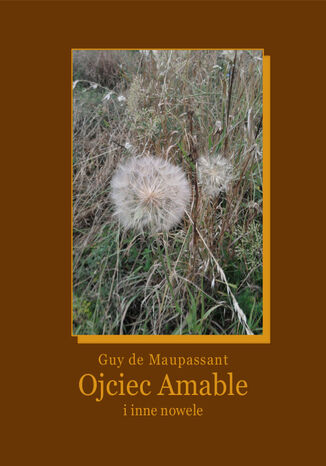
Guy de Maupassant
Zbiór nowel znakomitego francuskiego autora obejmujący te oto utwory: Ojciec Amable, Rozsądny, Oczekiwanie, Ojciec, Sposób Rogera, Przyjaciel Patience, Odkrycie, Baronowa, Opuszczony okręt, Ciocia Klocia, Wieczór Trzech Króli. Fragment pierwszej z nowel, który powinien zachęcić do przeczytania niniejszego zbioru: Wilgotne i szare niebo zdawało się wisieć nad szeroką ciemną doliną. Zapach jesieni, smutny zapach nagiej i wilgotnej ziemi, opadłych liści, martwych ziół, czynił jeszcze gęstszym i cięższym powietrze jesiennego wieczoru. Wieśniacy pracowali jeszcze, rozproszeni po polach, oczekując dzwonu na Anioł Pański, który by zwołał ich do chat, widzianych tu i ówdzie, poprzez gołe gałęzie sadów. Na kraju drogi, na kupie badyli bawiło się ziemniakami małe dziecię, podrzucając nimi na nędzną sukienczynę rozpostartą na szeroko rozłożonych nóżkach, podczas gdy w pobliżu, na roli, pięć kobiet schylonych kopało ziemniaki. Powolnym i monotonnym ruchem zagłębiały kopaczki w wysokich, piaszczystych bruzdach, wygrzebywały rękami ziemniaki, wrzucając je do stojących przed nimi worków.Drogą przeszedł młody mężczyzna z batem w ręce w sabotach na nogach, zatrzymał się przy dziecku, wziął je na ręce i pieścił. Jedna z kobiet na roli wyprostowała się i zbliżyła się do niego. Była to rosła, czerwona dziewczyna, szeroka w biodrach i piersiach, wielka samica normandzka o jasnych włosach i rumianej cerze...