
Publisher: 16
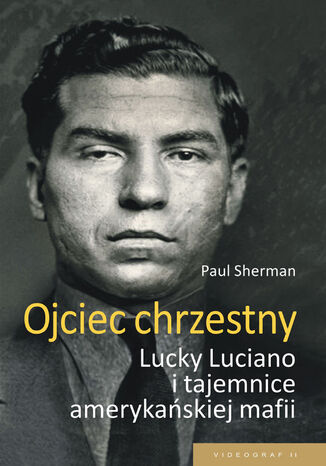
Ojciec chrzestny. Lucky Luciano i tajemnice amerykańskiej mafii
Paul Sherman
Zbeletryzowana biografia legendarnego gangstera, Luckiego Lucciano – człowieka, który zrewolucjonizował amerykański świat przestępczy. Pochodzący z biednej sycylijskiej rodziny chłopak stopniowo zdobywał kolejne szczeble w strukturach mafii, by wreszcie stać się szefem kilku rodzin mafijnych rządzących Ameryką. Uchodzący za wyjątkowego szczęściarza gangster wielokrotnie umykał wymiarowi sprawiedliwości, aż wreszcie został skazany na 50 lat więzienia, skąd w czasie II wojny światowej organizował pomoc dla amerykańskiej armii. Jego barwne życie stało się inspiracją dla autora głośnej powieści „Ojciec Chrzestny”. Dużym walorem książki Paula Shermana jest społeczny i historyczny kontekst opisywanych zdarzeń. Zachowując ogromną troskę o szczegóły i koloryt tamtych lat, autor opisuje życie włoskich imigrantów w Nowym Jorku, burzliwy okres prohibicji i dramatyczne czasy Wielkiego Kryzysu. Na tym tle pokazuje sposób funkcjonowania grup przestępczych, strukturę nowojorskiej mafii, korupcję wśród policjantów i polityków, przenikanie mechanizmów mafijnych do świata biznesu. Barwnie kreśli obyczajowe i kulturalne oblicze Ameryki okresu wielkich przemian – czasu powstawania wielkich fortun, gigantycznych budowli, wynalazków, które zmieniły oblicze świata.
Honoriusz Balzak
Powieść Ojciec Goriot jest powszechnie uznawana za najważniejsze dokonanie Balzaka. Jej akcja rozgrywa się w Paryżu w 1819 r. Ukazuje losy trzech bohaterów: zaślepionego miłością do swoich córek starca Goriot, tajemniczego kryminalisty ukrywającego się jako Vautrin i naiwnego studenta prawa, Eugeniusza Rastignaka. W pensjonacie mieszczącym się przy paryskiej ulicy Neuve-Sainte-Genevieve mieszkają student prawa Eugeniusz de Rastignac, tajemniczy propagandzista Vautrin i emerytowany producent makaronu Jan Joachim Goriot. Ten ostatni często pada ofiarą żartów ze strony innych mieszkańców pensjonatu, którzy szybko odkrywają, że zbankrutował on, by wesprzeć swoje dwie dobrze wydane za mąż córki. Rastignaka, który przeprowadził się do Paryża z południa Francji, pociąga klasa wyższa. Ma problemy z dopasowaniem się do niej, ale jest prowadzony przez swoją kuzynkę, wicehrabinę Madame de Beauséant. Rastignac zdobywa względy jednej z córek Goriota, Delfiny de Nucingen. W międzyczasie Vautrin próbuje przekonać go do zdobycia panny Wiktoryny Taillefer, której dostęp do rodzinnej fortuny blokuje jedynie brat. Proponuje Rastignakowi otwarcie drogi przez zabicie brata w pojedynku. Rastignac odmawia wzięcia udziału w realizacji planu, ale wysłuchuje lekcji Vautrina na temat wyższej warstwy. Wkrótce potem mieszkańcy pensjonatu odkrywają, że Vautrin to poszukiwany przez policję mistrz zbrodni znany jako Ołży-Śmierć. Goriot, przeciwny tyrańskiej kontroli, jaką mąż sprawuje nad jedną z jego córek, Delfiną, sprzyja zainteresowanemu nią Rastignakowi...
Honoré Balzac
Utwór z serii "Komedia Ludzka" - cyklu powieści i opowiadań francuskiego pisarza Honoriusza Balzaka. Jądrem cyklu jest powieść Ojciec Goriot, od której zaczęła się koncepcja Komedii Ludzkiej. Balzac potraktował człowieka jako gatunek przyrodniczy i rozpatruje jego odmiany występujące w różnych środowiskach. Siłą napędową jego postaci jest dążenie do kariery i zdobycie pieniędzy. Sprawy finansowe znał z własnego doświadczenia, opisy operacji kredytowych (weksle, długi, wierzyciele, egzekucje) mogą służyć jako przykłady podręcznikowe z ekonomii. Obok pieniądza najważniejszym tematem jest miłość. Balzac zgłębił duszę (psychikę) kobiety, jak mało który pisarz. Po pierwszych sukcesach literackich Balzac prowadził bujne życie towarzyskie, był ulubieńcem pań z towarzystwa, które nie szczędziły mu swych wdzięków. On za to chcąc zaimponować swym kochankom, wydawał więcej niż zarabiał, przez co tonął w długach. Ratował się biorąc zaliczki na powieści, których jeszcze nie napisał.
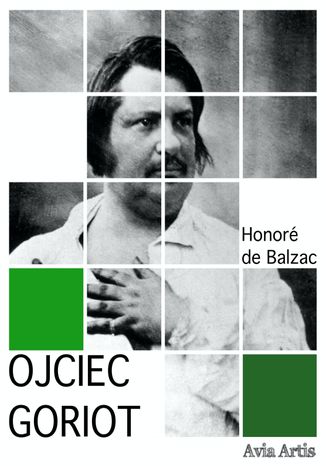
Honoré de Balzac
“Ojciec Goriot” to powieść Honoriusza Balzaka, powieściopisarza francuskiego, który obok Dickensa i Tołstoja uznawany jest za jednego z najważniejszych twórców powieści europejskiej XIX wieku. Akcja powieści jest osadzona w Paryżu w roku 1819. W fabule przeplatają się losy trzech bohaterów: zaślepionego miłością do swoich córek starca Goriot, tajemniczego kryminalisty ukrywającego się jako Vautrin i ambitnego studenta prawa, Eugeniusza Rastignaca.

Honoré de Balzac
Klasyka literatury w nowej edycji to znakomity pretekst, by powrócić do dzieł wybitnych i ważnych - przypomnieć je sobie, przeżyć i zinterpretować na nowo lub odkryć, czytając po raz pierwszy. Seria obejmuje arcydzieła polskiej i światowej literatury pięknej - utwory, które mimo upływu lat wciąż zachwycają, intrygują, wzruszają i skłaniają do refleksji.
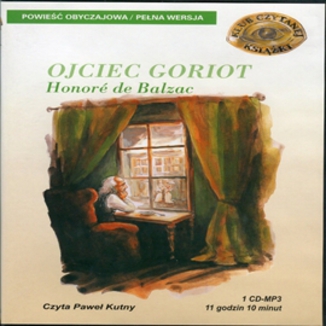
Honoré de Balzac
Ojciec Goriot Pani Vauquer, z domu de Conflans, jest to kobieta w podeszłym wieku, posiadająca od lat czterdziestu mieszczańską gospodę, położoną przy ulicy Neuve-Sainte-Geneviève, między dzielnicą łacińską a przedmieściem Saint-Marceau. Gospoda ta, znana pod nazwą Domu Vauquer, daje schronienie tak mężczyznom jak i kobietom, tak młodzieży, jak starcom; pomimo to obmowa nie tknęła nigdy obyczajów tego szanownego zakładu. Trzeba wszakże i to dodać, że od trzydziestu lat nie widziano w nim prawie wcale młodych osób; zabłąkał się tam chyba taki nieborak, któremu rodzina przysyłała utrzymanie bardzo szczupłe. [...]Honoré de BalzacUr. 20 maja 1799 r. w Tours Zm. 18 sierpnia 1850 r. w Paryżu Najważniejsze dzieła: cykl powieściowy Komedia ludzka (w skład którego wchodzą m.in.: Ojciec Goriot , Eugenia Grandet , Proboszcz wiejski), Kuzyn Pons, Jaszczur Francuski prozaik okresu romantyzmu. Określany mianem ?mistrza realizmu?. Jego najpopularniejszym dziełem jest Komedia ludzka obrazująca życie społeczne, polityczne i obyczajowe we Francji od czasów rewolucji francuskiej do rządów Ludwika Filipa. W 1850 r. poślubił swą wielką miłość, Polkę, E. Hańską. W swej prozie portretował kobiety dojrzałe, stąd popularne określenie ?kobiety w wieku balzakowskim? (tj. po trzydziestce). Obok Dickensa i Tołstoja, Balzac jest uważany za jednego z najważniejszych twórców współczesnej powieści europejskiej. autor: Aleksandra NowakKupując książkę wspierasz fundację Nowoczesna Polska, która propaguje ideę wolnej kultury. Wolne Lektury to biblioteka internetowa, rozwijana pod patronatem Ministerstwa Edukacji Narodowej. W jej zbiorach znajduje się kilka tysięcy utworów, w tym wiele lektur szkolnych zalecanych do użytku przez MEN, które trafiły już do domeny publicznej. Wszystkie dzieła są odpowiednio opracowane - opatrzone przypisami oraz motywami.
Honoré de Balzac
Ojciec Goriot Pani Vauquer, z domu de Conflans, jest to kobieta w podeszłym wieku, posiadająca od lat czterdziestu mieszczańską gospodę, położoną przy ulicy Neuve-Sainte-Geneviève, między dzielnicą łacińską a przedmieściem Saint-Marceau. Gospoda ta, znana pod nazwą Domu Vauquer, daje schronienie tak mężczyznom jak i kobietom, tak młodzieży, jak starcom; pomimo to obmowa nie tknęła nigdy obyczajów tego szanownego zakładu. Trzeba wszakże i to dodać, że od trzydziestu lat nie widziano w nim prawie wcale młodych osób; zabłąkał się tam chyba taki nieborak, któremu rodzina przysyłała utrzymanie bardzo szczupłe. [...]Honoré de BalzacUr. 20 maja 1799 r. w Tours Zm. 18 sierpnia 1850 r. w Paryżu Najważniejsze dzieła: cykl powieściowy Komedia ludzka (w skład którego wchodzą m.in.: Ojciec Goriot , Eugenia Grandet , Proboszcz wiejski), Kuzyn Pons, Jaszczur Francuski prozaik okresu romantyzmu. Określany mianem ?mistrza realizmu?. Jego najpopularniejszym dziełem jest Komedia ludzka obrazująca życie społeczne, polityczne i obyczajowe we Francji od czasów rewolucji francuskiej do rządów Ludwika Filipa. W 1850 r. poślubił swą wielką miłość, Polkę, E. Hańską. W swej prozie portretował kobiety dojrzałe, stąd popularne określenie ?kobiety w wieku balzakowskim? (tj. po trzydziestce). Obok Dickensa i Tołstoja, Balzac jest uważany za jednego z najważniejszych twórców współczesnej powieści europejskiej. autor: Aleksandra NowakKupując książkę wspierasz fundację Nowoczesna Polska, która propaguje ideę wolnej kultury. Wolne Lektury to biblioteka internetowa, rozwijana pod patronatem Ministerstwa Edukacji Narodowej. W jej zbiorach znajduje się kilka tysięcy utworów, w tym wiele lektur szkolnych zalecanych do użytku przez MEN, które trafiły już do domeny publicznej. Wszystkie dzieła są odpowiednio opracowane - opatrzone przypisami oraz motywami.
Stanisław Jachowicz
Stanisław Jachowicz Bajki i powiastki Ojciec i dzieci Szedł ojciec z dziećmi w wiosennej porze, I szedł w pole, gdzie kmiotek orze, Skowronek śpiewa, pracę mu słodzi. Wkrótce rzekł ojciec ziarno powschodzi! Ale pytanie czy dojrzeje? Czy spełni słodkie kmiotka nadzieje? Może burzliwej ulegnie fali? Może zbyteczny upał je spali? Może je bydło ... Stanisław Jachowicz Ur. 17 kwietnia 1796 w Dzikowie (dziś dzielnica Tarnobrzega) Zm. 24 grudnia 1857 w Warszawie Najważniejsze dzieła: Rozmowy mamy z Józią służące za wstęp do wszelkich nauk, a mianowicie do gramatyki, ułożone dla pożytku młodzieży, Pisma różne wierszem Stanisława Jachowicza, Śpiewy dla dzieci, Rady wuja dla siostrzenic: (upominek dla młodych panien), Pomysły do poznania zasad języka polskiego, Ćwiczenia pobożne dla dzieci, rozwijające myśl, Podarek dziatkom polskim: z pozostałych pism ś. p. Stanisława Jachowicza, Upominek z prac Stanisława Jachowicza: bajki, nauczki, opisy, powiastki i różne wierszyki Poeta, bajkopisarz, pedagog, działacz charytatywny. Ukończył szkołę pijarów w Rzeszowie oraz gimnazjum w Stanisławowie. Studiował na wydziale filozoficznym na Uniwersytecie we Lwowie. Na studiach był współzałożycielem i wpływowym członkiem tajnego Towarzystwa Ćwiczącej się Młodzieży w Literaturze Ojczystej, a także inspiratorem i prezesem Towarzystwa Studenckiego Koła Literacko-Naukowego. Po studiach zamieszkał w Warszawie, gdzie objął posadę kancelisty w Prokuratorii Generalnej Królestwa Polskiego. Przystąpił do Związku Wolnych Polaków, po wykryciu którego otrzymał zakaz zajmowania posad rządowych. Wobec tego jego głównym zajęciem była praca pedagogiczna jako nauczyciela języka polskiego w domach i na prywatnych stancjach dla dziewcząt. Debiut literacki Jachowicza miał miejsce w 1818 r. w Pamiętniku lwowskim, gdzie opublikował bajki. Pierwszą książkę wydał w 1824 r. - zbiór bajek i powiastek pt. Bajki i powieści. Przez cztery kolejne lata ukazywały się rozszerzone wydania tego zbioru pod tym samym tytułem; w 1829 r. zbiór zawierał już 113 utworów. Jest autorem kilkuset wierszyków i powiastek dydaktyczno-moralizatorskich. Publikował również w periodykach pod własnym nazwiskiem lub pod pseudonimem Stanisław z Dzikowa. W 1829 r. redagował przez rok Tygodnik dla Dzieci. W W 1830 r. przy współudziale Ignacego Chrzanowskiego zaczął wydawać pierwsze w Europie codzienne pismo dla dzieci - Dziennik dla Dzieci. Publikowane przez niego gazety i książki miały wychowywać, ale też uczyć czytania, liczenia i historii. Zajmował się również opieką społeczną nad dziećmi. Kupując książkę wspierasz fundację Nowoczesna Polska, która propaguje ideę wolnej kultury. Wolne Lektury to biblioteka internetowa, rozwijana pod patronatem Ministerstwa Edukacji Narodowej. W jej zbiorach znajduje się kilka tysięcy utworów, w tym wiele lektur szkolnych zalecanych do użytku przez MEN, które trafiły już do domeny publicznej. Wszystkie dzieła są odpowiednio opracowane - opatrzone przypisami oraz motywami.
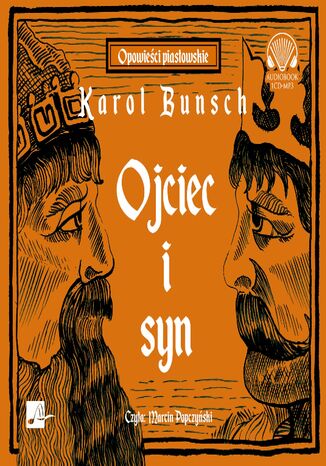
Karol Bunsch
Wartka akcja, wyraziste postacie, dramat jednostki i zdarzenia z burzliwych czasów państwa Polan przełożone na karty powieści! Karol Bunsch w sposób mistrzowski maluje obraz Polski X wieku, gdzie możni władcy wszelkimi środkami chcą pozyskać mocarnych sprzymierzeńców, obce wojska stoją u granic dopiero co jednoczącego się Państwa, a kruche sojusze drżą w posadach. Ojciec i syn, syn i ojciec jak ich związek wpłynie na losy narodu, jakie piętno wywrą losy kraju na ich relację? Świetna interpretacja Marcina Popczyńskiego przeniesie nas w czasy Mieszka I i jego zmagań podczas budowania nowoczesnego państwa.
Stanisław Jachowicz
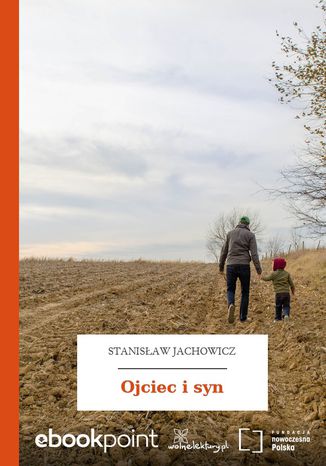
Stanisław Jachowicz Bajki i powiastki Ojciec i syn Zkąd wiesz tak wiele kochany tato? Zkąd to, że kochasz tak ludzi? A ojciec dziecku odpowie na to: Bóg w sercu te czucia budzi. Koło kościółka był domek mały, Tam się wychował twój tatko, Tam mu swobodnie chwile zbiegały, Niejedno przeżył tam latko. Dzwony go ze snu budziły rano, I wstawał śpiewać z ptaszęty, A nim skromny posiłek dano, Odmówił paciorek święty. Potem ogródek wkoło okrążył, Każdą od... Stanisław Jachowicz Ur. 17 kwietnia 1796 w Dzikowie (dziś dzielnica Tarnobrzega) Zm. 24 grudnia 1857 w Warszawie Najważniejsze dzieła: Rozmowy mamy z Józią służące za wstęp do wszelkich nauk, a mianowicie do gramatyki, ułożone dla pożytku młodzieży, Pisma różne wierszem Stanisława Jachowicza, Śpiewy dla dzieci, Rady wuja dla siostrzenic: (upominek dla młodych panien), Pomysły do poznania zasad języka polskiego, Ćwiczenia pobożne dla dzieci, rozwijające myśl, Podarek dziatkom polskim: z pozostałych pism ś. p. Stanisława Jachowicza, Upominek z prac Stanisława Jachowicza: bajki, nauczki, opisy, powiastki i różne wierszyki Poeta, bajkopisarz, pedagog, działacz charytatywny. Ukończył szkołę pijarów w Rzeszowie oraz gimnazjum w Stanisławowie. Studiował na wydziale filozoficznym na Uniwersytecie we Lwowie. Na studiach był współzałożycielem i wpływowym członkiem tajnego Towarzystwa Ćwiczącej się Młodzieży w Literaturze Ojczystej, a także inspiratorem i prezesem Towarzystwa Studenckiego Koła Literacko-Naukowego. Po studiach zamieszkał w Warszawie, gdzie objął posadę kancelisty w Prokuratorii Generalnej Królestwa Polskiego. Przystąpił do Związku Wolnych Polaków, po wykryciu którego otrzymał zakaz zajmowania posad rządowych. Wobec tego jego głównym zajęciem była praca pedagogiczna jako nauczyciela języka polskiego w domach i na prywatnych stancjach dla dziewcząt. Debiut literacki Jachowicza miał miejsce w 1818 r. w Pamiętniku lwowskim, gdzie opublikował bajki. Pierwszą książkę wydał w 1824 r. - zbiór bajek i powiastek pt. Bajki i powieści. Przez cztery kolejne lata ukazywały się rozszerzone wydania tego zbioru pod tym samym tytułem; w 1829 r. zbiór zawierał już 113 utworów. Jest autorem kilkuset wierszyków i powiastek dydaktyczno-moralizatorskich. Publikował również w periodykach pod własnym nazwiskiem lub pod pseudonimem Stanisław z Dzikowa. W 1829 r. redagował przez rok Tygodnik dla Dzieci. W W 1830 r. przy współudziale Ignacego Chrzanowskiego zaczął wydawać pierwsze w Europie codzienne pismo dla dzieci - Dziennik dla Dzieci. Publikowane przez niego gazety i książki miały wychowywać, ale też uczyć czytania, liczenia i historii. Zajmował się również opieką społeczną nad dziećmi. Kupując książkę wspierasz fundację Nowoczesna Polska, która propaguje ideę wolnej kultury. Wolne Lektury to biblioteka internetowa, rozwijana pod patronatem Ministerstwa Edukacji Narodowej. W jej zbiorach znajduje się kilka tysięcy utworów, w tym wiele lektur szkolnych zalecanych do użytku przez MEN, które trafiły już do domeny publicznej. Wszystkie dzieła są odpowiednio opracowane - opatrzone przypisami oraz motywami.
Joanna Turkowska
Wierzyła, że ludzie dotrzymują obietnic. Teraz ktoś wykorzysta jej naiwność. Marta i jej synek mają swój mały, szczęśliwy świat. Życie płynie spokojnie, do chwili, gdy pojawia się tajemniczy mężczyzna. Czego chce? Co planuje dać w zamian? Wizja nowego, piękniejszego życia budzi niepokój bohaterki, ale również kusi. Bliscy mówią Marcie, że jest zbyt ostrożna. A ona musi zdecydować, czy wierzyć sobie i swoim lękom, czy posłuchać innych i otworzyć się na nieznane. Są tacy, którzy poznali prawdę. Kobiety z przeszłości. Stary człowiek, który usłyszał więcej, niż by chciał. Synek Marty, pragnący ją ochronić nawet za cenę szczerości. Czy ktoś ją ostrzeże? Czy chcąc podarować dziecku wszystko, co najlepsze, Marta odbierze mu to, co podstawowe?
Joanna Turkowska
Wierzyła, że ludzie dotrzymują obietnic. Teraz ktoś wykorzysta jej naiwność. Marta i jej synek mają swój mały, szczęśliwy świat. Życie płynie spokojnie, do chwili, gdy pojawia się tajemniczy mężczyzna. Czego chce? Co planuje dać w zamian? Wizja nowego, piękniejszego życia budzi niepokój bohaterki, ale również kusi. Bliscy mówią Marcie, że jest zbyt ostrożna. A ona musi zdecydować, czy wierzyć sobie i swoim lękom, czy posłuchać innych i otworzyć się na nieznane. Są tacy, którzy poznali prawdę. Kobiety z przeszłości. Stary człowiek, który usłyszał więcej, niż by chciał. Synek Marty, pragnący ją ochronić nawet za cenę szczerości. Czy ktoś ją ostrzeże? Czy chcąc podarować dziecku wszystko, co najlepsze, Marta odbierze mu to, co podstawowe?
Ignacy Krasicki
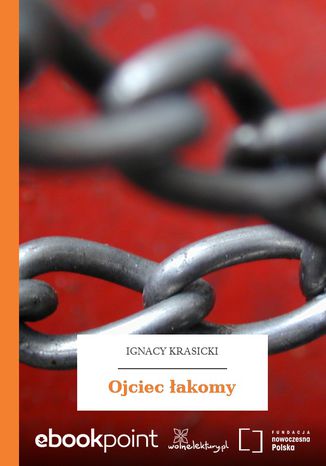
Ignacy Krasicki Bajki i przypowieści Ojciec łakomy Zawżdy się zbytek kończy doświadczeniem smutnym. Płakał ojciec łakomy nad synem rozrzutnym. Umarli oba z głodu, każdy z nich zasłużył: Syn, że nadto używał, ojciec, że nie użył. ----- Ta lektura, podobnie jak tysiące innych... Ignacy Krasicki Ur. 3 lutego 1735 r. w Dubiecku (Sanockie) Zm. 14 marca 1801 r. w Berlinie Najważniejsze dzieła: Myszeida (1775), Mikołaja Doświadczyńskiego przypadki (1776), Monachomachia (1778), Pan Podstoli (1778 i 1784), Bajki i przypowieści (1779), Satyry (1779 i 1782), Antymonachomachia (1779), Wojna chocimska (1780) Wybitny polski poeta, prozaik, komediopisarz i publicysta. Kasztelanic chełmski, hrabia, przeznaczony do stanu duchownego ze względu na trudną sytuację materialną rodziny. Od 1766 r. biskup warmiński. Blisko współpracował z królem Stanisławem Augustem w dziele kulturalnego ożywienia kraju. Tworzył w duchu oświecenia (m.in. napisał w latach 1781-83 dwutomową encyklopedię Zbiór potrzebniejszych wiadomości, był twórcą pierwszego pol. czasopisma, (Monitor), ale jego Hymn do miłości ojczyzny (1774) oraz przekład Pieśni Osjana odegrały znaczącą rolę w kształtowaniu polskiego romantyzmu. Kupując książkę wspierasz fundację Nowoczesna Polska, która propaguje ideę wolnej kultury. Wolne Lektury to biblioteka internetowa, rozwijana pod patronatem Ministerstwa Edukacji Narodowej. W jej zbiorach znajduje się kilka tysięcy utworów, w tym wiele lektur szkolnych zalecanych do użytku przez MEN, które trafiły już do domeny publicznej. Wszystkie dzieła są odpowiednio opracowane - opatrzone przypisami oraz motywami.
Ignacy Krasicki
Ignacy Krasicki Bajki i przypowieści Ojciec łakomy Zawżdy się zbytek kończy doświadczeniem smutnym. Płakał ojciec łakomy nad synem rozrzutnym. Umarli oba z głodu, każdy z nich zasłużył: Syn, że nadto używał, ojciec, że nie użył. ----- Ta lektura, podobnie jak tysiące innych... Ignacy Krasicki Ur. 3 lutego 1735 r. w Dubiecku (Sanockie) Zm. 14 marca 1801 r. w Berlinie Najważniejsze dzieła: Myszeida (1775), Mikołaja Doświadczyńskiego przypadki (1776), Monachomachia (1778), Pan Podstoli (1778 i 1784), Bajki i przypowieści (1779), Satyry (1779 i 1782), Antymonachomachia (1779), Wojna chocimska (1780) Wybitny polski poeta, prozaik, komediopisarz i publicysta. Kasztelanic chełmski, hrabia, przeznaczony do stanu duchownego ze względu na trudną sytuację materialną rodziny. Od 1766 r. biskup warmiński. Blisko współpracował z królem Stanisławem Augustem w dziele kulturalnego ożywienia kraju. Tworzył w duchu oświecenia (m.in. napisał w latach 1781-83 dwutomową encyklopedię Zbiór potrzebniejszych wiadomości, był twórcą pierwszego pol. czasopisma, (Monitor), ale jego Hymn do miłości ojczyzny (1774) oraz przekład Pieśni Osjana odegrały znaczącą rolę w kształtowaniu polskiego romantyzmu. Kupując książkę wspierasz fundację Nowoczesna Polska, która propaguje ideę wolnej kultury. Wolne Lektury to biblioteka internetowa, rozwijana pod patronatem Ministerstwa Edukacji Narodowej. W jej zbiorach znajduje się kilka tysięcy utworów, w tym wiele lektur szkolnych zalecanych do użytku przez MEN, które trafiły już do domeny publicznej. Wszystkie dzieła są odpowiednio opracowane - opatrzone przypisami oraz motywami.

Ojciec nieświęty. Krytyczne głosy o Janie Pawle II
Piotr Szumlewicz
Krytyczne głosy o Janie Pawle II Zbiór sensacyjnych wywiadów ze znanymi postaciami polskiego życia publicznego na temat mrocznych stron pontyfikatu Jana Pawła II. Wśród rozmówców Piotra Szumlewicza są dziennikarze, politycy i naukowcy, przedstawiciele różnych wyznań i opcji światopoglądowych, m.in. Joanna Senyszyn, Magdalena Środa, Janusz Palikot, Jerzy Urban, Stanisław Obirek. Każdy z bohaterów książki mówi o innym aspekcie działalności i nauczania Jana Pawła II. Piotr Szumlewicz pyta o podejście Karola Wojtyły do kobiet, gejów i lesbijek, protestantów, liberalnych katolików. Wiele spośród poruszonych tu problemów to tematy od dawna obecne na łamach europejskiej i światowej prasy, która nie żywiła obaw przed krytykowaniem Jana Pawła II. Jednak w polskiej debacie publicznej tematyka nadal jest naznaczona piętnem tabu i prawie nieobecna ze względu na niepisany zakaz poważnej krytyki Karola Wojtyły. W książce znajdują się rozmowy o pedofilii w strukturach Kościoła Katolickiego, praniu brudnych pieniędzy i współpracy Watykanu z krwawymi dyktatorami. Skupiając się na faktach i merytorycznych opiniach, Szumlewicz i jego rozmówcy nie dają powodu do oskarżeń o tani antyklerykalizm. Po raz pierwszy ukazuje się w Polsce całościowa krytyczna analiza pontyfikatu polskiego papieża. Powstała w ten sposób książka, która wielu z pewnością się nie spodoba, ale osobom ceniącym sobie świecki światopogląd i niezależność myślenia z pewnością otworzy oczy, zaś tych, którzy od dawna patrzyli sceptycznie na pontyfikat Jana Pawła II, zachęci do otwartego wyrażenia swych poglądów.
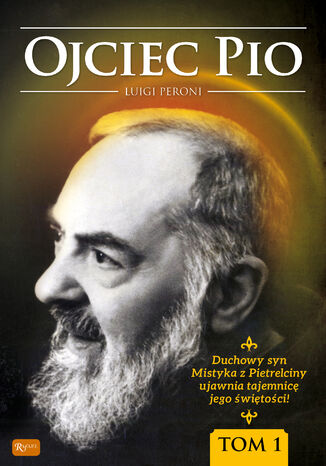
Luigi Peroni
Pełna biografia Ojca Pio napisana na podstawie dokumentów procesu beatyfikacyjnego. Nie pozostaje mi nic innego, tylko pogratulować tak kompletnego obrazu curriculum vitae tej nadzwyczajnej postaci. Ja, który jestem jedynym, który zapoznał się z dokumentacją dotyczącą życia ojca Pio przechowywaną w Świętym Oficjum, mogę szczerze zaświadczyć, że ta książka nie jest zwykłą biografią, lecz Biografią Ojca Pio, bogatą w dokumentację rzadką, a może nawet unikatową. mons. Mario Crovini z Kongregacji Doktryny Wiary
Ojciec was miłuje. O Trójcy Świętej
Wilfrid Stinissen OCD
Głównym tematem książki jest ojcostwo Boga Ojca. Pokazanie ludzi jako umiłowanych dzieci Boga, kochanych dokładnie taką samą, nieprawdopodobną miłością, jaką Bóg Ojciec kocha Syna Jezusa. Wilfrid Stinissen tłumaczy niełatwe zagadnienia dotyczące Trójcy Świętej i relacji człowieka względem Niej. Poza rozważaniami teoretycznymi autor podaje także praktyczne przykłady, jak odkrywać i rozwijać więź z Bogiem, aby już za życia ziemskiego móc poczuć i uwierzyć w kierowaną do nas miłość Ojca.
Juliusz Słowacki
Juliusz Słowacki Trzy poemata Ojciec zadżumionych W El-Arish Dla objaśnienia następnego poematu potrzeba mi nieodbicie powiedzieć kilka słów o kwarantannie na pustyni między Egiptem a Palestyną, blisko miasteczka El-Arish. Wymysłem to jest dziwnym Mohameda Ali, że między dwoma swoimi państwami naznaczył myślą na błędnym piasku granicę i pod karą miecza zmusił wolne Beduiny rozbijać w tym miejscu namioty i żyć przez dni kilkanaście pod dozorem straży i doktora; inacze... Juliusz Słowacki Ur. 4 września 1809 r. w Krzemieńcu Zm. 3 kwietnia 1849 r. w Paryżu Najważniejsze dzieła: Kordian (1834), Anhelli (1838), Balladyna (1839), Lilla Weneda (1840), Beniowski (1840-46), Sen srebrny Salomei (1844), Król-Duch (1845-49); wiersze: Grób Agamemnona (1839), Hymn o zachodzie słońca (1839), Odpowiedź na Psalmy przyszłości (1848) Polski poeta okresu romantyzmu, epistolograf, dramaturg. W swoich utworach (zgodnie z duchem epoki i ówczesną sytuacją Polaków) podejmował problemy związane z walką narodowowyzwoleńczą, przeszłością narodu i przyczynami niewoli. Jego twórczość cechuje kunsztowność języka poetyckiego. W późniejszym, mistycznym okresie stworzył własną odmianę romant. mesjanizmu i kosmogonii (system genezyjski). Studiował prawo w Wilnie, krótko pracował w Warszawie w Komisji Rządowej Przychodów i Skarbu oraz w Biurze Dyplomatycznym Rządu powstańczego 1831 r. Podróżował po Szwajcarii, Włoszech, Grecji, Egipcie i Palestynie. Osiadł w Paryżu, gdzie zmarł na gruźlicę i został pochowany na cmentarzu Montmartre. W 1927 r. jego prochy złożono w katedrze na Wawelu. autor: Katarzyna Starzycka Kupując książkę wspierasz fundację Nowoczesna Polska, która propaguje ideę wolnej kultury. Wolne Lektury to biblioteka internetowa, rozwijana pod patronatem Ministerstwa Edukacji Narodowej. W jej zbiorach znajduje się kilka tysięcy utworów, w tym wiele lektur szkolnych zalecanych do użytku przez MEN, które trafiły już do domeny publicznej. Wszystkie dzieła są odpowiednio opracowane - opatrzone przypisami oraz motywami.
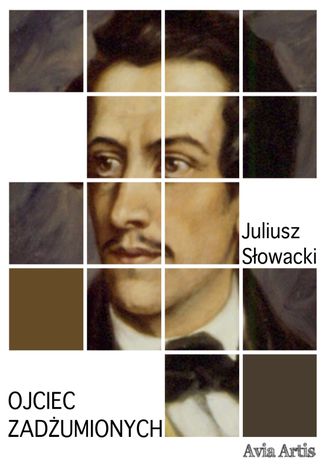
Juliusz Słowacki
„Ojciec zadżumionych” to poemat autorstwa Juliusza Słowackiego, obok Adama Mickiewicza uznawanego powszechnie za największego przedstawiciela polskiego romantyzmu. Poemat opiera się na opowieści, którą Słowacki usłyszał w trakcie podróży do Palestyny w roku 1836. Była to historia Araba, tytułowego ojca zadżumionych, któremu ta choroba zabrała żonę i siedmioro dzieci. Mężczyzna nie buntuje się ani nie pogrąża w skrajnej rozpaczy; przyjmuje postawę bliską biblijnemu Hiobowi. Oddziela się także od świata ludzi nie dotkniętych epidemią dżumy. W utworze nadzieja przeplata się z rozpaczą. Mężczyzna opowiada o etapach kwarantanny i kolejnych zgonach najbliższych sobie osób.
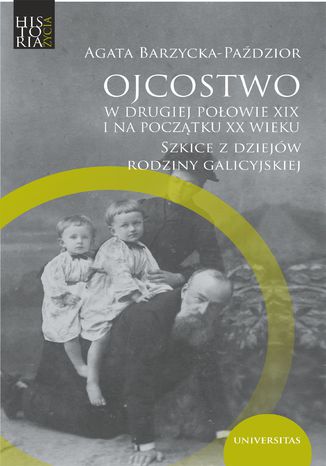
Ojcostwo w drugiej połowie XIX i na początku XX w. Szkice z dziejów rodziny galicyjskiej
Agata Barzycka-Paździor
Książka porusza temat ojców i ojcostwa w drugiej połowie XIX i na początku XX wieku w rodzinie galicyjskiej, z wyższych i średnich warstw społecznych, żyjącej przeważnie w mieście i miasteczku. Autorka podejmuje w niej problem roli i miejsca mężczyzny w życiu rodzinnym zarówno w wymiarze postulatywnym, jak i realiów życia prywatnego. Obok pytań o męskość, starokawalerstwo czy sposób wychowania chłopca, omówiono kwestię władzy ojcowskiej – w sensie legislacyjnymi i obyczajowym, z uwzględnieniem sprawy granic prywatności i prawa państwa do ingerowania w życie rodzinne. W oparciu o analizę pamiętników, wspomnień i listów książka przedstawia istniejące modele ojcostwa w kontekście m.in. relacji rodzinnych, metod wychowawczych, stosunku do kary. Wieloaspektowo przybliża obszary realizowania obowiązków ojcowskich, począwszy od przygotowań na przyjście dziecka na świat, edukację – w tym religijną i patriotyczną – aż do wkroczenia potomka w dorosłość, dekonstruując stereotypowe wyobrażenie o ówczesnym ojcostwie. Dzieło […] doskonale się mieści w „historii życia”, atrakcyjnej poznawczo i dynamicznie rozwijającej się subdyscyplinie nauk historycznych. […] dobrze się stało, że nadszedł czas na poważne badania nad ojcostwem, męskością, męskim charakterem, rolą mężczyzny w wychowaniu dzieci zarówno religijnym jak i patriotycznym, na badania relacji między mężem a żoną z kulturowej perspektywy. O tym wszystkim opowiada Barzycka w interesująco przeprowadzonej narracji. z recenzji prof. Andrzeja Chwalby Koniec XIX i początek XX stulecia to czas intensywnej modernizacji społecznej. Wiemy […] z analizy demografii historycznej, że wtedy zaczyna się mniej więcej zjawisko transformacji demograficznej. O ile potrafimy opisać je liczbowo, o tyle brakuje nam studiów jakościowych. Ta książka wypełnia w sposób istotny tę lukę. z recenzji prof. Krzysztofa Zamorskiego Agata Barzycka-Paździor – absolwentka Wydziału Historycznego Uniwersytetu Jagiellońskiego, doktor nauk humanistycznych, stypendystka Funduszu im. Florentyny Kogutowskiej, od ponad dziesięciu lat redaktorka w krakowskim zakładzie Polskiego Słownika Biograficznego Instytut Historii Polskiej Akademii Nauk, na łamach którego opublikowała wiele biogramów postaci z okresu XIX i XX wieku.
Iwan Siergiejewicz Turgieniew
Publikacja w dwóch wersjach językowych: polskiej i rosyjskiej. Turgieniew przedstawił w 'Ojcach i dzieciach' konflikt dwu generacji rosyjskiej inteligencji pokolenie zbędnych ludzi (ojców) i nowych ludzi (dzieci). Smutny los tych pierwszych uosabia postać Pawła Pietrowicza, który po krótkiej karierze lwa salonowego zamieszkał u brata, nie mając własnej rodziny, dzieci ani celu w życiu. Problem dzieci (głównie Bazarowa) to problem rewolucjonistów, którzy chcą obalić stary porządek, ale nie potrafią stworzyć nic nowego. W jednym z esejów Turgieniew stwierdza, że Bazarow łączy w sobie cechy Hamleta i Don Kichota. Na wzór bohatera powieści, Bazarowa, pokolenie rosyjskiej radykalnej inteligencji lat 60. XIX wieku określało swój system poglądów jako nihilizm. (. . ) (za Wikipedią).
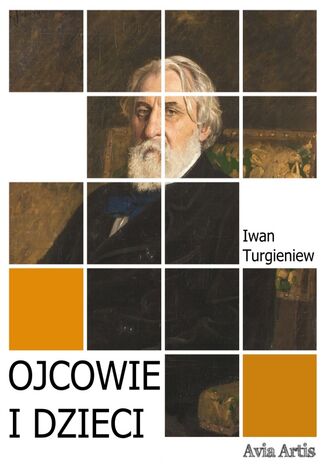
Iwan Turgieniew
„Ojcowie i dzieci” to powieść Iwana Turgieniewa, uznawanego za jednego z najwybitniejszych przedstawicieli literatury rosyjskiej oraz twórcę tak zwanego rosyjskiego realizmu krytycznego. „Ojcowie i dzieci” niesamowicie przedstawia relacje i dzieje dwóch różnych pokoleń rosyjskiej inteligencji – „zbędnych ludzi” w uosobieniu ojców oraz „nowych ludzi” jako dzieci. Zmagania bohatera powieści, Bazarowa, przedstawiają problemy rewolucjonistów, którzy chcą obalić stary porządek, nie mając pomysłu na nowy, odpowiadający im system. Na wzór postaci pokolenie rosyjskiej radykalnej inteligencji lat 60. XIX wieku określało swoje poglądy jako nihilizm.
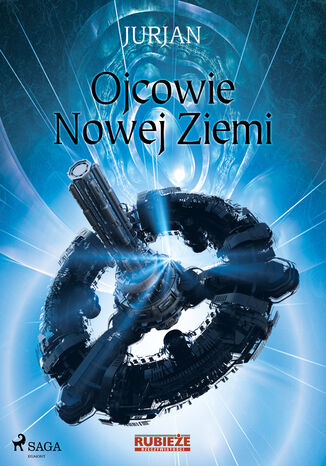
Jurjan
Dość rozpowszechniony jest pogląd, iż opowiadanie jako forma literacka nie umożliwia autorowi zgłębienia tematu, przedstawienia zaprezentowanej historii do końca, czy wzbudzenia w czytelniku prawdziwego zainteresowania. Jurjan udowadnia, że pogląd ten można włożyć między bajki, gdzie notabene jest jego miejsce. W książce, którą trzymacie w ręku, znajduje się kilkanaście opowiadań różnej objętości, które łączy jedno: wciągają one nas już przy pierwszym zdaniu, by następnie przecisnąć przez tryby wyobraźni autora i nie puścić do samego końca. Atmosfera fantastyki i poczucie, że oto uczestniczymy w czymś niemożliwym, czymś ponadnaturalnym, dziwnym i niepojętym, przenosi nas bezpośrednio w świat imaginacji Jurjana, przy czym bohaterowie, jakich poznajemy, mierzą się z problemami dobrze nam znanymi i odczuwają te same, co my, emocje.
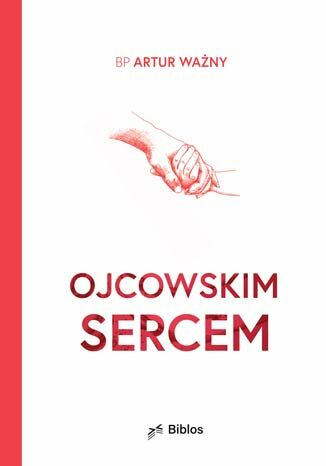
bp Artur Ważny
W dzisiejszych czasach musimy na nowo odkryć wagę ojcostwa. Niewątpliwie pomoże nam w tym biskup Artur Ważny, który w swoim przepowiadaniu stara się przedstawić rolę ojca w rodzinie, ale także w Kościele i w społeczeństwie we właściwym świetle. Ma być on według niego typem współczesnego bohatera, który uzbrojony w miecz sprawiedliwości, prawdy i wyrozumiałości ośmieli się zmieniać świat. Autor problem ojcostwa omawia wieloaspektowo, w sposób interesujący nie tylko mężczyzn, dla których jest ono zwykłą drogą życiowego powołania, ale również dla całego ich otoczenia. Sporo miejsca poświęca na przykład deficytom, na jakie narażeni są dorośli synowie i córki ojców, którzy w jakiś sposób zawiedli. Nie pozostawia ich samym sobie, lecz udziela konkretnych wskazówek, jak poradzić sobie z różnymi traumami, aby stać się dobrym rodzicem, także w sensie duchowym. Wreszcie budzi nadzieję, że Bóg jest w stanie te wszystkie zranienia uleczyć, a wadliwe relacje naprawić. Przekonuje, że historia każdego z nas może zacząć się na nowo, na każdym etapie życia, o ile tylko odkryjemy kochające serce Ojca.