
Wydawca: 16
Jan Domaszewicz
Przenieśmy się myślą w tę niezmierną krainę, którą zowiemy państwem duchów; na próżno usiłują zbadać dwa miejsca, czyli raczej dwa różne położenia, które są udziałem dusz: wieczność na zawsze pozostanie niezgłębioną przepaścią. Jakim jest to mieszkanie, z którego się nigdy nie powraca, o którym nie można wyrobić sobie prawdziwego wyobrażenia, i jakie pomimo całego naszego oświecenia i naszych nadziei zupełnie nie takie się nam okaże, jak je sobie wyobrażamy? Wiadomo, że dusza, odłączywszy się od śmiertelnego ciała, przechodzi do przybytku nieśmiertelnego świata; wiadomo, że wyobrażenia ziemskie znikają, że duch czynny i przenikliwy zajmuje się jedynie Istotą nad istotami. Lecz w jaki sposób ta przemiana się uskutecznia? Ludzie zmysłowi nie mogą sobie wyobrazić, żeby dusze jako czyste duchy mogły jedne z drugimi dzielić się swymi myślami bez pomocy języka i uszu. Jednakże prawdziwa metafizyka uczy nas, że przez wzajemną znajomość wyobrażeń można komunikować się myślą. Niepodobna sobie wyobrazić, jak niesłychanie czynność i wzniosłość duszy, zaraz po opuszczeniu ciała, wzmaga się: ona nie myśli już za pośrednictwem zmysłów, lecz myśli sama przez się. Więcej dowiemy się po przeczytaniu tej książeczki...
Götz Aly
Sensacyjne nowe ujęcie okresu narodowego socjalizmu - Christian Esch, Berliner Zeitung Każdy kto zamierza w przyszłości zabrać głos w debacie na temat historii Trzeciej Rzeszy i II wojny świato wej musi przeczytać tę książkę - Hans Erich Volkman, Frankfurter Allgemaine Zeitung Ta książka roznieci nową debatę na temat narodowegosocjalizmu - Hans Mommsen, Süddeutsche Zeitung Götz Aly
Państwo Islamskie. Geneza nowego kalifatu
Hanne Olivier, Flichy de La Neuville Thomas
Od 2014 roku epatuje nas, ludzi Wschodu i Zachodu, nowy twór - a może zjawisko - Państwo Muzułmańskie, czyli Islamskie. Politycy zachodzą w głowę, dlaczego powstało, dziennikarze mają używanie, a komentatorzy polityczni plączą się w zeznaniach i mało wiarygodnych opiniach. Mechanizm powstania Państwa Islamskiego jest bardzo prosty, wymaga jednak wiedzy eksperckiej. Dwaj francuscy naukowcy - Olivier Hanne i Thomas Flichy de la Neuville - opierając się na wiedzy historycznej, politologicznej i kulturoznawczej, pokazują, jak to się stało, że ten groźny (s)twór pojawił się na Bliskim Wschodzie. Groźny nie tylko dla Bliskiego Wschodu, ale całego świata islamu, a także Zachodu. Książka, jak każda dobra praca, nie wróży z fusów, lecz pokazuje, jak jest. Nie dyktuje łatwych rozwiązań, nie uspokaja. Jest rzeczowa i solidna. Janusz Danecki
Państwo jako żywy organizm i inne teksty
Rudolf Kjellén
Johan Rudolf Kjellén (ur. 13 czerwca 1864 w Torsö, zm. 14 listopada 1922 w Uppsali) szwedzki politolog i polityk. W swoich pracach udowadniał tezę, że państwo jest nieodłącznie związane z ziemią na której egzystuje i by istnieć i się rozwijać - musi współzawodniczyć z sąsiadami, aby zdobyć prawo przewodzenia innymi państwami. Lansował teorie dotyczące autarkii i zdobywania przestrzeni życiowej (lebensraum). Wiele z jego myśli zaadaptował Karl Haushofer. Rudolf Kjellén jest autorem pojęcia geopolityka (po raz pierwszy użył go w 1899 roku) i terminu analiza geopolityczna. Przestrzenne ujęcie procesów politycznych, które propagował, stanowi po dzień dzisiejszy cenną inspirację. Prezentowany tom, dzięki starannemu doborowi tekstów źródłowych i dobremu przekładowi z języka niemieckiego, stanowi niezwykle wartościowy wkład w rozwój polskiej geopolityki i badań nad myślą polityczną XIX i XX wieku. Leszek Sykulski Wybór esejów to pierwszy krok w kierunku zaprezentowania dzieła Rudolfa Kjelléna polskiemu czytelnikowi. Kjellén to szwedzki parlamentarzysta, polityk, naukowiec i publicysta, świadek zjednoczenia Niemiec końca XIX w., rozpadu Zjednoczonego Królestwa Szwecji i Norwegii oraz Wielkiej Wojny. Jest jednym z twórców geopolityki jako nauki. Jego dzieło Państwo jako żywy organizm, wchodzące w skład niniejszej książki to bezprecedensowa analiza procesów i zjawisk państwotwórczych o niezwykłej aktualności. Przygotowując pierwsze wydanie polskie i wybierając teksty dla niniejszego tomu, staraliśmy się ukazać wszechstronność intelektualną Rudolfa Kjelléna i bezkompromisowość ideową. Dzieła Rudolfa Kjelléna, natychmiast tłumaczone na język Goethego, miały bezpośredni i znaczący wpływ na niemiecką geopolitykę. Ku naszemu zdumieniu, tłumacząc teksty z języka niemieckiego odnaleźliśmy wiele wątków nieobecnych w szwedzkich oryginałach, oraz takie, które w tłumaczeniach zostały pominięte, wręcz przeinaczone. Co prowadzi do konstatacji, że również nauka ulega wpływom ideologii, zaś naszym obowiązkiem jako tłumaczy jest stanąć po stronie myśli faktycznie wyrażonych. Tłumacze tomu: Thomas i Krzysztof Zmyślińscy
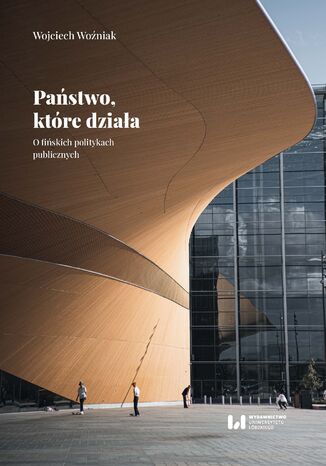
Państwo, które działa. O fińskich politykach publicznych
Wojciech Woźniak
Praca wypełnia lukę w wiedzy o polityce Finlandii. Autor przedstawia słabo znane i często zaskakujące fakty, które składają się na wyjaśnienie współczesnego sukcesu polityki publicznej tego kraju. Dzięki prezentowanej monografii można zrozumieć, jak kompleksowe zewnętrzne czynniki, w tym położenie geograficzne, uzależnienie od Związku Radzieckiego i powojenna pozycja na arenie międzynarodowej stworzyły kontekst dla podejmowania w Finlandii działań wewnątrzkrajowych. [...] Książka jest fascynującą, bogatą faktograficznie opowieścią, z której dowiemy się na przykład, co dla szefów Nokii było wskaźnikiem, że przegrali z firmą Apple konkurencję na rynku telefonii komórkowej, co kometa nad Doliną Muminków ma wspólnego z podstawowym dochodem gwarantowanym i co w Finlandii robi ojciec, który nie radzi sobie z wychowywaniem dzieci. dr hab. Maria Theiss Świetny dobór studiów przypadku w zakresie polityk/subpolityk publicznych, takich jak edukacja, rozwój, polityka społeczna, polityka wobec samobójstw, pandemii. [...] To książka, którą powinien przeczytać każdy polityk, samorządowiec czy kandydaci do tych ról. Autor pokazuje na przykład, jak Finowie podchodzą do analizy problemów publicznych, które chcą rozwiązać. Kierują się silnym imperatywem racjonalnej analizy, w tym potrzebą dialogu i deliberacji. Inicjują działania, gdy zyskują pewność, że rozumieją kluczowe wymiary danego problemu. dr hab. Andrzej Zybała, prof. SGH
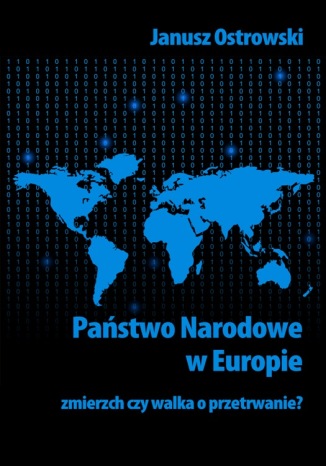
Państwo narodowe w Europie. Zmierzch czy walka o przetrwanie?
Janusz Ostrowski
Naród i państwo w formie tradycyjnej traktuje jako relikt przeszłości. W okresie intensywnego rozwoju globalizacji naród to jedynie element tradycji i historii jednej z wielu społeczności tworzącej zintegrowane społeczeństwo globalne. Państwo narodowe w formie tradycyjnej nie sprosta zadaniom, jakie stawia przed społeczeństwem globalizacja, dlatego powoli, lecz systematycznie, zostaje zastąpione inną, wyższą formą organizacji społeczności. Unia Europejska według Janusza to pierwsza forma, która jest zdolna stawić czoła globalnym problemom społecznym, jak i gospodarczym. Nie jest wprawdzie idealna i wymaga jeszcze wielu reform, ale systematycznie ewoluuje w kierunku zgodnym z rozwojem naszej planety. Stawia odważną tezę, iż Europa podzielona na pojedyncze narody i państwa nie będzie zdolna sprostać zadaniom jakie stawia przed nimi globalizacja.I o tym jest ta książka o państwie i jego historycznym powiązaniu z narodem. W miarę czytania odnosimy wrażenie, iż wielowiekowe powiązania państwa z narodem, a także z kościołem, rozluźniają się. Natomiast społeczeństwa tworzące narody przemieszczają się i w ten sposób mieszając, wychodzą ponad tradycyjną granicę organizacji społeczeństw jakim jest państwo narodowe.Z książki tej należy czerpać wiedzę wybiórczo przeważa tu chęć przekonania czytelnika do procesów globalizacji i otwartości wobec zjawisk społecznych, których tradycyjnie my, jako Naród Polski, lękamy się lub obawiamy.Jak sam autor stwierdza: nie jest to książka z którą należy ślepo się zgodzić, ale warta jest by przeczytać ją do poduszkiJanusz Ostrowski(ur. 1956), geodeta, publicysta, politolog. Absolwent AHE w Łodzi. Współzałożyciel Komentarza Politycznego popularnej w Internecie strony o profilu politycznym:www.komentarzpolityczny.com.plPasjonat społeczeństwa obywatelskiego i wszystkiego co jest z nim związane.
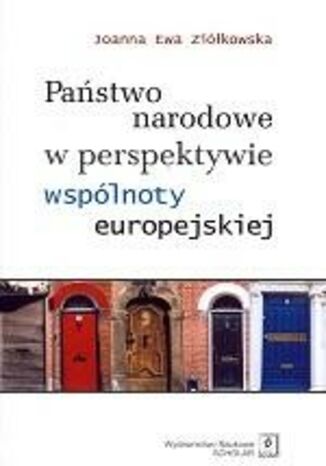
Państwo narodowe w perspektywie wspólnoty europejskiej
Joanna Ewa Ziółkowska
Pojęcie państwa w epoce nowożytnej zajmowało pozycję centralną w dyskursie politycznym i wyznaczało funkcje oraz miejsce innych pojęć, a także zachodzących między nimi relacji. Nowożytna idea państwa nie tylko umożliwiała jednostkom identyfikację ze wspólnotą i aktywne uczestniczenie w polityce, lecz także gwarantowała poczucie bezpieczeństwa. Jednak współcześnie państwo utraciło ten status - wraz ze zmianą formy politycznej wspólnoty i warunków samej działalności politycznej. Na płaszczyźnie praktyki politycznej pojęcie państwa narodowego zaatakowane zostało zarówno przez zwolenników globalizacji, jak i jej przeciwników - propagatorów regionalizacji. Natomiast na gruncie teorii politycznej partykularyzm państwa narodowego okazuje się trudny do pogodzenia z uniwersalizmem praw człowieka. Joanna Ewa Ziółkowska (ur. 1979) - doktor nauk humanistycznych, studiowała filozofię oraz dziennikarstwo na Uniwersytecie Warszawskim; zajmuje się filozofią polityki i analizą procesów społecznych.
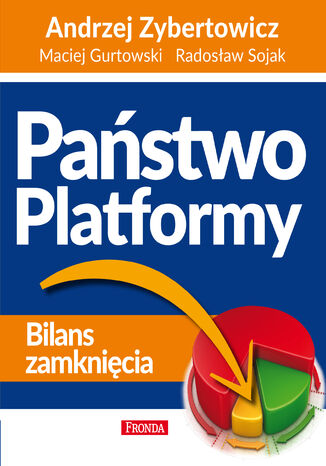
Radosław Sojak, Andrzej Zybertowicz, Maciej Gurtowski
Blisko 100 wykresów, tabel i rycin prezentujących stan dzisiejszej polskiej biedy, demografii, emigracji, służby zdrowia, wykorzystania funduszy europejskich, infrastruktury, innowacyjności i wielu innych aspektów na rok 2015 (i dane wstecz), często w porównaniu do krajów UE, do średniej europejskiej i do wyników Grecji. Druzgocący materiał w całości oparty o źródła, z których korzystają mainstreamowe media. Materiały opatrzone oceną prezentowanych danych, solidnym rozdziałem opisującym metodologię badań, bibliografią - słowem - wszystkim, co może się przydać Człowiekowi Myślącemu do wyciągania samodzielnych wniosków. -- Tytuł naszej książki określa jej zadanie. Rzecz jasna idzie o ocenę. W dodatku o ocenę posiadającą społeczne konsekwencje. Jesteśmy socjologami, przeto staramy się, aby ocena ta oparta była na faktach. W nauce wierzy się, że najbardziej wiarygodne są informacje wyrażone w języku liczb. Liczby bowiem ze swej natury są sprawdzalne, porównywalne i oddzielone od języka emocji. Dlatego przedstawiamy dane, tabele i wykresy. Niech liczby rozsądzą, czy żyjemy na zielonej wyspie, czy w państwie teoretycznym zaniedbującym swoich obywateli.
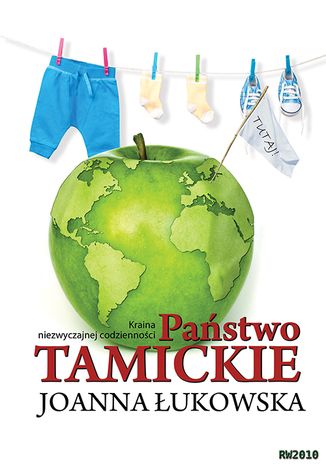
Joanna Łukowska
Kraina niezwyczajnej codzienności Powieść obyczajowa w dwudziestu epizodach, które łączy para bohaterów – młode małżeństwo, wchodzące w dorosłe życie na przełomie lat 80-tych i 90-tych ubiegłego wieku. Zaczyna się od „ślubu z rozsądku”, czyli... dla mieszkania. Takie były czasy, że osobie samotnej przysługiwała zaledwie kawalerka, a małżeństwu „aż” M3. Sporo humoru w codzienności, czasem zaskakujący finał, trochę wzruszeń i smutku, trochę grozy, odrobina magii... Jak to w życiu. Bohaterami są ludzie, duzi i mali, zwierzęta, duchy oraz święci. Książka, która bawi, wzrusza i pokrzepia. To patchworkowa opowieść, w której kolejne rozdziały są jak kolorowe kawałki kołdry – każdy inny, ale razem tworzą zgrabną i ciepłą całość.
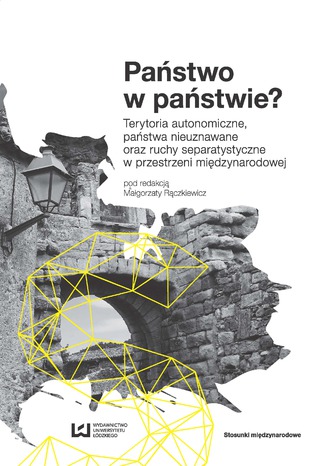
Małgorzata Rączkiewicz
Państwa są wciąż podstawowymi jednostkami organizacji świata, a przez stulecia były właściwie jedynymi uczestnikami w stosunkach międzynarodowych. W dalszym ciągu ich rola w stosunkach międzynarodowych jest dominująca, chociaż niewątpliwie widoczne są objawy osłabienia. Obecnie coraz wyraźniej zauważalne są procesy ewolucji tradycyjnej roli państwa w stosunkach międzynarodowych. Państwo, będące specyficzną formą organizacji życia społecznego, stara się przystosować sos mian zachodzących w jego wnętrzu i w środowisku.
Państwo wobec grup dominujących w gospodarce - perspektywa instytucjonalnej ekonomii politycznej
Anna Ząbkowicz
Jak w myśleniu o gospodarowaniu (nie tylko w ekonomii) uwzględnia się działalność grup dominujących i jaka rola w tym obszarze przypada państwu? Na ile teoria objaśnia m.in. sposoby koordynacji aktywności gospodarczej i fenomen korporacji, działania zbiorowe, konflikty interesów i walkę u podział dochodu? Autorka prezentowanej publikacji sięga do intelektualnych zasobów myślenia o gospodarce, które osadzają zjawiska ekonomiczne w znacznie szerszym niż gospodarka rynkowa kontekście społecznym, politycznym i historycznym. Na tym tle prezentowani są wybitni kontynuatorzy tego sposobu myślenia o gospodarowaniu, publikujący w XXI wieku. W kapitalizmie funkcjonują instytucje, które sprzyjają osiąganiu pozycji dominującej przez wielopodmiotowe organizacje gospodarujące. Skłonność do koncentracji siły ekonomicznej jest nieustannym wyzwaniem dla władzy państwa. Szansą na wzmocnienie przez państwo własnej pozycji przetargowej jest wejście w nowy strategiczny sojusz z grupami społecznymi. Celem książki jest zwrócenie uwagi na nieortodoksyjne (przynajmniej w ekonomii) kierunki myślenia i poglądy na ten temat * Oryginalność i znaczenie naukowe tej publikacji polega na uzupełnieniu i wzbogaceniu wiedzy z zakresu różnych nurtów ekonomii [...]. Do nich należy znaczenie wielkich korporacji i tzw. grup dominujących w funkcjonowaniu współczesnego rynku i ogólnie systemu kapitalistycznego. Autorka słusznie uznała, że dorobek instytucjonalizmu i ekonomii politycznej jest dobrą podstawą teoretyczną do analizy i opisu, jaki jest współczesny kapitalizm, czyje interesy są najsilniej i najskuteczniej reprezentowane oraz jaką rolę odgrywa państwo będące bardzo ważnym regulatorem gospodarki i życia społecznego. Z recenzji prof. dra hab. Jerzego Wilkina Po raz pierwszy tak szeroko - przynajmniej w literaturze polskojęzycznej - zastosowano do analizy zjawisk determinujących kształt współczesnej gospodarki podejście tradycyjnego instytucjonalizmu, odrzucając jednocześnie neoliberalną perspektywę oglądu procesów gospodarowania. [...] Przywoływane za literaturą stanowiska służą do budowania własnego, oryginalnego [...] wywodu. Zaczerpnięte z literatury koncepcje są tu twórczo rozwijane. Przykładem może być myśl H. J. Changa o zdolności kanalizowania indywidualnej energii w kolektywnej przedsiębiorczości jako źródle sukcesu gospodarczego. Z recenzji prof. dra hab. Macieja Miszewskiego
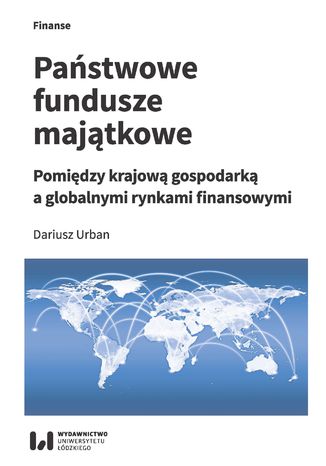
Państwowe fundusze majątkowe. Pomiędzy krajową gospodarką a globalnymi rynkami finansowymi
Dariusz Urban
Jedna z największych zmian, jaka zaszła w postrzeganiu roli państwa w gospodarce na początku XXI wieku, była wynikiem akumulacji kapitału w rękach państwa i w konsekwencji pojawienia się nowej kategorii inwestorów instytucjonalnych, jakimi są państwowe fundusze majątkowe. Ich działalność na przestrzeni ostatnich lat może być uznana za dowód wyraźnego ścierania się ze sobą dwóch przeciwstawnych koncepcji - kapitalizmu państwowego i kapitalizmu rynkowego. W monografii zaprezentowano państwowe fundusze majątkowe w kontekście ekonomicznym i finansowym, łącząc ze sobą dwie perspektywy - pojedynczej gospodarki oraz globalnych rynków finansowych. Jest to uzasadnione przenikaniem się obu wymiarów i ich wzajemnym oddziaływaniem, państwowe fundusze majątkowe są bowiem nie tylko nierozerwalnie związane z gospodarką danego kraju i od niej bezpośrednio zależne, lecz także ich funkcjonowanie jest uwarunkowane dostępem do międzynarodowych rynków finansowych, na których prowadzą one działalność inwestycyjną.
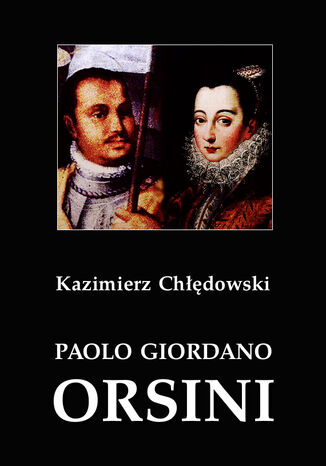
Paolo Giordano Orsini. Postać rzymskiego baroku
Kazimierz Chłędowski
UWAGA! e-book jest skanem zapisanym w formacie PDF. Plik pdf uniemożliwia przeszukiwanie i kopiowanie tekstu REPRINT. Paolo Giordano Orsini (1541-1585) był włoskim szlachcicem i pierwszym księciem Bracciano. Syn Girolamo Orsini i Francesca Sforza, był wnukiem ze strony ojca Felice della Rovere (nieślubnej córki papieża Juliusza II) i Gian Giordano Orsiniego, a po stronie matki hrabiego Bosio Sforzy i Costanzy Farnese, nieślubnej córki papieża Pawła III. Paolo w dniu 3 września 1558 r. poślubił Isabellę de Medici, córkę Cosimo I de Medici, wielkiego księcia Toskanii, w Poggio a Caiano. Paolo Giordano mieszkał głównie w Rzymie i swoim zamku na Bracciano, a nie z żoną, która przebywała głównie we Florencji. W 1571 wziął udział w bitwie pod Lepanto. 16 lipca 1576 r. Jego żona niespodziewanie zmarła w willi Medyceuszy w Cerreto Guidi podczas wakacji myśliwskich. Według jej brata, wielkiego księcia Francesca I de Medici, zdarzyło się to kiedy rano myła włosy... Oficjalna wersja wydarzeń nie była przyjmowana przez wszystkich, a ambasador Ferrary, Ercole Cortile, posiadł informację, że Isabella została uduszona w południe przez jej męża, na dodatek w obecności kilku. Dlaczego ta kobieta zginęła? Jaki był prawdziwy powód jej śmierci? Ile jeszcze tajemniczych zgonów towarzyszyło bohaterowi opowieści? Kto na tym zyskiwał, a kto tracił? Jak wyglądało życie wyższych sfer Rzymu w epoce baroku? Zapraszamy do lektury!

Małgorzata Nowodworska
Sława ma swoją cenę A co, jeśli okaże się zbyt wysoka? Dwudziestoletnia Laura Wójcik startuje w kolejnej edycji popularnego talent show. Pragnie robić to, co od zawsze sprawia jej radość śpiewać. Nieoczekiwana wygrana otwiera dziewczynie drzwi do świata show biznesu, wielkich nazwisk i zawrotnych karier. Jej nazwisko zaczyna coraz częściej pojawiać się w portalach plotkarskich, a ona sama z fascynacją śledzi narastający wokół niej szum medialny. Ale to, co wydawało się jej tak kuszące, wkrótce rodzi frustrację i staje się źródłem zmartwień. Okazuje się, że aby być prawdziwym celebrytą, trzeba mieć naprawdę grubą skórę i stalowe nerwy Narkotyki, przypadkowy seks i wszechobecne intrygi to coś, czego Laura nie potrafi zaakceptować. Czy będzie umiała dokonać właściwego wyboru, gdy przyjdzie czas na zapłatę za spełnienie dziecięcych marzeń? Małgorzata Nowodworska autorka powieści obyczajowej New Adult pod tytułem Paparazzi kropka com po raz pierwszy wydanej w 2022 roku.
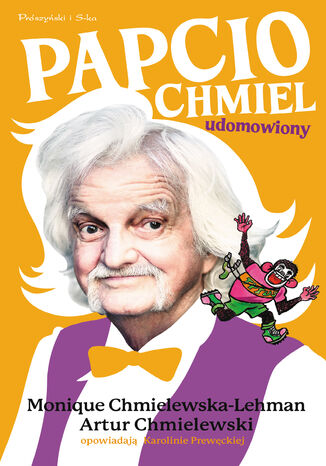
Monique Chmielewska-Lehman, Artur Chmielewski, Karolina Prewęcka
Papcio Chmiel jest mentalnym ojcem kilku pokoleń Polaków zaczytanych w przygodach Tytusa, Romka i ATomka. Stał się dobrem narodowym, bohaterem zbiorowej wyobraźni, wychowawcą i naczelnym humorystą kraju. Dzięki wspomnieniom jego dzieci, Monique i Artura, poznajemy Papcia Chmiela jako ojca, człowieka, obywatela codzienności. Także w tej życiowej roli był niezwykły, co łączyło się z fajerwerkami, ale też uczyło obrony swojej inności w grupie rówieśników. Domową codzienność zamieniał im w świat zabawy i działania wyobraźni. Jednocześnie zajmująco uczył historii, przyrody, radzenia sobie z trudnościami. Często jednak taty brakowało. Znikał w pracowni. Nie chodził na wywiadówki, nie wysłuchiwał młodzieńczych zwierzeń, nie doradzał, gdy Monique i Artur szukali swoich miejsc w życiu. Monique została artystką, Artur inżynierem. Ich wybory odzwierciedlają złożoną osobowość taty. Bywają krytyczni wobec niego, ale przede wszystkim szczerzy, są niezwykle mu wdzięczni i dumni z niego. Stworzyli razem barwne trio. O tym, co przeżyli podczas tej wspólnej wędrówki przez dziesięciolecia, opowiada ta książeczka. Poznajcie Papcia Chmiela w kapciach i na kanapie.
Paul Tondeur, Jeff Winder
Papervision3D is a powerful real-time 3D engine for Flash. Papervision3D can take externally created 3D models and render them as Flash content, without requiring end-users to download or install an additional plug-in. It has an outstanding reputation within the Flash community and its ease of use has even impressed experienced 3D game developers. However, getting started with Papervision3D can be daunting and mastering it can be challenging. This book guides you through the easiest way to tackle challenges that you may normally face with Papervision3D and master them effectively.The book will show you how to build Papervision3D applications from scratch in the easiest way, providing plenty of examples that make sense even if you're not a Flash expert. Papervision3D Essentials serves as a comprehensive guide to getting you started, as well as being an invaluable reference for every Papervision3D user and developer. By the end of this book you will be able to create your own projects with real-time 3D rendering.Since the first release of Papervision3D in 2007, the authors have been involved in various commercial projects with Papervision3D, building up a deep understanding of the engine. In Papervision3D Essentials, the authors share their knowledge to help you create stunning 3D content in Flash and teach you how to work with one of the most exciting open-source Flash projects around. Papervision3D Essentials shows you how to download Papervsion3D and make it work in Flash, Flash Builder and Flex Builder. It provides a short introduction to Object Oriented Programming and classes for those who are new to non-timeline programming. Then, it takes a closer look at the engine, discussing a broad range of topics from how to work with built-in 3D objects to using and animating cameras, 3D objects, and light. Applying materials and textures, using filters and effects, particles and performance optimizations are also covered. Ultimately, this book will provide you with the information you need to build your first Papervision3D application. Covering the basics, but by no means limited to beginners, Papervision3D Essentials provides a thorough explanation of the engine and numerous tips and tricks, making it a valuable resource for every Papervision3D user.
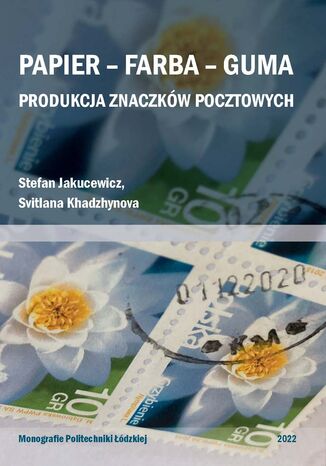
Stefan Jakucewicz, Svitlana Khadzhynova
Wprowadzenie od autorów Wydana pod koniec 2020 roku przez Wydawnictwo Politechniki Łódzkiej monografia „Drukowanie znaczków pocztowych” naszego autorstwa poświęcona była głównie procesowi sporządzania form drukowych i drukowania znaczków pocztowych. Spotkała się ona z dużym zainteresowaniem i przyjaznym odbiorem czytelników. Do tego sprzedała się w przeciągu miesiąca. My, jako autorzy, odczuwaliśmy pewien niedosyt przekazanej w tej monografi i wiedzy. Biorąc pod uwagę zbyt dużą objętość wydawniczą nie zdecydowaliśmy się przedstawić czytelnikom charakterystyk materiałów stosowanych do drukowania znaczków w ujęciu historycznym od pierwszego wydanego znaczka pocztowego na świecie, tj. od 1840 roku do dzisiaj. Chcieliśmy usunąć te braki pisząc niniejszą monografię poświęconą papierom, farbom i klejom (gumom), stosowanym do produkcji znaczków pocztowych.

Patrycja Koza
Poruszająca opowieść o miłości w czasach PRL-u. Polska prowincja, połowa lat sześćdziesiątych. Zofia młoda uczennica liceum pedagogicznego poznaje Janusza, kuzyna swojej przyjaciółki. Uczucie rodzi się szybko, a plany na wspólne życie wydają się oczywiste. Los jednak poddaje ich miłość trudnej próbie w 1967 roku Janusz zostaje powołany do wojska, a Zofia oczekuje narodzin ich pierwszego dziecka. Rozdzieleni przez służbę wojskową, budują swój związek na odległość, w listach pełnych czułości, tęsknoty, czasem złości i codziennych spraw. Papierowe pocałunki to autentyczny obraz młodego małżeństwa w realiach PRL-u bez upiększeń, ale z ogromną dawką emocji. To powieść o miłości, która mimo przeciwności szuka swojego miejsca w codzienności pełnej ograniczeń, małych radości i wielkiej nadziei. Patrycja Koza autorka powieści pod tytułem Papierowe pocałunki opublikowanej po raz pierwszy w 2016 roku.

Anna Crevan Sznajder
"Papierowy księżyc" został napisany jako alternatywna wersja zakończenia powieści Niczyja", ostatecznie funkcjonuje jednak jako osobna nowela. Ann jest rozdarta między Taro a Kenjim. Z jednej strony bezpieczeństwo i stabilizacja, z drugiej - dreszczyk emocji i świeżość uczucia. Zamiast stawić czoła problemom i wyplątać się z kłopotliwego, raniącego wszystkich układu, Ann ucieka przed odpowiedzialnością, a w jej głowie kłębią się pytania: którego z mężczyzn bardziej kocha? Czy w ogóle kocha któregokolwiek? Jakie rozwiązanie będzie najmniej bolesne?
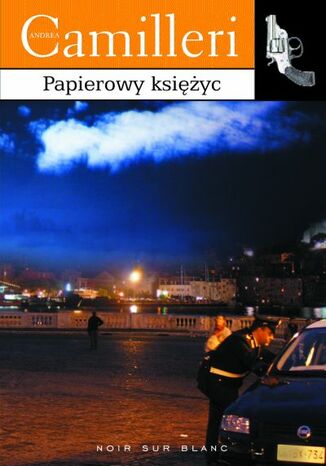
Andrea Camilleri
Tym razem komisarz Montalbano rozwiązać musi zagadkę reprezentanta handlowego firm farmaceutycznych, Angela Parda, zabitego strzałem w twarz na tarasie własnego domu. Obsceniczna poza, w jakiej została znaleziona ofiara, staje się główną wskazówką dla komisarza, który prowadzi śledztwo, lawirując między dwiema fascynującymi i niebezpiecznymi kobietami: siostrą zabitego, tajemniczą Michelą i jego młodą kochanką, Eleną Sclafani. Narastająca depresja, spowodowana myślami o nadchodzącej starości, oraz słabość do pięknych kobiet nie przeszkodzą Montalbanowi w powiązaniu morderstwa z innymi, na pozór niemającymi z nim nic wspólnego, wydarzeniami w Vigacie i w odkryciu prawdy, równie zaskakującej dla niego, jak dla czytelnika.
Janusz „Krawiec” Wiśniewski
Ponad trzydzieści różnorodnych opowiadań z dużą dozą erotyki i miłosnych uniesień. Znajdziemy w nich także trafną, przyciągającą uwagę obserwację obyczajową oraz nutkę nostalgii. Kapitalne pisarskie rzemiosło sprawia, że nie sposób się oderwać od tej lektury. Papierówka – wczesne jabłko, młode, jeszcze nie do końca dojrzałe. Jak Piotrek w opowiadaniu „Pod jabłonią” podglądający z ukrycia, z wierzchołka jabłoni dwie dziewczynki zafascynowane rodzącym się erotyzmem, seksem. Albo, Piotrek we wczesnych latach socjalistycznego zniewolenia, siedzący w klasie nad przepisywaniem „Zeszytu do śpiewu”. Albo, „Koszula” – opowieść o licealnym wzajemnym zauroczeniu sobą Piotrka i Anity. A opowieść o młodym chłopaku, uczniu krawieckim, decydującym się na samotną podróż autostopem po Polsce, przeżywającym po drodze chwile niesamowitej grozy. Albo dorosły Piotr rozmawiający z samym Panem Bogiem. Albo, spotkanie na Mauritiusie z Józefem i Elizabeth – czy ta wyspa okaże się dla nich Rajem? A, „Randka z Laurą” – randka starszego pana z na wskroś nowoczesną dziewczyną. A tęsknota za miłością i, powrót do uczuć z przed lat w „Noc w Pasłęku”. A „Kosz Kwiatów” położony na szalę – z koszem zdrad. A, obdartusy – „Klienci” pracowni krawieckiej „Kat. S”. A „Psy” – kto okaże się tu milszy synkowie – czy ich rodzice? A „Droga do nieba” w którą spec od literatury, próbuje zabrać autora. A „Literatów Spotkanie”, A „Zmysły” A „Śliwki” kochanej teściowej. A, „Starsza” starsza o szesnaście lat. Wreszcie w kończącym opowiadania „Pociągu”, mamy spotkanie z podobnym do autora pisarzem amatorem, któremu również zdawało się, że wsiadł do pociągu, który dowiezie go na sam szczyt literackiej sławy. Janusz „Krawiec” Wiśniewski zasłynął jako autor trzech, po części autobiograficznych, bestsellerowych powieści „Życie skrojone na miarę” (tom 1 i 2) oraz „Życie od podszewki” (tom 3). „Papierówka” jest jego pierwszą publikacją po tym bardzo udanym debiucie. Projekt okładki: Magdalena Dębicka
Papierówki. Podróże poza czasem
Iwona Gajda
"Papierówki. Podróże poza czasem" autorstwa Iwony Gajdy to niezwykła książka, dlatego że łączy dorosłych i dzieci w świecie fantazji. Zabiera wszystkich do Anglii, Rosji i Egiptu. Pokazuje historię mocarstw, perypetie władców i uczucia zwykłych ludzi. Przy niej wszyscy razem śmieją się, płaczą, uczą, kochają i marzą...Iwona Gajda - autorka książki "Papierówki. Podróże poza czasem." Zaprasza do świata fantazji i wiedzy. Książka ta to idealny prezent dla dzieci i dorosłych.
Joanna Mueller
Joanna Mueller Somnambóle fantomowe Wersja intro Papierówki, prawdziwki choć nie wyglądam pogląd mam zwłaszcza gdy ląd de koltu wymierzony (kolibra kalibrem) we mnie (a nocą w imiona wymnie się) więc wymień mnie bo masie podobać ma się (maski włóż majtki zdejm) dama da ci p... Joanna Mueller ur. 13 listopada 1979 Najważniejsze dzieła: Somnambóle fantomowe (2003), Zagniazdowniki/Gniazdowniki (2007), Wylinki (2010), intima thule (2015) Poetka, eseistka, redaktorka, wielodzietna mama, niegdyś sygnatariuszka Manifestu neoglingwistycznego. Wydała cztery tomy poetyckie oraz dwie książki eseistyczne. Redaktorka książek: Solistki, Antologia poezji kobiet (19892009) (Warszawa 2009, razem z Marią Cyranowicz i Justyną Radczyńską) oraz Warkoczami. Antologia nowej poezji (Warszawa 2016, wraz z Beatą Gulą i Sylwią Głuszak). Pisuje również wiersze dla dzieci. Mieszka w Warszawie, gdzie m.in. współprowadzi seminarium o literaturze kobiet Wspólny Pokój. Kupując książkę wspierasz fundację Nowoczesna Polska, która propaguje ideę wolnej kultury. Wolne Lektury to biblioteka internetowa, rozwijana pod patronatem Ministerstwa Edukacji Narodowej. W jej zbiorach znajduje się kilka tysięcy utworów, w tym wiele lektur szkolnych zalecanych do użytku przez MEN, które trafiły już do domeny publicznej. Wszystkie dzieła są odpowiednio opracowane - opatrzone przypisami oraz motywami.
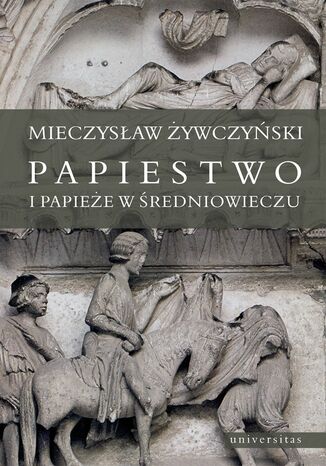
Papiestwo i papieże w średniowieczu
Mieczysław Żywczyński
Papiestwo i papieże w średniowieczu Mieczysława Żywczyńskiego, to druga pozycja tego autora wydana w serii "Bestsellery z przeszłości". Książeczka ta jest fascynującą opowieścią o Kościele i instytucji papiestwa w oczach średniowiecza europejskiego. Obejmuje ona burzliwy okres panowania trzydziestu kilku papieży: od LEONA I WIELKIEGO (440-461) po KLEMENSA V (1305-1314). Jasność i precyzja wywodów, wartka narracja - oto walory, które powodują, iż książkę tę czyta się "jednym tchem".