
Wydawca: 16

Przeskok. Jak rozwinąć własny biznes, kiedy wciąż pracujesz na etacie
Grzegorz Kubera
Czy pracujesz na etacie, ale regularnie zastanawiasz się, jak by to było mieć własną działalność i być szefem dla samego siebie? Czy często w myślach rzucasz pracę i zajmujesz się własnym przedsięwzięciem? Może Ci się wydawać, że czas na założenie własnego biznesu dawno minął, bo masz kredyt na mieszkanie, rodzinę, zobowiązania wobec pożyczkodawców albo po prostu czasy młodości masz już za sobą. Po lekturze tej książki przekonasz się, że nie powinieneś rezygnować ze swojego marzenia. Jeżeli masz ambicję, by coś osiągnąć, ale tego nie robisz, tak naprawdę odwracasz się plecami nie od własnej ambicji, ale od samego siebie. Wszystkie inne formy życia robią wszystko, co tylko potrafią - i zawsze na maksimum możliwości. Drzewa? Rosną tak wysoko, jak tylko mogą. Wiewiórki? Zbierają i gromadzą tyle orzechów, ile tylko zdołają. Pszczoły? Wytwarzają tyle miodu, ile potrafią. A Ty? Przejmij inicjatywę, bo naturą człowieka jest działanie, a nie dostosowywanie się. Możesz zarówno wybierać swoją reakcję na określone okoliczności, jak i sam je tworzyć. Weź odpowiedzialność za to, co dzieje się z Twoim życiem. W książce Przeskok: Dlaczego i jak każdy z nas może zacząć pracować nad własną firmą, nawet jeśli ma już zobowiązania finansowe czy jest w wieku 50+ Jak w obecnych czasach zerwać z pracą na etacie i płynnie przejść do rozwijania własnego przedsięwzięcia, zachowując przy tym odpowiedzialność Sprawdzone i możliwe do odwzorowania "przeskoki" ludzi, którym udało się zrezygnować z etatu i zaczęli rozwijać własny biznes Polecane narzędzia i wiedza światowych ekspertów Samo się nie zrobi. Nie odmawiaj sobie szansy i spróbuj!
Hugo von Hofmannsthal
Przesłanie Wreszcie zadumą pojąłem, iż z dni Najpiękniejszymi te się godzi nazwać, Gdy, przed oczami krajobraz, gadając, Przemienialiśmy w kraj duszy; gdy wzgórzem Ku cieniom stąpaliśmy w mroki gaju, Co nas okolił, jakoby przed wiekiem Przeżyty ongi; kiedy na polanach, Na łęgach cichych sen, dyszący życiem, Istot, przenigdy niemarzonych, nawet Ich stąpań ślady oraz ich napojów Znajdowaliśmy łatwo, a nad stawem Płynęły słowa, głębszy łuk zwierciedląc Od niebios wklęsłych: te dnie odpomniałem I zadumałem się, że obok trojga: Być zdrowym, ciało zażywać, jak gałąź Gibką, i myśli napinać, jak strzały, Wyłącznie jedno płuży: zespół druhów. [...]Hugo von HofmannsthalUr. 1 lutego 1874 w Wiedniu Zm. 15 lipca 1929 w Rodaun koło Wiednia Najważniejsze dzieła: Der Tod des Tizian (Śmierć Tycjana), Erlebnis des Marschalls von Bassompierre (Przygoda marszałka von Bassompierre), Die Frau ohne Schatten (Kobieta bez cienia), Jedermann (Everyman) Austriacki pisarz, poeta i dramaturg. Pochodził ze zubożałej rodziny szlacheckiej o częściowo żydowskich korzeniach. Pierwsze wiersze opublikował w wieku 16 lat. Od 1892 r. studiował prawo, a następnie języki romańskie na uniwersytecie w Wiedniu. W tym czasie wydał dramat Śmierć Tycjana, potem Szaleniec i śmierć. Napisał rozprawę na temat pisarstwa Victora Hugo, ale nie obronił jej, ponieważ postanowił poświęcić się własnej twórczości. Przeżył fascynację psychoanalizą Freuda i ideami Nietzschego. Od 1909 r. współpracował z Richardem Straussem, pisząc libretta do jego oper. W 1920 r. wraz z Maksem Reinhardtem wznowił tradycję festiwalu muzyki i teatru w Salzburgu. Zmarł w swoim domu pod Wiedniem w dniu pogrzebu swojego młodszego syna, Franza, który zginął śmiercią samobójczą kilka dni wcześniej.Kupując książkę wspierasz fundację Nowoczesna Polska, która propaguje ideę wolnej kultury. Wolne Lektury to biblioteka internetowa, rozwijana pod patronatem Ministerstwa Edukacji Narodowej. W jej zbiorach znajduje się kilka tysięcy utworów, w tym wiele lektur szkolnych zalecanych do użytku przez MEN, które trafiły już do domeny publicznej. Wszystkie dzieła są odpowiednio opracowane - opatrzone przypisami oraz motywami.
Tadeusz Gajcy
Przesłanie Wywiodę noc wiosenną przed zwalony dom -- nad nim biała stoi Niedźwiedzicy struna jak dymu wędka piękna albo kształt pioruna -- i bieg ciepłego nieba otworzę pod rąk promieniem pełnym łaski. Przez pejzażu próg odejdę rózgi olszyn zginając jak pasterz na traw spokojny deseń, jezior sady płaskie, tam kwiat ukośny błyska jak krzemienny zdrój. Opowiem wszystkie dzieje raz jeszcze wargą pełną, przywrócę ogień ścianom, ziemi rozpacz ciał i łzę jak krwi kruszynę zawieszę pod powieką jak On planety bryłę w księżyca zmienił kształt. [...]Tadeusz GajcyUr. 8 lutego 1922 r. w Warszawie Zm. 16 sierpnia 1944 r. w Warszawie Najważniejsze dzieła: Wczorajszemu, Kolęda, Widma, Do potomnego, Homer i orchidea pseud. Karol Topornicki, Roman Oścień Poeta, prozaik, dramatopisarz, krytyk literacki. Ukończył gimnazjum i liceum księży marianów na Bielanach. Od 1941 r. studiował filologię polską na podziemnym UW. Członek organizacji Konfederacja Narodu; współzałożyciel (1942), a od 1943 r. redaktor konspiracyjnego czasopisma tej organizacji ?Sztuka i Naród?. Żołnierz AK; brał udział w akcji składania wieńca pod pomnikiem Kopernika (25 maja 1943 r.). Zginął w powstaniu warszawskim wraz z Zdzisławem Stroińskim na Starym Mieście. Otrzymał nagrodę na podziemnym konkursie czasopisma ?Sztuka i Naród? za wiersz Wczorajszemu (1942), włączony później do antologii Słowo prawdziwe (1942). Nagrodzony także przez czasopismo ?Kultura i Jutro? (1943) za wiersz Rapsod o Warszawie. Wyraziciel ideowego i artystycznego grupy ?Sztuka i Naród?; w artykule Już nie potrzebujemy (?SiN? nr 11, 12 z 1943 r.) i O wawrzyn (wyd. ?Kierunki? 1967, nr 19) polemizował z literackimi poprzednikami, zarzucając poetom ?Skamandra? bezideowość i koniunkturalizm, a Awangardzie Krakowskiej ? ?ekwilibrystykę intelektualną?; poetów swojej generacji uważał za kontynuatorów katastrofizmu. Sam rolę poety widział w byciu odkrywcą tajemnicy bytu i wychowawcą narodu. W poematach Z dna nawiązującym do przeżyć z wojny obronnej 1939 r. oraz Widma wyd. w debiutanckim tomie z 1943 r. (będącym poetycką odpowiedzią na cykl poetycki Borowskiego pt. Gdziekolwiek ziemia...) zawarł wizję apokaliptycznej zagłady. W śpiewogrze Misterium niedzielne (1943) podjął próbę przezwyciężenia własnego katastrofizmu, przedstawiając świat czasu wojny jako groteskę i nawiązując do folkloru warszawskich przedmieść. W ostatnim tomie zwraca uwagę jego testament poetycki Do potomnego. Często posługiwał się konwencją snu, wizji, sięgał po formy ballady, kolędy, piosenki.Kupując książkę wspierasz fundację Nowoczesna Polska, która propaguje ideę wolnej kultury. Wolne Lektury to biblioteka internetowa, rozwijana pod patronatem Ministerstwa Edukacji Narodowej. W jej zbiorach znajduje się kilka tysięcy utworów, w tym wiele lektur szkolnych zalecanych do użytku przez MEN, które trafiły już do domeny publicznej. Wszystkie dzieła są odpowiednio opracowane - opatrzone przypisami oraz motywami.
Przesłanie Boskiej Iliady. Tom 1
Walter Russell
Przesłanie Boskiej Iliady zajmuje we wszechświecie Waltera Russella specjalne, najważniejsze miejsce. To pozycja rzutująca na całą jego późniejszą twórczość, która następnie będzie przez niego wielokrotnie przywoływana w innych publikacjach. Wydana w 1950 roku zawiera treść i interpretację objawień, których Autor doświadczał regularnie od najwcześniejszych lat, w szczególności zaś treść najdłuższego z nich, mającego miejsce w maju 1921 roku. To niezwykłe uniesienie trwało nieprzerwanie przez 39 dni i wpłynęło na całe późniejsze życie tego niezwykłego artysty. W jego wyniku zaznał, jak sam twierdził, pełni „Kosmicznej Świadomości”, stanu nadświadomości i wszechwiedzy znakomicie opisanego przez Richarda Maurice’a Bucke’a (1903), w którym zgłębił tajemnice odwiecznego uniwersalnego prawa natury, budowy wszechświata, roli człowieka we wszechświecie, zagadnień fizycznych, astronomicznych i metafizycznych, których spisaniu wedle kryteriów i aparatu pojęciowego współczesnej nauki poświęcił większość późniejszego życia twórczego i naukowego. Jego wizja na łamach New York Times’a została określona mianem Dwukierunkowego Wszechświata Waltera Russella i stała się źródłem polemiki i dyskusji z powszechnymi przekonaniami i naukowymi paradygmatami, gdyż opisywane przez Russella właściwości materii okazywały się inne niż te na które wskazywała akademicka nauka i chociażby Tablica Mendelejewa. Jest to druga książka spośród bogatego i różnorodnego dorobku Waltera Russella, którą mamy zaszczyt przedstawić polskim Czytelnikom jako pierwsi w Polsce. Dorobek Waltera Russella był w Stanach Zjednoczonych przedmiotem zróżnicowanego odbioru, zarówno krytyki oraz akceptacji. Za dokonania naukowe, w szczególności dotyczące budowy materii i izotopów wodoru, otrzymał on tytuł doktora Amerykańskiej Akademii Nauk. Jego koncepcje filozoficzne i humanistyczne łączą się z wiedzą, którą przedstawiał w wysoce kunsztownej formie, za pomocą pięknych diagramów oraz bardzo precyzyjnych pojęć, balansując na granicy pięknego, poetyckiego języka oraz ścisłych pojęć naukowej terminologii. Niniejsza pozycja jest już dojrzałym owocem ekspresji artystycznej i filozoficznej Autora, która stanowi fundament założonego przez niego wraz z małżonką Lao Russell (wcześniej znanej jako Daisy Stebbing) University of Science and Philosophy, będącego międzynarodowym centrum kulturalnym i artystycznym, miejscem wykładów, spotkań i przestrzenią twórczą, pełniącą również funkcje ekspozycyjne dla dorobku Waltera Russella. Bogactwo spuścizny postaci tak wszechstronnej, przedsiębiorczej i twórczej a jednocześnie silnie podkreślającej potrzebę moralnej przemiany Stanów Zjednoczonych i świata, jest tak ogromne, że wydaje sie niezrozumiałym dlaczego aż dotąd zupełnie umknęło polskim wydawcom i polskim historykom nauki i sztuki. Nic to dziwnego jeśli tylko zdamy sobie sprawę z tego, że pierwsza rzetelna biografia Russella powstała dopiero po ponad pięćdziesięciu latach od jego śmierci. Z tym większą radością przedstawiamy Państwu kolejną w dorobku Waltera Russella pozycję, która mimo upływu czasu wciąż intryguje, niezmiennie stawiając Czytelnika w owym przyjemnym intelektualnym zakłopotaniu, które być może pozwoli mu na spojrzenie na kwestie najważniejsze z zupełnie innej, nowej, a być może nawet i lepszej perspektywy. Niewątpliwie takie są intencje Waltera Russella. Intencją wydawcy jest natomiast zainteresowanie Czytelników w Polsce postacią inspirującą, charyzmatyczną i niezwykłą, której dorobek stanowi ważny filar jakości na której zbudowano moralną i przemysłową wielkość Stanów Zjednoczonych XX. wieku oraz zachęcenie ich do dalszych samodzielnych poszukiwań. W kontraście z kolonialistyczną naturą tego kraju, ludzi budujących Amerykę cechowały także postawy pełne humanistycznych ideałów, twórczego wysiłku, pracy nad samodoskonaleniem i wiary w osiągnięcie postawionych sobie, ambitnych i szlachetnych celów. Postawy, które stanowią źródło idei amerykańskiego dobrobytu i które, z niezrozumiałych przyczyn, są wciąż skryte w cieniu wszędobylskiej popkultury, z którą nierzadko głównie kojarzymy dziś Amerykę, a która tak często pozbawiona jest cnót. Jednak, jak to zwykle bywa, do źródeł droga wiedzie pod prąd. A czy warto płynąć akurat tą rzeką? Odpowiedź na to pytanie pozostawiamy naszym drogim Czytelnikom.

Przesłanie z Gietrzwałdu. Bł. o. Honorat Koźmiński o objawieniach maryjnych w Gietrzwałdzie
Bł. Honorat Koźmiński
Gietrzwałdzkie posłanie to nigdy wcześniej niepublikowany tekst o. Honorata Koźmińskiego, duchowy komentarz do jednego z siedmiu najważniejszych, uznanych przez Kościół objawień maryjnych. Obudź się ludu Lechicki, bogobojny i religijny, narodzie rdzennie Katolicki - byłeś niegdyś przedmurzem Chrześcijaństwa, o które próżno szczerbiły się miecze pogańskie, dziś masz być przedmurzem jego duchowym, o które ma się odbić obojętność, niedowiarstwo i zwątpienie oziębłych. Ojciec Honorat pomimo permanentnej inwigilacji i internowania w klasztorze zamierzał szeroko rozpowszechnić wśród rodaków gietrzwałdzkie orędzie Matki Bożej. Błogosławiony uznał objawienia za szczególny znak Boży dla całego narodu polskiego i wyznaczenie misji dziejowej dla Polaków. Książka była przygotowana do druku, ale na ponad sto lat powędrowała do szuflady. Zrządzeniem Opatrzności oddajemy ją czytelnikom w jubileuszowym roku Honorata Koźmińskiego, dokładnie w 140. rocznicę objawień w Gietrzwałdzie.

Przesłanki dopuszczalności wykonywania jurysdykcji przez Międzynarodowy Trybunał Karny
Karolina Wierczyńska
Prezentowana monografia dotyczy przesłanek dopuszczalności wykonywania jurysdykcji przez Międzynarodowy Trybunał Karny, czyli określonych w obowiązujących przepisach warunków, od których uzależniona jest możliwość prowadzenia sprawy przed tym Trybunałem. Szczegółowej analizie poddano przesłanki wymienione w art. 17 Statutu MTK: - brak działania państwa, - brak woli, - niezdolność do prowadzenia postępowania, - wystarczającą wagę sprawy oraz - zakaz ne bis in idem. Opracowanie wypełnia lukę w polskim piśmiennictwie oraz weryfikuje tezy postawione przez autorów zagranicznych. W żadnej z pozycji literatury zagranicznej czy polskiej nie przedstawiono pełnego standardu zachowania państwa w odniesieniu do postępowań przed MTK. W tym zakresie niniejsza monografia stanowi wkład do dyskusji nad międzynarodowym prawem karnym. dr Karolina Wierczyńska - adiunkt w Instytucie Nauk Prawnych Polskiej Akademii Nauk, sekretarz redakcji periodyku Polish Yearbook of International Law. Jej zainteresowania naukowe oscylują wokół szeroko pojmowanego międzynarodowego prawa karnego, a także praw człowieka i odpowiedzialności międzynarodowej państwa i jednostki.

Przesłonięty uśmiech. O kobietach w Korei Południowej
Anna Sawińska
Jihye mnóstwo czasu i pieniędzy poświęca na to, by dopasować się do kanonu koreańskiego piękna. Jiyoung wiele lat zajęło zrozumienie, że nie musi spełniać oczekiwań mężczyzn. Yoona trafiła w tryby brutalnego świata usług seksualnych. Eunju po dzieciństwie spędzonym na emigracji miała problem z dostosowaniem się do rygorystycznych wymogów rodzimej kultury. Singielka Haesoo realizuje się w branży producentów gier VR. Anna Sawińska, która przez kilkanaście lat mieszkała w Seulu, poznała świat koreańskich kobiet od podszewki. To świat, który zmienia się zaskakująco powoli, jest pełen nierówności i szowinizmu, przemilczanej przemocy domowej i presji, by dostawać się do sztywnych struktur rodzinnych i społecznych. Bywa zaskakujący, z daleka wydaje się też bardzo odmienny od naszego. Jednak jak mówi autorka na poziomie tego, co prawdziwie istotne, jest to książka o kobietach, bez względu na to, gdzie się urodziły i jakim językiem mówią.

Przesłonięty uśmiech. O kobietach w Korei Południowej
Anna Sawińska
Jihye mnóstwo czasu i pieniędzy poświęca na to, by dopasować się do kanonu koreańskiego piękna. Jiyoung wiele lat zajęło zrozumienie, że nie musi spełniać oczekiwań mężczyzn. Yoona trafiła w tryby brutalnego świata usług seksualnych. Eunju po dzieciństwie spędzonym na emigracji miała problem z dostosowaniem się do rygorystycznych wymogów rodzimej kultury. Singielka Haesoo realizuje się w branży producentów gier VR. Anna Sawińska, która przez kilkanaście lat mieszkała w Seulu, poznała świat koreańskich kobiet od podszewki. To świat, który zmienia się zaskakująco powoli, jest pełen nierówności i szowinizmu, przemilczanej przemocy domowej i presji, by dostawać się do sztywnych struktur rodzinnych i społecznych. Bywa zaskakujący, z daleka wydaje się też bardzo odmienny od naszego. Jednak jak mówi autorka na poziomie tego, co prawdziwie istotne, jest to książka o o kobietach, bez względu na to, gdzie się urodziły i jakim językiem mówią. Korea Południowa należy do krajów o największym rozwarstwieniu społecznym na świecie. Anna Sawińska chce zrozumieć, dlaczego kobiety na tej drabinie zawsze stoją o kilka szczebli niżej od mężczyzn. Zbiera więc historie Koreanek, w których polskim czytelniczkom mimo różnic kulturowych łatwo ujrzeć losy swoich matek, sąsiadek czy przyjaciółek. Nie pamiętam, kiedy poczułam się tak blisko z bohaterkami książki. Anna Piekutowska

Józef Musiol
Młody polski sędzia staje przed wyzwaniem, które pozostawi trwały ślad nie tylko w jego karierze, ale i życiu. Czekają go godziny zeznań świadków największych zbrodni XX wieku. Głos zabierają ofiary obozów koncentracyjnych. Wśród wstrząsających opowieści pojawiają się historie medycznych eksperymentów, którym nazistowscy lekarze poddawali więźniów. Przesłuchania przeplatają osobiste refleksje sędziego pracującego nad sprawą, w trakcie gdy Republika Federalna Niemiec ratyfikuje porozumienie z Polską. Autor książki, Józef Musioł przez wiele lat pracował jako sędzia Sądu Najwyższego, obecnie pozostaje w stanie spoczynku. Jest współzałożycielem Fundacji Pamięci Ofiar Auschwitz-Birkenau, pełni także funkcję prezesa rady fundacji.

Józef Musiol
Młody polski sędzia staje przed wyzwaniem, które pozostawi trwały ślad nie tylko w jego karierze, ale i życiu. Czekają go godziny zeznań świadków największych zbrodni XX wieku. Głos zabierają ofiary obozów koncentracyjnych. Wśród wstrząsających opowieści pojawiają się historie medycznych eksperymentów, którym nazistowscy lekarze poddawali więźniów. Przesłuchania przeplatają osobiste refleksje sędziego pracującego nad sprawą, w trakcie gdy Republika Federalna Niemiec ratyfikuje porozumienie z Polską. Autor książki, Józef Musioł przez wiele lat pracował jako sędzia Sądu Najwyższego, obecnie pozostaje w stanie spoczynku. Jest współzałożycielem Fundacji Pamięci Ofiar Auschwitz-Birkenau, pełni także funkcję prezesa rady fundacji.
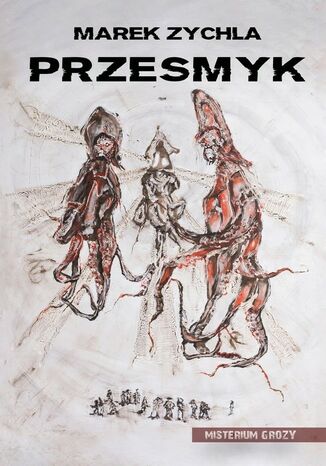
Marek, Zychla
Są takie związki, których nawet Śmierć nie rozłączy, chociaż stale próbuje, siejąc wokół spustoszenie. I wznosi z tych starań mur, niezdolna odwrócić oczodołowej czerni od cierpienia. Bo cierpienie człowiecze, przyprawione świadomością, smakuje jej najlepiej. Od autora: Zajrzałem w każdy zakątek opisanego osiedla. Dotknąłem drzazg ławek, doskoczyłem do krawędzi daszków klatek schodowych, wykradłem dziecięce skarby gnijące pod ciężarem chodnikowych płytek czy pod obeschniętymi kępkami niegdysiejszych traw. I spacerowałem z Kubą wzdłuż garaży, środkiem kałuż. I spożywałem, co ogródki działkowe rodziły, a na pobliskiej górce czas zabijałem piwem. I paliłem, i umierałem, bo przecież skłamię, jeśli powiem, że żyłem. I podnosiłem wzrok na okropieństwa, i opuszczałem ze wstydu. I spadałem z trzepaka przekonany, że za moment umrę, i płakałem od piasku w oczach, bo jakiś dzieciak zamachnął się łopatką. Ale już nie płaczę. Bo mam Was, Marek Zychla

Anton Czechow
Przesolił Geometra Smirnow przyjechał na stację Gniłówki. Do majątku, w którym miał wykonać roboty miernicze, trzeba było jechać końmi jeszcze około trzydziestu-czterdziestu wiorst; o ile woźnica trzeźwy, a konie nie chabety — to i trzydziestu wiorst nie ma, lecz jeżeli woźnica pijany, a konie mizeraki — to się i pięćdziesiąt uzbiera. — Przepraszam pana, gdzie tu można dostać koni pocztowych? — zwrócił się geometra do żandarma stacyjnego. — Jakich? Pocztowych? Tu w promieniu stu wiorst przyzwoitego psa pan nie znajdzie... a co dopiero koni przyzwoitych... A dokąd pan jedzie? — Do Dziewkina, majątku generała Chochołowa. — Co robić? — ziewnął żandarm — niech pan idzie za stację, tam czasem bywają chłopi, co wożą pasażerów. Geometra westchnął i powlókł się za stację. Po długich poszukiwaniach, rozmowach i wahaniach znalazł kolosalnego chłopa, ponurego, dziobatego, w podartej siermiędze i łapciach. — Diabli wiedzą, co za fura — żachnął się geometra, włażąc na wóz. — Nie zmiarkujesz, gdzie przód, a gdzie tył... — Co tu miarkować? gdzie koński ogon — tam przód, a gdzie wielmożny pan siedzi — tam tył. Koń był młody, ale wychudły, nogi miał rozkraczone i uszy pogryzione. Kiedy woźnica wstał i zdzielił go sznurowym batem, koń wstrząsnął tylko głową i dopiero gdy woźnica zaklął i uderzył po raz drugi, fura zgrzytnęła i zatrzęsła się, jak w febrze. [...]Anton CzechowUr. 29 stycznia 1860 r. w Taganrogu (Rosja) Zm. 15 lipca 1904 r. w Badenweiler (Niemcy) Najważniejsze dzieła: Śmierć urzędnika (1883), Nieciekawa historia (1889), Sala nr 6 (1892), Wyprawa na Sachalin (1895); Mewa (1896), Wujaszek Wania (1900), Trzy siostry (1901), Wiśniowy sad (1904) Urodzony w rodzinie kupieckiej, lekarz z wykształcenia. Swoje pierwsze utwory publikował w drugorzędnych pismach humorystycznych pod pseudonimami: ?Antosz Czechonte?, ?Człowiek bez żółci?, ?Brat swojego brata?. W początkowej fazie twórczości pisał wiele drobnych utworów, felietonów, humoresek, anegdot. Krytykował bezczynność rosyjskiego społeczeństwa wobec wszechobecnego zła. W 1890 roku odbył podróż na wyspę Sachalin, miejsca zesłania i katorg. Owocem podróży była praca literacko-naukowa. Jako dramaturg zyskał sławę dzięki współpracy z Konstantym Stanisławskim, wybitnym reżyserem i teoretykiem teatru. W 1901 roku poślubił jedną z wybitnych aktorek teatru Stanisławskiego MChaT, Olgę Knipper; była ona odtwórczynią większości pierwszoplanowych ról w jego sztukach. Zasłynął również jako mistrz krótkiej formy ? autor nowel i opowiadań. Zmarł na skutek wyniszczenia gruźlicą. autor: Danuta SzafranKupując książkę wspierasz fundację Nowoczesna Polska, która propaguje ideę wolnej kultury. Wolne Lektury to biblioteka internetowa, rozwijana pod patronatem Ministerstwa Edukacji Narodowej. W jej zbiorach znajduje się kilka tysięcy utworów, w tym wiele lektur szkolnych zalecanych do użytku przez MEN, które trafiły już do domeny publicznej. Wszystkie dzieła są odpowiednio opracowane - opatrzone przypisami oraz motywami.

Anton Czechow
Przesolił Geometra Smirnow przyjechał na stację Gniłówki. Do majątku, w którym miał wykonać roboty miernicze, trzeba było jechać końmi jeszcze około trzydziestu-czterdziestu wiorst; o ile woźnica trzeźwy, a konie nie chabety — to i trzydziestu wiorst nie ma, lecz jeżeli woźnica pijany, a konie mizeraki — to się i pięćdziesiąt uzbiera. — Przepraszam pana, gdzie tu można dostać koni pocztowych? — zwrócił się geometra do żandarma stacyjnego. — Jakich? Pocztowych? Tu w promieniu stu wiorst przyzwoitego psa pan nie znajdzie... a co dopiero koni przyzwoitych... A dokąd pan jedzie? — Do Dziewkina, majątku generała Chochołowa. — Co robić? — ziewnął żandarm — niech pan idzie za stację, tam czasem bywają chłopi, co wożą pasażerów. Geometra westchnął i powlókł się za stację. Po długich poszukiwaniach, rozmowach i wahaniach znalazł kolosalnego chłopa, ponurego, dziobatego, w podartej siermiędze i łapciach. — Diabli wiedzą, co za fura — żachnął się geometra, włażąc na wóz. — Nie zmiarkujesz, gdzie przód, a gdzie tył... — Co tu miarkować? gdzie koński ogon — tam przód, a gdzie wielmożny pan siedzi — tam tył. Koń był młody, ale wychudły, nogi miał rozkraczone i uszy pogryzione. Kiedy woźnica wstał i zdzielił go sznurowym batem, koń wstrząsnął tylko głową i dopiero gdy woźnica zaklął i uderzył po raz drugi, fura zgrzytnęła i zatrzęsła się, jak w febrze. [...]Anton CzechowUr. 29 stycznia 1860 r. w Taganrogu (Rosja) Zm. 15 lipca 1904 r. w Badenweiler (Niemcy) Najważniejsze dzieła: Śmierć urzędnika (1883), Nieciekawa historia (1889), Sala nr 6 (1892), Wyprawa na Sachalin (1895); Mewa (1896), Wujaszek Wania (1900), Trzy siostry (1901), Wiśniowy sad (1904) Urodzony w rodzinie kupieckiej, lekarz z wykształcenia. Swoje pierwsze utwory publikował w drugorzędnych pismach humorystycznych pod pseudonimami: ?Antosz Czechonte?, ?Człowiek bez żółci?, ?Brat swojego brata?. W początkowej fazie twórczości pisał wiele drobnych utworów, felietonów, humoresek, anegdot. Krytykował bezczynność rosyjskiego społeczeństwa wobec wszechobecnego zła. W 1890 roku odbył podróż na wyspę Sachalin, miejsca zesłania i katorg. Owocem podróży była praca literacko-naukowa. Jako dramaturg zyskał sławę dzięki współpracy z Konstantym Stanisławskim, wybitnym reżyserem i teoretykiem teatru. W 1901 roku poślubił jedną z wybitnych aktorek teatru Stanisławskiego MChaT, Olgę Knipper; była ona odtwórczynią większości pierwszoplanowych ról w jego sztukach. Zasłynął również jako mistrz krótkiej formy ? autor nowel i opowiadań. Zmarł na skutek wyniszczenia gruźlicą. autor: Danuta SzafranKupując książkę wspierasz fundację Nowoczesna Polska, która propaguje ideę wolnej kultury. Wolne Lektury to biblioteka internetowa, rozwijana pod patronatem Ministerstwa Edukacji Narodowej. W jej zbiorach znajduje się kilka tysięcy utworów, w tym wiele lektur szkolnych zalecanych do użytku przez MEN, które trafiły już do domeny publicznej. Wszystkie dzieła są odpowiednio opracowane - opatrzone przypisami oraz motywami.

Przestając wiedzieć. Fenomenologia i etyka psychoterapii
Jacques Blaize
"Przywrócenie wymiaru etycznego w samym sercu aktu terapeutycznego" Przestając wiedzieć. Fenomenologia i etyka psychoterapii jest zbiorem tekstów opublikowanych w latach 90. we francuskich czasopismach psychoterapeutycznych oraz wygłoszonych wykładów. Jest zestawieniem, który wytrąca z wygody, z utartych formuł myślenia o terapii, pobudza do refleksji, rodzi wątpliwości względem znanych prawd, jest manifestem przeciw ortodoksyjności myślenia, zachętą do ciągłych poszukiwań. Książka ma charakter teoretyczny, który jednak ma duże znaczenie dla sposobu prowadzenia praktyki psychoterapeutycznej. Ze zbioru esejów Blaize'a wyłania się idea przewodnia, ukryta w metaforze "zawieszenia wiedzy", którą odczytać można jako próbę ujawniania fenomenologicznego rdzenia psychoterapii Gestalt. Książkę polecam wszystkim terapeutom, dla których istotnym jest, aby w procesie terapeutycznym nie dokonywać uprzedmiotowień, uproszczeń i sztywnych kategoryzacji człowieka. Terapeutom, którym obce są "tipy" psychologiczne, którzy lubią myśleć i nie boją się przestawać wiedzieć, by być bliżej doświadczenia pacjenta. Nie jest to lektura łatwa, ale ujawnia złożoność i niuanse wpływów fenomenologicznych na psychoterapię. Czytelnik nie znajdzie w niej prostych recept, zbioru strategii i prostych porad terapeutycznych, wskazówek w stosowaniu procedur i zabiegów kalkulacyjnych. Odnajdzie jednak zachętę do myślenia, które uczy, że kategorie to nie rzeczywistość. To natomiast wytrąca z wygody trwania w pewności i oczywistości sądów oraz rozbudza ciekawość. [Marek Jawor, ze wstępu] Każda forma psychoterapii opiera się na wiedzy. A jednak prawdziwie twórczy akt terapeutyczny jest najczęściej możliwy jedynie poprzez umieszczenie tej wiedzy w nawiasie. To przynajmniej tymczasowe zawieszenie ukonstytuowanej wiedzy jest dla terapeuty próbą, nigdy nieudaną, ale zawsze konieczną, po prostu bycia obecnym przy kliencie, tak jakby odkrywał go po raz pierwszy. Porzucenie tej iluzji oznacza zaakceptowanie momentu "niewiedzy", tego momentu, w którym możliwość nowości wyraża się poprzez ucieczkę od neurotycznego powtarzania, krótko mówiąc, możliwość prawdziwej zmiany. Oznacza to także przywrócenie wymiaru etycznego w samym sercu aktu terapeutycznego. Stanowisko takie opiera się na podejściu fenomenologicznym zapoczątkowanym przez Husserla, jest nawet w pewnym sensie definicją tego podejścia. Autor zaprasza nas zatem do fenomenologicznego ponownego odczytania terapii językiem jednocześnie jasnym i zwięzłym, ale zawsze rygorystycznym i unikającym nadmiernych uproszczeń. W istocie terapia Gestalt, czasami zapominając o swoich fenomenologicznych podstawach, sama zbyt często ulegała fascynacji technikami, złudzeniu wiary, że jej pojęcia są rzeczywistością, co jest bardziej ostateczne, i że ma moc egzorcyzmowania cierpienia i prowadzenia do szczęścia! Marek Jawor, psychoterapeuta Gestalt, doktor filozofii, nauczyciel akademicki. Interesuje się zwiąkami psychoterapii z filozofią. Autor publikacji o fenomenologicznych podstawach psychoterapii Gestalt. Porwadzi prywatny gabinet i specjalistyczne warsztaty psychoterapeutyczne w Alicante oraz jest wykładowcą w Instytucie Integralnej Psychoterapii Gestalt (autor wstępu) Piotr Skalski, ur. 1984 w Krakowie. Ma wykształcenie filozoficzne, zajmuje się pisaniem i tłumaczeniem. Przetłumaczył m.in. zbiór tekstów Georges'a Bataille'a Psychologiczna struktura faszyzmu (słowo/obraz terytoria 2024). Jest współtwórcą i redaktorem czasopisma literackiego "Pole" (poledwumiesiecznik.com). Mieszka w Warszawie (tłumacz) Jacques Blaize, profesor filozofii i terapeuta Gestalt w Nantes, gdzie przez długi czas kierował Instytutem Terapii Gestalt. Dziś kontynuuje swoją pracę w różnych instytutach we Francji i w Europie jako superwizor o wyraźnie fenomenologicznej inspiracji (autor)

Przestań gadać, zacznij działać. Kopniak w tyłek, w sześciu częściach
Sháá Wasmund
Aby osiągnąć cokolwiek w życiu, należy od czegoś zacząć: od napisania książki, założenia firmy lub wspięcia się na szczyt góry. Niniejsza książka może Ci w tym pomóc sir Ranulph Fiennes, największy współczesny odkrywca Ta książka sprawiła, że zacząłem zastanawiać się nad sobą. Dobra robota!Seth Godin, autor książki Potrząśnij pudełkiem. Mała książka dla wielkich ludzi Kopniak w operacyjne centrum działań, czyli krótki kurs realizacji marzeń Lubisz rozsiąść się na kanapie i snuć marzenia o sukcesie? Rozmyślać, co by było, gdyby Twoje życie potoczyło się inaczej? Albo opowiadać, ile mógłbyś osiągnąć? Jeżeli istnieje coś, co bardzo chcesz zrobić, ale obawiasz się, że Ci się nie uda, wówczas możesz zrobić tylko jedno — wziąć tyłek w troki i działać! Coś Cię powstrzymuje? Kolejne wymówki? To Twój czas. TU i TERAZ. Ta książka nada Twojemu życiu nowy kierunek i pokaże radość z przejmowania kontroli. Jest przeznaczona nie tylko dla osób przedsiębiorczych biznesowo, ale przedsiębiorczych w ogóle. Rady otwierające oczy, inspirujące wskazówki, nieszablonowe pomysły i porywające opowieści pomogą Ci przekształcić Twoje marzenia w rzeczywistość, porwą do działania, pokażą drogę, która niecierpliwie czeka, byś na nią wkroczył. Własna firma? Awans w korporacji? Twoje nazwisko na okładce bestsellera? Biegun północny? Przestań marzyć. Zacznij działać!

Przestań odwlekać i zacznij działać!
Bartłomiej Popiel
Prokrastynacja, czyli inaczej odkładanie rzeczy na później, to problem wielu ludzi. Co może być powodem odwlekania? Brak konsekwencji, perfekcjonizm czy strach i niepewność. W "Przestań odwlekać" Bartłomiej Popiel daje sprawdzone wskazówki i dzieli się radami, które można wdrożyć od razu i mieć efekty. Dzięki tej publikacji m.in.: - nastawisz się na myślenie: co mogę zrobić już dziś, teraz, zaraz; - nabierzesz szacunku sam do siebie, gdy będziesz miał czas na to, co zawsze chciałeś zrealizować; - pozbędziesz się bezsensownych wymówek: że nie masz czasu, pieniędzy, wiedzy, umiejętności, możliwości, warunków; - Twoje życie wejdzie na wyższy poziom. Odkładając ważne rzeczy na później, zawsze, ale to absolutnie zawsze, się na tym traci. Warto zdać sobie z tego sprawę. Można tracić okazje, relacje z innymi ludźmi, można stracić pracę. Dlatego pomyśl nad wskazówkami, które daje Bartłomiej Popiel i zacznij działać. Już teraz.

Przestań paplać. Zacznij mówić. Biblijne zasady. Co mówić, jak mówić, a kiedy nie mówić nic
KAREN EHMAN
Czy wypowiedziane słowa nie wpakowały cię kiedyś w tarapaty? Czy nie masz wrażenia, że wcale nie mówisz tego, co myślisz, i nie myślisz tak jak mówisz? Czy nie łapiesz się na tym, że mówisz, by wypełnić ciszę? Kiedy mówisz, to bądź w tym dobry! Skoro twoi bliscy będą do ciebie mówić, to zatroszcz się, aby do tuszu docierały właściwe komunikaty! Przetestuj na sobie rady Karen. Przestań paplać, a zacznij mówić! Szukając wskazówek zawartych w Piśmie Świętym oraz poddając analizie osobiste doświadczenia, Karen Ehman wypracowała wiele skutecznych metod mających ci pomóc wydobyć moc języka, którą obdarzył cię sam Bóg. Czy chcesz podjąć to wyzwanie?

Krystian Stolarz
Florian Gaderla to kryminalny z krwi i kości ponury, twardy, gruboskórny i w dodatku outsider. Życie stawia przed nim wyzwanie sprawę, która będzie wymagać od niego empatii i delikatności. Giną dzieci i to w sposób, który mrozi policjantom krew w żyłach. Pierwsza z ofiar, ośmiolatka, zostaje znaleziona w pustostanie w nowych ubraniach i w makijażu. Florian próbuje rozwikłać mroczną zagadkę, ale sprawa otwiera w jego duszy drzwi, które na zawsze miały pozostać zamknięte. Jego partnerka Zuzanna Macieszko jest świeżo upieczoną śledczą. Popełnia błędy, ale nie brakuje jej werwy i chęci do współpracy. Im bardziej policyjni partnerzy zagłębiają się w sprawę, tym mniej ją rozumieją. Macieszko chce poznać historię Gaderli i motywy jego działania, lecz wstrząsającej prawdy, z jaką przyjdzie jej się zmierzyć, nie mogła przewidzieć. Przestań, proszę to opowieść o przemocy domowej. O brutalnym świecie, w którym smutek i rozpacz są jedynymi towarzyszami dzieci. O krzywdzie bezbronnych i niewinnych, których nikt nie chce. To historia trudna, momentami makabryczna, ale do bólu prawdziwa. Zło jest wśród nas. Zainteresuj się swoim dzieckiem, zanim zrobi to ktoś zupełnie inny. Krystian Stolarz policjant, magister prawa, sportowiec amator i miłośnik książek. Prowadzi na Instagramie konto @policjant_czytaipisze, na którym promuje czytelnictwo i recenzuje książki. Stolarz dba o autentyzm języka, atmosfery panującej w policji i szczegółów śledztwa. Prawda o policyjnej robocie jest znakiem rozpoznawczym jego powieści.

Krystian Stolarz
Florian Gaderla to kryminalny z krwi i kości ponury, twardy, gruboskórny i w dodatku outsider. Życie stawia przed nim wyzwanie sprawę, która będzie wymagać od niego empatii i delikatności. Giną dzieci i to w sposób, który mrozi policjantom krew w żyłach. Pierwsza z ofiar, ośmiolatka, zostaje znaleziona w pustostanie w nowych ubraniach i w makijażu. Florian próbuje rozwikłać mroczną zagadkę, ale sprawa otwiera w jego duszy drzwi, które na zawsze miały pozostać zamknięte. Jego partnerka Zuzanna Macieszko jest świeżo upieczoną śledczą. Popełnia błędy, ale nie brakuje jej werwy i chęci do współpracy. Im bardziej policyjni partnerzy zagłębiają się w sprawę, tym mniej ją rozumieją. Macieszko chce poznać historię Gaderli i motywy jego działania, lecz wstrząsającej prawdy, z jaką przyjdzie jej się zmierzyć, nie mogła przewidzieć. Przestań, proszę to opowieść o przemocy domowej. O brutalnym świecie, w którym smutek i rozpacz są jedynymi towarzyszami dzieci. O krzywdzie bezbronnych i niewinnych, których nikt nie chce. To historia trudna, momentami makabryczna, ale do bólu prawdziwa. Zło jest wśród nas. Zainteresuj się swoim dzieckiem, zanim zrobi to ktoś zupełnie inny.

Anthony de Mello
Fascynująca książka jednego z największych duchowych mistrzów, pokazująca, jak pozbyć się lęków i odnaleźć prawdziwą radość życia Rozejrzyj się wokół i zobacz, czy możesz znaleźć choćby jedną osobę absolutnie szczęśliwą, kogoś, kto doznaje spokoju, kogoś, kto się nie boi i jest wolny od poczucia zagubienia, przygnębienia, niedostatku i zmartwień? Społeczeństwo poddało nas praniu mózgu i teraz budujemy swoje życie na niepodważalnym przekonaniu, że bez pieniędzy, władzy, sukcesu, aprobaty, romansu i tym podobnych rzeczy nie możemy być szczęśliwi. To fałszywe przekonanie nieustannie nas napędza i koncentruje naszą uwagę na tym, czego nie mamy. Trzyma nas na łasce rzeczy i ludzi, gdy usiłujemy rozpaczliwie dostosowywać swoje życie do przepisu na szczęście, który daje nam społeczeństwo. Niestety, odkrywamy jedynie, że to nie daje nam szczęśliwego życia, a jedynie chwilowe wytchnienie od lęku przed porażką. Przypuśćmy, że istnieje sposób na przebudzenie się z tego wszystkiego i to, co jest w tobie fałszywe i neurotyczne, zniknie dzięki niewielkiemu wysiłkowi z twojej strony lub zupełnie bez wysiłku. Twoje oczy otworzą się na otaczającą cię rzeczywistość radości. A oto on: Przestań siebie naprawiać to książka, która pomoże ci odzyskać życie, które miałeś wieść. "Mądrość jednego z największych mistrzów naszych czasów". James Martin SJ, autor Learning to Pray "Niepowtarzalna zdolność de Mello do łączenia duchowości Wschodu i Zachodu sprawia, że jego nauczanie jest wciąż inspirujące". Rhonda Byrne, autorka bestsellerów Sekret i Największy sekret.
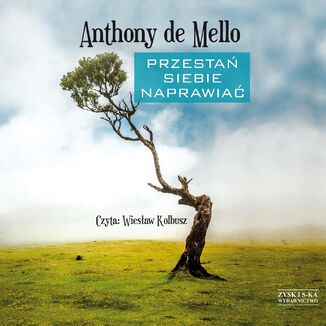
Anthony de Mello
Fascynująca książka jednego z największych duchowych mistrzów, pokazująca, jak pozbyć się lęków i odnaleźć prawdziwą radość życia Rozejrzyj się wokół i zobacz, czy możesz znaleźć choćby jedną osobę absolutnie szczęśliwą, kogoś, kto doznaje spokoju, kogoś, kto się nie boi i jest wolny od poczucia zagubienia, przygnębienia, niedostatku i zmartwień? Społeczeństwo poddało nas praniu mózgu i teraz budujemy swoje życie na niepodważalnym przekonaniu, że bez pieniędzy, władzy, sukcesu, aprobaty, romansu i tym podobnych rzeczy nie możemy być szczęśliwi. To fałszywe przekonanie nieustannie nas napędza i koncentruje naszą uwagę na tym, czego nie mamy. Trzyma nas na łasce rzeczy i ludzi, gdy usiłujemy rozpaczliwie dostosowywać swoje życie do przepisu na szczęście, który daje nam społeczeństwo. Niestety, odkrywamy jedynie, że to nie daje nam szczęśliwego życia, a jedynie chwilowe wytchnienie od lęku przed porażką. Przypuśćmy, że istnieje sposób na przebudzenie się z tego wszystkiego i to, co jest w tobie fałszywe i neurotyczne, zniknie dzięki niewielkiemu wysiłkowi z twojej strony lub zupełnie bez wysiłku. Twoje oczy otworzą się na otaczającą cię rzeczywistość radości. A oto on: Przestań siebie naprawiać to książka, która pomoże ci odzyskać życie, które miałeś wieść. "Mądrość jednego z największych mistrzów naszych czasów". James Martin SJ, autor Learning to Pray "Niepowtarzalna zdolność de Mello do łączenia duchowości Wschodu i Zachodu sprawia, że jego nauczanie jest wciąż inspirujące". Rhonda Byrne, autorka bestsellerów Sekret i Największy sekret.
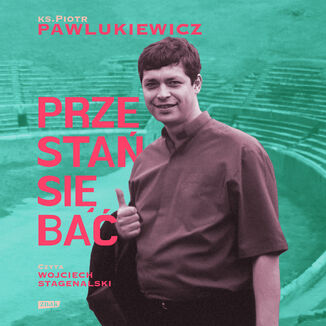
ks. Piotr Pawlukiewicz
JEŚLI BÓG NIE CZYNI CUDU W TWOIM ŻYCIU, TO CHCE, ŻEBY TWOJE ŻYCIE STAŁO SIĘ CUDEM Chcesz żyć pełną piersią, ale zawsze coś staje ci na drodze? Ksiądz Piotr mawiał, że Bóg nie stworzy nam świata bez problemów. Legendarny duszpasterz pomaga odnaleźć w codziennych trudnościach sens. Pokazuje, gdzie szukać siły do walki. Do wojowania w chrześcijaństwie nie trzeba być pakerem. Można być bożymprostaczkiem i zwyciężać. NIE BÓJ SIĘ, TYLKO UWIERZ!
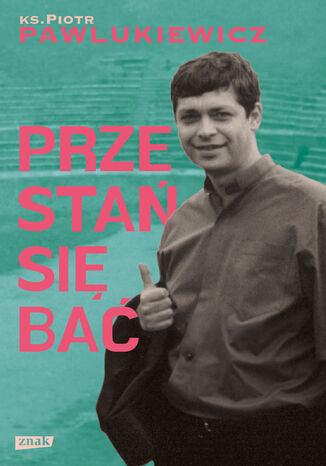
ks. Piotr Pawlukiewicz
JEŚLI BÓG NIE CZYNI CUDU W TWOIM ŻYCIU, TO CHCE, ŻEBY TWOJE ŻYCIE STAŁO SIĘ CUDEM Chcesz żyć pełną piersią, ale zawsze coś staje ci na drodze? Ksiądz Piotr mawiał, że Bóg nie stworzy nam świata bez problemów. Legendarny duszpasterz pomaga odnaleźć w codziennych trudnościach sens. Pokazuje, gdzie szukać siły do walki. Do wojowania w chrześcijaństwie nie trzeba być pakerem. Można być bożymprostaczkiem i zwyciężać. NIE BÓJ SIĘ, TYLKO UWIERZ!

Przestań się bać! Kryptowaluty są dla Ciebie
Marcelina Gładysiak
Co Ty wiesz o kryptowalutach? Jeśli Twoja odpowiedź brzmi "nic", względnie "niewiele" i zaraz dodajesz: "ale chcę się czegoś dowiedzieć, ponieważ temat wydaje mi się interesujący i rozważam zainwestowanie w kryptowaluty w przyszłości" ― to książka dla Ciebie. Została napisana klarownym językiem, bez niepotrzebnego informatycznego żargonu. Tak by zagadnienia związane z kryptografią, aktywami cyfrowymi i technologią blockchain można było szybko przyswoić i równie szybko zrozumieć, o co chodzi w tej nowej dziedzinie biznesu, która rozgrzewa do czerwoności uczestników rynków finansowych na całym świecie. Z publikacji dowiesz się między innymi, jak przebiegała ewolucja cyfrowego pieniądza ― od samych jej początków, skąd się wzięła idea kryptowalut, kto był odpowiedzialny za ich stworzenie i w jaki sposób one działają. Poznasz najważniejsze fakty dotyczące pierwszej kryptowaluty, czyli bitcoina, a także wybranych przedstawicieli innych aktywów cyfrowych. Ponadto zdobędziesz nieco informacji na temat procesu inwestowania. Choć nie jest to stricte poradnik inwestycyjny, autorka książki, praktyk rynku kryptowalut, dzieli się za jej pośrednictwem doświadczeniami również w tym zakresie. Książka w mediach: Rozmowa w Radiu Łódź Pani od Zmiany - Podcast Pola Mama Igora - Bookstagram Kto jest Inwestorem? Akademia Onepress