
Видавець: 16
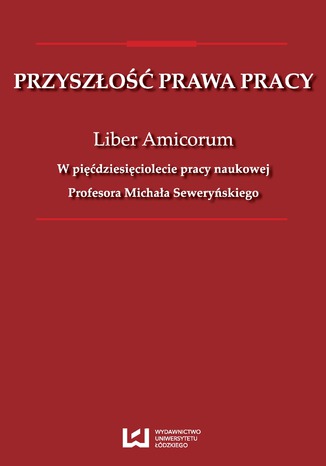
Zbigniew Hajn, Dagmara Skupień
Obszerny tom poświęcony problemom, wyzwaniom, perspektywom i zagrożeniom polskiego i europejskiego prawa pracy. W tekstach znanych polskich i zagranicznych autorów Czytelnik znajdzie inspirujące przemyślenia dotyczące: wpływu rewolucji technicznej, technologicznej i informacyjnej, globalizacji, przemian gospodarczych, rozwoju regulacji korporacyjnych na prawo pracy i stosunki pracy; znaczenia i kierunków rozwoju międzynarodowego i europejskiego prawa pracy; tendencji do objęcia ochroną charakterystyczną dla prawa pracy wykonawców pracy niebędących pracownikami; jednolitej umowy o pracę, flexicurity i innych nowych koncepcji; problemów prawnych, jakie rodzi zatrudnianie pracowników mówiących różnymi językami, a także obaw związanych z przyszłą rolą prawa pracy i przekonania, że jego podstawą pozostaną ochrona pracowników i rokowania zbiorowe. Prezentowana książka powstała dla uczczenia pięćdziesiątej rocznicy podjęcia pracy naukowej przez prof. zw. dr. hab. Michała Seweryńskiego, doktora honoris causa Uniwersytetu Jean Moulin III w Lyonie, wybitnego uczonego, nauczyciela i wychowawcy wielu pokoleń prawników, senatora RP, Honorowego Prezydenta Międzynarodowego Stowarzyszenia Prawa Pracy i Zabezpieczenia Społecznego, który pełnił liczne ważne funkcje publiczne, w tym ministra Rządu RP, rektora Uniwersytetu Łódzkiego, przewodniczącego Komisji Kodyfikacyjnej Prawa Pracy oraz przewodniczącego Krajowej Rady Katolików Świeckich i członka Papieskiej Rady ds. Świeckich.
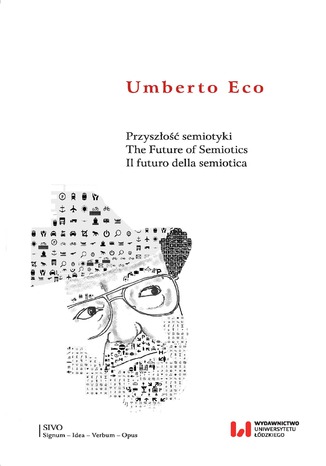
Przyszłość semiotyki. The Future of Semiotics. Il futuro della semiotica
Umberto Eco
Łódzki wykład Umberta Eco o przyszłości semiotyki stał się – w sposób tyleż zamierzony, co niezamierzony – manifestem i głosem w dyskusji na temat roli dyscypliny, która wchodzi na nowe tory swego naukowego rozkwitu. Rozkwit ów dotyczy dwóch kierunków – ściśle „dyscyplinarnego” (koncept „semiotyki ogólnej”) i interdyscyplinarego (koncept „semiotyk szczegółowych”). Obydwa są charakterystyczne dla nurtu nawiązującego do kwestii „encyklopedii” rozumianej jako labirynt wiedzy oraz przestrzeń komunikacji znaków werbalnych i niewerbalnych, wydobywanych z rzeczywistości i pamięci o jej wytworach. Wyrażamy nadzieję i przekonanie, że prezentowany manifest Umberta Eco odpowiada na najbardziej żywotne wyzwania współczesnej i przyszłej semiotyki, co potwierdza zainteresowanie międzynarodowego środowiska semiotycznego, oczekującego na wydanie jednego z ostatnich esejów naukowych Mistrza. Pragniemy zaznaczyć, że opublikowanie tego tekstu było zamysłem Autora. Jest on spełniany zgodnie z wolą Jego samego oraz spadkobierców, w tym najbliższych Mu uczniów i współpracowników. Z Wprowadzenia

Jessica Sorensen
Przeznaczenie znów krzyżuje drogi Violet i Lukea, a piętno przeszłości wciąż nie daje o sobie zapomnieć Luke Price i Violet Hayes nie widywali się przez kilka miesięcy, odkąd odkryli powiązanie matki Luke'a z morderstwem rodziców Violet. Ale gdy Luke wpada w kłopoty, grając w pokera z niewłaściwymi ludźmi, los postanawia połączyć ich na nowo. Ruszają do Vegas, by spróbować zarobić na dług Luke'a. Violet, spędzając czas z Lukiem, czuje się rozdarta. Nie wie, czy powinna z nim być. Nie może zaprzeczyć, że jej życie staje się lepsze, gdy w pobliżu jest Luke. Zaczyna się zastanawiać, czy powrót do Prestona nie był błędem. Wszystko zaczyna iść ku lepszemu, a ona otwiera się coraz bardziej przed Lukiem, lecz nagle odbiera telefon od detektywa, który nie tylko chce jej przekazać najnowsze wiadomości o Mirze Price i postępach w śledztwie, ale także powiadomić o tym, co się kryje za groźbami w SMS-ach. Wiadomość nie tylko wstrząsa nią, ale też daje do myślenia, jakimi ludźmi w rzeczywistości byli jej rodzice. Violet zaczyna się zastanawiać, czy będzie w stanie jeszcze komukolwiek zaufać.

Hanna Cygler
Ostatnia część trylogii o Zosi Knyszewskiej. Życie głównej bohaterki staje się tak sensacyjne jak otaczająca ją rzeczywistość. Świat rozwijającego się drapieżnie kapitalizmu, którego reguł niełatwo się nauczyć, szczególnie wrażliwej kobiecie, i w którym wszystko dzieje się jakby szybciej i intensywniej. Świat też ten stwarza takie zagrożenia, o których do tej pory Zosia nie miała żadnego pojęcia.
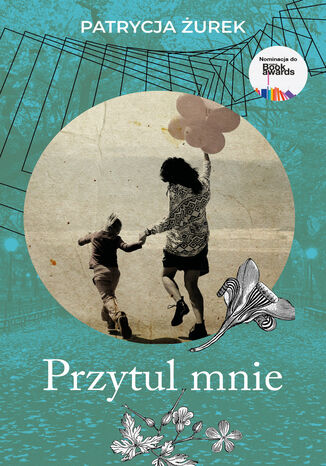
Patrycja Żurek
Halszka przejmuje po rodzicach prowadzenie domu spokojnej starości. Sama zmagała się z traumą dzieciństwa spędzonego w sierocińcu i ze skutkami rzadkiej choroby. Teraz jako pełna energii młoda kobieta pragnie zmieniać świat na lepsze. Zmiany zaczyna od zaprowadzenia nowych porządków w placówce, którą zarządza. Stara się, by jej podopieczni na nowo poczuli się potrzebni. Wpada na pomysł współpracy z sierocińcem i oddziałem położniczym seniorzy pomogą młodym i na odwrót. Mądra opowieść poruszająca wiele trudnych tematów. Starość, odchodzenie, samotność, relacje międzypokoleniowe, trudne decyzje, miłość wystawiana na ciężkie próby. Celne, bolesne, z życia wzięte obserwacje zmuszają do zastanowienia. A jednocześnie sporo ciepłych wątków romantyczne perypetie Halszki, Konstantego i kilkorga innych nietuzinkowych bohaterów. Książka nominowana do nagrody Vivelo Book Awards.

Patrycja Żurek
Halszka przejmuje po rodzicach prowadzenie domu spokojnej starości. Sama zmagała się z traumą dzieciństwa spędzonego w sierocińcu i ze skutkami rzadkiej choroby. Teraz jako pełna energii młoda kobieta pragnie zmieniać świat na lepsze. Zmiany zaczyna od zaprowadzenia nowych porządków w placówce, którą zarządza. Stara się, by jej podopieczni na nowo poczuli się potrzebni. Wpada na pomysł współpracy z sierocińcem i oddziałem położniczym seniorzy pomogą młodym i na odwrót. Mądra opowieść poruszająca wiele trudnych tematów. Starość, odchodzenie, samotność, relacje międzypokoleniowe, trudne decyzje, miłość wystawiana na ciężkie próby. Celne, bolesne, z życia wzięte obserwacje zmuszają do zastanowienia. A jednocześnie sporo ciepłych wątków romantyczne perypetie Halszki, Konstantego i kilkorga innych nietuzinkowych bohaterów. Książka nominowana do nagrody Vivelo Book Awards.
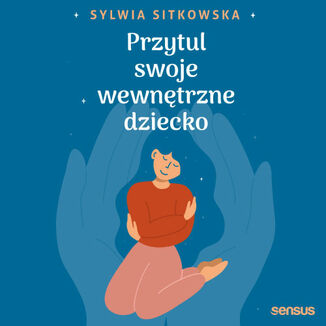
Przytul swoje wewnętrzne dziecko
Sylwia Sitkowska
Zaopiekuj się sobą jak najczulszy rodzic Czy jesteś dla siebie wystarczająco dobry? Wewnętrzne dziecko, wewnętrzny rodzic, wewnętrzny dorosły ― człowiek jest w pewnym stopniu każdą z tych osób. Dziecko to ta część osobowości, która sprawia, że bywamy spontaniczni, cieszymy się drobiazgami; odpowiada także za siłę witalną, energię i śmiech. Rodzic ocenia, kontroluje, stawia granice ― ale też wspiera i motywuje. Dorosły natomiast jest bezstronnym analitykiem, kierującym się logiką, na której się opiera, gdy dokonuje wyborów. Od wzajemnych relacji tej trójki zależy nasz psychiczny dobrostan. Jeżeli któreś z nich zacznie dominować nad pozostałymi, wywrze to najprawdopodobniej negatywny wpływ na nasze funkcjonowanie. Zbyt często karcone dziecko będzie sfrustrowane i nieszczęśliwe, pozbawione wiary w siebie i radości życia. Dlatego warto nauczyć się bycia dla siebie dobrym rodzicem. W czym pomoże Ci ta książka! Oprócz wiedzy, porad i wskazówek znajdziesz w niej zestaw ćwiczeń i technik, których zastosowanie pozwoli Ci stać się równocześnie radosnym dzieckiem, opiekuńczym rodzicem i szczęśliwym dorosłym. Spróbujesz? O książce i autorce w mediach: DD TVN: "Zrobisz to źle, jesteś głupia". Jak uciszyć głos rodzica i zaopiekować się wewnętrznym dzieckiem? Psychologiaprzykawie.pl: Przytul swoje wewnętrzne dziecko Onet.pl/styl-zycia: Dlaczego warto nauczyć się bycia dobrym dla siebie Pl.Aleteia.org: To, w jaki sposób rodzice Cię traktują, staje się Twoim sposobem traktowania siebie. Bo innego sposobu nie znasz Makabreska: Chcesz, żeby Ci się udało? Przestań po sobie cisnąć Posłuchaj audiobooka:
Przytul swoje wewnętrzne dziecko
Sylwia Sitkowska
Zaopiekuj się sobą jak najczulszy rodzic Czy jesteś dla siebie wystarczająco dobry? Wewnętrzne dziecko, wewnętrzny rodzic, wewnętrzny dorosły ― człowiek jest w pewnym stopniu każdą z tych osób. Dziecko to ta część osobowości, która sprawia, że bywamy spontaniczni, cieszymy się drobiazgami; odpowiada także za siłę witalną, energię i śmiech. Rodzic ocenia, kontroluje, stawia granice ― ale też wspiera i motywuje. Dorosły natomiast jest bezstronnym analitykiem, kierującym się logiką, na której się opiera, gdy dokonuje wyborów. Od wzajemnych relacji tej trójki zależy nasz psychiczny dobrostan. Jeżeli któreś z nich zacznie dominować nad pozostałymi, wywrze to najprawdopodobniej negatywny wpływ na nasze funkcjonowanie. Zbyt często karcone dziecko będzie sfrustrowane i nieszczęśliwe, pozbawione wiary w siebie i radości życia. Dlatego warto nauczyć się bycia dla siebie dobrym rodzicem. W czym pomoże Ci ta książka! Oprócz wiedzy, porad i wskazówek znajdziesz w niej zestaw ćwiczeń i technik, których zastosowanie pozwoli Ci stać się równocześnie radosnym dzieckiem, opiekuńczym rodzicem i szczęśliwym dorosłym. Spróbujesz? O książce i autorce w mediach: DD TVN: "Zrobisz to źle, jesteś głupia". Jak uciszyć głos rodzica i zaopiekować się wewnętrznym dzieckiem? Psychologiaprzykawie.pl: Przytul swoje wewnętrzne dziecko Onet.pl/styl-zycia: Dlaczego warto nauczyć się bycia dobrym dla siebie Pl.Aleteia.org: To, w jaki sposób rodzice Cię traktują, staje się Twoim sposobem traktowania siebie. Bo innego sposobu nie znasz Makabreska: Chcesz, żeby Ci się udało? Przestań po sobie cisnąć Posłuchaj audiobooka:
Peter S. Beagle
Napisana przez autora Ostatniego jednorożca opowieść o niezwyciężonej sile miłości, rozgrywająca się między światem żywych a krainą zmarłych. Jonathan Rebeck jest bezdomnym bankrutem. Wycofał się ze społeczeństwa i zamieszkał na miejscowym cmentarzu. Towarzyszy mu kruk, mający wielką wprawę w kradzieży kanapek. Jonathan nie czuje się jednak samotny. Potrafi rozmawiać z duchami. Zaprzyjaźnia się z dwojgiem nowych lokatorów cmentarza, Michaelem i Laurą, którzy zakochują się w sobie, i staje się świadkiem ich kruchego romansu. Michael nie pamięta jednak okoliczności swej śmierci, a im dalej oboje oddalają się od świata żywych, tym bliższy wydaje się kres ich miłości. Pewnego dnia odwiedzająca cmentarz wdowa znajduje Jonathana w jego przytulnej kryjówce. Czy to spotkanie odmieni jego spokojną egzystencję?

Pjotr Janicki
Pjotr Janicki Nadal aksamit: liryki Dziękuję bardzo Przytulny kłos Na razie jest tak, że z wybuchu namiętności został swobodny nastrój. Dmuchawce w chłopięcej dłoni i serce prawie za burtą w milionowej armii złocistych odprysków pamięta be... Pjotr Janicki Ur. 1974 r. w Białymstoku Najważniejsze dzieła: Nadal aksamit (2006), Wyrazy uznania (2014), 13 sztuk (2016) Właśc. Piotr Janicki. Polski poeta, autor trzech książek poetyckich. Laureat Nagrody Literackiej Gdynia w roku 2015. W 2017 roku nominowany do Wrocławskiej Nagrody Poetyckiej Silesius w kategorii książka roku za tom 13 sztuk. Kupując książkę wspierasz fundację Nowoczesna Polska, która propaguje ideę wolnej kultury. Wolne Lektury to biblioteka internetowa, rozwijana pod patronatem Ministerstwa Edukacji Narodowej. W jej zbiorach znajduje się kilka tysięcy utworów, w tym wiele lektur szkolnych zalecanych do użytku przez MEN, które trafiły już do domeny publicznej. Wszystkie dzieła są odpowiednio opracowane - opatrzone przypisami oraz motywami.

Przywiązanie dusz. Opowieść o Morriam. Tom 3 (#3)
Patrycja Prusak
Nawet w ciemnej Otchłani można odnaleźć światło. Morriam, dawna uczennica Rutiela i władczyni cieni, wyrusza wraz z towarzyszami do zamku Carraig Ghear. Poprzysięga sobie odnaleźć utraconą moc i drogę do własnego człowieczeństwa. Wędrówka przez góry i świątynie Jasności odsłania bolesne prawdy, zdrady i dawne winy, które splatają losy bohaterów coraz ciaśniejszym węzłem. U celu wędrówki Morriam staje przed kolejną próbą. Tym razem musi zmierzyć się nie tylko z potężnymi siłami, lecz także z własnym sercem. Czy nekromantka zdoła odzyskać utracone zdolności, zanim Chaos pochłonie jej duszę? I czy płomień miłości ocali w niej to, co jeszcze ludzkie? Trzeci tom opowieści o Morriam historii o cienkiej granicy między śmiercią a życiem oraz o przyjaźni, która potrafi sięgnąć nawet w głęboki mrok. Książka nie jest odpowiednia dla osób aktualnie zmagających się z depresją. Opowieść o Morriam Seria fantasy o losach Morriam Iris Cadaver pozornie zwykłej służącej z zamku, która za sprawą czarnoksiężnika Rutiela odkrywa w sobie magiczne moce i doskonali się w trudnej sztuce nekromancji. Patrycja Prusak pisarka, tancerka i fizjoterapeutka, absolwentka Uniwersytetu Medycznego w Warszawie. Od kilku lat spełnia się w zespole Treblers i szkole McGahan-Less, bierze udział w estradowych i międzynarodowych zawodach tańca irlandzkiego. Miłośniczka dobrej kawy i górskich wypraw; w 2022 roku spełniła swoje marzenie o wydaniu książki, debiutując jako autorka powieści fantasy Głód potępionych.

Przywiązanie, które rani, przywiązanie, które uzdrawia
Ana Maria Sepe, Anna De Simone
Przywiązanie jest pięknym darem i źródłem twojej siły, choć bywa, że staje się powodem cierpienia. To, jak wiele zdołasz czerpać z relacji z innymi, w dużej mierze zależy od twojej relacji ze sobą. Zatem jak pokochać siebie i przestać rozpamiętywać dawne porażki i rozstania? Jak przełamać utrwalone schematy i uzdrowić rany z dzieciństwa, by poczuć, że zasługuje się na szczęście w życiu i w relacjach? W tej książce wytłumaczymy ci, jak stworzyć stabilne i solidne bezpieczne podstawy, na których będziesz mógł zbudować siebie i zaprosić do swojego życia drugą osobę w nowy, satysfakcjonujący sposób. Jednocześnie niech nie będzie ci przykro z powodu osób, które się od ciebie oddalą pozwól im odejść. Krewnym, przyjaciołom, kolegom, dalszym i bliższym znajomym, każdemu! Pozwól im odejść. Stwórz dla siebie wolną przestrzeń, domagaj się jej. Pozwól, by powstał nowy wymiar, tylko dla ciebie. Nie żyjesz po to, by komuś dogodzić. Nie żyjesz po to, by zadowalać innych. Żyjesz po to, by czuć się dobrze. Z samym sobą, z innymi. Samotność i cierpienie rzucają na kolana? Więc wstań, oddal się, idź, biegnij; idź tam, gdzie chcesz, a nie tam, gdzie ci każą.
Janusz Sondel
Utworzenie uniwersytetów zawdzięczamy Średniowieczu. Były one wówczas traktowane jako ponadpaństwowe instytucje, charakterystyczne dla uniwersalnej europejskiej „republiki narodów chrześcijańskich”, stąd też o ich powstaniu mogła decydować wyłącznie jedna z tych dwu ówczesnych potęg: papież lub cesarz. Szczególną opieką powstające uniwersytety otoczył Kościół, nadając im szereg istotnych przywilejów łącznie z wyłączeniem scholarów i wykładowców spod sądownictwa władz świeckich. Dzięki temu uniwersytety dość szybko przekształciły się w międzynarodowe autonomiczne ośrodki życia naukowego o podobnym zakresie działalności i identycznej strukturze organizacyjnej. Podobnie jak w przypadku innych europejskich uczelni kształtowały się również losy Akademii Krakowskiej, na której założenie w wyniku prośby Kazimierza Wielkiego wyraził zgodę przebywający wówczas w Awinionie papież Urban V (Guillaume de Grimoard). W myśl koncepcji królewskiej miała to być szkoła prawnicza, jak o tym świadczy jej struktura oraz podział wynagrodzenia pomiędzy wykładowców. Zawiesiła ona jednak wkrótce swą działalność i wznowiła ją dopiero w wyniku wydania przez Władysława Jagiełłę dzięki staraniom królowej św. Jadwigi przywileju jej odnowienia w dniu 26 lipca 1400 r. W rzędzie zasłużonych dla Uniwersytetu Jagiellońskiego monarchów, obok Kazimierza Wielkiego, św. Jadwigi i Władysława Jagiełły, należy też umieścić Zygmunta I, który nadał szlachectwo wszystkim profesorom Akademii Krakowskiej pochodzenia plebejskiego oraz ich potomkom z prawego łoża. Jego przywilej nie wszedł jednak w życie wskutek oporu szlachty. Prof. dr hab. Janusz Sondel urodził się 30 kwietnia 1937 r. we Lwowie jako syn dyrektora majątków miejskich. Już podczas studiów na Wydziale Prawa Uniwersytetu Jagiellońskiego, które ukończył w czerwcu 1957 r., został zatrudniony w Katedrze Prawa Rzymskiego UJ. W 1964 r. doktoryzował się na podstawie rozprawy pt. Szczególne rodzaje depozytu w prawie rzymskim, która na międzynarodowym konkursie zorganizowanym przez Centro di Studi Romanistici w Neapolu została nagrodzona srebrnym medalem. Prawa rzymskiego dotyczyła też jego praca habilitacyjna pt. Precarium w prawie rzymskim (1972 r.). Pod koniec lat siedemdziesiątych ubiegłego wieku prof. Sondel odszedł od problematyki praw antycznych i rozpoczął badania nad rolą prawa rzymskiego w kształtowaniu polskiej kultury prawnej. Wyrazem tego – oprócz kilkudziesięciu artykułów – stały się kolejne monografie oraz obszerny, obejmujący 100 000 haseł Słownik łacińsko-polski dla prawników i historyków, który przyniósł autorowi nagrodę Fundacji na rzecz Nauki Polskiej, Laury Jagiellońskie i Nagrodę ministra edukacji narodowej I stopnia. W ramach tej dziedziny badawczej prof. Sondel zajął się również historią Uniwersytetu Jagiellońskiego, a przy tej okazji jego związkami z Kościołem rzymskokatolickim. Temu właśnie zagadnieniu poświęcił monografię pt. Zawsze wierny. Uniwersytet Jagielloński a Kościół rzymskokatolicki (2006 r.), za którą w listopadzie 2007 r. otrzymał nagrodę Miasta Krakowa w dziedzinie kultury i nauki. W lipcu 2011 r. ukazało się natomiast kolejne opracowanie prof. J. Sondla dotyczące dziejów krakowskiej wszechnicy, a mianowicie monumentalny Słownik historii i tradycji Uniwersytetu Jagiellońskiego (o obj. 62 arkuszy). W sumie jego dorobek naukowy liczy 160 pozycji, w tym 13 opracowań monograficznych. W trakcie swojej kilkudziesięcioletniej pracy na Uniwersytecie Janusz Sondel pełnił szereg odpowiedzialnych funkcji, m.in. prodziekana Wydziału Prawa i Administracji oraz prorektora do spraw ogólnych UJ. Od 2000 r. jest też rektorem Wyższej Szkole Turystyki i Ekologii w Suchej Beskidzkiej. W latach 1977-2011 wykładał również jako profesor zwyczajny na Akademii Wychowania Fizycznego w Krakowie prawo w turystyce. Wypromował 11 doktorów i 1 doktora habilitowanego. Wyrazem uznania dla jego osiągnięć naukowych i dydaktycznych stała się poświęcona mu księga pamiątkowa pt. Leges sapere. Studia i prace dedykowane Profesorowi Januszowi Sondlowi w pięćdziesiątą rocznicę pracy naukowej (Kraków 2008).

Piotr Sommer
Piotr Sommer Pamiątki po nas Przywitanie, powrót Andrzej odlatuje rano. Nigdy nie przypuszczałem, że Chicago może mi być tak bliskie. To są jednak kolosalne odległości! Mówi, że jeśli go kocham, przyjadę nawet późno Samolot nie samolot, odległości są takie same. Więc biorę taksówkę i jadę. Swoją drogą jak to jest z tym kochaniem się przyjaciół, i ilu ich można mieć w końcu. Najbardziej drażni mnie chyba ten ... Piotr Sommer ur. 13 kwietnia 1948 Najważniejsze dzieła: W krześle (1977), Pamiątki po nas (1980), Po stykach (2005), Dni i noce (2009) Poeta, eseista, tłumacz. Autor kilkunastu tomów poetyckich i krytycznoliterackich, redaktor wielu ważnych antologii, autor wierszy dla dzieci. Otrzymał m.in. Nagrodę Literacką im. Barbary Sadowskiej w 1988, Nagrodę Fundacji im. Kościelskich (1988) i Wrocławską Nagrodą Poetycką Silesius za całokształt twórczości (2010). Redaktor Literatury na Świecie. Tłumacz autorów nowojorskiej awangardy oraz poetów irlandzkich. W własnych tekstach skupiony na detalu, który miałby się przyczynić do debalonizacji polskiej poezji. Jego wiersze, mimo lakonicznej zwykle formy, sprawiają wrażenie konwersacyjnych. Kupując książkę wspierasz fundację Nowoczesna Polska, która propaguje ideę wolnej kultury. Wolne Lektury to biblioteka internetowa, rozwijana pod patronatem Ministerstwa Edukacji Narodowej. W jej zbiorach znajduje się kilka tysięcy utworów, w tym wiele lektur szkolnych zalecanych do użytku przez MEN, które trafiły już do domeny publicznej. Wszystkie dzieła są odpowiednio opracowane - opatrzone przypisami oraz motywami.

Piotr Sommer
Piotr Sommer Pamiątki po nas Przywitanie, powrót Andrzej odlatuje rano. Nigdy nie przypuszczałem, że Chicago może mi być tak bliskie. To są jednak kolosalne odległości! Mówi, że jeśli go kocham, przyjadę nawet późno Samolot nie samolot, odległości są takie same. Więc biorę taksówkę i jadę. Swoją drogą jak to jest z tym kochaniem się przyjaciół, i ilu ich można mieć w końcu. Najbardziej drażni mnie chyba ten ... Piotr Sommer ur. 13 kwietnia 1948 Najważniejsze dzieła: W krześle (1977), Pamiątki po nas (1980), Po stykach (2005), Dni i noce (2009) Poeta, eseista, tłumacz. Autor kilkunastu tomów poetyckich i krytycznoliterackich, redaktor wielu ważnych antologii, autor wierszy dla dzieci. Otrzymał m.in. Nagrodę Literacką im. Barbary Sadowskiej w 1988, Nagrodę Fundacji im. Kościelskich (1988) i Wrocławską Nagrodą Poetycką Silesius za całokształt twórczości (2010). Redaktor Literatury na Świecie. Tłumacz autorów nowojorskiej awangardy oraz poetów irlandzkich. W własnych tekstach skupiony na detalu, który miałby się przyczynić do debalonizacji polskiej poezji. Jego wiersze, mimo lakonicznej zwykle formy, sprawiają wrażenie konwersacyjnych. Kupując książkę wspierasz fundację Nowoczesna Polska, która propaguje ideę wolnej kultury. Wolne Lektury to biblioteka internetowa, rozwijana pod patronatem Ministerstwa Edukacji Narodowej. W jej zbiorach znajduje się kilka tysięcy utworów, w tym wiele lektur szkolnych zalecanych do użytku przez MEN, które trafiły już do domeny publicznej. Wszystkie dzieła są odpowiednio opracowane - opatrzone przypisami oraz motywami.

Tomasz Comba
Jaki powinien być idealny Przywódca i jakie powinien posiadać cechy? Czy jest to wybraniec, czy też każdy z nas może nim być? A może w ogóle nie potrzebujemy przywódcy, gdyż dzisiaj wszystko jest w naszych rękach – nas, obywateli? Przywódca idealny to bajka filozoficzna dla dorosłych, która w alegoryczny sposób ukazuje rozterki obywateli, niebezpieczeństwo konfliktu wartości oraz okoliczności, w jakich rodzą się przywódcy. Uczniowie, chuligani i nauczyciele – personifikacje te symbolizują grupy społeczne, które ze sobą wciąż rywalizują i popadają w konflikty, zamiast współpracować dla wspólnego dobra. Natomiast próby narzucenia wyłącznie własnych poglądów i wartości doprowadzają do rewolucji, które zwykle kończą się tragicznie. Celem książki jest wciągnięcie Czytelnika w świat bajki i skłonienie go do refleksji, tak by uświadomił sobie, że wojna nigdy nie jest dobrym rozwiązaniem, a narzucony Przywódca nigdy nie zdobędzie aprobaty narodu.
Przywódcy, którzy zmienili bieg historii
Giancarlo Villa, Giusy Bausilio, Mario Tancredi, Lucas...
Czy wybitnym strategiem można się stać, czy trzeba się takim urodzić? Co łączy Japonię z przełomu XIX i XX wieku, Stany Zjednoczone z czasów II wojny światowej i Francję epoki napoleońskiej? To postaci charyzmatycznych przywódców, którzy walcząc w interesie swoich krajów, wpłynęli na losy całego świata. Co ukształtowało tak mocne osobowości? Czy w życiu osobistym byli równie władczy co w sferze publicznej? Czy liczyli się z czyimś zdaniem? Zbiór trzech esejów historycznych: Yamamoto, Roosevelt i Napoleon. Autorzy opracowań zamieszczonych w zbiorze Lucas Pavetto, Giusy Bausilio, Mario Tancredi oraz Giancarlo Villa to uznani twórcy non-fiction.

Przywódcy, którzy zmienili bieg historii
Giancarlo Villa, Giusy Bausilio, Mario Tancredi, Lucas...
Czy wybitnym strategiem można się stać, czy trzeba się takim urodzić? Co łączy Japonię z przełomu XIX i XX wieku, Stany Zjednoczone z czasów II wojny światowej i Francję epoki napoleońskiej? To postaci charyzmatycznych przywódców, którzy walcząc w interesie swoich krajów, wpłynęli na losy całego świata. Co ukształtowało tak mocne osobowości? Czy w życiu osobistym byli równie władczy co w sferze publicznej? Czy liczyli się z czyimś zdaniem? Zbiór trzech esejów historycznych: Yamamoto, Roosevelt i Napoleon. Autorzy opracowań zamieszczonych w zbiorze Lucas Pavetto, Giusy Bausilio, Mario Tancredi oraz Giancarlo Villa to uznani twórcy non-fiction.

Przywództwo. Oficjalna instrukcja Armii Amerykańskiej
Departament Armii Stanów Zjednoczonych
NAJLEPSZA ARMIA ŚWIATA OPIERA SIĘ NA LIDERACH Największą potęgą amerykańskich sił zbrojnych nie są czołgi czy drony,lecz ludzie, którzy potrafią dowodzić. Ten praktyczny podręcznik pokazuje, jak kształtują się przywódcy zdolni do działania w najbardziej wymagających sytuacjach i dlaczego to właśnie oni stanowią główną siłę armii Stanów Zjednoczonych. Rzetelny,konkretny i inspirujący zestaw klarownych zasad, praktycznych modeli i uniwersalnych wartości, dzięki którym amerykańscy żołnierze uczą się prowadzić ludzi do wspólnego celu. To liderzy kształtują morale, spójność zespołów i zdolność do działania w niepewnych warunkach. Bądź właśnie takim liderem. KOMPENDIUM DLA PRAWDZIWYCH DOWÓDCÓW I MENEDŻERÓW Na pierwszy rzut oka armia i biznes to dwa różne światy. A jednak zasadyskutecznego przywództwasą uniwersalne niezależnie czy w mundurze, czy w garniturze. To nie tylko dyscyplina, pokora i nienaganne zachowanie, lecz przede wszystkim empatia, zaufanie i wspólnota. Menedżerowie, którzy stosują te zasady, budują zarówno sprawne zespoły, jak i organizacje odporne na kryzysy oraz zdolne do innowacji. DOWIEDZ SIĘ, JAK ZARZĄDZAĆ ZESPOŁEM W DUCHU PRAWDZIWEGO PRZYWÓDZTWA!
Przywództwo polityczne. Studium politologiczne
Jerzy Wiatr
Spór o rolę wielkich ludzi w historii Politologiczne badania nad przywództwem politycznym Typologie przywódców politycznych Przywódcy i ch zwolennicy Psychologiczne aspekty przywództwa politycznego Perspektywy przywództwa politycznego w XXI stuleciu
Michał Chmielecki
Przywództwo przyszłości. Jak stać się ultraliderem, który skutecznie przewodzi gdy nic dookoła nie jest stabilne i pewne Michał Chmielecki Naukowcy od lat starają się zdefiniować i opisać charakter przywództwa, a debata na temat roli liderów we współczesnych organizacjach trwa od wielu lat. To dobrze, że tak się dzieje, gdyż przywództwo nieustannie się zmienia, a liderzy powinni ewoluować, by sprostać wyzwaniom coraz trudniejszej rzeczywistości. Jeśli jesteś liderem, który chce nie tylko przetrwać, ale także odnosić prawdziwe sukcesy ― to książka dla Ciebie. Oto przewodnik dla każdego, kto pragnie się stać ultraliderem ― nowym typem przywódcy gotowego na wyzwania przyszłości. Kim jest ultralider? Jak przekonuje dr Michał Chmielewski, autor między innymi Reputacji lidera i Anatomii lidera, to ktoś, kto nie tylko przystosowuje się do zmieniających się warunków, ale też sam je kształtuje. Ultraliderzy wyróżniają się ultraelastycznością, ultraświadomością i inteligencją kontekstualną. Są zawsze gotowi na nowe wyzwania i zdolni do szybkiego podejmowania decyzji. A teraz dzięki AI jest to o wiele prostsze, sztuczna inteligencja bowiem automatyzuje rutynowe działania i dostarcza niemal natychmiast potrzebnych danych. W książce znajdziesz nie tylko praktyczne rady (nigdy nie przestawaj się uczyć i zawsze bądź gotowy na zmiany!), ale także przykłady firm, które odniosły sukces dzięki nowoczesnemu podejściu do przywództwa. Z książki dowiesz się: Czym jest rzeczywistość VUCA 2.0 Kim są ultraliderzy i które kompetencje doskonalić, by stać się jednym z nich Jak przewodzić innym w niepewnych czasach i dlaczego warto budować relacje oparte na zaufaniu i współpracy Jak przy wykorzystaniu AI podnieść efektywność w firmie Rewolucyjny przewodnik dla liderów ery VUCA! Ultralider ― bohater biznesu przyszłości Książka w mediach: Books4Business - Bookstagram

Michał Chmielecki
Przywództwo przyszłości. Jak stać się ultraliderem, który skutecznie przewodzi gdy nic dookoła nie jest stabilne i pewne Michał Chmielecki Naukowcy od lat starają się zdefiniować i opisać charakter przywództwa, a debata na temat roli liderów we współczesnych organizacjach trwa od wielu lat. To dobrze, że tak się dzieje, gdyż przywództwo nieustannie się zmienia, a liderzy powinni ewoluować, by sprostać wyzwaniom coraz trudniejszej rzeczywistości. Jeśli jesteś liderem, który chce nie tylko przetrwać, ale także odnosić prawdziwe sukcesy ― to książka dla Ciebie. Oto przewodnik dla każdego, kto pragnie się stać ultraliderem ― nowym typem przywódcy gotowego na wyzwania przyszłości. Kim jest ultralider? Jak przekonuje dr Michał Chmielewski, autor między innymi Reputacji lidera i Anatomii lidera, to ktoś, kto nie tylko przystosowuje się do zmieniających się warunków, ale też sam je kształtuje. Ultraliderzy wyróżniają się ultraelastycznością, ultraświadomością i inteligencją kontekstualną. Są zawsze gotowi na nowe wyzwania i zdolni do szybkiego podejmowania decyzji. A teraz dzięki AI jest to o wiele prostsze, sztuczna inteligencja bowiem automatyzuje rutynowe działania i dostarcza niemal natychmiast potrzebnych danych. W książce znajdziesz nie tylko praktyczne rady (nigdy nie przestawaj się uczyć i zawsze bądź gotowy na zmiany!), ale także przykłady firm, które odniosły sukces dzięki nowoczesnemu podejściu do przywództwa. Z książki dowiesz się: Czym jest rzeczywistość VUCA 2.0 Kim są ultraliderzy i które kompetencje doskonalić, by stać się jednym z nich Jak przewodzić innym w niepewnych czasach i dlaczego warto budować relacje oparte na zaufaniu i współpracy Jak przy wykorzystaniu AI podnieść efektywność w firmie Rewolucyjny przewodnik dla liderów ery VUCA! Ultralider ― bohater biznesu przyszłości Książka w mediach: Books4Business - Bookstagram
Przywództwo skoncentrowane na zasadach
Stephen Covey
Jak utrzymać równowagę pomiędzy życiem zawodowym a prywatnym? Czy trzeba wybierać pomiędzy twardym a miękkim sposobem zarządzania? W jaki sposób kierować firmą zachowując kontrolę, a przy tym dając ludziom wolność i swobodę działania? Jak zaszczepić zasady zarządzania przez jakość? Czy jest możliwe stworzyć dopełniający się zespół, oparty na wzajemnym szacunku? Na te i wiele innych pytań znajdziecie odpowiedź w kontynuacji bestsellerowej serii poradników Stephena R. Coveya. Dr Stephen R. Covey- autor bestsellerowych książek poświęconych przywództwu i skuteczności działania. W 1996 magazyn Time umieścił Coveya na liście 100 najbardziej wpływowych ludzi Ameryki. W Roku 1998 otrzymał międzynarodową nagrodę pokojową Sikh 1998 International Man of Peace Award. Jest ojcem dziewięciorga dzieci oraz dziadkiem pięćdziesięciu jeden wnucząt.

Przywództwo w administracji publicznej
Katarzyna Baran, Stanisław Mazur
Tego typu przeglądowe i porządkujące pozycje są niezwykle ważne i potrzebne zarówno dla badaczy jak i szerszego grona czytelników. Funkcjonują one jako swoiste ,,drogowskazy" czy punkty orientacyjne w gąszczu szczegółowych studiów i analiz. Wyróżniającą zaletą tej konkretnej monografii jest sposób pokazania dynamiki i powiązań dwóch kluczowych kategorii, czyli przywództwa i zarządzania w kontekście kryzysu, a więc stanu, który coraz częściej będzie towarzyszył naszemu życiu indywidualnemu i zbiorowemu, czy tego chcemy, czy nie. prof. UJ dr hab. Andrzej Bukowski, Uniwersytet Jagielloński Istotnym przedsięwzięciem zrealizowanym w ramach monografii jest wykorzystanie ustaleń naukowych dotyczących przywództwa, w nowej niejako odsłonie, pod którą kryją się sytuacje nadzwyczajne i momenty kryzysowe. [...] Monografia stanowi bardzo cenny wkład do badań nad przywództwem w administracji publicznej, szczególnie w perspektywie zarządzania kryzysowego. dr hab. Sebastian Kozłowski, Uniwersytet Warszawski