
Wydawca: 16
Przywództwo w administracji publicznej
Katarzyna Baran, Stanisław Mazur
Tego typu przeglądowe i porządkujące pozycje są niezwykle ważne i potrzebne zarówno dla badaczy jak i szerszego grona czytelników. Funkcjonują one jako swoiste ,,drogowskazy" czy punkty orientacyjne w gąszczu szczegółowych studiów i analiz. Wyróżniającą zaletą tej konkretnej monografii jest sposób pokazania dynamiki i powiązań dwóch kluczowych kategorii, czyli przywództwa i zarządzania w kontekście kryzysu, a więc stanu, który coraz częściej będzie towarzyszył naszemu życiu indywidualnemu i zbiorowemu, czy tego chcemy, czy nie. prof. UJ dr hab. Andrzej Bukowski, Uniwersytet Jagielloński Istotnym przedsięwzięciem zrealizowanym w ramach monografii jest wykorzystanie ustaleń naukowych dotyczących przywództwa, w nowej niejako odsłonie, pod którą kryją się sytuacje nadzwyczajne i momenty kryzysowe. [...] Monografia stanowi bardzo cenny wkład do badań nad przywództwem w administracji publicznej, szczególnie w perspektywie zarządzania kryzysowego. dr hab. Sebastian Kozłowski, Uniwersytet Warszawski
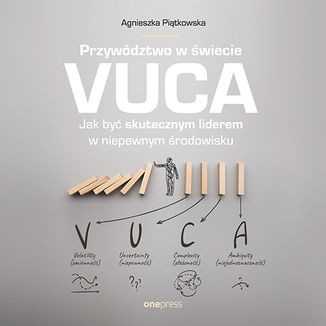
Przywództwo w świecie VUCA. Jak być skutecznym liderem w niepewnym środowisku
Agnieszka Piątkowska
VUCA menedżerze! Witaj w nowej, niepewnej rzeczywistości Witaj, zanurz się w niej i nie utoń. Co więcej - pływaj skutecznie i kieruj innymi tak, by i oni nie utonęli - ani Twoi pracownicy, ani Twoja firma. Termin VUCA odnosi się do działania w świecie XXI wieku, w którym "stare, dobre czasy" przewidywalności, stabilności, równomiernego wzrostu i braku spektakularnych niespodzianek od losu włożyć należy między historyczne bajki. Dziś rządzi niepewność i nieprzewidywalność, a kolejne tzw. "czarne łabędzie", czyli zdarzenia nieprawdopodobne, jak pojawienie się pandemii wywołanej wirusem COVID, wydają się być już tylko kwestią czasu... Jak w tej sytuacji funkcjonować jako lider, osoba odpowiedzialna za dobrostan i rozwój firmy oraz ludzi w owej firmie zatrudnionych? W książce znajdziesz m.in.: 10 sposobów na sprawne przywództwo w świecie VUCA 15 wskazówek dotyczących zarządzania wirtualnymi zespołami 25 zachowań zwycięskich zespołów 60 narzędzi i modeli przydatnych przy podejmowaniu decyzji, kreowaniu wizji przywództwa, samoocenie lidera, rekrutacji, we współpracy w zespole, w zarządzaniu zmianą i budowaniu zwinności w organizacji Moja książka jest efektem wielu poszukiwań w literaturze przedmiotu, przeglądów badań, rozmów z ekspertami i przedstawicielami świata biznesu oraz doświadczeń własnych. Najistotniejszymi czynnikami osiągnięcia długotrwałego sukcesu organizacji w świecie VUCA jest nowoczesne przywództwo, sprzyjająca uczeniu się kultura organizacyjna oraz zwinne zarządzanie zmianą i na tych elementach oparta jest książka. Mam nadzieję, że pomoże ona w lepszym podejmowaniu decyzji oraz przyniesie otuchę w niepewnych czasach. Książka stanowi zbiór wskazówek, ale nie gotowych recept sprawdzających się zawsze i we wszystkich warunkach, gdyż w świecie VUCA nic nie jest "na pewno" i na zawsze. ze wstępu
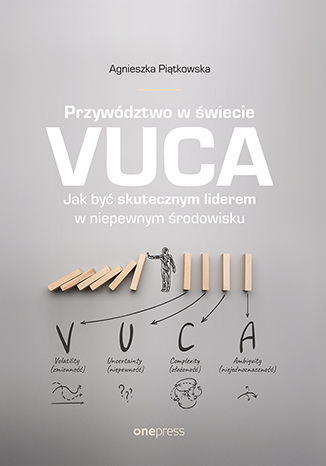
Przywództwo w świecie VUCA. Jak być skutecznym liderem w niepewnym środowisku
Agnieszka Piątkowska
VUCA menedżerze! Witaj w nowej, niepewnej rzeczywistości Witaj, zanurz się w niej i nie utoń. Co więcej - pływaj skutecznie i kieruj innymi tak, by i oni nie utonęli - ani Twoi pracownicy, ani Twoja firma. Termin VUCA odnosi się do działania w świecie XXI wieku, w którym "stare, dobre czasy" przewidywalności, stabilności, równomiernego wzrostu i braku spektakularnych niespodzianek od losu włożyć należy między historyczne bajki. Dziś rządzi niepewność i nieprzewidywalność, a kolejne tzw. "czarne łabędzie", czyli zdarzenia nieprawdopodobne, jak pojawienie się pandemii wywołanej wirusem COVID, wydają się być już tylko kwestią czasu... Jak w tej sytuacji funkcjonować jako lider, osoba odpowiedzialna za dobrostan i rozwój firmy oraz ludzi w owej firmie zatrudnionych? W książce znajdziesz m.in.: 10 sposobów na sprawne przywództwo w świecie VUCA 15 wskazówek dotyczących zarządzania wirtualnymi zespołami 25 zachowań zwycięskich zespołów 60 narzędzi i modeli przydatnych przy podejmowaniu decyzji, kreowaniu wizji przywództwa, samoocenie lidera, rekrutacji, we współpracy w zespole, w zarządzaniu zmianą i budowaniu zwinności w organizacji Moja książka jest efektem wielu poszukiwań w literaturze przedmiotu, przeglądów badań, rozmów z ekspertami i przedstawicielami świata biznesu oraz doświadczeń własnych. Najistotniejszymi czynnikami osiągnięcia długotrwałego sukcesu organizacji w świecie VUCA jest nowoczesne przywództwo, sprzyjająca uczeniu się kultura organizacyjna oraz zwinne zarządzanie zmianą i na tych elementach oparta jest książka. Mam nadzieję, że pomoże ona w lepszym podejmowaniu decyzji oraz przyniesie otuchę w niepewnych czasach. Książka stanowi zbiór wskazówek, ale nie gotowych recept sprawdzających się zawsze i we wszystkich warunkach, gdyż w świecie VUCA nic nie jest "na pewno" i na zawsze. ze wstępu
Przywracanie pamięci. Polscy psychiatrzy XX wieku orientacji psychoanalitycznej
Paweł Dybel
Kim byli Ludwig Jekels, Eugenia Sokolnicka, Ludwika Karpińska, Adam Wizel, Maurycy Bornsztajn, Jan Nelken, Roman Markuszewicz, Gustaw Bychowski, Salomea Kempner? Są to dzisiaj w rodzimym środowisku naukowym nazwiska zupełnie nieznane, a jeśli nawet ktoś słyszał o niektórych z nich, jest to zazwyczaj wiedza dość ogólnikowa. Książka wpisuje się w zapoczątkowany u nas w latach 90. nurt przywracania pamięci o wybitnych przedstawicielach polskiej nauki w XX w., których oryginalny dorobek został w czasach PRL-u niemal całkowicie zapoznany. W tym wypadku chodzi o przedstawicieli polskiej psychiatrii, psychoterapii i psychologii orientacji psychoanalitycznej, którzy w okresie zaborów i międzywojnia byli czołowymi specjalistami w tych dziedzinach, ciesząc się ogromnym autorytetem. Znalazły się w niej również eseje o Helenie Deutsch i Hannie Segal, które emigrując w młodych latach, zrobiły później imponującą karierę w ruchu psychoanalitycznym. Do końca życia jednak zachowały żywe związki z krajem i polską tożsamość kulturową. Artykuły zawarte w tej książce są w większości pierwszymi całościowymi omówieniami naukowego dorobku wspomnianych autorów. O specyfice tekstów stanowi to, że nacisk został w nich położony na kluczowe miejsce, jakie zajmowały w poszczególnych dorobkach inspiracje psychoanalityczne. Zarazem podkreśla się w nich istotną rolę, jaką w życiu i działalności tych psychiatrów i psychologów odgrywał kontekst społeczno-kulturowy i polityczny, w którym działali, jak też ich – w przytłaczającej większości – żydowskie pochodzenie. Wiele z tych biografii to biografie tragiczne, naznaczone traumami wojennymi, Holokaustem i klątwą rzuconą na psychoanalizę w powojennej komunistycznej Polsce.
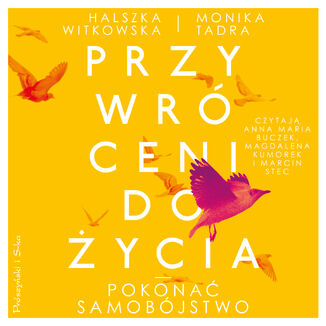
Przywróceni do życia. Pokonać samobójstwo
Halszka Witkowska, Monika Tadra
Pierwsza na polskim rynku wydawniczym książka zawierająca relacje osób, które przeżyły kryzys samobójczy. Co wpływa na decyzję o samobójstwie? Jak wyglądają minuty przed jej podjęciem? Czym jest życie po przeżyciu? Co decyduje, że po jednej próbie człowiek podejmuje następną? Trzynaście poruszających rozmów z osobami, które z cierpienia, samotności i bezsilności były o krok od odebrania sobie życia. Monika Tadra pyta o to, co czuje człowiek, który dąży do śmierci. Chce też wiedzieć, co powoduje, że mimo wszystkich trudności może on znaleźć siłę, by żyć dalej. Dr Halszka Witkowska, jedna z najwybitniejszych w kraju specjalistek w dziedzinie suicydologii, poszukuje wyjaśnienia tych dramatycznych decyzji, pokazując, że całe życie człowieka wpływa na podjęcie decyzji o samobójstwie. Halszka Witkowska suicydolog, konsultantka kryzysowa, a także pomysłodawczyni i koordynatorka pierwszego w Polsce serwisu edukacyjno-pomocowego dla osób w kryzysie samobójczym i ich bliskich Życie warte jest rozmowy. Za swoją misję uważa upowszechnianie wiedzy na temat zapobiegania samobójstwom, co czyni zarówno w swych badaniach naukowych, a także jako wykładowca na Uniwersytecie Warszawskim. Jest wiceprezesem Polskiego Towarzystwa Suicydologicznego i ekspertem Ministerstwa Zdrowia. Dotąd opublikowała między innymi dobrze przyjętą pracę naukową Samobójstwo w kulturze dzisiejszej. Listy samobójców jako gatunek wypowiedzi i fakt kulturowy (2021) oraz była jednym z redaktorów naukowych publikacji Autodestrukcja. Sytuacje graniczne we współczesnej kulturze (2020), Nikt nie chce umierać. Autodestrukcja w perspektywie kulturowej (2022), Nie mam siły żyć. Autodestrukcja w kulturze (2024). Szeroko dyskutowana była jej książka Życie mimo wszystko. Rozmowy o samobójstwie(2022) oraz Niewysłuchani. O śmierci samobójczej i tych, którzy pozostali(2024, współautorka Monika Tadra). Trenuje jeździectwo, uczestniczy w zawodach WKKW. Monika Tadra absolwentka Szkoły Głównej Handlowej. Od 2020 r. prowadzi stronę internetową Świat Spotkań, gdzie zamieszcza zapisy rozmów z takimi osobami, jak Katarzyna Karpowicz, Agata Tuszyńska, Justyna Dąbrowska, Joanna Heidtman, Marcin Kydryński czy Mikołaj Grynberg. Jej pierwsza książka To nie nasza wina(2023) stanowi zapis jedenastu rozmów z dorosłymi wychowankami domów dziecka. Wierzy w moc słowa oraz sens podejmowania trudnych, ważnych społecznie tematów, a największe zainteresowanie wzbudza w niej człowiek.
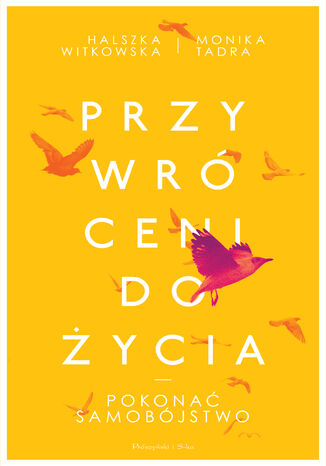
Przywróceni do życia. Pokonać samobójstwo
Halszka Witkowska, Monika Tadra
Pierwsza na polskim rynku wydawniczym książka zawierająca relacje osób, które przeżyły kryzys samobójczy. Co wpływa na decyzję o samobójstwie? Jak wyglądają minuty przed jej podjęciem? Czym jest życie po przeżyciu? Co decyduje, że po jednej próbie człowiek podejmuje następną? Trzynaście poruszających rozmów z osobami, które z cierpienia, samotności i bezsilności były o krok od odebrania sobie życia. Monika Tadra pyta o to, co czuje człowiek, który dąży do śmierci. Chce też wiedzieć, co powoduje, że mimo wszystkich trudności może on znaleźć siłę, by żyć dalej. Dr Halszka Witkowska, jedna z najwybitniejszych w kraju specjalistek w dziedzinie suicydologii, poszukuje wyjaśnienia tych dramatycznych decyzji, pokazując, że całe życie człowieka wpływa na podjęcie decyzji o samobójstwie. Halszka Witkowska suicydolog, konsultantka kryzysowa, a także pomysłodawczyni i koordynatorka pierwszego w Polsce serwisu edukacyjno-pomocowego dla osób w kryzysie samobójczym i ich bliskich Życie warte jest rozmowy. Za swoją misję uważa upowszechnianie wiedzy na temat zapobiegania samobójstwom, co czyni zarówno w swych badaniach naukowych, a także jako wykładowca na Uniwersytecie Warszawskim. Jest wiceprezesem Polskiego Towarzystwa Suicydologicznego i ekspertem Ministerstwa Zdrowia. Dotąd opublikowała między innymi dobrze przyjętą pracę naukową Samobójstwo w kulturze dzisiejszej. Listy samobójców jako gatunek wypowiedzi i fakt kulturowy (2021) oraz była jednym z redaktorów naukowych publikacji Autodestrukcja. Sytuacje graniczne we współczesnej kulturze (2020), Nikt nie chce umierać. Autodestrukcja w perspektywie kulturowej (2022), Nie mam siły żyć. Autodestrukcja w kulturze (2024). Szeroko dyskutowana była jej książka Życie mimo wszystko. Rozmowy o samobójstwie(2022) oraz Niewysłuchani. O śmierci samobójczej i tych, którzy pozostali(2024, współautorka Monika Tadra). Trenuje jeździectwo, uczestniczy w zawodach WKKW. Monika Tadra absolwentka Szkoły Głównej Handlowej. Od 2020 r. prowadzi stronę internetową Świat Spotkań, gdzie zamieszcza zapisy rozmów z takimi osobami, jak Katarzyna Karpowicz, Agata Tuszyńska, Justyna Dąbrowska, Joanna Heidtman, Marcin Kydryński czy Mikołaj Grynberg. Jej pierwsza książka To nie nasza wina(2023) stanowi zapis jedenastu rozmów z dorosłymi wychowankami domów dziecka. Wierzy w moc słowa oraz sens podejmowania trudnych, ważnych społecznie tematów, a największe zainteresowanie wzbudza w niej człowiek.
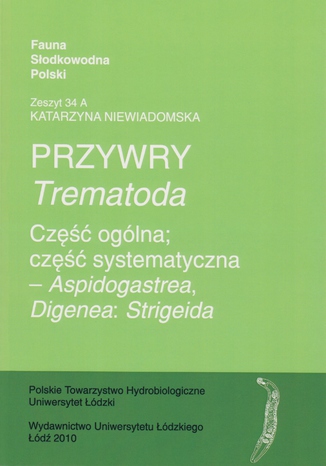
Katarzyna Niewiadomska
Wydawnictwo seryjne Fauna Słodkowodna Polski istnieje od 1935 roku. Dotychczas opublikowało 21 zeszytów poświęconych zarówno zwierzętom bezkręgowym (Invertebrata), jak i kręgowcom (Vertebrata). Kolejne tomy FSP zawierają bogate dane ogólne dotyczące omawianej grupy zwierzęcej oraz informacje szczegółowe o określonych gatunkach, rodzajach, rodzinach i rzędach. Integralną część każdego opracowania stanowią też klucze do oznaczania taksonów. Dzięki takiemu ujęciu monografie poszczególnych grup systematycznych stanowią kompendium najnowszej wiedzy teoretycznej i praktycznej na ich temat. Zeszyty FSP przygotowują wybitni specjaliści w zakresie znajomości fauny Polski. Tom 34A, autorstwa prof. dr hab. Katarzyny Niewiadomskiej z Instytutu Parazytologii PAN w Warszawie, poświęcony krajowym przywrom (Trematoda), omawia szczegółowo cykle rozwojowe, anatomię, biologię, ekologię i taksonomię tych zwierząt oraz dostarcza wskazówek praktycznych dotyczących metodyki badań. Zawiera również klucze do oznaczania żyjących w wodach śródlądowych Polski przywr należących do podgromady Aspidogastrea oraz do rzędu Strigeida z podgromady Digenea.
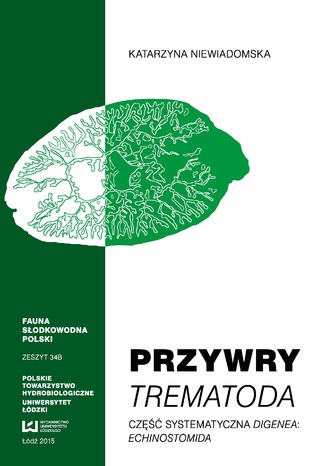
Przywry Trematoda. Zeszyt 34B. Część systematyczna Digenea: Echinostomida
Katarzyna Niewiadomska
Kolejny tom serii "Fauna Słodkowodna Polski" poświęcony jest krajowym przywrom (Trematoda) z rzędu Echinostomida. opisano w nim anatomię, biologię, ekologię i taksonomię tych zwierząt. Zawiera również klucze do oznaczania żyjących w wodach śródlądowych Polski przedstawicieli tego taksonu. Uwzględnienie badań molekularnych, prowadzonych przez zespoły Cribba i Olsona spowodowało zmiany w przyjętej wcześniej klasyfikacji a także w ustaleniu związków filogenetycznych, samodzielności grup i ich pokrewieństw. Gatunki przywr występujące w Polsce były tylko w małej części opisywane przez polskich autorów z podaniem wymiarów i rysunków, dlatego też w większości przypadków autorka korzystała z opisów zamieszczonych w literaturze spoza Polski. Natomiast, kiedy gatunki przywr notowane były w Polsce tylko w żywicielach ostatecznych, a ich cykle rozwojowe znane są z literatury, korzystała z tych opracowań przy opisie cerkarii i/lub metacerkarii. Znajomość stadiów rozwojowych przywr opisanych w książce powinna być dla zainteresowanych badaczy wskazówką do poszukiwania postaci rozwojowych w naszych wodach.
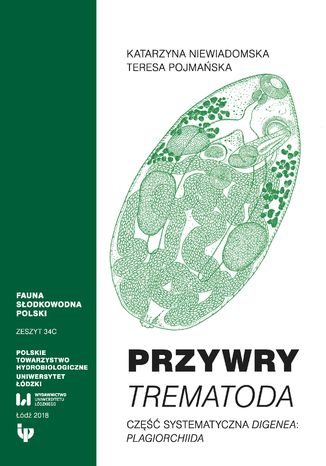
Przywry Trematoda. Zeszyt 34C. Część systematyczna Digenea Plagiorchiida
Katarzyna Niewiadomska, Teresa Pojmańska
Wydawnictwo seryjne Fauna Słodkowodna Polski istnieje od 1935 roku. Dotychczas opublikowano 25 zeszytów poświęconych zarówno zwierzętom bezkręgowym (lnvertebrata), jak i kręgowcom (Vertebrata). Kolejne tomy Fauny Słodkowodnej Polski zawierają bogate dane ogólne dotyczące omawianej grupy zwierzęcej oraz informacje szczegółowe o należących do niej gatunkach, rodzajach, rodzinach i rzędach. Integralną częścią każdego opracowania są klucze do oznaczania taksonów. Dzięki takiemu ujęciu, monografie na temat poszczególnych grup systematycznych stanowią kompendium najnowszej wiedzy teoretycznej i praktycznej. Zeszyty Fauny Słodkowodnej Polski przygotowują wybitni specjaliści w zakresie znajomości fauny Polski. Tom 34C, autorstwa prof. dr hab. Katarzyny Niewiadomskiej i prof. dr hab. Teresy Pojmańskiej z Instytutu Parazytologii im. W. Stefańskiego PAN w Warszawie, poświęcony krajowym przywrom (Trematoda) z rzędu Plagiorchiida, omawia szczegółowo anatomię, biologię, ekologię i taksonomię tych zwierząt oraz dostarcza wskazówek praktycznych dotyczących metodyki badań. Zawiera również klucze do oznaczania żyjących w wodach śródlądowych Polski przedstawicieli tego taksonu.
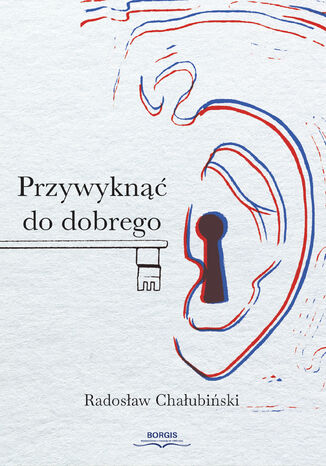
Radosław Chałubiński
„Jestem dzieckiem Boga. Jego cząstka, pierwiastek jest we mnie i jest moim początkiem. Jestem sprawcą, bo on tak chce. On chce, bym był szczęśliwy. Mam wpływ na to, co myślę. Moje myśli kształtują moją rzeczywistość.” Powyższy fragment Przywyknąć do dobrego autorstwa Radosława Chałubińskiego niemal doskonale oddaje nowe spojrzenie na świat i na życie, które proponuje nam Autor w swoim poradniku. Podejście to ma nam pomóc w przeanalizowaniu swoich nawyków, dostrzeżeniu wewnętrznych ograniczeń i odkryciu swojego prawdziwego ja, bowiem w końcu, jak pisze Chałubiński: „Jesteś wystarczająco dobry. Jesteś dokładnie taki, jak o sobie myślisz i inni też są tacy, jak o sobie myślą. Pozwól sobie i innym być sobą. Masz wybór, jak o sobie myślisz.” Masz też wybór czy przeczytać tę książkę, czy też nie… Niewątpliwie jednak zapoznanie się z jej treścią może wzbogacić nasze spojrzenie na świat.

Joanna Mueller
Joanna Mueller Somnambóle fantomowe Wersja intro Przywyłkanie do prostoty bo prosto ty i proste to zmyślenie za proste to myślenie wy (wy razem ja wyrazem komu unikat a komu nikt) piję to nic to nic to nic to tylko mój kolejny poraniony pomys... Joanna Mueller ur. 13 listopada 1979 Najważniejsze dzieła: Somnambóle fantomowe (2003), Zagniazdowniki/Gniazdowniki (2007), Wylinki (2010), intima thule (2015) Poetka, eseistka, redaktorka, wielodzietna mama, niegdyś sygnatariuszka Manifestu neoglingwistycznego. Wydała cztery tomy poetyckie oraz dwie książki eseistyczne. Redaktorka książek: Solistki, Antologia poezji kobiet (19892009) (Warszawa 2009, razem z Marią Cyranowicz i Justyną Radczyńską) oraz Warkoczami. Antologia nowej poezji (Warszawa 2016, wraz z Beatą Gulą i Sylwią Głuszak). Pisuje również wiersze dla dzieci. Mieszka w Warszawie, gdzie m.in. współprowadzi seminarium o literaturze kobiet Wspólny Pokój. Kupując książkę wspierasz fundację Nowoczesna Polska, która propaguje ideę wolnej kultury. Wolne Lektury to biblioteka internetowa, rozwijana pod patronatem Ministerstwa Edukacji Narodowej. W jej zbiorach znajduje się kilka tysięcy utworów, w tym wiele lektur szkolnych zalecanych do użytku przez MEN, które trafiły już do domeny publicznej. Wszystkie dzieła są odpowiednio opracowane - opatrzone przypisami oraz motywami.
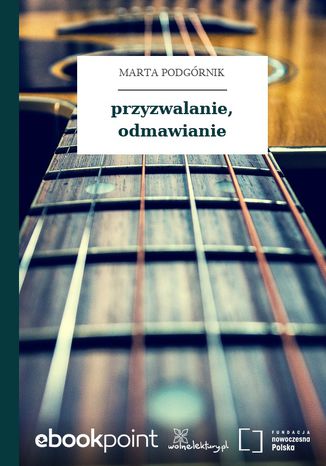
Marta Podgórnik
Marta Podgórnik Próby negocjacji przyzwalanie, odmawianie ten pociąg nie mógł chyba odjechać bez mojego błogosławieństwa. ogon kurzu merda jeszcze przez dłuższą chwilę. coś z tego wpada do oka i przełamuje wymuszoną suchość. teraz autozabieg: czysta chusteczka znieczula, osłania, odwraca uw... Marta Podgórnik ur. 1979 Najważniejsze dzieła: Próby negocjacji (1996), Rezydencja surykatek (2011), Zawsze (2015) Poetka, krytyczka literacka, redaktorka związana z wydawnictwem Biuro Literackie. W Tekstyliach, czyli książce omawiającej na bieżąco młodą literaturę w 2002 roku, jej styl nazwano lirycznym ekshibicjonizmem. Dalsze tomiki udowodniły, że to tylko część prawdy. W swoich wierszach Podgórnik łączy wyrafinowanie formalne, grę z popkulturą i tradycyjnie pojęte wyrażanie siebie (to jest pisanie o własnych dramatach uczuciowych). Podobna mieszanka jest jednak niemożliwa do zrealizowania, jako że stylizacje i biegłość techniczna zakładają dystans z definicji uniemożliwiający mówienie wprost. Wobec tego poezji Marty Podgórnik nie opuszcza napięcie między lirycznym wyznaniem a jego ironicznym pastiszem. Kupując książkę wspierasz fundację Nowoczesna Polska, która propaguje ideę wolnej kultury. Wolne Lektury to biblioteka internetowa, rozwijana pod patronatem Ministerstwa Edukacji Narodowej. W jej zbiorach znajduje się kilka tysięcy utworów, w tym wiele lektur szkolnych zalecanych do użytku przez MEN, które trafiły już do domeny publicznej. Wszystkie dzieła są odpowiednio opracowane - opatrzone przypisami oraz motywami.
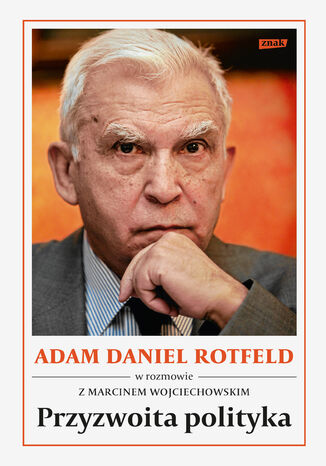
Adam Daniel Rotfeld
Poczucie godności i wartości jest najważniejsze, a zarazem najmniej kosztuje. Jeśli je uszanujemy, zaakceptowanie pokoju stanie się możliwe Adam Daniel Rotfeld Gdy świat wydaje się pogrążony w chaosie, a dotychczasowe zasady są łamane na naszych oczach, prof. Adam Daniel Rotfeld w rozmowie rzece z Marcinem Wojciechowskim próbuje uporządkować myślenie o współczesnej rzeczywistości. Jeden z najsprawniejszych polskich dyplomatów z chirurgiczną precyzją analizuje brutalną lekcję bieżącej polityki zagranicznej, w której siła i interesy często spychają wartości do roli teatralnej dekoracji. W świecie zdominowanym przez transakcyjne podejście, gdzie zysk wypiera moralność, a sojusznicy bywają traktowani przedmiotowo, Rotfeld przypomina o sprawach fundamentalnych. W obliczu agresywnych zapędów Rosji i niepewności transatlantyckich sojuszy książka Przyzwoita polityka staje się niezbędnym przewodnikiem po wzburzonym świecie.Przekonuje, że niezmiennym priorytetem jest godność jedyny fundament, na którym można budować trwałą przyszłość Polski i Europy.
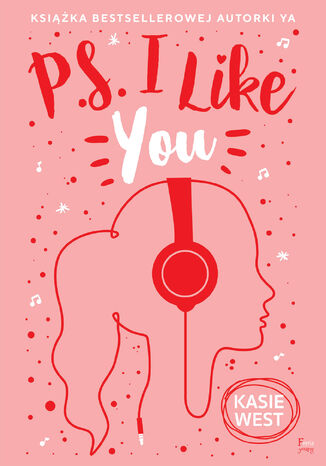
Kasie West
Co robisz, gdy podczas lekcji chemii zamiast pierwiastków wirują ci w głowie fragmenty ulubionych piosenek? Lily po prostu zapisała wers z ukochanego utworu na ławce. Niczego nie oczekiwała, a jednak następnego dnia zobaczyła, że ktoś dopisał kolejne zdanie. Ktoś, kto najwyraźniej zna tekst tej piosenki. Jak to możliwe, że w tej nudnej szkole ktoś także kocha alternatywne zespoły? Wkrótce ławkowa korespondencja między Lily a tajemniczym miłośnikiem muzyki nabiera tempa. Rozmawiają nie tylko o muzyce, ale i o swoich problemach i stają się sobie coraz bliżsi. Kim jest ta tajemnicza bratnia dusza? Pogodna, pełna wdzięku i ciepła historia o przyjaźni i miłości, i o tym, że nigdy nie warto nikogo sądzić po pozorach.
Krzysztof Kamil Baczyński
Krzysztof Kamil Baczyński Psalm 2. O krzyżu Matce Nie nadaremnie jest ten krzyż, który przykuwa trzepot rąk. Posłuchaj tylko: czas jak mysz podgryza rozłożysty dąb. Nie nadaremny jest ten krzyż, jakby odarty z czaszki mózg, gdzie tysiącmłotem wieków łzy, tak jakbyś ziemię w dłoniach niósł. On w miłość, w roli skowyt psi, on się wyc... Krzysztof Kamil Baczyński Ur. 22 stycznia 1921 r. w Warszawie Zm. 4 sierpnia 1944 r. w Warszawie Najważniejsze dzieła: Pokolenie, Historia, Bez imienia, Dwie miłości, Z głową na karabinie Poeta, rysownik. Twórczość poetycką rozpoczął już jako uczeń gimnazjum im. Stefana Batorego w Warszawie, gdzie w 1939 r. zdał maturę. Związany ze środowiskiem młodzieży lewicowej, m.in. z organizacją Spartakus działającą półlegalnie w szkołach średnich. W czasie okupacji niemieckiej zbliżył się do ugrupowań socjalistycznych, wydających podziemne pisma Płomienie i Droga. Od 1943 r. uczestniczył w tajnych kompletach polonistycznych, w tymże roku wstąpił do Harcerskich Grup Szturmowych, które stały się zalążkiem batalionu AK Zośka oraz ukończył konspiracyjną szkołę podchorążych rezerwy. Uczestnik powstania warszawskiego; poległ w walce przy Placu Teatralnym (Pałac Blanka); w parę tygodni później zginęła w powstaniu żona poety Barbara, którą poślubił w 1942 r. Nie licząc dwóch zbiorków odbitych na hektografie w 7 egzemplarzach w 1940 r. i kilku wierszy w antologiach Pieśń niepodległa i Słowo prawdziwe, zdążył ogłosić, pod pseudonimem Jan Bugaj, dwa konspiracyjne zbiory: Wiersze wybrane (1942) i Arkusz poetycki (1944) wydane nakładem Drogi. W 2018 roku został pośmiertnie odznaczony Krzyżem Komandorskim Orderu Odrodzenia Polski. Kupując książkę wspierasz fundację Nowoczesna Polska, która propaguje ideę wolnej kultury. Wolne Lektury to biblioteka internetowa, rozwijana pod patronatem Ministerstwa Edukacji Narodowej. W jej zbiorach znajduje się kilka tysięcy utworów, w tym wiele lektur szkolnych zalecanych do użytku przez MEN, które trafiły już do domeny publicznej. Wszystkie dzieła są odpowiednio opracowane - opatrzone przypisami oraz motywami.
Krzysztof Kamil Baczyński
Krzysztof Kamil Baczyński Psalm 3. O łasce J. Andrzejewskiemu Cóż mi, Panie, żem lepszy od cieni? W ich tłumie ognia Twoich objawień rozróżnić nie umiem od cieni, które we mnie i wśród których błądząc jestem sercem ciemności i ciemności żądzą. Kiedy przeze mnie wołasz, jakże ja ostaję, kiedym jest sam dla siebie obiecanym krajem? I cóż mi, żem szkatuła, w której nic już więcej ponad głos w niej za... Krzysztof Kamil Baczyński Ur. 22 stycznia 1921 r. w Warszawie Zm. 4 sierpnia 1944 r. w Warszawie Najważniejsze dzieła: Pokolenie, Historia, Bez imienia, Dwie miłości, Z głową na karabinie Poeta, rysownik. Twórczość poetycką rozpoczął już jako uczeń gimnazjum im. Stefana Batorego w Warszawie, gdzie w 1939 r. zdał maturę. Związany ze środowiskiem młodzieży lewicowej, m.in. z organizacją Spartakus działającą półlegalnie w szkołach średnich. W czasie okupacji niemieckiej zbliżył się do ugrupowań socjalistycznych, wydających podziemne pisma Płomienie i Droga. Od 1943 r. uczestniczył w tajnych kompletach polonistycznych, w tymże roku wstąpił do Harcerskich Grup Szturmowych, które stały się zalążkiem batalionu AK Zośka oraz ukończył konspiracyjną szkołę podchorążych rezerwy. Uczestnik powstania warszawskiego; poległ w walce przy Placu Teatralnym (Pałac Blanka); w parę tygodni później zginęła w powstaniu żona poety Barbara, którą poślubił w 1942 r. Nie licząc dwóch zbiorków odbitych na hektografie w 7 egzemplarzach w 1940 r. i kilku wierszy w antologiach Pieśń niepodległa i Słowo prawdziwe, zdążył ogłosić, pod pseudonimem Jan Bugaj, dwa konspiracyjne zbiory: Wiersze wybrane (1942) i Arkusz poetycki (1944) wydane nakładem Drogi. W 2018 roku został pośmiertnie odznaczony Krzyżem Komandorskim Orderu Odrodzenia Polski. Kupując książkę wspierasz fundację Nowoczesna Polska, która propaguje ideę wolnej kultury. Wolne Lektury to biblioteka internetowa, rozwijana pod patronatem Ministerstwa Edukacji Narodowej. W jej zbiorach znajduje się kilka tysięcy utworów, w tym wiele lektur szkolnych zalecanych do użytku przez MEN, które trafiły już do domeny publicznej. Wszystkie dzieła są odpowiednio opracowane - opatrzone przypisami oraz motywami.
Krzysztof Kamil Baczyński
Psalm 4 Boże mój. Ja przed Tobą ołtarz ciała rozdarty. Ja -- jednym sumieniem rodzony, dymię tysiącem martwych. Nie tłomacz mi ptaków i roślin, ja z nich poczęty -- rozumiem, tylko się krzywdy nauczyć i ludzi się uczyć nie umiem. Ja już spokojny. Ześlij ulewy głów obciętych, strąć nieba płaską dłoń, Ty ze wszystkiego -- święty. Ale mi czyny wytłomacz, ziemi ziejący orkan, bo nic, że po klęsce jej depczę jak po krzemiennych toporkach ludzi, co nigdy nie rosnąc, o ściany jaskiń miecz ostrzą. [...]Krzysztof Kamil BaczyńskiUr. 22 stycznia 1921 r. w Warszawie Zm. 4 sierpnia 1944 r. w Warszawie Najważniejsze dzieła: Pokolenie, Historia, Bez imienia, Dwie miłości, Z głową na karabinie Poeta, rysownik. Twórczość poetycką rozpoczął już jako uczeń gimnazjum im. Stefana Batorego w Warszawie, gdzie w 1939 r. zdał maturę. Związany ze środowiskiem młodzieży lewicowej, m.in. z organizacją Spartakus działającą półlegalnie w szkołach średnich. W czasie okupacji niemieckiej zbliżył się do ugrupowań socjalistycznych, wydających podziemne pisma ?Płomienie? i ?Droga?. Od 1943 r. uczestniczył w tajnych kompletach polonistycznych, w tymże roku wstąpił do Harcerskich Grup Szturmowych, które stały się zalążkiem batalionu AK ?Zośka? oraz ukończył konspiracyjną szkołę podchorążych rezerwy. Uczestnik powstania warszawskiego; poległ w walce przy Placu Teatralnym (Pałac Blanka); w parę tygodni później zginęła w powstaniu żona poety Barbara, którą poślubił w 1942 r. Nie licząc dwóch zbiorków odbitych na hektografie w 7 egzemplarzach w 1940 r. i kilku wierszy w antologiach Pieśń niepodległa i Słowo prawdziwe, zdążył ogłosić, pod pseudonimem Jan Bugaj, dwa konspiracyjne zbiory: Wiersze wybrane (1942) i Arkusz poetycki (1944) wydane nakładem ?Drogi?. Kupując książkę wspierasz fundację Nowoczesna Polska, która propaguje ideę wolnej kultury. Wolne Lektury to biblioteka internetowa, rozwijana pod patronatem Ministerstwa Edukacji Narodowej. W jej zbiorach znajduje się kilka tysięcy utworów, w tym wiele lektur szkolnych zalecanych do użytku przez MEN, które trafiły już do domeny publicznej. Wszystkie dzieła są odpowiednio opracowane - opatrzone przypisami oraz motywami.
Wespazjan Hieronim Kochowski
Wespazjan Kochowski Psalmodia polska Psalm I Domine Dominus noster, admirabile est nomem Tuum in universa terra. Psal. 8 Wyznanie niepojętej wszechmocności boskiej Panie, Panie nasz, jakoż dziwne jest Imie Twoje po wszystkiej ziemi! Któregoż stworzenia nasubtelniejszy rozum attrybutów Twoich boskich dociecze? Niemasz podobnego Tobie Boże, i nie znajdzie się ktoby z wszechmocnością Twoją wyrównał? Ty sam odziedziczasz wieczność z Jednorodzonym Twoim, i z ... Wespazjan Hieronim Kochowski Ur. 1633 w Gaju koło Waśniowa w ziemi Sandomierskiej Zm. 6 czerwca 1700 w Krakowie Najważniejsze dzieła: Psalmodia Polskie, Niepróżnujące próżnowanie, Epigramata polskie, Dzieło Boskie albo pieśni Wiednia wybawionego, Roczniki polskie Wybitny polski poeta i historyk epoki baroku. Uczył się w Sandomierzu, a następnie studiował na Akademii Krakowskiej. Walczył pod Beresteczkiem, Warką i Gnieznem, a także w trakcie potopu szwedzkiego. Korybut Wiśniowiecki mianował go podżupnikiem wielickim oraz swoim sekretarzem. Król Jan III Sobieski, będąc pod wrażeniem talentu pisarskiego i historycznego Kochowskiego, nadał mu tytuł historiografa uprzywilejowanego i w takim charakterze zabrał ze sobą pod Wiedeń. Kochowski opisał tę bitwę w dziele Commentarius belli adversus Turcas. We wsi Goleniowy pod Szczekocinami ufundował szpital dla biednych. Jest autorem zbioru pieśni dziękczynnych Psalmodia Polska. Kupując książkę wspierasz fundację Nowoczesna Polska, która propaguje ideę wolnej kultury. Wolne Lektury to biblioteka internetowa, rozwijana pod patronatem Ministerstwa Edukacji Narodowej. W jej zbiorach znajduje się kilka tysięcy utworów, w tym wiele lektur szkolnych zalecanych do użytku przez MEN, które trafiły już do domeny publicznej. Wszystkie dzieła są odpowiednio opracowane - opatrzone przypisami oraz motywami.
Wespazjan Hieronim Kochowski
Wespazjan Kochowski Psalmodia polska Psalm II De profundis clamavi ad Te Domine. Ps. 129 Westchnienie do P. Boga na powstanie z grzechu prawdziwe Z głębokości wołałem ku Tobie Panie, ku Tobie Boże z padołu płaczu, i z turmy mizeryi. Bo niemasz na świecie ktoby wspomógł, albo upadłego podżwignął; zjadła zazdrość, omylna przyjaźń, chciwość nienasycona, którzy się w offertach świadczą bliźniemu z uczynnością, tych serca i ręce najbardziej na zdradzie stoją. ... Wespazjan Hieronim Kochowski Ur. 1633 w Gaju koło Waśniowa w ziemi Sandomierskiej Zm. 6 czerwca 1700 w Krakowie Najważniejsze dzieła: Psalmodia Polskie, Niepróżnujące próżnowanie, Epigramata polskie, Dzieło Boskie albo pieśni Wiednia wybawionego, Roczniki polskie Wybitny polski poeta i historyk epoki baroku. Uczył się w Sandomierzu, a następnie studiował na Akademii Krakowskiej. Walczył pod Beresteczkiem, Warką i Gnieznem, a także w trakcie potopu szwedzkiego. Korybut Wiśniowiecki mianował go podżupnikiem wielickim oraz swoim sekretarzem. Król Jan III Sobieski, będąc pod wrażeniem talentu pisarskiego i historycznego Kochowskiego, nadał mu tytuł historiografa uprzywilejowanego i w takim charakterze zabrał ze sobą pod Wiedeń. Kochowski opisał tę bitwę w dziele Commentarius belli adversus Turcas. We wsi Goleniowy pod Szczekocinami ufundował szpital dla biednych. Jest autorem zbioru pieśni dziękczynnych Psalmodia Polska. Kupując książkę wspierasz fundację Nowoczesna Polska, która propaguje ideę wolnej kultury. Wolne Lektury to biblioteka internetowa, rozwijana pod patronatem Ministerstwa Edukacji Narodowej. W jej zbiorach znajduje się kilka tysięcy utworów, w tym wiele lektur szkolnych zalecanych do użytku przez MEN, które trafiły już do domeny publicznej. Wszystkie dzieła są odpowiednio opracowane - opatrzone przypisami oraz motywami.
Wespazjan Hieronim Kochowski
Wespazjan Kochowski Psalmodia polska Psalm III Quis dabit capiti meo aquam, et oculis meis fontem lacrimarum, et plorabo. Jerem. 9. ver. 1. Wyznanie winy pokutującego człowieka Kto da głowie mojej potok łez obfitych? a oczom moim strumień płaczu nieustającego? Kto skruszy zatwardziałego serca opokę? aby z niego wyniknął zdrój prawdziwego żalu, na obmycie popełnionych złości. Abym przeszłe dni w gorzkości duszy mojej rozmyślając, doskonale ważył, czemem je... Wespazjan Hieronim Kochowski Ur. 1633 w Gaju koło Waśniowa w ziemi Sandomierskiej Zm. 6 czerwca 1700 w Krakowie Najważniejsze dzieła: Psalmodia Polskie, Niepróżnujące próżnowanie, Epigramata polskie, Dzieło Boskie albo pieśni Wiednia wybawionego, Roczniki polskie Wybitny polski poeta i historyk epoki baroku. Uczył się w Sandomierzu, a następnie studiował na Akademii Krakowskiej. Walczył pod Beresteczkiem, Warką i Gnieznem, a także w trakcie potopu szwedzkiego. Korybut Wiśniowiecki mianował go podżupnikiem wielickim oraz swoim sekretarzem. Król Jan III Sobieski, będąc pod wrażeniem talentu pisarskiego i historycznego Kochowskiego, nadał mu tytuł historiografa uprzywilejowanego i w takim charakterze zabrał ze sobą pod Wiedeń. Kochowski opisał tę bitwę w dziele Commentarius belli adversus Turcas. We wsi Goleniowy pod Szczekocinami ufundował szpital dla biednych. Jest autorem zbioru pieśni dziękczynnych Psalmodia Polska. Kupując książkę wspierasz fundację Nowoczesna Polska, która propaguje ideę wolnej kultury. Wolne Lektury to biblioteka internetowa, rozwijana pod patronatem Ministerstwa Edukacji Narodowej. W jej zbiorach znajduje się kilka tysięcy utworów, w tym wiele lektur szkolnych zalecanych do użytku przez MEN, które trafiły już do domeny publicznej. Wszystkie dzieła są odpowiednio opracowane - opatrzone przypisami oraz motywami.
Wespazjan Hieronim Kochowski
Wespazjan Kochowski Psalmodia polska Psalm IV Dominus regit me, nihil mihi deerit. Ps. 22 Dzięka Opatrzności wiecznej za sztukę chleba Pan mię dogląda i rządzi, na miejscu paszy posadził mię, i za łaską jego na niczem mi nie schodzi. On mi udzielił mierny strumyczek do napoju, i chciał abym w pragnieniu posilony zostawał, uważając jednak od kogo te pomocy życia biorę. Bom nieostrożny fortunę jakąś sobie w myślach rysował, rozumiejąc że mię te fawory potyk... Wespazjan Hieronim Kochowski Ur. 1633 w Gaju koło Waśniowa w ziemi Sandomierskiej Zm. 6 czerwca 1700 w Krakowie Najważniejsze dzieła: Psalmodia Polskie, Niepróżnujące próżnowanie, Epigramata polskie, Dzieło Boskie albo pieśni Wiednia wybawionego, Roczniki polskie Wybitny polski poeta i historyk epoki baroku. Uczył się w Sandomierzu, a następnie studiował na Akademii Krakowskiej. Walczył pod Beresteczkiem, Warką i Gnieznem, a także w trakcie potopu szwedzkiego. Korybut Wiśniowiecki mianował go podżupnikiem wielickim oraz swoim sekretarzem. Król Jan III Sobieski, będąc pod wrażeniem talentu pisarskiego i historycznego Kochowskiego, nadał mu tytuł historiografa uprzywilejowanego i w takim charakterze zabrał ze sobą pod Wiedeń. Kochowski opisał tę bitwę w dziele Commentarius belli adversus Turcas. We wsi Goleniowy pod Szczekocinami ufundował szpital dla biednych. Jest autorem zbioru pieśni dziękczynnych Psalmodia Polska. Kupując książkę wspierasz fundację Nowoczesna Polska, która propaguje ideę wolnej kultury. Wolne Lektury to biblioteka internetowa, rozwijana pod patronatem Ministerstwa Edukacji Narodowej. W jej zbiorach znajduje się kilka tysięcy utworów, w tym wiele lektur szkolnych zalecanych do użytku przez MEN, które trafiły już do domeny publicznej. Wszystkie dzieła są odpowiednio opracowane - opatrzone przypisami oraz motywami.
Wespazjan Hieronim Kochowski
Wespazjan Kochowski Psalmodia polska Psalm IX Laudate Dominum omnes gentes. Ps. 116 Szczęśliwą elekcją in anno 1672 przeznaczeniu boskiemu przypisujący Chwalcie Pana wszystkie narody! śpiewaj mu i dziękuj z radością słowiańskiego Lecha pokolenie. Niech się po równinach polskich tubalne echo rozchodzi, a odgłos wesołego vivat! niechaj niebiosa przebija. Żyje Bóg stwórca nasz króle podający; niech i król długowiecznie żyje, od Boga podany. Którego nie żywo... Wespazjan Hieronim Kochowski Ur. 1633 w Gaju koło Waśniowa w ziemi Sandomierskiej Zm. 6 czerwca 1700 w Krakowie Najważniejsze dzieła: Psalmodia Polskie, Niepróżnujące próżnowanie, Epigramata polskie, Dzieło Boskie albo pieśni Wiednia wybawionego, Roczniki polskie Wybitny polski poeta i historyk epoki baroku. Uczył się w Sandomierzu, a następnie studiował na Akademii Krakowskiej. Walczył pod Beresteczkiem, Warką i Gnieznem, a także w trakcie potopu szwedzkiego. Korybut Wiśniowiecki mianował go podżupnikiem wielickim oraz swoim sekretarzem. Król Jan III Sobieski, będąc pod wrażeniem talentu pisarskiego i historycznego Kochowskiego, nadał mu tytuł historiografa uprzywilejowanego i w takim charakterze zabrał ze sobą pod Wiedeń. Kochowski opisał tę bitwę w dziele Commentarius belli adversus Turcas. We wsi Goleniowy pod Szczekocinami ufundował szpital dla biednych. Jest autorem zbioru pieśni dziękczynnych Psalmodia Polska. Kupując książkę wspierasz fundację Nowoczesna Polska, która propaguje ideę wolnej kultury. Wolne Lektury to biblioteka internetowa, rozwijana pod patronatem Ministerstwa Edukacji Narodowej. W jej zbiorach znajduje się kilka tysięcy utworów, w tym wiele lektur szkolnych zalecanych do użytku przez MEN, które trafiły już do domeny publicznej. Wszystkie dzieła są odpowiednio opracowane - opatrzone przypisami oraz motywami.
Wespazjan Hieronim Kochowski
Wespazjan Kochowski Psalmodia polska Psalm V Attendite popule mens legem meam. Ps. 77 Dobrodziejstwa boskie nad koroną polską wylicza Słuchaj pilnie ludu mój, i nakłoń ze wszystkiego serca uszu, na wyrozumienie powieści tej. Przywiodę na pamięć dawne dni dzieciństwa twego, a opowiem ci pierwszą szczupłość, w którejś był, z żywota matki twojej wyszedłszy. Coć musieli ojcowie twoi oznajmić, i dawni latopisowie w dziejach narodu twego zostawili, toć i ja prz... Wespazjan Hieronim Kochowski Ur. 1633 w Gaju koło Waśniowa w ziemi Sandomierskiej Zm. 6 czerwca 1700 w Krakowie Najważniejsze dzieła: Psalmodia Polskie, Niepróżnujące próżnowanie, Epigramata polskie, Dzieło Boskie albo pieśni Wiednia wybawionego, Roczniki polskie Wybitny polski poeta i historyk epoki baroku. Uczył się w Sandomierzu, a następnie studiował na Akademii Krakowskiej. Walczył pod Beresteczkiem, Warką i Gnieznem, a także w trakcie potopu szwedzkiego. Korybut Wiśniowiecki mianował go podżupnikiem wielickim oraz swoim sekretarzem. Król Jan III Sobieski, będąc pod wrażeniem talentu pisarskiego i historycznego Kochowskiego, nadał mu tytuł historiografa uprzywilejowanego i w takim charakterze zabrał ze sobą pod Wiedeń. Kochowski opisał tę bitwę w dziele Commentarius belli adversus Turcas. We wsi Goleniowy pod Szczekocinami ufundował szpital dla biednych. Jest autorem zbioru pieśni dziękczynnych Psalmodia Polska. Kupując książkę wspierasz fundację Nowoczesna Polska, która propaguje ideę wolnej kultury. Wolne Lektury to biblioteka internetowa, rozwijana pod patronatem Ministerstwa Edukacji Narodowej. W jej zbiorach znajduje się kilka tysięcy utworów, w tym wiele lektur szkolnych zalecanych do użytku przez MEN, które trafiły już do domeny publicznej. Wszystkie dzieła są odpowiednio opracowane - opatrzone przypisami oraz motywami.
Wespazjan Hieronim Kochowski
Wespazjan Kochowski Psalmodia polska Psalm VI Beatus vir, qui non abiit in consilio impiorum. Psl. 10 Do dyssydentów w wierze Błogosławiony człowiek, który nie poszedł za radą bezbożnych, i na drodze grzesznych nie stał, ani na stolicy zaraźliwej nauki nie siedział. Ale w zakonie starowiecznie od apostołów podanym, wola, serce i wiara jego, a nowotnych wymysłów i przestępstwa błędników nie chwytał się. Więcej ufa, czego w kościele prawowiernym przez podan... Wespazjan Hieronim Kochowski Ur. 1633 w Gaju koło Waśniowa w ziemi Sandomierskiej Zm. 6 czerwca 1700 w Krakowie Najważniejsze dzieła: Psalmodia Polskie, Niepróżnujące próżnowanie, Epigramata polskie, Dzieło Boskie albo pieśni Wiednia wybawionego, Roczniki polskie Wybitny polski poeta i historyk epoki baroku. Uczył się w Sandomierzu, a następnie studiował na Akademii Krakowskiej. Walczył pod Beresteczkiem, Warką i Gnieznem, a także w trakcie potopu szwedzkiego. Korybut Wiśniowiecki mianował go podżupnikiem wielickim oraz swoim sekretarzem. Król Jan III Sobieski, będąc pod wrażeniem talentu pisarskiego i historycznego Kochowskiego, nadał mu tytuł historiografa uprzywilejowanego i w takim charakterze zabrał ze sobą pod Wiedeń. Kochowski opisał tę bitwę w dziele Commentarius belli adversus Turcas. We wsi Goleniowy pod Szczekocinami ufundował szpital dla biednych. Jest autorem zbioru pieśni dziękczynnych Psalmodia Polska. Kupując książkę wspierasz fundację Nowoczesna Polska, która propaguje ideę wolnej kultury. Wolne Lektury to biblioteka internetowa, rozwijana pod patronatem Ministerstwa Edukacji Narodowej. W jej zbiorach znajduje się kilka tysięcy utworów, w tym wiele lektur szkolnych zalecanych do użytku przez MEN, które trafiły już do domeny publicznej. Wszystkie dzieła są odpowiednio opracowane - opatrzone przypisami oraz motywami.