




Verleger: 16
Sofia albo początek wszystkich historii
Rafik Schami
Morderstwo w Damaszku i miłość zdolna ocalić życie młodego człowieka najnowsza powieść syryjskiego mistrza opowieści! Sofia jest do szaleństwa zakochana w Karimie, jednak na męża wybiera nie jego, lecz bogatego złotnika. Po kilku latach, gdy Karim zostaje niesłusznie posądzony o zabójstwo, Sofia ratuje mu życie. Przepełniony wdzięcznością Karim obiecuje jej, że kiedy tylko zaistnieje taka potrzeba, zawsze będzie stał przy niej. Minęło wiele lat. Jedyny syn Sofii, Salman, emigruje do Włoch, gdzie układa sobie nowe życie. Jednak ciężar emigracji i życia z dala od ojczyzny okazuje się zbyt bolesny, toteż na krótko przed Arabską Wiosną Salman postanawia wrócić do Damaszku, aby znów ujrzeć swoich starych rodziców. Wszędzie jest witany z radością i nie wie tylko, że jego kuzyn Eliasz, który tymczasem został wysokim oficerem wywiadu, ma z nim niewyrównany rachunek Salman odkrywa wkrótce swoje zdjęcie w liście gończym zamieszczonym w gazecie i musi się ukrywać. Jego matka Sofia przypomina sobie o swoim przyjacielu Karimie, który już w późnym wieku znalazł nową miłość, i postanawia prosić go o pomoc. Teraz okaże się, czy będzie mógł dotrzymać danej przed laty obietnicy. To misternie osnuta i wciągająca opowieść o ludzkich namiętnościach, tęsknocie i poszukiwaniu swojego miejsca w świecie, która choć toczy się wśród pierwszych płomieni Arabskiej Wiosny mogłaby wydarzyć się wszędzie. "Gdyby nie istniał pisarz Rafik Schami, trzeba by go wymyślić". "Frankfurter Allgemeine Zeitung"
Platon
Dialog podejmuje próbę zdefiniowania sofisty. W toku analizy pojawia się także pytanie o naturę bytu i niebytu. Rozważania te prowadzą do jednych z najważniejszych refleksji ontologicznych w filozofii Platona. Dialogi Platona należą do najważniejszych i najbardziej wpływowych dzieł w historii filozofii europejskiej. Spisane w formie rozmów najczęściej prowadzonych przez Sokratesa stanowią niezwykłe połączenie filozoficznego dociekania, literackiej formy i żywej dyskusji nad najważniejszymi pytaniami dotyczącymi człowieka i świata. W dialogach tych Platon podejmuje fundamentalne zagadnienia filozoficzne: czym jest sprawiedliwość, czym jest dobro, czym jest prawda i wiedza, jaka jest natura duszy oraz jaki powinien być właściwy porządek państwa. Rozmowy bohaterów, prowadzone metodą pytań i odpowiedzi, odsłaniają złożoność pojęć, które często uznajemy za oczywiste, a jednocześnie uczą sztuki krytycznego myślenia i filozoficznej refleksji. Dialogiczna forma dzieł Platona sprawia, że nie są one jedynie traktatami filozoficznymi, lecz także literackimi obrazami życia intelektualnego starożytnej Grecji. Spotykamy w nich postacie filozofów, polityków, sofistów i młodych uczniów, którzy wspólnie poszukują prawdy w atmosferze sporów, ironii i dociekliwości. Niniejsza seria obejmuje wybór dwudziestu trzech dialogów Platona, publikowanych w osobnych tomach. Każdy z nich stanowi samodzielną całość, a zarazem część wielkiego projektu filozoficznego, który od ponad dwóch tysięcy lat kształtuje myślenie o etyce, polityce, poznaniu i naturze rzeczywistości. Lektura dialogów Platona pozostaje jednym z najważniejszych doświadczeń intelektualnych kultury Zachodu zaproszeniem do rozmowy o pytaniach, które nigdy nie tracą aktualności.
George Owen Baxter
No writer captured the excitement, humanity, or adventure of the American West better than Max Brand. And nowhere was Brands talent more evident than in this Classic Western. Prolific in many genres he wrote historical novels, detective mysteries, pulp fiction stories and many more. In this one of his short novel, Soft Metal, Larry Givain, fleeing from a posse, meets a beautiful woman at a deserted cabin belonging to one of the men in the posse. Her brother is also holed up in the cabin, pursued by a notorious gunfighter. With death drawing ever nearer, Givain realizes his life will never be the same again. Experience the West as only Max Brand could write it!
Weronika Schmidt
Po kilkunastu długich miesiącach Willow wraca do Londynu. Otwiera swoje pierwsze studio tańca i spełnia marzenia, które nareszcie stały się rzeczywistością. Pragnie też jeszcze jednego: chce żyć tak, jakby to, co stało się pomiędzy nią a Victorem Daftem, nigdy nie miało miejsca. Przez cały ten czas próbowała o nim zapomnieć. On także próbował zapomnieć o niej. Kiedyś była gotowa poświęcić dla Victora wszystko, ale czy chłopak dostał wystarczającą lekcję pokory? Czy był dla Willow właściwą osobą w niewłaściwym czasie? I najważniejsze pytanie czy wciąż nią jest? Weronika Schmidt, urodzona w 1997 roku w Zielonej Górze. Obecnie mieszka w Niemczech. Od najmłodszych lat interesuje się literaturą, a wydanie własnej książki było jej największym marzeniem. W końcu je spełniła debiutując w 2022 roku powieścią Obiecałem ci gwiazdy", będącą pierwszym tomem trylogii Moon. Następnie ukazała się dylogia Soften, która również skradła serca młodych czytelniczek oraz wyśmienita Whiskey in a teacup". Prywatnie Weronika jest wielką fanką filmów Marvela, Japonii, kawy oraz swojej kotki Nali. Uwielbia podróżować, poznawać oraz odkrywać nowe miejsca i snuć pomysły na kolejne historie.
Robert Leighton
Over the laughter of a nearby waterfall, over a long roar the distant herds of bison that crowded the prairie, and over the oily creak of his knife on a sharp stone on his knee, his keen ear knew the sound of her light stepped as she crawled out of the pines into a sunny glade on a bluff. He didnt turn around, he only dropped the stone, threw back the thick locks that retreated, his long black hair, and then, with his thumb, meditatively checked the razor blade his blade Sitting very motionless, he raised his dreamy eyes to look forward through a sparkling stream and a billowing prairie to the dark sky behind the purple mountain.
Joseph Ingeno
The Software Architect’s Handbook is a comprehensive guide to help developers, architects, and senior programmers advance their career in the software architecture domain. This book takes you through all the important concepts, right from design principles to different considerations at various stages of your career in software architecture. The book begins by covering the fundamentals, benefits, and purpose of software architecture. You will discover how software architecture relates to an organization, followed by identifying its significant quality attributes. Once you have covered the basics, you will explore design patterns, best practices, and paradigms for efficient software development.The book discusses which factors you need to consider for performance and security enhancements. You will learn to write documentation for your architectures and make appropriate decisions when considering DevOps. In addition to this, you will explore how to design legacy applications before understanding how to create software architectures that evolve as the market, business requirements, frameworks, tools, and best practices change over time.By the end of this book, you will not only have studied software architecture concepts but also built the soft skills necessary to grow in this field.
Software Architecture for Busy Developers. Talk and act like a software architect in one weekend
Stéphane Eyskens
Are you a seasoned developer who likes to add value to a project beyond just writing code? Have you realized that good development practices are not enough to make a project successful, and you now want to embrace the bigger picture in the IT landscape? If so, you're ready to become a software architect; someone who can deal with any IT stakeholder as well as add value to the numerous dimensions of software development.The sheer volume of content on software architecture can be overwhelming, however. Software Architecture for Busy Developers is here to help. Written by Stéphane Eyskens, author of The Azure Cloud Native Mapbook, this book guides you through your software architecture journey in a pragmatic way using real-world scenarios. By drawing on over 20 years of consulting experience, Stéphane will help you understand the role of a software architect, without the fluff or unnecessarily complex theory.You'll begin by understanding what non-functional requirements mean and how they concretely impact target architecture. The book then covers different frameworks used across the entire enterprise landscape with the help of use cases and examples. Finally, you'll discover ways in which the cloud is becoming a game changer in the world of software architecture.By the end of this book, you'll have gained a holistic understanding of the architectural landscape, as well as more specific software architecture skills. You'll also be ready to pursue your software architecture journey on your own - and in just one weekend!
Software Architecture for Busy Developers. Talk and act like a software architect in one weekend
Stéphane Eyskens
Are you a seasoned developer who likes to add value to a project beyond just writing code? Have you realized that good development practices are not enough to make a project successful, and you now want to embrace the bigger picture in the IT landscape? If so, you're ready to become a software architect; someone who can deal with any IT stakeholder as well as add value to the numerous dimensions of software development.The sheer volume of content on software architecture can be overwhelming. However, Software Architecture for Busy Developers is here to help. Written by Stéphane Eyskens, author of The Azure Cloud Native Mapbook, this audiobook guides you through your software architecture journey in a pragmatic way using real-world scenarios. By drawing on over 20 years of consulting experience, Stéphane will help you understand the role of a software architect, without the fluff or unnecessarily complex theory.You'll begin by understanding what non-functional requirements mean and how they concretely impact target architecture. The audiobook then covers different frameworks used across the entire enterprise landscape with the help of use cases and examples. Finally, you'll discover ways in which the cloud is becoming a game changer in the world of software architecture.By the end of this audiobook, you'll have gained a holistic understanding of the architectural landscape, as well as more specific software architecture skills. You'll also be ready to pursue your software architecture journey on your own - and in just one weekend!
Mihaela Roxana Ghidersa
Large-scale web applications require you to write code efficiently following business and architectural considerations. They require web developers to understand the impact of their work on the system and how they can evolve the product.With this handbook, every developer will find something to take away. This book will help web developers looking to change projects or work on a new project in understanding the context of the application, along with how some design decisions or patterns fit better in their application’s architecture. It acts as a guide, taking you through different levels of professional growth with a focus on best practices, coding guidelines, business considerations, and soft skills that will help you gain the knowledge to craft a career in web development. Finally, you’ll work with examples and ways of applying the discussed concepts in practical situations.By the end of this book, you’ll have gained valuable insights into what it means to be a web architect, as well as the impact architecture has on a web application.
Mihaela Roxana Ghidersa
Large-scale web applications require you to write code efficiently following business and architectural considerations. They require web developers to understand the impact of their work on the system and how they can evolve the product.With this audiobook, every developer will find something to take away. This audiobook will help web developers looking to change projects or work on a new project in understanding the context of the application, along with how some design decisions or patterns fit better in their application’s architecture. It acts as a guide, taking you through different levels of professional growth with a focus on best practices, coding guidelines, business considerations, and soft skills that will help you gain the knowledge to craft a career in web development. Finally, you’ll work with examples and ways of applying the discussed concepts in practical situations.By the end of this book, you’ll have gained valuable insights into what it means to be a web architect, as well as the impact architecture has on a web application.
John Gilbert, Memi Lavi
Organizations undergoing digital transformation rely on IT professionals to design systems to keep up with the rate of change while maintaining stability. With this edition, enriched with more real-world examples, you’ll be perfectly equipped to architect the future for unparalleled innovation.This book guides through the architectural patterns that power enterprise-grade software systems while exploring key architectural elements (such as events-driven microservices, and micro frontends) and learning how to implement anti-fragile systems.First, you'll divide up a system and define boundaries so that your teams can work autonomously and accelerate innovation. You'll cover the low-level event and data patterns that support the entire architecture while getting up and running with the different autonomous service design patterns.This edition is tailored with several new topics on security, observability, and multi-regional deployment. It focuses on best practices for security, reliability, testability, observability, and performance. You'll be exploring the methodologies of continuous experimentation, deployment, and delivery before delving into some final thoughts on how to start making progress.By the end of this book, you'll be able to architect your own event-driven, serverless systems that are ready to adapt and change.
John Gilbert, Ed Price
As businesses are undergoing a digital transformation to keep up with competition, it is now more important than ever for IT professionals to design systems to keep up with the rate of change while maintaining stability.This book takes you through the architectural patterns that power enterprise-grade software systems and the key architectural elements that enable change (such as events, autonomous services, and micro frontends), along with showing you how to implement and operate anti-fragile systems.First, you’ll divide up a system and define boundaries so that your teams can work autonomously and accelerate innovation. You’ll cover low-level event and data patterns that support the entire architecture, while getting up and running with the different autonomous service design patterns.Next, the book will focus on best practices for security, reliability, testability, observability, and performance. You’ll combine all that you've learned and build upon that foundation, exploring the methodologies of continuous experimentation, deployment, and delivery before delving into some final thoughts on how to start making progress.By the end of this book, you'll be able to architect your own event-driven, serverless systems that are ready to adapt and change so that you can deliver value at the pace needed by your business.
Gabriel Baptista, Francesco Abbruzzese
Software architecture is the practice of implementing structures and systems that streamline the software development process and improve the quality of an app. This fully revised and expanded third edition, featuring the latest features of .NET 6 and C# 10, enables you to acquire the key skills, knowledge, and best practices required to become an effective software architect.Software Architecture with C# 10 and .NET 6, Third Edition features new chapters that describe the importance of the software architect, microservices with ASP.NET Core, and analyzing the architectural aspects of the front-end in the applications, including the new approach of .NET MAUI. It also includes a new chapter focused on providing a short introduction to artificial intelligence and machine learning using ML.NET, and updated chapters on Azure Kubernetes Service, EF Core, and Blazor.You will begin by understanding how to transform user requirements into architectural needs and exploring the differences between functional and non-functional requirements. Next, you will explore how to choose a cloud solution for your infrastructure, taking into account the factors that will help you manage a cloud-based app successfully. Finally, you will analyze and implement software design patterns that will allow you to solve common development problems.By the end of this book, you will be able to build and deliver highly scalable enterprise-ready apps that meet your business requirements.
Gabriel Baptista, Francesco Abbruzzese
Software Architecture with C# 12 and .NET 8 puts high-level design theory to work in a .NET context, teaching you the key skills, technologies, and best practices required to become an effective .NET software architect.This fourth edition puts emphasis on a case study that will bring your skills to life. You’ll learn how to choose between different architectures and technologies at each level of the stack. You’ll take an even closer look at Blazor and explore OpenTelemetry for observability, as well as a more practical dive into preparing .NET microservices for Kubernetes integration.Divided into three parts, this book starts with the fundamentals of software architecture, covering C# best practices, software domains, design patterns, DevOps principles for CI/CD, and more. The second part focuses on the technologies, from choosing data storage in the cloud to implementing frontend microservices and working with Serverless. You’ll learn about the main communication technologies used in microservices, such as REST API, gRPC, Azure Service Bus, and RabbitMQ. The final part takes you through a real-world case study where you’ll create software architecture for a travel agency.By the end of this book, you will be able to transform user requirements into technical needs and deliver highly scalable enterprise software architectures.
Gabriel Baptista, Francesco Abbruzzese
Software architecture is the practice of implementing structures and systems that streamline the software development process and improve the quality of an app. This fully revised and expanded second edition, featuring the latest features of .NET 5 and C# 9, enables you to acquire the key skills, knowledge, and best practices required to become an effective software architect.This second edition features additional explanation of the principles of Software architecture, including new chapters on Azure Service Fabric, Kubernetes, and Blazor. It also includes more discussion on security, microservices, and DevOps, including GitHub deployments for the software development cycle.You will begin by understanding how to transform user requirements into architectural needs and exploring the differences between functional and non-functional requirements. Next, you will explore how to carefully choose a cloud solution for your infrastructure, along with the factors that will help you manage your app in a cloud-based environment.Finally, you will discover software design patterns and various software approaches that will allow you to solve common problems faced during development.By the end of this book, you will be able to build and deliver highly scalable enterprise-ready apps that meet your organization’s business requirements.
Adrian Ostrowski, Piotr Gaczkowski
Software architecture refers to the high-level design of complex applications. It is evolving just like the languages we use, but there are architectural concepts and patterns that you can learn to write high-performance apps in a high-level language without sacrificing readability and maintainability. If you're working with modern C++, this practical guide will help you put your knowledge to work and design distributed, large-scale apps. You'll start by getting up to speed with architectural concepts, including established patterns and rising trends, then move on to understanding what software architecture actually is and start exploring its components. Next, you'll discover the design concepts involved in application architecture and the patterns in software development, before going on to learn how to build, package, integrate, and deploy your components. In the concluding chapters, you'll explore different architectural qualities, such as maintainability, reusability, testability, performance, scalability, and security. Finally, you will get an overview of distributed systems, such as service-oriented architecture, microservices, and cloud-native, and understand how to apply them in application development.By the end of this book, you'll be able to build distributed services using modern C++ and associated tools to deliver solutions as per your clients' requirements.
Andrey Gavrilin, Adrian Ostrowski, Piotr Gaczkowski
Designing scalable and maintainable software with C++ requires more than language expertise—it demands strong architectural thinking. This practical guide equips you with the skills to design and build robust, distributed systems using modern C++.Starting with fundamental architectural principles and design philosophies, the book walks you through practical approaches to designing and deploying reliable systems. This edition contains significant updates across the book, including new chapters on observability, package management, and C++ modules to address real-world software challenges. You will explore software decomposition strategies, design and system patterns, fault tolerance, API management, and testability—all applied with C++.Additionally, the book covers modern CI/CD pipelines, cloud-native design, microservices, and modular development, helping developers navigate today's fast-evolving software landscape. With updated examples and a renewed emphasis on maintainable and observable architectures, this edition equips C++ professionals to architect modern systems. By the end of this book, you will be able to design, build, test, and deploy well-architected solutions using modern C++ and proven architectural techniques.*Email sign-up and proof of purchase required
Jason (Tsz Shun) Chow
Software Architecture with Kotlin explores the various styles of software architecture with a focus on using the Kotlin programming language. The author draws on their 20+ years of industry experience in developing large-scale enterprise distributed systems to help you grasp the principles, practices, and patterns that shape the architectural landscape of modern software systems.The book establishes a strong foundation in software architecture, explaining key concepts such as architectural qualities and principles, before teaching you how architectural decisions impact the quality of a system, such as scalability, reliability, and extendability. The chapters address modern architecture topics such as microservices, serverless, and event-driven architectures, providing insights into the challenges and trade-offs involved in adopting these architectural styles. You’ll also discover practical tools that’ll help you make informed decisions and mitigate risks. All architectural patterns in this book are demonstrated using Kotlin.By the end of this book, you’ll have gained practical expertise by using real-world examples, along with a solid understanding of Kotlin, to become a more proficient and impactful software architect.
Anand Balachandran Pillai
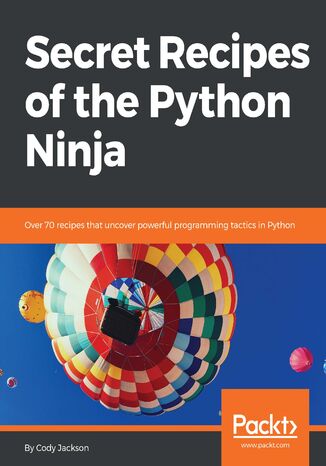
This book starts by explaining how Python fits into an application's architecture. As you move along, you will get to grips with architecturally significant demands and how to determine them. Later, you’ll gain a complete understanding of the different architectural quality requirements for building a product that satisfies business needs, such as maintainability/reusability, testability, scalability, performance, usability, and security.You will also use various techniques such as incorporating DevOps, continuous integration, and more to make your application robust. You will discover when and when not to use object orientation in your applications, and design scalable applications.The focus is on building the business logic based on the business process documentation, and understanding which frameworks to use and when to use them. The book also covers some important patterns that should be taken into account while solving design problems, as well as those in relatively new domains such as the Cloud.By the end of this book, you will have understood the ins and outs of Python so that you can make critical design decisions that not just live up to but also surpassyour clients’ expectations.
René Enríquez, Alberto Salazar
Spring 5 and its ecosystem can be used to build robust architectures effectively. Software architecture is the underlying piece that helps us accomplish our business goals whilst supporting the features that a product demands. This book explains in detail how to choose the right architecture and apply best practices during your software development cycle to avoid technical debt and support every business requirement. Choosing the right architecture model to support your business requirements is one of the key decisions you need to take when a new product is being created from scratch or is being refactored to support new business demands. This book gives you insights into the most common architectural models and guides you when and where they can be used. During this journey, you’ll see cutting-edge technologies surrounding the Spring products, and understand how to use agile techniques such as DevOps and continuous delivery to take your software to production effectively. By the end of this book, you’ll not only know the ins and outs of Spring, but also be able to make critical design decisions that surpass your clients’ expectations.
Wanderson Xesquevixos
Keep up with the fast-paced tech landscape with Software Architecture with Spring, your practical guide to making strategic architectural decisions that align seamlessly with your business objectives.Drawing from Wanderson's decades of experience, you'll journey through the complete software development lifecycle—from initial requirements gathering, through development and testing, to production deployment. You'll get hands-on with the evolution of an auction system, exploring its transformation through multiple architectural styles. You’ll discover how you can effectively transform a monolithic system into microservices using proven patterns and practices.As you progress, you’ll master advanced architectural paradigms such as Event-Driven Architecture, Filter-and-Pipeline Architecture, and Serverless Architecture.
Software Craftsman. Profesjonalizm, czysty kod i techniczna perfekcja
Sandro Mancuso
Coraz więcej mówi się o dobrych praktykach programistycznych, a mimo to wciąż zdarzają się przypadki wydania nieudanego produktu. Istnieje wiele przyczyn tego stanu rzeczy, np. postrzeganie procesu tworzenia oprogramowania jako linii produkcyjnej, brak właściwego zarządzania projektami, a także brak wypracowanych metod rekrutacji specjalistów i kierowania zespołem. Rozwój metodyk zwinnego programowania poprawił sytuację, lecz problem niskiej jakości samych projektów nie zniknął. Książka ta proponuje czysto rzemieślnicze podejście do pracy programisty. Idea ta, znana jako software craftsmanship, zakłada kompletną zmianę sposobu myślenia o programowaniu. Priorytetami stają się tu profesjonalizm, techniczna perfekcja i zadowolenie klienta, a osiąga się to, stosując pewne praktyki programistyczne, które zaczerpnięto m.in. z metodyk programowania ekstremalnego, zwinnego i odchudzonego. Autor, który jest współzałożycielem największej organizacji deweloperów-rzemieślników, dzieli się swoją wiedzą i doświadczeniem poprzez inspirujące przykłady i praktyczne rady. Okazuje się, że dzięki tej postawie zespół może osiągnąć najwyższy poziom technicznej doskonałości tworzonych projektów. Jest to książka o peofesjonalizmie programowania. Nie tylko o profesjonalizmie programisty, ale również o całej organizacji tworzenia oprogramowania Jest to książka o mistrzostwie w programowaniu. Na jej stronach autor przedstawia plan, srategię, podejścia i reguły, które mogą pomóc każdemu programiście, każdemu zespołowi programistów i każdej organizacji wytwarzającej oprogramowanie w wyrwaniu się z grzęzawiska mierności i we wkroczeniu na ścieżkę profesjonalizmu, jak również w zapewnieniu większej wydajności oraz poczucia dumy z tego, co się robi. / ze wstępu, Robert C. Martin Z książki dowiesz się: w jaki sposób podejście rzemieślnicze zwiększa jakość tworzonego oprogramowania i obsługi klientów, kiedy i jak mówić klientowi nie oraz jak proponować rozwiązania zastępcze, dlaczego dobrym deweloperom zdarza się pisać zły kod i jak można temu zapobiegać, jak być pragmatykiem — a nie dogmatykiem — w kwestii stosowania praktyk i narzędzi, w jaki sposób zatrudniać deweloperów-rzemieślników, jak nimi kierować, jak zaszczepić w zespole prawdziwy kult uczenia się, jak wprowadzać zmiany techniczne. Programuj profesjonalnie — liczą się pragmatyzm, perfekcja i cel! Sandro Mancuso programuje od dziecka. Pracował w wielu różnych firmach, również w korporacjach międzynarodowych i bankach inwestycyjnych. Jest zwolennikiem idei programowania mistrzowskiego i ekstremalnego. W październiku 2013 roku został współzałożycielem firmy konsultingowej o nazwie Codurance, w której za podstawę działania przyjęto zasady i wartości software craftsmanship. Mancuso jako cel zawodowy przyjął sobie podnoszenie jakości branży informatycznej przez pomaganie deweloperom w doskonaleniu rzemiosła programistycznego. Często bierze udział w konferencjach informatycznych w różnych miejscach świata.
Simon Amey
Software Test Design details best practices for testing software applications and writing comprehensive test plans. Written by an expert with over twenty years of experience in the high-tech industry, this guide will provide you with training and practical examples to improve your testing skills.Thorough testing requires a thorough understanding of the functionality under test, informed by exploratory testing and described by a detailed functional specification. This book is divided into three sections, the first of which will describe how best to complete those tasks to start testing from a solid foundation.Armed with the feature specification, functional testing verifies the visible behavior of features by identifying equivalence partitions, boundary values, and other key test conditions. This section explores techniques such as black- and white-box testing, trying error cases, finding security weaknesses, improving the user experience, and how to maintain your product in the long term.The final section describes how best to test the limits of your application. How does it behave under failure conditions and can it recover? What is the maximum load it can sustain? And how does it respond when overloaded?By the end of this book, you will know how to write detailed test plans to improve the quality of your software applications.