
Видавець: 16
Tao Te Ching. Księga Drogi i Cnoty
Laotse Laozi
Wprowadzenie tłumacza: Laotse (Laozi) urodził się w Chinach, w 604 r. przed Chrystusem. Kiedy umarł, nie wiadomo. Legenda mówi o nim, że przyszedł na świat, już mając lat 72, a przeżył lat 300. Podług innej wersji, Laotse nie umarł i nie umrze, bo wiedzą swoją zdobył nieśmiertelność. Filozoficzno-religijna osnowa tej wiedzy zawarta w trzech niedużych rozprawach: 1) Tao Księga drogi, 2) Te Księga cnoty albo prawości i 3) Kan-ing, czyli Księga sankcji. Dwie pierwsze są napisane, trzecia stanowi tradycję ustną i polega na kategoryzacji czynów ludzkich na dodatnie i ujemne, oraz na określeniu ich wzajemnego na siebie oddziaływania. Tao, wyraz pokrewny greckiemu teos lub łacińskiemu deus, charakteryzuje sam Laotse w taki sposób: Istnieje powiada on jakieś najwyższe JEST, które zapłodniło niebyt i które z otchłani możliwości pierwotnej wyłoniło pierwiastki bytu, a później stworzyło z nich wszystkie istoty i ciała. Nie mam dla tego najwyższego JEST nazwy. Dam Mu imię, którem wyrażam Jego najistotniejszą własność (twórczą) TAO (czyli Droga). W strofach niniejszych starałem się nie o dosłowność przekładową, ile raczej o oddanie myśli przewodniej tego mędrca wielkiego Wschodu.
Tao zdrowia, seksu i długowieczności
Daniel Reid
Tao zdrowia, seksu i długowieczności to wszechstronny poradnik harmonijnego i pozytywnego stylu życia, będący jednocześnie dobrym wstępem do samego taoizmu. Autor w przystępny sposób przedstawia system reguł dotyczących zdrowego życia rozwijany od ponad pięciu tysięcy lat. W części Tao zdrowia można znaleźć wskazówki na temat doboru produktów żywnościowych, ich odpowiedniego łączenia, odtruwania organizmu oraz szczegółowe opisy ćwiczeń oddechowych i chińskich technik gimnastycznych służących harmonii umysłu i ciała. Część Tao seksu i długowieczności jest poradnikiem niezwykłym, tak jak niezwykłe dla człowieka Zachodu jest chińskie podejście do seksu i w ogóle ludzkiej kondycji. Człowiek widziany oczami taoisty jest elementem wszechświata i działających w nim sił, co więcej jest tegoż świata i tychże sił odzwierciedleniem, małym kosmosem. Seks zatem to nie tylko przyjemność czy obowiązek to tygiel wewnętrznej alchemii, w którym warzą się kosmiczne siły wykorzystywane przez adeptów tao do osiągnięcia długowieczności.
Jonathan Herman
Poznaj źródło filozofii i religii taoistycznej Rozeznaj się w interpretacjach współczesnego taoizmu Zdobądź wiedzę o praktykach i zwyczajach taoistycznych Przewodnik po bogatej historii i współczesnych praktykach taoizmu Bez względu na to, czy jesteś studentem religioznawstwa, czy po prostu interesuje Cię taoizm, w tej zabawnej i przystępnie napisanej książce znajdziesz uniwersalną wiedzę na temat podstawowych idei taoizmu, korzeni tej religii i jej licznych interpretacji, a także wyczerpujące wyjaśnienie, co to znaczy być taoistą. W książce: Podstawy i początki taoizmu Taoistyczne podejście do życia Nurty taoizmu we współczesnych Chinach i na Zachodzie Znaczenie taoistycznej koncepcji, by robić wszystko, nie robiąc nic

Alexander Kolesnikov
This book is for those who want to build sophisticated Java web applications quickly and easily. It assumes that the reader is reasonably comfortable with the Java programming language, but no knowledge of web technologies is needed. For experienced Servlet, JSP, or Struts developers, the book will show an alternative way that will allow them to raise their productivity to an incomparable level. With this book you will see that a contemporary component-based framework can be easy to learn and a pleasure to work with.
Zane Grey
You have brought me happiness, said Tappan, to a small gray storm circling around his mother. Your name is Janet. You are Bopo Tappana, I think he will stick to you, from the book, Intelligence was a lonely business for Tappan, but his drum Jenet was a good company. She knew the dots and the water wells better. Thappan, from the burning heat and poisonous atmosphere of the Death Valley to the blind blizzards of the Arizona Mountains. Janet traced with him the faithful, the only friend, and he turned her loyalty to the ultimate, supreme effort of heart, will and spirit.

F. Scott Fitzgerald
Taps at Reveille (1935) is a collection of 18 short stories by F. Scott Fitzgerald, published in 1935 and dedicated to Fitzgeralds agent Harold Ober. It was the fourth and final collection of short stories Fitzgerald published in his lifetime. It brings together several of his best stories from the late 1920s and early 1930s, including Crazy Sunday, and Babylon Revisited, a story considered by many to be his masterpiece in the genre.
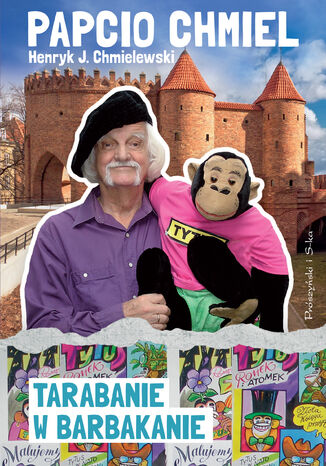
Henryk Chmielewski
Autobiografia Papcia Chmiela, twórcy komiksowej serii przygód Tytusa, Romka i ATomka. Papcio Chmiel nareszcie dowcipnie i ironicznie o sobie samym. Autobiochichichiczne rewelacje jak sam określa je autor to odmalowana na tle życia przedwojennej i wojennej Warszawy opowieść o dzieciństwie i młodości nestora polskiego komiksu. Na kolejnych księgach przygód Tytusa, Romka i ATomka wychowują się już następne pokolenia. Ale dopiero teraz Henryk Chmielewski opowie o długiej i krętej drodze do kariery rysownika. W końcu o mało nie zostałby elektrykiem! Jak sam mówi: Cud, że się tak nie stało. Do prezydenta od elektryka krótka droga pomyka. Henryk Jerzy Chmielewski to najpopularniejszy autor komiksów w Polsce, grafik, rysownik i publicysta, nestor i mistrz polskich twórców komiksów. Urodził się 7 czerwca 1923 roku w Warszawie. Był uczestnikiem Powstania Warszawskiego (ps. powstańczy Jupiter). Karierę graficzną rozpoczął w 1947 roku jako rysownik w Świecie Przygód, a następnie w Świecie Młodych. Największą popularność przyniosła mu ukazująca się od 1957 roku seria komiksów Tytus, Romek i A'Tomek, która wyznaczyła poziom komiksowej narracji, warsztatu i humoru w twórczości dla młodszych czytelników. W 2012 roku Tytus obchodził 55. urodziny! Henryk Jerzy Chmielewski był wielokrotnie nagradzany za wybitne zasługi dla niepodległości Rzeczypospolitej Polskiej oraz za osiągnięcia w działalności na rzecz rozwoju polskiej kultury; został odznaczony m.in. Warszawskim Krzyżem Powstańczym, Złotym Medalem Zasłużony Kulturze Gloria Artis (2007), Krzyżem Komandorskim Orderu Odrodzenia Polski (w 2009 roku podczas uroczystości z okazji 65. rocznicy wybuchu Powstania Warszawskiego). Jest Kawalerem Orderu Uśmiechu. Nadal mieszka i pracuje w Warszawie. Czytelnicy, którzy wychowali się na jego twórczości, z nostalgią witają dzisiaj wznowienia znanych książeczek, kupują je swoim dzieciom i niecierpliwie czekają na nowe przygody ulubionych bohaterów dzieciństwa. Mimo swojego wieku jest on nadal aktywnym twórcą. W 2009 roku Henryk Chmielewski opublikował album historyczny o przygodach Tytusa, Romka i A'Tomka pt. Tytus, Romek i A'Tomek jako warszawscy Powstańcy 1944, z wyobraźni Papcia Chmiela narysowani. Dziś ma już na swoim koncie pięć takich projektów wydawniczych i właśnie pracuje nad kolejnym.

Joanna Olech
Witkowice senna miejscowość, lato i grupa dzieciaków, które biorą udział w fascynującym śledztwie. Szukają autentycznego skarbu kolekcji jaj Fabergé. Intryga zaczyna się od podmiany widokówek w miejscowym muzeum i rozwija się w aferę sięgającą czasów cara Mikołaja. Ta sprawa połączy Karola, rudego wrażliwca-informatyka, Tarantulę sprytną i inteligentną fankę gotyku, Bellę witkowicką piękność o nadzwyczajnej pamięci, Mietka chłopaka z przeszłością i Herkulesa, psa, który swoje imię zawdzięcza bohaterowi powieści Agaty Christie Herkulesowi Poirot. Podczas poszukiwań wpadają w naprawdę poważne tarapaty, które uczynią to lato najlepszym z możliwych.

Nikolai Vasilievich Gogol
The book describes the events that took place in the first half of the 17th century, when the Zaporizhzhya Cossacks defended their rights. Taras Bulba is a grown man, a Cossack colonel meets his sons. She finished her studies and returned home, her mother is glad of their arrival, Taras makes fun of them and rejoices at how strong sons he grew up with. However, Taras wants his children to know what struggle, courage and honor are. And he decides to send them to the Zaporizhzhya Sich, so that they can see with their own eyes the war and feel it on themselves. He rides with them. There, his sons learn about the life of the Cossacks, about war, patriotism, fidelity. But only everyone is true to their ideals, and they choose different paths.
Bolesław Leśmian
Bolesław Leśmian Poematy zazdrosne Tarcza Prócz mnie nie będziesz miał oblubienicy, Prócz mnie nie ujmiesz innego zwierciadła, Byś w niem się własnej odeśnił źrenicy, Do mosiężnego podobien widziadła! Żadne ci dziewczę różanem brzemieniem Kruchego ciała ramion nie obarczy, Ni warg znikomem nie skala imieniem, Rycerzu! wiernym pozostań swej tarczy! Ja ci przechowam, odbite w mem łonie, Doliny, góry, jeziora, niebiosy, Ja wrażych mieczów pogróżki i ciosy W śpiżowe... Bolesław Leśmian Ur. 22 stycznia 1878 r. w Warszawie Zm. 7 listopada 1937 r. w Warszawie Najważniejsze dzieła: zbiory wierszy: Sad rozstajny (1912), Łąka (1920), Napój cienisty (1936), Dziejba leśna (1938); zbiory baśni prozą: Klechdy sezamowe (1913), Przygody Sindbada Żeglarza (1913) i Klechdy polskie Wybitny polski poeta, eseista, prozaik i tłumacz tworzący w Młodej Polsce i dwudziestoleciu międzywojennym. Pochodził ze spolszczonej inteligenckiej rodziny Lesmanów. Spokrewniony z A. Langem i J. Brzechwą. Ukończył studia prawnicze w Kijowie. Współtworzył Chimerę i Teatr Artystyczny w Warszawie. Jego poezję cechował symbolizm, sensualizm, mistycyzm, spirytyzm, zainteresowanie paranormalnością, postulowanie powrotu do natury (poeta jako człowiek pierwotny), poszukiwanie miejsca Boga w świecie, ale i egzystencjalne spory ze stwórcą. Nawiązywał do ludowości (tworząc neologizmy oraz własne mity i postaci), stylistycznie do baroku i romantyzmu, ideowo do filozofii Nietzschego i Bergsona. Mistrz wiersza sylabotonicznego. W 1933 r. został członkiem Polskiej Akademii Literatury. autor: Alicja Szulkowska Kupując książkę wspierasz fundację Nowoczesna Polska, która propaguje ideę wolnej kultury. Wolne Lektury to biblioteka internetowa, rozwijana pod patronatem Ministerstwa Edukacji Narodowej. W jej zbiorach znajduje się kilka tysięcy utworów, w tym wiele lektur szkolnych zalecanych do użytku przez MEN, które trafiły już do domeny publicznej. Wszystkie dzieła są odpowiednio opracowane - opatrzone przypisami oraz motywami.
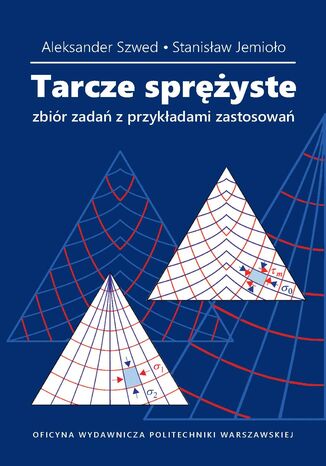
Tarcze sprężyste. Zbiór zadań z przykładami zastosowań
Aleksander Szwed, Stanisław Jemioło
Tematem podręcznika są liniowo sprężyste tarcze izotropowe i anizotropowe. Rozpatrywane są tarcze w płaskim stanie odkształcenia i w płaskim stanie naprężenia. Omówiono podstawowe sformułowania zagadnień brzegowych tarcz i metody ich rozwiązywania. W szczególności przedstawiono metodę półodwrotną Saint-Venanta i efektywną metodę funkcji naprężeń Airy'ego. Sformułowania konkretnych zadań i ich rozwiązania prowadzone są we współrzędnych kartezjańskich lub biegunowych. Zamieszczono liczne przykłady rozwiązań zadań, częstokroć z podaniem wyników w formie graficznej z ich interpretacją i dyskusją. Wskazano również sposoby wykorzystania niektórych rozwiązań w projektowaniu elementów konstrukcyjnych i badaniach doświadczalnych mechanicznych właściwości materiałów oraz omówiono możliwości potencjalnego zastosowania m.in. w budownictwie. Zastosowano program do obliczeń symbolicznych i numerycznych Mathematica. Podręcznik jest przeznaczony dla studentów wyższych uczelni technicznych kształcących się na kierunku budownictwo, pracowników naukowych, a także może być przydatny dla inżynierów projektantów. Opracowanie dotyczy zagadnień, które są realizowane głównie na pierwszym semestrze kursu Teorii Sprężystości i Plastyczności na studiach II stopnia Wydziału Inżynierii Lądowej Politechniki Warszawskiej. Należy zaznaczyć, że materiał zawarty w podręczniku może być wykorzystywany także przez studentów innych uczelni oraz na innych przedmiotach, np. na mechanice gruntów i fundamentowaniu, mechanice nawierzchni komunikacyjnych, projektowaniu konstrukcji drewnianych, stalowych, betonowych i zespolonych oraz przy badaniu projektowanych materiałów konstrukcyjnych. Ukierunkowanie na zagadnienia związane z budownictwem nie przekreśla ogólności podręcznika, który może być wykorzystywany na innych kierunkach studiów i Wydziałach PW, np. Mechanicznym oraz Inżynierii Materiałowej, jako literatura uzupełniająca.
Andrzej Szromnik, Jacek Bazarnik, Adam Figiel, Iryna...
Strategia marketingowa organizacji pomijająca jej uczestnictwo w targach jest strategią ułomną. Pozbawiona jest bowiem podstawowego środka komunikowania się środowiska branżowego, a także strategicznego źródła informacji o partnerach, sprzymierzeńcach, konkurentach, a nawet potencjalnych przeciwnikach. Niniejsza praca ma w zamierzeniu jej Autorów nie tylko przybliżyć idee, cele i koncepcje przedsięwzięć targowych, ale głównie dostarczyć informacji niezbędnych do oceny szans sukcesu przedsiębiorstwa na targach. Książka składa się z dwóch części. Część pierwsza, teoretyczno-opisowa, oparta jest na publikacjach krajowych i zagranicznych na temat targów. Zawiera ona uporządkowany przegląd poglądów dotyczących ich istoty, funkcji i typów. Szczególną uwagę poświęcono charakterystyce uczestników rynku targowego oraz długofalowym kierunkom przemian tego rynku. Zaproponowano system mierników wielkości oraz rangi targów w skali mikro-, mezo- i makroekonomicznej. Druga część monografii zawiera unikatową analizę rzeczywistych struktur polskiego rynku targowego, analizę koncentracji tego rynku oraz hierarchię miejskich ośrodków targowych. Opracowanie jest efektem zainteresowań pracowników Katedry Handlu i Instytucji Rynkowych Uniwersytetu Ekonomicznego w Krakowie, w szczególności dwuletnich studiów oraz analiz w ramach programu badań statutowych UEK.
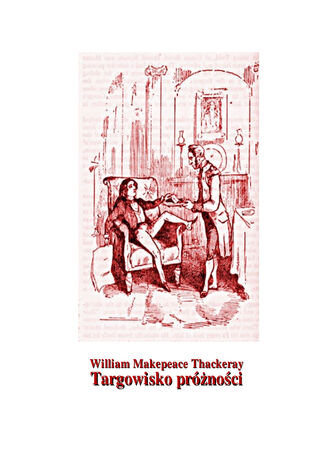
William Makepeace Thackeray
Targowisko próżności: powieść bez bohatera (ang. Vanity Fair: A Novel without a Hero) powieść Williama Makepeace Thackeraya, wydana w 1847. Powieść jest satyrą angielskiego społeczeństwa początku XIX wieku. Była wielokrotnie ekranizowana. Pierwszym wydaniom towarzyszyły ilustracje autora. Oryginalny tytuł Vanity Fair autor zaczerpnął z alegorycznej opowieści Johna Bunyana Wędrówka Pielgrzyma z 1678 roku. Sam Thackeray w swojej powieści napisał: Atoli weźmy pod uwagę, że nasza powieść nosi tytuł Targowisko próżności, a targowisko próżności to bardzo podejrzany rynek, pełen fałszu, obłudy, kłamstwa i szacunku dla pozorów. Moralista, który widnieje na okładce (wierna podobizna twojego uniżonego sługi, szanowny czytelniku), nie nosi kapłańskiej togi, lecz strój właściwy osobom swojego stanu. Atoli człowiek powinien mówić prawdę taką, jaka jest mu wiadoma, bez względu na fakt, czy głowę mu okrywa czapka z dzwoneczkami, czy szerokoskrzydły pastorski kapelusz, a takie przedsięwzięcie stwarza konieczność niepomijania wielu spraw przykrych. (Za Wikipedią).

William Makepeace Thackeray
Satyra na społeczeństwo angielskie z początku XIX wieku. Panny Amelia Sedley i Rebecca (Becky) Sharp opuszczają właśnie pensję dla dziewcząt i wkraczają w świat dorosłych. Koleżanki są swoim przeciwieństwem. Pierwsza pochodzi z dobrze usytuowanej rodziny, jest łatwowierna, oddana i wrażliwa. Druga nie ma żadnego wsparcia rodzinnego, ale jest ogromnie zdeterminowana, by za sprawą intryg i oszustw zająć wysokie miejsce w hierarchii społecznej. W 2004 r. na motywach książki zrealizowano film "Vanity Fair. Targowisko próżności" z Reese Witherspoon w roli głównej.

William Makepeace Thackeray
Satyra na społeczeństwo angielskie z początku XIX wieku. Piękna Rebecca, pomimo swojej mizernej sytuacji rodzinnej, pnie się po szczeblach hierarchii społecznej. Dziewczyna jest niezwykle przebiegła i zdeterminowana, by osiągnąć finansową i środowiskową stabilność. Inaczej niż jej przyjaciółka Amelia, którą targają porywy serca wobec pewnego szorstkiego w obyciu wojskowego. Obie młode kobiety próbują poradzić sobie w świecie pozorów i chwiejnych wartości. Dla której przyszłość okaże się łaskawsza? W 2004 r. na motywach książki zrealizowano film "Vanity Fair. Targowisko próżności" z Reese Witherspoon w roli głównej.
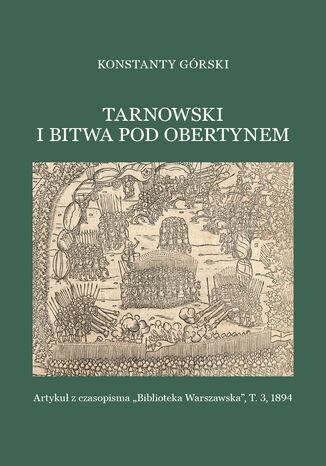
Tarnowski i bitwa pod Obertynem
Konstanty Górski
Tarnowski i bitwa pod Obertynem to rozprawa jednego z najwybitniejszych historyków wojskowości, Konstantego Górskiego (1826-1898), poświęcona postaci hetmana wielkiego koronnego Jana Tarnowskiego (1488-1561) i jego zwycięstwa nad hospodarem mołdawskim Piotrem Rareem (Petryłą) w bitwie pod Obertynem 22 sierpnia 1531 roku. Autor w pierwszej części przedstawia życiorys Tarnowskiego i wydarzenia, które wpłynęły na jego umiejętności dowódcze, a w drugiej części analizuje przebieg bitwy z punktu widzenia hetmana jego analizy sytuacji i podejmowanych decyzji taktycznych. Niniejsze wydanie zostało uzupełnione o plan bitwy pod Obertynem.
Jakub Rutka
Każda karta to znak. Tarot nie kłamie. Brutalne morderstwo młodej kobiety wstrząsa Ostrołęką. Za zaszytymi ustami ofiary śledczy znajdują kartę kapłanki. To dopiero początek serii krwawych zbrodni, w której śmierć przemawia językiem tarota. Przenikliwy krzyk słuchaczki podczas audycji Wieczór grozy popchnie lokalnego podcastera, Jacka Gadowskiego, do podjęcia dziennikarskiego śledztwa. Talia kart opowie mu o tajemnicach mieszkańców Ostrołęki i mrocznych wydarzeniach z przeszłości. Czy uda mu się odkryć tożsamość seryjnego mordercy zwanego Tarocistą? Co, jeżeli pewnego dnia również nad Jackiem zawiśnie karta śmierci? JAKUB RUTKA lektor, dziennikarz, podcaster, od urodzenia związany z Ostrołęką. Założyciel MysteryTV popularnego kanału, na którym przedstawia tysiącom słuchaczy mrożące krew w żyłach opowiadania o makabrycznych zbrodniach i zjawiskach paranormalnych. Gdy nie opowiada mrocznych historii, użycza głosu do wielu filmów, seriali oraz reklam telewizyjnych i radiowych. Można go także zobaczyć na Instagramie i TikToku, gdzie pokazuje swoją bardziej komediową stronę.
Tarocista. Podcaster Jacek Gadowski.Tom 2
Jakub Rutka
Każda karta to znak. Tarot nie kłamie. Brutalne morderstwo młodej kobiety wstrząsa Ostrołęką. Za zaszytymi ustami ofiary śledczy znajdują kartę kapłanki. To dopiero początek serii krwawych zbrodni, w której śmierć przemawia językiem tarota. Przenikliwy krzyk słuchaczki podczas audycji Wieczór grozy popchnie lokalnego podcastera, Jacka Gadowskiego, do podjęcia dziennikarskiego śledztwa. Talia kart opowie mu o tajemnicach mieszkańców Ostrołęki i mrocznych wydarzeniach z przeszłości. Czy uda mu się odkryć tożsamość seryjnego mordercy zwanego Tarocistą? Co, jeżeli pewnego dnia również nad Jackiem zawiśnie karta śmierci?
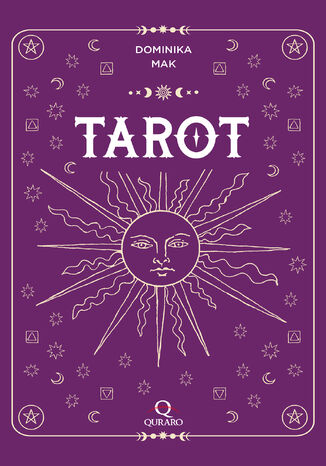
Dominika Mak
Zanurz się bez reszty w tajemniczy świat tarota, aby poznać siebie Pozwól, aby te karty stały się dla ciebie źródłem mądrości i narzędziem prowadzącym do transformacji osobistej. Niech magia tarota okaże się kluczem do podejmowania ważnych decyzji, wspierania rodziny, przyjaciół i klientów. Tarot to harmonijne połączenie tradycyjnych interpretacji kart z głęboką mądrością Carla Gustava Junga, owoc wyjątkowego podejścia autorki do tarota wykraczający poza tradycyjne techniki dywinacyjne. Autorka z niezwykłą pasją dzieli się swoim bogatym doświadczeniem, pokazując, jak tarot może stać się potężnym narzędziem rozwoju osobistego. Krok po kroku prowadzi cię od podstawowych informacji dotyczących wyboru talii aż po szczegółową interpretację każdej karty. Dzięki tej książce odkryjesz, że tarot może ci pomóc lepiej poznać siebie i skierować twoje życie na nowe tory. Czerp z niej inspirację i pozwól, aby tarot stał się twoim przewodnikiem na drodze do samorealizacji i podejmowania świadomych, prowadzących do sukcesu decyzji. Dominika Mak - od ponad dwóch dekad jest zakochana w kartach. Tarot jest dla niej wsparciem nie tylko w relacjach z klientami, rodziną i przyjaciółmi, lecz także w podejmowaniu najważniejszych decyzji życiowych i zawodowych. Nie traktuje go jedynie jako narzędzia do dywinacji, ale jako klucz do odkrywania siebie. Miłość autorki do tarota dorównuje jej pasji do książek, szczególnie dzieł Carla Gustava Junga. Jako profesjonalna coachka łączy swoje umiejętności i doświadczenie, by pokazać innym, że tarot może stać się potężnym narzędziem transformacji osobistej, pod warunkiem że połączymy go z prawdziwą chęcią zmiany. Patronat medialny: www.e-wenus.pl
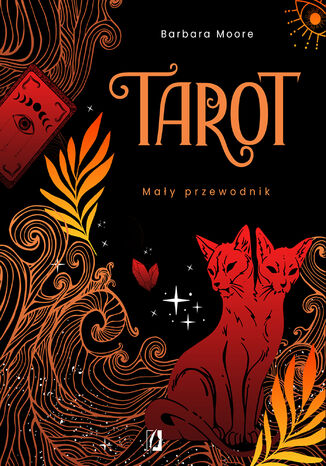
Barbara Moore
Ekspertka od tarota, twórczyni kilku talii kart oraz autorka wielu poradników na ten temat, Barbara Moore, przedstawia dokładną interpretację całej talii tarota i wyjaśnia jej najważniejsze elementy. Krok po kroku tłumaczy, jak odczytywać to, co mówią nam karty, aby móc przekonać się o ich niezwykłej mocy. Dzięki tej książce: poznasz tajniki tarota, zagłębisz się we własne wnętrze i lepiej zrozumiesz otaczający świat; odkryjesz imponującą kolekcję ćwiczeń, wskazówek i podpowiedzi, które pozwolą ci poruszać się po rozkładach tarota we własnym tempie; wzbogacisz swoje życie i zdobędziesz niezbędne podstawy do stworzenia udanej praktyki wróżenia; zagłębisz się w techniki wróżenia poza kartami, takie jak bibliomancja, medytacja i inne.
Maironis
Tarp skausmu i garbęPoema iš dabartiniu laiku Pratarme Išleisdamas i žmones savo mylimiausią kudiki, kam gi ji pašvęsiu? Musu garbingoji diduomene jo nesuprastu; seniai išvariusi iš salionu savo tevynes liežuvi, moka jo tik tiek, kad su tarnais susišneketu; ant galo neturi kada jo gerai ir išsimokinti, padejusi nemaž laiko ant prancuziškos, vokiškos ir kitu kalbu. Gal nekurie ir pagirs teorijoje mano gerus norus, bet daugiaus iš ju reikalauti, rodos, butu dar par anksti. Neskaitys mano poemos ir ukininkai -- vargdieniai; ne del ju rašiau; reikia dar jiems apšvietimo, kad galetu ją suprasti. Visa mano viltis tai moksliškai apšviesta jaunuomene; jinai supras mano norus, atras čia sau peną ir pažadinimą tolesniam darbui; mano idejos nepasirodys jai nepasiekiamos ir negalimos; nepažindama nusiminimo, jinai stos drąsiai i karionę su sunkiomis ir skaudžiomis musu aplinkybemis, tarp skausmu-vargu atras kelią i garbę, jai priguli musu ateiga, del jos tai ir pašvęsiu savo pirmąją poemą. [...] Maironis Ur. 21 października 1862 r. we dworze Pasandrawis, pow. Jezioroski. Zm. 28 czerwca 1932 w Kownie Najważniejsze dzieła: Pavasario balsai (Głosy wiosny), poematy: Jaunoji Lietuva (Młoda Litwa), Tarp skausm? ? garbę (Przez ciernie ku chwale), Nuo Birut?s kalno (Znad Biruty), M?s? vargai (Nasze biedy), libretta: Kame išganymas (W czym zbawienie), Nelaimingos Dangut?s vestuv?s (Nieszczęśliwe wesele Dangut?). Właśc. Jonas Mačiulis-Maironis. Ksiądz, profesor, litewski poeta romantyzmu. Pisarz pochodził z rodziny wolnych chłopów. Jego ojciec, mimo iż słabo piśmienny, był niezwykle inicjatywnym człowiekiem. Początkowo poeta naukę pobierał w domu, tutaj też się nauczył jęz. polskiego. Po ukończeniu gimnazjum w Kownie w 1883 r. J. Mačiulis studiował literaturoznawstwo na Wydziale Historyczno-Filologicznym Uniwersytetu Kijowskiego. Po roku z woli ojca wstąpił do Seminarium Duchownego w Kownie, po ukończeniu którego pomyślnie kontynuował naukę na Akademii Duchownej w Petersburgu. Przez całe swe życie J. Mačiulis prowadził nadzwyczaj aktywną działalność naukową: zdobywszy stopień doktora, a następnie profesora, wykładał na Akademii Duchownej w Petersburgu, w Seminarium Duchownym w Kownie, w latach 1909-1932 ? pełnił obowiązki rektora seminarium. W 1932 r. zdobył tytuł Doktora Honorowego Uniwersytetu Witolda Wielkiego w Kownie. Kupując książkę wspierasz fundację Nowoczesna Polska, która propaguje ideę wolnej kultury. Wolne Lektury to biblioteka internetowa, rozwijana pod patronatem Ministerstwa Edukacji Narodowej. W jej zbiorach znajduje się kilka tysięcy utworów, w tym wiele lektur szkolnych zalecanych do użytku przez MEN, które trafiły już do domeny publicznej. Wszystkie dzieła są odpowiednio opracowane - opatrzone przypisami oraz motywami.
Alphonse Daudet
Prowansalskie miasto Tarascon jest tak entuzjastycznie nastawione do polowań, że w pobliżu nie ma żadnej zwierzyny, a jego mieszkańcy uciekają się do opowiadania historii myśliwskich i rzucania w powietrze własnymi czapkami. Tartarin, pulchny mężczyzna w średnim wieku, jest głównym łowcą czapek, ale po jego entuzjastycznej reakcji na widok lwa atlaskiego w podróżującej menażerii, nadpobudliwe miasto rozumie, że planuje wyprawę myśliwską do Algierii. Aby nie stracić twarzy, Tartarin jest zmuszony wyjechać po zgromadzeniu absurdalnej masy sprzętu i broni. Na statku z Marsylii do Algieru spotyka się z oszustem udającym czarnoksiężnika z Czarnogóry... a co było dalej będzie można dowiedzieć po przeczytaniu całej książki. Zachęcamy!

Joanna Piotrowska
Mistyczna opowieść o chłopcu pod opieką Wężowej Bogini. Taru Khan, młody, bezdomny włóczęga, żyje na Wyspie Skarbów - wysypisku śmieci w Bombaju, które dla wielu stało się domem. Chłopiec, nie zna swojego pochodzenia ani prawdziwego imienia, a każdy dzień jest dla niego walką o przetrwanie. Jednak nawet w tak surowych warunkach, Taru Khan znajduje ukojenie w cichych godzinach nocy, kiedy zanurza się w świecie niezwykłych snów. Pewnego dnia, chłopiec odkrywa porzucony album, z jednym, zapomnianym zdjęciem budynku, który budzi w nim echo wspomnień. Ta nieuchwytna, ale potężna siła przyciąga go do tego domu. Czy to jest miejsce, do którego należy? Pod opieką tajemniczej Wężowej Bogini, Taru Khan podejmuje decyzję o ryzykownej wyprawie, podczas której stawia czoła nieznanym wyzwaniom i niebezpieczeństwom. Czy uda mu się dotrzeć do celu? Czy odzyska stracone wspomnienia? Joanna Piotrowska z zawodu jest lekarzem psychiatrą, mieszka w Szczecinie. Jest zafascynowana pięknem przyrody i innymi kulturami, a tę fascynację chce przekazać czytelnikowi. Jej historie to książki z przesłaniem, które dotyczą problemów współczesnego świata. Poprzez swoje opowieści chce poruszać serca, uwrażliwiać i zwracać uwagę na krzywdę zwierząt.
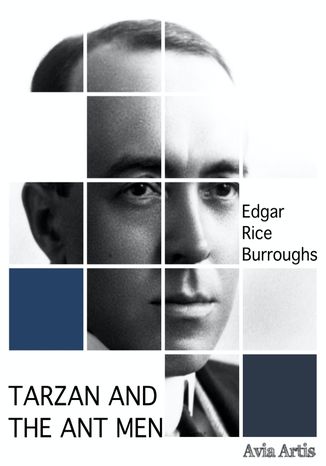
Edgar Rice Burroughs
“Tarzan and the Ant Men“ is a novel by Edgar Rice Burroughs, an American fiction writer, who created such great characters as Tarzan and John Carter of Mars. This is the tenth novel in a series of twenty-four books about the title character Tarzan. The story follows Tarzan's adventures, from his childhood being raised by apes in the jungle to his eventual encounters with other humans and Western society.