
Wydawca: 16
Katarzyna Jura
Książka dla każdego, kto chce zdrowo się odżywiać, unikać szkodliwej żywności i cieszyć się zgrabną sylwetką. Zamiast liczyć kalorie i starać się zmieścić w odpowiednim przedziale BMI - autorka książki pokazuje, że wystarczy zmienić przyzwyczajenia żywieniowe i dostarczać organizmowi wartościowych składników, a wtedy waga dojdzie do optymalnego poziomu. Autorka w prosty sposób przedstawia, co jeść, aby schudnąć i utrzymać linię, czego unikać w swoim menu, jak skutecznie ćwiczyć i jak zastąpić cukier zdrowymi zamiennikami. Odchudzanie potrafi być prawdziwym koszmarem- w dodatku rzadko kiedy działa, a zatem jeśli chcesz być szczęśliwa i zdrowa ciesz się nowym stylem życia, nowymi produktami, zapachami, smakami, po prostu ciesz się jedzeniem, życiem i zapomnij raz na zawsze o odchudzaniu - radzi autorka.
Jak mieć zgrabną sylwetkę? Przepisy
Katarzyna Jura
W tej książce znajdziesz całe mnóstwo wspaniałych, oryginalnych posiłków na śniadanie, obiady i kolacje (ponad 120 przepisów). Wyszukane, wymuskane przez autorkę przepisy będą dla Ciebie świetną podróżą do głębi różnorodności smaków. Autorka udowodniła że zdrowe jedzenie nie jest ani nudne, ani drogie, a na pewno nie czasochłonne. Książka wzbogacona jest również o przepisy na pyszne koktajle oraz zdrowe „małe co nie co”, czyli słodycze. Książka obfituje również w przepisy na domowe chleby, które są niezwykle proste w wykonaniu. Naprawdę warto mieć tą pozycję, by zainspirować się i wykorzystać nowe pomysły w naszej kuchni.
Jak mniej kupować. Uwolnij się ze szponów konsumpcjonizmu
Tomasz Bar
Wiesz, że wydajesz pieniądze na zbędne przedmioty, ale jednocześnie nie potrafisz nad tym zapanować? To droga donikąd, a jeśli już to jedynie do długów, kłótni z partnerem i ciągłego stresu. Dobra wiadomość jest taka, że tak nie musi być. Możesz nauczyć się bardziej racjonalnych zakupów, znając m.in. motywy, sytuacje, w których najczęściej je dokonujesz. Jest to szczególnie istotne w czasach e-commerce, gdzie zakupów dokonujemy coraz częściej z poziomu smartfona lub możemy wybrać odroczone w czasie płatności. Poznaj "Jak mniej kupować" Uwolnij się ze szponów konsumpcjonizmu! 1. O czym jest książka? "Jak mniej kupować" to przewodnik, który pomoże czytelnikom nauczyć się podejmować bardziej racjonalne i świadome decyzje zakupowe. Książka skupia się na wyzwaniach związanych z konsumpcjonizmem oraz pułapkami zakupowymi, z jakimi możemy się spotkać w dzisiejszych czasach, szczególnie w erze e-commerce. Autor wnikliwie analizuje motywy, które kierują naszymi decyzjami zakupowymi i oferuje praktyczne strategie, aby uniknąć impulsywnych i niepotrzebnych wydatków. 2. Dlaczego warto ją mieć? Książka "Jak mniej kupować" jest nieocenionym przewodnikiem dla wszystkich osób, które chcą zyskać większą kontrolę nad swoimi wydatkami, czasem i życiem. Znajdująca się w niej wiedza i porady pozwolą czytelnikom opanować pokusy, uniknąć zakupów opartych na emocjach lub niskim poczuciu własnej wartości, które bardzo często wykorzystywane są w przekazie marketingowym. Jeśli szukasz równowagi między konsumpcją a życiem pełnym wartości, znajdziesz tu wiele skutecznych narzędzi do zwalczania nadmiernej konsumpcji. Bez obaw. "Jak mniej kupować" nie jest kompilacją artykułów z internetu. Cała treść, blisko 180 stron (29 rozdziałów) i kilkanaście grafik powstało od zera jako połączenie wiedzy, pasji, lektury ponad 20 książek i mnóstwa artykułów. Prace nad e-bookiem trwały kilka miesięcy. W efekcie powstała publikacja, która przeszła drogę analogiczną jak książka. Co należy przez to rozumieć? Treść przeszła redakcję, korektę i skład. W powstaniu e-booka, oprócz mojej skromnej osoby, udział miało łącznie 6 osób. Wszystkie zostały wymienione w zakończeniu. Wszystkim serdecznie dziękuję. W rezultacie otrzymujesz produkt najwyższej jakości. Jeśli lubisz czytać, z pewnością to docenisz. 3. Co zyska czytelnik, który zastosuje się do porad z książki? Czytelnik, który zastosuje się do porad z "Jak mniej kupować", zyska kilka kluczowych korzyści. Po pierwsze, nauczy się rozpoznawać manipulacje marketingowe i triki używane przez firmy, które mają na celu skłonienie nas do zakupów. Po drugie, zyska wiedzę na temat swoich własnych motywacji zakupowych i będzie mógł podejmować bardziej świadome i przemyślane decyzje. Po trzecie, dzięki opanowaniu zakupowych pokus i unikaniu zbędnych wydatków, czytelnik zaoszczędzi czas i pieniądze, które będzie mógł przeznaczyć na rzeczy naprawdę ważne w swoim życiu. 4. Jakie potrzeby pomoże zaspokoić książka? Oto trzy główne potrzeby, które zaspokaja publikacja: - potrzeba lepszego zrozumienia mechanizmów odpowiedzialnych za to, abyśmy wydawali więcej, - potrzeba samopomocy, gdyż książka dostarczy Ci praktycznych narzędzi, które pomogą Ci zmienić swoje dotychczasowe nawyki, a tym samym zachowania zakupowe, - potrzeba stałego wsparcia, ponieważ książka pokaże Ci, że nie jesteś sam/a w walce z konsumpcjonizmem. Problem dotyka coraz większej części społeczeństwa, ale nikt o tym głośno nie mówi. Ty zyskasz tę przewagę, że możesz w każdej chwili sięgnąć do poradnika, chociażby na smartfonie i krok po kroku oddalać od siebie kolejne pokusy. "Jak mniej kupować" kosztuje tyle, co dwie kawy w modnej sieciówce z literą S w nazwie. W zamian za to zyskasz silnego sprzymierzeńca, osobistą tarczę w walce z nadmierną konsumpcją. Zdobyta wiedza otworzy Ci oczy na wiele spraw, o których dotychczas mogłeś/aś nawet nie zdawać sobie sprawy. Autor książki, Tomasz Bar to finansista z wykształcenia i pasji. Pomaga ludziom zapanować nad pokusami zakupowymi i wydawaniem pieniędzy na rzeczy, które tak naprawdę nie są im potrzebne. Pracując w przeszłości w bankach, dostrzegł wyraźny trend, aby zachęcać klientów do systematycznego zadłużania się. Kredyty, raty, debety, karty kredytowe, cashback i bardzo modne ostatnio płatności odroczone mają jeden cel. Zachęcić i umożliwić dokonanie kolejnych zakupów. Z czasem do tematyki szczególnie bliskich mu finansów osobistych, dołączył także psychologię, neuropsychologię, ekonomię behawioralną, marketing i sprzedaż. Zauważył ich bliskie związki. Nie bez powodu korporacje chętnie sięgają po pomoc psychologów, którzy wykorzystują swoją wiedzę do tego, aby doradzać firmom jak skłonić klientów do kolejnych zakupów. Zanim powstał e-book Jak mniej kupować Tomasz Bar miał już na koncie inne publikacje. Jego artykuły ukazały się m.in. na kilku portalach: Bankier.pl, Wirtualna Polska, eGospodarka.pl, jak również w Gazecie Finansowej. Od dłuższego czasu chciał poruszyć ważny temat społeczny, który jest zamiatany pod dywan, bo kto tak naprawdę miałby interes w tym, aby odwlec ludzi od konsumpcjonizmu? Żyjemy w czasach, w których firmy będą coraz agresywniej zabiegać o nasze pieniądze, które mamy wydawać na niekoniecznie potrzebne nam rzeczy.
Jak mniej myśleć. Dla analizujących bez końca i wysoko wrażliwych
Christel Petitcollin
Za dużo myślę. Moi bliscy mówią, że jestem zakręcona i że zadaję sobie za dużo pytań. W mojej głowie stale coś się kłębi czasem marzę o tym, żeby wcisnąć wyłącznik umysłu. Mam wrażenie, że jestem z innej planety. Nie mogę sobie znaleźć miejsca. Czuję się niezrozumiany. Czy chociaż jedno z tych zdań opisuje właśnie ciebie? Jeśli tak, prawdopodobnie rozpoznasz się w profilu osoby nadwydajnej mentalnie. Cóż, bycie nadwydajnym bywa naprawdę męczące, ale twój mózg właśnie ten, który myśli zbyt wiele to prawdziwy skarb. Jego subtelność, złożoność i szybkość, z jaką działa, są naprawdę zdumiewające, a pod względem mocy można go porównać z silnikiem Formuły 1! Ale bolid wyścigowy nie jest zwykłym samochodem. Gdy prowadzi go jakiś niezdara, może się okazać kruchy i niebezpieczny. Potrzebuje kierowcy najwyższej klasy i toru na swoją miarę, by wykorzystać swój potencjał. Do tej pory to mózg wiódł cię po wertepach. Czas jednak, abyś przejął stery, i to już od dziś. Dzięki tej książce nauczysz się wykorzystywać niezwykłe możliwości swojego umysłu, który do tej pory wydawał się nie do ogarnięcia! A do tego poczujesz ulgę i wreszcie odetchniesz pełną piersią, akceptując siebie i swój fantastyczny umysł.
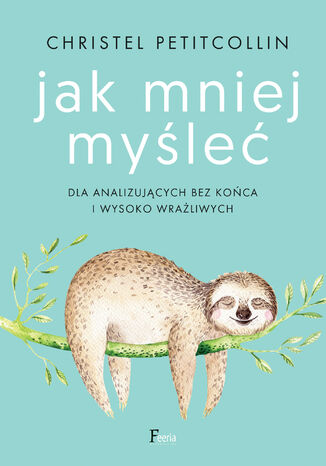
Jak mniej myśleć. Dla analizujących bez końca i wysoko wrażliwych
Christel Petitcollin
Za dużo myślę. Moi bliscy mówią, że jestem zakręcona i że zadaję sobie za dużo pytań. W mojej głowie stale coś się kłębi czasem marzę o tym, żeby wcisnąć wyłącznik umysłu. Mam wrażenie, że jestem z innej planety. Nie mogę sobie znaleźć miejsca. Czuję się niezrozumiany. Czy chociaż jedno z tych zdań opisuje właśnie ciebie? Jeśli tak, prawdopodobnie rozpoznasz się w profilu osoby nadwydajnej mentalnie. Cóż, bycie nadwydajnym bywa naprawdę męczące, ale twój mózg właśnie ten, który myśli zbyt wiele to prawdziwy skarb. Jego subtelność, złożoność i szybkość, z jaką działa, są naprawdę zdumiewające, a pod względem mocy można go porównać z silnikiem Formuły 1! Ale bolid wyścigowy nie jest zwykłym samochodem. Gdy prowadzi go jakiś niezdara, może się okazać kruchy i niebezpieczny. Potrzebuje kierowcy najwyższej klasy i toru na swoją miarę, by wykorzystać swój potencjał. Do tej pory to mózg wiódł cię po wertepach. Czas jednak, abyś przejął stery, i to już od dziś. Dzięki tej książce nauczysz się wykorzystywać niezwykłe możliwości swojego umysłu, który do tej pory wydawał się nie do ogarnięcia! A do tego poczujesz ulgę i wreszcie odetchniesz pełną piersią, akceptując siebie i swój fantastyczny umysł.
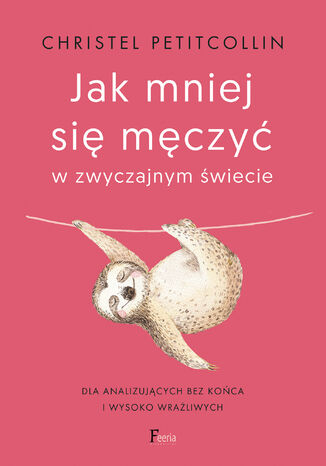
Jak mniej się męczyć w zwyczajnym świecie. Dla analizujących bez końca i wysoko wrażliwych
Christel Petitcollin
Pewnego dnia Christel Petitcollin, autorka bestsellerowych książek o nadwydajności mentalnej, zadała swoim czytelnikom pytanie: Gdyby ktoś mógł wam wyjaśnić, jak wygląda świat widziany oczami zwyczajnej, neurotypowej osoby, czego chcielibyście się o nim dowiedzieć i co pragnęlibyście w nim zobaczyć?. Na podstawie ich odpowiedzi powstała ta książka. Czujesz czasem przytłoczenie lub frustrację ludźmi wokół siebie? Drażnią cię banalne rozmowy o niczym? Wydaje ci się, że wszyscy wokół wiedzą, o co chodzi w danej sytuacji i tylko ty się w niej nie odnajdujesz? Uważasz, że reguły, zgodnie z którymi zbudowany jest ten świat, są niesprawiedliwe, bezsensowne i zupełnie do ciebie nie pasują? Nie mieścisz się w żadnych schematach, w których zwykli ludzie wydają się tak dobrze funkcjonować? Nic dziwnego! Wiele osób nadwydajnych mentalnie i wysoko wrażliwych zupełnie nie odnajduje się w neurotypowym świecie. Okazuje się jednak, że każdy z nas może w nim żyć szczęśliwie. Wystarczy nieco lepiej go poznać Oto lektura wyjaśniająca schematy normalnego myślenia. Dzięki wytłumaczeniu subtelnych różnic między światem osób wysoko wrażliwych i nadwydajnych mentalnie a światem ludzi zwyczajnych pomoże ona odnaleźć się w świecie każdemu, kto myśli zbyt wiele i czuje się często niezrozumiany. Jeśli chcesz w końcu zrozumieć komunikaty wysyłane przez otoczenie, zdobyć kod do rzeczywistości i poczuć się dobrze w towarzystwie osób neurotypowych, koniecznie ją przeczytaj. "Często czuję się kompletnie niedopasowana do świata. W mojej głowie wciąż kłębi się tysiąc myśli i pytań. A w głowach innych? Jak myślą ci, którzy nie są nadwydajni mentalnie ani wysoko wrażliwi? Dzięki Christel Petitcollin wreszcie to zrozumiałam i dobrze się wśród nich poczułam. Co za ulga..." Maja, 22 lata "Wiem, że łatwo udzielają mi się nastroje innych i czasem wolałabym się od nich oddzielić, żeby nie brać tego bagażu na siebie. Jednocześnie czuję, że nikt mnie nie rozumie i trudno mi znaleźć prawdziwych przyjaciół. A przy tym wiem, że muszę się dostosować. To wszystko często odbiera mi radość z życia... Dlatego bardzo ucieszyła mnie ta książka. Stała się moim pasem bezpieczeństwa i przewodnikiem z dedykacją." Ania, 36 lat

Jak modlitwa ochrania przed złodziejami
Zofia Kucharczyk
Zofia Kucharczyk Jak modlitwa ochrania przed złodziejami ISBN 978-83-288-5392-8 No [u]un [dziadek], jak się tu z mojum babcium tu ozyniéł, przysed do tych Gałek [Rusinowskich], no to [u]un bardzo lubiéł kunie. Ji [u]un tak: kupował see ty kunie takie źrebinta. Co mu tam tyn dziadek tyn teść, ty zimi tam ile tam mu doł, bo miał duza ty zimi, to [u]un na tym się juz gospodarzeł, a mieszkał tu [u]u dziadka w mieszkaniu małym takim, no jak to o, kto się ożyni, to kunt da... Zofia Kucharczyk Ur. 1933 r. Zamieszkała w Gałkach Rusinowskich, gm. Przysucha, pow. Rusinów, woj. mazowieckie. Posługuje się gwarą Ziemi Radomskiej, zaliczaną do dialektu małopolskiego, a charakterystyczną dla pogranicza z Mazowszem. Kupując książkę wspierasz fundację Nowoczesna Polska, która propaguje ideę wolnej kultury. Wolne Lektury to biblioteka internetowa, rozwijana pod patronatem Ministerstwa Edukacji Narodowej. W jej zbiorach znajduje się kilka tysięcy utworów, w tym wiele lektur szkolnych zalecanych do użytku przez MEN, które trafiły już do domeny publicznej. Wszystkie dzieła są odpowiednio opracowane - opatrzone przypisami oraz motywami.

Jak modlitwa ochrania przed złodziejami
Zofia Kucharczyk
Zofia Kucharczyk Jak modlitwa ochrania przed złodziejami ISBN 978-83-288-5392-8 No [u]un [dziadek], jak się tu z mojum babcium tu ozyniéł, przysed do tych Gałek [Rusinowskich], no to [u]un bardzo lubiéł kunie. Ji [u]un tak: kupował see ty kunie takie źrebinta. Co mu tam tyn dziadek tyn teść, ty zimi tam ile tam mu doł, bo miał duza ty zimi, to [u]un na tym się juz gospodarzeł, a mieszkał tu [u]u dziadka w mieszkaniu małym takim, no jak to o, kto się ożyni, to kunt da... Zofia Kucharczyk Ur. 1933 r. Zamieszkała w Gałkach Rusinowskich, gm. Przysucha, pow. Rusinów, woj. mazowieckie. Posługuje się gwarą Ziemi Radomskiej, zaliczaną do dialektu małopolskiego, a charakterystyczną dla pogranicza z Mazowszem. Kupując książkę wspierasz fundację Nowoczesna Polska, która propaguje ideę wolnej kultury. Wolne Lektury to biblioteka internetowa, rozwijana pod patronatem Ministerstwa Edukacji Narodowej. W jej zbiorach znajduje się kilka tysięcy utworów, w tym wiele lektur szkolnych zalecanych do użytku przez MEN, które trafiły już do domeny publicznej. Wszystkie dzieła są odpowiednio opracowane - opatrzone przypisami oraz motywami.
Jak motywować się do działania?
Kar-Group
Zapraszamy do korzystania z naszego darmowego e-booka, który skupia się na temacie motywacji w różnych sferach życia. Oto, dlaczego warto poświęcić czas na lekturę: Dla kogo jest ten e-book? Dla wszystkich, którzy pragną zwiększyć swoją efektywność i osiągać lepsze rezultaty w różnych obszarach życia. Dla nauczycieli, rodziców i osób pracujących w obszarze edukacji, szukających skutecznych metod motywowania uczniów. Dla menedżerów i specjalistów ds. zasobów ludzkich, poszukujących nowych strategii w motywowaniu zespołu. Dla sportowców i miłośników aktywności fizycznej, pragnących utrzymać stałą motywację do treningów. Dla wszystkich, którzy chcą zrozumieć i skutecznie zarządzać własną motywacją, bez względu na sferę życia, w której się znajdują. Pobierz nasz e-book i odkryj tajniki skutecznej motywacji!

red. Aleksandra Kamińska, Ewa Kraus, Kazimierz Ślęczka
Dialog można uznać za jedną z najistotniejszych potrzeb ludzkich. Człowiek jako istota komunikująca swoje myśli poprzez mowę wyraża również naturalną potrzebę przekazywania ich drugiemu człowiekowi. Jednostka poprzez mowę i towarzyszące jej procesy myślowe poznaje świat. Dialog dla człowieka wyraża się w potrzebie mówienia i bycia rozumianym. W świecie współczesnym dialog niejednokrotnie jest utożsamiany z komunikacją.

Jak można nie zgadzać się z papieżem? Papież Franciszek a dubia kardynałów
Praca zbiorowa
Na początku października 2023 roku Dykasteria Nauki Wiary opublikowała odpowiedzi papieża Franciszka na przedłożone mu przez pięciu kardynałów dubia, które dotyczyły kwestii reinterpretacji Objawienia Bożego, praktyki błogosławienia związku osób tej samej płci, rozumienia synodalności, kapłaństwa kobiet i warunków sakramentalnego rozgrzeszenia. Odpowiedzi papieskie bardziej skoncentrowały się na kwestiach duszpasterskich niż doktrynalnych, rodząc tym samym kolejne pytania i wątpliwości. Wrażenie zamętu i niepewności co do ciągłości nauczania Kościoła pogłębiła deklaracja Fiducia supplicans wprowadzająca kategorię spontanicznego błogosławieństwa par w sytuacjach nieregularnych i par tej samej płci. To wszystko dzieje się w kontekście trwającego od 2021 roku Synodu o synodalności, który zaprasza do bycia Kościołem słuchającym. Wsłuchując się w dubia pięciu kardynałów oraz udzielone przez papieża Franciszka odpowiedzi, pragniemy nie tylko słuchać tej synodalnej symfonii Kościoła, a również w niej uczestniczyć. Naszą intencją nie jest mnożenie opinii, wątpliwości i pytań ani tym bardziej kontestowanie czy krytykowanie. Papież Franciszek w homilii wygłoszonej na konsystorzu 30 września 2023 roku użył metafory orkiestry dla wyrażenia synodalnego charakteru Kościoła. Stąd pragnienie środowiska teologów toruńskich, by podjąć proponowaną przez papieża Franciszka partyturę i szukać jej zrozumienia w zgodzie z Objawieniem Bożym. To właśnie o Objawieniu Bożym mówił Benedykt XVI w Adhortacji Verbum Domini z 2010 roku jako symfonii, w której w pewnym momencie pojawia się motyw solowy [], czyli motyw powierzony pojedynczemu instrumentowi bądź głosowi, który jest tak ważny, że nadaje sens całemu dziełu. Tym motywem jest Jezus (VD 13). Bez Chrystusa nie zinterpretujemy lepiej, jak chce papież Franciszek, ani Objawienia Bożego, ani Tradycji Kościoła, ani samego Kościoła, ani tym bardziej człowieka. Ze wstępu ks. Wojciecha Pikora i ks. Jana Perszona

Jak mój dziadek zaskoczył Hitlera
Ewa Sobotowska
Fascynująca mozaika historii XX-wiecznej Polski, utkana z unikalnych wspomnień i dramatycznych wydarzeń. To nie tylko zapis epoki, ale przede wszystkim intymna opowieść o rodzinie naznaczonej heroizmem. Pośród wielu pasjonujących wątków w książce pojawiają się obszerne fragmenty na temat życia Józefa Kiszkurno dziadka autorki wielokrotnego mistrza świata w strzelaniu do rzutków. Mistrz jedną ze swoich wielkich nagród zdobył w czasie olimpiady w Berlinie w 1936 roku, a inkrustowaną bursztynami paterę z podpisem od Fuhrera wykorzystywał później w czasie wojny jako bilet wstępu do obozów koncentracyjnych, gdzie chodził z łapówkami Armii Krajowej, aby ratować życie więźniów. Ewa Sobotowska autorka Jak mój dziadek zaskoczył Hitlera. Tytuł został opublikowany po raz pierwszy w 2012 roku.
Jak mówić, ... Jak być rodzicem, jakim zawsze chciałeś być
Adele Faber, Elaine Mazlish
Autorki bestsellerowych książek o wychowaniu od lat cieszą się niesłabnącą popularnością, jako ekspertki w dziedzinie komunikacji między rodzicami a dziećmi. Tym razem ich mądre rady dotyczące świadomego i pełnego szacunku rodzicielstwa zostały ujęte w zwięzłej formie podręcznika. Bazując na inspirujących doświadczeniach rodzin z całego świata, autorki pokazują, że każdy, nawet najbardziej zapracowany rodzic może nabrać umiejętności, jakie zawsze chciał mieć: spokojnego rozwiązywania rodzinnych konfliktów, stawiania dzieciom granic i zachęcania ich do współpracy.
Jak mówić, ... Jak mówić do nastolatków, żeby nas słuchały
Adele Faber, Elaine Mazlish
Autorki bestsellerowej serii Jak mówić.. tym razem opowiadają o problemach związanych z problemami wychowawczymi typowymi dla buntowniczego okresu dorastania i o sposobach ich rozwiązywania. W Jak mówić do nastolatków Adele Faber i Elaine Mazlish piszą o zagubieniu, o pragnieniu akceptacji, o młodzieńczym buncie, przekorze i potrzebie decydowania o sobie, jaką odczuwają prawie wszystkie nastolatki. Poruszają także kwestie związane ze zmianami obyczajowymi, przedwczesnym zainteresowaniem seksem, łatwym dostępem do narkotyków, niebezpieczeństwami związanymi z szerokim dostępem do mediów. Książka powstała na podstawie wielu zajęć i spotkań, jakie autorki przeprowadziły z nastolatkami i ich rodzicami. Nowe wydanie ukazuje się w odświeżonej szacie graficznej.
Jak mówić, ... Jak mówić do nastolatków, żeby nas słuchały
Adele Faber, Elaine Mazlish
Autorki bestsellerowej serii Jak mówić.. tym razem opowiadają o problemach związanych z problemami wychowawczymi typowymi dla buntowniczego okresu dorastania i o sposobach ich rozwiązywania. W Jak mówić do nastolatków Adele Faber i Elaine Mazlish piszą o zagubieniu, o pragnieniu akceptacji, o młodzieńczym buncie, przekorze i potrzebie decydowania o sobie, jaką odczuwają prawie wszystkie nastolatki. Poruszają także kwestie związane ze zmianami obyczajowymi, przedwczesnym zainteresowaniem seksem, łatwym dostępem do narkotyków, niebezpieczeństwami związanymi z szerokim dostępem do mediów. Książka powstała na podstawie wielu zajęć i spotkań, jakie autorki przeprowadziły z nastolatkami i ich rodzicami. Nowe wydanie ukazuje się w odświeżonej szacie graficznej.
Jak mówić, ... Jak mówić, żeby dzieci nas słuchały. Jak słuchać, żeby dzieci do nas mówiły
Adele Faber, Elaine Mazlish
Praktyczne ćwiczenia i wskazówki ułatwiające opanowanie sztuki komunikowania się z dziećmi - i nie tylko z nimi - sprawiają, że książka jest przeznaczona dla każdego, kto chciałby lepiej rozumieć i mądrzej kochać dzieci oraz być przez dzieci kochanym i rozumianym. Nowe wydanie zostało poszerzone o posłowie "Nowe pokolenie", które napisała Joanna Faber, córka jednej z autorek. Wychowana według metod przedstawianych w książce dzieli się doświadczeniami z dzieciństwa i wraz z rodzicami podejmuje wyzwania nowych czasów, szukając nowych rozwiązań.

Jak mówić bez wysiłku i dobrze brzmieć. Poradnik oddechowy dla mówców
Maciej Jabłoński
Sposób, w jaki oddychasz, decyduje o tym, jak mówisz Jeśli jesteś: politykiem, wykładowcą, nauczycielem, konferansjerem, dziennikarzem, youtuberem, coachem, prowadzisz kanał w mediach społecznościowych albo w jakikolwiek inny sposób pracujesz głosem ― ta książka jest dla Ciebie! Skoro zdarza Ci się występować publicznie, z pewnością wiesz o tym, jak dużą rolę w Twojej pracy odgrywa oddech. To, jak oddychasz, ma wpływ na brzmienie Twojego głosu: wysokość, tembr, dynamikę i ekspresję. Świadome oddychanie może również działać uspokajająco i poprawiać samopoczucie. Organem, który w dużym stopniu decyduje o tym, jak brzmi głos człowieka, jest przepona. Umiejętność korzystania z tak zwanego oddechu przeponowego to cecha wyróżniająca profesjonalnych mówców. Dlatego też poradnik, który trzymasz w ręku, skupia się właśnie na przeponie ― na jej umiejscowieniu, roli, a także na dolnych mięśniach oddechowych wspomagających jej pracę. Poznasz ćwiczenia, które prowadzą do nowego, zdrowego nawyku oddechowego, poza tym sporo dowiesz się o własnym głosie, o sposobach na rozwijanie jego barwy, uzyskiwanie odpowiedniego tembru, jakości i dynamiki mówienia. Zaczniemy jednak od podstaw. Zatem: wdech, wydech ― i zaczynamy oswajać przeponę! Książka w mediach: Akademia wystąpień publicznych - Recenzja HR Polska.pl

Jak mówić bez wysiłku i dobrze brzmieć. Poradnik oddechowy dla mówców
Maciej Jabłoński
Sposób, w jaki oddychasz, decyduje o tym, jak mówisz Jeśli jesteś: politykiem, wykładowcą, nauczycielem, konferansjerem, dziennikarzem, youtuberem, coachem, prowadzisz kanał w mediach społecznościowych albo w jakikolwiek inny sposób pracujesz głosem ― ta książka jest dla Ciebie! Skoro zdarza Ci się występować publicznie, z pewnością wiesz o tym, jak dużą rolę w Twojej pracy odgrywa oddech. To, jak oddychasz, ma wpływ na brzmienie Twojego głosu: wysokość, tembr, dynamikę i ekspresję. Świadome oddychanie może również działać uspokajająco i poprawiać samopoczucie. Organem, który w dużym stopniu decyduje o tym, jak brzmi głos człowieka, jest przepona. Umiejętność korzystania z tak zwanego oddechu przeponowego to cecha wyróżniająca profesjonalnych mówców. Dlatego też poradnik, który trzymasz w ręku, skupia się właśnie na przeponie ― na jej umiejscowieniu, roli, a także na dolnych mięśniach oddechowych wspomagających jej pracę. Poznasz ćwiczenia, które prowadzą do nowego, zdrowego nawyku oddechowego, poza tym sporo dowiesz się o własnym głosie, o sposobach na rozwijanie jego barwy, uzyskiwanie odpowiedniego tembru, jakości i dynamiki mówienia. Zaczniemy jednak od podstaw. Zatem: wdech, wydech ― i zaczynamy oswajać przeponę! Książka w mediach: Akademia wystąpień publicznych - Recenzja HR Polska.pl
Jak mówić, by nas słuchano. Psychologia pozytywnej komunikacji
Iwona Majewska-Opiełka
Dzięki tej książce dowiesz się, w jaki sposób komunikować się z dużym audytorium i przekonać innych do swoich racji, ale również jak zabłysnąć elokwencją podczas mniej oficjalnych spotkań. Autorka przedstawia proste metody pomagające przełamać naturalny lęk przed publicznymi wystąpieniami oraz podpowiada, jak się prezentować w trakcie mówienia. Podkreśla również, że ważny jest całokształt występu, a nie tylko treść przemówienia. Pisze o sposobach w jaki można zainteresować słuchaczy, podkreśla wagę improwizacji. Zwraca też uwagę na pułapki elokwencji nie pomijając drobnych, ale ważnych szczegółów przekazu. Przypomina, że dzięki systematycznym ćwiczeniom każdy może stać się mówcą doskonałym. Pozycja obowiązkowa nie tylko dla wykładowców, managerów czy trenerów. Pomaga również lepiej komunikować się z najbliższymi. Doskonały wybór dla osób, które chcą opanować lub udoskonalić umiejętności oratorskie.
Jak mówić, gdy dzieci nie słuchają. Marudzenie, kłótnie, histeria, bunt i inne wyzwania dzieciństwa
Joanne Faber, Julie King
W znanej i niezwykle cenionej przez rodziców serii książek, ukazuje się kolejny tom poświęcony komunikacji z dziećmi. W teorii wszystko jest jasne, tylko praktyka często rozmija się z teorią. Autorki poradnikapo kilkudziesięciu latach współpracy z rodzicami, nauczycielami, pedagogami przedstawiają w książce niezbędne narzędzia, jak poradzić sobie z nieuniknionymi konfliktami pomiędzy dorosłymi i dziećmi. Część pierwsza książki to jak zwykle praktyczne (również rysunkowe) wskazówki, jak zachowywać się w sytuacjach konfliktowych dorosłych z dziećmi, i to począwszy od przedszkolaków, a na nastolatkach skończywszy. Każdy rozdział kończy się praktycznymi ćwiczeniami. W części drugiej autorki poruszają trudne tematy dotyczące komunikacji międzypokoleniowej, o których poruszenie prosili czytelnicy. Prezentują historie z życia wzięte i na ich podstawie próbują znaleźć odpowiedzi na pytania dotyczące najtrudniejszych wyzwań, jakie postawiły przed dorosłymi dzieci. Książka bardzo pomocna dla każdego dorosłego, który ma kontakt z dziećmi.
Jak mówić, żeby dzieci się uczyły w domu i w szkole
Adele Faber, Elaine Mazlish
Autorki przedstawiają konkretne przykłady zachowań i język, który jest tak ważny w procesie nauczania. Pokazują rodzicom i nauczycielom, jak wspólnie pomagać dzieciom w rozwiązywaniu problemów, jak motywować dzieci do nauki i osiągania sukcesów w szkole.
Jak mówić, żeby maluchy nas słuchały
Joanna Faber, Julie King
Podręcznik niezbędny dla każdego, kto w domu czy w pracy ma do czynienia z małymi dziećmi, poprzedzony przedmową Adele Faber, jedną z autorek bestsellerowego Jak mówić, żeby dzieci nas słuchały. Jak słuchać, żeby dzieci do nas mówiły, nazwanego przez The Boston Globe biblią wychowania. Jak poradzić sobie z maluchem, który nie chce myć zębów, odmawia jedzenia warzyw lub rozrzuca książki po całym pokoju? Jak mówić, żeby maluchy nas słuchały to kompendium wiedzy dotyczącej wychowania dzieci w wieku 2-7 lat. Autorki, Joanna Faber (córka Adele) i Julie King dzielą się swoim wieloletnim doświadczeniem w pracy z dziećmi, a także wyciągają wnioski z wielu rozmów z rodzicami i specjalistami i za pomocą autentycznych historii oraz komiksów znanych z poprzednich tytułów w serii dostarczają szeregu praktycznych narzędzi i wskazówek, jak się komunikować, rozmawiać i rozwiązywać trudne sytuacje, nie ignorując przy tym potrzeb dziecka ani swoich.
Jak mówić, żeby maluchy nas słuchały
Joanna Faber, Julie King
Podręcznik niezbędny dla każdego, kto w domu czy w pracy ma do czynienia z małymi dziećmi, poprzedzony przedmową Adele Faber, jedną z autorek bestsellerowego Jak mówić, żeby dzieci nas słuchały. Jak słuchać, żeby dzieci do nas mówiły, nazwanego przez The Boston Globe biblią wychowania. Jak poradzić sobie z maluchem, który nie chce myć zębów, odmawia jedzenia warzyw lub rozrzuca książki po całym pokoju? Jak mówić, żeby maluchy nas słuchały to kompendium wiedzy dotyczącej wychowania dzieci w wieku 2-7 lat. Autorki, Joanna Faber (córka Adele) i Julie King dzielą się swoim wieloletnim doświadczeniem w pracy z dziećmi, a także wyciągają wnioski z wielu rozmów z rodzicami i specjalistami i za pomocą autentycznych historii oraz komiksów znanych z poprzednich tytułów w serii dostarczają szeregu praktycznych narzędzi i wskazówek, jak się komunikować, rozmawiać i rozwiązywać trudne sytuacje, nie ignorując przy tym potrzeb dziecka ani swoich.

Jak myśleć, nie używając mózgu
Annie Murphy Paul
Często się mówi, że najlepsze pomysły powstają pod prysznicem. Ta książka naukowo dowodzi, że ma to głęboki sens! Nikt nie zapamiętuje dobrze, jeśli po prostu wkuwa. Tradycyjne metody myślenia nie odpowiadają współczesnym wyzwaniom, a naturalne ograniczenia mózgu wyraźnie dają o sobie znać. Dlatego zapomnij o schematach, które się nie sprawdzają, i sięgnij poza mózg. Zastosuj proste triki i spraw, by utarte myślę, więc jestem nabrało w twoim wypadku wyjątkowej, niekonwencjonalnej treści. Myśl: zmysłami ruchem gestami przestrzenią ekspertami współpracownikami grupami Co dzięki temu uzyskasz? Wzrost wydajności i skoncentrowania na pracy, oszczędność czasu, większa kreatywność, szersze horyzonty i wzmocnienie umiejętności przyszłości, jaką jest inteligencja emocjonalna, to tylko niektóre z korzyści. Wszystko dzięki osiągnięciu skupienia najbardziej deficytowego towaru w świecie domagającym się uwagi. Nowy nawyk jest na wyciągnięcie ręki.