
Wydawca: 24
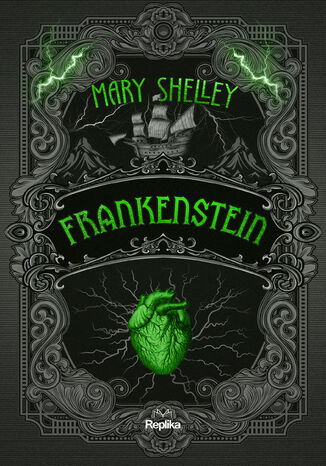
Mary Shelley
Kto jest większym potworem człowiek czy jego monstrum? Ożywić sztuczną istotę to obsesyjna idea Wiktora Frankensteina pragnącego pokonać śmierć poprzez stworzenie pozszywanego z ciał człowieka idealnego. Niespełnione oczekiwania opętanego obłędem naukowca pchają go na skraj szaleństwa i zderzają się z niezawinionym osamotnieniem jego tworu. W rzeczywistości jest to upiorne studium ludzkiego egoizmu. Przesycone poczuciem nieustannego lęku mówi o ucieczce przed odpowiedzialnością za własne czyny oraz o odrzuceniu, które wiedzie do zbrodni. Gotycka powieść, która stała się kamieniem milowym w literaturze światowej, otwierając zupełnie nowe drzwi: wrota grozy.
Frankenstein - With Audio Level 3 Oxford Bookworms Library
Shelley, Mary
A level 3 Oxford Bookworms Library graded reader. This version includes an audio book: listen to the story as you read. Retold for Learners of English by Patrick Nobes. Victor Frankenstein thinks he has found the secret of life. He takes parts from dead people and builds a new 'man'. But this monster is so big and frightening that everyone runs away from him - even Frankenstein himself! The monster is like an enormous baby who needs love. But nobody gives him love, and soon he learns to hate. And, because he is so strong, the next thing he learns is how to kill . . .
Frankenstein Level 3 Oxford Bookworms Library
Shelley, Mary
A level 3 Oxford Bookworms Library graded readers. Retold for Learners of English by Patrick Nobes Victor Frankenstein thinks he has found the secret of life. He takes parts from dead people and builds a new 'man'. But this monster is so big and frightening that everyone runs away from him - even Frankenstein himself! The monster is like an enormous baby who needs love. But nobody gives him love, and soon he learns to hate. And, because he is so strong, the next thing he learns is how to kill . . .
Frankenstein. The Modern Prometheus
Mary Shelley
Victor Frankenstein experiences an idyllic childhood in Switzerland, surrounded by a loving family and accompanied by his adored cousin Elizabeth. He is fascinated by ancient philosophers whose grandiose ambitions included looking for an Elixir of Life. After the death of his mother, his first unhappy experience, he attends University in Germany where he applies his new-found knowledge of science to manufacture a human being of enormous size and strength.
Rajmund Czok
Osoba trzydziestoletnia sięgająca w powieści do motywów autobiograficznych czyni to - moim zdaniem - tylko dla własnej satysfakcji. Mam wrażenie, że napisanie powieści autobiograficznej bardziej przystoi osobie starszej, która powiedziała już wszystko o cudzych światach i spokojnie pragnie wrócić do świata swojego, jakiego chciałaby przeżyć jeszcze raz, gdyby mogła być po raz drugi trzydziestolatkiem? Jestem zdania, że miarą prawdy w takiej powieści powinien być także sam autentyzm wszelkich zdarzeń i jakaś szczerość pisarska. W moim powojennym życiu było wiele dziwnych lat. Na motywach przeżyć i doświadczeń z tamtego okresu powstała ta powieść. Fakty są autentyczne, niezmyślone i mimo, że napisana w osobie pierwszej, nie stanowi w żadnym wypadku powieści autobiograficznej. Fragment: To, co zastałem w kraju usłanym dolarami i markami, przeszło moje najśmielsze oczekiwania. Reklamy krzyczały wszystkim kolorami, przechodnie mówili dziesiątkami języków, żołnierze amerykańscy spacerowali pod rękę z młodymi Niemkami, udając dumnych zdobywców Europy. Naganiacze zapraszali do kabaretów, policjanci kierowali potokiem samochodów na skrzyżowaniach, w salonach radiowych rozbrzmiewały skoczne dźwięki rocka. Uliczne latarnie w kształcie pochylonej dłoni jarzyły silnym neonem, kabarety, knajpy, domy publiczne, automaty zręcznościowe, zamieniały miasto w Broadway - w górze ciemność, na dole feeria bajecznych barw. W pierwszych dniach wszystko mnie oszałamiało, podniecało. Czułem się tu obco, osamotniony i ogromnie zagubiony. W kieszeni ściskałem kilkanaście dolarów kieszonkowego na drogę, dlatego na każdym kroku poskramiałem nieodpartą chęć zafundowania sobie czegokolwiek. Po kilkunastu dniach przechodziłem obok tego niespotykanego w PRL-u bogactwa całkiem obojętnie.Przyglądałem się uważnie Niemkom, wyrośniętym, dobrze odkarmionym, przyciągającym wzrokiem młodych i starszych. Tym czeszących się w koński ogon, szarpane koki, tapirowane hełmy. I tym, których oczy podkreślone ołówkiem wydawały się powabniejsze. Uderzała mnie ich naturalność, swoboda, wdzięk każdego kroku i ruchu. Na siłę szukałem odpowiedzi na niełatwe pytanie, kto ładniejszy: Niemka czy Polka? Przeciętna Niemka nie była ładniejsza od swojej polskiej rówieśniczki. A jednak każda Niemka była doskonale zrobiona: wiedziała, że preparowanie wdzięków to swoista metoda zdobywania partnera. Dlatego uwypuklała i podkreślała, co miała powabnego, chowała, co trzeba było dyskretnie ukryć.Podziwiałem Frankfurt żywy i barwny. Wzdłuż wystaw skle-powych przesuwały się tłumy sprawiające wrażenie niedzieli: każdy odświętnie odprasowany, bez fałdki, bez plamki. A jednak wszystko dokoła czyniło wrażenie zwariowanego molocha. Dorośli byli zwariowani. Dla nich wszystko przestało być poezją, wszystko było podszyte aluzją polityczną. Prasa, radio i telewizja dostarczały dzienną porcję wiadomości, informowały o wojnie w Wietnamie i Bliskim Wschodzie. Z kolei spece od meteorologii przepowiadali sztormy, burze, powodzie, katastrofy lotnicze, wypadki drogowe, pożary lasów. Nikt nie musiał rezygnować z żadnych przyzwyczajeń. W tym mechanizmie niemieccy podatnicy ponosili jednak ryzyko, dla nich żołnierze Bundeswehry byli wyrzutkami sumienia. Czasem nos przylepiałem do bogatych witryn sklepowych, porównując z tymi w kraju, okratowanymi, wypełnionymi planszami, hasłami politycznymi. W tym mieście wystawy kusiły ogromnym bogactwem. W każdym razie w ciągu zaledwie kilku dni wiedziałem dokładnie, jaką wartość miała niemiecka marka.
Frankfurt nad Menem. Travelbook. Wydanie 1
Beata Pomykalska, Paweł Pomykalski
Frankfurt nad Menem to w powszechnej świadomości przede wszystkim miasto biznesu, ośrodek finansowy wysokiej rangi, siedziba giełdy, dużych banków niemieckich i kilku instytucji unijnych, ważne centrum wystawiennicze i znaczący w skali europejskiej węzeł komunikacyjny. Turyści zaglądają tu rzadko, choć miastu warto poświęcić uwagę, nie tylko przy okazji wizyt biznesowych. Z futurystycznymi wieżowcami sąsiadują tu (w większości zrekonstruowane po wojnie) zabytki kilku epok, a miłośników sztuki kuszą znakomite muzea. Frankfurt czeka na odkrycie! Baśniowe stare miasto Arcyciekawe muzea i galerie Nowoczesna dzielnica finansowa Targi książki i wystawa samochodów Słynny jarmark bożonarodzeniowy Kuchnia niemiecka dla koneserów Travelbook to Twój niezastąpiony towarzysz podróży. Wskaże Ci najważniejsze atrakcje, podpowie, czego szukać poza głównymi szlakami, i wprowadzi w świat miejscowych obyczajów. Znajdziesz w nim opisy najciekawszych regionów i miast, a sprawdzone informacje praktyczne umożliwią staranne zaplanowanie podróży. Książka autorów bloga: adventum.com.pl
Krzysztof Spadło
Powieść wchodząca w skład cyklu Spin off Skazaniec. "- Jestem zdziwiony, że ktoś o nich pamięta - odezwał się po chwili gospodarz i mówiąc pogodnym głosem, ciągnął dalej: - Nie miałem okazji poznać osobiście członków owej formacji, ale tak jak większość legionistów, którzy walczyli w Afryce na frontach II wojny światowej, słyszałem o ich brawurowych wyczynach. Tak na marginesie, to powiem wam, że zawsze, ale to zawsze uważałem, iż Polacy, są najbardziej walecznym plemieniem spośród wszystkich Słowian. Opowieści o kapitanie Frantzu i jego ludziach, swojego czasu urosły do wielkości heroicznych mitów. Nie przeczę, jako aspekt motywujący i kształtujący umysły młodych rekrutów, były idealnym narzędziem edukacyjnym." Krzysztof Spadło w powieści "Frantz", snuje historię, którą dosłownie czyta się jednym tchem. Akcja nabiera tempa już od pierwszych stron i jest niczym lawina, która miażdży wszystko na swojej drodze. Nieprzewidywalna intryga, rozpoczyna się w pierwszej połowie lat 70-tych ubiegłego stulecia, ale nawiązuje również do wydarzeń, które miały miejsce w burzliwych czasach II wojny światowej. Ślady wiodą od Paryża, przez Marsylię, aż po gorące piaski Afryki. Niewinne śledztwo dwóch dziennikarzy, znienacka przeistacza się w serię brutalnych wydarzeń. W sprawę angażują się wysocy rangą przedstawiciele Legii Cudzoziemskiej oraz ludzie o podejrzanych życiorysach, którzy są pozbawieni wszelkich skrupułów. "Jeżeli grzebiesz w cudzej przeszłości, możesz obudzić demony, które cię zniszczą."

Krzysztof Spadło
SPIN OFF SKAZANIEC - to seria powieści, ukazująca losy bohaterów, którzy odegrali znaczące role na kartach więziennej epopei. Miejsce akcji, tematyka oraz narracja każdej z lektur są odmienne i każda z pozycji mogłaby śmiało uchodzić za odrębne dzieło. Cykl w główniej mierze powstał z myślą o osobach, które urzekła wielotomowa powieść "Skazaniec" i dlatego we wszystkich historiach niniejszej serii, akcja chwilami przenosi się w mury wronieckiego więzienia... Sugerowana przez Wydawnictwo KAGO kolejność czytania lub odsłuchu: 1. Hrabia (autor: Robert Gałka) 2. Frantz (autor: Krzysztof Spadło) 3. A and S (autor: Krzysztof Spadło) 4. Karmazynowy kniaź (autor: Krzysztof Spadło) Frantz. Bohaterem powieści jest postać Rudolfa Frantza, który do wybuchu II wojny światowej był pracownikiem służby więziennej w Centralnym Więzieniu we Wronkach... "- Jestem zdziwiony, że ktoś o nich pamięta - odezwał się po chwili gospodarz i mówiąc pogodnym głosem, ciągnął dalej: - Nie miałem okazji poznać osobiście członków owej formacji, ale tak jak większość legionistów, którzy walczyli w Afryce na frontach II wojny światowej, słyszałem o ich brawurowych wyczynach. Tak na marginesie, to powiem wam, że zawsze, ale to zawsze uważałem, iż Polacy, są najbardziej walecznym plemieniem spośród wszystkich Słowian. Opowieści o kapitanie Frantzu i jego ludziach, swojego czasu urosły do wielkości heroicznych mitów. Nie przeczę, jako aspekt motywujący i kształtujący umysły młodych rekrutów, były idealnym narzędziem edukacyjnym." Krzysztof Spadło w powieści "Frantz", snuje historię, którą dosłownie czyta się jednym tchem. Akcja nabiera tempa już od pierwszych stron i jest niczym lawina, która miażdży wszystko na swojej drodze. Nieprzewidywalna intryga, rozpoczyna się w pierwszej połowie lat 70-tych ubiegłego stulecia, ale nawiązuje również do wydarzeń, które miały miejsce w burzliwych czasach II wojny światowej. Ślady wiodą od Paryża, przez Marsylię, aż po gorące piaski Afryki. Niewinne śledztwo dwóch dziennikarzy, znienacka przeistacza się w serię brutalnych wydarzeń. W sprawę angażują się wysocy rangą przedstawiciele Legii Cudzoziemskiej oraz ludzie o podejrzanych życiorysach, którzy są pozbawieni wszelkich skrupułów. "Jeżeli grzebiesz w cudzej przeszłości, możesz obudzić demony, które cię zniszczą." Producentem audiobooka jest Audioteka Group Sp. z o.o.