
Видавець: 24

Frekwencja 350. Tom 0. Rysy na tęczy
Aleksandra Fila
"Frekwencja 350. Tom 0: Rysy na tęczy" to prequel serii science fiction z psychologiczną głębią. Akcja rozgrywa się w drugiej połowie XXI wieku, kiedy Ziemia odradza się po katastrofie ekologicznej. Akademie Astronautyki badają Układ Słoneczny i poszukują kontaktu z obcymi cywilizacjami. Jednak gdy przybysze z odległego ramienia galaktyki pojawiają się niespodziewanie, staje się jasne, jak bardzo ludzkość nie jest na to gotowa. Z perspektywy Obcych historia koncentruje się na misji ratunkowo-badawczej na planecie Mahabor III oraz na tajemniczych wydarzeniach związanych z inżynierią genetyczną.
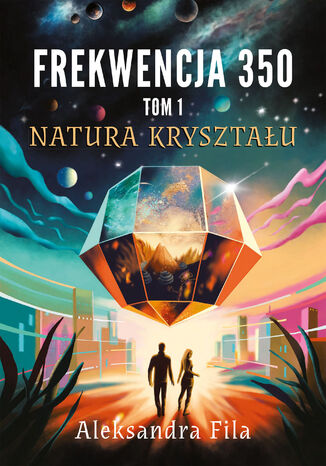
Aleksandra Fila
Wizja nieodległej przyszłości, w której ludzie komunikują się bardziej transparentnie niż dziś. Jakie ryzyko niesie spotkanie ludzkości z zaawansowaną cywilizacją? Przybysze z planety Uldri powołali do życia na Ziemi hybrydę obu ras. Dziewczyna o imieniu Korwetta, która dorastała w nieświadomości swojego pochodzenia, podejmuje przeznaczoną jej rolę tłumaczki obu cywilizacji. Angażuje się przy tym w upragniony związek z komandorem Akademii Astronautyki, Robertem Bryniarskim. Przybysze konstruują na Ziemi cenny dla nich kryształ. Monolit stymuluje rozwój ludzi, odsłaniając jednak przy tym ich deficyty. Przed powrotem na Uldri goście ostrzegają Ziemian, by w kryzysie ozdrowieńczym nie ulegli lękom i iluzji. Wkrótce do Ziemi zbliża się potężny okręt. Najeźdźcy żądają wydania kryształu. Z ziemskiego kosmodromu startuje statek pod dowództwem komandora Bryniarskiego, z monolitem na pokładzie. Komu z jego załogi uda się przetrwać kontakt z nieznaną potęgą? Jakie siły kosmiczne ujawnią się w obliczu konfliktu? Czy weterani powracający na Ziemię to wciąż ci sami ludzie, którzy ją opuszczali? Czy miłość Roberta i Korwetty przetrwa w radykalnie zmienionych okolicznościach?

Frekwencja 350. Tom 2. Zakazana bliskość
Aleksandra Fila
Błyskotliwe połączenie psychologii, filozofii i romansu w powieści science fiction. W nieodległej przyszłości Ziemię odwiedza zaawansowana cywilizacja. Jakie szanse i jakie ryzyko się z tym wiążą? Przybysze z planety Uldri stworzyli na Ziemi kryształ, pobudzający rozwój ludzkości. Powołali też do życia hybrydę obu ras jako ich tłumaczkę. Kryształ okazał się wyzwaniem dla ludzi, gdyż poddał ich głębokiej transformacji. Przyciągnął też grabieżczą rasę, przed którą należało go ukryć. Uldryjski statek przybył znów na Ziemię. Porucznik Korwetta Burchard, po burzliwym rozpadzie związku z komandorem Robertem Bryniarskim, decyduje się dołączyć do załogi kosmitów. Test prędkości nadświetlnych dla jej ciała ma otworzyć ludzkości drogę do lotów międzygwiezdnych. Jaka decyzja ratuje jej życie? Ziemianka dotarłszy na Uldri porusza gromadną społeczność planety, szukając granic bliskości dwu kosmicznych ras. Tymczasem fantom mami astronautów na ziemskiej orbicie. W pracy z Uldryjczykami Korwetta odkrywa powoli, co naprawdę spotkało Roberta na Granadi. Gdy tych dwoje spotyka się znowu, wychodzi na jaw dawne zatajenie. I nie tylko ono... Uldryjski kapitan Cothley łamie koronną zasadę "nie zabijać". W bliskim kontakcie z ludźmi doświadcza nieznanych mu dotąd uczuć. Z kolei syn Roberta, Adam, reaguje zaskakującym pociągiem do "gwiezdnej siostry". Ci, którym dane było doświadczyć frekwencji 350, przekonują się o jej mocy. Ale to moc obosieczna, bo wysoka frakcja miłości odsłania wszystko, co ukryte.
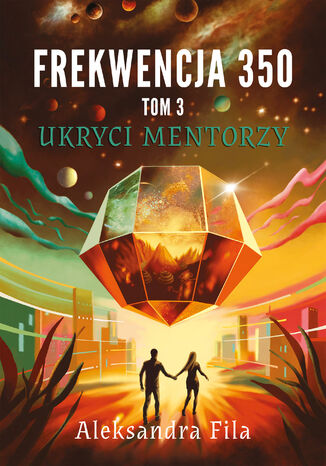
Frekwencja 350 Tom 3 Ukryci mentorzy
Aleksandra Fila
"Ukryci mentorzy" to trzecia część serii Frekwencja 350, cyklu science fiction głęboko osadzonego w psychologii. Gdy admirał Bryniarski ujawnia kulisy bitwy o Ziemię, przybysze z kosmosu odkrywają szokującą prawdę: ludzkość bierze udział w galaktycznym eksperymencie. Walka o wyzwolenie splata się z moralnymi dylematami, osobistymi dramatami i duchową przemianą. Intensywna podróż w głąb prawdy o Ziemi i ludzkim potencjale. Gdy kosmiczne tajemnice wychodzą na jaw, stawka rośnie do galaktycznych rozmiarów. Porucznik Korwetta Burchard, której podróż nadświetlna otworzyła ludzkości drogę do gwiazd, przekonuje się, że powrót z planety Uldri to dopiero początek. Admirał Bryniarski decyduje się ujawnić szokujące kulisy "walki o Ziemię". Uldryjczycy próbują rozwikłać sieć iluzji, sterującej ziemską egzystencją, i rozpoznać istoty, które zasiedliły planetę w ukryciu. Zatrważająca prawda o pochodzeniu rasy Vancruso stawia ich przed kolejnym wyzwaniem. Kim są mistrzowie iluzji i kontroli umysłu? Czy działają dla dobra ludzkości, czy na jej zgubę? Bohaterami wstrząsa wieść o Ziemi jako galaktycznym eksperymencie. Czy zarządza nim Federacja Planet, czy ktoś inny - działający w cieniu? Robert mierzy się z konsekwencjami dawnych decyzji i rodzinnymi wyzwaniami, Korwetta próbuje odnaleźć się w skomplikowanych relacjach, Cothley doświadcza emocji, których dotąd nie znał, a uciekinierzy z kosmicznej oty strzegącej ziemskiego porządku szukają azylu w Akademii Astronautyki. Ujawnienie intencji "ukrytych mentorów" przynosi zarówno sukces, jak i dramat. W obliczu wszechobecnej manipulacji droga do wyzwolenia prowadzi w głąb siebie - przez uzdrowienie przeszłości. Tom trzeci sagi Frekwencja 350 odsłania pełen obraz kon iktu i zaangażowanych w niego sił. Pokazuje, że walka o wolność planety to zarazem walka o osobistą prawdę i miłość.

Frekwencja 350. Tom 4. Portale uczuć
Aleksandra Fila
Portale uczuć to 4. tom serii Frekwencja 350, która jest cyklem science-fiction z wątkiem romantycznym i psychologiczną głębią. Uldryjski statek ląduje na Granadi, żeby zbadać portal Federacji. Planeta skrywa niepokojące anomalie. Czy uda się je zneutralizować? Decyzja o zabraniu kryształu na bolidar przesądza o losach podróży. Kolejny jej etap to świat bujnej flory i fauny, opuszczony przez rasę naczelną w tajemniczych okolicznościach. Co jest przyczyną jej zagłady? Przed czym stanowi ostrzeżenie? Nowy kwadrant kosmosu ujawnia nieznaną formę świadomości i zmusza załogę do redefinicji pojęcia inteligencji. Następna planeta - zwana "kosmicznym czyścicielem" - poddaje przybyszów próbie. W jej sąsiedztwie rozegra się bitwa, decydująca o losach całej rasy. Jak potoczą się losy ścierających się sił? Czy bohaterowie, dotychczas bezpieczni na uldryjskim statku, wyjdą z niej cało? Czy Korwetta przetrwa wszystkie etapy kosmicznej podróży? Tymczasem między członkami wielorasowej załogi zacieśniają się więzi w formach, które zaskakują koryferów. Na Ziemi dwaj admirałowie łączą siły, by sprowadzić kryształ z powrotem. Na tle rozwodów, ślubów i narodzin nadchodzi niejawne starcie i krytyczne spotkanie. Czy frekwencja miłości okaże się realną mocą - czy tylko pięknym złudzeniem?
Dorota Krawczyńska
Wciągająca, zaskakująca psychologiczną głębią opowieść o ludzkich relacjach i wyborach, jakie podejmuje każdy z nas. Kalina i Gina to dwie instruktorki domu kultury, które świetnie uzupełniają się w realizacji własnych pomysłów. Kobiety są od siebie różne jak ogień i woda. Kalina to pięknoduch wrażliwa idealistka krocząca z głową w chmurach, zdolna do poświęceń i pełna wiary w drugiego człowieka. Gina to wulkan niespożytej energii. Niepokorna, przebojowa, potrafi imponować, ale budzi także lęk wśród tych, którzy próbują dotrzymać jej kroku. Z lekkością osiąga kolejne szczyty, jest bez wątpienia kobietą sukcesu Tylko czy prestiż i awanse zawodowe są najważniejsze? Czy Kalinie, spełnionej żonie i matce, ale również mądrej, pełnej empatii osobie uda się nauczyć przyjaciółkę szczęścia? Czy podejmując to wyzwanie, sama nie ryzykuje zbyt wiele? Dorota Krawczyńska autorka powieści obyczajowej pod tytułem Frenemy po raz pierwszy wydanej w 2014 roku.
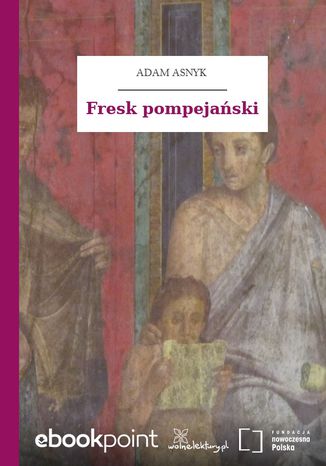
Adam Asnyk
Fresk pompejański Zielone, wonne gaje rozsiadły się wkoło, Po uroczych pagórkach zbiegając w doliny; Gdzieniegdzie dąb lub kasztan podnosi swe czoło, Po nad drobniejsze mirty, laury i jaśminy. Łagodnie pluszczą źródła skryte gdzieś w zieleni, I z melodyjnym szmerem z skał ściekają dalej, Srebrzystym wężem migną wśród łomu kamieni I pod sklepieniem dębów w cichej płyną fali. W powietrzu pełno woni, ciepła, barw i blasku, I błękit przesiąknięty tem światłem gorącem, Zda się lśnić niby pyłkiem złocistego piasku, I tęczowych iskierek połyskać tysiącem. W tem ciepłem oświetleniu żywa drzew zieloność Przyjmując połysk złoty na szmaragdy swoje, Harmonijnie w błękitną spływa nieskończoność. Gaje, błonia i wzgórza, i przejrzyste zdroje, Pełne uśmiechu szczęścia i rozkoszy dreszczu, Wdzięczą się jak Danae w złotym bóstwa deszczu. [...]Adam AsnykUr. 11 listopada 1838 r. w Kaliszu Zm. 2 sierpnia 1897 r. w Krakowie Najważniejsze dzieła: Pijąc Falerno, Piosnka pijacka, Między nami nic nie było, Gdybym był młodszy, Jednego serca..., Nad głębiami (cykl sonetów), Daremne żale, Do młodych Poeta, epigon romantyzmu tworzący w epoce pozytywizmu i Młodej Polski, autor dramatów i opowiadań. Syn powstańca 1831 r., zesłańca. Podejmował różne kierunki studiów (rolnicze, medyczne, nauki społeczne), prowadząc działalność spiskową. Był więziony w Cytadeli (1860). W powstaniu styczniowym zaangażowany po stronie ?czerwonych?, był członkiem rządu wrześniowego. Po upadku zrywu uzyskał stopień dra filozofii w Heidelbergu (1866), zaczął wydawać pierwsze utwory w prasie lwowskiej (1864-65). W 1870 r. osiadł w Krakowie, brał czynny udział w życiu samorządowym, był posłem na Sejm Krajowy z ramienia demokratów (1889). Amator Tatr, wiele podróżował (Włochy, Tunezja, Algieria, Cejlon, Indie). Pochowany na Skałce. Kupując książkę wspierasz fundację Nowoczesna Polska, która propaguje ideę wolnej kultury. Wolne Lektury to biblioteka internetowa, rozwijana pod patronatem Ministerstwa Edukacji Narodowej. W jej zbiorach znajduje się kilka tysięcy utworów, w tym wiele lektur szkolnych zalecanych do użytku przez MEN, które trafiły już do domeny publicznej. Wszystkie dzieła są odpowiednio opracowane - opatrzone przypisami oraz motywami.
Zofia Rosińska, Joanna Michalik, Przemysław Bursztyka
"Być nowoczesnym to żyć życiem pełnym paradoksów i sprzeczności" - jest dobrym mottem dla antologii tekstów poświęconych interpretacjom psychoanalizy. Po pierwsze dlatego, że psychoanaliza pokazuje, że paradoksy i sprzeczności stanowią istotę psychiki człowieka i kultury. Po drugie dlatego, że sama w paradoksy i sprzeczności się wikła. Psychoanalizę charakteryzuje bowiem specyficzna pozycja na mapie myśli współczesnej. Pozycja wynikająca z rodowodu teorii Freuda - z jej aspiracji do modelu nauk przyrodniczych od początku splecionych z aspiracjami natury metafizycznej. Te drugie również nie są jednoznaczne. Wydają się dawać podstawy do traktowania Freuda jako naturalisty bądź antynaturalisty, jako dłużnika tradycyjnej metafizyki bądź jej burzyciela. Paradoksalność nie stanowi jednak stanu chorobowego, z którego teorię psychoanalityczną należałoby wyleczy? Przeciwnie, wskazuje na jej pojemność. Na jej zdolność do opisywania problemów i napić charakterystycznych dla nowoczesności i ponowoczesności, analizowanych również przez inne nurty równolegle do psychoanalizy bądź w nawiązaniach do niej. Paralele i nawiązania, jakie czytelnik odnajdzie w tej książce, krążą między innymi wokół tematów podmiotowości, cielesności, seksualności, ekonomii rodzinnej, zwierzęcości, urzeczowienia, fetyszyzacji i estetyzacji. W ich ujmowaniu psychoanaliza podąża często w parze z marksizmem, hermeneutyką, fenomenologią, dekonstrukcją, feminizmem.