
Видавець: 24
Gatunki i style dyskursu publicznego w ujęciu konfrontatywnym
red. Andrzej Charciarek, Anna Zych
Gatunki i style dyskursu publicznego w ujęciu konfrontatywnym są trzecią, po Odmianach i stylach współczesnego języka polskiego i rosyjskiego oraz Dyskursie w aspekcie porównawczym, monografią poświęconą zagadnieniom dyskursu, gatunku i stylu. Zadaniem niniejszej monografii jest przedstawienie współczesnych badań na dyskursem publicznym z perspektywy lingwistycznej. Choć wszyscy jej autorzy są językoznawcami, to jednak poszczególne analizy znacznie się od siebie różnią. Wynika to nie tylko z faktu, iż analiza dyskursu może być przeprowadzana za pomocą narzędzi różnych dyscyplin – semiotyki, stylistyki, kognitywizmu, pragmalingwistyki, teorii kultury czy psychologii społecznej. Istotne znaczenie mają również odmiennie ukształtowane narodowe metodologie badań nad dyskursem, np. polska, czeska, słowacka czy rosyjska. Zróżnicowanie tematyczne poszczególnych części monografii idzie w parze z ich zróżnicowaniem językowym – analiza dyskursu czy stylu dokonywana jest zarówno w planie jednego języka, jak i w aspekcie konfrontatywnym. Autorzy zgodnie zwracają uwagę na historyczną i kulturową zmienność interakcji werbalnych, które powodują przeobrażenia dyskursu oraz gatunków i stylów. Pokazują ewolucję, a niekiedy rewolucję w tworzonych przez współczesnych gatunkach i tekstach. Wskazują na zmiany w postrzeganiu świata, jego wartościach, sferze obyczajowości czy modelach zachowań, wynikające z kreowania przez nowe środki przekazu medialnego intersubiektywnego obrazu świata. W centrum uwagi autorów poszczególnych rozdziałów znalazły się zagadnienia związane z różnymi dyskursami: religijnym (chrześcijańskim, katolickim), parlamentarnym, dyplomatycznym dziennikarskim, publicystycznym i przekładowym. Monografia skierowana jest do wszystkich zainteresowanych problematyką dyskursu, metodologiami jego opisu oraz określeniem relacji dyskursu wobec innych kategorii – stylu, gatunku, tekstu czy utrwalonych systemów wartości.
Gatunki mowy i ich ewolucja. T. 4: Gatunek a komunikacja społeczna
red. Danuta Ostaszewska, współudz. Joanna Przyklenk
Tom IV kontynuuje genologiczną tradycję badań, tym razem ze szczególnym uwzględnieniem związków, jakie istnieją między gatunkowym zróżnicowaniem uniwersum mowy a formami komunikacji społecznej – dziś i w dawnej Polsce. Autorzy koncentrują się na zagadnieniu komunikacji jako szeroko pojętej transmisji informacji i jej gatunkowych „wcieleń”. Rozważania teoretyczne – im poświęcone są artykuły zamieszczone w części pierwszej pracy – znajdują dopełnienie w analizach i interpretacjach, zarówno gatunków użytkowych, jak i artystycznych, składających się na część drugą tomu. Publikacje te wzbogaca forma dyskusji panelowej, w której badacze starali się uchwycić wykładniki sytuacji poznawczej oraz podstawowych tendencji w tekstologii polskiej, niemieckiej i francuskiej.
Gatunki mowy i ich ewolucja. T. 5: Gatunek a granice
red. Danuta Ostaszewska, Joanna Przyklenk
W tomie podejmuje się badania nad gatunkami mowy, głównie użytkowymi. Uczeni z różnych ośrodków krajowych i zagranicznych przedstawili zagadnienia organizacji gatunków dotychczas niepodejmowanych lub rzadko omawianych; w wielu artykułach zaprezentowano także ich rozwój na przestrzeni wieków. W niniejszym tomie (piątym) w centrum uwagi badaczy znalazły się tak ważne dla genologii propozycje rozwiązań, jak: międzygatunkowość relacji i wynikające z niej możliwości nakładania się oraz krzyżowania gatunków w strefach pogranicznych; dyskutowano nadto kwestie związane z samymi procesami adaptacji, uwzględniając przy tym zjawisko współistnienia różnych gatunków w obrębie nadrzędnej struktury. Publikacja ma charakter stricte naukowy i kierowana jest do osób zajmujących się problematyką genologiczną, w tym zwłaszcza do badaczy gatunków współczesnych i historycznych oraz do studentów kierunków humanistycznych.
Gatunkowe i stylistyczne wyznaczniki listów miłosnych Borysa Pasternaka
Anna Stępniak
Celem rozprawy jest przedstawienie gatunkowych i stylistycznych wyznaczników listów miłosnych Borysa Pasternaka na podstawie jego prywatnej korespondencji z czterema kobietami: Mariną Cwietajewą, Eugenią Łurje, Zinaidą Neuhaus i Olgą Iwińską. Język Pasternaka w jego długich, wielostronicowych listach miłosnych czyni każdą z korespondencji niepowtarzalną. Mimo że listy jako odmiana gatunkowa przyzwyczaiły nas do swej poznawczej funkcji, miłosną korespondencję Borysa Pasternaka cechuje głęboki walor estetyczny, który sprawia, że ich lektura jest niezapomnianym przeżyciem. Ze Wstępu Na uwagę zasługuje nie tylko bardzo szczegółowa, kompetentnie przeprowadzona analiza i omówienie listów miłosnych Pasternaka, ale także - szczególnie w rozdziałach analitycznych pracy (rozdz. II, III, IV) -doskonała narracja, która prowadzona jest w interesujący dla odbiorcy sposób. Dzięki temu lektura tak obszernej pod względem objętości pracy nie jest nużąca. [...] Wymienione rozdziały analityczne są przejawem dużej dojrzałości, samodzielności i elokwencji autorki, a przy tym są napisane piękną, poprawną polszczyzną. Z recenzji prof. dr hab. Wandy Supy
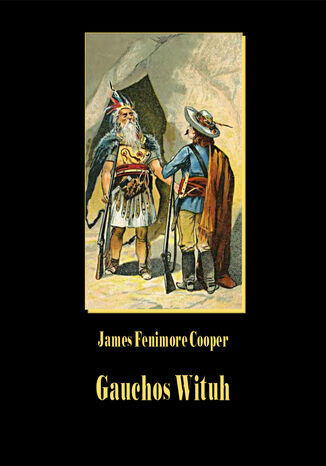
James Fenimore Cooper
Gauchos Wituh, to jedna z powieści przygodowo-historycznych amerykańskiego pisarza Jamesa Fenimorea Coopera. Ich akcja rozgrywa się w drugiej połowie XVIII wieku w Ameryce Północnej, wśród pionierów i Indian. Ich głównym bohaterem jest traper i myśliwy zwany Sokolim Okiem, biały człowiek wychowany przez Indian. Utwory te to romantyczny i idealistyczny obraz osiemnastowiecznych kresów Ameryki Północnej i zamieszkujących je Indian i osadników. Cechują je barwne opisy przyrody, wartka i pełna napięcia akcja, mocno zarysowane sylwetki głównych bohaterów. Książki te wysoko oceniane przez współczesnych i wciąż popularne, stanowią one żywy do dziś wzór przygodowej powieści indiańskiej. Powieści te od blisko dwustu lat są publikowane na całym świecie. Kilka z nich zostało sfilmowanych. Najpopularniejszym tomem cyklu jest wielokrotnie filmowana powieść Ostatni Mohikanin. (za Wikipedia).
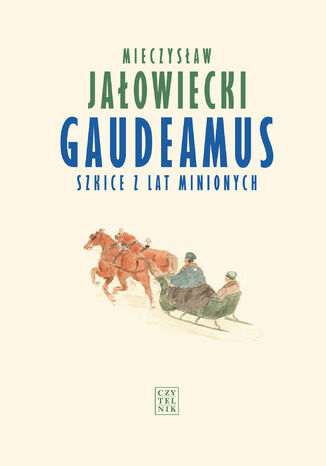
Gaudeamus. Szkice z lat minionych
Mieczysław Jałowiecki
Autor jest już doskonale znany czytelnikom dzięki książce Na skraju Imperium i inne wspomnienia, która od lat nieprzerwanie cieszy się dużym zainteresowaniem i bardzo dobrą opinią wśród odbiorców. Mieczysław Jałowiecki pozostawił jednak po sobie również inne teksty wspomnieniowe, a także obszerny materiał ikonograficzny. Tomik Gaudeamus. Szkice z lat minionych - zilustrowany autentycznymi rysunkami i akwarelami autora - zawiera wspomnienia dotyczące lat 1895-1901, gdy Mieczysław Jałowiecki studiował na Politechnice Ryskiej, w Imperium Rosyjskim. Na książkę składa się 27 wspomnień o wydarzeniach i sprawach związanych ze studiami autora oraz z jego wakacjami spędzanymi w rodzinnym majątku Syłgudyszki na Wileńszczyźnie. Jako czytelnicy Jałowieckiego mamy okazję przyjrzeć się bujnemu życiu polskich studentów w Rydze, którzy nie tylko oddawali się nauce, ale i uczestniczyli w miejscowych wydarzeniach towarzyskich (tu na uwagę zasługuje zwłaszcza piękne wspomnienie balu), stawali w szranki pojedynków (menzura - raczej słabo znana w polskiej literaturze), na różne sposoby rywalizowali ze studentami innych narodowości, głównie z Rosjanami. W czasie studiów autor należał do korporacji Arkonia, jednej z najstarszych polskich korporacji studenckich. Dzięki wspomnieniom Jałowieckiego możemy zapoznać się z funkcjonowaniem tego typu organizacji i przyjrzeć się obyczajom korporantów. Jako uzupełnienie wspomnień akademickich w książce pojawiają się też epizody dotyczące wakacji na Wileńszczyźnie (przygody na polowaniach) oraz służby wojskowej autora w rosyjskim pułku kawalerii pod Petersburgiem.
Gaudeamus. Szkice z lat minionych
Mieczysław Jałowiecki
Autor jest już doskonale znany czytelnikom dzięki książce Na skraju Imperium i inne wspomnienia, która od lat nieprzerwanie cieszy się dużym zainteresowaniem i bardzo dobrą opinią wśród odbiorców. Mieczysław Jałowiecki pozostawił jednak po sobie również inne teksty wspomnieniowe, a także obszerny materiał ikonograficzny. Tomik Gaudeamus. Szkice z lat minionych - zilustrowany autentycznymi rysunkami i akwarelami autora - zawiera wspomnienia dotyczące lat 1895-1901, gdy Mieczysław Jałowiecki studiował na Politechnice Ryskiej, w Imperium Rosyjskim. Na książkę składa się 27 wspomnień o wydarzeniach i sprawach związanych ze studiami autora oraz z jego wakacjami spędzanymi w rodzinnym majątku Syłgudyszki na Wileńszczyźnie. Jako czytelnicy Jałowieckiego mamy okazję przyjrzeć się bujnemu życiu polskich studentów w Rydze, którzy nie tylko oddawali się nauce, ale i uczestniczyli w miejscowych wydarzeniach towarzyskich (tu na uwagę zasługuje zwłaszcza piękne wspomnienie balu), stawali w szranki pojedynków (menzura - raczej słabo znana w polskiej literaturze), na różne sposoby rywalizowali ze studentami innych narodowości, głównie z Rosjanami. W czasie studiów autor należał do korporacji Arkonia, jednej z najstarszych polskich korporacji studenckich. Dzięki wspomnieniom Jałowieckiego możemy zapoznać się z funkcjonowaniem tego typu organizacji i przyjrzeć się obyczajom korporantów. Jako uzupełnienie wspomnień akademickich w książce pojawiają się też epizody dotyczące wakacji na Wileńszczyźnie (przygody na polowaniach) oraz służby wojskowej autora w rosyjskim pułku kawalerii pod Petersburgiem.

Władysław Syrokomla
Władysław Syrokomla Gawędy Gawęda o bocianie I Wiatr chłodno westchnął i mgłami kręci, Zima już blisko, ej blisko! Bocian poważny stróż sianożęci, Rozpuszcza skrzydła, tumany męci, I z wolna płynie na rżysko Siadł, zaklekotał, zwiesił dziób duży I zamknął poważnie oko. Snadź syn litewski marzy głęboko O swéj zamorskiéj podróży. II Miłoż to lecieć w auzońską stronę, Miło cóś widzieć i wiédzieć, A rozważając trudy minione, Plądrować Nilu brzegi zielone, N... Władysław Syrokomla Ur. 29 września 1823 w Smolhowie na Białorusi Zm. 15 września 1862 w Wilnie Najważniejsze dzieła: Margier, Urodzony Jan Dęboróg, Kasper Kaliński (Obrona Olsztyna), Janko Cmentarnik, Wielki Czwartek, Żywot poczciwego człowieka, Nagrobek obywatelowi; Chatka w lesie; Melodie z domu obłąkanych (zbiór poezji); Wycieczki po Litwie w promieniach od Wilna; Podróż swojaka po swojszczyźnie. Właśc. Ludwik Władysław Kondratowicz, pseudonim artystyczny utworzył z drugiego imienia i nazwy herbu rodzinnego. Poeta, pisarz i tłumacz doby romantyzmu. Był piewcą swojskości (przeciwny emigracji), idei demokratycznych (lecz nie rewolucyjnych), ludowości i rdzennej kultury litewskiej. Nazywał siebie ,,lirnikiem wioskowym" (tytuł jednego z wierszy), piszącym dla ,,braci w siermiędze i braci w kapocie". Jego styl cechuje programowa prostota języka, humor, niekiedy ironia (np. w nawiązaniach do sielankowych opisów życia na wsi). Solidaryzował się z egzystencją chłopów i drobnej szlachty, krytykował egoizm ziemiaństwa. Jego poglądy na współczesne mu tematy społeczne wyrażają m.in. wiersze Hulaj dusza! i Wyzwolenie włościan. Ważnym dokonaniem Syrokomli są przekłady łacińskojęzycznej literatury staropolskiej, m.in. Jana Kochanowskiego, Klemensa Janickiego, Sebastiana Klonowicza czy Macieja Kazimierza Sarbiewskiego - w pracy tej celem było przybliżenie rodakom spuścizny kultury polskiej. Ponadto tłumaczył również współczesną poezję rosyjską i ukraińską (Rylejewa, Lermontowa, Niekrasowa, Szewczenki), a nawet wielkich romantyków niemieckich (Króla Olch Goethego, liryki Heinego), te jednak przekłady nie są wierne i służyły raczej Syrokomli dla wyrażenia cudzym słowem tego, czego sam, w warunkach rosyjskiej cenzury, nie mógł pisać. Cieszył się popularnością w całym kraju, nie tylko na rodzinnej Litwie i Białorusi, ale również w Warszawie, Krakowie i w Wielkopolsce, gdzie w latach 50. przyjmowano go bardzo uroczyście. Ostatnie lata niedługiego życia Syrokomli naznaczył cień zbliżającego się powstania styczniowego. W 1861 r. wracając do Wilna z Warszawy, gdzie brał udział w manifestacjach patriotycznych (po części jako współpracownik ,,Kuriera Wileńskiego"), został aresztowany i uwięziony, a następnie osadzony przymusowo w Borejkowszczyźnie. Tam stworzył niezwykle dojrzałe liryki zebrane później w zbiorze Poezja ostatniej godziny (wyd. 1862, obejmują m.in. Melodie z domu obłąkanych). Dzięki usilnym staraniom przyjaciół zezwolono na jego powrót do Wilna na kilka miesięcy przed śmiercią. Został tam pochowany na cmentarzu na Rossie, a jego pogrzeb zgromadził tłumy i sam stał się demonstracją patriotyczną doby przedpowstaniowej. Kupując książkę wspierasz fundację Nowoczesna Polska, która propaguje ideę wolnej kultury. Wolne Lektury to biblioteka internetowa, rozwijana pod patronatem Ministerstwa Edukacji Narodowej. W jej zbiorach znajduje się kilka tysięcy utworów, w tym wiele lektur szkolnych zalecanych do użytku przez MEN, które trafiły już do domeny publicznej. Wszystkie dzieła są odpowiednio opracowane - opatrzone przypisami oraz motywami.