
Publisher: 24
Jerzy Liebert
Jerzy Liebert Kołysanka jodłowa Gorzkie wióry Ciosam kształty, ciosam trumny, Wióry gorzkie słowa lecą, Szklane oczy rękom świecą Cóż za cieśla nierozumny! Już nie jedną zdjąłem miarę, Trumien wielem wyobracał, Coraz żmudniej idzie praca: Lata młode, oczy stare. Bo to miary są człowiecze, Od miar takich wzrok się psuje, Ręka zdziera, serce truje Z tego się już nie wyleczę Nierozumny, strugam krzyże, Trudne jakieś składam dzieło, A sam nie wiem skąd się wzięło ... Jerzy Liebert Ur. ur. 24 lipca 1904 w Częstochowie Zm. zm. 19 czerwca 1931 w Warszawie Najważniejsze dzieła: tomiki poezji Druga ojczyzna (1925), Gusła (1930), Kołysanka jodłowa (1932); zbiór korespondencji Listy do Agnieszki Poezja Lieberta stanowi zapis jego poszukiwań metafizycznych. Tematyka religijno-filozoficzna przejawia się już w debiutanckim wierszu Zmartwychwstanie. Modlitwa młodego poety, opublikowanym w chrześcijańskim Czynie. Związany ze środowiskiem Skamandrytów, przyjaźnił się Liebert z Jarosławem Iwaszkiewiczem, publikował w Skamandrze i Wiadomościach literackich. Ważną relacją była dla poety przyjaźń z Bronisławą Wajngold, która przyjęła chrzest jako Agnieszka, a następnie wstąpiła do zakonu franciszkanek. Za jej przyczyną Liebert znalazł się w kręgu inteligencji katolickiej, związanym z ośrodkiem zakonnym w podwarszawskich Laskach, czytał filozofów chrześcijańskich i brał udział w dyskusjach na temat tych lektur. Dziennikiem tych przeżyć są Listy do Agnieszki. Studiował polonistykę na Wydziale Filozofii Uniwersytetu Warszawskiego, ale ukończenie studiów uniemożliwiła mu gruźlica i kłopoty materialne. Dzięki wsparciu przyjaciół wyjeżdżał na kuracje do Worochty. Zmarł w Warszawie w wieku 27 lat. Kupując książkę wspierasz fundację Nowoczesna Polska, która propaguje ideę wolnej kultury. Wolne Lektury to biblioteka internetowa, rozwijana pod patronatem Ministerstwa Edukacji Narodowej. W jej zbiorach znajduje się kilka tysięcy utworów, w tym wiele lektur szkolnych zalecanych do użytku przez MEN, które trafiły już do domeny publicznej. Wszystkie dzieła są odpowiednio opracowane - opatrzone przypisami oraz motywami.
Joanna Bator
Gorzko, gorzko to opowieść o pragnieniu miłości i wolności, które dojrzewa w życiu i marzeniach czterech pokoleń kobiet. Dlaczego Berta popełniła zbrodnię? Kiedy Barbara nauczyła się tak dobrze rzucać nożem? Dlaczego Violetta otworzyła wek Pandory i co w nim było? Czy Kalinie uda się poznać prawdę? Historię Berty, Barbary i Violetty opowiada Kalina, która w Wałbrzychu, Unisławiu Śląskim i Sokołowsku odnajduje brakujące fragmenty rodzinnej historii i zszywa je w całość. Mozolnie rekonstruując pamięć swej naznaczonej traumą rodziny, mierzy się zarazem z własną miłosną utratą. Realizm i magiczność Gorzko, gorzko nadają tej wciągającej sadze niepowtarzalny styl i niepokojący urok, dzięki czemu na długo zostaje ona w czytelniku. Gorzko, gorzko to nowatorsko i odważnie opowiedziana historia miłosna i nienawistna, okrutna i czuła, która budzi litość i trwogę, niosąc ostatecznie nadzieję na katharsis. Joanna Bator Laureatka Nagrody Literackiej Nike, Nagrody im. Beaty Pawlak, Nagrody Literackiej im. Hermana Hessego, Nagrody Literackiej im. Stefana Heima, Nagrody Literackiej Usdomer, szwajcarskiej Spycher Literaturpreis. Autorka bestsellerów tłumaczonych na wiele języków, w tym zekranizowanego niedawno Ciemno, prawie noc. W swojej szóstej powieści wraca na Dolny Śląsk zainspirowana prawdziwą historią, którą usłyszała na cmentarzu w Unisławiu Śląskim.
Joanna Bator
Gorzko, gorzko to opowieść o pragnieniu miłości i wolności, które dojrzewa w życiu i marzeniach czterech pokoleń kobiet. Dlaczego Berta popełniła zbrodnię? Kiedy Barbara nauczyła się tak dobrze rzucać nożem? Dlaczego Violetta otworzyła wek Pandory i co w nim było? Czy Kalinie uda się poznać prawdę? Historię Berty, Barbary i Violetty opowiada Kalina, która w Wałbrzychu, Unisławiu Śląskim i Sokołowsku odnajduje brakujące fragmenty rodzinnej historii i zszywa je w całość. Mozolnie rekonstruując pamięć swej naznaczonej traumą rodziny, mierzy się zarazem z własną miłosną utratą. Realizm i magiczność Gorzko, gorzko nadają tej wciągającej sadze niepowtarzalny styl i niepokojący urok, dzięki czemu na długo zostaje ona w czytelniku. Gorzko, gorzko to nowatorsko i odważnie opowiedziana historia miłosna i nienawistna, okrutna i czuła, która budzi litość i trwogę, niosąc ostatecznie nadzieję na katharsis. Joanna Bator Laureatka Nagrody Literackiej Nike, Nagrody im. Beaty Pawlak, Nagrody Literackiej im. Hermana Hessego, Nagrody Literackiej im. Stefana Heima, Nagrody Literackiej Usdomer, szwajcarskiej Spycher Literaturpreis. Autorka bestsellerów tłumaczonych na wiele języków, w tym zekranizowanego niedawno Ciemno, prawie noc. W swojej szóstej powieści wraca na Dolny Śląsk zainspirowana prawdziwą historią, którą usłyszała na cmentarzu w Unisławiu Śląskim.
Gosia i Janek. Tajemnicze kamienie
Małgorzata Rogala
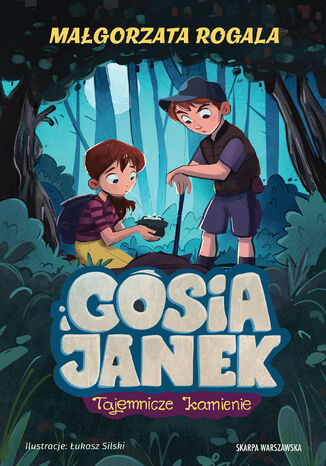
Bliźnięta, Gosia i Janek, dowiadują się od rodziców, że zamiast nad morze, pojadą w lipcu do Pełni. Niezadowoleni ze zmiany planów, uważają, że to będą najNUDNIEJSZE wakacje w ich życiu. Są przekonani, że w miasteczku położonym wśród lasów nie ma żadnych atrakcji. Jednak, wkrótce po przyjeździe, Gosia i Janek wpadają na trop tajemnicy, podsłuchują dziwną rozmowę, a także poznają Hanię i Piotrka. Od tego momentu bliźnięta oraz ich nowi przyjaciele nie spoczną, dopóki się nie dowiedzą, kim są Tyczka i Łysy, co znajduje się w skrytce pod głazem, i co to za tajemnicze kamienie, za które można dostać dużo pieniędzy. Czy uda im się rozwikłać zagadkę? Małgorzata Rogala - mistrzyni kryminału, tym razem zabiera nas w świat stworzony dla nieco młodszych czytelników i pokazuje tym samym, że pisze świetnie nie tylko dla dorosłych!
Gosia i Janek. Tajemnicze kamienie
Małgorzata Rogala
Bliźnięta, Gosia i Janek, dowiadują się od rodziców, że zamiast nad morze, pojadą w lipcu do Pełni. Niezadowoleni ze zmiany planów, uważają, że to będą najNUDNIEJSZE wakacje w ich życiu. Są przekonani, że w miasteczku położonym wśród lasów nie ma żadnych atrakcji. Jednak, wkrótce po przyjeździe, Gosia i Janek wpadają na trop tajemnicy, podsłuchują dziwną rozmowę, a także poznają Hanię i Piotrka. Od tego momentu bliźnięta oraz ich nowi przyjaciele nie spoczną, dopóki się nie dowiedzą, kim są Tyczka i Łysy, co znajduje się w skrytce pod głazem, i co to za tajemnicze kamienie, za które można dostać dużo pieniędzy. Czy uda im się rozwikłać zagadkę? Małgorzata Rogala - mistrzyni kryminału, tym razem zabiera nas w świat stworzony dla nieco młodszych czytelników i pokazuje tym samym, że pisze świetnie nie tylko dla dorosłych!
Małgorzata Rogala
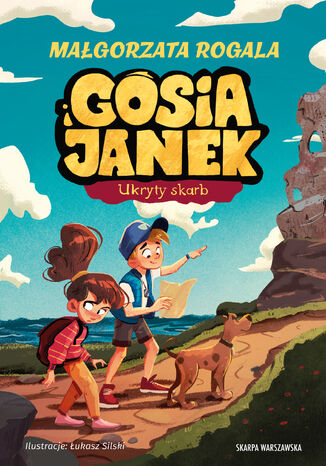
Bliźnięta, Gosia i Janek, wyjeżdżają z mamą, tatą oraz psem Kapslem nad morze. Zamierzają budować zamki z piasku, skakać przez fale i szukać bursztynów. Tymczasem pogoda krzyżuje ich plany. Na niebie pełno chmur, wieje zimny wiatr, o pójściu na plażę nie ma mowy. Na szczęście w tym samym ośrodku wczasowym są rówieśnicy, z którymi Gosia i Janek mogą miło spędzać czas Wkrótce bliźnięta poznają legendę związaną ze starym zamkiem i się dowiadują, że w jego ruinach jest ukryte coś cennego. Dzieciaki postanawiają to odnaleźć. Szybko się orientują, że są inne osoby, które też pragną zdobyć skarb. Kiedy ginie tajemnicza mapa, na której zaznaczono miejsce jego ukrycia, Gosia i Janek już nie mają wątpliwości, że dzieje się coś dziwnego i ważnego. Bliźnięta oraz ich nowi przyjaciele zrobią wszystko, co w ich mocy, żeby rozwikłać zagadkę i uratować skarb przed kradzieżą.
Małgorzata Rogala
Bliźnięta, Gosia i Janek, wyjeżdżają z mamą, tatą oraz psem Kapslem nad morze. Zamierzają budować zamki z piasku, skakać przez fale i szukać bursztynów. Tymczasem pogoda krzyżuje ich plany. Na niebie pełno chmur, wieje zimny wiatr, o pójściu na plażę nie ma mowy. Na szczęście w tym samym ośrodku wczasowym są rówieśnicy, z którymi Gosia i Janek mogą miło spędzać czas Wkrótce bliźnięta poznają legendę związaną ze starym zamkiem i się dowiadują, że w jego ruinach jest ukryte coś cennego. Dzieciaki postanawiają to odnaleźć. Szybko się orientują, że są inne osoby, które też pragną zdobyć skarb. Kiedy ginie tajemnicza mapa, na której zaznaczono miejsce jego ukrycia, Gosia i Janek już nie mają wątpliwości, że dzieje się coś dziwnego i ważnego. Bliźnięta oraz ich nowi przyjaciele zrobią wszystko, co w ich mocy, żeby rozwikłać zagadkę i uratować skarb przed kradzieżą.
Edgar Wallace
One of the most prolific writers of the twentieth century, Edgar Wallace was an immensely popular author, who created exciting thrillers with tales of treacherous crooks and hard-boiled detectives. Over the rest of his life, Wallace produced some 173 books and wrote 17 plays. These were largely adventure narratives with elements of crime or mystery, and usually combined a bombastic sensationalism with hammy violence. This hitherto uncollected mini-series of four delightful stories features the veracious but impecunious Right Honorable George Mortimer, the son of a British lord, who earns his living as a London taxi-driver.