
Видавець: 24
Gospodarka wodno-ściekowa i odpadowa w gospodarce cyrkulacyjnej
Marek Gromiec, Zbigniew Kledyński
Książka jest 6 tomem CET - serii monografii naukowych Wydziału Instalacji Budowlanych, Hydrotechniki i Inżynierii Środowiska Politechniki Warszawskiej, która jest wydawana we współpracy z Instytutem Badań Stosowanych Politechniki Warszawskiej Sp. z o.o. SERIA MONOGRAFIE CIRCULAR W książce przedstawiono przykłady praktycznego zastosowania rozwiązań w branży wodno-ściekowej związanych z gospodarką cyrkulacyjną. Pierwsze rozwiązanie dotyczyło technologii fluidalnej w odzysku biogenów, szczególnie fosforu z odcieków z osadów ściekowych, zrealizowanej w oczyszczalni ścieków aglomeracji Jarocina. Drugie rozwiązanie dotyczyło przeróbki osadów ściekowych przy pomocy hydrolizy termicznej i fermentacji w Tarnowie. Trzecie rozwiązanie związane było z projektem Blue Bridge, dotyczyło odzysku i wykorzystania wody odnowionej w komunalnej oczyszczalni ścieków w procesach realizowanych w Rafinerii Płockiej. Z odpadową gospodarką cyrkulacyjną związane były dwa zagadnienia. W pierwszym wskazano, że udział składowania odpadów w Polsce jest wciąż za wysoki, a odzyskiwanie energii z odpadów komunalnych stanowić będzie ważne działanie uzupełniające gospodarki cyrkulacyjnej. W drugim wykazano, że odzyskiwanie wartości z odpadów żywności stanowić będzie priorytetowy obszar odpadowej gospodarki cyrkulacyjnej. Wskazano, że wprowadzane przez UE nowe, ostrzejsze przepisy prawne dla branży wodociągowo-kanalizacyjnej i odpadowej wymagają ciągłego ich rozwoju, w znacznej mierze w także w duchu synergii. Planowane zmiany prawodawstwa unijnego wymagają ustanowienia krajowych programów dla gospodarki wodno-ściekowo-odpadowej, powiązanych z wdrażaniem gospodarki cyrkulacyjnej. Innowacyjne rozwiązania technologiczne uzdatniania wody i oczyszczania ścieków, odnowy wody, przeróbki osadów ściekowych i odpadów powinny uzyskać znaczące wsparcie finansowe, szczególnie dlatego, że kwestie likwidacji zanieczyszczenia środowiska dotyczą zdrowia i życia ludzi.
Gospodarka wodno-ściekowa w gospodarce cyrkulacyjnej
Marek Gromiec
Książka jest 5 tomem CET - serii monografii naukowych Wydziału Instalacji Budowlanych, Hydrotechniki i Inżynierii Środowiska Politechniki Warszawskiej, która jest wydawana we współpracy z Instytutem Badań Stosowanych Politechniki Warszawskiej Sp. z o.o. SERIA MONOGRAFIE CIRCULAR W monografii podano ogólne założenia i zastosowania unijnej gospodarki cyrkulacyjnej i nowego paradygmatu ściekowego w gospodarce wodno-ściekowej. Przyjęto, że unijna gospodarka cyrkulacyjna może mieć zastosowanie w praktyce nie tylko w gospodarce odpadowej, ale też w gospodarce wodno-ściekowej, a szczególnie w odnowie wody ze ścieków, co jest zgodne z nowym amerykańskim paradygmatem (NEW - Nutrienty-Energia-Woda), który dotyczy również odzysku substancji biogennych, energii i wody. Przedstawiono także możliwości integracji nowego paradygmatu odzysku dla substancji biogennych, wody i energii z gospodarką cyrkulacyjną, stwarzającego nowe perspektywy ekonomiczne, co jest bodźcem do opracowania i wdrożenia rozwiązań innowacyjnych, a także może odegrać istotną rolę w zrównoważonym rozwoju miast i w ograniczeniu zmian klimatycznych, przynosząc korzyści o charakterze ekonomicznym i środowiskowym. W rozdziałach od 2 do 7 przedstawiono w pełnej skali technicznej technologie stosowane za granicą. Obejmują one zagadnienia dotyczące: odzysku wody, w tym filtrację i dezynfekcję ścieków, odzysku metali i chemikaliów oraz odzysku fosforu z odcieków z osadów, jak też usuwanie substancji biogennych, odzysku energii ze ścieków i osadów. W rozdziałach 8 i 9 zaprezentowano rozwiązania problemów środowiskowych związanych z tworzywami sztucznymi oraz z produkcją wodoru - uznanego za paliwo przyszłości, wychodzące naprzeciw gospodarce cyrkulacyjnej i zmianom klimatycznym. W ostatnim rozdziale przedstawiono wybrane przykłady technologii, związanych z gospodarką cyrkulacyjną w gospodarce wodnościekowej - zastosowane w Polsce.
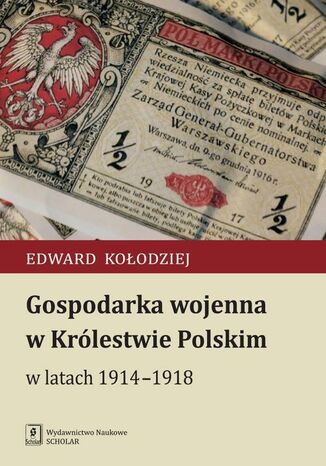
Gospodarka wojenna w Królestwie Polskim w latach 1914-1918
Edward Kołodziej
W wyniku działań wojennych prowadzonych w latach 1914-1915 na terenie Królestwa Polskiego i Galicji przemysł i rolnictwo poniosły znaczne straty. W 1915 roku wywieziono do Rosji wyposażenie wielu zakładów przemysłowych. Ewakuujące się oddziały rosyjskie niszczyły drogi i infrastrukturę kolejową. Wcześniej, w październiku 1914 roku, duże zniszczenia w Królestwie spowodowały wycofujące się z guberni zachodnich wojska niemieckie. Dobrowolna i przymusowa ewakuacja ludności cywilnej do Rosji objęła ok. 1 mln osób. Spośród 1,1 mln oficerów i żołnierzy zmobilizowanych na terenie Królestwa Polskiego do wojska carskiego większość także znalazła się w Rosji. Zniszczenia w pierwszym roku wojny i wojenna gospodarka państw centralnych w Królestwie Polskim spowodowały, że w 1918 roku odłogiem leżało 4,5 mln ha ziemi uprawnej, a straty żywego inwentarza sięgały od 37 do 60%. Straty przemysłu polskiego tylko w 4% wynikały z działań wojennych; ogromną ich większość spowodowały działania wojskowych i cywilnych administracji: niemieckiej - 56%, austro-węgierskiej - 22% i rosyjskiej - 18%. *** W związku z setną rocznicą Wielkiej Wojny (1914-1918) zainteresowanie badaczy jej dziejami przeżywa renesans. W Europie i świecie ukazuje się wiele opracowań, monografii i artykułów, głównie dotyczących kwestii wojskowych i politycznych I wojny światowej. Historycy pomijają natomiast zagadnienia natury gospodarczej. Podobnie jest w Polsce. Brak zainteresowania problematyką ekonomiczną nasi historycy tłumaczyli niedostateczną ilością źródeł, głównie archiwaliów, zniszczonych podczas pierwszej i drugiej wojny światowej. Autor recenzowanej książki udowodnił jednak, że wiele źródeł na tematy gospodarcze czasów Wielkiej Wojny zachowało się, chociaż ich odnalezienie wymagało dużego nakładu pracy. Z recenzji wydawniczej prof. dr. hab. Janusza Szczepańskiego Edward Kołodziej (ur. 1940) - historyk i archiwista, absolwent Wydziału Historycznego Uniwersytetu Warszawskiego, wieloletni pracownik Archiwum Akt Nowych w Warszawie. W latach 1999-2010 wykładowca w Instytucie Historii Uniwersytetu Marii Curie-Skłodowskiej w Lublinie, gdzie uzyskał tytuł profesora zwyczajnego. Jego zainteresowania badawcze obejmują głównie historię okresu międzywojennego, zwłaszcza zagadnienia ruchu zawodowego, migracji ludności, dziejów Polonii, działalności polskiej służby dyplomatycznej i konsularnej oraz historię gospodarczą. Autor i redaktor naukowy ponad 250 publikacji naukowych. W 2017 roku w Wydawnictwie Naukowym Scholar ukazała się jego książka Polska i inne państwa wobec problemów reparacji i długów zagranicznych w latach 1918-1939.
Gospodarka zasobami pracy w przedsiębiorstwie
Wiesław Janik
Przedmiotem niniejszej monografii jest zarządzanie zasobami ludzkimi, które we współczesnej gospodarce, traktowane są jako najważniejszy element kapitału intelektualnego. Książka podzielona jest na sześć rozdziałów.
Gospodarowanie kapitałem ludzkim. Wyzwania organizacyjne i prawne
Anna Rogozińska-Pawełczyk
Monografia wpisuje się w szeroki nurt publikacji naukowych dotyczących problematyki gospodarowania kapitałem ludzkim w organizacjach. Podejmuje wiele wątków szczegółowych układających się w obszary, w ramach których poszukuje się odpowiedzi na kluczowe pytania: jak tworzyć i kumulować kapitał ludzki w organizacji? jak skutecznie chronić jego wartość przed różnymi formami deprecjacji? jak wreszcie wykorzystywać posiadany do osiągania strategicznych celów organizacyjnych (m.in. poprzez podejmowanie właściwych działań z zakresu szeroko rozumianego motywowania)? Żywotność problematyki gospodarowania kapitałem ludzkim sprawia, że – mimo znacznej aktywności różnych oficyn wydawniczych w tym obszarze – ustawicznie obserwuje się niesłabnące zapotrzebowanie rynku czytelniczego na książki dotyczące tych zagadnień.
Gospodarowanie odpadami w pytaniach i odpowiedziach
Marta Hebda, Anna Szymanek
table {mso-displayed-decimal-separator:"\,"; mso-displayed-thousand-separator:" ";} tr {mso-height-source:auto;} col {mso-width-source:auto;} td {padding-top:1px; padding-right:1px; padding-left:1px; mso-ignore:padding; color:black; font-size:11.0pt; font-weight:400; font-style:normal; text-decoration:none; font-family:Calibri, sans-serif; mso-font-charset:0; text-align:general; vertical-align:bottom; border:none; white-space:nowrap; mso-rotate:0;} .xl107 {font-family:Arial; mso-generic-font-family:auto; mso-font-charset:0; background:#A9D08E; mso-pattern:black none;} Gospodarowanie odpadami w pytaniach i odpowiedziach to publikacja dla przedsiębiorców, urzędników i specjalistów ds. ochrony środowiska. W prosty sposób odpowiada na kluczowe pytania o ewidencję, transport, magazynowanie, przetwarzanie i recykling odpadów. Ułatwia zrozumienie zawiłych przepisów i pomaga wdrożyć je w codziennej praktyce. Dzięki przykładom i wskazówkom pozwala uniknąć kosztownych błędów oraz zwiększyć efektywność działań proekologicznych.
Gospodarowanie potencjałem pracy zorientowane na interesy pracobiorców
Anna Cierniak-Emerych, Małgorzata Gableta
W książce podjęto próbę poszerzenia, a zarazem zespolenia wiedzy o gospodarowaniu potencjałem pracy z perspektywy stosunków pracy w przedsiębiorstwie. Znalazło to wyraz m.in. w określeniu wytycznych dotyczących "budowania pomostów" pomiędzy pracobiorcami i pracodawcą. Ukazując skomplikowaną materię gospodarowania potencjałem pracy, uwypuklono przede wszystkim zasadność uwzględniania interesów pracobiorców.
Gospodarowanie Puszczą Białowieską jako ekosystemem przyrodniczo cennym
Stanisław Łuniewski
W publikacji znajdą Państwo szczegółową charakterystykę przyrodniczą Puszczy Białowieskiej oraz jej opis jako systemu chronionego w przepisach prawa krajowego i międzynarodowego. Ponadto nie zabrakło omówienia tego unikalnego ekosystemu pod kątem wykorzystania społecznego i gospodarczego z uwzględnieniem ochrony cennych zasobów. Zaś narysowanie perspektywy historycznej w zarządzaniu Puszczą Białowieską uzmysłowi nam, jakie wyzwania i zmiany przeszła ta wyjątkowa kraina przez wieki swojego istnienia.