
Verleger: 24
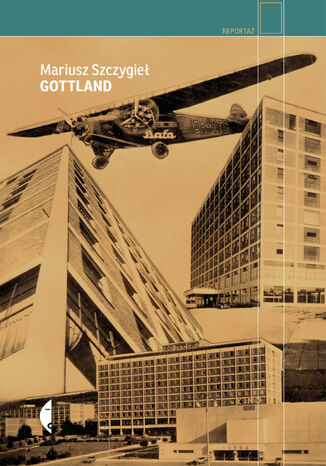
Mariusz Szczygieł
Książka może pisarza dręczyć. Może też i w tym przypadku to jest lepsze słowo uwierać. Drobnym szczegółem. Jakby był jakimś ziarenkiem piasku, które dostało się do buta i uniemożliwia chodzenie. Przyznaję: latami uwierało mnie kilka słów. Nie były odpowiednie, a ja przecież mam pod ręką lepsze. Parandowski stwierdził, że książka nazajutrz po wydaniu odmawia autorowi posłuszeństwa. Dlatego zapewniam dawnych i nowych czytelników Gottlandu, że tym razem stworzyłem książkę wreszcie mi posłuszną. Do następnego wydania oczywiście. Mariusz Szczygieł Aktorka Lida Baarova kobieta, przez którą płakał Goebbels; rzeźbiarz Otakar Szvec twórca największego pomnika Stalina na kuli ziemskiej, który nim skończył dzieło, postanowił się zabić, autentyczna siostrzenica Franza Kafki, która do dziś żyje w Pradze; piosenkarka Marta Kubiszova, której komunistyczny reżim na 20 lat zabronił śpiewać i skasował nagrania z radiowych archiwów; legendarny producent obuwia Tomáš Bata, który stworzył kontrolowane przez siebie miasto na 10 lat przed pomysłami Orwella; pisarz Eduard Kirchberger, który stworzył siebie na nowo i został Karelem Fabianem oraz wielu innych to bohaterowie tej książki. Poprzez ich barwne życiorysy Mariusz Szczygieł opowiada o czasach, w jakich przyszło im (i nam) żyć. Opowiada o wygórowanej cenie, jaką musieli zapłacić za pozornie nieważne decyzje, o tragicznym splocie przypadku i przeznaczenia, kształtującym życie całych pokoleń. Gottland to jedna z tych książek cudownie niepoddających się klasyfikacjom. Szczygieł jest niesamowity i zabawny, wszystko się u niego łączy. Jest niczym Hrabal non-fiction. Książka zaczyna się historią Baty, a kończy olśniewającą podwójną narracją na temat lekarki, specjalistki od oparzeń, która w wolnym czasie przekłada kryminały Dicka Francisa. I wszystko jest prawdą! Julian Barnes, The Guardian Mądra, ciekawa i potrzebna książka. Poprzez opowieść o losach ludzkich Szczygieł opowiada skomplikowane dzieje naszych południowych sąsiadów. Zafascynowany niepowtarzalną czeską kulturą i obyczajowością, zmysłem ironii, humorem i sarkazmem, przypomina czeskie spotkania z historią spuszczoną z łańcucha. Czytamy te opowieści przez pryzmat własnych losów, co czyni lekturę jeszcze bardziej zajmującą. Losy mieliśmy podobne, a jak bardzo odmienne. Pasjonująca książka. Adam Michnik Przy Gottlandzie nie sposób nie myśleć o Procesie i Zamku. Szczygieł śledzi niezrozumiałe zdarzenia i szuka w nich sensu. Ma niezwykły talent do tropienia szczegółów. Jego spojrzenie na dwudziestowieczne totalitaryzmy, które wciąż zatruwają nam umysł, jest godne najwyższej uwagi. Larry Rother, The New York Times Świetna książka. Potwornie przygnębiająca panorama czeskich losów XX wieku. (Obejmuje też wiek nowy, który równie przygnębia). To, co mnie zawsze w czeskim losie pociągało, to nieustanna, dynamiczna, tragiczna i zarazem śmieszna niejednoznaczność. Mariusz Szczygieł wychodzi z tradycji polskiego reportażu i na tę właśnie niejednoznaczną czeskość nakłada swoją metodę. Efekt jest bardzo mocny, oryginalny, zaskakujący. Od dawna nie odbyłam równie intensywnej podróży do moich młodzieńczych doświadczeń, pytań i fascynacji. Ale ich lektura wprawiła mnie w głęboki smutek. Czekam na drugą część tych reportaży-esejów-opowiadań (bo i gatunek nie jest do końca określony) w nadziei, że możliwe jest jakieś katharsis, że z pułapki tego środkowoeuropejskiego losu można się wyplątać. Agnieszka Holland Nadzwyczajny! Ze swoim sposobem opowiadania historii, poczuciem absurdu oraz ironicznym podejściem mógłby drukować u nas, w The Spectator. Victor Sebestyen, The Spectator To nie jest książka, to klejnot. Le Figaro Mimo humoru książka podejmuje temat cierpienia poważnie i ze współczuciem. Madeleine LaRue, Quarterly Conversation Wielka literatura pod płaszczykiem reportażu. Wiener Zeitung Halucynacyjne bajki pełne niepokoju. Liberation Tę książkę można uznać za czarną komedię, tyle że czarna komedia w wydaniu Szczygła to coś bardzo przygnębiającego. Mythili Rao, The Daily Beast Emocjonująca, tragiczna, zabawna podróż. La Repubblica Trauma życia w komunistycznym piekle do tej pory nie została w Europie odreagowana, o czym błyskotliwie zaświadcza ta książka i jej sukces. Kommiersant
Mariusz Szczygieł
Wybór znakomitych reportaży poświęconych Czechom, uwikłanym w czasy, w jakich przyszło im żyć. Czechosłowacja i Czechy - Gottland - to kraj horroru, smutku i groteski. Gottland Mariusza Szczygła nie ma nic wspólnego ze stereoptypową opowieścią o kraju wesołków, zabijających czas przy piwie. Aktorka Lida Baarova - kobieta, przez którą płakał Goebbels; rzeźbiarz Otakar Szvec twórca największego pomnika Stalina na kuli ziemskiej, który nim skończył dzieło, postanowił się zabić, autentyczna siostrzenica Franza Kafki, która do dziś żyje w Pradze; piosenkarka Marta Kubiszova, której komunistyczny reżim na 20 lat zabronił śpiewać i skasował nagrania z radiowych archiwów; legendarny producent obuwia Tomáš Bata, który stworzył kontrolowane przez siebie miasto na 10 lat przed pomysłami Orwella; pisarz Eduard Kirchberger, który stworzył siebie na nowo i został Karelem Fabianem oraz wielu innych to bohaterowie tej książki. Poprzez ich barwne życiorysy Mariusz Szczygieł opowiada o czasach, w jakich przyszło im (i nam) żyć. Opowiada o wygórowanej cenie, jaką musieli zapłacić za pozornie nieważne decyzje, o tragicznym splocie przypadku i przeznaczenia, kształtującym życie całych pokoleń. "Mądra, ciekawa i potrzebna książka. Poprzez opowieść o losach ludzkich, Szczygieł opowiada skomplikowane dzieje naszych południowych sąsiadów. Zafascynowany niepowtarzalną czeską kulturą i obyczajowością, zmysłem ironii, humorem i sarkazmem, przypomina czeskie spotkania z 'historią spuszczoną z łańcucha'. Czytamy te opowieści przez pryzmat własnych losów, co czyni lekturę jeszcze bardziej zajmującą. Losy mieliśmy podobne, a jak bardzo odmienne. Pasjonująca książka". Adam Michnik "Świetna książka. Potwornie przygnębiająca panorama czeskich losów XX wieku. (Obejmuje też wiek nowy, który równie przygnębia). To, co mnie zawsze w czeskim losie pociągało, to nieustanna, dynamiczna, tragiczna i zarazem śmieszna niejednoznaczność. Mariusz Szczygieł wychodzi z tradycji polskiego reportażu i na tę właśnie niejednoznaczną czeskość nakłada swoją metodę. Efekt jest bardzo mocny, oryginalny, zaskakujący. Dla mnie większość tych obrazów ma ewokującą siłę. Od dawna nie odbyłam równie intensywnej podróży do moich młodzieńczych doświadczeń, pytań i fascynacji. Ale ich lektura wprawiła mnie w głęboki smutek. Czekam na drugą część tych reportaży-esejów-opowiadań (bo i gatunek nie jest do końca określony) w nadziei, że możliwe jest jakieś katharsis, że może z pułapki tego środkowoeuropejskiego losu można się wyplątać". Agnieszka Holland "To nie jest książka, to klejnot". "Le Figaro" "Wielka literatura pod płaszczykiem reportażu". "Wiener Zeitung" "Halucynacyjne bajki pełne niepokoju". "Liberation" "Emocjonująca, tragiczna, zabawna podróż". "La Repubblica" "Szczygieł opowiada mistrzowsko". "Neue Zürcher Zeitung" "Zadziwiająco wie, jak dozować fakty". "Könyvjelző" "Pokazuje prawdziwy komunizm". "Frankfurter Allgemeine Zeitung" "Ta książka inspiruje pod każdym względem". "Lidové noviny" "To lustro, którego sami nie potrafilibyśmy sobie podstawić". "Hospodářské noviny" "Trauma życia w komunistycznym piekle do tej pory nie została w Europie odreagowana, o czym błyskotliwie zaświadcza ta książka i jej sukces". "Kommiersant" Książka Gottland w trzy lata po pierwszym wydaniu w 2006 roku została przełożona na 9 języków. Znalazła się w finale Nagrody Literackiej Nike 2007. Otrzymała: Nike Czytelników, Nagrodę Warszawskiej Premiery Literackiej Książka Roku 2007, Nagrodę im. Beaty Pawlak 2007; Gratias Agit 2009 (w Czechach); Prix Amphi 2009 (we Francji). W grudniu 2009 przyznano jej w Brukseli Europejską Nagrodę Literacką (European Book Prize 2009), której patronuje Parlament Europejski, a jurorami są krytycy i publicyści z krajów członkowskich Unii. Więcej informacji:

Nigel King, Adil Khan
It seems that every year since the Enron collapse there has been a fresh debacle that refuses to lower the spotlight from corporate Governance, Risk, and Compliance management.Before Sarbanes Oxely forced company managers to become risk conscious, if you asked a chief executive whether he thought he had adequate internal controls, the most likely answer would have been What is an internal control? This is clearly no longer the case. Every week some story breaks detailing a lack of good governance, a failure to plan for a foreseeable catastrophe or a failure to comply with an important law or regulation. These stories bring GRC themes into public view, and public scrutiny, and make management and directors keen to show they have put their best efforts forward to govern their companies well, manage risks to the enterprise, and to comply with all applicable laws.Perhaps only Oracle and SAP are in a position to really address all three aspects. The mission of GRC applications is to ensure that the managers and directors of Enterprises that run such applications have a strong defensible position. Written by industry experts with more than 30 years combined experience, this book covers the Governance, Risk Management and Compliance Management of a large modern enterprise and how the IT Infrastructure, in particular the Oracle IT Infrastructure, can assist in that governance. This book is not an implementation guide for GRC products rather it shows you how those products participate in the governance process, how they introduce or mitigate risk, and how they can be brought into compliance with best practice, as well as applicable laws and regulations.The book is divided into three major sections:Governance ñ where we discuss the strategic management of the enterprise, setting plans for managers, making disclosures to investors, and ensuring that the board knows that the enterprise is meeting its goals and staying within its policies.Risk Management ñ where we discuss audit disciplines. This is where we work out what can go wrong, document what we have to do to prevent it from going wrong and check that what we think prevents it going wrong - actually works! We move through the various sub-disciplines within the audit profession and show what tools are best suited from within the Oracle family to assist.Compliance Management ñ where we map the tools and facilities that we have discovered in the first two sections to frameworks and legislations. We give this from an industry and geography agnostic viewpoint, and then drill into some specific industries and countries.We neither stay in the narrow definition of GRC applications, nor limit ourselves to the Business Applications but take you to the most appropriate places in the full Oracle footprint. The book is written from the perspective of big GRC. It is not an implementation manual for the GRC products, although we hope you can get the best out of the GRC products after reading this book. We discuss many applications and technology products that are not in the GRC product family.
Goworek herbu Rawicz, wojewoda sandomierski powieść z widoku we śnie
Franciszek Salezy Jezierski
Powieść historyczno-polityczna dotycząca wybitnej postaci polskiego średniowiecza - wojewody sandomierskiego Goworka. Franciszek Salezy Jezierski (1740-1791) ksiądz, powieściopisarz i publicysta polityczny, działacz społeczno-oświatowy okresu Oświecenia. Pochodził z rodziny drobnej szlachty z ziemi łukowskiej. Doktor teologii i filozofii w Akademii Krakowskiej. Należy go uważać za współtwórcę reformy szkolnictwa podjętej przez Komisję Edukacji Narodowej. Był najbliższym współpracownikiem i przyjacielem Hugona Kołłątaja, należał do Kuźnicy Kołlątajowskiej. Odegrał dużą rolę w obradach Sejmu Czteroletniego. Dążył do wzmocnienia władzy państwowej.
Ignacy Krasicki
Ignacy Krasicki Bajki nowe Góra i dolina Jak to zwyczaj, wyższy, hardy. Doznawając zwykłej wzgardy Rzekła raz dolina górze: Ty się wznosisz, ja się nurzę, Jednak bym się nie mieniała. Góra, szczytem swym zuchwała, Pogroziła dolinie; Ale w tejże godzinie Osiadł tuman na górze, A z nim wiatry i bur... Ignacy Krasicki Ur. 3 lutego 1735 r. w Dubiecku (Sanockie) Zm. 14 marca 1801 r. w Berlinie Najważniejsze dzieła: Myszeida (1775), Mikołaja Doświadczyńskiego przypadki (1776), Monachomachia (1778), Pan Podstoli (1778 i 1784), Bajki i przypowieści (1779), Satyry (1779 i 1782), Antymonachomachia (1779), Wojna chocimska (1780) Wybitny polski poeta, prozaik, komediopisarz i publicysta. Kasztelanic chełmski, hrabia, przeznaczony do stanu duchownego ze względu na trudną sytuację materialną rodziny. Od 1766 r. biskup warmiński. Blisko współpracował z królem Stanisławem Augustem w dziele kulturalnego ożywienia kraju. Tworzył w duchu oświecenia (m.in. napisał w latach 1781-83 dwutomową encyklopedię Zbiór potrzebniejszych wiadomości, był twórcą pierwszego pol. czasopisma, (Monitor), ale jego Hymn do miłości ojczyzny (1774) oraz przekład Pieśni Osjana odegrały znaczącą rolę w kształtowaniu polskiego romantyzmu. Kupując książkę wspierasz fundację Nowoczesna Polska, która propaguje ideę wolnej kultury. Wolne Lektury to biblioteka internetowa, rozwijana pod patronatem Ministerstwa Edukacji Narodowej. W jej zbiorach znajduje się kilka tysięcy utworów, w tym wiele lektur szkolnych zalecanych do użytku przez MEN, które trafiły już do domeny publicznej. Wszystkie dzieła są odpowiednio opracowane - opatrzone przypisami oraz motywami.
Adam Mickiewicz
Adam Mickiewicz Sonety krymskie Góra Kikineis Mirza Spojrzyj w przepaść niebiosa leżące na dole, To jest morze; śród fali, zda się, że ptakgóra, Piorunem zastrzelony, swe masztowe pióra Roztoczył kręgiem, szerszym niż tęczy półkole, I wyspą śniegu nakrył błękitne wód pole. Ta wyspa, żeglująca w otchłani to chmura! Z jéj piersi na pół świata spada noc ponura; Czy widzisz płomienistą wstążkę na jéj ... Adam Mickiewicz Ur. 24 grudnia 1798 r. w Zaosiu koło Nowogródka Zm. 26 listopada 1855 r. w Konstantynopolu (dziś: Stambuł) Najważniejsze dzieła: Ballady i romanse (1822), Grażyna (1823), Sonety krymskie (1826), Konrad Wallenrod (1828), Dziady (cz.II i IV 1823, cz.III 1832), Księgi narodu polskiego i pielgrzymstwa polskiego (1833), Pan Tadeusz (1834); wiersze: Oda do młodości (1820), Do Matki Polki (1830), Śmierć pułkownika (1831), Reduta Ordona (1831) Polski poeta i publicysta okresu romantyzmu (czołowy z trójcy wieszczów). Syn adwokata, Mikołaja (zm. 1812) herbu Poraj oraz Barbary z Majewskich. Ukończył studia na Wydziale Literatury Uniwersytetu Wileńskiego; stypendium odpracowywał potem jako nauczyciel w Kownie. Był współzałożycielem tajnego samokształceniowego Towarzystwa Filomatów (1817), za co został w 1823 r. aresztowany i skazany na osiedlenie w głębi Rosji. W latach 1824-1829 przebywał w Petersburgu, Moskwie i na Krymie; następnie na emigracji w Paryżu. Wykładał literaturę łacińską na Akademii w Lozannie (1839), a od 1840 r. literaturę słowiańską w College de France w Paryżu. W 1841 r. związał się z ruchem religijnym A. Towiańskiego. W okresie Wiosny Ludów był redaktorem naczelnym fr. dziennika Trybuna Ludów i organizatorem ochotniczego Zastępu Polskiego, dla którego napisał demokratyczny Skład zasad. autor: Cezary Ryska Kupując książkę wspierasz fundację Nowoczesna Polska, która propaguje ideę wolnej kultury. Wolne Lektury to biblioteka internetowa, rozwijana pod patronatem Ministerstwa Edukacji Narodowej. W jej zbiorach znajduje się kilka tysięcy utworów, w tym wiele lektur szkolnych zalecanych do użytku przez MEN, które trafiły już do domeny publicznej. Wszystkie dzieła są odpowiednio opracowane - opatrzone przypisami oraz motywami.
Adam Mickiewicz
Adam Mickiewicz Sonety krymskie Góra Kikineis Mirza Spojrzyj w przepaść niebiosa leżące na dole, To jest morze; śród fali, zda się, że ptakgóra, Piorunem zastrzelony, swe masztowe pióra Roztoczył kręgiem, szerszym niż tęczy półkole, I wyspą śniegu nakrył błękitne wód pole. Ta wyspa, żeglująca w otchłani to chmura! Z jéj piersi na pół świata spada noc ponura; Czy widzisz płomienistą wstążkę na jéj ... Adam Mickiewicz Ur. 24 grudnia 1798 r. w Zaosiu koło Nowogródka Zm. 26 listopada 1855 r. w Konstantynopolu (dziś: Stambuł) Najważniejsze dzieła: Ballady i romanse (1822), Grażyna (1823), Sonety krymskie (1826), Konrad Wallenrod (1828), Dziady (cz.II i IV 1823, cz.III 1832), Księgi narodu polskiego i pielgrzymstwa polskiego (1833), Pan Tadeusz (1834); wiersze: Oda do młodości (1820), Do Matki Polki (1830), Śmierć pułkownika (1831), Reduta Ordona (1831) Polski poeta i publicysta okresu romantyzmu (czołowy z trójcy wieszczów). Syn adwokata, Mikołaja (zm. 1812) herbu Poraj oraz Barbary z Majewskich. Ukończył studia na Wydziale Literatury Uniwersytetu Wileńskiego; stypendium odpracowywał potem jako nauczyciel w Kownie. Był współzałożycielem tajnego samokształceniowego Towarzystwa Filomatów (1817), za co został w 1823 r. aresztowany i skazany na osiedlenie w głębi Rosji. W latach 1824-1829 przebywał w Petersburgu, Moskwie i na Krymie; następnie na emigracji w Paryżu. Wykładał literaturę łacińską na Akademii w Lozannie (1839), a od 1840 r. literaturę słowiańską w College de France w Paryżu. W 1841 r. związał się z ruchem religijnym A. Towiańskiego. W okresie Wiosny Ludów był redaktorem naczelnym fr. dziennika Trybuna Ludów i organizatorem ochotniczego Zastępu Polskiego, dla którego napisał demokratyczny Skład zasad. autor: Cezary Ryska Kupując książkę wspierasz fundację Nowoczesna Polska, która propaguje ideę wolnej kultury. Wolne Lektury to biblioteka internetowa, rozwijana pod patronatem Ministerstwa Edukacji Narodowej. W jej zbiorach znajduje się kilka tysięcy utworów, w tym wiele lektur szkolnych zalecanych do użytku przez MEN, które trafiły już do domeny publicznej. Wszystkie dzieła są odpowiednio opracowane - opatrzone przypisami oraz motywami.
Steffen Jacobsen
Mroźna Grenlandia, niezwykłe odkrycie naukowe i brutalne morderstwo... Tytuł bestsellerowego autora noir crime! W stacji badawczej na Grenlandii główny geolog potężnego koncernu paliwowego dokonuje najbardziej rewolucyjnego odkrycia od początku istnienia branży paliwowej. Wiadomość elektryzuje wszystkich - od rządu Grenlandii aż po chińskich inwestorów. Niestety niedługo po tym zdarzeniu geolog zostaje znaleziony martwy... Śledztwo zostaje przydzielone komisarz Lene Jensen, a koncern paliwowy na własną ręką wynajmuje prywatnego detektywa Michaela Jensena. Wspólnie rozpoczynają szalony wyścig z czasem, aby znaleźć zabójcę zanim plany eksploatacji złóż doprowadzą do kolejnej śmierci. Idealna dla fanów Stiega Larssona! To trzecia część skandynawskiej serii thrillerów o prywatnym detektywnie Michaelu Sanderze i komisarz Lene Jensen. Steffen Jacobsen (ur. 1956) - przełom w karierze autora nastąpił w 2013 roku po ukazaniu się Trofeum, pierwszej części serii skandynawskich kryminałów z detektywami: Michaelem Sanderem i Lene Jensen. Jego powieści doczekały się adaptacji filmowych, cieszą się popularnością w Europie, Stanach Zjednoczonych i Azji. Recenzenci porównują go z Johnem le Carré, Frederichem Forsythem i Janem Guillou.