
Видавець: 24
Władysław Syrokomla
Władysław Syrokomla Wybryki dobrego humoru Homerowa dziatwa Boże mój, Boże! jak to poecie Trudno i nudno żyć na tym świecie; Każdego kocha, ufa bez granic, I w sercach rymu dla serca szuka, A dobrzy ludzie mają go za nic, Bo zwieść poetę niewielka sztuka, Przecież go każdy zwodzić ochoczy, My tacy prości, a oni biegli, Więc na złość światu zamknijmy oczy, Udajmy, żeśmy nic nie postrzegli; Niech zwod... Władysław Syrokomla Ur. 29 września 1823 w Smolhowie na Białorusi Zm. 15 września 1862 w Wilnie Najważniejsze dzieła: Margier, Urodzony Jan Dęboróg, Kasper Kaliński (Obrona Olsztyna), Janko Cmentarnik, Wielki Czwartek, Żywot poczciwego człowieka, Nagrobek obywatelowi; Chatka w lesie; Melodie z domu obłąkanych (zbiór poezji); Wycieczki po Litwie w promieniach od Wilna; Podróż swojaka po swojszczyźnie. Właśc. Ludwik Władysław Kondratowicz, pseudonim artystyczny utworzył z drugiego imienia i nazwy herbu rodzinnego. Poeta, pisarz i tłumacz doby romantyzmu. Był piewcą swojskości (przeciwny emigracji), idei demokratycznych (lecz nie rewolucyjnych), ludowości i rdzennej kultury litewskiej. Nazywał siebie ,,lirnikiem wioskowym" (tytuł jednego z wierszy), piszącym dla ,,braci w siermiędze i braci w kapocie". Jego styl cechuje programowa prostota języka, humor, niekiedy ironia (np. w nawiązaniach do sielankowych opisów życia na wsi). Solidaryzował się z egzystencją chłopów i drobnej szlachty, krytykował egoizm ziemiaństwa. Jego poglądy na współczesne mu tematy społeczne wyrażają m.in. wiersze Hulaj dusza! i Wyzwolenie włościan. Ważnym dokonaniem Syrokomli są przekłady łacińskojęzycznej literatury staropolskiej, m.in. Jana Kochanowskiego, Klemensa Janickiego, Sebastiana Klonowicza czy Macieja Kazimierza Sarbiewskiego - w pracy tej celem było przybliżenie rodakom spuścizny kultury polskiej. Ponadto tłumaczył również współczesną poezję rosyjską i ukraińską (Rylejewa, Lermontowa, Niekrasowa, Szewczenki), a nawet wielkich romantyków niemieckich (Króla Olch Goethego, liryki Heinego), te jednak przekłady nie są wierne i służyły raczej Syrokomli dla wyrażenia cudzym słowem tego, czego sam, w warunkach rosyjskiej cenzury, nie mógł pisać. Cieszył się popularnością w całym kraju, nie tylko na rodzinnej Litwie i Białorusi, ale również w Warszawie, Krakowie i w Wielkopolsce, gdzie w latach 50. przyjmowano go bardzo uroczyście. Ostatnie lata niedługiego życia Syrokomli naznaczył cień zbliżającego się powstania styczniowego. W 1861 r. wracając do Wilna z Warszawy, gdzie brał udział w manifestacjach patriotycznych (po części jako współpracownik ,,Kuriera Wileńskiego"), został aresztowany i uwięziony, a następnie osadzony przymusowo w Borejkowszczyźnie. Tam stworzył niezwykle dojrzałe liryki zebrane później w zbiorze Poezja ostatniej godziny (wyd. 1862, obejmują m.in. Melodie z domu obłąkanych). Dzięki usilnym staraniom przyjaciół zezwolono na jego powrót do Wilna na kilka miesięcy przed śmiercią. Został tam pochowany na cmentarzu na Rossie, a jego pogrzeb zgromadził tłumy i sam stał się demonstracją patriotyczną doby przedpowstaniowej. Kupując książkę wspierasz fundację Nowoczesna Polska, która propaguje ideę wolnej kultury. Wolne Lektury to biblioteka internetowa, rozwijana pod patronatem Ministerstwa Edukacji Narodowej. W jej zbiorach znajduje się kilka tysięcy utworów, w tym wiele lektur szkolnych zalecanych do użytku przez MEN, które trafiły już do domeny publicznej. Wszystkie dzieła są odpowiednio opracowane - opatrzone przypisami oraz motywami.
Homeward Bound, or, the Chase. A Tale of the Sea
James Fenimore Cooper
The storyline is centered around a sea voyage. The storys subtitle is The Chase and it picks up right away as the authorities try to get back a passenger who apparently owes money to the father of his new fiancée.
Karol Surowiecki
Homilie rymowane ojca Karola Surowieckiego, franciszkanina, wyjaśniają mistyczny sens 2 Psalmu Dawida, w odniesieniu do zmian społeczno-politycznych, a przede wszystkim duchowych, jakie rozpoczęły się razem z tak zwanym Oświeceniem, którego kulminującym momentem była rewolucja francuska i propagowane przez nią bezbożnictwo. Autor zdecydowanie broni dawnego porządku, wytykając błędy głoszone przez filozofów kapłanów owej epoki.
Homo caelestis. Niezwykła opowieść o tym, kim się stajemy
Tommaso Ghidini
Człowiek nowego tysiąclecia założy stację na Księżycu, poleci na Marsa, uruchomi loty międzyplanetarne i przekroczy granicę dzielącą nas od głębokiej przestrzeni kosmicznej. Człowiek nowego tysiąclecia będzie miał zupełnie nową relację z kosmosem, w którym żyjemy: Homo terrestris jest gotowy, aby stać się Homo caelestis. Tommaso Ghidini zabiera nas w fascynującą podróż w przyszłość. Snuje rozważania o tym, jak nasze życie może się zmienić, gdy przekroczymy granice Ziemi i zaczniemy zasiedlać inne planety. Nie skupia się jednak wyłącznie na technicznych aspektach podróży kosmicznych, ale przede wszystkim na ludziach - ich emocjach, pragnieniach, i wyzwaniach, z którymi muszą się mierzyć. Ghidini przedstawia świat, w którym porażka nie jest końcem, lecz nieodłącznym elementem rozwoju, koniecznym do osiągnięcia nowych celów. Homo Caelestis to opowieść o marzeniach, które stają się rzeczywistością, dzięki odwadze i determinacji naukowców, astronautów oraz wizjonerów, którzy poświęcają swoje życie na badanie kosmosu.
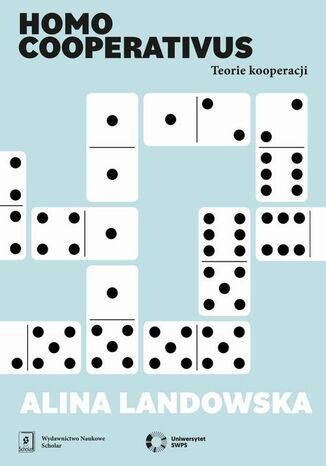
Alina Landowska
Książka Homo cooperativus to ambitna monografia naukowa, która naświetla problematykę kooperacji międzyludzkiej w ujęciach socjologicznych, antropologicznych, organizacyjnych, psychologicznych, ale także filozoficznych i ekonomicznych. Praca jest erudycyjna i swobodnie korzysta z dorobku współczesnej literatury, bez zbędnych popisów bibliograficznych, za to z umiejętnym skonfrontowaniem różnych dzieł. To pozycja wartościowa naukowo, solidnie opracowana i wypełniająca istotną lukę w polskiej literaturze z obszaru nauk społecznych. prof. Dariusz Jemielniak Alina Landowska - doktorka nauk humanistycznych w zakresie kulturoznawstwa, wykładowczyni SWPS Uniwersytetu Humanistycznospołecznego. Absolwentka i stypendystka uczelni krajowych i zagranicznych, m.in. Instytutu Ekumenicznego Tantur w Jerozolimie (Uniwersytet Notre Dame, USA) i The Baltic University Program (Uppsala, Szwecja). Prowadzi badania nad mechanizmami transmisji kulturowej w mediach cyfrowych, moralnością w cyfrowym świecie oraz retoryczną teorią kultury. Współpracuje z laboratorium badawczym The New Ethos. Członkini The Cultural Evolution Society przy Uniwersytecie w Durham.
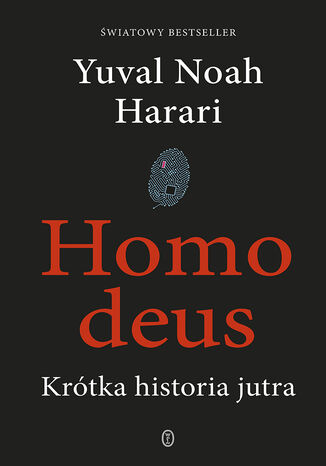
Homo deus. Krótka historia jutra
Yuval Noah Harari
Przyszłość homo sapiens? Nie, to już nasza teraźniejszość! Bestsellerowa książka Harariego z nową przedmową autora. Do czego doprowadzi nas pogoń za nieśmiertelnością? Starzejące się ciało to już tylko problem techniczny. Niedługo najbogatszych będzie stać, by je skutecznie naprawić. Jak będzie wyglądał świat, jeśli człowiek stanie się nieśmiertelny? Na co zdadzą się wtedy religie i filozofie? Czy sztuczna inteligencja na dobre zastąpi ludzki umysł? Czy niepostrzeżenie powstanie nowy gatunek, człowiek bóg homo deus? Harari to scenarzysta-wizjoner, który swoje refleksje o kierunkach rozwoju cywilizacji opiera na dogłębnej analizie przeszłości oraz tym, co najbardziej palące tu i teraz. Uważnie wsłuchuje się w nastroje epoki i rysuję mapę możliwości na przyszłość. Ta książka do myślenia o przyszłości, czyli, inaczej mówiąc, do zastanowienia się nad naszą teraźniejszością. Bill Gates, Time Homo deus cię zadziwi. Dostarczy rozrywki. A przede wszystkim zupełnie zmieni twój sposób myślenia. Daniel Kahneman
Homo deus. Krótka historia jutra. Nowe wydanie z przedmową autora
Yuval Noah Harari
Przyszłość homo sapiens? Nie, to już nasza teraźniejszość! Bestsellerowa książka Harariego z nową przedmową autora. Do czego doprowadzi nas pogoń za nieśmiertelnością? Starzejące się ciało to już tylko problem techniczny. Niedługo najbogatszych będzie stać, by je skutecznie naprawić. Jak będzie wyglądał świat, jeśli człowiek stanie się nieśmiertelny? Na co zdadzą się wtedy religie i filozofie? Czy sztuczna inteligencja na dobre zastąpi ludzki umysł? Czy niepostrzeżenie powstanie nowy gatunek, człowiek bóg homo deus? Harari to scenarzysta-wizjoner, który swoje refleksje o kierunkach rozwoju cywilizacji opiera na dogłębnej analizie przeszłości oraz tym, co najbardziej palące tu i teraz. Uważnie wsłuchuje się w nastroje epoki i rysuję mapę możliwości na przyszłość. Ta książka do myślenia o przyszłości, czyli, inaczej mówiąc, do zastanowienia się nad naszą teraźniejszością. Bill Gaes, Time Homo deuscię zadziwi. Dostarczy rozrywki. A przede wszystkim zupełnie zmieni twój sposób myślenia. Daniel Kahneman AUDIOBOOK W INTERPRETACJI ROCHA SIEMIANOWSKIEGO
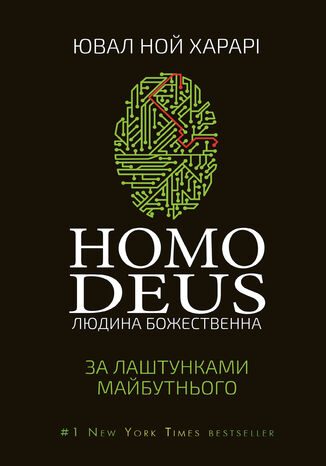
Homo Deus: за лаштунками майбутнього
Ювал Ной Харарі
Книга ізраїльського письменника Ювала Ноя Харарі про історію, досягнення та майбутнє людства. Автор піднімає філософські теми розвитку людства, еволюції та домінування у світі Homo Sapiens. Харарі ділиться своїми дослідженнями та роздумами про гуманізм як форму релігії, колективний та індивідуальний розум, технологічний прогрес та його вплив на людство. Письменних припускає, що на заміну Homo Sapiens прийде Homo Deus 2013 надлюдина з унікальними здібностями, включаючи вічне життя.