
Publisher: 24
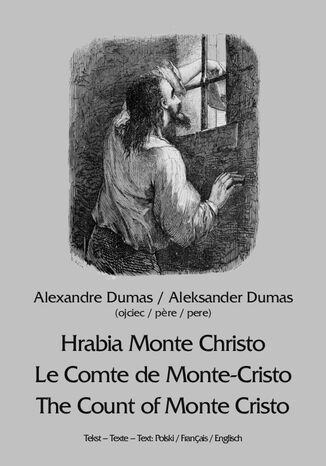
Hrabia Monte Christo. Le Comte de Monte-Cristo. The Count of Monte Cristo
Aleksander Dumas
Hrabia Monte Christo powieść Aleksandra Dumasa ojca z 1844 roku, uważana za najwybitniejsze dzieło w jego ogromnym dorobku. Akcja toczy się pomiędzy 24 lutego 1815 a 5 października 1838, z przerwą na okres wrzesień 1829 wiosna 1838. Miejscem akcji są wyspa Monte Christo (Montecristo), Marsylia, Paryż, Rzym oraz inne miejscowości we Francji i Włoszech. (https://pl.wikipedia.org/wiki/Hrabia_Monte_Christo). Le Comte de Monte-Cristo est un roman dAlexandre Dumas, écrit avec la collaboration dAuguste Maquet et achevé en 1844. Il est partiellement inspiré de faits réels, trs lointainement empruntés la vie de Pierre Picaud. Ce roman est, avec Les Trois mousquetaires, lune des uvres les plus connues de lécrivain tant en France qu létranger. (https://fr.wikipedia.org/wiki/Le_Comte_de_Monte-Cristo). The Count of Monte Cristo is an adventure novel by French author Alexandre Dumas (pre) completed in 1844. It is one of the author's most popular works, along with The Three Musketeers. Like many of his novels, it is expanded from plot outlines suggested by his collaborating ghostwriter Auguste Maquet. The book is considered a literary classic today. According to Luc Sante, The Count of Monte Cristo has become a fixture of Western civilization's literature, as inescapable and immediately identifiable as Mickey Mouse, Noah's flood, and the story of Little Red Riding Hood. (https://en.wikipedia.org/wiki/The_Count_of_Monte_Cristo).
Aleksander Dumas
Genialne dzieło Dumasa to wciąż niedościgniony pierwowzór opowieści o wielkiej intrydze, sile zemsty, potędze przyjaźni i triumfie człowieka w walce o honor. Dzieje niezwykłych losów oficera marynarki, Edmunda Dantesa, poznajemy w momencie wpłynięcia do Marsylii trójmasztowca „Faraon”, na którym objął on, po śmierci dowódcy, stanowisko kapitana. Wydaje się, że przed młodym człowiekiem rozpościera się teraz pasmo sukcesów, szczególnie że czeka też na niego ukochana Mercedes, z którą wkrótce ma wziąć ślub. Niestety, tuż przed swoją śmiercią dowódca poprosił Edmunda, by ten dostarczył do Paryża pewne dokumenty, które podczas rejsu zostały zabrane z Elby, gdzie uwięziony był Napoleon. Ten fakt pomaga zazdrosnym o jego sukcesy ludziom napisać donos, w wyniku którego Edmund trafia na lata do więzienia w twierdzy If. Okrucieństwo wyrządzone Dantesowi przez tych, których miał za przyjaciół, odebrało mu miłość, wolność i naiwną radość życia. Mroczne lochy twierdzy If zabiły łatwowiernego młodzieńca, ale jednocześnie uformowały człowieka świadomego i uwolniły wielkiego konstruktora misternego planu oddania sprawiedliwości tak wobec wrogów, jak i przyjaciół, wedle ich zasług i przewinień. Hrabia Monte Christo wyrusza zatem szlakiem zemsty z portu Marsylia…
Robert Gałka
Powieść wchodząca w skład cyklu Spin off Skazaniec. "Hrabia" to literacki debiut autorstwa Roberta Gałki. Akcja jest osadzona na przełomie ubiegłych stuleci i toczy się w jednym z miast zaboru rosyjskiego. Młody mężczyzna zostaje przypadkowym świadkiem kradzieży i to nieoczekiwane zrządzenie losu kształtuje jego dalsze życie. Bohater powoli wsiąka w brutalną rzeczywistość przestępczego marginesu, gdzie człowiek jest tyle wart, ile ukradnie drugiemu. Henryk Duszański ulega pokusie i w pełni świadom własnego wyboru wkracza w świat, który rządzi się swoimi prawami. Pobiera nauki złodziejskiego rzemiosła - uczy się kieszonkowych kradzieży oraz technik włamań do cudzych posiadłości. Powiedzenie "można z nim konie kraść" w wypadku bohatera książki, nabiera dosłownego znaczenia. Na uznanie zasługuje barwny język literacki, który wiernie oddaje ducha minionych czasów, a wartkie dialogi sprawiają, że złodziejską opowieść czyta się jednym tchem.

Robert Gałka
SPIN OFF SKAZANIEC - to seria powieści, ukazująca losy bohaterów, którzy odegrali znaczące role na kartach więziennej epopei. Miejsce akcji, tematyka oraz narracja każdej z lektur są odmienne i każda z pozycji mogłaby śmiało uchodzić za odrębne dzieło. Cykl w główniej mierze powstał z myślą o osobach, które urzekła wielotomowa powieść "Skazaniec" i dlatego we wszystkich historiach niniejszej serii, akcja chwilami przenosi się w mury wronieckiego więzienia... Sugerowana przez Wydawnictwo KAGO kolejność czytania lub odsłuchu: 1. Hrabia (autor: Robert Gałka) 2. Frantz (autor: Krzysztof Spadło) 3. A and S (autor: Krzysztof Spadło) 4. Karmazynowy kniaź (autor: Krzysztof Spadło) Hrabia tom I Karmannyj wor Akcja powieści jest osadzona na przełomie ubiegłych stuleci i toczy się w jednym z miast zaboru rosyjskiego. Młody mężczyzna zostaje przypadkowym świadkiem kradzieży i to nieoczekiwane zrządzenie losu kształtuje jego dalsze życie. Bohater powoli wsiąka w brutalną rzeczywistość przestępczego marginesu, gdzie człowiek jest tyle wart, ile ukradnie drugiemu. Henryk Duszański ulega pokusie i w pełni świadom własnego wyboru wkracza w świat, który rządzi się swoimi prawami. Pobiera nauki złodziejskiego rzemiosła - uczy się kieszonkowych kradzieży oraz technik włamań do cudzych posiadłości. Powiedzenie "można z nim konie kraść" w wypadku bohatera książki, nabiera dosłownego znaczenia. Na uznanie zasługuje barwny język literacki, który wiernie oddaje ducha minionych czasów, a wartkie dialogi sprawiają, że złodziejską opowieść czyta się jednym tchem. Producentem audiobooka jest Audioteka Group Sp. z o.o.
Robert Gałka
Powieść wchodząca w skład cyklu Spin off Skazaniec. "Z niedowierzaniem pokręciłem głową. Bracia nigdy nie przejmowali się zagrożeniem. To, co niesie życie, brali z uśmiechem na ustach. Któregoś dnia, gdy spytałem Roberta, czy nie boją się, że ich ktoś dojedzie, odpowiedział:- Chcesz żyć wiecznie? Gnić we własnym łóżku, czekając, aż ktoś z rodziny łaskawie poda ci kubek wody albo nocnik? Tego chcesz? Oglądać nieszczere uśmiechy nad łożem boleści, wiedząc, że twoi kochani tylko czekają, żebyś wyciągnął kopyta? - Pokręcił głową. - Nie... Nie dla nas taka dola. Ja z bratem odejdę z hukiem. To śmierć będzie się bała nas, nie odwrotnie! Wiesz Heniek, byliśmy kiedyś z Arturem w teatrze. Nudne to było i cały czas wierszem gadane. Jakiś łatek w kiecce i wianku na łbie latał po deskach. Zapamiętałem z tego jedno zdanie. - "Tchórz zanim umrze, kona wiele razy. Walecznych jedna tylko śmierć spotyka.". Tego się z braciakiem trzymamy. Robert wyjął z karmana barani łeb i założył na pięść. Zamarkował szybki cios. Mosiądz kastetu błysnął złowrogim uśmiechem. - Jeśli mamy zdechnąć, to na naszych zasadach - powiedział ponurym głosem" * * * "Amor ad mortem" to II, finalny tom powieści "Hrabia". Wartka akcja rozpoczyna się na warszawskich ulicach w przededniu I wojny światowej. Losy głównego bohatera toczą się w środowisku przestępczego półświatka, gdzie spektakularne napady, zuchwałe kradzieże i krwawe porachunki, są na porządku dziennym. Jednak w tej brutalnej i bezwzględnej rzeczywistości, którą rządzą niepisane prawa, istnieją również honor, lojalność, przyjaźń i miłość. Autor snuje złodziejską opowieść, zachowując styl i formę języka literackiego, który w wyśmienity sposób oddaje ducha minionej epoki.
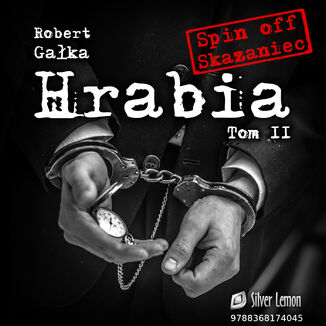
Robert Gałka
SPIN OFF SKAZANIEC - to seria powieści, ukazująca losy bohaterów, którzy odegrali znaczące role na kartach więziennej epopei. Miejsce akcji, tematyka oraz narracja każdej z lektur są odmienne i każda z pozycji mogłaby śmiało uchodzić za odrębne dzieło. Cykl w główniej mierze powstał z myślą o osobach, które urzekła wielotomowa powieść "Skazaniec" i dlatego we wszystkich historiach niniejszej serii, akcja chwilami przenosi się w mury wronieckiego więzienia... Sugerowana przez Wydawnictwo KAGO kolejność czytania lub odsłuchu: 1. Hrabia (autor: Robert Gałka) 2. Frantz (autor: Krzysztof Spadło) 3. A and S (autor: Krzysztof Spadło) 4. Karmazynowy kniaź (autor: Krzysztof Spadło) Hrabia tom II Amor ad mortem "Z niedowierzaniem pokręciłem głową. Bracia nigdy nie przejmowali się zagrożeniem. To, co niesie życie, brali z uśmiechem na ustach. Któregoś dnia, gdy spytałem Roberta, czy nie boją się, że ich ktoś dojedzie, odpowiedział:- Chcesz żyć wiecznie? Gnić we własnym łóżku, czekając, aż ktoś z rodziny łaskawie poda ci kubek wody albo nocnik? Tego chcesz? Oglądać nieszczere uśmiechy nad łożem boleści, wiedząc, że twoi kochani tylko czekają, żebyś wyciągnął kopyta? - Pokręcił głową. - Nie... Nie dla nas taka dola. Ja z bratem odejdę z hukiem. To śmierć będzie się bała nas, nie odwrotnie! Wiesz Heniek, byliśmy kiedyś z Arturem w teatrze. Nudne to było i cały czas wierszem gadane. Jakiś łatek w kiecce i wianku na łbie latał po deskach. Zapamiętałem z tego jedno zdanie. - "Tchórz zanim umrze, kona wiele razy. Walecznych jedna tylko śmierć spotyka.". Tego się z braciakiem trzymamy. Robert wyjął z karmana barani łeb i założył na pięść. Zamarkował szybki cios. Mosiądz kastetu błysnął złowrogim uśmiechem. - Jeśli mamy zdechnąć, to na naszych zasadach - powiedział ponurym głosem" "Amor ad mortem" to II, finalny tom powieści "Hrabia". Wartka akcja rozpoczyna się na warszawskich ulicach w przededniu I wojny światowej. Losy głównego bohatera toczą się w środowisku przestępczego półświatka, gdzie spektakularne napady, zuchwałe kradzieże i krwawe porachunki, są na porządku dziennym. Jednak w tej brutalnej i bezwzględnej rzeczywistości, którą rządzą niepisane prawa, istnieją również honor, lojalność, przyjaźń i miłość. Autor snuje złodziejską opowieść, zachowując styl i formę języka literackiego, który w wyśmienity sposób oddaje ducha minionej epoki. Producentem audiobooka jest Audioteka Group Sp. z o.o.
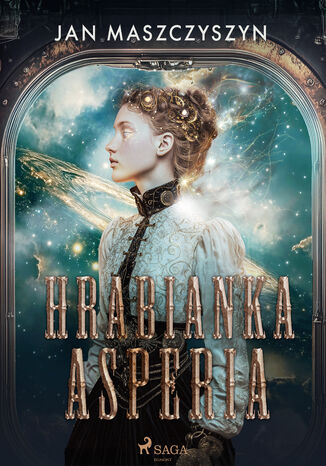
Jan Maszczyszyn
Steampunkowy misz-masz, gdzie wszechświat wypełniony eterem składa się z wielu metawersów, a odpowiedzi na filozoficzno-fizyczne pytania zawierają po równo współczesna kosmologia oraz mitologia australijskich Aborygenów. Dorastająca hrabianka Asperia dostarcza swojemu ojcu wielu wrażeń. Zresztą nie tylko jemu! Wraz z córką Ashleya i Cydonii czytelnik wyruszy w podróż do galaktycznego jądra, gdzie ulokowana jest tajemnicza Enklawa. Ale zanim to nastąpi szalona wyprawa pod dowództwem Sira Brownhole'a zahaczy także między innymi o pirackie rewiry i wyjaśni zasadę istnienia Bytów Szkatułowych zdeterminowanych prawami przyrody. Domknięcie trylogii, na którą składają się również powieści Światy Solarne i Światy Alonbee. Pisarstwo Jana Maszczyszyna, pełne absurdu i groteski, z pewnością podbije serca i umysły miłośników prozy Lewisa Carrolla czy Philipa K. Dicka. Trylogia Solarna Stało się: ludzkość podbiła Światy Solarne. Jednak mimo gigantycznego postępu technologicznego mentalnie cywilizacja nadal tkwi w XIX wieku. Najcenniejszym produktem eksportowym Ziemi (prowincjonalnej planety alternatywnego Układu Słonecznego) są ciemnoskórzy niewolnicy z Afryki, a rozwarstwione społeczeństwo jest zarządzane przez zblazowanych arystokratów. Czy ludziom w takiej kondycji uda się odeprzeć atak inteligentnego roślinnego gatunku? Jan Maszczyszyn (ur. 1960) pochodzi z Bytomia, od 1989 r. mieszka w Australii. Jest autorem wielu opowiadań i książek z gatunków science fiction, bizarro fiction i dark sci-fi. Może pochwalić się tytułem laureata (obok Marka S. Huberatha i Andrzeja Sapkowskiego) konkursu miesięcznika Fantastyka. Publikował . w magazynach Fakty, Fenix Antologia czy Merkuriusz, w fanzinach Somnambul, Feniks czy Spectrum. Znany głównie z autorstwa Trylogii Solarnej czy powieści uhonorowanych Literacką Nagrodą im. Jerzego Żuławskiego Necrolotum i Chronometrus.
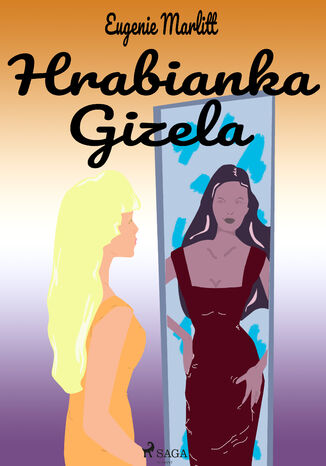
Eugenie Marlitt
Mroczna przeszłość pięknej hrabiny Voldern stała się przyczyną tragedii osobistych wielu osób z jej otoczenia i położyła się głębokim cieniem na życiu jej jedynej wnuczki i spadkobierczyni - Gizeli Sturm. Odsunięta od świata i wychowywana w kłamstwie osierociała Gizela nie zaznała radości i beztroski dziecięcych lat. Dorastała otoczona udawaną troskliwością, nieświadoma wyrządzonych jej krzywd i nie przeczuwająca, na jak ciężką próbę wystawi ją los u progu jej pełnoletności. Czy wyjdzie z tej próby zwycięsko i zdoła ocalić honor rodziny Voldernów - pokaże lektura tej książki, którą czyta się z z zapartym tchem. Mała Gizela skryła się początkowo przerażona w kąt pokoju, ale wnet na jej twarzyczce lęk ustapił miejsca oburzeniu. Nie była przecież niegrzeczna, a chciano ją ukarać. Nie wiedziała, w swej dziecięcej niewinności, jakie są przyczyny oburzenia niewidomej, wiedziała tylko jedno, że się z nią obeszła niegodnie, a to jej się zdarzało po raz pierwszy w jej młodym życiu..."