
Publisher: 24
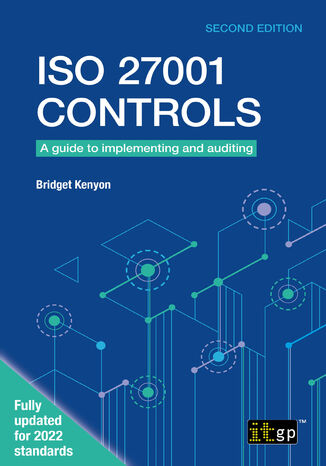
IT Governance Publishing, Bridget Kenyon
This guide offers a comprehensive approach to implementing and auditing ISO 27001 controls, providing clear steps for establishing a robust Information Security Management System (ISMS). It is designed to help organizations navigate the complexities of meeting international security standards while ensuring the protection of sensitive information. The book covers every aspect of ISO/IEC 27001, from the foundational principles to practical applications of organizational, physical, and technological controls.Each chapter is carefully structured to explain the implementation of specific controls, focusing on real-world scenarios and offering actionable advice for security professionals. With detailed instructions and clear examples, readers will gain a deep understanding of the ISO 27001 framework and how to align their organizations with best practices. In addition to control implementation, the book emphasizes ongoing compliance and risk management strategies. It highlights critical areas such as incident management, supplier relationships, and data protection, ensuring readers can address security challenges at all levels. Whether new to ISO 27001 or looking to refine an existing ISMS, this book provides the tools necessary for successful information security management and compliance auditing.
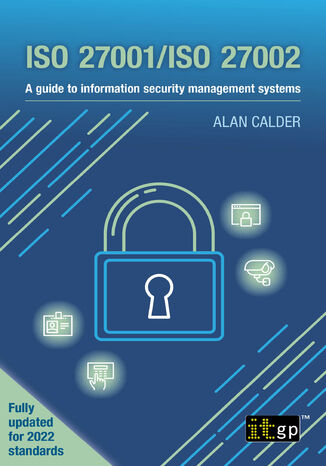
ISO 27001/ISO 27002. A guide to information security management systems
IT Governance Publishing, Alan Calder
This comprehensive guide demystifies the ISO 27001 and ISO 27002 standards, offering a clear roadmap to understanding, implementing, and managing an Information Security Management System (ISMS). It begins with foundational concepts, a history of ISO 27001, and introduces the ISO 27000 family. The book proceeds to cover the PDCA cycle, Annex SL structure, and the significance of shall vs. should in compliance language.Core chapters walk through ISO 27001’s clauses and requirements, from organizational context and leadership to performance evaluation and continual improvement. Annex A's security controls are explored in detail, linking theory with practical application. ISO 27002 is also thoroughly reviewed to offer guidance on selecting and implementing appropriate controls.By the end of the book, readers gain a strong understanding of ISMS design, certification processes, and control mapping. This resource supports IT managers, compliance officers, and auditors seeking to align with international security standards.
ISO 50001. A strategic guide to establishing an energy management system
IT Governance Publishing, Alan Field
This guide introduces readers to the essential concepts of an Energy Management System (EnMS), with a focus on the internationally recognized ISO 50001 standard. It explains why energy management is a strategic priority, the benefits of adopting an EnMS, and how ISO 50001 plays a pivotal role in reducing energy consumption while enhancing environmental sustainability.The book covers the essential aspects of ISO 50001, from its key definitions and principles to the PDCA (Plan-Do-Check-Act) cycle that underpins its effectiveness. It also provides practical insights on integrating ISO 50001 with ISO 14001, creating a comprehensive management system that aligns with both energy and environmental objectives. Readers will learn about the key differences between the 2011 and 2018 versions of ISO 50001 and how to successfully prepare for third-party assessments to achieve certification.Perfect for energy managers, sustainability professionals, and organizations aiming to improve their energy efficiency, this book offers a detailed roadmap for implementing ISO 50001 and achieving long-term energy savings. It also highlights the strategic advantages of integrating energy management with broader sustainability goals and environmental management practices.
IT Governance Publishing, Alan Shipman, Steve Watkins
In this book, readers will gain a comprehensive understanding of privacy information management (PIM) and the ISO/IEC 27701:2025 standards. The content begins by establishing the foundational principles of privacy and its significance in the modern data-driven world. It explores how organizations process personal information, the types of information involved, and the reasons behind its collection. Moving forward, the book delves into the implementation of PIMS controls to safeguard privacy, ensuring data is handled securely and in compliance with legal frameworks. The text also covers the application of privacy by design and by default, highlighting best practices for organizations to embed privacy throughout their systems and processes. In addition to practical guidance on managing privacy information, the book provides detailed instructions on certification and auditing processes to ensure compliance with ISO/IEC 27701 standards. By following this book, professionals will acquire the knowledge to implement effective privacy information management strategies across various business contexts.
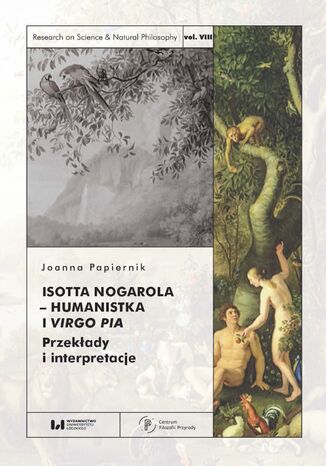
Isotta Nogarola - humanistka i virgo pia. Przekłady i interpretacje
Joanna Papiernik
Monografia jest poświęcona lsotcie Nogaroli (1418-1466) - jednej z najwybitniejszych intelektualistek włoskiego renesansu. Ukazuje jej twórczość na tle rozwoju humanizmu i odradzającego się zainteresowania klasyczną myślą etyczną. Przedstawia drogę życiową Nogaroli, która, rezygnując z małżeństwa i życia zakonnego, obrała ścieżkę samodzielnych studiów humanistycznych, filozoficznych i teologicznych. Na podstawie materiału epistolograficznego oraz analizy jej głównych dzieł, w tym dialogu O równym i nierównym grzechu Adama i Ewy, autorka publikacji rekonstruuje intelektualny portret humanistki jako jednej z pierwszych kobiet, które odważnie włączyły się w debatę o naturze kobiety i jej miejscu w świecie - w tzw. querelle des femmes. W pierwszej części książki omówiona jest korespondencja lsotty: tematyka jej listów, ich styl i rola w tworzeniu sieci humanistycznych relacji oraz budowaniu autorytetu uczonej kobiety. W kolejnych rozdziałach zaprezentowano okres dobrowolnego odosobnienia pisarki, a następnie interpretację Dialogu w kontekście jego różnorakich źródeł, między innymi ukazano wielowarstwowość tego tekstu - od teologiczno-filozoficznego traktatu po subtelny głos w renesansowej dyskusji o równości płci. Ostatnia część publikacji poświęcona jest dojrzałym dziełom Nogaroli, w tym Elegii na cześć wsi Cyanum. Monografia całościowo ujmuje dorobek lsotty Nogaroli - kobiety, która dzięki intelektualnej pasji i duchowej wrażliwości stała się jedną z pierwszych filozofek europejskiego humanizmu.
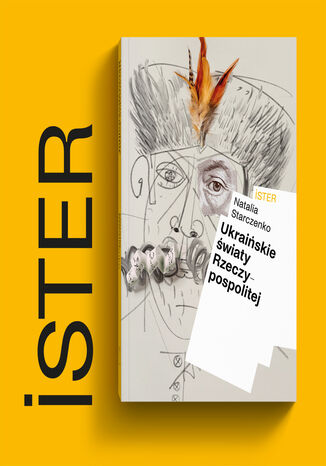
ISTER. Ukraińskie światy Rzeczypospolitej
Prof. Natalia Starczenko
Spisana na podstawie akt sądowych historia przełomu XVI i XVII wieku na Rusi. Barwna, wartka opowieść o sąsiedzkich sporach, magnackich konfliktach, królewskich szantażach i przywilejach szlacheckich. Choć autorka skupia się tylko na jednym stuleciu, to przygląda mu się z bliska i z dzisiejszej perspektywy, filtrując wydarzenia przez pryzmat współczesnych problemów i wartości. W zbiorze ponad stu opowieści autorka analizuje postawy, wybory i działania swoich bohaterów. Opowiada o tym, za kogo się uważali, jak rozumieli Rzeczpospolitą i swoje w niej miejsce, jej porządek prawny i społeczny, jakie zasady i rytuały towarzyszyły im w codziennym życiu. Wspólne, siedemnastowieczne dzieje ożywają dzięki barwnym opowieściom o wydarzeniach i ludziach sprzed wieków. Z ukraińskiego przełożyli: Tomasz Hodana i Katarzyna Kotyńska. Pierwszy tom opublikowany w nowej serii Ister pod redakcją Łukasza Galuska, Pauliny Małochleb i Bartosza Sadulskiego.

Midro Alina Teresa
Książka jest zaproszeniem do świata ludzi, jakich mało znamy, którzy zostali doświadczeni przez los z powodu uszkodzeń w materiale genetycznym. Dzieci cierpiące na zespoły uwarunkowane genetycznie poprzez swoje słabości są na swój sposób wyjątkowe, ale też tak jak inne cechują się wieloma umiejętnościami i talentami, pod warunkiem że zechcemy je odkryć. Mogą być szczęśliwe, jeśli są odpowiednio traktowane. Mogą nieść w sobie ból i dręczący niepokój, których nie rozpoznamy, jeśli ich nie zrozumiemy. One chcą nie tylko istnieć, ale przede wszystkim żyć i być kochane. Publikacja składa się z dwóch części. W pierwszej znajdują się opowiadania o poznanych przeze mnie dzieciach i ich rodzinach, a w drugiej relacje ze spotkań integrujących środowisko naukowców, lekarzy i terapeutów z rodzicami i podejmowanych przez nich prób poszukiwania rozwiązań istotnych problemów pojawiających się w codziennych zmaganiach z losem. Rodzice wychowujący dzieci z zespołem Downa, zespołem Lejeunea (zwanym zespołem krzyku kociego), zespołem WolfaHirschhorna (określanym też mianem zespołu greckiego wojownika) lub zespołem Retta czy innym, mniej znanym zespołem wspólnych cech wywołanych taką samą zmianą w genomie muszą nieustannie borykać się z wieloma trudnościami.
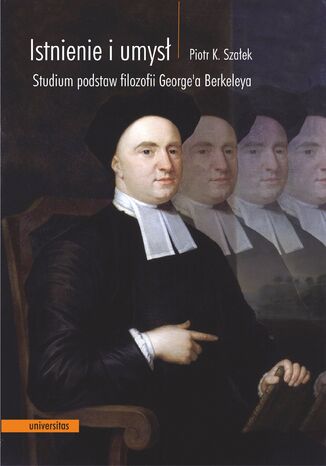
Istnienie i umysł. Studium podstaw filozofii George'a Berkeleya
Piotr Szałek
Przedmiotem książki jest historycznofilozoficzna charakterystyka Berkeleyowskiej "nowej zasady", tj. twierdzenia egzystencjalnego "esse est percipi aut percipere" - "istnieć to być spostrzeganym lub spostrzegać", stanowiącego fundament jego systemu filozoficznego. W książce zastosowano metodę wewnętrznej analizy doktryn filozoficznych wypracowaną przez Etienne'a Gilsona i Stefana Swieżawskiego, posiłkując się również teorią typów idealnych Maxa Webera. Wbrew dominującej epistemologicznej interpretacji filozofii Berkeleya podkreślono znaczenie metafizycznego wymiaru Berkeleyowskiej "nowej zasady" i w tym duchu zaproponowano rekonstrukcję jej źródeł, założeń i argumentów. Kluczową rolę w przeprowadzonych rozważaniach odegrały analizy Philosophical Commentaries - notatnika filozoficznego Berkeleya. Pozwoliły one na określenie najbliższego kontekstu intelektualnego jego koncepcji, sprecyzowanie etapów rozwoju jego myśli oraz uchwycenie zasadniczej roli "nowej zasady" i wpływów kartezjanizmu (zwłaszcza Rene Descartes'a i Nicolasa Malebranche'a) oraz pokartezjańskiego sceptyka Pierre'a Bayle'a. Zasadnicze rezultaty książki sprowadzają się do: 1) sformułowania spójnej ontologicznej interpretacji filozofii Berkeleya, która za podstawę bierze Philosophical Commentaries i "nową zasadę"; 2) zakwestionowania zasadności klasyfikowania Berkeleya jako przynależącego w pełni do tradycji empirystycznej i 3) sproblematyzowania kategorii racjonalizmu i empiryzmu w odniesieniu do historii filozofii siedemnastego i osiemnastego wieku.