
Wydawca: 8
oprac. Małgorzata Smereczniak
Książka z opowiadaniem Nocny ekspres Sławomira Mrożka kontynuuje serię "Czytaj po polsku. Materiały pomocnicze do nauki języka polskiego jako obcego" i jest przeznaczona dla osób znających język polski w stopniu zaawansowanym (C1 - C2). Zawiera krótką notkę biograficzną o Sławomirze Mrożku, zarys tematyki utworu (w języku polskim, angielskim i niemieckim) oraz oryginalny tekst opowiadania pt. Nocny ekspres, który uzupełniony został przypisami objaśniającymi trudniejsze słownictwo. Tekst opowiadania obudowany jest propozycjami różnorodnych ćwiczeń rozwijających kompetencje językowe, literackie i kulturowe. Opracowanie doskonale sprawdzi się zarówno podczas zajęć prowadzonych w grupie (klasie), jak i w samodzielnej nauce (zawiera klucz do ćwiczeń).
oprac. Katarzyna Frukacz
W prezentowanym tomie z serii "Czytaj po polsku. Materiały pomocnicze do nauki języka polskiego jako obcego" umieszczono fragmenty reportaży Radiobudzik pani Mohs Włodzimierza Nowaka oraz Maską w stronę wiatru Jacka Hugo-Badera. Skrypt opracowano pod kątem kształcenia językowego i literaturoznawczego cudzoziemców, znających język polski na poziomie zaawansowanym (C1 / C2). Oprócz ćwiczeń komunikacyjnych, leksykalno-gramatycznych oraz rozwijających umiejętność czytania ze zrozumieniem i pisania, książka zawiera osobny segment zadań poświęconych gatunkowym cechom reportażu. Skrypt można więc wykorzystać podczas zajęć lektoratowych w grupach o zainteresowaniach humanistycznych. Za sprawą aktualnej tematyki podjętej przez obu reporterów, opracowanie sprawdzi się także w czasie lekcji dotyczących podróży, motoryzacji, pracy i opieki socjalnej, ekonomii i gospodarki, państwa i polityki. Zawarty w tomie zestaw ćwiczeniowy uzupełniają notki biograficzne autorów, krótkie streszczenia reportaży oraz umieszczony na końcu skryptu klucz odpowiedzi.
Czytaj po polsku. T. 13: Eliza Orzeszkowa:
oprac. Magdalena Nowak, Paulina Stasiak
Niniejsze książeczki to materiały pomocnicze do nauki języka polskiego jako obcego, przeznaczone dla osób początkujących (każde opracowanie składa się z 300 słów), które chcą poznać polską klasykę literacką i wzbogacić swój zasób słownictwa. Książeczki zawierają streszczenia nowel oraz zestawy ćwiczeń, których celem jest doskonalenie już zdobytej przez obcokrajowców szeroko pojętej wiedzy językowej oraz ogólnokulturowej. W każdym tomie pomieszczono słownik zawierający wszystkie wyrazy użyte w tekstach opowiedzianych nowel (w formach gramatycznych, w jakich zostały użyte w tekście, i wzbogacone o gramatyczne informacje, np. formy podstawowe, tj. słownikowe, czy rekcje, a więc wiadomości przydatne dla osób uczących się języka polskiego).
Czytaj po polsku. T. 14: Katarzyna Bonda:
oprac. Tomasz Gęsina
Seria: Czytaj po polsku (14), ISSN 2720-5800 Ukazujący się w serii Czytaj po polsku. Materiały pomocnicze do nauki języka polskiego jako obcego fragment powieści Tylko martwi nie kłamią Katarzyny Bondy, opracowany przez Tomasza Gęsinę, skierowany jest do osób uczących się języka polskiego na poziomie średnio zaawansowanym (B1-B2). Fragment powieści kryminalnej został wykorzystany dwukrotnie - dla poziomu B1 tekst zaadaptowano w przystępny sposób, dla poziomu B2 wykorzystano oryginalny tekst. Wszystkie zadania opierają się na materiale gramatycznym i leksykalnym użytym w obu tekstach. Z publikacji mogą korzystać zarówno studenci, chcący samodzielnie doskonalić swój język, jak i nauczyciele podczas pracy z grupą lektoratową, a także polscy odbiorcy, zainteresowani współczesną literaturą polską, którzy chcą kształtować kompetencje językowo-kulturowe w zakresie języka i kultury polskiej. Książka została opracowana z uwzględnieniem standardów egzaminacyjnych Państwowej Komisji ds. Poświadczania Znajomości Języka Polskiego jako Obcego.
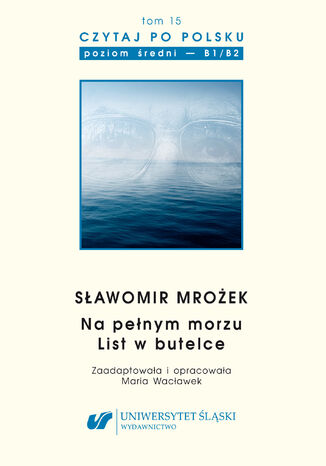
Czytaj po polsku. T. 15: Sławomir Mrożek:
oprac. Maria Wacławek
Seria: Czytaj po polsku (15), ISSN 2720-5800 Ukazujące się w serii Czytaj po polsku. Materiały pomocnicze do nauki języka polskiego jako obcego utwory Sławomira Mrożka: jednoaktówka Na pełnym morzu oraz opowiadanie List w butelce, opracowane przez Marię Wacławek, skierowane są do osób uczących się języka polskiego na poziomie średnio zaawansowanym (B1-B2). Utwory są przytoczone w oryginale, przy czym dla celów glottodydaktycznych jednoaktówka została lekko skrócona. Opracowane zadania opierają się na materiale gramatycznym i leksykalnym użytym w obu tekstach. Z publikacji mogą korzystać studenci uczący się języka polskiego jako obcego/drugiego/odziedziczonego, chcący samodzielnie doskonalić język, nauczyciele podczas pracy z grupą lektoratową, a także polscy odbiorcy, zainteresowani współczesną literaturą polską, którzy chcą kształtować kompetencje językowo-kulturowe w zakresie języka i kultury polskiej. Książkę przygotowano z uwzględnieniem standardów egzaminacyjnych Państwowej Komisji ds. Poświadczania Znajomości Języka Polskiego jako Obcego.
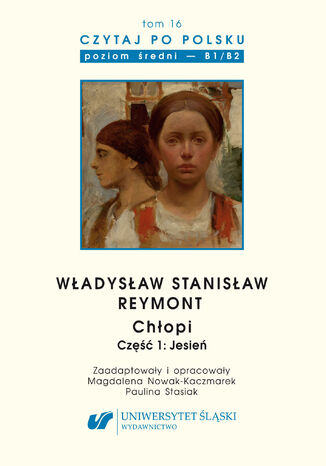
Czytaj po polsku. T. 16: Władysław Stanisław Reymont:
Zaadapt. i oprac. Magdalena Nowak-Kaczmarek, Paulina Stasiak
Seria: Czytaj po polsku (16), ISSN 2720-5800 Powieść Chłopi, za którą Władysław Stanisław Reymont otrzymał Nagrodę Nobla, składa się z czterech części, odpowiadających porom roku w kolejności: jesień, zima, wiosna, lato. Autor uwzględnił wszystkie pory, jednak akcja powieści obejmuje dziesięć, a nie dwanaście, miesięcy. Początkowo wydawana w odcinkach w "Tygodniku Ilustrowanym", doczekała się także pełnej publikacji książkowej. Była wielokrotnie wznawiana. Miejscem akcji jest wymyślona przez autora wieś Lipce. Utwór ukazuje zainteresowanie Reymonta życiem zbiorowości chłopskiej, a także podporządkowanie się ludności wiejskiej siłom natury. Język utworu, często potoczny, obfituje w elementy dialektalne, niejednokrotnie autor czerpie również z ludowych piosenek i przyśpiewek. Reymont umiejętnie stosuje, niezbyt intensywną, aby nie zniechęcić czytelnika, stylizację gwarową. Pierwszy tom w znacznej mierze przedstawia relację oraz drogę do małżeństwa Macieja Boryny i o wiele od niego młodszej Jagny Dominikówny (Paczesiówny). Powieść zawiera wiele wątków związanych z wiejskimi obrzędami i życiem chłopów. Fragmenty odnoszące się do natury można odczytywać w nowy sposób. Mogą być inspiracją do rozmów o ekologii i zmianach, które zaszły od momentu publikacji utworu do czasów współczesnych.
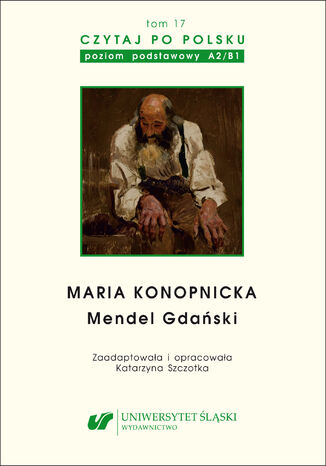
Czytaj po polsku. T. 17: Maria Konopnicka:
Zaadapt. i oprac. Katarzyna Szczotka
Seria: Czytaj po polsku (17), ISSN 2720-5800 Mendel Gdański to nowela Marii Konopnickiej opublikowana w 1890 roku. Stanowiła odpowiedź pisarki na antysemityzm, który w tamtym czasie był problemem powszechnym w społeczeństwie polskim. Akcja noweli rozgrywa się w XIX-wiecznej Warszawie. Głównym bohaterem opowiadania jest tytułowy Mendel Gdański - stary, ubogi introligator, Żyd polskiego pochodzenia, który od 27 lat mieszka na tej samej ulicy. Wydarzenia opisane w noweli pokazują, z jakimi trudnościami na co dzień zmagał się starzec. Pomimo szerzącego się wokół antysemityzmu i przemocy Mendel Gdański nie zrezygnował ze swojej tożsamości i z uporem bronił własnej godności.
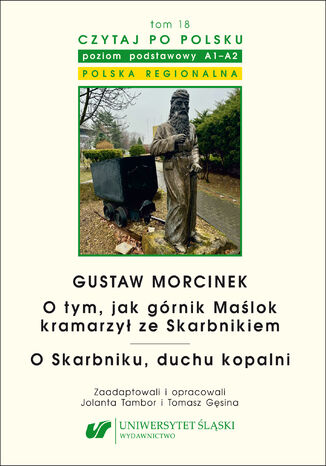
Czytaj po polsku. T. 18: Gustaw Morcinek:
Zaadapt. i oprac. Jolanta Tambor, Tomasz Gęsina
Ukazujące się w serii Czytaj po polsku. Materiały pomocnicze do nauki języka polskiego jako obcego opowieści o Skarbniku, opracowane przez Jolantę Tambor i Tomasza Gęsinę, są skierowane do osób uczących się języka polskiego na poziomie podstawowym (A1-A2). To tom zawierający teksty dotyczące problematyki regionalnej, bardzo rzadko prezentowanej cudzoziemcom. W opracowaniu wykorzystano dwa utwory: O tym, jak górnik Maślok kramarzył ze Skarbnikiem Gustawa Morcinka oraz O Skarbniku, duchu kopalni ze zbioru Baśnie i legendy polskie. Wszystkie zadania opierają się na materiale gramatycznym i leksykalnym użytym w obu tekstach. Z publikacji mogą korzystać zarówno studenci, chcący samodzielnie doskonalić swój język, jak i nauczyciele podczas pracy z grupą lektoratową, a także polscy odbiorcy, zainteresowani literaturą polską, którzy chcą kształtować kompetencje językowo-kulturowe w zakresie języka i kultury polskiej. Książka została przygotowana z uwzględnieniem standardów egzaminacyjnych Państwowej Komisji ds. Poświadczania Znajomości Języka Polskiego jako Obcego.