
Wydawca: 8

David Hunter (tom 2). Zapisane w kościach
Simon Beckett
Eksplodująca serią brutalnych zbrodni i szokujących zwrotów akcji oto druga część serii fascynujących thrillerów kryminalnych Simona Becketta. Antropolog sądowy dr David Hunter w ramach przysługi przebywa na odległej wyspie Runa. Musi zbadać przerażające odkrycie. Hunter był świadkiem śmierci pod wieloma postaciami, ale nawet on jest zszokowany tym, co zobaczył: niemal całkowicie spalone ciało, z którego pozostały tylko nogi i ręka. Miejscowa policja jest pewna, że to przypadkowa śmierć, ale Hunter nie jest przekonany. Badając spalone szczątki, znajduje dowody, których się obawiał. Jest dla niego jasne, że nie był to wypadek tylko morderstwo. Kiedy odizolowana społeczność mierzy się z odkryciem Huntera, w wyspę uderza katastrofalna burza. Brakuje prądu, ustaje komunikacja ze światem zewnętrznym, a zabijanie zaczyna się na dobre.

David Hunter (tom 2). Zapisane w kościach
Simon Beckett
Eksplodująca serią brutalnych zbrodni i szokujących zwrotów akcji oto druga część serii fascynujących thrillerów kryminalnych Simona Becketta. Antropolog sądowy dr David Hunter w ramach przysługi przebywa na odległej wyspie Runa. Musi zbadać przerażające odkrycie. Hunter był świadkiem śmierci pod wieloma postaciami, ale nawet on jest zszokowany tym, co zobaczył: niemal całkowicie spalone ciało, z którego pozostały tylko nogi i ręka. Miejscowa policja jest pewna, że to przypadkowa śmierć, ale Hunter nie jest przekonany. Badając spalone szczątki, znajduje dowody, których się obawiał. Jest dla niego jasne, że nie był to wypadek tylko morderstwo. Kiedy odizolowana społeczność mierzy się z odkryciem Huntera, w wyspę uderza katastrofalna burza. Brakuje prądu, ustaje komunikacja ze światem zewnętrznym, a zabijanie zaczyna się na dobre. Audiobook w interpretacji Wojciecha Żołądkowicza
David Hunter (tom 3). Szepty zmarłych
Simon Beckett
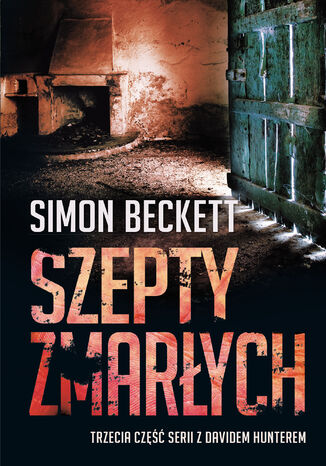
David Hunter, ceniony londyński antropolog sądowy, o śmierci wie wszystko. Po kolejnym śledztwie, którego omal nie przypłacił życiem, wraca do miejsca, gdzie uczył się zawodu: Ośrodka Badań Antropologicznych, nazywanego potocznie Trupią Farmą. Tam, z pomocą Toma Liebermana, mentora i przyjaciela, ma nadzieję odzyskać spokój i pewność siebie. Tam też rozpoczyna śledztwo w sprawie koszmarnego morderstwa. Sprawy nabierają tempa, gdy David ze ścigającego stanie się ściganym

David Hunter (Tom 3). Szepty zmarłych
Simon Beckett
David Hunter, ceniony londyński antropolog sądowy, o śmierci wie wszystko. Po kolejnym śledztwie, którego omal nie przypłacił życiem, wraca do miejsca, gdzie uczył się zawodu: Ośrodka Badań Antropologicznych, nazywanego potocznie Trupią Farmą. Tam, z pomocą Toma Liebermana, mentora i przyjaciela, ma nadzieję odzyskać spokój i pewność siebie. Tam też rozpoczyna śledztwo w sprawie koszmarnego morderstwa. Sprawy nabierają tempa, gdy David ze ścigającego stanie się ściganym Audiobook w interpretacji Filipa Kosiora
David Hunter (tom 4). Wołanie grobu
Simon Beckett
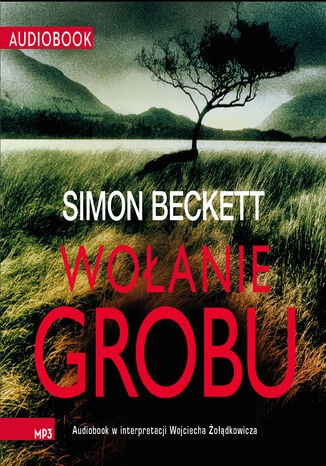
Posępne, złowrogie torfowiska niczym sceneria z najlepszych powieści gotyckich oraz poczucie grozy, które towarzyszy czytelnikowi od pierwszej do ostatniej strony książki. Osiem lat wcześniej wybitny antropolog sądowy David Hunter był członkiem ekipy dochodzeniowej, która prowadziła śledztwo w sprawie serii okrutnych morderstw. Schwytany wtedy mężczyzna przyznał się do zbrodni. Nie odnaleziono jednak zwłok ofiar, choć podejrzewano, że mogły być zakopane na odludnych wrzosowiskach Dartmoor w Anglii. Po latach koszmar zaczyna się od nowa. Psychopatyczny seryjny morderca ucieka z więzienia i zamierza dopaść tych, którzy dawniej uczestniczyli w śledztwie przeciw niemu i doprowadzili go przed oblicze sprawiedliwości. Doktor Hunter pogrążony w osobistej tragedii znów znajduje się w epicentrum wydarzeń. Zdaje sobie sprawę, że prawda o głośnej sprawie sprzed lat jest zupełnie inna, niż się wydaje. Audiobook w interpreatcji Filipa Kosiora

David Hunter (tom 4). Wołanie grobu
Simon Beckett
Posępne, złowrogie torfowiska niczym sceneria z najlepszych powieści gotyckich oraz poczucie grozy, które towarzyszy czytelnikowi od pierwszej do ostatniej strony książki. Osiem lat wcześniej wybitny antropolog sądowy David Hunter był członkiem ekipy dochodzeniowej, która prowadziła śledztwo w sprawie serii okrutnych morderstw. Schwytany wtedy mężczyzna przyznał się do zbrodni. Nie odnaleziono jednak zwłok ofiar, choć podejrzewano, że mogły być zakopane na odludnych wrzosowiskach Dartmoor w Anglii. Po latach koszmar zaczyna się od nowa. Psychopatyczny seryjny morderca ucieka z więzienia i zamierza dopaść tych, którzy dawniej uczestniczyli w śledztwie przeciw niemu i doprowadzili go przed oblicze sprawiedliwości. Doktor Hunter pogrążony w osobistej tragedii znów znajduje się w epicentrum wydarzeń. Zdaje sobie sprawę, że prawda o głośnej sprawie sprzed lat jest zupełnie inna, niż się wydaje.

David Hunter (tom 5). Niespokojni zmarli
Simon Beckett
Piąta część serii o antropologu sądowym Davidzie Hunterze. Piątkowy wieczór, konsultant w dziedzinie medycyny sądowej, doktor David Hunter, odbiera telefon inspektora Lundy'ego z komendy w Essex. Na wybrzeżu wyspy Mersea znalezione zostają zwłoki w stanie głębokiego rozkładu. Miejscowa policja prosi Huntera o pomoc przy ich wydobyciu i identyfikacji. Śledczy podejrzewają, że to ciało Leo Villiersa, syna wpływowej miejscowej rodziny, który zaginął wiele miesięcy temu. Istnieją przypuszczenia, że miał romans z mężatką, Emmą Derby, pozbył się kochanki i popełnił samobójstwo. Gdyby jednak wszystko było takie proste...

David Hunter (tom 5). Niespokojni zmarli
Simon Beckett
Piąta część serii o antropologu sądowym Davidzie Hunterze. Piątkowy wieczór, konsultant w dziedzinie medycyny sądowej, doktor David Hunter, odbiera telefon inspektora Lundy'ego z komendy w Essex. Na wybrzeżu wyspy Mersea znalezione zostają zwłoki w stanie głębokiego rozkładu. Miejscowa policja prosi Huntera o pomoc przy ich wydobyciu i identyfikacji. Śledczy podejrzewają, że to ciało Leo Villiersa, syna wpływowej miejscowej rodziny, który zaginął wiele miesięcy temu. Istnieją przypuszczenia, że miał romans z mężatką, Emmą Derby, pozbył się kochanki i popełnił samobójstwo. Gdyby jednak wszystko było takie proste... Audiobook w interpretacji Wojciecha Żołądkowicza