
Verleger: 8

Mateusz Glen
Dejta spokój z tymi poradami! Słuchajcie, przejęłam stery w rubryce Ciotkowy Zaułek Mądrości. Zawsze czułam potrzebę doradzania, a teraz już oficjalnie stałam się medialnym medium. Myślałam, że na stare lata będę miała ciepłą posadkę w kąciku porad, a tu, proszę ja was, wyszedł z tego niezły kryminał. Napisał do mnie niejaki Jacek po poradę, jak zrobić wrażenie na swojej dziewczynie. Na szczęście, kto jak kto, ale ja łatwo weszłam w rolę wyroczni delfińskiej w sprawach sercowych! Odpisałam mu prosto z ciotkowego serca a teraz Jacek leży w szpitalu pobity i bez pamięci! Niby nigdy się nie mieszam, ale teraz jestem zamieszana na sto procent. A jak tu się skupić, kiedy nad uchem psioczy Beata, na klatce czuć spalone obiady Maślakowej, a do tego to wiecznie złamane serce Gośki Uwaga, śledzie, bo ciotka jedzie rozwiązać zagadkę! TA JEDNA CIOTKA ulubienica każdego drzewa genealogicznego w Polsce i nie tylko, Królowa Ludzkich Serc 2.0, mistrzyni stylu i elegancji, cesarzowa witalności, arcymistrzyni wypieków, przodowniczka nurtu ciotkowości i papieżyca ciotkoizmu, dziedziczka walizki z rodowymi srebrami, miss regionu, caryca osiedla, matrona rodu, oponentka Maślakowej, czołowa przedstawicielka klubu wyszywania serwetek, nestorka chóru kościelnego, a teraz ot wyrocznia pisarska. Mówi o sobie: Złota, a skromna. MATEUSZ GLEN mój znak zodiaku to Bliźnięta, więc prędzej czy później moja druga twarz musiała się pokazać. Od zawsze miałem smykałkę do naśladowania, grania, parodiowania i występowania. Pewnie dlatego skończyłem jako chłop przebrany za babę, czyli Ta Jedna Ciotka. Jeszcze niedawno rozgrzewałem palce przed pisaniem pierwszej książki, a tu proszę: tygodniami stukałem w klawiaturę i oto jest moja druga powieść! Mam nadzieję, że diabeł się cieszył, żem się tak spieszył, bo przynajmniej ma kolejną lekturę do przeczytania!

Mateusz Glen
Dejta spokój z tymi poradami! Słuchajcie, przejęłam stery w rubryce Ciotkowy Zaułek Mądrości. Zawsze czułam potrzebę doradzania, a teraz już oficjalnie stałam się medialnym medium. Myślałam, że na stare lata będę miała ciepłą posadkę w kąciku porad, a tu, proszę ja was, wyszedł z tego niezły kryminał. Napisał do mnie niejaki Jacek po poradę, jak zrobić wrażenie na swojej dziewczynie. Na szczęście, kto jak kto, ale ja łatwo weszłam w rolę wyroczni delfińskiej w sprawach sercowych! Odpisałam mu prosto z ciotkowego serca a teraz Jacek leży w szpitalu pobity i bez pamięci! Niby nigdy się nie mieszam, ale teraz jestem zamieszana na sto procent. A jak tu się skupić, kiedy nad uchem psioczy Beata, na klatce czuć spalone obiady Maślakowej, a do tego to wiecznie złamane serce Gośki Uwaga, śledzie, bo ciotka jedzie rozwiązać zagadkę! TA JEDNA CIOTKA ulubienica każdego drzewa genealogicznego w Polsce i nie tylko, Królowa Ludzkich Serc 2.0, mistrzyni stylu i elegancji, cesarzowa witalności, arcymistrzyni wypieków, przodowniczka nurtu ciotkowości i papieżyca ciotkoizmu, dziedziczka walizki z rodowymi srebrami, miss regionu, caryca osiedla, matrona rodu, oponentka Maślakowej, czołowa przedstawicielka klubu wyszywania serwetek, nestorka chóru kościelnego, a teraz ot wyrocznia pisarska. Mówi o sobie: Złota, a skromna. MATEUSZ GLEN mój znak zodiaku to Bliźnięta, więc prędzej czy później moja druga twarz musiała się pokazać. Od zawsze miałem smykałkę do naśladowania, grania, parodiowania i występowania. Pewnie dlatego skończyłem jako chłop przebrany za babę, czyli Ta Jedna Ciotka. Jeszcze niedawno rozgrzewałem palce przed pisaniem pierwszej książki, a tu proszę: tygodniami stukałem w klawiaturę i oto jest moja druga powieść! Mam nadzieję, że diabeł się cieszył, żem się tak spieszył, bo przynajmniej ma kolejną lekturę do przeczytania!

Dekada ołowiu na ekranie. Polityczny terroryzm lat 70. we włoskim filmie fabularnym
Anna Miller-Klejsa
Filmy o tematyce historycznej uruchamiają specyficzny tryb analizy, którą można by nazwać „analizą faktograficzną”. Polega ona na weryfikacji danych zawartych w tekście filmu w celu sprawdzenia wiarygodności komunikatu. Mimo wszystko film nigdy nie stanie się dokładną repliką tego co się zdarzyło. Przekonanie to wyraża się w prowokacyjnym paradoksie: „Na ekranie historia musi być fikcyjna po to, by była prawdziwa”. Włochy w latach 70. były areną wielu aktów terroru, najczęściej motywowanych lewacką ideologią. Już wtedy kino stało się portrecistą i komentatorem tych wydarzeń, niekiedy krytycznie oceniającym reakcje władz. W niniejszej książce autorka opisuje i analizuje ten wycinek niedawnej historii włoskiego filmu. Oprócz teoretycznych rozważań na temat kina politycznego oraz obszernych omówień fabuł o „dekadzie ołowiu”, książka zawiera dwa rozdziały analityczne, dotyczące śmierci anarchisty Giuseppe Pinellego oraz zabójstwa Alda Moro – lidera chadecji i byłego premiera Włoch. Autorka widzi kino przede wszystkim w perspektywie historycznej i kulturowej, pamiętając, że opisywane wydarzenia miały duże znaczenie dla włoskiej tożsamości i pamięci zbiorowej. „Dekada ołowiu…” jest w związku z tym publikacją nie tylko o kinie Włoch, ale i o ich kulturze i historii.
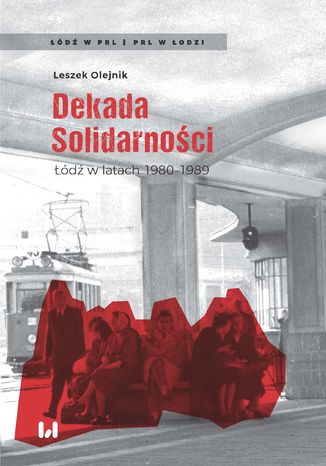
Dekada Solidarności. Łódź w latach 1980-1989
Leszek Olejnik
Prezentowana książka jest piątą z serii "Łódź w PRL. PRL w Łodzi". Autorzy serii w poszczególnych tomach podejmują wysiłek ukazania kolejnych etapów funkcjonowania miasta nad Łódką w latach 1945-1989, by w sposób jak najbardziej przystępny popularyzować wiedzę o Łodzi w kontekście PRL-owskiej rzeczywistości. W serii ukazały się: Przemysław Waingertner, Czwarta stolica. Kiedy Łódź rządziła Polską (1945-1949) Grzegorz Mnich, Stalinowska codzienność. Łódź w latach 1949-1956 Krzysztof Lesiakowski, Gomułkowska rzeczywistość. Łódź w latach 1956-1970 Witold Jarno, Gierkowska "prosperita". Łódź w latach 1971-1980 W książce przedstawiono wybrane aspekty życia społeczno-politycznego i kulturalnego w Łodzi w latach osiemdziesiątych XX wieku. Scharakteryzowano "rewolucję Solidarności" oraz dynamikę rozwoju tego ruchu społecznego. Opisano trudny okres stanu wojennego i jego konsekwencje dla życia codziennego łodzian. Podkreślono rolę, jaką odegrał Kościół katolicki w "dekadzie Solidarności". Czytelnik ma również możliwość zapoznania się z życiem kulturalnym Łodzi - jego nurtem oficjalnym i niezależnym. Prezentowana publikacja może być ciekawa nie tylko dla osób, które pamiętają lata osiemdziesiąte, lecz także dla zainteresowanych historią PRL, a zwłaszcza jej okresem schyłkowym.
Jeff Lindsay
Powieść będąca inspiracją do powstania hitowego serialu Dexter! Jak uniknąć podejrzeń wrogiego sierżanta Doakesa i bez przeszkód kontynuować swoją niełatwą misję seryjnego zabójcy, który wymierza karę wyłącznie złym ludziom? Dexter Morgan, czarujący laborant z podwójną osobowością nie pracuje już w departamencie policji Miami. Dexter coraz chętniej spędza czas na kanapie w towarzystwie swojej dziewczyny Rity i jej dzieci, ale... Pewnego dnia powraca do niego postać Mrocznego Pasażera i każe Morganowi wrócić do zabijania psychopatów takich, jak on sam. Oto druga część serii o przygodach Dextera, można ją uznać za oddzielną historię lub czytać bez zachowania kolejności cyklu. Powieść intryguje szkatułkowo nakreśloną fabułą i wnikliwym opisem motywacji głównego bohatera. Powieści o Dexterze posłużyły za kanwę scenariusza popularnego serialu z lat 2006-2013 w telewizji Showtime, zaś odtwórca roli głównego bohatera Michael C. Hell otrzymał za nią wiele nagród i nominacji. Książka przypadnie do gustu każdemu, kto lubi unikatowe połączenie czarnego humoru z wartką akcją powieści sensacyjno-kryminalnych.
Jeff Lindsay
Powieść będąca inspiracją do powstania hitowego serialu Dexter! Jak uniknąć podejrzeń wrogiego sierżanta Doakesa i bez przeszkód kontynuować swoją niełatwą misję seryjnego zabójcy, który wymierza karę wyłącznie złym ludziom? Dexter Morgan, czarujący laborant z podwójną osobowością nie pracuje już w departamencie policji Miami. Dexter coraz chętniej spędza czas na kanapie w towarzystwie swojej dziewczyny Rity i jej dzieci, ale... Pewnego dnia powraca do niego postać Mrocznego Pasażera i każe Morganowi wrócić do zabijania psychopatów takich, jak on sam. Oto druga część serii o przygodach Dextera, można ją uznać za oddzielną historię lub czytać bez zachowania kolejności cyklu. Powieść intryguje szkatułkowo nakreśloną fabułą i wnikliwym opisem motywacji głównego bohatera. Powieści o Dexterze posłużyły za kanwę scenariusza popularnego serialu z lat 2006-2013 w telewizji Showtime, zaś odtwórca roli głównego bohatera Michael C. Hell otrzymał za nią wiele nagród i nominacji. Książka przypadnie do gustu każdemu, kto lubi unikatowe połączenie czarnego humoru z wartką akcją powieści sensacyjno-kryminalnych.
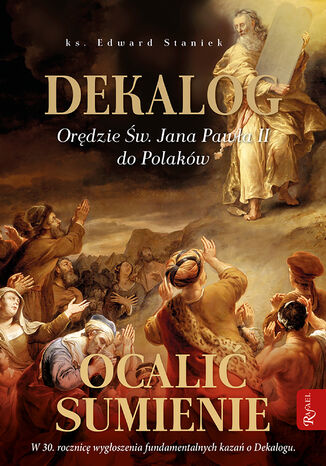
Dekalog. Ocalić sumienie. Orędzie św. Jana Pawła II do Polaków
ks. Edward Staniek
Trzydzieści lat temu, w czerwcu 1991 roku, u progu odzyskanej wolności, do Polski, swojej Ojczyzny, przybył Jan Paweł II, by w tym szczególnym momencie dziejów przypomnieć rodakom prawdy Dekalogu. Był niczym Mojżesz niosący swojemu ludowi kamienne tablice z wyrytymi przykazaniami. I podobnie jak Mojżesz zastał nas czczących złotego cielca... Wygłoszone wtedy przez Ojca Świętego nauki pozostały nieodrobioną do dziś katechezą. Do rozważań nad papieskimi katechezami dla Polaków o Dekalogu wracamy dziś wraz z ks. prof. Edwardem Stańkiem, który prostym językiem próbuje z nich wydobyć i ukazać nam ich sedno. Autorowi bardzo zależało, by zanim czytelnicy pochylą się nad jego tekstem, zaznajomili się z wygłoszonymi wówczas wyjątkowymi homiliami Ojca Świętego. W pierwszej części książki przypominamy więc pełne teksty katechez Jana Pawła II o Dekalogu wygłoszone podczas pielgrzymki do Polski w 1991 roku Mamy nadzieję, że ciągle, a właściwie nigdy nie jest za późno, aby stały się fundamentem życia osobistego każdego z nas i kamieniem węgielnym budowania relacji społecznych.
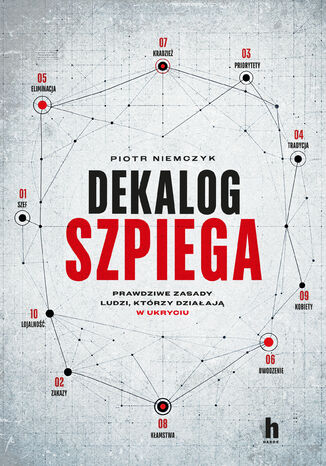
Piotr Niemczyk
Przewrotna opowieść o zasadach profesji szpiegowskiej, spleciona narracyjnie w odniesieniu do Dziesięciu przykazań. Jak ma się piąte przykazania do zabójstw dokonywanych przez szpiegów? Czy da się jakkolwiek połączyć działanie w ścisłej tajemnicy z niemówieniem fałszywego świadectwa? Czy działania osób należących do tajnych służb zderzają się uniwersalnymi wartościami etycznymi i co tworzą w miejsce tych zasad, które ze względu na charakter profesji muszą podważyć? Czy szpieg w ogóle może kierować się kodeksem moralnym? A jeśli tak, to jakim? Odpowiedzi na te pytania udziela ekspert z zakresu bezpieczeństwa i były zastępca dyrektora zarządu wywiadu UOP, Piotr Niemczyk. Całość zobrazowana cytatami z literatury szpiegowskiej.