
Wydawca: 8

Aleksander Brückner
Aleksander Brückner Puszkin, Mickiewicz, Falconet Adhuc sub iudice lis est. Przeciw kartom Ustępu, ociekającym krwią i łzami, nabrzmiałym nienawiścią i szyderstwem, wydaje się scena przed pomnikiem, jakiemu do dziś na północy równego nie ma, niby idyllą poważną a pogodną, pełną trafnych uwag raczej mędrca niż poety. Uwagi te włożył Mickiewicz Puszkinowi w usta, przy czym tak go dokładnie ucharakteryzował, że nikt nigdy o identyczności Puszkinowej ani wątpił. Z... Aleksander Brückner Ur. 29 stycznia 1856 w Brzeżanach Zm. 24 maja 1939 w Berlinie Najważniejsze dzieła: Dzieje kultury polskiej, Dzieje literatury polskiej, Historia literatury rosyjskiej, Encyklopedia staropolska, Słownik etymologiczny języka polskiego, Mitologia słowiańska, Mitologia polska, Starożytna Litwa. Ludy i bogi Historyk literatury i kultury polskiej, slawista, badacz dziejów języka. Pochodził ze spolszczonej rodziny niemieckiej. Profesor języków i literatur słowiańskich na uniwersytecie w Berlinie w latach 1881-1924, członek Akademii Nauk w Petersburgu, Pradze, Belgradzie i Sofii, a także Akademii Umiejętności w Krakowie i Towarzystwa Naukowego we Lwowie. Po odzyskaniu przez Polskę niepodległości po I wojnie światowej za swoją pracę na rzecz kultury polskiej został uhonorowany przez polskie uniwersytety i instytucje naukowe, a w 1933 otrzymał złoty medal zasługi od społeczeństwa polskiego. Najbardziej spektakularnym dokonaniem prof. Brücknera było odnalezienie w Bibliotece Petersburskiej Kazań świętokrzyskich, ich opracowanie jako zabytku języka polskiego i opublikowanie (1890). W istocie jednak największe znaczenie ma rozległość jego wieloletnich badań, umieszczenie dorobku kultury polskiej w kontekście rozwoju całej słowiańszczyzny, opracowanie krok po kroku w studiach szczegółowych i monograficznych dzieł i autorów głównego nurtu literatury polskiej (wyróżnić należy studium o Bogurodzicy, monografię Mikołaja Reja, czy oprac. pism Wacława Potockiego), a oprócz tego docenienie wagi np. literatury sowizdrzalskiej czy pogłębienie wiedzy na temat kulturotwórczej roli polskich różnowierców (wyd. oprac. 1905). Kupując książkę wspierasz fundację Nowoczesna Polska, która propaguje ideę wolnej kultury. Wolne Lektury to biblioteka internetowa, rozwijana pod patronatem Ministerstwa Edukacji Narodowej. W jej zbiorach znajduje się kilka tysięcy utworów, w tym wiele lektur szkolnych zalecanych do użytku przez MEN, które trafiły już do domeny publicznej. Wszystkie dzieła są odpowiednio opracowane - opatrzone przypisami oraz motywami.
Puściła po stole swawolący wianek
Bolesław Leśmian
Bolesław Leśmian Dziejba leśna Puściła po stole swawolący wianek III Puściła po stole swawolący wianek. Kto go chwyci pierwszy ten mój ukochanek! Pochwycił tak ściśle, aż się kwiaty zwarły. Skąd ty jesteś rodem? Ja rodem umarły! Co się stało wokół, że świat mi się mroczy? To ja własnoręcznie zamykam... Bolesław Leśmian Ur. 22 stycznia 1878 r. w Warszawie Zm. 7 listopada 1937 r. w Warszawie Najważniejsze dzieła: zbiory wierszy: Sad rozstajny (1912), Łąka (1920), Napój cienisty (1936), Dziejba leśna (1938); zbiory baśni prozą: Klechdy sezamowe (1913), Przygody Sindbada Żeglarza (1913) i Klechdy polskie Wybitny polski poeta, eseista, prozaik i tłumacz tworzący w Młodej Polsce i dwudziestoleciu międzywojennym. Pochodził ze spolszczonej inteligenckiej rodziny Lesmanów. Spokrewniony z A. Langem i J. Brzechwą. Ukończył studia prawnicze w Kijowie. Współtworzył Chimerę i Teatr Artystyczny w Warszawie. Jego poezję cechował symbolizm, sensualizm, mistycyzm, spirytyzm, zainteresowanie paranormalnością, postulowanie powrotu do natury (poeta jako człowiek pierwotny), poszukiwanie miejsca Boga w świecie, ale i egzystencjalne spory ze stwórcą. Nawiązywał do ludowości (tworząc neologizmy oraz własne mity i postaci), stylistycznie do baroku i romantyzmu, ideowo do filozofii Nietzschego i Bergsona. Mistrz wiersza sylabotonicznego. W 1933 r. został członkiem Polskiej Akademii Literatury. autor: Alicja Szulkowska Kupując książkę wspierasz fundację Nowoczesna Polska, która propaguje ideę wolnej kultury. Wolne Lektury to biblioteka internetowa, rozwijana pod patronatem Ministerstwa Edukacji Narodowej. W jej zbiorach znajduje się kilka tysięcy utworów, w tym wiele lektur szkolnych zalecanych do użytku przez MEN, które trafiły już do domeny publicznej. Wszystkie dzieła są odpowiednio opracowane - opatrzone przypisami oraz motywami.

Puść i zobacz, co zostanie. Praktyka uwalniania emocji w codziennym życiu
Agnieszka Siemianów-Szkarłat, Krzysztof Szkarłat
Wolność zaczyna się tam, gdzie kończy się potrzeba kontroli Oto praktyczny przewodnik po sztuce odpuszczania, łączący solidną porcję wiedzy psychologicznej z inspirującymi anegdotami i ćwiczeniami. Dzięki niemu nauczysz się rozpoznawać, kiedy warto działać, a kiedy lepiej puścić ster i zaufać biegowi życia. Z książki dowiesz się między innymi, jak: przestać wszystko nadmiernie analizować, opanować lęk przed tym, co nowe i niespodziewane, zachowywać sprawczość w obliczu kryzysu, przełamywać utarte schematy działania, które uniemożliwiają dostrzeżenie skuteczniejszych rozwiązań, angażować się w to, co dla ciebie ważne, bez rezygnowania z siebie, akceptować te części życia, których nie możesz zmienić, bardziej zaufać sobie i bliskim, uwolnić się od wstydu i poczucia winy, gdy życie wymyka się spod kontroli. Ta książka to zaproszenie do życia z większą lekkością i odwagą. Pokazuje, że odpuszczanie nie oznacza rezygnacji, lecz świadomy wybór tego, co naprawdę ma znaczenie. Od momentu, w którym się poznaliśmy, wszystko prowadziło nas do powstania Świadomo społeczności, która w pełni angażuje się w to, by zmieniać świat na lepsze, zaczynając od siebie. Autorzy
Ethel Lina White
Ethel Lina White is a lover of intriguing stories. One of these is Put Out the Light. This is a terrible, exciting story of love, disappointment and jealousy, bred in a gloomy house on a hill. Florence Pye read in the cards, Death to an old woman. Her prophesy came true, silently and violently in the depths of the night. What Miss Pie didnt foresee was that she would find the body first.
Hulbert Footner
A Duet, with an Occasional Chorus is a novel by British author Sir Arthur Conan Doyle, published in 1899. The novel features the story of a happily married couple which is threatened by a previous lover of the husband. Also, the novel tells the adventures of a young couple, starting from their wedding preparation and ending with the birth of their first child. They are funny and cute, love each other, passionate and want always to be together. They make rules for family life, travel, keep the house and just live. The novel, set in Conan Doyles own time, written partly in the epistolary form he sought to revive after a century of disuse and which was also related to the self-conscious textuality of the late-Victorian urban Gothic.
Zuzanna Ginczanka
Pycha Spotykają razowych młodzieńców unerwione dziewice pszeniczne, aniołowie o świeżym oddechu prezentują astralne ciała. Wiem: wplątałam się w dobro i zło jak w stokrotną trójlistność koniczyn -- dzwonią jabłka wszelkiego poznania, pomieszane w łykowych kobiałach. Więc mam pytać o drogę do Ciebie/ zabłąkana na snów skrzyżowaniach? Tyle razy już oczy niebieskie czarną nocą uczerniał dzień. Osiemnaście zrudziałych czerwców nie usłyszy, krzycząc, pytania. Osiemnaście zim nie usłyszy siwych zim głuchoniemych jak pień. Babskie ciepłe języki liści trą i sypią słowa na wiatr, fanatyczny wąż z aluminium wije gniazda na rajskim drzewie. [...]Zuzanna GinczankaUr. w 1917 r. w Kijowie Zm. w 1944 r. w Krakowie Najważniejsze dzieła: Non omnis moriar, Futro Poetka okresu dwudziestolecia wojennego i czasu wojny; pierwotne nazwisko: Sara Ginsburg. Po ukończeniu gimnazjum w Równem studiowała od 1935 roku na wydziale humanistycznym UW, biorąc jednocześnie udział w życiu literackim. Wraz z W. Iwaniukiem, Janczarskim i in. tworzyła grupę literacką ?Wołyń?; należała do najmłodszych współpracowników ?Skamandra?; utwory swe ogłaszała w ?Wiadomościach Literackich?, ?Sygnałach? i ?Szpilkach?. Wydała tom wierszy O centaurach (1936), stanowiący poetycką pochwałę biologicznej, zmysłowej strony życia. W późniejszych jej wierszach pojawia się niepokój światopoglądowy, krytyka społeczna. Ginczanka jest autorką ostrych i celnych satyr politycznych, przede wszystkim o charakterze antyfaszystowskim (Łowy, Prasa, Praczki) oraz m.in. satyry środowiskowej Ballada o krytykach poezję wertujących. Została wydana przez szmalcowników i zamordowana przez hitlerowców; wstrząsający wiersz Non omnis moriar z 1942 r. zawiera gorzką wizję jej przyszłego losu.Kupując książkę wspierasz fundację Nowoczesna Polska, która propaguje ideę wolnej kultury. Wolne Lektury to biblioteka internetowa, rozwijana pod patronatem Ministerstwa Edukacji Narodowej. W jej zbiorach znajduje się kilka tysięcy utworów, w tym wiele lektur szkolnych zalecanych do użytku przez MEN, które trafiły już do domeny publicznej. Wszystkie dzieła są odpowiednio opracowane - opatrzone przypisami oraz motywami.

Pycha i skromność rozumu. Współczesny spór o argumenty transcendentalne a filozofia Kanta i Fichtego
Przemysław Białek
We współczesnej filozofii dominuje przekonanie, że argumentacja transcendentalna, której źródłową intencją było odkrywanie koniecznych warunków doświadczenia, nie jest zdolna do urzeczywistnienia swojego podstawowego celu. U podstaw zainteresowania tą dość specyficzną operacją teoretyczną leżała nadzieja związana z chęcią uporania się z różnorako rozumianym sceptycyzmem. Niejasności związane z jej statusem – jej strukturą, formalną i materialną poprawnością oraz właściwą interpretacją jej konkluzji – doprowadziły do rozpowszechnienia się poglądu, zgodnie z którym rozumowania transcendentalne nie mogą gwarantować prawdziwości tezom o świecie. Prezentowana praca jest z jednej strony krytyczną analizą kluczowych momentów współczesnej debaty o prawomocności argumentacji transcendentalnej, z drugiej zaś szczegółową interpretacją tych fragmentów filozofii Kanta i Fichtego, które są relewantne dla problematyki związanej z funkcją i potencjałem teoretycznym takich rozumowań. Zdaniem autora charakterystyczny dla współczesnej interpretacji rozumowania transcendentalnego zabieg detranscendentalizacji, czyli próba zachowania ich prawomocności bez jednoczesnej akceptacji idealizmu transcendentalnego, jest skazany na niepowodzenie. Broni on tezy, że argumentacja transcendentalna jest w istotowy sposób związana z idealizmem transcendentalnym. Taki wniosek nie może się spotkać z aprobatą współczesnych filozofów, interesujących się tą problematyką, ponieważ zakładają oni, że warunkiem poprawności argumentacji transcendentalnej jest brak implikacji o charakterze idealistycznym. Zdaniem autora formułowanie takiego warunku jest czysto arbitralnym zabiegiem, u którego podstaw leży w dużej mierze wadliwa interpretacja idealizmu transcendentalnego.
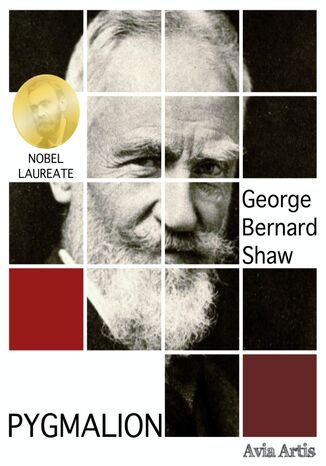
George Bernard Shaw
“Pygmalion” is a play by George Bernard Shaw, an Irish playwright who became the leading dramatist of his generation, and in 1925 was awarded the Nobel Prize in Literature. Pygmalion is a play by George Bernard Shaw, named after the Greek mythological figure. In ancient Greek mythology, Pygmalion fell in love with one of his sculptures, which then came to life. The general idea of that myth was a popular subject for Victorian era British playwrights.