
Wydawca: 8
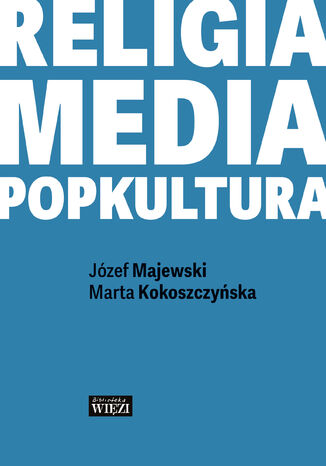
Józef Majewski, Marta Kokoszczyńska
Podstawowe doświadczenia ludzi wydarzają się dziś w świecie kultury popularnej, dlatego teologia nie może wypowiadać tej kulturze wojny, ale musi stać się jednym z mieszkańców popkulturowej krainy. Zmiany zachodzące w wieku multimediów skłaniają do nowego przemyślenia tradycyjnych wyobrażeń o Bogu, religii i religijności. Dla autorów tej książki popkultura jest autentycznym źródłem teologii, locus theologicus - miejscem, w którym spotyka się Boga. Nie wahają się też stwierdzić, że Kościół instytucjonalny przespał przełom związany z przekształceniami mediów, a także ludzkiej mentalności i potrzeb - wciąż nazbyt często "przekazuje" lub "transmituje", zamiast "komunikować". Kultura popularna, także w jej wymiarze tabloidowym, nie jest obca Kościołowi, wspólnocie wiernych świeckich i duchownych. Nie jest ona, nawet jeśli nie brak w niej akcentów niechrześcijańskich i antychrześcijańskich, dla Kościoła ciałem obcym - i Kościół instytucjonalny, sam powiązany wieloma nićmi z popkulturą, nie może odcinać się od niej, ale winien brać odpowiedzialność za jej obecny i przyszły kształt. "Kultura popularna, włącznie z jej tabloidowym kołem zamachowym, stanowi współcześnie ludzkie Sitz im Leben, wielkie podlegające mediatyzacji środowiska, miejsca, światy, gdzie dzieją się codzienne i odświętne ludzkie sprawy, małe i wielkie, piękne i brzydkie, wesołe i smutne, szczęśliwe i tragiczne, jednostkowe i społeczne, laickie i religijne - tu kochamy i nienawidzimy, rodzimy się i umieramy, tu dokonują się ludzkie spotkania z Bogiem, który umiłował świat, konkretny świat z konkretnymi jego mieszkańcami, i pragnie wszystkich przyciągnąć do siebie. Oznacza to, że popkultura jest - w techniczno‑teologicznym tego słowa znaczeniu - autentycznym źródłem teologii, locus theologicus, miejscem teologicznym - w kulturze popularnej można spotkać i spotyka się Boga" (Fragment książki)
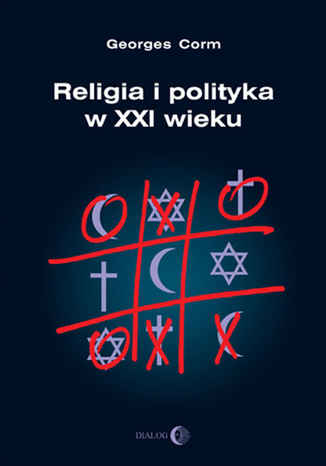
Religia i polityka w XXI wieku
Corm Georges
O tym, jak fenomen religii przykuł uwagę świata Wojny religijne w Europie prototypem współczesnej przemocy Nowoczesność jako kryzys kultury i władzy O wojnie i pokoju XXI wieku
Rene Marie De La Broise
Sam autor tak informuje o tym, czym jest jego książka takimi oto słowami: Ażeby dać pojęciowy obraz zrodzonych w ostatnich stu latach poglądów religijnych, wypada przede wszystkim podmalować ogólne tło religijne ubiegłego wieku i naszkicować główne prądy; następnie zastanowić się bliżej nad niektórymi, wręcz charakteryzującymi minioną epokę, usposobieniami umysłów w stosunku do religii; i na koniec dopiero, wywikławszy się z plątaniny różnorodnych kierunków, zorientować się co do istoty wielkiej kwestii religijnej. Następnie zaś dokonuje analizy przemian, jakie zachodziły na płaszczyźnie religii i filozofii poczynając od Oświecenia, a kończąc na schyłku wieku XIX. Książka aktualna do dziś.
Ks. René-Marie De La Broise Sj
Ażeby dać pojęciowy obraz zrodzonych w ostatnich stu latach poglądów religijnych, wypada przede wszystkim podmalować ogólne tło religijne ubiegłego wieku i naszkicować główne prądy; następnie zastanowić się bliżej nad niektórymi, wręcz charakteryzującymi minioną epokę, usposobieniami umysłów w stosunku do religii; i na koniec dopiero, wywikławszy się z plątaniny różnorodnych kierunków, zorientować się co do istoty wielkiej kwestii religijnej. I to właśnie czyni autor.

Religia i sekularyzm. Współczesny spór o sekularyzację
Miłosz Puczydłowski
Książka Miłosza Puczydłowskiego jest wielowątkowa i bardzo bogata w treść. Jasno i z dużym znawstwem naświetla problem sekularyzacji z perspektywy różnych stanowisk, pozycjonuje główne spory. Z pewnością będzie stanowiła punkt odniesienia do dalszych badań i dyskusji nad zjawiskiem sekularyzacji. Oryginalna jest także główna teza pracy, ukazująca religię i sekularyzm jako dwie splecione ze sobą i przynależne do siebie matryce. Prof. dr hab. Tadeusz Gadacz Książka Miłosza Puczydłowskiego jest rozprawą istotną i bardzo rzetelną, trafnie i z analityczną rozwagą wkraczającą w nader rozległy i niezwykle złożony obszar żywej debaty współczesnej. Autor sensownie zmierza do oswobodzenia problemu sekularyzacji z więzi socjologicznego redukcjonizmu i wprowadza ów problem w obręb refleksji filozoficzno-teologicznej, dla której socjologia wiary i niewiary staje się punktem odniesienia, momentem krytycznym kultury, czy źródłem nowych wyzwań duchowych i inspiracji, a sekularyzacja, paradoksalnie, treścią wierzenia. Prof. Instytutu Filozofii i Socjologii PAN dr hab. Zbigniew Mikołejko
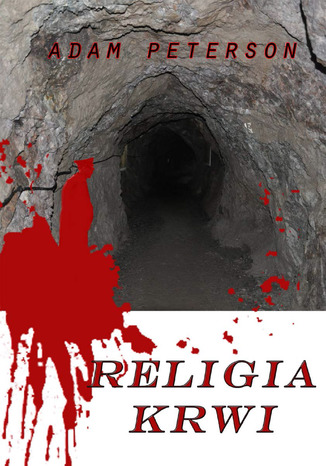
Adam Peterson
Ciągle jeszcze istnieje wiele tajemnic do dziś niepoznanych. W wielu miejscowościach krążą opowieści o ukrytych skarbach, o niezwykłych wydarzeniach, o tajemniczych organizacjach, których antyludzkie plany trzeba pokrzyżować. Do tych wątków nawiązuje powieść „Religia krwi” dwóch autorów używających jednego nazwiska Adam Peterson. Jest to powieść akcji, więc spodziewać się można mnóstwa brutalnych epizodów, suspensu, lecz jednocześnie pojawiają się strony ukazujące czystą, rodzącą się dopiero miłość i wspaniałą, męską przyjaźń. Główny bohater - Robert Borowski z okazji urodzin dostaje od kolegów oryginalny prezent: opłacone zlecenie dla detektywa na znalezienie rodziców, których nie zna, bowiem wychował się w domu dziecka. W trakcie odkrywania tożsamości Robert przeżywa wiele przygód: ściera się z tajną organizacją niemiecką jeszcze z czasów II wojny światowej oraz służbami specjalnymi (ABW, MOSAD, FSB), poznaje również swoją wielką miłość. W tle wiele faktów z niedawnej historii, chociaż przefiltrowanej przez zaskakującą wyobraźnię autorów, którym nie brakuje dosadności sformułowań i ciętego dowcipu. Powieść napisana żywym i bogatym językiem, który wciąga do lektury od pierwszego zdania. Powieść zaczyna się w latach siedemdziesiątych – wówczas właśnie ojciec bohatera powieści, wysoki oficer UB, zabija swoją żonę i próbuje zamordować dziecko. Poszukiwanie przyczyn tego desperackiego czynu stanowi kanwę opowieści. Akcja przenosi się w czasy współczesne i krąży po Polsce, Niemczech a chwilami rozgrywa się w Szwajcarii a nawet na wzgórzach Golan. Robert jest młodym lekarzem pisującym wiersze. Jego rozrywki to wspólne wypady z przybranymi braćmi do miejscowych lokali. Mało atrakcyjne życie zamienia się w pasmo intrygujących starć z wywiadami świata, gdy koledzy postanawiają pomóc mu odkryć przeszłość i opłacają detektywa, by odszukał jego rodziców. Poszukiwania pozwalają niemieckiej organizacji wpaść na trop poszukiwanego od dawna „mesjasz”, z którym wiążą dalekosiężne plany. On właśnie ma pomóc przywrócić wymarzony przez faszystów „ordnung” w Europie, która oskarżają o wszelkie zło i upadek moralny, prowadzący do powszechnej zagłady. Poszukują świętej Włóczni, która ma pozwolić na panowanie nad światem, a która została utracona w ostatnich dniach wojny przez nazistów. Do akcji włączają się wywiady polskie, rosyjskie i żydowskie – uważając, że prawdziwą przyczyną intrygi są skarby zrabowane w czasie wojny, a wciąż jeszcze rzekomo ukrywane w różnych miejsca świata. Trop prowadzi w Góry Sowie. Tam właśnie następuje rozstrzygnięcie – giną główni sprawcy niebezpiecznych przygód Roberta i jego przyjaciół oraz tajemnicza postać ukryta w sarkofagu. Robert uchodzi z życiem i przyjaciółką, która zostaje jego żoną.
Marcin Holdenmajer
Dwanaście historii ludzi skrzywdzonych przez religijny fanatyzm. Zakłamanie. Okrucieństwo. Manipulacja. Lista grzechów, do których popycha religia, jest naprawdę długa. To paradoksalne, że instytucje mające pomóc być człowiekowi dobrym, nierzadko są źródłem prawdziwego zła zadawania krzywdy drugiemu człowiekowi. Pedofilia, przemoc seksualna, ostracyzm, odbieranie godności, brak akceptacji to tylko niektóre z okrutnych przewin, jakich dopuszcza się człowiek w imię religii. Czy jednak w takim świecie znajdzie się miejsce dla dobrotliwego Boga? Bez względu na to, jaka będzie odpowiedź na to pytanie, religia okazuje się jego największym wrogiem.... Czy ważne, jak nazywa się Bóg do którego się modlicie, albo świątynia do której chodzicie się z Nim spotkać? Autor przedstawia 12 prawdziwych historii, które udowodnią, że w żadnej religii nie ma miejsca na uczucia i to nie jednostka jest najważniejsza. Polecam szczerze, bo to rzadki przypadek, kiedy w całej rozciągłości tematu zgadzam się z autorem. Izabela Kurasik Gwarda, Wstrząsający obraz fanatyzmu religijnego, który zatacza coraz szersze kręgi. Marcin Holdenmajer obnaża brutalną prawdę o katolikach, islamistach i świadkach Jehowy każde wyznanie ma na sumieniu własne grzechy. Katarzyna Jóźwiak, W pozycji tej nie brak emocji, ale nie są one zawarte w słowach Marcina Holdenmajera, lecz w rzeczywistych wydarzeniach. O religii należy rozmawiać, nie jest łatwo zdobyć się na obiektywizm, niektórym udaje się go zachować i jednym z nich jest twórca 'Religii nie ma uczuć'. Katarzyna Pessel, 'Religia nie ma uczuć' jest wbrew pozorom pełna nadziei i miłości. Tytuł dla osób otwartych i nie bojących się kalejdoskopu emocji. Karolina Krakowiak, Marcin Holdenmajer autor Religia nie ma uczuć po raz pierwszy wydanej w 2017 roku.
Sébastien Fath
W książce przedstawiono analizę powiązań między religią i polityką w USA po 11 września 2001r oraz omówiono ważne dla współczesnej historii Ameryki problemy, zwłaszcza kryzys iracki lat 2002-2004 oraz rolę, jaką w amerykańskiej polityce odgrywa nowa forma religijności, rosnące w siłę środowisko ewangelików, a także - wbrew pozorom - sekularyzm. W świadomości obywateli to bowiem Ameryka wraz z jej modelem życia i głoszonymi wartościami coraz częściej utożsamia się z niosącym zbawienie Mesjaszem. Autor zastanawia się nad tą nową formą religijności, która za obowiązujący wzorzec dla zglobalizowanego świata uznaje Stany Zjednoczone i amerykański model społeczny. Wydaje się, że pierwszym i najważniejszym bóstwem Ameryki jest ona sama. Autor jest naukowcem, historykiem pracującym w paryskim Centre national de la recherche scientifique. Książka wydana pod patronatem Le Monde Diplomatique - edycja polska.