
Видавець: 8
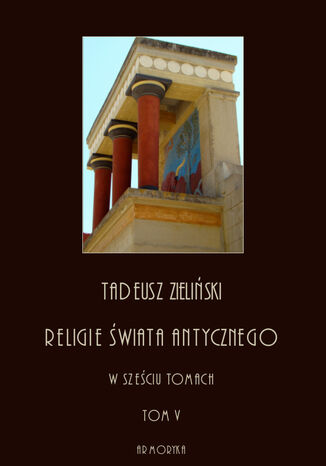
Tadeusz Zieliński
UWAGA! e-book jest skanem zapisanym w formacie PDF. Plik pdf uniemożliwia przeszukiwanie i kopiowanie tekstu REPRINT. Pośród wszystkich religii tak zwanych pogańskich nie ma ani jednej, która by naszej inteligencji była jednocześnie i tak dobrze znana i tak głęboko nieznana jak religia starożytnej Grecji. Może się to wydawać paradoksalnym, ale tak jest. Jeśli chodzi o religię hellenizmu, to można o niej powiedzieć, iż jest to przenikanie się religii greckiej i wierzeń wschodnich. W kolejnych tomach autor ukazuje relacje pomiędzy hellenizmem a judaizmem. Wreszcie w tomach piątym i szóstym Zieliński zajmuje się religią Rzeczypospolitej Rzymskiej, o której tak pisze: Znaczenie kultury Rzymu włącznie z jego religią dla kultury nowożytnej Europy polega na dwu jej osobliwościach. Po pierwsze na tym, że Rzym będąc pojętnym uczniem twórczej Grecji, wskutek swych losów dziejowych został łącznikiem między nią a barbarzyńską Europą; po drugie na tym, że nie był jednak biernym przenośnikiem twórczych idei swej greckiej mistrzyni, lecz zdołał przeniknąć je właściwościami swego geniuszu, wzmacniając przez to ich siłę i zdolność rozrodczą. Mamy nadzieję, że wznawiane przez nas to potężne dzieło przyniesie pożytek wszystkim tym, których interesuje świat antyczny i jego wierzenia, ponieważ niniejsze dzieło dostarcza nam wyczerpujących (w znacznej mierze) informacji dotyczących owych zapomnianych już religii.
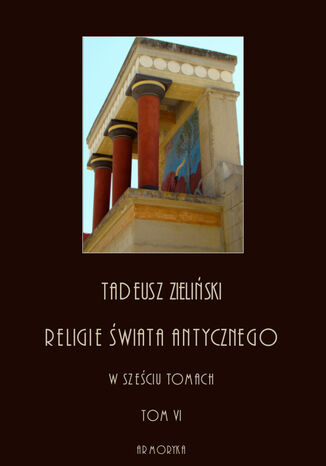
Religie świata antycznego. W sześciu tomach. Tom VI: Religia Rzeczypospolitej Rzymskiej, część druga
Tadeusz Zieliński
UWAGA! e-book jest skanem zapisanym w formacie PDF. Plik pdf uniemożliwia przeszukiwanie i kopiowanie tekstu REPRINT. Pośród wszystkich religii tak zwanych pogańskich nie ma ani jednej, która by naszej inteligencji była jednocześnie i tak dobrze znana i tak głęboko nieznana jak religia starożytnej Grecji. Może się to wydawać paradoksalnym, ale tak jest. Jeśli chodzi o religię hellenizmu, to można o niej powiedzieć, iż jest to przenikanie się religii greckiej i wierzeń wschodnich. W kolejnych tomach autor ukazuje relacje pomiędzy hellenizmem a judaizmem. Wreszcie w tomach piątym i szóstym Zieliński zajmuje się religią Rzeczypospolitej Rzymskiej, o której tak pisze: Znaczenie kultury Rzymu włącznie z jego religią dla kultury nowożytnej Europy polega na dwu jej osobliwościach. Po pierwsze na tym, że Rzym będąc pojętnym uczniem twórczej Grecji, wskutek swych losów dziejowych został łącznikiem między nią a barbarzyńską Europą; po drugie na tym, że nie był jednak biernym przenośnikiem twórczych idei swej greckiej mistrzyni, lecz zdołał przeniknąć je właściwościami swego geniuszu, wzmacniając przez to ich siłę i zdolność rozrodczą. Mamy nadzieję, że wznawiane przez nas to potężne dzieło przyniesie pożytek wszystkim tym, których interesuje świat antyczny i jego wierzenia, ponieważ niniejsze dzieło dostarcza nam wyczerpujących (w znacznej mierze) informacji dotyczących owych zapomnianych już religii.
Religijne wychowanie potomstwa w małżeństwach mieszanych
Monika Gwóźdź
Praca stanowi analizę zagadnienia religijnego wychowania potomstwa w małżeństwach zawartych przez osoby należące do różnych wyznań i religii. W niniejszej publikacji czytelnik znajdzie wyjaśnienie podstawowych praw człowieka, takich jak wolność religijna oraz prawo rodziców do wychowania swojego potomstwa; prawa te zostały omówione w kontekście religijnego wychowania potomstwa. Główną część opracowania stanowi analiza wątków składających się na życie małżeństw mieszanych – stosunek Kościoła katolickiego do takich związków, warunki udzielenia zgody na zawarcie małżeństwa z osobą innego wyznania, sposoby rozwiązywania problemów dotyczących przynależności religijnej potomstwa oraz opis praktyk religijnych chrześcijańskich rodzin. Te same zagadnienia zostały też przeanalizowane pod kątem małżeństw zróżnicowanych religijnie (pod uwagę wzięto judaizm, islam, buddyzm i hinduizm). Z uwagi na fakt coraz częstszej migracji wszystkie wymienione zagadnienia są dzisiaj bardzo ważne. Książka kierowana jest do wszystkich zainteresowanych tematem małżeństw zróżnicowanych wyznaniowo lub religijnie zarówno z uwagi na aktualność tematu, jak i interes prywatny, tj. chęć zawarcia takiego małżeństwa.
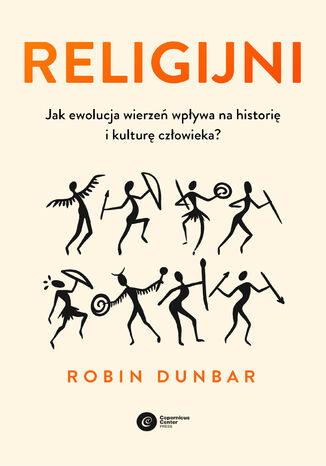
Religijni. Jak ewolucja wierzeń wpływa na historię i kulturę człowieka
Robin Dunbar
Nie ma żadnej kultury, która nie posiadałaby jakiejś formy religii. Religie różnią się pod względem formy, stylu czy rozmiarów, od małych, liczących kilkaset osób kultów, skupionych wokół charyzmatycznego przywódcy, aż po światowe organizacje liczące dziesiątki, a nawet setki milionów wyznawców, mających swoich przedstawicieli w każdym kraju. Również i w świeckich społeczeństwach istnieją ludzie, którzy uważają się za religijnych i praktykują przeróżne rytuały. Dlaczego? Skąd wzięła się w nas potrzeba religijności? Jak z praktyk szamańskich wyewoluowały współczesne religie? Słynny znawca ewolucji, Robin Dunbar, bada pochodzenie religii, jej funkcje w społeczeństwach oraz wpływ na nasze ciało i działanie mózgu. Oferuje wnikliwą, fascynującą analizę typowo ludzkiej potrzeby wiary i związanych z nią praktyk i rytuałów. Każdy człowiek jest religijny, podkreśla Dunbar. Bez względu na to, w co i jak wierzy
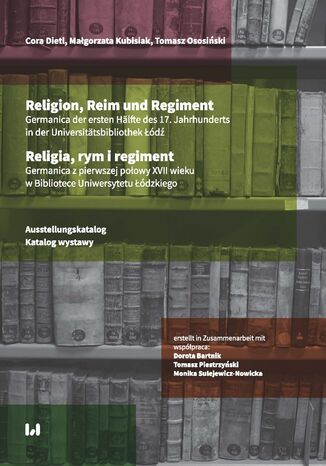
Cora Dietl, Małgorzata Kubisiak, Tomasz Ososiński
Kriege und Seuchen sind nicht erst heute Treiber kultureller UmbrUche. Die erste Halfte des 17. Jahrhunderts, die Zeit des Dreißigjahrigen Kriegs und mehrfacher Pestwellen in Europa, wird in deutschen Literatur--und Kulturgeschichte als Schwellen- und Umbruchszeit wahrgenommen. Neue sprachliche und literarische Formen entstehen, alte radikalisieren sich. Dieser heute wieder besonders aktuell gewordenen Zeit ist der vorliegende Band gewidmet, der sich der Epoche anhand der Bestande der Sondersammlung ,,Alte Drucke" der Universitatsbibliothek Lodz nahert. Er begleitet eine Ausstellung,die im Juni/Juli 2022 in Lodz und im Februar/Marz 2023 In Gießen gezeigt wird, als Abschluss eines Erschließungsprojekts zu den nach dem Zweiten Weltkrieg aus pommerischen und preußischen Sammlungen Ubernommenen Bestanden der 1945 gegrUndeten UB Lodz. Das Projekt wurde vom polnischen Bildungs--und Wissenschaftsministerium gefOrdert und im Rahmen der Universitatspartnerschaft zwischen Lodz und Gießen durchgefUhrt. Wojny i epidemie stymulowały od zarania dziejów przełomy kulturowe. Pierwsza połowa XVII w., czas wojny trzydziestoletniej i epidemii dżumy, wielokrotnie nawiedzającej Europę, uchodzi w historii niemieckiej literatury i kultury za okres przemian i wstrząsów. Wykształcają się wówczas nowe formy języka i literatury, stare zaś podlegają radykalizacji. Niniejszy tom poświęcony jest tej waśnie epoce, która dziś szczególnie zyskuje na aktualności. Publikacja przybliża czytelnikowi ten dawno miniony czas za pośrednictwem kolekcji starych druków z zasobu zbiorów specjalnych Biblioteki Uniwersytetu Łódzkiego. Niniejszy tom towarzyszy wystawie, której prezentacja odbędzie się w Łodzi w czerwcu/lipcu 2022 r., zaś w Giessen w lutym/marcu 2023 r. Wystawa wieńczy projekt, poświęcony zbadaniu zasobów bibliotecznych, przejętych po II wojnie światowej z pomorskich i pruskich bibliotek przez utworzoną w 1945 r. Bibliotekę Uniwersytetu Łódzkiego. Projekt, sfinansowany przez polskie Ministerstwo Edukacji i Nauki, zrealizowano w ramach partnerstwa uczelni w Łodzi i w Giessen.
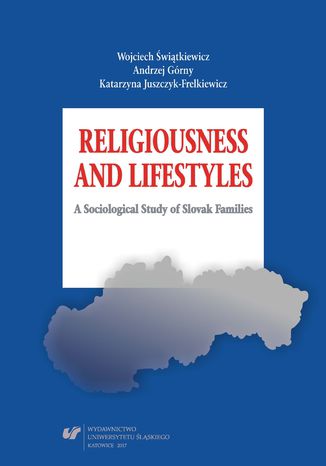
Religiousness and Lifestyles. A Sociological Study of Slovak Families
Wojciech Świątkiewicz, Andrzej Górny, Katarzyna Juszczyk-Frelkiewicz
Książka prezentuje wybrane rezultaty badań socjologicznych prowadzonych w latach 2013–2015 przez polsko-słowacki zespół socjologów skupionych wokół Katedry Socjologii Wydziału Filozoficznego Uniwersytetu Konstantyna Filozofa w Nitrze. Badania empiryczne były zrealizowane w ramach grantu Ministerstwa Szkolnictwa Republiki Słowackiej oraz Funduszu Wyszehradzkiego. Głównym celem badawczym jest analiza kulturowych wzorów relacji międzypokoleniowych w wybranych kategoriach rodzin, uwzględniająca ich afiliacje konfesyjne i postawy religijne, a także problematyka kohabitacji ujmowanej jako przejaw stylu życia współczesnych rodzin na Słowacji.
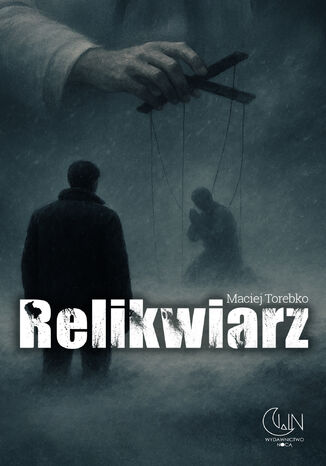
Maciej Torebko
Zima w Białymstoku odsłania to, co miało pozostać ukryte. Gdy w skutej mrozem stolicy Podlasia zaczynają ginąć ludzie, policja szybko odkrywa, że brutalne morderstwa nie są dziełem przypadku. Zbrodnie układają się w przerażający rytuał, którego źródło tkwi w religijnej obsesji i dawno zapominanej przeszłości. Podkomisarz Ariel Janicki i sierżant Monika Dydek prowadzą śledztwo, które z każdą kolejną ofiarą coraz bardziej wymyka się spod kontroli. Trop wiedzie przez rodzinne tajemnice, traumy i grzechy przeszłości. Im bliżej prawdy, tym wyraźniej zaciera się granica między sprawiedliwością a zemstą. "Relikwiarz" to mroczny, bezkompromisowy kryminał, w którym zagadka zbrodni splata się z dramatami bohaterów. Autor z chirurgiczną precyzją kreśli portrety psychologiczne postaci, nie unikając tematów przemocy, wykluczenia, uzależnień i duchowej pustki. Gęsta atmosfera, czarny humor i nieoczywiste zwroty akcji sprawiają, że od tej historii nie sposób się oderwać. Czy prawda okaże się bardziej niebezpieczna niż kłamstwo?
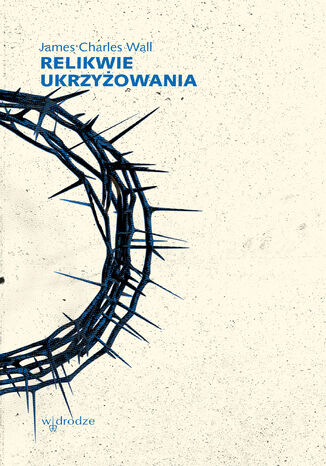
James Charles Wall
Autor z godną podziwu pasją odkrywcy przeszukuje źródła i tropi wszelkie ślady relikwii ukrzyżowania Chrystusa. Rozpoczyna od najważniejszej drzewa Krzyża Świętego. Dlaczego te kawałki drewna tak bardzo poruszały ludzi? Ponieważ krzyż jest nie tylko narzędziem śmierci Chrystusa, ale również Jego figurą i symbolem. W książce mowa jest także o innych artefaktach związanych z ukrzyżowaniem, m.in. gwoździach, koronie cierniowej, świętej włóczni i Całunie Turyńskim. To, co zasługuje na szczególną uwagę w Relikwiach ukrzyżowania, to godna podziwu uważność autora w przytaczaniu i odtwarzaniu średniowiecznych dziejów relikwii. Skuteczne przedstawienie wydarzeń, wraz z uwarunkowaniami historycznymi, pozwoliło mu odpowiedzieć na niektóre z pytań aktualnych po dziś dzień, m.in. Dlaczego mamy dzisiaj tyle gwoździ Męki Pańskiej? Czym należy wyjaśnić zachowanie belki krzyżowej?