
Wydawca: 8
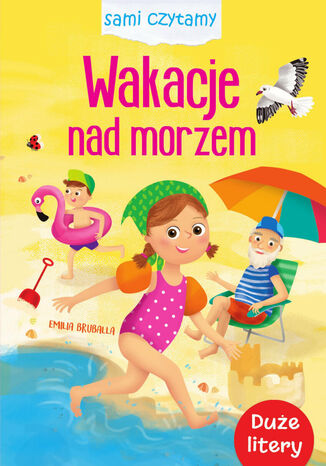
Sami czytamy. Wakacje nad morzem
Emilia Bruballa
Książki z serii Sami czytamy to: • samodzielne czytanie dla dzieci z klas 1–3 • język dostosowany do wieku • powiększona czcionka ułatwiającą czytanie • aktywności utrwalające nowe słownictwo • zadania sprawdzające rozumienie tekstu
Rafik Schami
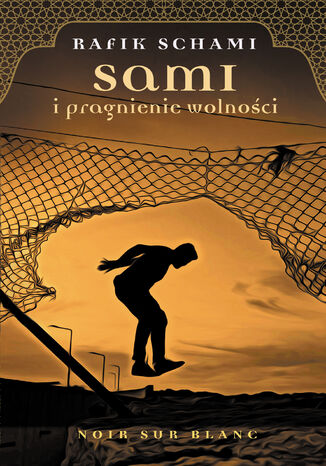
"Arabowie bardzo kochają swoją przeszłość, opiewają ją jako raj i opłakują jej utratę niczym marznący Adam przed zamkniętą bramą raju. Zaniedbują teraźniejszość jak bodaj żaden naród na świecie, a kiedy minie trochę czasu, wynoszą ją pod niebiosa, bo stała się przeszłością". Autor zadedykował tę powieść dzielnym dzieciom z Dary, które wiosną 2011 roku wszczęły powstanie, aby pomóc dorosłym chodzić z podniesioną głową. Dzieciom, których buntownicza postawa wobec szykan i represji syryjskiego reżimu zyskała podziw, sympatię i wsparcie całego demokratycznego świata. Dzieciom, które zachowały z przeszłości jedynie to, co ważne i piękne, i odważyły się postawić na szali swoją teraźniejszość, by wywalczyć lepszą przyszłość nie tylko dla siebie, ale także dla wszystkich Syryjczyków. To opowieść o buncie społecznym podniesionym w imię sprawiedliwości, godności i wolności, z czasem wykorzystanym przez obce siły do rozpętania wojny o wpływy polityczne i gospodarcze. W najnowszej powieści Rafik Schami w barwny i niezwykle poruszający sposób opisuje historię młodego Syryjczyka, Samiego. Chłopak należy do pokolenia próbującego przeciwstawiać się bezwzględnej presji reżimu, pragnącego wolności, odważnego, zdeterminowanego, a jednocześnie umiejącego wykorzystać nowoczesną technologię i media społecznościowe do realizacji swoich celów. Młodzi ludzie dorastają w nietypowych czasach, ale nie omijają ich zwykłe problemy okresu dojrzewania, przeżywają pierwsze miłości i rozczarowania, uczą się, jak być dobrymi przyjaciółmi oraz podejmują niebezpieczne wyzwania. Wplątani w wir historii muszą odsunąć marzenia na dalszy plan i starać się przetrwać, aby dalej walczyć, o to co najważniejsze wolność.
Andrzej Mularczyk
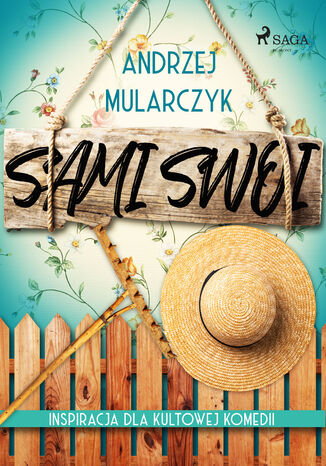
Książka przedstawiająca dzieje dwóch zwaśnionych rodzin, Kargulów i Pawlaków, którzy po zakończeniu II wojny światowej rozpoczynają wędrówkę na Ziemie Odzyskane. Kłótnia o miedzę i krowę Kargula staje się przyczyną wielu perypetii, w których prym wiodą skłóceni ojcowie. Niespodziewaną szansę na zgodę niesie uczucie, które rodzi się między synem Pawlaka a córką Kargula. Film na podstawie scenariusza stworzonego przez Andrzeja Mularczyka otwiera kultową trylogię Sylwestra Chęcińskiego, komedie, które zostały uznane za ponadczasowe w dziejach kinematografii polskiej.

Andrzej Mularczyk
Książka przedstawiająca dzieje dwóch zwaśnionych rodzin, Kargulów i Pawlaków, którzy po zakończeniu II wojny światowej rozpoczynają wędrówkę na Ziemie Odzyskane. Kłótnia o miedzę i krowę Kargula staje się przyczyną wielu perypetii, w których prym wiodą skłóceni ojcowie. Niespodziewaną szansę na zgodę niesie uczucie, które rodzi się między synem Pawlaka a córką Kargula. Film na podstawie scenariusza stworzonego przez Andrzeja Mularczyka otwiera kultową trylogię Sylwestra Chęcińskiego, komedie, które zostały uznane za ponadczasowe w dziejach kinematografii polskiej. Sami swoi Kultowa seria o rodzinie Kargulów i Pawlaków, zamieszkujących polską wieś. Historia ich sporów i waśni bawi kolejne pokolenia. Andrzej Mularczyk pisarz, scenarzysta filmowy, autor słuchowisk radiowych i reportaży. Ukończył dziennikarstwo na Uniwersytecie Warszawskim, od lat 50. XX wieku współpracował z Polskim Radiem, członek Stowarzyszenia Pisarzy Polskich oraz Polskiej Akademii Filmowej. Laureat wielu odznaczeń i wyróżnień, m.in. Diamentowego Mikrofonu (2005), Srebrnego Medalu Zasłużony Kulturze Gloria Artis (2010) i Krzyża Komandorskiego Orderu Odrodzenia Polski (2011). W oparciu o scenariusze jego autorstwa powstało około 40 filmów, w tym kultowa trylogia Sami swoi, Nie ma mocnych, Kochaj albo rzuć.
Andrzej Mularczyk
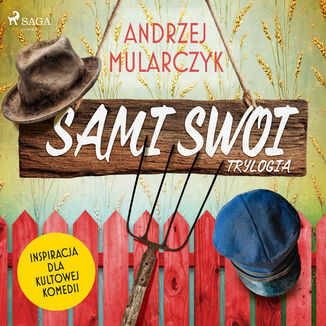
Podobno sąsiedzi mogą żyć w zgodzie, ale Kargul i Pawlak nie wiedzą, co to znaczy. To jedna z najbardziej rozpoznawalnych opowieści polskiej kultury, która wraca w nowym wydaniu i wciąż bawi tak samo. W centrum historii są dwie rodziny, które los rzuca w zupełnie nowe miejsce. Po wojnie trafiają na Ziemie Odzyskane, gdzie muszą zacząć od zera i zamieszkać obok siebie. Kargul i Pawlak to silne charaktery, które nie potrafią przestać ze sobą rywalizować. Dlatego spór o miedzę i krowę szybko wymyka się spod kontroli, a każda kolejna drobnostka tylko podsyca sąsiedzką wojnę pełną sprytnych docinków, uporu i coraz bardziej pomysłowych rewanżów. Czy cokolwiek jest w stanie pogodzić zwaśnione rodziny? Może uczucie, które rodzi się między synem Pawlaka a córką Karguła Opowieść o polskim temperamencie, honorze i rodzinnych sporach, w których emocje zawsze biorą górę nad rozsądkiem. Pełna humoru, celnych obserwacji i dialogów, które na stałe weszły do codziennego języka wielu Polaków. Trylogia zawiera trzy części słynnej historii: Sami swoi, Nie ma mocnych oraz Kochaj albo rzuć. Andrzej Mularczyk polski pisarz, scenarzysta i autor słuchowisk radiowych, przez wiele lat związany z Polskim Radiem. Na podstawie jego scenariuszy powstało ok. 40 filmów, w tym kultowa trylogia: Sami swoi, Nie ma mocnych i Kochaj albo rzuć.

Andrzej Mularczyk
Podobno sąsiedzi mogą żyć w zgodzie, ale Kargul i Pawlak nie wiedzą, co to znaczy. To jedna z najbardziej rozpoznawalnych opowieści polskiej kultury, która wraca w nowym wydaniu i wciąż bawi tak samo. W centrum historii są dwie rodziny, które los rzuca w zupełnie nowe miejsce. Po wojnie trafiają na Ziemie Odzyskane, gdzie muszą zacząć od zera i zamieszkać obok siebie. Kargul i Pawlak to silne charaktery, które nie potrafią przestać ze sobą rywalizować. Dlatego spór o miedzę i krowę szybko wymyka się spod kontroli, a każda kolejna drobnostka tylko podsyca sąsiedzką wojnę pełną sprytnych docinków, uporu i coraz bardziej pomysłowych rewanżów. Czy cokolwiek jest w stanie pogodzić zwaśnione rodziny? Może uczucie, które rodzi się między synem Pawlaka a córką Karguła Opowieść o polskim temperamencie, honorze i rodzinnych sporach, w których emocje zawsze biorą górę nad rozsądkiem. Pełna humoru, celnych obserwacji i dialogów, które na stałe weszły do codziennego języka wielu Polaków. Trylogia zawiera trzy części słynnej historii: Sami swoi, Nie ma mocnych oraz Kochaj albo rzuć. Andrzej Mularczyk polski pisarz, scenarzysta i autor słuchowisk radiowych, przez wiele lat związany z Polskim Radiem. Na podstawie jego scenariuszy powstało ok. 40 filmów, w tym kultowa trylogia: Sami swoi, Nie ma mocnych i Kochaj albo rzuć.

Sami w domu opowiadanie erotyczne
Jan Wieczorek
Pierwsze razy są bardzo ważne. Pierwsza miłość, pierwszy wakacyjny wyjazd, pierwszy pocałunek, pierwsze zbliżenie... Dla pary bohaterów będzie to pierwsza wspólna sylwestrowa noc, którą spędzą całkowicie sami. Młodość oczywiście rządzi się swoimi prawami, a ci zakochani nie mają najmniejszego zamiaru marnować ani jednej chwili w pustym domu, który mają wreszcie tylko dla siebie. To będzie noc pełna bliskości, zmysłowości, rozmów i eksperymentów. Oliwa bardzo chce spróbować zwłaszcza jednej rzeczy... Okazuje się, że jej chłopak też już od dawna o tym myśli.
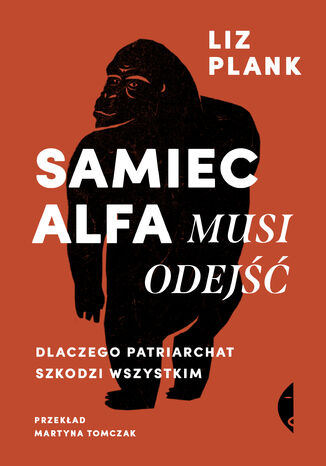
Samiec alfa musi odejść. Dlaczego patriarchat szkodzi wszystkim
Liz Plank
Rozumiemy już, że płeć nie musi ograniczać kobiet, ale co z mężczyznami? Liz Plank, która przez dziesięć lat badała, jak patriarchat wpływa na kobiety, w swojej książce pyta zaczepnie: a gdzie się podział ruch feministyczny dla mężczyzn? Ciekawie i ożywczo przypomina, że wszyscy jesteśmy ograniczeni stereotypami związanymi z płcią, ale przede wszystkim pokazuje, jak bardzo toksyczna męskość szkodzi samym mężczyznom odbijając się na ich zdrowiu, relacjach i karierze. Plank analizuje też związki między patriarchatem a ochroną środowiska, opisuje szkodliwe wzorce męskości w kreskówkach Disneya, a także wyjaśnia, dlaczego za sprawą producenta klocków Lego dzielimy zabawki na odpowiednie dla chłopców i dziewczynek. Samiec alfa musi odejść nie jest poradnikiem dla mężczyzn ani książką, która pomoże kobietom lepiej zrozumieć swoich partnerów. To lektura dla wszystkich, niezależnie od płci i przekonań. Plank mówi stanowczo: nie uda nam się zapewnić równości płci, dopóki skupiamy się wyłącznie na kobietach. Pora zastąpić toksyczną męskość świadomą męskością.