
Видавець: 8

Daria Kaszubowska
Położone na Kaszubach Wejherowo. Wanda, matka trójki dzieci, tkwiąca w niesatysfakcjonującym małżeństwie, sfrustrowana pracą, której nie lubi, zapisuje się do ludowego zespołu pieśni i tańca. Tam poznaje Leona, kaszubskiego działacza, dyrektora Muzeum Piśmiennictwa i Muzyki Kaszubsko-Pomorskiej, człowieka nietuzinkowego, niebojącego się sięgać po swoje marzenia. Kobieta i starszy od niej o szesnaście lat mężczyzna wdają się w gorący romans. Co wygra: rozsądek czy serce? Jak pogodzić szaloną miłość z odpowiedzialnością za dzieci i rodzinę?

Katarzyna Wrona
Jak smakuje grecka wyspa? Słońcem, słoną bryzą i słodyczą pocałunków, które nie powinny się wydarzyć. Katia, ambitna doktorantka, chciała jedynie chwilę wytchnienia od obowiązków i poczucia, że ciągle jest komuś coś winna. Zmuszona przez rodziców do rodzinnego wyjazdu, trafia do miejsca, w którym wszystko wydaje się zbyt piękne, by było prawdziwe. Mateusz, rezydent turystyczny, zna Grecję od podszewki wraz z jej zachodami słońca, kaprysami turystów i ciężarem nieustannego uśmiechu. Ale za profesjonalną fasadą kryje się człowiek, który dawno zapomniał, jak to jest żyć dla siebie. Kiedy ich ścieżki się przecinają, nic nie przebiega zgodnie z planem. Bo niektóre spotkania jak kieliszek ouzo potrafią zawrócić w głowie i zostawić po sobie smak, o którym nie sposób zapomnieć.

Roksana Samagalska
Czy wypadek samochodowy może stać się początkiem niezwykłej przyjaźni i zmienić losy dwóch kobiet? Smaki szczęścia to opowieść o sile kobiecych więzi, determinacji w dążeniu do spełnienia marzeń i przekraczaniu granic. Ta historia poruszy Twoje serce i zainspiruje do działania. Laura, pełna energii miłośniczka wypieków, próbuje spełnić swoje marzenia pomimo braku zrozumienia ze strony ojca. Wraz z Emmą w jej życiu pojawia się Aleksander, z którym połączy ją nie tylko miłość do cynamonowych bułeczek. Emma, autorka bestsellerowych romansów, zmaga się z wypaleniem zawodowym po rozwodzie. Ich losy krzyżują się w nieoczekiwany sposób i nie pozwolą Ci odłożyć książki na półkę. Czy dadzą sobie wsparcie? Czy znajdą siłę, by przedłożyć dobro drugiej osoby nad własne? Jak daleko się posuną, by zrealizować swoje cele? Przeczytaj, by dowiedzieć się więcej. Roksana to autorka o wielkiej wrażliwości. Ma talent do pisania o niuansach kobiecej duszy i charakteru, wielokrotnie pracowałam z nią jako aktorką, a teraz z nieukrywaną radością śledzę jej karierę pisarską. Jestem przekonana, że najnowsza powieść zabierze Państwa w nieznane i głębokie rejony pełne niespodzianek. Życzę fantastycznej lektury pełnej bardzo smacznych zwrotów akcji, a jaki jest ten prawdziwy smak szczęścia? O tym najlepiej opowie nam Roksana Samagalska Maria Niklińska
Anna Stefańska
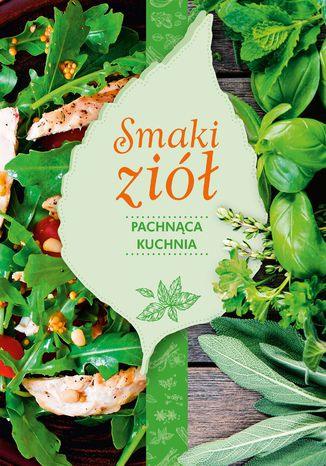
Wraz z popularyzacją zdrowego odżywiania wzrasta zainteresowanie potrawami przyrządzanymi z wykorzystaniem ziół, często pochodzących z własnego zbioru. Inspirują one do wzbogacania zarówno dobrze znanych, jak i zupełnie nowych receptur. Książka zawiera przepisy na rozmaite potrawy z ziołami w roli głównej, podnoszącymi walory smakowe, zapachowe, wizualne i zdrowotne.

Alex Forest
Nowy Jork nigdy nie zasypia. Ale jak obudzić się z koszmaru na jawie? W ciągu kilku tygodni z Central Parku znikają bez śladu cztery kobiety. Bez świadków, bez dowodów, bez motywu. Komisarz Olivier Davis, doświadczony śledczy, zaczyna podejrzewać, że to nie są przypadkowe zaginięcia. Gdy odnalezione zostaje pierwsze ciało, sprawa zmienia się w polowanie na seryjnego mordercę. Miasto ogarnia panika, a presja - ze strony przełożonych i mediów - rośnie z każdą godziną. Davis wie, że jeśli szybko nie rozwiąże zagadki, liczba zabitych wzrośnie, a on sam może stać się kozłem ofiarnym w politycznej rozgrywce. Czy zdoła powstrzymać zabójcę, zanim zniknie kolejna kobieta? Jak daleko się posunie, by poznać prawdę? Ten kryminał smakuje inaczej niż wszystkie. Przekonaj się dlaczego.

Alex Forest
Nowy Jork nigdy nie zasypia. Ale jak obudzić się z koszmaru na jawie? W ciągu kilku tygodni z Central Parku znikają bez śladu cztery kobiety. Bez świadków, bez dowodów, bez motywu. Komisarz Olivier Davis, doświadczony śledczy, zaczyna podejrzewać, że to nie są przypadkowe zaginięcia. Gdy odnalezione zostaje pierwsze ciało, sprawa zmienia się w polowanie na seryjnego mordercę. Miasto ogarnia panika, a presja - ze strony przełożonych i mediów - rośnie z każdą godziną. Davis wie, że jeśli szybko nie rozwiąże zagadki, liczba zabitych wzrośnie, a on sam może stać się kozłem ofiarnym w politycznej rozgrywce. Czy zdoła powstrzymać zabójcę, zanim zniknie kolejna kobieta? Jak daleko się posunie, by poznać prawdę? Ten kryminał smakuje inaczej niż wszystkie. Przekonaj się dlaczego.
Smakowitości Domowa Sezonowa Kuchnia Wegańska
Ida Kulawik Emilia Konkol-Pastuszak
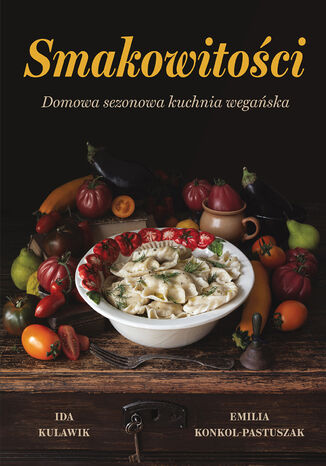
Smakowitości to zbiór 100 roślinnych przepisów domowej kuchni w duchu slow, celebrującej posiłki oparte na produktach sezonowych. Tradycyjna, sentymentalna kuchnia radości, szczęścia, beztroski i biesiadowania - tak w skrócie można opisać zawartość książki, którą trzymasz w dłoniach. Przepisy zostały podzielone na cztery pory roku, których atmosferę oddają malownicze, artystyczne zdjęcia. Fotografka zdradzi ci kilka sekretów swoich inspiracji, dzięki czemu będziesz mieć wrażenie, jakby oprowadzała cię po swojej wystawie.Te niesamowite fotografie działają na zmysły dokładnie tak jak najpiękniejsze, strojnie udekorowane torty w witrynie cukierni albo jak zapach świeżo pieczonego chleba, który co rano roztaczają wokół siebie tradycyjne piekarnie. I choć zdjęcia, które oglądasz w tej książce, zachowane są w stylistyce retro, może już nieco przegadanej i przebrzmiałej, to jednak doskonale łączą stare z nowym. Kuchnia wegańska jest drogą przyszłości i alternatywą dla naszego świata, ale to nie znaczy, że nie może ona smakować polsko, domowo, tradycyjnie, nawet nieco sentymentalnie. Wszyscy przecież wiemy, że najlepsze ciasto na pierogi to takie bez jajek, a wigilijny barszcz przygotowujemy bez mięsa. Z przyjemnością dzielimy się z tobą książką, która jest wyrazem miłości do kulinarnego świata roślin oraz pasji do fotografii. Poczuj przynależność do natury i czerp z niej radość gotowania, rozkoszując się smakiem domowych dań. Daj się zaprosić na ucztę do sezonowej, prostej kuchni, do roślinnej kuchni korzeni. Zasiądź za stołem, smakowitości czekają! Wegański blog kulinarny - wegańskie przepisy dla małych i dużych https://konkolpolny.pl/

David Overton
Small Businesses need to capitalize on the investments they make in IT to drive the business forward. SBS 2008 is uniquely positioned to deliver, but a poor implementation becomes a hindrance rather than a benefit to your business. Well implemented solutions enable your business to appear larger, yet more dynamic than many enterprises.It's easy to get Small Business Server 2008 up and running when you've got this book to hand. It helps you in a clear and friendly manner to understand how to implement SBS 2008 inside your business in a way that matches your business needs. The author's experience enables him to share a tried and tested path to deliver the business benefits without becoming bogged down in unnecessary details that are not relevant to small businesses.SBS 2008 is a fantastic investment for Small Businesses to make towards a well managed and highly functional IT solution in their business. This book is the culmination of many years advising small business owners and consultants on the recommend, tried and tested path to implement small business technology from Microsoft. Through this book you will gain an understanding of the features you can choose to use and then how to securely implement the server to deliver them. It will guide you through the installation and configuration process with the help of step-by-step instructions and plentiful screenshots. It will also explain how you can benefit from the collaboration tools based on SharePoint and how you can protect all your business data with a back-up process that covers anything from deleted files to a fire in the office.Imagine how great you'll feel when your Small Business Server 2008 is ready and working, and you can get back to surfing the Internet!