
Wydawca: 8
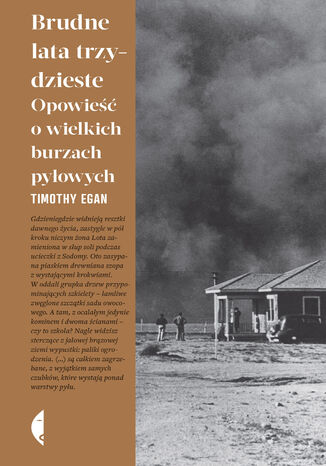
Brudne lata trzydzieste. Opowieść o wielkich burzach pyłowych
Timothy Egan
Pierwsi przybysze na Wielkie Równiny zobaczyli morze traw ciągnące się po horyzont. Żadnych drzew, wzniesień terenu, przecinającej prerię rzeki. Hodowcy bydła zastali tu wymarzone pastwiska dla swoich stad. Rdzenni mieszkańcy musieli ustąpić miejsca kowbojom. Potem przybyli farmerzy i zaczęła się wielka orka. Miliony akrów ogołocono z traw, by wysiać pszenicę. Na początku XX wieku wydawało się, że ziemia rodzi złoto. Jednak hossa nie trwała wiecznie. Najpierw przyszedł Wielki Kryzys, a z nim bankructwa banków i gwałtowny spadek cen pszenicy. Później rozpętało się piekło. Przez kolejne lata zamiast deszczu na domy i pola osadników spadały tony błota i piasku, który wciskał się w każdą szczelinę, niszczył uprawy, dostawał się do płuc. Wiatr wzbijał tumany pyłu z ziemi pozbawionej ochrony traw. Szalejące w latach trzydziestych XX wieku burze piaskowe uznano za jeden z najpoważniejszych kataklizmów pogodowych, była to też najstraszliwsza w skutkach katastrofa naturalna w dziejach Ameryki, spowodowana bezmyślną działalnością człowieka. Timothy Egan śledzi losy kilkunastu osób, ich rodzin i sąsiadów, ich zmagania, sukcesy, a potem desperacką walkę o przetrwanie. To opowieść o niezwykłej sile charakteru i wytrwałości w obliczu katastrofy ale też ostrzeżenie, że zwracając się przeciwko naturze, w końcu zawsze się przegrywa.

Disha Bose
Perfekcyjne życie często bywa fasadą skrywającą najmroczniejsze tajemnice Ciara ma wszystko kochającego męża, wspaniałe dzieci, perfekcyjny dom i grono podziwiających ją kobiet.Ale jej życie dalekie jest od wyidealizowanego obrazka, który pokazuje na Instagramie. Mishti tkwi w pozbawionym miłości, zaaranżowanym małżeństwie, wychowując córkę w obcym kraju. Zagubiona i samotna, jest zapatrzona w Ciarę, która staje się dla niej jedyną przyjaciółką. Lauren myśli, że jest szczęśliwa, chociaż zmaga się z brakiem akceptacji ze strony innych matek, które uważają, że zarówno jej związek, jak i sposób wychowywania dzieci, są dalekie od ideału. Gdy Ciara zostaje zamordowana, pozornie wzorcowa społeczność rozpada się jak domek z kart, a wszystkie brudne tajemnice ujrzą światło dzienne. Brudne tajemnice to psychologiczny thriller o fałszywych przyjaźniach, zdradach, manipulacjach i kłamstwach ukrytych za zamkniętymi drzwiami perfekcyjnych domów.
Marcin Mały
"Brudnomaszynopis" to zbiór tekstów odgrzebanych w szufladzie, napisanych w czasach, gdy internet był przywilejem, a poezję pisało się na maszynie. Większość wierszy została odtworzona z takich właśnie notatek na brudno, utrwalonych przed laty nie na komputerze, nie piórem, nie długopisem, ale właśnie na maszynie. Autor zbioru, Marcin Mały, laureat XV Ogólnopolskiego Konkursu Poetyckiego im. H. Poświatowskiej w Częstochowie i nominowany do nagrody głównej II edycji Ogólnopolskiego Konkursu Poetyckiego im. Jacka Bierezina w Łodzi, jest anglistą i bloggerem.

Józef Ignacy Kraszewski
Józef Ignacy Kraszewski Ur. 28 lipca 1812 w Warszawie Zm. 19 marca 1887 w Genewie Najważniejsze dzieła: Stara baśń (1876), Chata za wsią (1854), Ulana (1842), Dziecię Starego Miasta (1863), Zygmuntowskie czasy (1846), Barani Kożuszek (1881), Hrabina Cosel (1873), Brühl (1874), Poeta i świat (1839), Latarnia czarnoksięska (1844), Wspomnienia Wołynia, Polesia i Litwy (1840) Niezwykle płodny pisarz, autor przede wszystkim powieści historycznych i obyczajowych, publicysta, działacz społeczny, badacz starożytności słowiańskich, popularyzator źródeł historycznych. Do najpopularniejszych dziś powieści Kraszewskiego należy Stara baśń. Wśród inspiracji do niej znalazło się kilka wydanych wcześniej tekstów literatury pięknej. Po pierwsze Rzepicha (1790) Franciszka Salezego Jezierskiego, jednego z jakobinów warszawskich, który wyjaśniał przyczynę nierówności społecznych tezą o podboju rolniczej ludności słowiańskiej przez plemię, które przekształciło się w szlachtę (a właśc. magnaterię). Po drugie, Lillę Wenedę (1840) Juliusza Słowackiego, obrazującą podobną tezę oraz pokazującą dwuznaczną rolę chrześcijaństwa jako religii najeźdźców. Po trzecie dramat Mieczysława Romanowskiego Popiel i Piast (1862), w którym dodatkowo nacisk położony został na zagrożenie dla Słowiańszczyzny ze strony państw niemieckich, zaś kościół ukazany został ostatecznie jako gwarant zażegnania konfliktu społecznego między szlachtą a ludem (tj. też między państwem jako systemem instytucji a funkcjonowaniem społeczności połączonej więzami rodowymi i sąsiedzkimi). Ponadto Kraszewski czerpał ze źródeł historycznych (najwidoczniejsze są ślady adaptacji legend zapisanych w Historii Polski Jana Długosza), z własnych badań nad kulturą materialną dawnych Słowian i Litwy (wydał m.in. dzieła pionierskie: Litwa. Starożytne dzieje 1847 oraz Sztuka u Słowian 1860, zajmował się obyczajowością Polski piastowskiej, pracował nad projektem encyklopedii starożytności polskich dla Akademii Umiejętności w 1875 r.), z opracowań współczesnych mu historyków: Lelewela, Szajnochy, Roeppla i in. Pewien wpływ na treść powieści wywarły również prelekcje paryskie Mickiewicza na temat literatury słowiańskiej, skąd zaczerpnął np. przekonanie o zachowaniu w religii Słowian śladów dziedzictwa praindoeuropejskiego (swoisty panteizm, niektóre bóstwa tożsame z hinduistycznymi). Do swoich źródeł i inspiracji dodał Kraszewski również rzekomo średniowieczny Królodworski rękopis. Zbiór staroczeskich bohatyrskich i lirycznych śpiewów (1818) wydany, a jak się później okazało, również spreparowany przez Vaclava Hankę. Przeczytaj artykuł o autorze w Wikipedii Kupując książkę wspierasz fundację Nowoczesna Polska, która propaguje ideę wolnej kultury. Wolne Lektury to biblioteka internetowa, rozwijana pod patronatem Ministerstwa Edukacji Narodowej. W jej zbiorach znajduje się kilka tysięcy utworów, w tym wiele lektur szkolnych zalecanych do użytku przez MEN, które trafiły już do domeny publicznej. Wszystkie dzieła są odpowiednio opracowane - opatrzone przypisami oraz motywami.
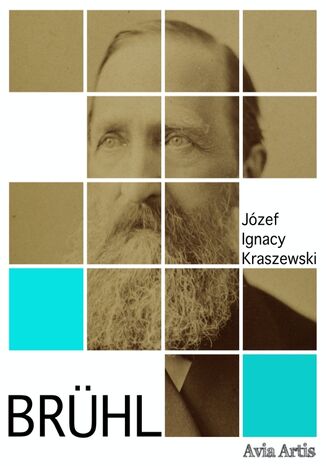
Józef Ignacy Kraszewski
“Brühl” to książka Józefa Ignacego Kraszewskiego, polskiego pisarza i publicysty oraz autora największej liczby wydanych książek w historii literatury polskiej i siódmego autora na świecie pod tym względem. Główny bohater początkowo jest skromnym paziem na dworze Augusta II Mocnego, jednak dzięki swym zdolnościom, pomysłowości oraz intrygom powoli wspina się po szczeblach kariery, niszcząc bezwzględnie swoich konkurentów. Wkrótce staje się ulubieńcem Augusta II, a gdy królem zostaje jego syn – August III, pozycja Brühla umacnia się jeszcze bardziej.

Józef Ignacy Kraszewski
Józef Ignacy Kraszewski Brühl Opowiadanie historyczne ISBN 978-83-288-2396-9 Tom II I W mieszkaniu Sułkowskiego, pod wieczór wiosennego dnia siedzieli naprzeciw siebie dwaj wszechwładni ministrowie w długiém milczeniu, jak gdyby obadwa zbadać się pragnęli a nie mogli. Od kwadransa już prawie Sułkowski ze swą pańską dumą, przechadzał się po salonie, stając niekiedy w oknach i patrząc w ogród. Przez otwarte jedno z nich, słychać było śpiéw wesoły kosów i szczygł... Józef Ignacy Kraszewski Ur. 28 lipca 1812 w Warszawie Zm. 19 marca 1887 w Genewie Najważniejsze dzieła: Stara baśń (1876), Chata za wsią (1854), Ulana (1842), Dziecię Starego Miasta (1863), Zygmuntowskie czasy (1846), Barani Kożuszek (1881), Hrabina Cosel (1873), Brühl (1874), Poeta i świat (1839), Latarnia czarnoksięska (1844), Wspomnienia Wołynia, Polesia i Litwy (1840) Niezwykle płodny pisarz, autor przede wszystkim powieści historycznych i obyczajowych, publicysta, działacz społeczny, badacz starożytności słowiańskich, popularyzator źródeł historycznych. Do najpopularniejszych dziś powieści Kraszewskiego należy Stara baśń. Wśród inspiracji do niej znalazło się kilka wydanych wcześniej tekstów literatury pięknej. Po pierwsze Rzepicha (1790) Franciszka Salezego Jezierskiego, jednego z jakobinów warszawskich, który wyjaśniał przyczynę nierówności społecznych tezą o podboju rolniczej ludności słowiańskiej przez plemię, które przekształciło się w szlachtę (a właśc. magnaterię). Po drugie, Lillę Wenedę (1840) Juliusza Słowackiego, obrazującą podobną tezę oraz pokazującą dwuznaczną rolę chrześcijaństwa jako religii najeźdźców. Po trzecie dramat Mieczysława Romanowskiego Popiel i Piast (1862), w którym dodatkowo nacisk położony został na zagrożenie dla Słowiańszczyzny ze strony państw niemieckich, zaś kościół ukazany został ostatecznie jako gwarant zażegnania konfliktu społecznego między szlachtą a ludem (tj. też między państwem jako systemem instytucji a funkcjonowaniem społeczności połączonej więzami rodowymi i sąsiedzkimi). Ponadto Kraszewski czerpał ze źródeł historycznych (najwidoczniejsze są ślady adaptacji legend zapisanych w Historii Polski Jana Długosza), z własnych badań nad kulturą materialną dawnych Słowian i Litwy (wydał m.in. dzieła pionierskie: Litwa. Starożytne dzieje 1847 oraz Sztuka u Słowian 1860, zajmował się obyczajowością Polski piastowskiej, pracował nad projektem encyklopedii starożytności polskich dla Akademii Umiejętności w 1875 r.), z opracowań współczesnych mu historyków: Lelewela, Szajnochy, Roeppla i in. Pewien wpływ na treść powieści wywarły również prelekcje paryskie Mickiewicza na temat literatury słowiańskiej, skąd zaczerpnął np. przekonanie o zachowaniu w religii Słowian śladów dziedzictwa praindoeuropejskiego (swoisty panteizm, niektóre bóstwa tożsame z hinduistycznymi). Do swoich źródeł i inspiracji dodał Kraszewski również rzekomo średniowieczny Królodworski rękopis. Zbiór staroczeskich bohatyrskich i lirycznych śpiewów (1818) wydany, a jak się później okazało, również spreparowany przez Vaclava Hankę. Przeczytaj artykuł o autorze w Wikipedii Kupując książkę wspierasz fundację Nowoczesna Polska, która propaguje ideę wolnej kultury. Wolne Lektury to biblioteka internetowa, rozwijana pod patronatem Ministerstwa Edukacji Narodowej. W jej zbiorach znajduje się kilka tysięcy utworów, w tym wiele lektur szkolnych zalecanych do użytku przez MEN, które trafiły już do domeny publicznej. Wszystkie dzieła są odpowiednio opracowane - opatrzone przypisami oraz motywami.

Józef Ignacy Kraszewski
Józef Ignacy Kraszewski Brühl Opowiadanie historyczne Tom I ISBN 978-83-288-2397-6 I Pięknym wieczorem jesiennym, o słońca zachodzie, ostatnie trąbki zwołujące myśliwych odzywały się w lesie z jodeł i buków starych złożonym. Szerokim gościńcem przerzynającym puszczę odwieczną, ciągnęły wielkiego dworu łowieckie oddziały, po bokach ludzie z oszczepami i sieciami; konni w zielonych sukniach ze złotemi galonami i kapeluszach z piórami czarnemi: środkiem strojne towar... Józef Ignacy Kraszewski Ur. 28 lipca 1812 w Warszawie Zm. 19 marca 1887 w Genewie Najważniejsze dzieła: Stara baśń (1876), Chata za wsią (1854), Ulana (1842), Dziecię Starego Miasta (1863), Zygmuntowskie czasy (1846), Barani Kożuszek (1881), Hrabina Cosel (1873), Brühl (1874), Poeta i świat (1839), Latarnia czarnoksięska (1844), Wspomnienia Wołynia, Polesia i Litwy (1840) Niezwykle płodny pisarz, autor przede wszystkim powieści historycznych i obyczajowych, publicysta, działacz społeczny, badacz starożytności słowiańskich, popularyzator źródeł historycznych. Do najpopularniejszych dziś powieści Kraszewskiego należy Stara baśń. Wśród inspiracji do niej znalazło się kilka wydanych wcześniej tekstów literatury pięknej. Po pierwsze Rzepicha (1790) Franciszka Salezego Jezierskiego, jednego z jakobinów warszawskich, który wyjaśniał przyczynę nierówności społecznych tezą o podboju rolniczej ludności słowiańskiej przez plemię, które przekształciło się w szlachtę (a właśc. magnaterię). Po drugie, Lillę Wenedę (1840) Juliusza Słowackiego, obrazującą podobną tezę oraz pokazującą dwuznaczną rolę chrześcijaństwa jako religii najeźdźców. Po trzecie dramat Mieczysława Romanowskiego Popiel i Piast (1862), w którym dodatkowo nacisk położony został na zagrożenie dla Słowiańszczyzny ze strony państw niemieckich, zaś kościół ukazany został ostatecznie jako gwarant zażegnania konfliktu społecznego między szlachtą a ludem (tj. też między państwem jako systemem instytucji a funkcjonowaniem społeczności połączonej więzami rodowymi i sąsiedzkimi). Ponadto Kraszewski czerpał ze źródeł historycznych (najwidoczniejsze są ślady adaptacji legend zapisanych w Historii Polski Jana Długosza), z własnych badań nad kulturą materialną dawnych Słowian i Litwy (wydał m.in. dzieła pionierskie: Litwa. Starożytne dzieje 1847 oraz Sztuka u Słowian 1860, zajmował się obyczajowością Polski piastowskiej, pracował nad projektem encyklopedii starożytności polskich dla Akademii Umiejętności w 1875 r.), z opracowań współczesnych mu historyków: Lelewela, Szajnochy, Roeppla i in. Pewien wpływ na treść powieści wywarły również prelekcje paryskie Mickiewicza na temat literatury słowiańskiej, skąd zaczerpnął np. przekonanie o zachowaniu w religii Słowian śladów dziedzictwa praindoeuropejskiego (swoisty panteizm, niektóre bóstwa tożsame z hinduistycznymi). Do swoich źródeł i inspiracji dodał Kraszewski również rzekomo średniowieczny Królodworski rękopis. Zbiór staroczeskich bohatyrskich i lirycznych śpiewów (1818) wydany, a jak się później okazało, również spreparowany przez Vaclava Hankę. Przeczytaj artykuł o autorze w Wikipedii Kupując książkę wspierasz fundację Nowoczesna Polska, która propaguje ideę wolnej kultury. Wolne Lektury to biblioteka internetowa, rozwijana pod patronatem Ministerstwa Edukacji Narodowej. W jej zbiorach znajduje się kilka tysięcy utworów, w tym wiele lektur szkolnych zalecanych do użytku przez MEN, które trafiły już do domeny publicznej. Wszystkie dzieła są odpowiednio opracowane - opatrzone przypisami oraz motywami.
Julia Świtkiewicz
Przyszłość wcale nie tak daleka Wydarzenia wcale nie tak nieprawdopodobne Dwa życia wcale nie tak odległe od siebie, jak mogłoby się wydawać Mimo mrocznych wydarzeń sprzed roku Oliver Princeton wydaje się mieć przed sobą świetlaną przyszłość. Wkrótce skończy szkołę, zacznie studia i ― zgodnie z rodzinną tradycją ― wstąpi do Izby Lordów, by u boku własnego ojca współdecydować o dalszych losach kraju. Celeste Martin, córka naczelnego dowódcy brytyjskiej armii, dziewczyna z pozoru delikatna i uległa, marzy o ogromnym sukcesie na scenie politycznej. Zdaje sobie jednak sprawę z tego, że brakuje jej pewności siebie. Podobnie jak większość uczniów Akademii Świętej Małgorzaty, Celeste stara się unikać Olivera. Powszechnie uważa się, że doprowadził on do samobójstwa jedną z uczennic liceum, swoją dziewczynę Renesme. Ze względu na pozycję rodziny Princetonów jej potomka ominęła kara i teraz część uczniów szkoły unika go jak ognia. Inni na wszelki wypadek mu się podporządkowują. Panna Martin należy do pierwszej grupy, trzyma się więc od niego z daleka. Pewnego dnia udaje się do biblioteki, gdzie czeka już na nią palący papierosa Oliver. Zapach marlboro zwiastuje kłopoty... Sięgnij po kolejny tom: Bruises of the mind. Tom II Posłuchaj audiobooka: