
Publisher: 8

Marcus Kliewer
Kiedy już wejdą, nigdy nie wyjdą... Eve i jej dziewczyna Charlie zamieszkały w starym domu, na malowniczym wzgórzu otoczonym lasem. Pewnego zimowego dnia ich spokój zakłóca pukanie do drzwi. Na progu stoi mężczyzna z rodziną Thomas Faust twierdzi, że kiedyś tu mieszkał i chciałby pokazać dzieciom miejsce, w którym się wychował. Eve wpuszcza nieznajomych do środka, choć w jej głowie rozbrzmiewa sygnał alarmowy. Szalejąca śnieżyca odcina gościom jedyną drogę wyjazdową. Eve i Charlie są zmuszone przenocować obcych. Atmosfera staje się coraz bardziej napięta. Gdy rano znika Charlie, Eve postanawia za wszelką cenę pozbyć się niechcianych przybyszów. Nie powinnaś była ich wpuszczać. Musisz się ukryć. Musisz... Paranoja, wyrachowana manipulacja, pierwotne zło... Co naprawdę dzieje się w domu na wzgórzu? To był nasz dom to przerażająca powieść, w której Marcus Kliewer umiejętnie łączy napięcie rodem z Uciekaj Jordana Peelea i mroczny klimat najstraszniejszych historii Stephena Kinga. Marcus Kliewer jest pisarzem i animatorem poklatkowym. Jego debiutancka powieść To był nasz dom pierwotnie ukazała się jako opowiadanie w odcinkach na Reddicie, gdzie użytkownicy forum NoSleep uznali je za najstraszniejszą historię w 2021 roku. Marcus mieszka w Vancouver w Kanadzie.

Marcus Kliewer
Kiedy już wejdą, nigdy nie wyjdą... Eve i jej dziewczyna Charlie zamieszkały w starym domu, na malowniczym wzgórzu otoczonym lasem. Pewnego zimowego dnia ich spokój zakłóca pukanie do drzwi. Na progu stoi mężczyzna z rodziną Thomas Faust twierdzi, że kiedyś tu mieszkał i chciałby pokazać dzieciom miejsce, w którym się wychował. Eve wpuszcza nieznajomych do środka, choć w jej głowie rozbrzmiewa sygnał alarmowy. Szalejąca śnieżyca odcina gościom jedyną drogę wyjazdową. Eve i Charlie są zmuszone przenocować obcych. Atmosfera staje się coraz bardziej napięta. Gdy rano znika Charlie, Eve postanawia za wszelką cenę pozbyć się niechcianych przybyszów. Nie powinnaś była ich wpuszczać. Musisz się ukryć. Musisz... Paranoja, wyrachowana manipulacja, pierwotne zło... Co naprawdę dzieje się w domu na wzgórzu? To był nasz dom to przerażająca powieść, w której Marcus Kliewer umiejętnie łączy napięcie rodem z Uciekaj Jordana Peelea i mroczny klimat najstraszniejszych historii Stephena Kinga. Marcus Kliewer jest pisarzem i animatorem poklatkowym. Jego debiutancka powieść To był nasz dom pierwotnie ukazała się jako opowiadanie w odcinkach na Reddicie, gdzie użytkownicy forum NoSleep uznali je za najstraszniejszą historię w 2021 roku. Marcus mieszka w Vancouver w Kanadzie.
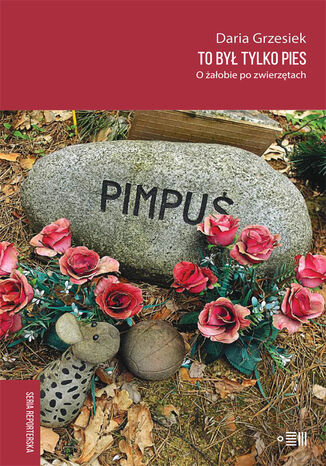
To był tylko pies. O żałobie po zwierzętach
Daria Grzesiek
Kinga była ulubienicą Poznania - płakało po niej całej miasto. Suczki Tusia i Ziutka na ostatni posiłek zjadły to, co szkodziło im za życia: pierwsza łososia i zielone oliwki, druga parówkę. Żółw E.T. dostał imię po dzielnym ufoludku z filmu Spielberga - pokonał go zepsuty kabel grzewczy w skrzyni do hibernowania. Daria Grzesiek zebrała opowieści opiekunów, którzy doświadczyli śmierci swoich zwierząt. Zrobiła to, ponieważ sama mierzyła się z chorobą, cierpieniem i odejściem swojej Ziuty. Wtedy uświadomiła sobie, że nie wie, w którym momencie najlepiej podjąć decyzję o eutanazji ani jak zorganizować taki zabieg, co zrobić z ciałem, jakie są możliwości pochówku zwierzęcia i w końcu - jak poradzić sobie z bólem po stracie. Jej bohaterowie stanęli przed podobnymi dylematami: ile kosztuje kremacja świnki morskiej, a ile konia? Czy eutanazja wygląda jak spokojne usypianie? Czy na pogrzebie zwierzęcia są przemowy, modlitwy, śpiewy? W jaki sposób upamiętnić zmarłego innego gatunku? Koty i psy, ale również słoń, świnki morskie, żółwie, koń i kury. Historie ich oraz ich opiekunów są historiami o śmierci - więc o życiu. O trosce i odpowiedzialności, o dzieleniu codzienności, o wspólnych radościach, przyjaźni, planach, oddaniu, poświęceniu, o chorobie, pożegnaniu i o tym, jak przeżyć żałobę, gdy otoczenie reaguje wzruszeniem ramion: daj spokój, to był tylko pies.

To, co chcemy zostawić za sobą
Lucy Score
Tylko jedna kobieta mogła mnie uwolnić. Ale prędzej bym się podpalił niż poprosił o cokolwiek Sloane Walton. Lucian Rollins jest pełnym determinacji i szukającym zemsty potentatem w branży konsultingowej. Dążąc do wymazania tego, jaki wpływ na życie rodziny miał jego ojciec, całymi dniami pociąga za sznurki i buduje niezniszczalne imperium. Im więcej udaje mu się zgromadzić pieniędzy i kontroli, tym mniej jest podatny na zagrożenia. Tyle że inaczej to wygląda, jeśli chodzi o zadziorną bibliotekarkę z małego miasteczka, myśli o której nie pozwalają mu zasnąć Sloane Walton to choleryczka pragnąca kontynuować dzieło swojego ojca, czyli walkę o sprawiedliwość. Zajmie się tym, jak tylko się dowie co znienawidzony przez nią mężczyzna zrobił jej rodzinie. Albo dla jej rodziny Połączona z Lucianem mrocznym sekretem z przeszłości i wzajemną niechęcią, nie ufa mu za grosz. Po tym, jak sprzeczki przypadkowo przeradzają się w grę wstępną, żadne z nich nie żałuje nocy pełnej namiętności. Kiedy jednak płomień został podsycony, czymś niemożliwym wydaje się ponownie jego ugaszenie. Ale podczas gdy Sloane jest gotowa na założenie rodziny, Lucian w ogóle nie chce myśleć o ślubie i dzieciach. I tak oto para, która się przekonała, że nienawiść od miłości dzieli cienka linia, znalazła się w impasie. Złamani mężczyźni łamią kobiety. W to wierzy Lucian, tego był świadkiem i nie zamierza ryzykować. Woli już żyć w samotności niż narazić Sloane na niebezpieczeństwo. Tyle że na własnej skórze przekonuje się, że pozostawiwszy Sloane samą czyni ją bezbronną wobec innych zagrożeń. To już drugi raz, kiedy bezwzględnie usuwa ją ze swego życia. Nie ma takiej opcji, żeby dała mu trzecią szansę. Będzie musiał stworzyć ją sobie sam.

To, co chcemy zostawić za sobą
Lucy Score
Tylko jedna kobieta mogła mnie uwolnić. Ale prędzej bym się podpalił niż poprosił o cokolwiek Sloane Walton. Lucian Rollins jest pełnym determinacji i szukającym zemsty potentatem w branży konsultingowej. Dążąc do wymazania tego, jaki wpływ na życie rodziny miał jego ojciec, całymi dniami pociąga za sznurki i buduje niezniszczalne imperium. Im więcej udaje mu się zgromadzić pieniędzy i kontroli, tym mniej jest podatny na zagrożenia. Tyle że inaczej to wygląda, jeśli chodzi o zadziorną bibliotekarkę z małego miasteczka, myśli o której nie pozwalają mu zasnąć Sloane Walton to choleryczka pragnąca kontynuować dzieło swojego ojca, czyli walkę o sprawiedliwość. Zajmie się tym, jak tylko się dowie co znienawidzony przez nią mężczyzna zrobił jej rodzinie. Albo dla jej rodziny Połączona z Lucianem mrocznym sekretem z przeszłości i wzajemną niechęcią, nie ufa mu za grosz. Po tym, jak sprzeczki przypadkowo przeradzają się w grę wstępną, żadne z nich nie żałuje nocy pełnej namiętności. Kiedy jednak płomień został podsycony, czymś niemożliwym wydaje się ponownie jego ugaszenie. Ale podczas gdy Sloane jest gotowa na założenie rodziny, Lucian w ogóle nie chce myśleć o ślubie i dzieciach. I tak oto para, która się przekonała, że nienawiść od miłości dzieli cienka linia, znalazła się w impasie. Złamani mężczyźni łamią kobiety. W to wierzy Lucian, tego był świadkiem i nie zamierza ryzykować. Woli już żyć w samotności niż narazić Sloane na niebezpieczeństwo. Tyle że na własnej skórze przekonuje się, że pozostawiwszy Sloane samą czyni ją bezbronną wobec innych zagrożeń. To już drugi raz, kiedy bezwzględnie usuwa ją ze swego życia. Nie ma takiej opcji, żeby dała mu trzecią szansę. Będzie musiał stworzyć ją sobie sam.

To, co najistotniejsze o panu Moritzu
Vlastimil Třešňák
Z czeskiego przełożył Piotr Godlewski "To jest najlepsza czeska książka, o której (chyba) nigdy nie słyszeliście" - napisał Wojciech Szot, recenzent znany z wybredności. Podzielił się z czytelnikami fantazją, że wspaniale byłoby ją zobaczyć wydaną w serii Stehlik. Dlaczego? "Dlatego że książka Třesňaka to niezwykle sprawne (i niezbyt obszerne) połączenie Mrożka z Kafką, Beckettem i czeskim humorem". Pan Moritz jest czeskim malarzem. Utrzymuje się z malowania żółtych obrazów dla Chińczyków mieszkających w Niemczech. Jest przekonany, że uwielbiają żółty kolor. Wynajmuje mieszkanie wspólnie ze swoim przyjacielem, również czeskim emigrantem. Każdy dzień rozpoczynają od rytuału jajka: "Pan Moritz podszedł do stołu, siadł na jednym z dwóch krzeseł i, jak co rano, obtłukł swe jajko o kant biurka. - Niech pan nie obtłukuje co rano swego jajka o moje biurko! - zaprotestował pan Prag, jak co rano". Nad ich rutynowym życiem wisi tajemnica zniknięcia rodziców pana Moritza, któremu jest ona najzupełniej obojętna, za to intryguje jego przyjaciela i staje się w konsekwencji katalizatorem festiwalu słodko-gorzkich znajomości. Powieść Třesňaka może być uzupełnieniem losów Czechów opisywanych przez Mariusza Szczygła w Gottlandzie. "Pewien komik - pisał Szczygieł - występuje dla żołnierzy pogranicza i ucieka z rodziną do Niemiec podczas przerwy w występie. Akurat nikt nie pilnuje granicy, bo wszyscy czekają na drugą część programu. (...) Były ambasador w Bułgarii ucieka ukryty w dużej skrzyni na książki, którą ambasador Meksyku zgłasza jako bagaż osobisty". Tak wyglądały ucieczki z Czechosłowacji po zwycięstwie komunistów w 1948 roku i zamknięciu kraju. Rodzice tytułowego pana Moritza także zbiegli za granicę. W dniu ucieczki - 16 kwietnia 1950 roku - zrobili sobie wspólne zdjęcie. Pan Moritz miał wtedy dziewięć miesięcy. "Już przed fotografowaniem ojciec napoił mnie odwarem z maku i wlał we mnie jeszcze pół setki rumu. Potem owinęli mnie w koce i śpiącego położyli w bagażniku starego forda stanowiącego własność mojego stryja. Położyli mnie w przegródce na zapasowa oponę i przykryli skrzynką z narzędziami" - opowiada główny bohater. Po przebudzeniu nigdy już rodziców nie zobaczył. To zdjęcie staje się dla Třesňaka, który w powieści przyjmuje pseudonim pan Prag (po niemiecku Praga), inspiracją do śledztwa, co naprawdę przydarzyło się rodzicom Moritza. Mikropowieść Vlastimila Třesňaka inspirowana jest emigracyjnym życiem - jego własnym i Vaclava Martinka, przyjaciela pisarza. Akcja nie ma w sobie krztyny patosu. Cechują ją raczej lekkość i sarkazm Kurta Vonneguta.

Żaneta Dębska
Jak wygląda życie współczesnej 30-latki? Czy przemyślenia i osobiste notatki z okresu ciąży i nie tylko osoby, która zajmuje się rozwojem osobistym i wychowaniem dziecka będą w stanie Cię pochłonąć bez reszty? Poznaj skuteczne metody rozwoju osobistego, wzrusz się do łez, czytając fragmenty pamiętnika i naucz się naturalnych metod pielęgnacji urody dzięki książce: „To, co najważniejsze”

Małgorzata Rogala
Romantyczna opowieść o miłości i drugiej szansie. Czterdziestoletnia Marta wiedzie poukładane życie. Pracuje w warszawskiej kancelarii adwokackiej, jest rozwiedziona, mieszka z córką Anką, studentką malarstwa. Gdyby nie obawa o jedynaczkę, która niewłaściwie ulokowała swoje uczucia, kobieta żyłaby bez większych zmartwień. Spokój Marty burzy przypadkowe spotkanie z Marcinem. Kiedyś łączyła ich młodzieńcza miłość, teraz między nimi iskrzy z powodu zadawnionych uraz i zawiedzionych nadziei. Wychodzą na światło dzienne sekrety sprzed lat, odżywają wspomnienia, wracają pytania, na które brak odpowiedzi. Co zaszło dwadzieścia lat temu? Jaka jest cena zdrady? Czy jedna decyzja może wszystko zmienić? I jaką rolę w tej historii odgrywa bransoletka z granatami?