
Verleger: 8

Ciałaczki. Kobiety, które wcielają feminizm
Karolina Sulej
Namawiają do pokochania siebie, akceptacji, wyzbycia się wstydu. Mówią otwarcie o przemocy, której doświadczyły, slut-shamingu, dyskryminacji. Szerzą wiedzę na temat seksualności, zmysłowości i zdrowia. Uczą, jak stawiać granice. A kiedy trzeba stanąć w obronie wartości, z odwagą wychodzą na ulicę. CIAŁACZKI. KOBIETY, DLA KTÓRYCH SIOSTRZEŃSTWO TO NIE TYLKO PUSTY SLOGAN. Karolina Sulej opowiada historie niezwykłych kobiet. Artystek, edukatorek, prowokatorek i rewolucjonistek, które dzieli wiele, ale łączy jedno: determinacja w przełamywaniu tabu wokół kobiecej seksualności. Z rozmów, niekiedy trudnych i bolesnych, powstała książka, w której każda kobieta odnajdzie kawałek siebie. Ciałaczki to wielowymiarowa opowieść o odwadze, stawianiu granic i sile kobiet. To książka, pomaga odkryć w sobie poczucie sprawczości. I pokazuje, że dla kobiet nie ma rzeczy niemożliwych. Krystyna Kofta | Nina Kowalewska-Motlik | Renata Dancewicz | Paulina Młynarska | Katarzyna Szustow | Iwona Demko | Aleksandra Józefowska | Justyna Wydrzyńska | Krystyna Kacpura | Agnieszka Szeżyńska | Agata Loewe-Kurilla | Patrycja Wonatowska | Marta Niedźwiecka | Kamila Raczyńska-Chomyn | Aleksandra Domańska | Betty Q |Joanna Okuniewska | Marta Dyks | Margaret | Ka Katharsis | Izabela Sopalska-Rybak | Sex Work Polska Karolina Sulej (ur. 1985) pisarka, dziennikarka, reportażystka. Laureatka Nagrody im. Teresy Torańskiej i finalistka Nagrody im. Ryszarda Kapuścińskiego za książkę Rzeczy osobiste. Opowieść o ubraniach w obozach koncentracyjnych i zagłady. Publikuje na łamach Voguea, Wysokich Obcasów, Pisma. Autorka m. in. książki Wszyscy jesteśmy dziwni. Opowieści z Coney Island, za którą była nominowana do Nagrody im. Teresy Torańskiej oraz Historie osobiste. O ludziach i rzeczach w czasie wojny. Czasem też podcasterka autorka podcastów Ubrani i Garderobiana oraz współautorka serialu reporterskiego Supernowa. Ma cztery koty i jest zwolenniczką rewolucyjnego poglądu, że kobieta jest człowiekiem. Powyższy opis pochodzi od wydawcy.
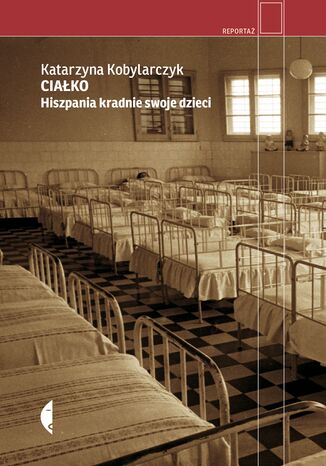
Ciałko. Hiszpania kradnie swoje dzieci
Katarzyna Kobylarczyk
Kiedy w 1999 roku hiszpański Sąd Najwyższy orzekł, że każde dziecko ma prawo wiedzieć, kim są jego rodzice, do biura prawnika Enrique Vili Torresa zaczęli pukać nowi klienci. Chociaż od rodziny lub sąsiadów dowiedzieli się, że zostali adoptowani, w ich dokumentach nie było śladów adopcji, a w aktach urodzenia rodzice adopcyjni figurowali jako biologiczni. Enrique nazwał ich hijos falsos, fałszywymi dziećmi, a ich liczbę oszacował na około trzystu tysięcy. Wkrótce do prawników i mediów zaczęli zgłaszać się także rodzice poszukujący dzieci, które dotąd uważali za zmarłe. Pojawiło się nowe, budzące grozę określenie: bebes robados, ukradzione dzieci. W latach sześćdziesiątych i siedemdziesiątych nowo narodzone dziecko można było kupić za równowartość mieszkania. W proceder sprzedaży zamieszane były instytucje państwowe i kościelne. Katarzyna Kobylarczyk opisuje jeden z najbardziej wstrząsających rozdziałów w najnowszej historii Hiszpanii, nadal pełen pytań bez odpowiedzi.
Ciałko. Hiszpania kradnie swoje dzieci
Katarzyna Kobylarczyk
Kiedy w 1999 roku hiszpański Sąd Najwyższy orzekł, że każde dziecko ma prawo wiedzieć, kim są jego rodzice, do biura prawnika Enrique Vili Torresa zaczęli pukać nowi klienci. Chociaż od rodziny lub sąsiadów dowiedzieli się, że zostali adoptowani, w ich dokumentach nie było śladów adopcji, a w aktach urodzenia rodzice adopcyjni figurowali jako biologiczni. Enrique nazwał ich hijos falsos, fałszywymi dziećmi, a ich liczbę oszacował na około trzystu tysięcy. Wkrótce do prawników i mediów zaczęli zgłaszać się także rodzice poszukujący dzieci, które dotąd uważali za zmarłe. Pojawiło się nowe, budzące grozę określenie: bebes robados, ukradzione dzieci. W latach sześćdziesiątych i siedemdziesiątych nowo narodzone dziecko można było kupić za równowartość mieszkania. W proceder sprzedaży zamieszane były instytucje państwowe i kościelne. Katarzyna Kobylarczyk opisuje jeden z najbardziej wstrząsających rozdziałów w najnowszej historii Hiszpanii, nadal pełen pytań bez odpowiedzi.
Mieczysław Braun
Mieczysław Braun Przemysły Ciało Naczynie nędzne i niegodne ducha, Ciało człowiecze nagie i bezbronne, Powłoko serca niepewna i krucha, Którą wysiłki zamieszkały płonne! Nieprzeliczona czyha wielość chorób Z powietrza, ognia, napoju i strawy, Jeśliś stworzone według boskich wzorów, Ciało człowiecze, jakże wzór ten słaby! Ani się ukryć, ani umknąć uda Klęskom przedwczesnym zawsze i nieznanym; Żadne cię leki, ani żadne cuda Nie ... Mieczysław Braun Ur. 29 maja 1902 w Łodzi Zm. 17 grudnia 1941 lub 2 lutego 1942 w Warszawie Najważniejsze dzieła: Sonety, Żywe stronice, Rzemiosław: poezje, Sygnał z Marsa, Liść dębowy, Przemysły, Rzemiosła Polski poeta i adwokat żydowskiego pochodzenia. Właśc. Aleksander Mieczysław Bronsztejn. Syn Izaka Bronsztejna i Natalii z domu Szuman. Nauki pobierał w państwowej Szkole Realnej w Łodzi, z której przeniósł się od trzeciej klasy do prywatnego Ośmioklasowego Gimnazjum Męskiego Bogumiła Brauna. Nauka w Gimnazjum i wydarzenia I wojny światowej rozbudziły w nim zainteresowanie literaturą. Po ukończeniu szkoły w 1920 roku wstąpił do wojska i wyjechał na front pod Warszawę, walczył w szeregach 31 Pułku Strzelców Kaniowskich oraz 2 Pułku Piechoty Brygady Syberyjskiej. W październiku 1920 roku został zwolniony z wojska i wrócił do szkoły. W maju 1921 zdał maturę. Ukończył studia na Wydziale Prawa Uniwersytetu Warszawskiego, następnie wrócił do Łodzi i rozpoczął praktykę adwokacką. W 1926 roku zdobył tytuł magistra, a od 1930 prowadził własną kancelarię adwokacką Działalność literacką rozpoczął już w 1918 roku - wraz z grupą chłopców i pod patronatem Juliana Tuwima oraz innych poetów, założyli czasopismo literackie "Tańczący Ogień", którego pierwszy i jedyny numer ukazał się w 1919 roku. Po zakończonych studiach, oprócz pracy zawodowej, poświęcił się również twórczości poetyckiej, o której wiedzieli tylko najbliżsi. W 1919 roku publikował wiersze w "Głosie Polskim", później również m.in. w "Skamandrze", "Wiadomościach Literackich", "Nowej Sztuce", "Expressie Ilustrowanym". Po wybuchu II wojny światowej przedostał się z żoną do Lwowa. W 1940 roku wrócił do Warszawy, został przesiedlony do getta warszawskiego, gdzie pracował na poczcie. Zmarł na tyfus plamisty. Kupując książkę wspierasz fundację Nowoczesna Polska, która propaguje ideę wolnej kultury. Wolne Lektury to biblioteka internetowa, rozwijana pod patronatem Ministerstwa Edukacji Narodowej. W jej zbiorach znajduje się kilka tysięcy utworów, w tym wiele lektur szkolnych zalecanych do użytku przez MEN, które trafiły już do domeny publicznej. Wszystkie dzieła są odpowiednio opracowane - opatrzone przypisami oraz motywami.

Krzysztof Kamil Baczyński
Ciało Czyny kalekie zmienione w rzeczy rosną milczeniem pod niebem płaskim, które zgaszone jest trupim blaskiem pod nim stygnącej sprawy człowieczej. Czyny, spomiędzy których nikt jasny, bo nieświadomie za sobą wloką ruchy straszliwe martwej powłoki w strumieniu światła mijanej gwiazdy, z których najmniejszy ciągnie za sobą ziemię jak krzywdy dojrzałej owoc. A w uciszonym nagłym namysłem jest jak huczenie rzeki upiorów, na której płynąc jest, jakby wszystkie czyny spadały przezeń toporem. [...]Krzysztof Kamil BaczyńskiUr. 22 stycznia 1921 r. w Warszawie Zm. 4 sierpnia 1944 r. w Warszawie Najważniejsze dzieła: Pokolenie, Historia, Bez imienia, Dwie miłości, Z głową na karabinie Poeta, rysownik. Twórczość poetycką rozpoczął już jako uczeń gimnazjum im. Stefana Batorego w Warszawie, gdzie w 1939 r. zdał maturę. Związany ze środowiskiem młodzieży lewicowej, m.in. z organizacją Spartakus działającą półlegalnie w szkołach średnich. W czasie okupacji niemieckiej zbliżył się do ugrupowań socjalistycznych, wydających podziemne pisma ?Płomienie? i ?Droga?. Od 1943 r. uczestniczył w tajnych kompletach polonistycznych, w tymże roku wstąpił do Harcerskich Grup Szturmowych, które stały się zalążkiem batalionu AK ?Zośka? oraz ukończył konspiracyjną szkołę podchorążych rezerwy. Uczestnik powstania warszawskiego; poległ w walce przy Placu Teatralnym (Pałac Blanka); w parę tygodni później zginęła w powstaniu żona poety Barbara, którą poślubił w 1942 r. Nie licząc dwóch zbiorków odbitych na hektografie w 7 egzemplarzach w 1940 r. i kilku wierszy w antologiach Pieśń niepodległa i Słowo prawdziwe, zdążył ogłosić, pod pseudonimem Jan Bugaj, dwa konspiracyjne zbiory: Wiersze wybrane (1942) i Arkusz poetycki (1944) wydane nakładem ?Drogi?. Kupując książkę wspierasz fundację Nowoczesna Polska, która propaguje ideę wolnej kultury. Wolne Lektury to biblioteka internetowa, rozwijana pod patronatem Ministerstwa Edukacji Narodowej. W jej zbiorach znajduje się kilka tysięcy utworów, w tym wiele lektur szkolnych zalecanych do użytku przez MEN, które trafiły już do domeny publicznej. Wszystkie dzieła są odpowiednio opracowane - opatrzone przypisami oraz motywami.
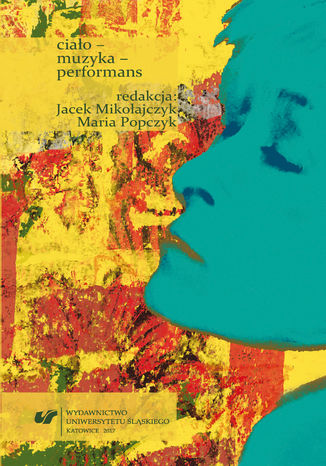
red. Jacek Mikołajczyk, red. Maria Popczyk
W humanistyce kwestie mające związek z wykonaniem, a zatem performowaniem muzyki zawsze stanowiły nieodłączny element refleksji teoretycznej zajmowały miejsce w podziale dziedzin jednakże celem publikacji jest skonceptualizowanie sytuacji wykonawcy muzyki i wtedy konwencje odbioru oraz podziały gatunkowe neutralizują refleksję nad cielesnym wymiarem performansu. Dlatego wydaje się, iż ważne jest wskazanie, odsłonięcie i nazwanie tych teoretycznych barier oraz spojrzenie na performans od strony muzyczności ciała i ucieleśnienia muzyki. Muzyka może być traktowana jako byt abstrakcyjny, jak przekonywali Boecjusz i Leibniz, a dzisiaj kognitywiści, jednakże wykonywana uzyskuje materialność, a audialna natura pojedynczej realizacji abstrakcyjnego utworu stanowi istotny komponent dzieła muzycznego jako takiego. Wykonanie zakłada obecność ciała wykonawcy, które staje się elementem całego estetycznego doświadczenia. Oś refleksji zebranych w niniejszym tomie artykułów, dość umownie zgrupowanych w dwóch lustrzanych częściach, oscyluje zatem wokół zagadnień muzyczności ciała wykonawcy – z jednej, oraz cielesności performansu – z drugiej strony. Spojrzenie na performans od strony muzyki i ciała pozwala odświeżyć nasze podejście do istniejących już i historycznie opisanych stanowisk zajmowanych wobec ciała wykonawcy i oświetlić je z nowej perspektywy. Z tak postawionego problemu wyłania się wielość optyk metodologicznych, a te ukazują dychotomię torów badawczych. Jedne z nich będą nadal traktować ciało jako instrument, inne z kolei zwrócą uwagę na symbiozę świadomości i cielesności; jedne będą kładły nacisk na audialność, drugie z kolei będą podkreślać fuzję audialno-wizualną. Znamienne, że w każdym przypadku sztuka wykonawcza, jak również same dzieła inicjują podobnie inspirujące akademickie dyskusje.
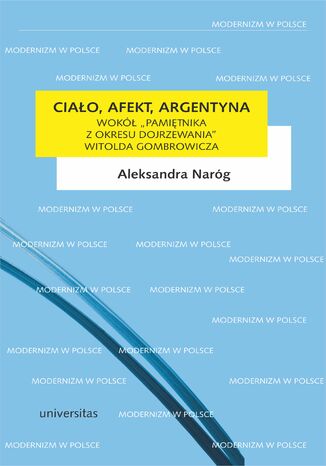
Ciało, afekt, Argentyna. Wokół "Pamiętnika z okresu dojrzewania" Witolda Gombrowicza
Aleksandra Naróg
Autorka niniejszej publikacji opisuje rozmaite modele afektywnej poetyki widoczne w prozie Gombrowicza oraz ich ścieżki prowadzące od debiutanckich, młodzieńczych opowiadań aż po pobyt w Argentynie. Jest to lektura pozwalająca jednak "iść w poprzek" deklaratywnym warstwom tekstu. Ciało, afekt i Argentyna - te trzy kategorie będą się dopełniać i przeplatać, tworząc innowacyjny model lektury Pamiętnika z okresu dojrzewania oraz tekstów z nim rezonujących.

Ciało dzienne, ciało nocne opowiadanie erotyczne
Annah Viki M.
Dojrzała kobieta spotyka się w deszczową noc ze swoim kochankiem, który ma dla niej nietypową niespodziankę. Czy uda jej się zapomnieć o trudnym, codziennym życiu samodzielnej matki, odpuścić wszelką kontrolę i poddać się przyjemności? Ciało dzienne, ciało nocne to pełna erotycznego napięcia opowieść o sile pożądania i podążaniu za wewnętrznymi pragnieniami wśród pulsujących świateł miasta, które nigdy nie śpi.