
Verleger: 8
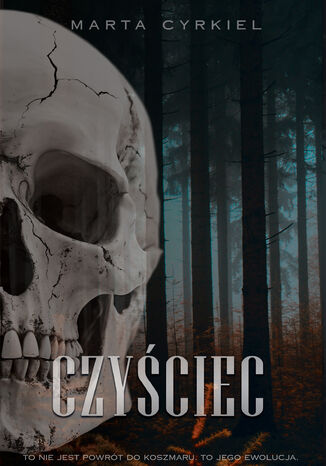
Czyściec. Krwawe Dziedzictwo. Tom 2
Marta Cyrkiel
Piekło nie było końcem. Było początkiem. Myślałam, że koszmar dobiegł końca. Że oddech za plecami ucichł na zawsze. Że prawda, którą odkryłam, wystarczy, by odzyskać spokój. Myliłam się. Ślady prowadzą w różnych kierunkach, lecz jedno pozostaje niepokojąco oczywiste - ktoś zna każdy mój krok. Im głębiej sięgam, tym bardziej zaciera się granica między ofiarą a uczestnikiem tej gry. Stawka rośnie. Czasu jest coraz mniej. A prawda... jest znacznie mroczniejsza, niż kiedykolwiek mogłam przypuszczać.
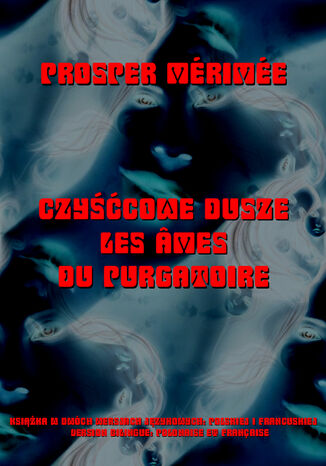
Czyśćcowe dusze. Les Âmes du purgatoire
Prosper Mérimée
Czyśćcowe dusze. Les Âmes du purgatoire Opis: Książka w dwóch wersjach językowych: polskiej i francuskiej Version bilingue: polonaise et française. Don Juan jest oczekiwanym synem księcia, Don Carlosa de Marana, który chce zeń uczynić dzielnego rycerza, podczas gdy jego matka pragnie, by syn został człowiekiem pobożnym. Chłopiec wychowuje się w zbytku i luksusie. W latach młodzieńczych zwraca uwagę na obraz Moralesa przedstawiający męki dusz czyśćcowych, znajdujący się w oratorium jego matki. W wieku osiemnastu lat Don Juan, wykształcony religijnie i w posługiwaniu się bronią, zostaje wysłany na uniwersytet w Salamance. Zawiera tam znajomość ze studentem, który nazywa siebie Don Garcją i podaje się za syna przyjaciela jego ojca. Don Garcja bierze młodzieńca pod swoje skrzydła. Obydwaj mężczyźni postanawiają wspólnie zalecać się do sióstr doi Fausty i doi Teresy de Ojeda. Dnie spędzają na biesiadach, pijatykach i grze, a noce pod balkonami swych wybranek. Pewnego wieczoru zalotników atakuje ich konkurent, don Crisotval (za Wikipedią). Co było dalej można się dowiedzieć po przeczytaniu całej książki.
Ryszard Koziołek
Rzecz, która nie przestaje zachwycać, to skromne piękno zadrukowanej strony. Książka wydaje się najbardziej ubogą ze sztuk. Fotografia, film, malarstwo, muzyka dysponują nieskończenie bardziej sugestywnymi środkami przedstawiania świata. A literatura? Czarne znaczki na papierze. Ale kiedy wpuścić je w nasze umysły, potrafią tam dokonać cudów. Pracują w naszych głowach najskuteczniej i najciekawiej ze wszystkich znaków, jakimi opisujemy świat przekonuje w nowym tomie esejów Ryszard Koziołek. Odkrywa w nim przed czytelnikami transformującą moc literatury, która pozwala nam budować i wzbogacać nie tylko nasz własny świat, ale też kształtować mądre, dojrzałe społeczeństwo. Ta polityczna moc literatury budowanie wspólnoty, otwieranie przestrzeni dyskusji, łączenie doświadczeń jest dla niego równie ważna, jak jej działanie na wyobraźnię. Na nowo więc opowiada nam o tym, na czym polega kunszt powieściowy Tokarczuk i Pilcha, dlaczego Harry Potter pozwala nam wrócić do dzieciństwa i napełnić świat zasadami moralnymi, a wreszcie jak za pomocą literatury rozmawiać o tym, co politycznie niepoprawne.
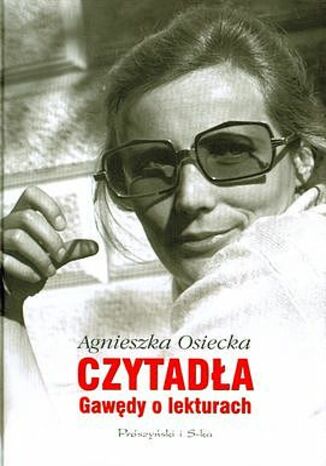
Agnieszka Osiecka
Zbiór wnikliwych i świetnie napisanych felietonów Agnieszki Osieckiej o książkach. Te krótkie i przystępne teksty Agnieszka Osiecka pisała regularnie dla nieistniejącego już dziś literackiego magazynu "Ex Libris" (w latach 90. XX wieku dodatek do "Życia Warszawy"). Powstał zbiór inteligentnych i dowcipnych impresji z jej licznych lektur (. Jerzy Pilch, Daniel Steel, Magdalena Samozwaniec, Adam Zagajewski, Witold Gombrowicz, Susan Sontag, Andrzej Żuławski, Philip Roth). W jej tonie nie ma żółci czy sadyzmu typowego dla recenzentów o niezrealizowanych własnych pretensjach literackich. Nie znaczy to jednak, że teksty te są mdłe. Agnieszka Osiecka była fenomenalnie dowcipną felietonistką i złośliwą obserwatorką epok, w których żyła - znajdziemy tu kilka genialnych przykładów stylu felietonistycznego, np. typologię kochanków opisywanych w erotykach. Po latach można też stwierdzić, iż miała "nosa" do autorów dobrze rokujących. Dziś chwaleni przed laty przez Agnieszkę Osiecką młodzi autorzy, tacy jak Paweł Huelle czy Jerzy Pilch, są gwiazdami polskiej literatury.
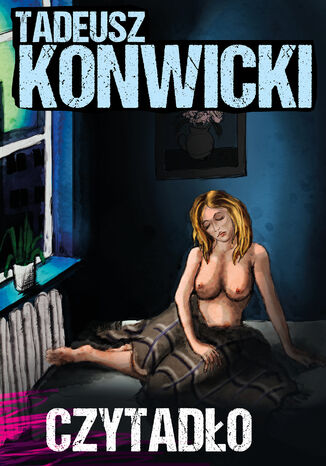
Tadeusz Konwicki
Świetna! W stylu Konwickiego. Polecam i jako ambitną lekturę i jako tytułowe czytadło. [miniaturka, nakanapie.pl] Jest rok 1989 i w Polsce zachodzą ogromne zmiany. Jednak wokół czuje się po prostu chaos. Podobnie jest z bohaterami "Czytadła". Gonitwa myśli. Główny bohater zaplątany jest w jakąś nieokreśloną zbrodnię, może nawet zabójstwo, ale generalnie to nie widzi sensu życia. Ma też problemy, gdyż wdał się w romans i nie do końca ma ochotę w tym tkwić. Chaos. Takie czasy, takie życie. Powieść Konwickiego, w której autor opisuje swe autentyczne lub wymyślone przygody. Tłem są wydarzenia polityczne. [Audioteka] "Czytadło" to powieść odwołująca się do konwencji kryminalnej i romansowej. Stanowi poruszającą, satyryczną wizję III RP u progu niezawisłości. Jest też obrazem środowiska warszawskich pisarzy i polityków, wśród których obracał się Konwicki. Niedopowiedzenia, niejasna granica między snem i jawą, podwójność widzenia, wszystkie te charakterystyczne dla pisarza sposoby przedstawiania świata, tworzą dystans wobec opowiadanej historii. Pozwalają autorowi postawić niezmiernie przykrą diagnozę polskiego społeczeństwa po 1989 r. [Agora, 2010] Autor pięknie opisuje ciało kobiety i to podobało mi się najbardziej [Grażyna, lubimyczytac.pl] Nota: przytoczone powyżej opinie są cytowane we fragmentach i zostały poddane redakcji. Projekt okładki: Olga Bołdok.
Tadeusz Konwicki
Świetna! W stylu Konwickiego. Polecam i jako ambitną lekturę i jako tytułowe czytadło. [miniaturka, nakanapie.pl] "Czytadło" to powieść odwołująca się do konwencji kryminalnej i romansowej. Stanowi poruszającą, satyryczną wizję III RP u progu niezawisłości. Jest też obrazem środowiska warszawskich pisarzy i polityków, wśród których obracał się Konwicki. Niedopowiedzenia, niejasna granica między snem i jawą, podwójność widzenia, wszystkie te charakterystyczne dla pisarza sposoby przedstawiania świata, tworzą dystans wobec opowiadanej historii. Pozwalają autorowi postawić niezmiernie przykrą diagnozę polskiego społeczeństwa po 1989 r. [Agora, 2010] Autor pięknie opisuje ciało kobiety i to podobało mi się najbardziej [Grażyna, lubimyczytac.pl] Jest rok 1989 i w Polsce zachodzą ogromne zmiany. Jednak wokół czuje się po prostu chaos. Podobnie jest z bohaterami "Czytadła". Gonitwa myśli. Główny bohater zaplątany jest w jakąś nieokreśloną zbrodnię, może nawet zabójstwo, ale generalnie to nie widzi sensu życia. Ma też problemy, gdyż wdał się w romans i nie do końca ma ochotę w tym tkwić. Chaos. Takie czasy, takie życie. Powieść Konwickiego, w której autor opisuje swe autentyczne lub wymyślone przygody. Tłem są wydarzenia polityczne. [Audioteka] Nota: przytoczone powyżej opinie są cytowane we fragmentach i zostały poddane redakcji. Projekt okładki: Olga Bołdok.
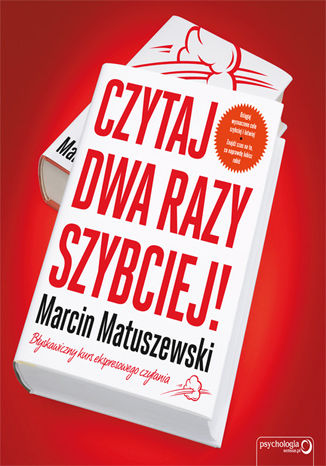
Marcin Matuszewski
Błyskawiczny kurs ekspresowego czytania Osiągaj wyznaczone cele szybciej i łatwiej Znajdź czas na to, co naprawdę lubisz robić Czytanie jest dla umysłu tym, czym gimnastyka dla ciała. Richard Steele Czytanie ze zrozumieniem to podstawa przyswajania wiedzy, wyłuskiwania wartościowych informacji, a także samorozwoju i ułatwiania sobie życia. W czasach, kiedy zalewa Cię powódź tekstów, dokumentów, artykułów, umów, notek, raportów, można dostać istnego oczopląsu. Nie możesz pozwolić sobie na to, by czegoś nie doczytać lub spędzić na lekturze długie godziny. A w dodatku musisz znaleźć jeszcze czas na zastosowanie zdobytej wiedzy i dla ukochanej rodziny. Jedynym wyjściem, aby zapoznać się ze wszystkimi pożądanymi tekstami, jest czytanie… szybciej! Dwa razy szybciej. Wyobraź sobie, w ilu sytuacjach przyda Ci się ta umiejętność - w szkole, pracy, życiu codziennym. Zaoszczędzisz dwa razy więcej czasu lub zdobędziesz podwójną ilość informacji i zawsze będziesz o dwa kroki do przodu. Ta książeczka to bardzo praktyczny kurs szybkiego czytania, pełen ciekawych ćwiczeń. Dzięki niej nauczysz się koncentrować na tekście oraz umiejętnie dobierać tempo - w zależności od celu lektury. W mgnieniu oka: zapomnisz o dekoncentracji, zaczniesz szybciej przyswajać wiadomości, pozbędziesz się stresu związanego z koniecznością przeczytania dużej ilości tekstu, zaczniesz rozsądniej dobierać lektury, podniesiesz kwalifikacje i raz na zawsze zlikwidujesz swoje problemy z nauką. Patron merytoryczny:
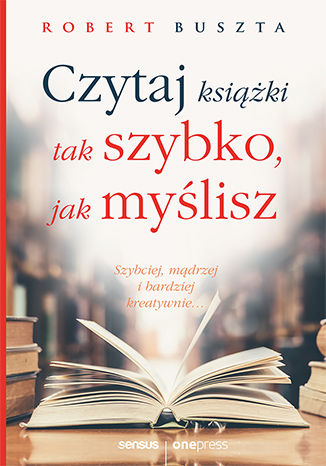
Czytaj książki tak szybko, jak myślisz
Robert Buszta
Czytaj książki szybciej, mądrzej i kreatywnie... >> PRZECZYTAJ Co to znaczy szybko czytać >> POSŁUCHAJ By czytać szybciej, mądrzej i bardziej kreatywnie... Żyjemy w czasach przesytu - rzeczy, idei i książek. Wydawcy zalewają księgarnie nowościami. Wiele z nich to wartościowe lektury, niejedną chciałoby się przytulić do czytelniczego serca. Kupujemy je więc, kładziemy na półce i... biegniemy do innych zadań. Bo praca, bo szkoła, bo obowiązki. A ponieważ i żyć trzeba, to czasu na lekturę wiele nie zostaje. Ot, może półtorej godziny, i to maksymalnie raz w tygodniu. Ale zaraz, zaraz... 90 minut to dokładnie tyle, ile potrzebujesz, by przeczytać 200 - 300 stron. Naprawdę! W półtorej godziny jesteś w stanie przyswoić zawartość praktycznie dowolnej książki, również popularnonaukowej. Jeśli skorzystasz ze wskazówek i z instrukcji zawartych w tym poradniku, staniesz się mistrzem wychwytywania istotnych treści z zalewu słów stanowiących jedynie stylistyczne ozdobniki albo literackie wypełniacze. Prawdziwa treść publikacji bowiem kryje się w twardych danych! Rzecz w tym, by nauczyć się skutecznie je wyłuskiwać. Poznaj Organiczną Technikę Studiowania i czytaj tak szybko, by nie umknęła Ci żadna ważna informacja ani premiera nowej książki.