
Wydawca: 8

Sensacje z dawnych lat. Szkielet na Lesznie
Walery Przyborowski
Szkielet na Lesznie jest powieścią kryminalną, której akcja rozgrywa się w Warszawie w roku 1860. Pewnego dnia miasto obiega wstrząsająca wiadomość. W jednym z dworków przy ulicy Leszno (w dzielnicy Wola), przeznaczonym do rozbiórki, znaleziono ukryty przed laty pod posadzką ludzki szkielet. Rozpoczyna się śledztwo, a informacje o jego przebiegu przekazywane są na bieżąco w dziennikach i stanowią główny temat towarzyskich rozmów. Sprawą niezmiernie zainteresowany jest niejaki Heliglas, emerytowany artysta, który przebywa akurat w Warszawie. Wraz z reporterem Goldsingiem i młodym lekarzem, Władysławem Żubrem, wyrusza do dworku, by obejrzeć znalezisko. Żubr zauważa, że widok szkieletu wywołuje ogromne emocje u śpiewaka. Dlaczego Heliglasowi tak bardzo zależało na odwiedzeniu dworku? Wiele wskazuje na to, że mogło coś go łączyć z ofiarą. Żubr postanawia przeprowadzić własne śledztwo. Czy można jednak po wielu latach od popełnionej zbrodni odnaleźć przestępcę? Jak zmieni się los zmagającego się z nędzą lekarza? Żubr nawet nie podejrzewa, jak bliska okaże się mu sprawa szkieletu na Lesznie

Sensacje z dawnych lat. Szkielet w domu
Walery Przyborowski
Emerytowany naczelnik policji przenosi się z Warszawy do nowo nabytego majątku we wsi Grabówka niedaleko Kielc. Towarzyszy mu jego wierny współpracownik Ansgary. Dwór i jego okolica są mocno zaniedbane. Przed rozpoczęciem remontu Ansgary postanawia sprawdzić wszystkie pokoje, a zwłaszcza jeden z nich, zwany pokojem ducha. W okolicy od lat krążą plotki o tym, że jest on nawiedzony. Okazuje się, że w tej historii tkwi ziarno prawdy Ansgary znajduje ukryty pod podłogą szkielet młodej kobiety, spoczywający w ziemi od kilkudziesięciu lat. Zawiadamia natychmiast swojego pana. Podczas oględzin miejsca zbrodni mężczyźni odkrywają, że ktoś ich obserwuje, w ogrodzie znajdują ślady damskich butów, ale nikogo nie udaje im się schwytać. Naczelnik postanawia wyjaśnić sprawę. Już następnego ranka wszystko się komplikuje szkielet znika, a jedynym tropem znów są ślady damskich trzewików, tym razem aż dwóch par

Sensacje z dawnych lat. W Lasku Bielańskim
Walery Przyborowski
Powieść kryminalna z przełomu wieku XIX i XX, publikowana pierwotnie w odcinkach. Spod kolumny króla Michała Korybuta znika zakopany tu niegdyś przez pułkownika de Bellerochea skarb Maryny Mniszchówny. Kilkanaście lat później pod podłogą w pewnej kamienicy na Podwalu robotnicy odkrywają szkielet młodej kobiety. Czy te dwie sprawy należy ze sobą łączyć? Czyżby znalezione przypadkiem szczątki należały do pięknej pułkownikówny? A jeśli tak kto ją zabił? No i co się stało ze skarbem? Jest w Warszawie człowiek, który podejmie się poszukiwań. I to wcale nie przypadek, że mieszka właśnie w tym domu przy Złotej dawnej posiadłości Francuza

Jane Austen
When Mr. Dashwood dies, he must leave the bulk of his estate to the son by his first marriage, which leaves his second wife and their three daughters (Elinor, Marianne, and Margaret) in straitened circumstances. They are taken in by a kindly cousin, but their lack of fortune affects the marriageability of both practical Elinor and romantic Marianne. When Elinor forms an attachment for the wealthy Edward Ferrars, his family disapproves and separates them. And though Mrs. Jennings tries to match the worthy (and rich) Colonel Brandon to her, Marianne finds the dashing and fiery John Willoughby more to her taste. Both relationships described in Sense and Sensibility are sorely tried.

Jane Austen
Sense and Sensibility is a novel by Jane Austen, published in 1811. It was published anonymously; By A Lady appears on the cover page where the author's name might have been. It tells the story of the Dashwood sisters, Elinor and Marianne, both of age to marry. The novel follows the young women to their new home with their widowed mother, a meagre cottage on the property of a distant relative, where they experience love, romance and heartbreak. The novel is set in southwest England, London and Sussex between 1792 and 1797.
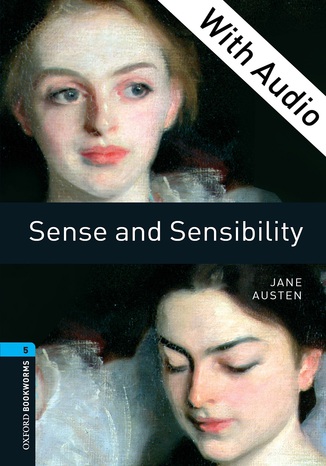
Sense and Sensibility - With Audio Level 5 Oxford Bookworms Library
Austen, Jane
A level 5 Oxford Bookworms Library graded reader. This version includes an audio book: listen to the story as you read. Retold for Learners of English by Clare West. Sometimes the Dashwood girls do not seem like sisters. Elinor is all calmness and reason, and can be relied upon for practical, common sense opinions. Marianne, on the other hand, is all sensibility, full of passionate and romantic feeling. She has no time for dull common sense - or for middle-aged men of thirty-five, long past the age of marriage. True love can only be felt by the young, of course. And if your heart is broken at the age of seventeen, how can you ever expect to recover from the passionate misery that fills your life, waking and sleeping?
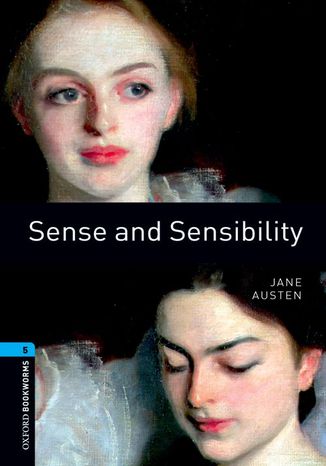
Sense and Sensibility Level 5 Oxford Bookworms Library
Austen, Jane
A level 5 Oxford Bookworms Library graded reader. Retold for Learners of English by Clare West. Sometimes the Dashwood girls do not seem like sisters. Elinor is all calmness and reason, and can be relied upon for practical, common sense opinions. Marianne, on the other hand, is all sensibility, full of passionate and romantic feeling. She has no time for dull common sense - or for middle-aged men of thirty-five, long past the age of marriage. True love can only be felt by the young, of course. And if your heart is broken at the age of seventeen, how can you ever expect to recover from the passionate misery that fills your life, waking and sleeping?

Barbara Czochralska
The essays collected in this book were written over a period of more than a decade. They are arranged chronologically in order to create a complete sequence. The first essay in the collection, "Sensitivity of Matter", is dedicated to Edward Stachura, an exceptional Polish poet who became a national hero among young people after his suicide in 1979. The essay was inspired by my conversations and debates with Stachura between 1973 and 1977. The essays that follow were written in the search of an answer to the eternal question: "Who is man?"