
Verleger: 8
Rodrigo Santiago, Shalini Goyal
Software system design goes beyond just writing code—it requires a structured approach to translating real-world requirements into scalable, maintainable solutions. With Rodrigo Santiago’s hands-on mentoring style and Java Spring expertise, he makes system design accessible to developers at all levels.Spring System Design in Practice guides you through building robust software architectures with Spring. From breaking down complex business needs into actionable use cases to implementing services using Spring Boot, this book equips you with the tools and best practices needed for developing secure, high-performance applications. You'll explore inter-service communication, security, and aspect-oriented programming to streamline development. Covering microservices architecture, the book demonstrates how to create self-configuring, resilient, and event-driven services that integrate seamlessly into the cloud. Through hands-on experience, you'll apply best practices to enhance reliability and scalability while tackling complex challenges such as state management, resilience patterns, concurrency issues, and distributed transactions—including bottlenecks related to asynchronous and reactive programming.By the end of this book, you'll have the confidence to analyze system requirements and design well-structured, scalable architectures.
Craig Walls
Kompletne źródło informacji o Spring Framework! Spring Framework odmienił sposób konstruowania aplikacji w języku Java. Prawdopodobnie jest on najczęściej wybieranym narzędziem do tworzenia aplikacji, niezależnie od tego, czy są one internetowe, czy biurkowe. Czym zasłużył sobie na taką popularność? Niezwykle wygodna konfiguracja, ogromna ilość różnego rodzaju bibliotek, przemyślana architektura to tylko niektóre z jego atutów. Jeżeli do tego dodać ogromną społeczność, chętną do udzielania wszelkich porad, otrzymujemy wyjątkowe narzędzie do zadań specjalnych. Kolejne wydanie książki uwzględnia wszystkie zmiany wprowadzone w trzeciej wersji Spring Framework. A jest ich sporo. Dzięki nim praca z tym narzędziem stała się jeszcze prostsza. W trakcie lektury dowiesz się, jak zminimalizować użycie XML do konfiguracji, wstrzykiwać zależności oraz korzystać z potencjału programowania aspektowego. Ponadto znajdziesz tu komplet informacji na temat współpracy z bazami danych, a pojęcia takie, jak transakcje, JPA, JDBC przestaną być Ci obce. Twoją ciekawość powinien wzbudzić rozdział poświęcony bezpieczeństwu - dzięki Spring Security implementacja tego kluczowego elementu aplikacji staje się o niebo przyjaźniejsza. Książka ta jest skarbnicą informacji o Spring Framework, którą powinien zainteresować się każdy programista języka Java! Dzięki Spring Framework: zbudujesz lepszą architekturę Twojej aplikacji wykorzystasz potencjał aspektów i wstrzykiwania zależności zagwarantujesz bezpieczeństwo Twoim rozwiązaniom stworzysz zaawansowaną aplikację! Sprawdź, jak Spring Framework ułatwia życie!
Craig Walls
Kompendium wiedzy na temat Spring Framework! Spring jest odpowiedzią na problemy trapiące programistów tworzących oprogramowanie przy użyciu EJB 2.x. Dzień, w którym został udostępniony szerokiemu gronu użytkowników, był punktem zwrotnym w historii języka Java. Od tej pory życie deweloperów stało się prostsze, a tworzenie nawet skomplikowanych aplikacji — zdecydowanie przyjemniejsze. Od tamtego czasu Spring jest wciąż rozwijany i oferuje coraz lepsze narzędzia programistom na całym świecie. Kolejne wydanie tej książki, w całości poświęconej frameworkowi Spring (w wersji 4), zostało poprawione, zaktualizowane i uzupełnione o nowe informacje. W trakcie lektury przekonasz się, jakie nowości zostały wprowadzone w czwartej wersji Springa, oraz zaznajomisz się z zaawansowanymi metodami wiązania komponentów. Ponadto zdobędziesz doświadczenie w stosowaniu aspektów, zobaczysz, jak działają Spring MVC czy Spring WebFlow, oraz nauczysz się uzyskiwać dostęp do baz danych — zarówno SQL, jak i NoSQL. Osobny rozdział został poświęcony bezpieczeństwu aplikacji tworzonych z wykorzystaniem Springa. Spring Security to potężne narzędzie, które pozwoli Ci bezboleśnie wprowadzić zaawansowane mechanizmy bezpieczeństwa w Twoich programach. Na sam koniec poznasz techniki obsługi komunikatów oraz możliwości modułu Spring Boot. Książka ta jest doskonałą lekturą dla programistów chcących w pełni wykorzystać potencjał Springa! Dzięki tej książce: poznasz komponenty składające się na Spring Framework zabezpieczysz aplikację z pomocą Spring Security błyskawicznie uruchomisz projekt ze Spring Boot z łatwością skorzystasz z baz danych SQL i NoSQL wykorzystasz potencjał najnowszej wersji Springa Niemal 100 tysięcy programistów sięgnęło po tę książkę, by nauczyć się Springa! Jej lektura wymaga praktycznej znajomości języka Java. Poznaj potencjał Springa!
Craig Walls
Spring jest frameworkiem ułatwiającym tworzenie nowoczesnych aplikacji w Javie. To narzędzie, które dynamicznie się rozwija i z każdym nowym wydaniem zapewnia programistom kolejne, ekscytujące możliwości. Piąta wersja Springa okazała się krokiem milowym. Obecnie projektanci mogą tworzyć mikrousługi, korzystać z funkcji programowania reaktywnego i doskonalić budowanie aplikacji zgodnie z modelem MVC. Dzięki pełnej integracji Springa ze Spring Boot nawet najbardziej złożone projekty wymagają minimalnej ilości kodu konfiguracyjnego. W efekcie tworzone aplikacje internetowe są w większym stopniu skalowalne i efektywniejsze w wykorzystywaniu wątków. To kolejne, uzupełnione i zaktualizowane wydanie przewodnika po frameworku Spring. Książka jest napisana w zwięzłym, przejrzystym i jasnym stylu, dzięki czemu szybko zrozumiesz zasady pracy ze Springiem i zbudujesz nowoczesną aplikację internetową współpracującą z bazą danych. Pokazano tu techniki programowania reaktywnego, pisania mikrousług, wykrywania usług, wyjaśniono również pracę z API RESTful i zasady wdrażania aplikacji. Nauczysz się też stosować najlepsze praktyki programowania w Springu. Książka jest znakomitą pomocą dla programistów Javy, którzy dopiero zaczynają pracę z tym frameworkiem, a także dla tych, którzy chcą opanować nowe rozwiązania oferowane przez kolejne wersje ekosystemu Springa. W tej książce między innymi: solidne wprowadzenie do frameworków Spring i Spring Boot integracja aplikacji Springa z innymi aplikacjami programowanie reaktywne w tworzeniu aplikacji internetowych tworzenie mikrousług i praca ze Spring Cloud wdrażanie aplikacji w środowisku produkcyjnym i korzystanie ze Spring Boot Admin Nowoczesna aplikacja w Javie? Sprawdź Springa!
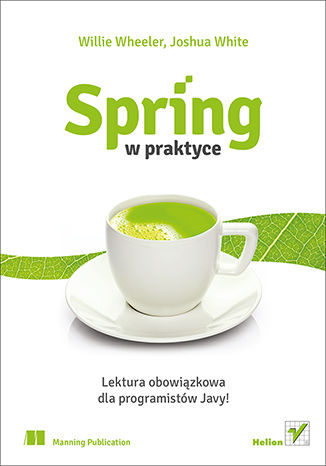
Willie Wheeler, Joshua White
Lektura obowiązkowa dla programistów Javy! Spring Framework zrewolucjonizował sposób wytwarzania aplikacji w języku Java. Rzeczy trudne do wykonania stały się łatwe, a te łatwe w zasadzie zaczęły robić się same. Od pierwszej wersji ten framework jest cały czas rozwijany, a obecna, trzecia wersja, jest prawdopodobnie najczęściej wybieranym narzędziem do tworzenia aplikacji. Co sprawiło, że Spring zyskał taką popularność? Ogrom możliwości, świetna architektura, duża społeczność oraz ciągły rozwój i wsparcie dla nowych technologii to jego główne atuty. W tej książce znajdziesz najlepsze techniki pracy ze Spring Framework w wersji 3. Przekonasz się, jak skutecznie wykorzystać potencjał Spring MVC. Dowiesz się, jak uwierzytelniać użytkowników, korzystać ze Spring Web Flow oraz budować usługi sieciowe. Ponadto przekonasz się, jak proste może być pisanie testów integracyjnych oraz korzystanie z narzędzi do mapowania obiektowo-relacyjnego. Książka ta jest doskonałą lekturą dla wszystkich programistów korzystających z języka Java. Z pewnością wzbogaci ona ich warsztat oraz umiejętności. Dzięki tej książce: poznasz szkielet Spring w wersji 3 wykorzystasz potencjał Spring MVC napiszesz skuteczne testy integracyjne stworzysz lepszą aplikację! Najlepsze techniki pracy ze Spring 3!
Spring. Wstęp do programowania aplikacji
Paweł Kamiński
Poznaj jeden z najpopularniejszych frameworków do projektowania aplikacji w Javie Spring należy do rodziny frameworków Javy. Jego pierwsza edycja ujrzała światło dzienne w 2002 roku i od razu spotkał się z pozytywnym odbiorem programistów. Spring Framework zyskał uznanie i popularność, ponieważ działa na zasadzie lekkiego szablonu, umożliwiającego dużą dowolność, jeśli chodzi o wybór modelu programowania. W efekcie za jego pomocą można tworzyć szerokie spektrum aplikacji - od niewielkich i prostych po potężne i bardzo skomplikowane. To książka skierowana do programistów - przede wszystkim tych, którzy tworzą aplikacje internetowe i chcieliby zacząć pracować ze Spring Frameworkiem. Teorię ograniczono w niej do niezbędnego minimum, a główny nacisk położono na aspekty praktyczne, by Czytelnik po lekturze mógł swobodnie sam stworzyć aplikację internetową. Z książki dowiesz się między innymi: Jak zbudowany jest Spring Framework Czym się różni klasyczny Spring od Spring Boota Które elementy frameworka trzeba poznać, by zacząć projektować aplikacje Jakiego rodzaju projekty można zrealizować przy użyciu Spring Frameworka
Piotr Kuzio, Marcin Majchrzak, Grzegorz Suder
Czy przy wszędobylskim systemie obserwacji i kontroli zbrodnia może ujść płazem? Firma RCUS była szczytem marzeń wszystkich informatyków. Międzynarodowy potentat na rynku systemów komputerowych zatrudniał najlepszych i jak wieść niosła niezwykle dbał o ich zadowolenie i bezpieczeństwo. Ale czy na pewno? W poniedziałkowy poranek do laboratorium RCUS zostają wezwani podinspektor Skalski i komisarz Walczak. Znaleziono ciało zamordowanego mężczyzny. Policjanci rozpoczynają mozolne przesłuchania, przy czym nie angażują się zbytnio, pewni, że przy rozbudowanym systemie monitoringu i kontroli przejść zidentyfikowanie sprawcy będzie formalnością. Jednak elektroniczne ślady okazują się sfałszowane, jednoznaczne dowody podrzucone. Policjanci próbują odnaleźć się w nowych dla siebie realiach, w czym pomóc ma im aspirant Czerski, specjalista od komputerów. Z każdym dniem śledztwo komplikuje się coraz bardziej
Sprint projektowy. Tworzenie produktów cyfrowych
Richard Banfield, C. Todd Lombardo, Trace Wax
Innowacyjność pomaga budować pozycję rynkową firmy. Słowo to nie oznacza jedynie oferowania nowych produktów i usług, ale dotyczy również organizacji działania. Niestety, realizacja zasady ciągłego doskonalenia się najczęściej napotyka opory. Ludzie nie lubią zmian sposobu myślenia i niechętnie akceptują konieczność innego podejścia. Tymczasem dla wielu podmiotów, szczególnie tych z nowoczesnych branż, umiejętność szybkiej zmiany jest kluczem do sukcesu. Niniejsza książka prezentuje koncepcję sprintów projektowania produktu. Jest to nowe podejście do projektowania produktów, szczególnie zalecane firmom stawiającym na innowacyjność. Dzięki tej metodzie nowe pomysły dużo szybciej i skuteczniej przeradzają się w prototyp, który z kolei staje się gotowym rozwiązaniem. Powstaje produkt o wysokiej jakości. Co istotne, realizacja zadań w sprintach przebiega szybciej i jest bardziej wydajna. W zależności od specyfiki przedsiębiorstwa sprint projektowania może trwać od kilku godzin do kilku dni, w wyjątkowych przypadkach — kilka tygodni. W książce omówiono: koncepcję sprintu projektowania, jego zalety i wady sposoby planowania sprintu etapy sprintu projektowania i ich przebieg sposoby wykorzystania wyników przeprowadzonego sprintu Sprintem do sukcesu!