
Видавець: 8

Ścieżki miłości. O tym, jak zbudować trwałą i szczęśliwą relację
Anna Paluszak, Jacek Rydlewski
Terapeutycznie o związkach 7 metrów pod ziemią: Miłość nie wystarczy [Rozmowa z Jackiem Rydlewskim] Kulisy Sukcesu: TEŚCIOWIE, ZAZDROŚĆ, BRAK SZACUNKU - Jak budować DOBRY związek? [Rozmowa z Jackiem Rydlewskim] Żaden człowiek nie jest samotną wyspą. Żyjemy w bliższych i dalszych relacjach, słabiej lub mocniej związani z innymi ludźmi. Co więcej, to, jacy jesteśmy, nie zależy wyłącznie od genów, ale jest wypadkową naszych predyspozycji i wpływu, jaki wywierają na nas osoby z otoczenia. Związki z nimi, te dalsze i te bliższe, romantyczne, nie zawsze wyglądają różowo. Czasami bywają trudne i czujemy się w nich raczej uziemieni niż uskrzydleni. Dobra wiadomość jest taka, że relacje, w które jesteśmy zaangażowani, potrafimy nie tylko psuć. Jesteśmy zdolni także do tego, by je naprawiać. Co da Ci książka "Ścieżki miłości. O tym, jak zbudować trwałą i szczęśliwą relację"? Jeśli chcesz spojrzeć inaczej na swój związek, zrozumieć go i poprawić w nim to, co wymaga zmiany na lepsze, ta książka z pewnością Ci w tym pomoże. Powstała jako wynik wieloletnich psychoterapeutycznych rozmów autorów z ludźmi - błądzącymi i szukającymi pomocy. Jest też spotkaniem terapeutów różnych generacji, dwóch płci i odmiennych życiowych doświadczeń. Sama w sobie stanowi najlepszy przykład tego, że relacje mogą się przekształcać, a bycie w związku nie jest stanem, lecz procesem - i to takim, którym możemy świadomie kierować. UWAGA! Wiedza zawarta w książce "Ścieżki miłości. O tym, jak zbudować trwałą i szczęśliwą relację" jest konkretna i prawdziwa. To, co autorzy chcą za jej pośrednictwem przekazać, nie zawsze jest gładkie i miłe, ale zawsze szczere, rezonujące z tym, co głęboko ukryte w każdym z nas. Efekt wow podczas lektury - gwarantowany! Mamy szczerą nadzieję, że lektura tej książki pomoże uwierzyć naszym Czytelnikom, że uzdrowienie rodzinnych relacji jest możliwe, i zainspiruje ich do zmiany swojego życia na lepsze. Ta książka, to prawdziwe kompendium niezbędnej dla każdego wiedzy o związkach partnerskich i relacjach z dziećmi. Wiedzy nowej, fascynującej i trudno dostępnej, a w dodatku podanej w przystępnej i budzącej ciekawość formie rozmowy dwojga kompetentnych rozmówców - w której przepytywany Jacek Rydlewski wznosi się na wyżyny wrażliwości, profesjonalizmu i komunikatywności. Wojciech Eichelberger Polecamy także książki o zdrowiu dostępne w naszej ofercie. Posłuchaj audiobooka: O książce w mediach: Spotkanie autorskie w Instytucie Psychologii Uniwersytetu Wrocławskiego: Zobacz relację>> Kulisy Sukcesu (cz.2): ZDRADA, ROZWÓD, UCIECZKA - Jak stworzyć DOBRY ZWIĄZEK? - psychoterapeuta, Jacek Rydlewski Rdc.pl (Kobiecy Wieczór): Rozmowa z Anną Paluszak i Jackiem Rydlewskim Radio Katowice (Kozetka): Czy on się zmieni dla niej, a ona dla niego? Radio Luz (Pełna Kultura): Anna Paluszak i Jacek Rydlewski o książce Ścieżki Miłości Radio 357 (Polska na kozetce, sesja 59): Książki o psychologii Radio Zachód (Słucham, bo chcę wiedzieć): Czy można zbudować trwałe i dobre relacje? ALETEIA. Duchowość i Lifestyle: Jak to możliwe, że wychowanie ma tak duży wpływ na twój związek? ALETEIA. Duchowość i Lifestyle: Nieświadomie szukamy partnerów, którzy mają spełnić nasze dziecięce potrzeby? LIVE z chirurżką Mariką Puchalską: Jak dbać o związek? Czy idealna miłość istnieje? Jak wychować szczęśliwe dzieci? Dlalejdis.pl: Praktyczny przepis na udaną relację Writerat.pl: O związkach w rozmowie Jacka Rydlewskiego i Anny Paluszak Makabreska: "Książka utrzymana jest w tonie mocnej szczerości. Nie ma tutaj miejsca na gloryfikowanie motyli w brzuchu"

Jarosław Ropęga
Celem pracy było wyodrębnienie składowych mających wpływ na wystąpienie zdarzeń powodujących wejście firmy na ścieżki niepowodzenia gospodarczego, identyfikacja przebiegu tych ścieżek oraz zaproponowanie sposobów ograniczenia zagrożenia niepowodzeniem dla małych firm. Podjęta w niej problematyka ma duże znaczenie dla teorii i praktyki zarządzania. Książka zawiera wiele interesujących elementów oraz nowatorskich ujęć. Obejmuje obszerną, wielowymiarową analizę zjawiska niepowodzenia gospodarczego w małej firmie, uwzględniającą zarówno czynniki sprawcze, cykle przebiegu niepowodzeń i porażek biznesowych, jak i strategie ich eliminowania. Może być z powodzeniem adresowana do szerokiego kręgu czytelników - zaczynając od środowisk przedsiębiorców, kadr kierowniczych w MŚP, poprzez urzędników kreujących otoczenie regulacyjne, po badaczy i analityków z zakresu zarządzania ryzykiem i zarządzania strategicznego, środowiska akademickie i studentów. Zawiera opis dotyczący przebiegu niepowodzeń w badanych firmach. Przedstawiony schemat przeprowadzenia badań jakościowych jest modelowy. Lektura pogłębi naszą wiedzę i doświadczenia w zakresie sprawności małych firm oraz ich reaktywności na kryzys i niepowodzenia.

Richard Flanagan
Nagrodzona Bookerem mistrzowska powieść o wojnie, miłości i okrucieństwie Sierpień 1943 roku, japońska kolonia karna w Birmie. Australijski chirurg wojskowy Dorrigo Evans trafia do niewoli. W obozie jeńcy zmuszani są do katorżniczej pracy przy budowie Kolei Śmierci. Rytm dni wyznaczają poranne apele i płonące wieczorami stosy ciał zmarłych więźniów. Jednak w późniejszych latach nie tylko bestialstwo czasów wojny będzie prześladować Dorriga. W nieuporządkowanych wspomnieniach, które bezwiednie przywołuje pamięć, wracają też lata dorastania spędzone na tasmańskiej prowincji i widmo burzliwego romansu z Amy, piękną i charyzmatyczną żoną wuja. Szczęśliwy człowiek nie ma przeszłości, a nieszczęśliwy nie ma nic poza nią. To zdanie staje się mottem opowieści o Evansie: wziętym lekarzu, niewiernym mężu, wewnętrznie skonfliktowanym weteranie, człowieku pełnym goryczy i melancholii. Ścieżki Północy to brutalnie piękna historia o różnych odsłonach miłości i pamięci, o śmierci i wojnie, a przede wszystkim o tęsknocie za tym, co bezpowrotnie utracone.

Kasia Bulicz-Kasprzak
Urzekająca opowieść o czasach, w których miłość odmieniała ludzkie dusze. Helena, najmłodsza córka państwa Tarczyńskich, usiłuje wykreować swoje życie na wzór romansów, czytanych po kryjomu w panieńskim pokoju. Marzy o wielkiej, romantycznej miłości, a jej myśli zaprzątają bale i przywiezione z Paryża suknie. Gdy Helena na swojej drodze spotyka przystojnego doktora, jest przekonana, że marzenia zaraz się ziszczą. Niestety, los ma wobec niej inne plany. Seria rodzinnych tragedii sprawia, że musi szybko wydorośleć, bo rzeczywistość w niczym nie przypomina tego, co wychowywana pod kloszem panienka znała z kart łzawych romansów. Zanim Helena usłyszy bicie weselnych dzwonów, będzie musiała dojrzeć, przywrócić wielkość rodzinnej fortunie, rozwiązać wiele problemów, a przede wszystkim przejść metamorfozę, która na zawsze ją odmieni. Powieść, napisaną w duchu Jane Austen, polubią wielbiciele seriali Bridgertonowie i Downton Abbey. Kasia Bulicz-Kasprzak mieszka pod Warszawą w domu wypełnionym książkami. Czas wolny najchętniej spędza na czytaniu i spacerach ze swoimi nieco ekscentrycznymi psami. Uważa, że własny gabinet to najfajniejsze miejsce, w którym zdarzyło jej się pracować, dlatego nie zamierza zamieniać go na nic innego.

Lisa Harris
Lot Nikki Boyd do Nashville przebiegał rutynowo… do czasu lądowania awaryjnego. Gdy sytuacja na lotnisku zostaje opanowana, Nikki orientuje się, że zaginęła kobieta, która w samolocie siedziała obok niej. Nikt nie chce potwierdzić jej obecności na liście pasażerów. Kiedy Nikki dowiaduje się, że Erika Hamilton leciała do Nashville pod opieką generała sił powietrznych, by zeznawać przed sądem przysięgłych jako kluczowy świadek, zaczyna się zastanawiać, czy jej zniknięcie z miejsca katastrofy oznacza ucieczkę przed kłopotami czy przeciwnie – wpadnięcie prosto w nie. Zanim Nikki zdąży po podróży zobaczyć się z rodziną, zostaje wraz ze swoim zespołem wciągnięta w śledztwo w sprawie zaginionej, w którym motywy są równie niejasne jak podejrzani. Kilkakrotnie nagradzana autorka Lisa Harris naszpikowała niebezpieczeństwami każdy zakręt tej trzymającej w napięciu, ekscytującej podróży, która wprawi was w prawdziwe osłupienie. Krytycy o Aktach Nikki Boyd: „Szybkie zwroty akcji” – Fresh Fiction o Zaginionej „Kolejny sukces” – Radiant Lit o Zaginionej „Wybuchowa” – Christian Retailing o Wendecie „Jazda bez trzymanki” – RT Book Reviews o Wendecie „Fascynująca” – Suspense Magazine o Wendecie

Lisa Childs
Presja związana ze sławą, oraz obsesyjny prześladowca, zmusiły gwiazdę pop - Olivię Smith - do schronienia się w Halcyon Hall, ekskluzywnym SPA na odległej wyspie u wybrzeży Maine. Jednak od chwili jej przybycia krążą pogłoski o zniknięciu kobiet i historie o makabrycznej przeszłości kurortu. A wiadomość od prześladowcy udowadnia, że gwiazda nigdzie nie jest naprawdę bezpieczna. Niebezpieczeństwo staje się z każdym dniem bardziej realne. W Halcyon Hall czyha coś złego. I nie chodzi tylko o ponurą historię z przeszłości, ale też o teraźniejszość. Każdy grzech musi zostać rozliczony...

Lisa Childs
Presja związana ze sławą, oraz obsesyjny prześladowca, zmusiły gwiazdę pop - Olivię Smith - do schronienia się w Halcyon Hall, ekskluzywnym SPA na odległej wyspie u wybrzeży Maine. Jednak od chwili jej przybycia krążą pogłoski o zniknięciu kobiet i historie o makabrycznej przeszłości kurortu. A wiadomość od prześladowcy udowadnia, że gwiazda nigdzie nie jest naprawdę bezpieczna. Niebezpieczeństwo staje się z każdym dniem bardziej realne. W Halcyon Hall czyha coś złego. I nie chodzi tylko o ponurą historię z przeszłości, ale też o teraźniejszość. Każdy grzech musi zostać rozliczony...
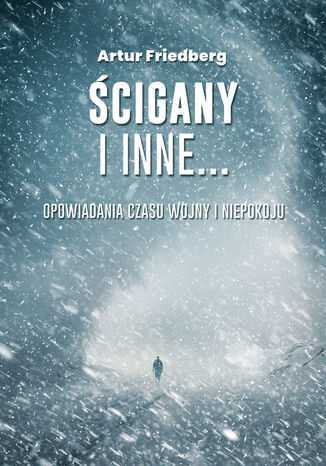
Ścigany i inne. Opowiadania czasu wojny i niepokoju
Artur Friedberg
Czasy wojny i niepokoju zawsze przynoszą skrajne decyzje w sprawach najważniejszych kiedy w grę wchodzi ludzkie życie, a zachowanie godności zostaje wystawione na próbę. Zaledwie dziewięcioletni chłopiec walczy o przetrwanie dla siebie i bliskich podczas syberyjskiej zimy. Spokojny właściciel sklepiku bławatnego zostaje partyzantem, gdy faszyści nieomal na jego oczach zabijają mu żonę i córeczkę. Lekarz żydowskiego pochodzenia próbuje ocalić siebie i rodzinę przed niemieckimi nalotami i prześladowaniami NKWD. Ale koniec wojny nie okazał się końcem czasu niepokojów. Ścigany i inne... to kronika ludzkich losów, zbiór opowiedzianych bądź zasłyszanych historii, w większości prawdziwych i przez to tak bardzo zapadających w pamięć.