
Publisher: 8
Andrzej Katzenmark
Życie Ludwika jak życie każdego człowieka można by zmieścić w jednym worku niesionym na plecach, jedynie wyczuwanym, a przede wszystkim wyobrażanym, niekiedy bardzo wyraźnie. W tym zszytym jak najstaranniej przez rodzicieli kawałku sprężystego materiału (mniejsza o efekty), a potem naprawianym nieustannie przez dźwigającego (a cóż to może być za naprawa?), mieściły się wszelkie (nie wszystkie) zdarzenia, przeżycia, obserwacje, myśli, oceny, opinie, rozmowy, uczucia, odczucia, a także fantazje i zmyślenia oraz sprawy tak odległe, że za ciasny byłby dla nich kosmos, przynajmniej ten oglądany ponad głowami mieszkańców Ziemi. Świat Ludwika to zbeletryzowana i pełna humoru gra ze spuścizną filozoficzną, której efekt zaskakuje i wzbudza ciekawość wiodącą do poznania... Prawdy, człowieka, zasad rządzących światem czy może tylko i aż prawdy o sobie samym?
Świat Machulskich. Biografia rodzinna
Anna Bimer
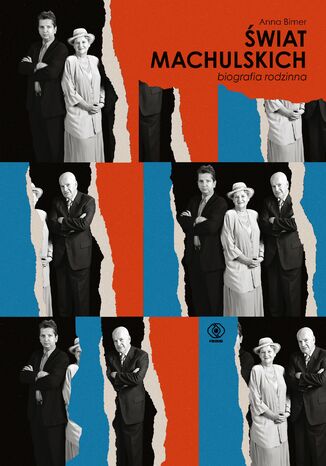
Mówi się, że za każdą karierą mężczyzny stoi kobieta. Potwierdził to Jan Machulski, deklarując: Bez Haliny nigdy bym tyle nie osiągnął. Jego żona wywarła też oczywiście wpływ na ich syna, Juliusza na kształtowanie jego talentu, wyobraźni i zdolności osiągania celów. Przypięła skrzydła bardzo wielu znanym dziś wychowankom Ogniska Teatralnego przy Teatrze Ochoty, które prowadziła, gdy dyrektorem teatru był Jan. Wspólnie stworzyli miejsce przyjazne, otwarte, barwne, dające do myślenia. Teatr Ochoty zrodził się z ochoty i pasji robienia teatru, a Ognisko ogniskowało wiele funkcji i potrzeb różnych ludzi uczenie się i uczenie innych, artystyczna swoboda i rozwój wyobraźni z nienachalnym rygorem niezbędnym do utrzymania w ryzach młodych ludzi w najbardziej buntowniczym okresie. Ognisko ogniskowało również pracę i życie rodziny Machulskich. Gdy spojrzeć na nich z tej perspektywy, widać, kto był ideą, kto energią, kto przekorą, a czasem sarkazmem. I kto kochał namiętnie...
Maciej Maćkowiak
Świat malucha to wesoła książka dla ciekawych świata dzieci. Dzięki kolorowankom, interesującym zadaniom i humorystycznym wstawkom maluch może dowiedzieć się czegoś nowego o otaczającej go rzeczywistości i radośnie spędzić czas z bliskimi.
Graziano Versace
Tej nocy nie czuła niczyjej obecności. Głosy były spokojne, a może nawet zupełnie sobie odeszły. Giovanni Buscemi, zwany magiem, jest psychoterapeutą, który niedawno wrócił do Cittanova w Kalabrii, skąd wyjechał jeszcze jako młody chłopak, by podążyć za swoimi marzeniami. W miasteczku spotyka Livię Antoniettę, swoją młodzieńczą miłość. Kobieta prosi go, by pomógł Marii, siedemnastolatce, którą matka uważa za opętaną przez szatana. Giovanni rozpoczyna terapię i siłą słowa zaczyna drążyć w przeszłości dziewczyny osieroconej przez ojca i wychowywanej w surowym środowisku. Co nęka Marię i czyni ją ofiarą konwulsyjnych ataków, tak przerażających, że sprawia wrażenie opętanej? Choć leczenie zdaje się odnosić skutek, to jednak dziewczyna wciąż coś ukrywa w sercu. Tymczasem w Cittanova ktoś rozpuszcza plotki, jakoby w rzeczywistości między lekarzem a pacjentką wywiązał się romans. Maria zostaje zaatakowana słownie i fizycznie przez niektóre kobiety z miasteczka. Dopiero Giovanni - który nawiązał na nowo uczuciowe więzi z Livią - uratuje ją przed nimi i zdoła, dzięki swojej cierpliwości i intuicji, uwolnić dziewczynę od jej wewnętrznych demonów, które częściowo biorą początek w pewnym zdarzeniu sprzed wielu lat.

Katarzyna Wasilkowska
Masz trzynaście lat, a za sobą kilka potyczek przy rodzinnym stole? To może znasz Mundka, który chce rysować komiksy, ale jego ojciec nie widzi w tym przyszłości? Może jest w twojej klasie jakaś Inga, która trzyma marzenia w tekturowym pudle na dnie szafy? Albo łysi bliźniacy o imionach wielkich twórców, którzy chcą robić małe rzeczy? Oddaję ci Świat Mundka, bo pewnie trochę przypomina twój. Autorka *** Znakomita powieść mówiąca o tym, że atmosfera domu tworzy młodego człowieka. Może go budować, ale również niszczyć. O tym, że nie marzenia rodziców są ważne, ale dbanie o własną ponadprzeciętność, pielęgnowanie talentu i walka o to, co w nas wyjątkowe. Cenny przekaz dla zagubionej młodzieży. Agnieszka Hałubiec
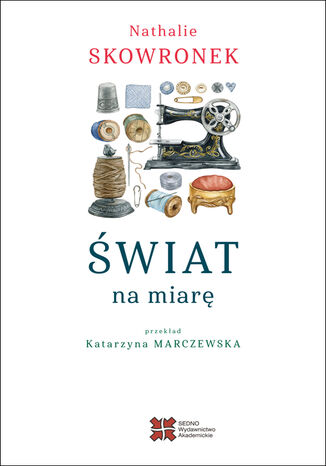
Nathalie Skowronek
„Świat na miarę” belgijskiej pisarki średniego pokolenia to historia rodziny widziana przez pryzmat ciuchów. Pradziadkowie – żydowscy krawcy, imigranci z Polski. Dziadkowie – pokolenie ocalałych z Zagłady, właściciele sklepów z konfekcją w Charleroi i Brukseli w Belgii. Rodzice – właściciele sieci domów towarowych z odzieżą, współuczestnicy wielkiego boomu lat siedemdziesiątych. I narratorka, której przeznaczeniem miał być handel ciuchami – wraz z nią poznajemy tajniki funkcjonowania wielkiego sklepu odzieżowego, rzemieślniczych szwalni, współczesnego przemysłu tekstylnego, odwiedzamy żydowskie i chińskie hurtownie w Paryżu, uczestniczymy w zakupach towaru i urządzaniu dekoracji. Obserwujemy lata świetności i schyłku pewnego świata, który kończy się wraz z nadejściem ery sieciówek i taniej produkcji z Azji. Równoległy wątek to dzieje dziewczyny, wielbicielki literatury, odwołującej się na kartach tej opowieści do utworów, które wpływają na jej postrzeganie świata. Po siedmiu latach pracy w rodzinnej firmie narratorka decyduje się zerwać z tradycją i zostaje pisarką – ale przeszłość jej i rodziny ożywa na nowo w tej książce. Autorka została w 2022 roku wybrana do Królewskiej Akademii Języka i Literatury Francuskiej. To jej pierwsza książka tłumaczona na język polski.

Świat na sprzedaż. Kulisy dziennikarskiego śledztwa w sprawie handlu zasobami Ziemi
Javier Blas, Jack Farchy
Żaden z nich nie jest szeroko znany. Każdy z nich rządzi światem. Kim są traderzy, którzy handlują zasobami naszej planety? Ta książka rzuca światło na ich zuchwałe, ale zwykle utajone działania i pokazuje zdumiewającą skalę ich wpływów. Prezentuje szare eminencje światowego handlu ropą naftową, metalami, zbożem. Opisuje historie prawdziwych wilków z Wall Street, ale też wizjonerów, którzy dzięki swoim zdolnościom i sprytowi zostali władcami świata. I stworzyli nowy model globalnego handlu. Marcowi Richowi za oszustwa podatkowe dokonane podczas handlu ropą naftową groziło 300 lat więzienia (według amerykańskiego prawa). Oscar Wyatt wykorzystał swoje osobiste kontakty z Saddamem Husajnem, by ten uwolnił amerykańskich zakładników przetrzymywanych w Teheranie. Dzięki spekulacjom zbożem podczas Arabskiej Wiosny zyski firmy Cargill w ciągu kilku lat wzrosły z pięciuset milionów do czterech miliardów dolarów rocznie Możliwe, że o nich nie słyszałeś, ale chcesz tego czy nie na pewno jesteś ich klientem. Ponad 100 000 egzemplarzy sprzedanych w Wielkiej Brytanii. Książka roku 2021 Financial Timesa i The Economist. Książka o wielkiej chciwości, ale przede wszystkim o chciwcach, którzy nie liczą się z oczywistymi konsekwencjami swoich działań. To rzecz o kryzysie, który dopiero nadejdzie i może być ostatnim w dziejach naszej cywilizacji. Niech nikt później nie mówi, że nie zna jego autorów i źródeł. Javier Blas i Jack Farchy podają wszystko na talerzu. I nie zadawajcie pytania, czy poddane wiwisekcji szaleństwo można jeszcze zatrzymać jest retoryczne. Paweł Zielewski, redaktor naczelny polskiej edycji magazynu Forbes Globalną gospodarką, wielką polityką, a nawet konfliktami zbrojnymi sterują tajemnicze osoby mające unikalną wiedzę i umiejętności. Czy to skrót jakiejś teorii spiskowej? Nie, to rzeczywistość widziana okiem traderów. Ta książka nie tylko pozwala poznać sekrety handlu ropą, węglem czy zbożem, ale także zrozumieć, jak głęboko uzależnieni jesteśmy od tych towarów oraz od ludzi, którzy je sprzedają. Jakub Wiech, redaktor naczelny portalu Energetyka24 Kryzys energetyczny przypomniał nam, jak ważny dla każdego z nas jest rynek surowców. Samo jego analizowanie może być fascynującą przygodą. Javier Blas i Jack Farchy zarażają czytelników swoją pasją. (Dzielę ją z nimi od kilkunastu lat, korzystając z ich licznych opracowań). Przedstawiają świat handlarzy surowcami na tle politycznym, a ich lekkie pióra gwarantują połączenie rzetelnej wiedzy z dobrą rozrywką. Wojciech Jakóbik, analityk sektora energetycznego od 2009 roku, redaktor naczelny portalu BiznesAlert.pl Tę książkę czyta się jak thrillerWciągająca historia tajnych umów i uchylania się od embarg. Forbes W niektóre z tych historii aż trudno uwierzyć... Fascynujący opis niesamowitych dróg, jakimi podążająpieniądze. BBCNews
Grzegorz W. Kołodko
Ekonomia powinna być tak prosta, jak to możliwe, ale nie prostsza. Wierny tej zasadzie autor Wędrującego świata, książki, która odniosła wielki sukces, napisał następną jak mówi postscriptum do tamtej. Niech nas to jednak nie zmyli, bo Świat na wyciągnięcie myśli jest książką, którą można czytać, nie znając jej głośnej poprzedniczki. W tamtej było więcej świata, mniej Polski, w tej jest odwrotnie Polskę widzimy na pierwszym planie, a świat służy jako tło, choć wiele się o nim możemy tutaj dowiedzieć. Niespokojny o losy kraju, profesor Kołodko stawia diagnozę i proponuje środki zaradcze. Oceny, w Wędrującym świecie przedstawione dość oględnie, tu nabierają ostrości. Autor z pasją wytyka zakłamanie, niewiedzę, interesowność, koniunkturalizm. Łaje, piętnuje środowiska, partie, rządy, polityków najmocniej za uleganie neoliberalizmowi i populizm. Pokazuje zaprzepaszczone okazje, wylicza stracone, bo nieuzyskane, procenty wzrostu gospodarczego. Nie przepuszcza analitykom, dziennikarzom, naukowcom. Czyni to wszystko w sposób niekonwencjonalny, posługując się obok zwykłej narracji formą rozmowy z innym naukowcem, obszernymi, odnoszącymi się do aktualnych wydarzeń wyimkami z blogu, odpowiedziami na pytania internautów. Książkę napisaną ze swadą, barwnym, dosadnym językiem, zamykają refleksje tłumaczy Wędrującego świata na angielski, chiński, perski, rosyjski, turecki, węgierski, wietnamski i dwa niezwykłe listy od praprawnuczek, zamieszczone w blogu autora przez anonimowe internautki.