
Видавець: 8
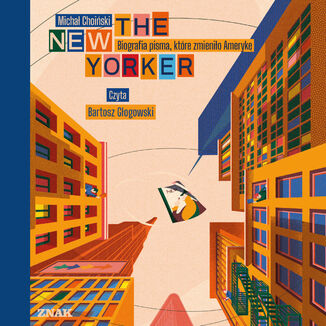
The New Yorker. Biografia pisma, które zmieniło Amerykę
Michał Choiński
Dokładnie sto lat temu przy kawiarnianym stoliku w Hotelu Algonquin na Manhattanie grupa inteligentnych i wygadanych przyjaciół wpadła na pomysł założenia gazety. Miała wyrażać wielkomiejskiego ducha Nowego Jorku, być wyrafinowana i dowcipna. The New Yorker szybko stał się czymś znacznie więcej. Zmienił dziennikarstwo i Amerykę. Po publikacji reportażu Hiroszima, pokazującego ogrom zniszczeń wywołanych zrzuceniem bomby, Albert Einstein poprosił redakcję o 1000 egzemplarzy tego numeru. Drukowany w odcinkach Eichmann w Jerozolimie Hanny Arendt stał się najgłośniejszym dziełem filozoficznym XX w. Reportaż śledczy o przestępstwach seksualnych Harveya Weinsteina stał u początku ruchu #MeToo. Okładki magazynu na życzenie Baracka Obamy zdobiły ściany Białego Domu. A komiksy i żarty Charlesa Addamsa dały początek słynnej Rodzinie Addamsów. Michał Choiński opowiada o ekscentrycznych dziennikarzach, wielkich pisarzach i pisarkach, ikonicznych okładkach i przełomowych tekstach. A także pyta o przepis na sukces, czyli jak stworzyć ambitne pismo, które w dobie internetowej walki o klikalność zbudowało trwałą relację z milionami wiernych czytelników. Michał Choiński amerykanista, stypendysta Fulbrighta na Uniwersytecie Yale, profesor na Uniwersytecie Jagiellońskiego. Przeprowadził wywiady z ponad 50 redaktorami New Yorkera, zgromadził setki nagrań, a w archiwum magazynu i w The New York Public Library dokonał unikalnych odkryć. Jedyny Polak, któremu redakcja New Yorkera tak mocno uchyliła drzwi swojego świata. Specjalizuje się także w literaturze amerykańskiego Południa.
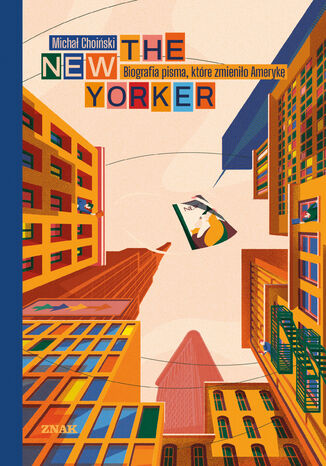
The New Yorker. Biografia pisma, które zmieniło Amerykę
Michał Choiński
Dokładnie sto lat temu przy kawiarnianym stoliku w Hotelu Algonquin na Manhattanie grupa inteligentnych i wygadanych przyjaciół wpadła na pomysł założenia gazety. Miała wyrażać wielkomiejskiego ducha Nowego Jorku, być wyrafinowana i dowcipna. The New Yorker szybko stał się czymś znacznie więcej. Zmienił dziennikarstwo i Amerykę. Po publikacji reportażu Hiroszima, pokazującego ogrom zniszczeń wywołanych zrzuceniem bomby, Albert Einstein poprosił redakcję o 1000 egzemplarzy tego numeru. Drukowany w odcinkach Eichmann w Jerozolimie Hanny Arendt stał się najgłośniejszym dziełem filozoficznym XX w. Reportaż śledczy o przestępstwach seksualnych Harveya Weinsteina stał u początku ruchu #MeToo. Okładki magazynu na życzenie Baracka Obamy zdobiły ściany Białego Domu. A komiksy i żarty Charlesa Addamsa dały początek słynnej Rodzinie Addamsów. Michał Choiński opowiada o ekscentrycznych dziennikarzach, wielkich pisarzach i pisarkach, ikonicznych okładkach i przełomowych tekstach. A także pyta o przepis na sukces, czyli jak stworzyć ambitne pismo, które w dobie internetowej walki o klikalność zbudowało trwałą relację z milionami wiernych czytelników. Michał Choiński amerykanista, stypendysta Fulbrighta na Uniwersytecie Yale, profesor na Uniwersytecie Jagiellońskiego. Przeprowadził wywiady z ponad 50 redaktorami New Yorkera, zgromadził setki nagrań, a w archiwum magazynu i w The New York Public Library dokonał unikalnych odkryć. Jedyny Polak, któremu redakcja New Yorkera tak mocno uchyliła drzwi swojego świata. Specjalizuje się także w literaturze amerykańskiego Południa.
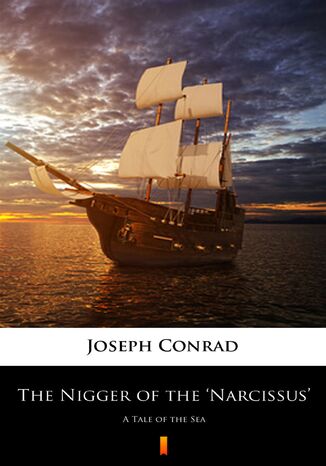
The Nigger of the Narcissus. A Tale of the Sea
Joseph Conrad
The Nigger of the Narcissus was written in 1896 and is loosely based on Conrads own experiences as a sailor; in 1884, Conrad made a voyage on the real Narcissus from Bombay to Dunkirk as a Second Mate, and some of the events described in his novella may be based on adversities Conrad and his fellow-sailers had to contend with. And yet, Conrads third novel is much more than just an accout of adventures at sea partly based on fact and experience. In The Nigger of the Narcissus, Conrad powerfully expresses his emotional leanings towards a seafaring life but he also unfolds a rather pessimistic worldview, maybe an even more pessimistic one than in many of his later works. An absolutely engrossing tale that takes place on board of the Narcissus, a ship bound for England. It explores the microcosm on board of this ship and examines human nature and power relations as more and more strain is put on the crew.
Jack London
Romance and adventure, the majestic nature and extreme conditions, strong and independent heroes Jack Londons stories are extremely popular, more than a hundred adaptations of works are known. In a small work, Born in the Night, the author shows how the benefits of civilization are inferior to the forest and to a huge concept called Freedom. A woman who stumbles upon abandoned bags of gold does not become a noble lady with a wardrobe, but leads a small tribe.
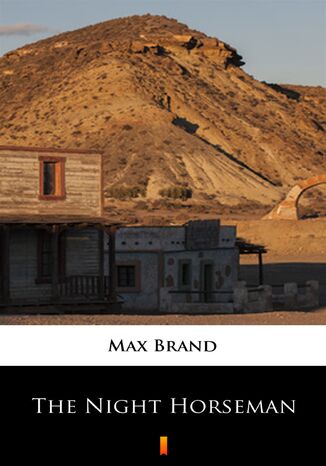
Max Brand
For all his untamed ways, Whistling Dan Barry has won the love of Kate Cumberland, who struggles to lure him from the call of the wind and the night in the desert country. But Dans mysterious personality leads him into one difficult situation after another, for the path he takes with his wild companions - the stallion Satan and the wolf dog Black Bart - is strewn with desperate enemies and fierce encounters. "The Night Horseman" is part of a trilogy about a mysterious gunslinger who appears to be a Casper Milquetoaste but, in concert with a powerful wolf-dog, and a murderous stallion; is able to overpower seemingly any opposing force.
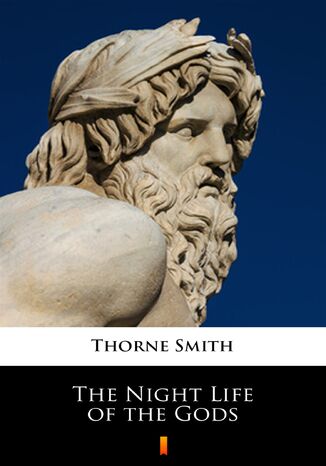
Thorne Smith
In Night Life of the Gods, we meet Hunter Hawk, wealthy eccentric scientist in 1920s America, who, after numerous explosions, manages to invent an atomic ray that turns living beings into statues, and a second ray that restores them to their original state. With the help of Megaera, a fetching nine-hundred-year-old lady leprechaun he meets one night in the woods, he masters the art of transforming statues into people. Together, the two are invincible, especially when they get to New York City, where there are museums full of statues of Greek and Roman gods and goddesses, waiting to come back to life... Author Thorne Smith puts his seemingly boundless imagination to good work in The Night Life of the Gods, a rip-roaring novel that postulates about what would happen if ancient deities were revived and allowed to run wild in the streets of Depression-era New York City.
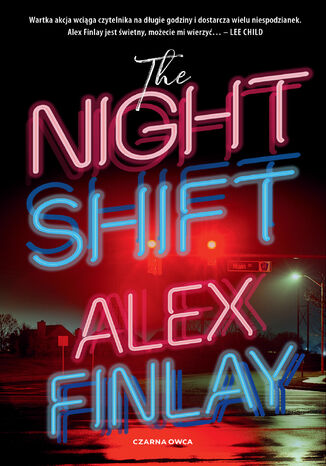
Alex Finlay
Sylwester 1999 roku. Ludzie spodziewają się, że tej nocy nastąpi koniec świata: z nieba zaczną spadać samoloty, na giełdach wybuchnie panika, dojdzie do masowej awarii komputerów. Nic takiego się nie stało, ale w wypożyczalni kaset video w stanie New Jersey zaatakowano cztery nastolatki. Tylko jedna dziewczyna przeżyła. Policja szybko wytypowała podejrzanego chłopaka jednej z ofiar. Niestety sprawcy nie udało się ująć... Piętnaście lat później kolejne dziewczyny zostają napadnięte w tym samym mieście i znowu tylko jedna uchodzi z życiem. Agentka FBI Sarah Keller musi zagłębić się w tajemnice obu nocy, aby odkryć prawdę o morderstwach na nocnej zmianie Alex Finlay to pseudonim literacki wybitnego prawnika amerykańskiego, autora powieści sensacyjnych. Autor nagrodzonego thrillera W otchłani strachu, przetłumaczonego na kilkanaście języków. W młodości dużo podróżował: mieszkał na tropikalnej wyspie na Pacyfiku, w małej wiosce w Wielkiej Brytanii i w odległym zakątku Dalekiego Wschodu.
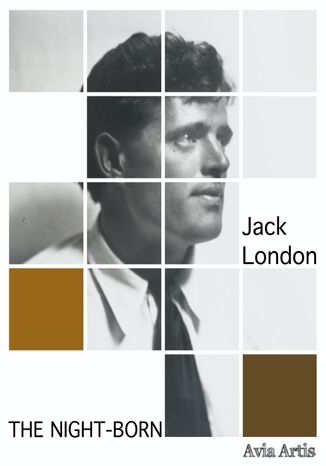
Jack London
“The Night-born” is a book by Jack London, an American novelist. A pioneer of commercial fiction and an innovator in the genre that would later become known as science fiction. The Night-born is a series of short stories by Jack London. It consists of ten moving and thrilling stories such as: The Night-Born, The Madness of John Harned, When the World was Young or To Kill A Man.