
Видавець: 8

Bransoletka. Legenda dziewiętnastego wieku
Cyprian Kamil Norwid
Bransoletka to nowela pióra Cypriana Kamila Norwida nosząca podtytuł: Legenda dziewiętnastego wieku stanowi krytyczne spojrzenie Norwida na współczesne mu społeczeństwo, za przykład biorąc elity tamtoczesnej Florencji. Mistrzowskie pióro, znakomity utwór, ważne przesłanie, które nie zdezaktualizowało się do dziś. Zachęcamy do lektury!

Sebastian Bobowski
W monografii scharakteryzowano branżę motoryzacyjną w krajach członkowskich RCEP z uwzględnieniem potencjalnego wpływu porozumienia megaregionalnego na jej przyszłe funkcjonowanie. Tezę opracowania stanowi stwierdzenie, że RCEP dysponuje potencjałem niezbędnym do pobudzenia ekspansji regionalnych łańcuchów wartości w branży motoryzacyjnej, wzrostu wolumenu handlu sektorowego w obrębie ugrupowania, a w rezultacie wzmocnienia pozycji gospodarek regionu na światowym rynku motoryzacyjnym. W analitycznej części pracy powołano się na najnowsze dostępne statystyki zaczerpnięte z oficjalnych baz danych, takich jak Marklines.com, Comtrade ONZ oraz multiregionalnych tabel wejścia-wyjścia Azjatyckiego Banku Rozwoju. W opracowaniu zastosowano następujące metody badawcze: krytyczną analizę literatury przedmiotu, analizę porównawczą, analizę statystyczną, studium przypadku oraz rozumowanie dedukcyjne. W książce szczegółowo omówiono m.in. takie zagadnienia, jak: ogólna charakterystyka porozumienia RCEP, branża motoryzacyjna w wybranych krajach RCEP, przepływy handlowe w branży motoryzacyjnej w krajach RCEP, globalne i regionalne łańcuchy wartości w branży motoryzacyjnej w krajach RCEP
Branża papiernicza jako istotny sektor polskiej gospodarki
Jakub Bis, Marta Sokół, Aleksandra Zalewska
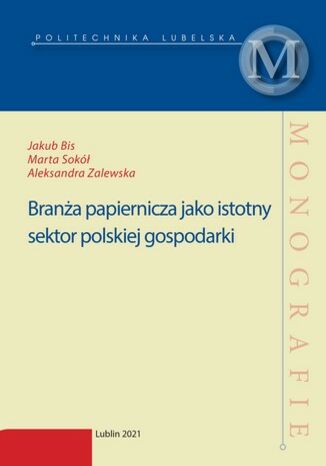
Autorzy za cel niniejszej pracy postawili dokonanie analizy branży papierniczej w kontekście podjęcia decyzji o uruchomieniu w niej działalności gospodarczej. Przystępując do analizy branży papierniczej postawiono następujące pytania badawcze: Czy podjęcie decyzji o prowadzeniu działalności gospodarczej związanej z produkcją i przetwarzaniem papieru jest dobrym przedsięwzięciem biznesowym? Czy perspektywy rozwojowe dla branży papierniczej są korzystne? Jaką kondycję finansową posiadają spółki papiernicze notowane na Giełdzie Papierów Wartościowych? Na potrzeby niniejszej monografii sformułowana została również następująca hipoteza: Analiza obecnej sytuacji oraz określenie perspektyw dla branży papierniczej są kluczowymi działaniami poprzedzającymi decyzję o uruchomieniu działalności gospodarczej w tym obszarze.
Bolesław Leśmian
Bolesław Leśmian Napój cienisty Brat Odtrąciłaś dłoń moją Zachmurzona zorza Przeobrażała świat. A zawołał cię właśnie z pobliskiego łoża Umierający brat. Pobiegłaś i wróciłaś Już nie żył A w niebie Chmurom się złocił los. Szepnęłaś: Odtąd tylko należę do ciebie. I w łzach się złamał głos. I nie patrząc... Bolesław Leśmian Ur. 22 stycznia 1878 r. w Warszawie Zm. 7 listopada 1937 r. w Warszawie Najważniejsze dzieła: zbiory wierszy: Sad rozstajny (1912), Łąka (1920), Napój cienisty (1936), Dziejba leśna (1938); zbiory baśni prozą: Klechdy sezamowe (1913), Przygody Sindbada Żeglarza (1913) i Klechdy polskie Wybitny polski poeta, eseista, prozaik i tłumacz tworzący w Młodej Polsce i dwudziestoleciu międzywojennym. Pochodził ze spolszczonej inteligenckiej rodziny Lesmanów. Spokrewniony z A. Langem i J. Brzechwą. Ukończył studia prawnicze w Kijowie. Współtworzył Chimerę i Teatr Artystyczny w Warszawie. Jego poezję cechował symbolizm, sensualizm, mistycyzm, spirytyzm, zainteresowanie paranormalnością, postulowanie powrotu do natury (poeta jako człowiek pierwotny), poszukiwanie miejsca Boga w świecie, ale i egzystencjalne spory ze stwórcą. Nawiązywał do ludowości (tworząc neologizmy oraz własne mity i postaci), stylistycznie do baroku i romantyzmu, ideowo do filozofii Nietzschego i Bergsona. Mistrz wiersza sylabotonicznego. W 1933 r. został członkiem Polskiej Akademii Literatury. autor: Alicja Szulkowska Kupując książkę wspierasz fundację Nowoczesna Polska, która propaguje ideę wolnej kultury. Wolne Lektury to biblioteka internetowa, rozwijana pod patronatem Ministerstwa Edukacji Narodowej. W jej zbiorach znajduje się kilka tysięcy utworów, w tym wiele lektur szkolnych zalecanych do użytku przez MEN, które trafiły już do domeny publicznej. Wszystkie dzieła są odpowiednio opracowane - opatrzone przypisami oraz motywami.
Bolesław Leśmian
Bolesław Leśmian Napój cienisty Brat Odtrąciłaś dłoń moją Zachmurzona zorza Przeobrażała świat. A zawołał cię właśnie z pobliskiego łoża Umierający brat. Pobiegłaś i wróciłaś Już nie żył A w niebie Chmurom się złocił los. Szepnęłaś: Odtąd tylko należę do ciebie. I w łzach się złamał głos. I nie patrząc... Bolesław Leśmian Ur. 22 stycznia 1878 r. w Warszawie Zm. 7 listopada 1937 r. w Warszawie Najważniejsze dzieła: zbiory wierszy: Sad rozstajny (1912), Łąka (1920), Napój cienisty (1936), Dziejba leśna (1938); zbiory baśni prozą: Klechdy sezamowe (1913), Przygody Sindbada Żeglarza (1913) i Klechdy polskie Wybitny polski poeta, eseista, prozaik i tłumacz tworzący w Młodej Polsce i dwudziestoleciu międzywojennym. Pochodził ze spolszczonej inteligenckiej rodziny Lesmanów. Spokrewniony z A. Langem i J. Brzechwą. Ukończył studia prawnicze w Kijowie. Współtworzył Chimerę i Teatr Artystyczny w Warszawie. Jego poezję cechował symbolizm, sensualizm, mistycyzm, spirytyzm, zainteresowanie paranormalnością, postulowanie powrotu do natury (poeta jako człowiek pierwotny), poszukiwanie miejsca Boga w świecie, ale i egzystencjalne spory ze stwórcą. Nawiązywał do ludowości (tworząc neologizmy oraz własne mity i postaci), stylistycznie do baroku i romantyzmu, ideowo do filozofii Nietzschego i Bergsona. Mistrz wiersza sylabotonicznego. W 1933 r. został członkiem Polskiej Akademii Literatury. autor: Alicja Szulkowska Kupując książkę wspierasz fundację Nowoczesna Polska, która propaguje ideę wolnej kultury. Wolne Lektury to biblioteka internetowa, rozwijana pod patronatem Ministerstwa Edukacji Narodowej. W jej zbiorach znajduje się kilka tysięcy utworów, w tym wiele lektur szkolnych zalecanych do użytku przez MEN, które trafiły już do domeny publicznej. Wszystkie dzieła są odpowiednio opracowane - opatrzone przypisami oraz motywami.

Eugeniusz Dębski
Przygody detektywa przyszłości Owena Yeatesa to najdłuższy cykl powieściowy w polskiej literaturze science fiction; obecnie liczy dziewięć tomów. Pierwsza część cyklu ukazała się w roku 1989 pod tytułem „Podwójna śmierć”; wznawiana była jeszcze dwukrotnie, jako „Ludzie z tamtej strony świata” w roku 2000 (Wydawnictwo 3,49) i „Tamta strona świata” w roku 2008 (Fabryka słów). Dziś z dumą i satysfakcją prezentujemy wersję elektroniczną najlepszej polskiej detektywistycznej powieści science fiction, wierząc głęboko, że znajdzie ona nowych czytelników, a ci starsi, którzy – tak jak ja – w świat Owena Yeatesa weszli ponad ćwierć wieku temu, także z przyjemnością powrócą do doskonałej prozy Eugeniusza Dębskiego. Polecam wszystkim bez względu na wiek i preferencje literackie – bo to po prostu świetna książka. Maciej Ślużyński, Oficyna wydawnicza RW2010 Owen Yeates po raz kolejny wycofał się z branży. Ale branża nie rezygnuje z detektywa Owena Yeatesa. Tym razem w wir wydarzeń wciąga go… brat. Wprawdzie marnotrawny, ale jednak. Razem szukają zaginionych, razem przekraczają granicę między światami, razem lądują „po drugiej stronie”. A tam to się dopiero dzieje. Same kłopoty i żadnej pomocy. Żadnej? Na szczęście jest sierżant Kaszel. Tylko czy jest prawdziwy, czy to sobowtór? Czy pomoże, czy raczej przeszkodzi Owenowi Yeatesowi w powrocie do swojej rzeczywistości? Ciężko powiedzieć – po tamtej stronie wszystko jest niby takie samo, ale jednak zupełnie inne. Tylko Owen Yeates wciąż pozostał taki sam – skuteczny do bólu i zabójczo dowcipny. I znajdzie problem na każde rozwiązanie.
Zygmunt Zeydler-Zborowski
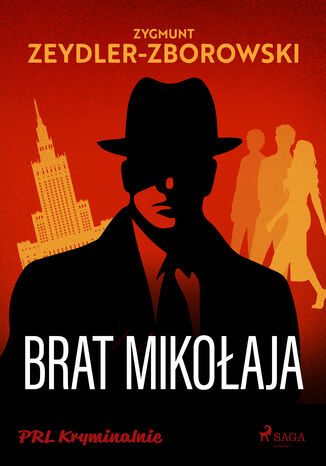
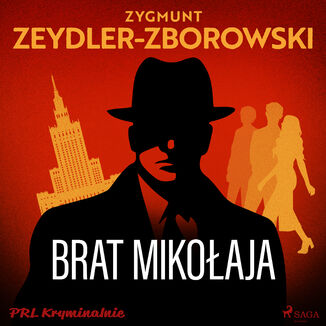
Każda rodzina ma swoje tajemnice. Ale nie każda trupa w salonie. Joachim, nim stanie na ślubnym kobiercu, postanawia skonsultować swoją decyzję z najbliższymi. Członkowie rodziny zjeżdżają do rodzinnej posiadłości z różnym nastawieniem. Nikt jednak nie spodziewa się, że na miejscu przywita ich... trup gospodarza. W tym gronie właściwie każdy ma powód, by chcieć śmierci Joachima. Mikołaj drży przed powrotem brata z więzienia. Maurycy, dawny przestępca, próbuje przerzucić na niego swoją winę. Joanna, narzeczona Mikołaja, podsyca rodzinne intrygi, a jej przyjaciółka Karolina, niedoszła żona gospodarza, też ma do ukrycia więcej, niż się wydaje. Czy milicyjne śledztwo zdoła rozplątać gęstą sieć kłamstw, zdrad i fałszywych alibi? Powieść jednego z najpopularniejszych pisarzy PRL w sam raz dla miłośników kryminałów retro. Język, postacie i poglądy zawarte w tej publikacji nie odzwierciedlają poglądów ani opinii wydawcy. Utwór ma charakter publikacji historycznej, ukazującej postawy i tendencje charakterystyczne dla czasów, z których pochodzi. PRL kryminalnie PRL kryminalnie - seria składająca się z powieści milicyjnych najbardziej poczytnych autorek i autorów czasów PRL. Zygmunt Zeydler-Zborowski (1911-2000) znany z kryminałów PRL z majorem Downarem w roli głównej. Pochowany na warszawskich Powązkach.
Zygmunt Zeydler-Zborowski
Każda rodzina ma swoje tajemnice. Ale nie każda trupa w salonie. Joachim, nim stanie na ślubnym kobiercu, postanawia skonsultować swoją decyzję z najbliższymi. Członkowie rodziny zjeżdżają do rodzinnej posiadłości z różnym nastawieniem. Nikt jednak nie spodziewa się, że na miejscu przywita ich... trup gospodarza. W tym gronie właściwie każdy ma powód, by chcieć śmierci Joachima. Mikołaj drży przed powrotem brata z więzienia. Maurycy, dawny przestępca, próbuje przerzucić na niego swoją winę. Joanna, narzeczona Mikołaja, podsyca rodzinne intrygi, a jej przyjaciółka Karolina, niedoszła żona gospodarza, też ma do ukrycia więcej, niż się wydaje. Czy milicyjne śledztwo zdoła rozplątać gęstą sieć kłamstw, zdrad i fałszywych alibi? Powieść jednego z najpopularniejszych pisarzy PRL w sam raz dla miłośników kryminałów retro. Język, postacie i poglądy zawarte w tej publikacji nie odzwierciedlają poglądów ani opinii wydawcy. Utwór ma charakter publikacji historycznej, ukazującej postawy i tendencje charakterystyczne dla czasów, z których pochodzi. PRL kryminalnie PRL kryminalnie - seria składająca się z powieści milicyjnych najbardziej poczytnych autorek i autorów czasów PRL. Zygmunt Zeydler-Zborowski (1911-2000) znany z kryminałów PRL z majorem Downarem w roli głównej. Pochowany na warszawskich Powązkach.