
Видавець: 8
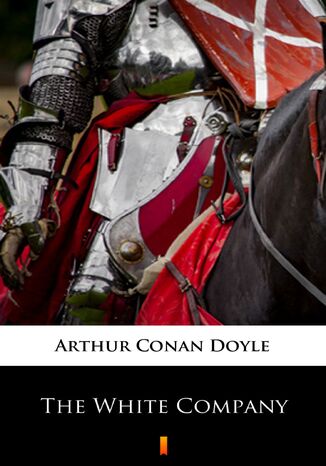
Arthur Conan Doyle
The White Company is the story of Alleyne Edricsons quest to win the hand of his lady love, the Lady Maud Loring. The place is England and the Continent, the year is 1366 during the reign of the King of the English, Edward III, and his realm is twenty-nine years into The Hundred Years War with France. Setting off on his adventures, he finds himself part of the White Company a group of mercenary archers en route to France. A roistering tale of knight-errantry follows, with Alleynes quest to justify himself and his love the focus of the piece. The White Company is a very well researched novel, in which many historical characters appear to lend credence to the narrative and the book ends on a predictably happy ending.
Fred M. White
A simple story to read, but as always fascinating and make you plunge into a new story written by Fred M. White. A simple man with financial problems is recruited by a rich old man to spy on a scam who robbed his diamonds. Such an adventure has never ended in anything good. But this story may end differently.

The White Maniac. A Doctors Tale
Mary Fortune
The narrative comes from a young doctor who is approached by a strange baron. Why does the house and everyone in it have to be completely white? Who are its inhabitants? Are they really crazy? Who is the real madman among them is perhaps the most important question asked to the reader. This story makes you guess and think about what the outcome will be.
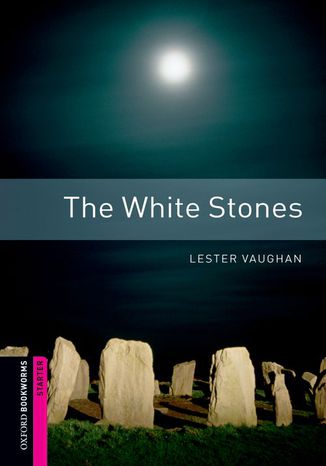
The White Stones Starter Level Oxford Bookworms Library
Lester Vaughan
A Starter level Oxford Bookworms Library graded reader. Written for Learners of English by Lester Vaughan. 'The people on this island don't like archaeologists,' the woman on the ferry says. You only want to study the 4,500 year-old Irish megalithic stones but very soon strange things begin to happen to you. Can you solve the mystery in time?

Max Brand
If you like classic animal stories you will like this one for sure. Tucker Crosden bred his dogs to be champions. Yet even by frontiersmans brutal standards, bull terrier White Wolf was special. Tucker had great plans for the dog until it gave in to the blood-hungry laws of nature. He never thought that his prize animal would run at the head of a wolf pack one day and to be a leader among wolves in the San Jacinto Mountains or that a trick of fate would throw them together in a battle to the death. And White Wolf must choose between laws of nature or those of man. Max Brands action-filled stories of adventure and heroism in the American West continue to entertain readers throughout the world.

E. Phillips Oppenheim
If you havent discovered the joys of Oppenheims mysteries there is a good place to start. Wealthy playwright and playboy Jermyn Annerley is smitten by the beautiful and talented actress Sybil Cluley. She is very successful but her life is devoted to the care of her young sister who has been ill. At Jermyns country estate, Sybil runs into Lord Lakenham, a roguish playboy who is equally in love with her, but also knows something of her past. Jermyn proposes, much to the chagrin of his lovely cousin Lucille, who has had her eye on him for many years. Lakenham and Lucille conspire to end the engagement. Sybil is broken hearted, but puts her sisters welfare above her own. Then Lakenham is murdered in the billiard room. A romance has become a murder mystery.
Anton Pavlovich Chekhov
In this story, the couple can not find a common language. After all, the wife does not agree with the point of view of her husband. She is capricious and does not want to solve their problems. But then we find hints of a deeper history of their relationship, which can prove that it is more reasonable than we suspect. This is a simple story, but with a very deep meaning.
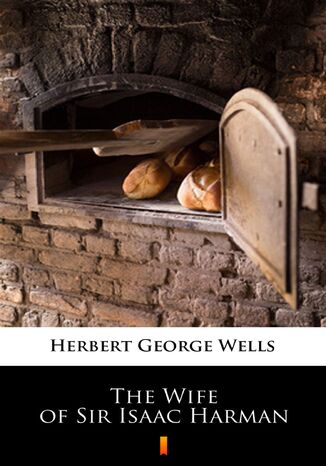
Herbert George Wells
The Wife of Sir Isaac Harman is a novel set in the era surrounding the days of womens suffrage. The story revolves around the wife of a baking magnate who goes into hiding after his female employees go on strike. Although the hero of this novel Sir Isaac Harman didnt think much of the suffragette movement, his female employees certainly did, and he thought it prescient that he too should do his bit for womens rights. His wife totally agreed, so he locked her up. However, this gesture was to have far-reaching reverberations as Sir Isaacs wife becomes the absolute embodiment of womens independence. The Wife of Sir Isaac Harman is a novel by H. G. Wells, first written in 1914. Lots of familiar subjects here feminism, jealousy, the corporation vs. the little guy. A very very satisfying novel with a wonderfully ambiguous ending.