
Publisher: M-t
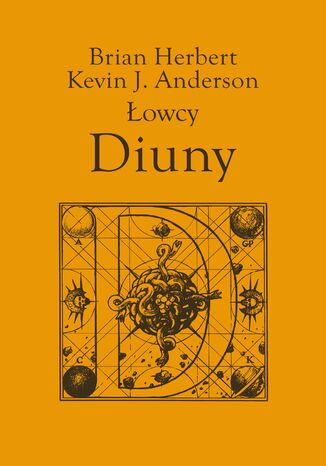
Kevin J. Anderson, Brian Herbert
Pierwsza część dwutomowego zakończenia Kronik Diuny Franka Herberta. Otworzyły się drzwi i na mostek wpadł Duncan Idaho. Spostrzegłszy Tega przy panelu sterowniczym, zatrzymał się i wyjrzał przez plaz, zdumiony, że widzi nowy gwiezdny krajobraz. Sieć zniknęła. Dysząc, zwrócił na Tega pytający wzrok. Miles, jak się tu dostałeś? Co się stało? Teg odwrócił jego uwagę od tego oczywistego pytania. Zagiąłem przestrzeń dzięki twojemu ostrzeżeniu. Pobiegłem do innej windy, którą natychmiast się tutaj dostałem. Musiała być szybsza od twojej. Wytarł pot z czoła. Duncan sceptycznie co było po nim wyraźnie widać odniósł się do jego wyjaśnienia, więc baszar poszukał innego sposobu, by skierować jego uwagę w inną stronę. Wydostaliśmy się z tej sieci? Duncan popatrzył na otaczającą ich pustkę. Jest niedobrze, Miles powiedział. Jak tylko wskoczyliśmy z powrotem do normalnej przestrzeni, łowcy znowu pochwycili nasz zapach. Odkąd Dostojne Matrony zniszczyły Rakis i niemal wszystkie planety Tleilaxan, galaktyce znowu zagląda w oczy widmo głodu przyprawy. To szansa dla Kapitularza, na którym żyją teraz czerwie, i dla Murbelli, która z uporem tworzy tam nowe zgromadzenie żeńskie. Walki z Dostojnymi Matronami, intrygi podzielonej na frakcje Gildii Kosmicznej oraz podstępny plan nowej generacji maskaradników odwracają jednak nieustannie jej uwagę od najważniejszego niebezpieczeństwa wroga z zewnątrz. Zwycięstwo w zbliżającym się Kralizeku zapewnić może tylko Kwisatz Haderach, lecz jego ghola jest na statku, którym Sziena i Duncan Idaho uciekli z Kapitularza. Tymczasem na statek ten nieustannie zarzucają swą sieć diaboliczni łowcy Frank Herbert byłby z pewnością zachwycony i dumny z tej kontynuacji swojej wizji. - Dean Koontz.

Robert Ziółkowski
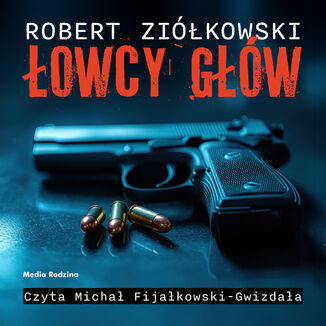
Ścigany w polskim wydaniu! Robert Ziółkowski w swym olśniewającym pisarskim debiucie godnym wprawnego pióra doświadczonego pisarza powieści sensacyjnych prowadzi nas po zakamarkach ludzkich dusz i kuluarach policyjnej pracy. Polskim kryminałom bardzo często zarzuca się powierzchowność w kreowaniu realiów pracy policyjnej. Łowcy głów temu zaprzeczają i po raz kolejny potwierdzają znaną prawdę, że najbardziej nieprawdopodobne historie dzieją się w prawdziwym życiu, tuż obok nas. "Choć Robert Ziółkowski zastrzega, że Łowcy głów są literacką fikcją, uważni czytelnicy kronik kryminalnych dostrzegą inspirację prawdziwymi historiami. Bo przestępca ukrywający się przez lata w Legii Cudzoziemskiej czy zabójca opętany żądzą zemsty na dawnej żonie istnieli naprawdę. A Robert był członkiem policyjnej specgrupy, która takich bandytów ścigała. I dlatego nad zawodowymi pisarzami ma tę przewagę, że nie musi popuszczać nazbyt wodzy fantazji. Gdy maluje piórem sceny morderstw, przesłuchań i pościgów, można mu wierzyć, że nie ściemnia - tak to mogło wyglądać naprawdę. Równie wiarygodnie rysuje swoich bohaterów: nie idealizuje policjantów, pokazuje ich problemy i słabości, naciski przełożonych, kłopoty w domu, powszedni dzień życia na komendzie. Wszyscy znamy takich policjantów". Piotr Żytnicki, "Gazeta Wyborcza" "Poszukiwacze" z wielkopolskiej komendy mają opinię najlepszych fachowców w kraju. Nie chcą zdradzać tajników swej pracy, chętniej mówią o sposobach ukrywania się. "Większość poszukiwanych, gdy słyszy, kim jesteśmy, od razu wie, co jest grane. Wiadomo: bierzemy kogoś na cel, namierzamy, zatrzymujemy, niezależnie od tego, gdzie akurat przebywa" - mówią. Kryminalni z Zespołu Poszukiwań Celowych w Poznaniu mają opinię najbardziej skutecznych w kraju. Agnieszka Smogulecka, "Głos Wielkopolski" Robert "Ziółek" Ziółkowski - rocznik 1967. Przez szesnaście lat służył w polskiej policji. Jego kariera wiodła od "krawężnika", poprzez dochodzeniówkę, wydział zwalczania przestępstw gospodarczych, do specjalisty wydziału kryminalnego Komendy Wojewódzkiej. Ostatnie lata przepracował w Zespole Poszukiwań Celowych wielkopolskiej komendy. Zespół, którego był członkiem, zajmował się poszukiwaniem ukrywających się zabójców, bandytów, gangsterów, handlarzy narkotyków oraz porywaczy dzieci. Policjanci z ZPC brali udział w akcjach w kraju i poza granicami. Poznańskie ZPC posadziło między innymi "Makowca", członków gangów "Borysa" i "Drewniaka". Dokonywali około stu zatrzymań rocznie, a ich akcje były szeroko komentowane w mediach. Robert Ziółkowski jest absolwentem Akademii Rolniczej i Akademii Ekonomicznej w Poznaniu. Zajmował się dziennikarstwem, działalnością samorządową, biznesem. Z zamiłowania żeglarz i podróżnik.
Robert Ziółkowski
"Łowcy głów" to świetny pisarski debiut Roberta Ziółkowskiego, byłego członka policyjnej specgrupy. Fabuła znakomicie oddaje doświadczenie autora, a inspiracja prawdziwymi wydarzenia wyczuwalna jest na każdej stronie. Pisarz przedstawia kulisy policyjnej pracy, odsłaniając przy tym ludzkie dramaty, tajemnice i skrajne emocje, które prowadzą do zbrodni. W tej historii policjanci nie są ideałami, ale ludźmi z krwi i kości, mającymi swoje słabości i problemy, a realia pracy śledczej. Znakomicie wykreowana fabuła, różnorodność postaci oraz prawdziwe oddanie realiów pracy śledczej sprawiają, że książka wciąga już od pierwszych rozdziałów.
Jo Nesboo
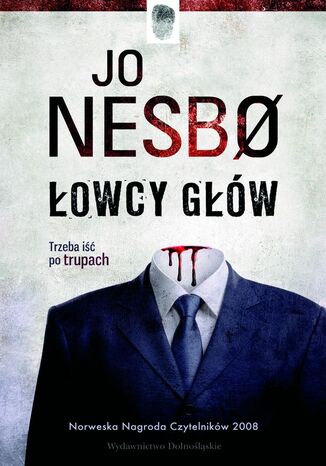
Roger Brown uważa się za najlepszego i zarazem najbardziej niedocenianego łowcę głów w Norwegii. Ma zbyt piękną żonę i zbyt drogą willę, dlatego zbyt często musi kraść dzieła sztuki. Kiedy poznaje Clasa Greve, szczęśliwego posiadacza bezcennego obrazu Rubensa, postanawia wykorzystać szansę i zrobić decydujący krok w stronę finansowej niezależności Akcja powieści toczy się w świecie finansowej elity i w przestępczym podziemiu. Morderstwa, spektakularne pościgi i oszałamiające tempo zdarzeń. Polowanie na głowy trwa.
Jo Nesboo
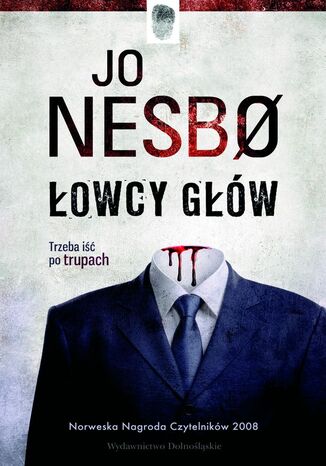
Roger Brown uważa się za najlepszego i zarazem najbardziej niedocenianego łowcę głów w Norwegii. Ma zbyt piękną żonę i zbyt drogą willę, dlatego zbyt często musi kraść dzieła sztuki. Kiedy poznaje Clasa Greve, szczęśliwego posiadacza bezcennego obrazu Rubensa, postanawia wykorzystać szansę i zrobić decydujący krok w stronę finansowej niezależności Akcja powieści toczy się w świecie finansowej elity i w przestępczym podziemiu. Morderstwa, spektakularne pościgi i oszałamiające tempo zdarzeń. Polowanie na głowy trwa.
Darek Foks
Darek Foks Wiersze o fryzjerach Łowcy jeleni Chodź, przyjacielu, ocalimy coś dla potomnych. Co sądzisz o tym panu, oddającym mocz w bramie, z którą łączy nas tak wiele wspomnień? Powiem mu, że to nieładnie, a ty w tym czasie nakryjesz go jak należy. O, w... Darek Foks ur. 1966 Najważniejsze dzieła: Wiersze o fryzjerach (1994), Co robi łączniczka (wspólnie ze Zbigniewem Liberą, 2005), Sigmund Freud Museum (2010), Liceum (2012), Kebab Meister (2012), Rozmowy z głuchym psem (2013), Historia kina polskiego (2015), Wołyń Bourne'a (2016) Poeta, prozaik, scenarzysta. Podpisuje się zdrobniałą formą swojego imienia. Studiował wiedzę o teatrze na Akademii Teatralnej w Warszawie, jest absolwentem scenariopisarstwa w PWSFTviT w Łodzi. Redaktor działu prozy miesięcznika Twórczość. Współautor (wraz ze Zbigniewem Liberą) książki Co robi łączniczka. Dwukrotnie nominowany do Paszportu Polityki, laureat Wrocławskiej Nagrody Poetyckiej Silesius (2014). Cechami charakterystycznymi jego twórczości są wykorzystanie języka potocznego, nawiązania do popkultury, lekkość formy, liczne nawiązania literackie, stylizacja na niedojrzałość i wszechobecna ironia. Autor najkrótszej definicji wiersza (Z lewej równo, z prawej poszarpane). Kupując książkę wspierasz fundację Nowoczesna Polska, która propaguje ideę wolnej kultury. Wolne Lektury to biblioteka internetowa, rozwijana pod patronatem Ministerstwa Edukacji Narodowej. W jej zbiorach znajduje się kilka tysięcy utworów, w tym wiele lektur szkolnych zalecanych do użytku przez MEN, które trafiły już do domeny publicznej. Wszystkie dzieła są odpowiednio opracowane - opatrzone przypisami oraz motywami.
Jules Verne
Dwóch astronomów - amatorów, Dean Forsyth i Sydney Hudelson, spiera się o pierwszeństwo odkrycia obiegającego Ziemię meteoru. Kiedy okazuje się że meteor ten składa się ze złota, ich kłótnia rozpala się jeszcze bardziej. Obaj zgodnie uniemożliwiają zawarcie związku małżeńskiego między swymi podopiecznymi (Forsyth zabrania ślubu swemu siostrzeńcowi, Hudelson swej córce) choć wcześniej już byli zezwolili. W międzyczasie ekscentryczny wynalazca Zefiryn Xirdal próbuje sprowadzić sporny meteor na Ziemię, aby wypróbować swój wynalazek.
Juliusz Verne
Osią powieści ojca i mistrza gatunku sfi-fi jest odkrycie złotego meteoru spadającego w pole grawitacyjne Ziemi. Zostaje on po raz pierwszy zauważony przez dwóch rywalizujących ze sobą astronomów z Wirginii. Odkrycie to staje się sensacją na całym świecie i prowadzi do globalnego wyścigu w celu jego zdobycia. Najbliżej sukcesu jest francuski naukowiec Zephyrin Xirdal, który wynalazł promień, za pomocą którego ściąga złotą asteroidę z orbity w nadziei, że doprowadzi ją do rozbicia się w wybranym przez siebie miejscu. Powieść umiejętnie łączy naukę i fikcję naukową z komediową farsą, co z pewnością zachwyci nie tylko fanów Verne’a.
Łowcy Tajemnic. Złodziej czasu
Michał Kuźmiński
Na Dolnym Śląsku w każdym domu jest ukryty skarb. Mówią tak wszyscy, którzy tam mieszkają. Szkoda tylko, że stary poniemiecki dom wujostwa, w którym Dorota i Daniel muszą spędzić wakacje, wygląda, jakby skrywał jedynie kłęby kurzu. Gdy w środku nocy dochodzi do włamania, Dorota rozpoczyna własne śledztwo. Szybko wpada na trop tajemnicy sprzed lat i razem z bratem odkrywają, że nawet ten nudny dom kryje w swoich murach niejedną zagadkę. Czy Dorota i Daniel dowiedzą się, po co ktoś włamał się do domu, skoro niczego nie ukradł? Kto tak naprawdę jest złodziejem czasu? I czy legendy o skarbach są prawdziwe? Michał Kuźmińskito krakowski pisarz, dziennikarz i podcaster. Wspólnie z Małgorzatą Fugiel-Kuźmińską tworzy powieści kryminalne, w których na jaw wychodzą najgłębiej skrywane sekrety. Na podstawie jednej z nich Ślebody powstał serial. Złodziej czasu to jego pierwsza powieść dla dzieci.
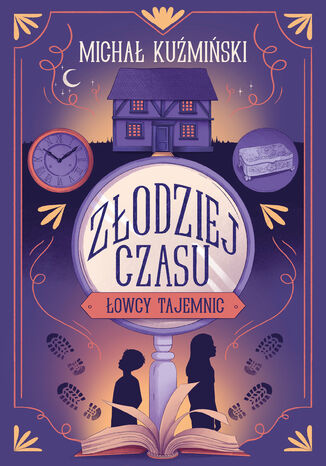
Łowcy Tajemnic. Złodziej czasu
Michał Kuźmiński
Na Dolnym Śląsku w każdym domu jest ukryty skarb. Mówią tak wszyscy, którzy tam mieszkają. Szkoda tylko, że stary poniemiecki dom wujostwa, w którym Dorota i Daniel muszą spędzić wakacje, wygląda, jakby skrywał jedynie kłęby kurzu. Gdy w środku nocy dochodzi do włamania, Dorota rozpoczyna własne śledztwo. Szybko wpada na trop tajemnicy sprzed lat i razem z bratem odkrywają, że nawet ten nudny dom kryje w swoich murach niejedną zagadkę. Czy Dorota i Daniel dowiedzą się, po co ktoś włamał się do domu, skoro niczego nie ukradł? Kto tak naprawdę jest złodziejem czasu? I czy legendy o skarbach są prawdziwe? Michał Kuźmińskito krakowski pisarz, dziennikarz i podcaster. Wspólnie z Małgorzatą Fugiel-Kuźmińską tworzy powieści kryminalne, w których na jaw wychodzą najgłębiej skrywane sekrety. Na podstawie jednej z nich Ślebody powstał serial. Złodziej czasu to jego pierwsza powieść dla dzieci.
Łowcy Złota (tom I). Łowca Złota, tom I
Krzysztof Zabiegliński
Siedemnastoletni Arvid, nowicjusz Zakonu Nieskończonych Słońc, zostaje uwikłany w intrygę, która na celu ma uczynienie go nowym wcieleniem postaci z zaginionej historii. Chłopak musi stawić czoła wojnie wierzeń, przekonań i tradycji Lecz czy na pewno jest tylko ofiarą? W Imperium Andred fikcja miesza się z rzeczywistością, a największą zgubą człowieka mogą stać się jego własnego pragnienia. Powieść Krzysztofa Zabieglińskiego Jr. to pierwsza część planowanego cyklu Łowca Złota, w której autor umiejętnie łączy wartką, pełną tajemnic akcję z rozważaniami na temat wiary i filozofii.

Tomasz Awłasewicz
Szpiedzy CIA świetnie się kamuflowali. Nie wiedzieli jednak, że za ich plecami podążają jeszcze lepiej zakamuflowane funkcjonariuszki polskich służb specjalnych. *** Aleksandra, Ewa, Agnieszka, Elwira i Anna. Weteranki jednej z najtajniejszych jednostek polskich służb specjalnych. Jak trafiły do legendarnego Biura B? Dlaczego werbowały do współpracy prostytutki i cinkciarzy? W jaki sposób przechytrzały mężczyzn ze słynnej szkoły szpiegów? Jak wyglądały pościgi za śledzonymi? *** Awłasewiczowi udaje się namówić je na rozmowę o rzeczach, które latami obejmowała klauzula tajne specjalnego znaczenia. Dzięki nim tak niepozorny gracz jak Polska stał się trudnym do zignorowania przeciwnikiem w zimnowojennej rozgrywce z CIA. TAKIEGO REPORTAŻU O KOBIETACH W POLSKIM KONTRWYWIADZIE JESZCZE NIE BYŁO!
Tomasz Awłasewicz
Szpiedzy CIA świetnie się kamuflowali. Nie wiedzieli jednak, że za ich plecami podążają jeszcze lepiej zakamuflowane funkcjonariuszki polskich służb specjalnych. *** Aleksandra, Ewa, Agnieszka, Elwira i Anna. Weteranki jednej z najtajniejszych jednostek polskich służb specjalnych. Jak trafiły do legendarnego Biura B? Dlaczego werbowały do współpracy prostytutki i cinkciarzy? W jaki sposób przechytrzały mężczyzn ze słynnej szkoły szpiegów? Jak wyglądały pościgi za śledzonymi? *** Awłasewiczowi udaje się namówić je na rozmowę o rzeczach, które latami obejmowała klauzula tajne specjalnego znaczenia. Dzięki nim tak niepozorny gracz jak Polska stał się trudnym do zignorowania przeciwnikiem w zimnowojennej rozgrywce z CIA. TAKIEGO REPORTAŻU O KOBIETACH W POLSKIM KONTRWYWIADZIE JESZCZE NIE BYŁO!

opracowanie zbiorowe
Łowiectwo jest elementem porządku świata ożywionego, tak jak istnienie drapieżników i ofiar jest naturalnym ogniwem łańcucha pokarmowego. W tym łańcuchu pokarmowym znalazł się również człowiek, który bardzo szybko zdobył dominującą pozycję, wykorzystując swoje umiejętności na polowaniu. "Łowiectwo" to książka opracowana przez zespół specjalistów z myślą o amatorach myślistwa. Zebrano w niej praktyczne informacje o tym, jak zostać myśliwym w Polsce, a także o tradycjach i zwyczajach panujących w kręgach łowieckich. Osobne rozdziały poświęcono kynologii, broni myśliwskiej, zwierzynie łownej, polowaniom oraz sokolnictwu.
Krzysztof Kamil Baczyński
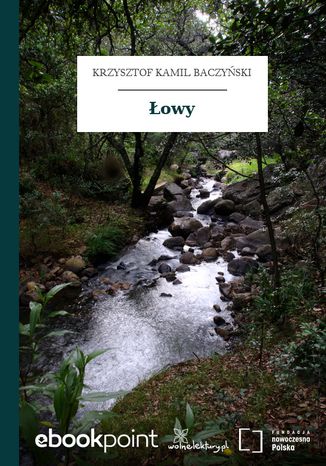
“Łowy” to utwór Krzysztofa Kamila Baczyńskiego. Poety czasów wojny, jednego z przedstawicieli pokolenia Kolumbów, który zginął w czasie powstania warszawskiego. “Łowy” to wspaniała ballada autorstwa Krzysztofa Kamila Baczyńskiego. Uznawanego powszechnie za jednego z najwybitniejszych poetów czasów okupacji oraz wspaniałego przedstawiciela pokolenia Kolumbów, obok takich sław jak Gustaw Herling-Grudziński, Tadeusz Różewicz, Tadeusz Gajcy czy Józef Hen.
Krzysztof Kamil Baczyński
ŁowyBallada 1 Już się świt wyroił kolorem jagody. Strzelec konie poił u zielonej wody. * Trąbka srebrna, z trąbki potok. Poszedł strzelec w sosen rzekę, poniósł łuk z cięciwą złotą na łowy dalekie, na łowy. Jeszcze za nim chustką wiała, jeszcze włosów promień dała, niby nić na dziwną drogę, niby przypomnienia ogień włos dała. Jeszcze z ciała jej nie okrzepł, snu jej pełny niby dzban, jeszcze oczy świtem mokre do gwiazd składał jak do ran, do gwiazd bladych. Trąbka srebrna, ciała łuk. Tonął strzelec w złoty puch, tonął w olchach i w dębinie, pozostawił cień dziewczynie, w domu cień zostawił. [...]Krzysztof Kamil BaczyńskiUr. 22 stycznia 1921 r. w Warszawie Zm. 4 sierpnia 1944 r. w Warszawie Najważniejsze dzieła: Pokolenie, Historia, Bez imienia, Dwie miłości, Z głową na karabinie Poeta, rysownik. Twórczość poetycką rozpoczął już jako uczeń gimnazjum im. Stefana Batorego w Warszawie, gdzie w 1939 r. zdał maturę. Związany ze środowiskiem młodzieży lewicowej, m.in. z organizacją Spartakus działającą półlegalnie w szkołach średnich. W czasie okupacji niemieckiej zbliżył się do ugrupowań socjalistycznych, wydających podziemne pisma ?Płomienie? i ?Droga?. Od 1943 r. uczestniczył w tajnych kompletach polonistycznych, w tymże roku wstąpił do Harcerskich Grup Szturmowych, które stały się zalążkiem batalionu AK ?Zośka? oraz ukończył konspiracyjną szkołę podchorążych rezerwy. Uczestnik powstania warszawskiego; poległ w walce przy Placu Teatralnym (Pałac Blanka); w parę tygodni później zginęła w powstaniu żona poety Barbara, którą poślubił w 1942 r. Nie licząc dwóch zbiorków odbitych na hektografie w 7 egzemplarzach w 1940 r. i kilku wierszy w antologiach Pieśń niepodległa i Słowo prawdziwe, zdążył ogłosić, pod pseudonimem Jan Bugaj, dwa konspiracyjne zbiory: Wiersze wybrane (1942) i Arkusz poetycki (1944) wydane nakładem ?Drogi?. Kupując książkę wspierasz fundację Nowoczesna Polska, która propaguje ideę wolnej kultury. Wolne Lektury to biblioteka internetowa, rozwijana pod patronatem Ministerstwa Edukacji Narodowej. W jej zbiorach znajduje się kilka tysięcy utworów, w tym wiele lektur szkolnych zalecanych do użytku przez MEN, które trafiły już do domeny publicznej. Wszystkie dzieła są odpowiednio opracowane - opatrzone przypisami oraz motywami.

Łowy walentynkowe opowiadanie erotyczne
Alessandra Red
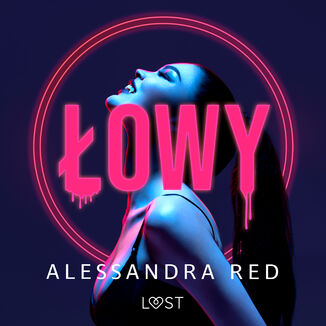
Lesbijskie opowiadanie erotyczne fantasy w klimacie walentynkowym. Na Noc Serc szykuje się wampirzyca Lilith, która co roku pod osłoną czerwonych dekoracji, wszędobylskich serduszek i róż poluje na swoje ofiary. Tym razem pragnie kobiecego ciała i krwi. Hipnotyzujący wzrok jej niebieskich oczu wyzwala w ludziach wszystkie skrywane pragnienia i uwalnia je z niepohamowaną mocą. Czy uda się jej się zniewolić spojrzeniem niezwykłą blondynkę dostrzeżoną na nadmorskim deptaku i obudzić w niej żądze, o które ta sama siebie nie podejrzewa? Lilith jest przekonana, że tak, jednak los szykuje dla niej gorącą niespodziankę...
Łowy walentynkowe opowiadanie erotyczne
Alessandra Red
Lesbijskie opowiadanie erotyczne fantasy w klimacie walentynkowym. Na Noc Serc szykuje się wampirzyca Lilith, która co roku pod osłoną czerwonych dekoracji, wszędobylskich serduszek i róż poluje na swoje ofiary. Tym razem pragnie kobiecego ciała i krwi. Hipnotyzujący wzrok jej niebieskich oczu wyzwala w ludziach wszystkie skrywane pragnienia i uwalnia je z niepohamowaną mocą. Czy uda się jej się zniewolić spojrzeniem niezwykłą blondynkę dostrzeżoną na nadmorskim deptaku i obudzić w niej żądze, o które ta sama siebie nie podejrzewa? Lilith jest przekonana, że tak, jednak los szykuje dla niej gorącą niespodziankę... Alessandra Red to kobieta, która pisze o kobietach. Tworząca pod pseudonimami autorka książek, opowiadań, felietonów i artykułów obyczajowych oraz kulturalnych. Miłośniczka nowoczesnych technologii i relaksującego pływania pod wodą, fanka ciszy podczas pisania i rockowych oraz jazzowych brzmień wieczorową porą. Codzienność pod hasłem: kawa, klawiatura, wolność wyboru.
Łowy: 10 trzymających w napięciu opowiadań erotycznych
B. J. Hermansson, SheWolf, Annah Viki M.,...
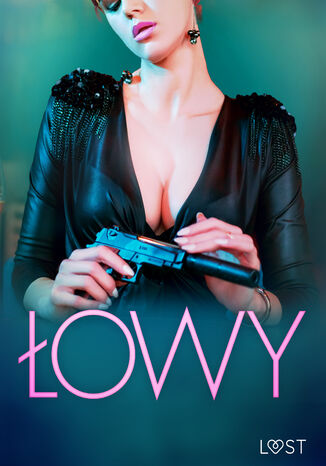
"Co tu robisz? zapytał, chociaż miał ochotę potrząsnąć nią i krzyczeć. Miał też ochotę rzucić ją na łóżko. Chcę cię zatrudnić. Nie. Minął ją i wszedł do domu, chciał trzasnąć drzwiami, ale zamiast tego trzymał je, czekając, aż Tajfun wejdzie. Weszła i ona. Była inna niż wcześniej, wydawała się dojrzalsza, a gdy ściągnęła płaszcz, wciągnął z sykiem powietrze. Pod płaszczem była naga". Porwana dziewczyna, wichura i niebezpieczny mężczyzna. Córka Oligarchy to sensacyjna historia spotkania dwójki ludzi w sytuacji, w której jedno jest pewne: ktoś zginie. Anastazja może wygląda na niewinną dziewczynę, którą trzeba ratować z opresji, ale czy córka multimilionera słynącego z ciemnych interesów może być niewinna? Jacek próbuje ułożyć sobie życie na nowo, z dala od świata przemocy, w którym żył niegdyś. Jednak czasami wybory nie są takie oczywiste, i gdy w środku lasu wpada na niego pobita i ścigana kobieta będzie musiał zabijać, aby ją uratować. Niebezpieczni mężczyźni z mroczną przeszłością i tajemnicze femme fatale, które potrafią zachować zimną krew w najtrudniejszej sytuacji. Detektywi, kryminaliści, łowczynie i ich ofiary... ale czy na pewno są one tak bezradne, na jakie wyglądają? Gdy spotkają się dwie nietuzinkowe, charyzmatyczne osobowości, powietrze między nimi aż iskrzy od erotycznego napięcia. Ich relacja jest pełna namiętności, ale często również toksyczna. Romans tych dwojga jest jak zaproszenie do piekła. Wchodzisz wyłącznie na własne ryzyko, bo po przekroczeniu tej bramy nic już nie będzie takie samo. W skład zbioru wchodzi 10 opowiadań przesyconych mrocznym erotyzmem, z domieszką kryminału i thrillera. Dla miłośników i miłośniczek mocnych wrażeń! Robota do zrobienia Łowy Córka oligarchy Sherlock Holmes i sprawa niedojrzałych czereśni Niemożliwość pożegnań Wieczne róże: Tajemniczy ogrodnik Zaginiona dziewczyna Velvet Niebezpieczne uzależnienie Wieczorny spacer Opowiadania zostały napisane przez następujące autorki i autorów LUST: Annah Viki M., Alessandra Red, Catrina Curant, Maja Margasińska, SheWolf, Nadia Drozd, Victoria Październy, B. J. Hermansson, B. A. Feder, Mila Lipa.
Paul Féval
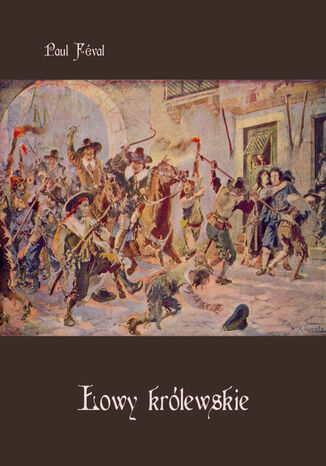
‘Łowy królewskie’, tytuł oryginału francuskiego: ‘Les Chevaliers du firmament’ to historyczna powieść przygodowa Paula Févala. Czas akcji: 1662, Portugalia. Po raz pierwszy została publikowana w odcinkach we francuskiej gazecie ‘L’Assemblée nationale’ od La Législature od 14 marca do 28 czerwca 1843. Książka podzielona jest na trzy części o różnej długości. A oto fragment powieści, wprowadzający czytelnika w jej klimat: „W końcu maja 1662 roku, o drugiej godzinie po południu, świetny orszak wyjechał z ulicy Nowej i udał się na wielki plac Lizboński. Byli to wszystko konni rycerze w szyszakach, przepysznymi ozdobionych piórami; konie ich harcowały z wielkim niezadowoleniem mieszczan, cisnących się do muru i mruczących coś, co zupełnie do błogosławieństw podobnym nie było. Wcale to jednak nie trwożyło orszaku, który coraz dalej się posuwał. Niezadługo też spoza węgła ulicy Nowej, ostatni ukazał się rycerz. Trąby głośno zabrzmiały; a orszak uszykował się wokoło jakiegoś pięknej postawy pana, który niedbale dotknąwszy ręką kapelusza, rozwinął pergamin, opatrzony herbową pieczęcią Braganckiego domu. — Trębacze piekła! — wrzasnął tenże nieprzyjemnym głosem, tworzącym rażącą sprzeczność z jego pełną wdzięku jazdą — Czyż już wam w piersiach oddechu zabrakło? Trąbcie lepiej, bo... klnę się na moich przodków, niepodległych władców Wintimilii, w pięknej Italii leżącej... że po powrocie wychłostać was każę.

Stanisław Jachowicz
Stanisław Jachowicz Bajki i powiastki Łódka na wodzie Dziateczki płynęły, łódeczka się chwiała, Władysławek śpiewał, a Terenia drżała, Nie bój się, rzekł Władyś, Bóg czuwa nad nami: Tam, gdzie strachu niema, nie szukajmy sami. Tak i w życiu ludzkiem łódka się koleba; Śmiało patrzeć w górę i bać się nie trzeba, Nućmy sobie piosn... Stanisław Jachowicz Ur. 17 kwietnia 1796 w Dzikowie (dziś dzielnica Tarnobrzega) Zm. 24 grudnia 1857 w Warszawie Najważniejsze dzieła: Rozmowy mamy z Józią służące za wstęp do wszelkich nauk, a mianowicie do gramatyki, ułożone dla pożytku młodzieży, Pisma różne wierszem Stanisława Jachowicza, Śpiewy dla dzieci, Rady wuja dla siostrzenic: (upominek dla młodych panien), Pomysły do poznania zasad języka polskiego, Ćwiczenia pobożne dla dzieci, rozwijające myśl, Podarek dziatkom polskim: z pozostałych pism ś. p. Stanisława Jachowicza, Upominek z prac Stanisława Jachowicza: bajki, nauczki, opisy, powiastki i różne wierszyki Poeta, bajkopisarz, pedagog, działacz charytatywny. Ukończył szkołę pijarów w Rzeszowie oraz gimnazjum w Stanisławowie. Studiował na wydziale filozoficznym na Uniwersytecie we Lwowie. Na studiach był współzałożycielem i wpływowym członkiem tajnego Towarzystwa Ćwiczącej się Młodzieży w Literaturze Ojczystej, a także inspiratorem i prezesem Towarzystwa Studenckiego Koła Literacko-Naukowego. Po studiach zamieszkał w Warszawie, gdzie objął posadę kancelisty w Prokuratorii Generalnej Królestwa Polskiego. Przystąpił do Związku Wolnych Polaków, po wykryciu którego otrzymał zakaz zajmowania posad rządowych. Wobec tego jego głównym zajęciem była praca pedagogiczna jako nauczyciela języka polskiego w domach i na prywatnych stancjach dla dziewcząt. Debiut literacki Jachowicza miał miejsce w 1818 r. w Pamiętniku lwowskim, gdzie opublikował bajki. Pierwszą książkę wydał w 1824 r. - zbiór bajek i powiastek pt. Bajki i powieści. Przez cztery kolejne lata ukazywały się rozszerzone wydania tego zbioru pod tym samym tytułem; w 1829 r. zbiór zawierał już 113 utworów. Jest autorem kilkuset wierszyków i powiastek dydaktyczno-moralizatorskich. Publikował również w periodykach pod własnym nazwiskiem lub pod pseudonimem Stanisław z Dzikowa. W 1829 r. redagował przez rok Tygodnik dla Dzieci. W W 1830 r. przy współudziale Ignacego Chrzanowskiego zaczął wydawać pierwsze w Europie codzienne pismo dla dzieci - Dziennik dla Dzieci. Publikowane przez niego gazety i książki miały wychowywać, ale też uczyć czytania, liczenia i historii. Zajmował się również opieką społeczną nad dziećmi. Kupując książkę wspierasz fundację Nowoczesna Polska, która propaguje ideę wolnej kultury. Wolne Lektury to biblioteka internetowa, rozwijana pod patronatem Ministerstwa Edukacji Narodowej. W jej zbiorach znajduje się kilka tysięcy utworów, w tym wiele lektur szkolnych zalecanych do użytku przez MEN, które trafiły już do domeny publicznej. Wszystkie dzieła są odpowiednio opracowane - opatrzone przypisami oraz motywami.

Witold Jarno, Przemysław Waingertner
W serii powołanej dla uczczenia 100. rocznicy odzyskania przez Polskę niepodległości w 1918 roku oraz utrwalenia w polskiej świadomości zbiorowej wiedzy historycznej o genezie i przebiegu odbudowy państwa polskiego ukażą się monografie, biografie i źródła, dla których tematyczną klamrą będzie idea polskiej niepodległości oraz walki ojej urzeczywistnienie i kształt z uwzględnieniem zagadnień polskich i międzynarodowych; politycznych, społecznych i ekonomicznych; walki orężnej i działań dyplomatycznych; wreszcie przedsięwzięć na polu kultury. Książka poświęcona jest wybitnym postaciom związanym z Łodzią - zasłużonym dla wyzwolenia dawnego "polskiego Manchesteru" oraz restytucji Rzeczypospolitej w 1918 roku. Przedstawiono w niej losy polityków, samorządowców, społeczników i wojskowych; narodowców, chadeków, piłsudczyków i socjalistów. Sportretowano ludzi, dla których miasto nad Łódką stało się drogą do wielkiej polityki, pełnienia najważniejszych funkcji państwowych i osiągnięcia wysokich stopni oficerskich w Wojsku Polskim oraz tych, którzy pozostali wybitnymi działaczami politycznymi i społecznymi w skali lokalnej, realizując się w pracach samorządowych. Niektórzy z nich byli rodowitymi łodzianami, inni związali się z miastem nad Łódką na różnych etapach życia. Wszyscy jednak - choć w różnych dziedzinach - odcisnęli piętno na dziejach Łodzi: jej życiu politycznym, społecznym, gospodarczym i kulturalnym.
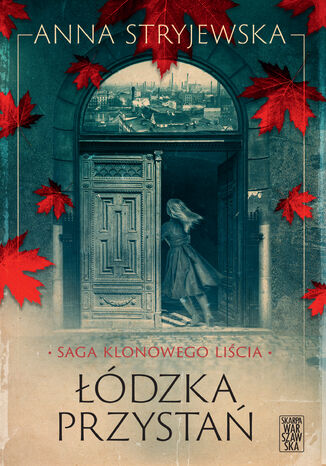
Łódzka przystań. Saga klonowego liścia. Tom 1
Anna Stryjewska
Poruszająca saga rodzinna oparta na prawdziwych wydarzeniach. Niemcy, wiosna 1944 rok. Stefania Rudzka, dziewiętnastoletnia dziewczyna mieszkająca wówczas w okupowanej Łodzi, w wyniku łapanki trafia do obozu pracy o bardzo zaostrzonym rygorze. Tam poznaje Kazię, wspólna niedola i walka o przetrwanie zbliżają do siebie kobiety. Potajemnie planują ucieczkę, choć pomysł wydaje się nierealny i karkołomny, jednak w niedługim czasie pojawia się szansa na zrealizowanie planu. Droga do domu okazuje się być długa, zawiła i bolesna. Przy życiu trzyma ją wiara, że jeszcze wróci do kraju, ujrzy najbliższych i ukochanego. Anna Stryjewska maluje obraz pewnej rodziny w okresie wojny i czasach powojennych, w świecie, który pomimo przeciwności losu trzeba było zbudować od początku i na nowych zasadach.

Czesław Domański, Alina Jędrzejczak
Początki statystyki w Łodzi sięgają końca lat dziewięćdziesiątych XIX wieku, kiedy w 1898 roku utworzona została Giełda Papierów Wartościowych, w ramach której powołano Komisję Statystyczną badającą procesy głównie gospodarcze, ale także i społeczne. W latach międzywojennych powstały pierwsze prywatne uczelnie wyższe, m.in. Wyższa Szkoła Nauk Społecznych i Ekonomicznych oraz Wolna Wszechnica Polska (WWP). W obu tych uczelniach były wykładane przedmioty statystyczne. W 1935 roku utworzona została Katedra Ekonomii i Statystyki w Od dziale Łódzkim WWP, w której wykładowcami byli m.in. Stefan Dziewulski, Edward Szturm de Sztrem, Edward Rosset. Przedstawione osiągnięcia naukowe i dydaktyczne łódzkich statystyków gromadzone przez ponad sto lat przyczyniły się do wszechstronnego rozwoju statystyki, demografii i ekonometrii Uniwersytetu Łódzkiego, a także miały istotny wpływ na powstanie szkół naukowych znanych w kraju, jak również na arenie międzynarodowej. * Opracowanie, chociaż ma warsztat i charakter naukowy, przez lata pełnić będzie funkcję popularyzatorską i upowszechniającą wiedzę o roli i miejscu łódzkiej statystyki miejskiej i akademickiej w ciągu ostatnich ponad stu lat. Poprawność i logika wywodu, podobnie jak poszczególne kroki badawcze prowadzące do ostatecznego celu, jakim było dla Autorów, w moim rozumieniu, rozpoznanie osiągnięć i głównych postaci łódzkiej statystyki oraz jej miejsca i roli w rozwoju nauki w skali miasta i kraju - są przekonujące. Badanie, którego efektem jest recenzowana monografia, nie należy do podstawowych, a jego innowacyjność i zasadność podjęcia wynika z tego, że pozwala wskazać miejsce jednej tylko dyscypliny naukowej, którą w rozpatrywanym przypadku jest statystyka, w długotrwałym, sekularnym rozwoju nauki i wiedzy praktycznej. Z opinii recenzenta prof. Jerzego T. Kowaleskiego