
Wydawca: Packt Publishing
Jobin Kuruvilla
JIRA provides issue tracking and project tracking for software development teams to improve code quality and the speed of development.This book is your one-stop resource to master JIRA extension and customization. You will learn how to create your own JIRA plugins, customize the look and feel of your JIRA UI, work with Workflows, Issues, Custom Fields, and much more.The book starts with recipes on simplifying the Plugin development process followed by a complete chapter dedicated to the Plugin Framework to master Plugins in JIRA.Then we will move on to writing custom field plugins to create new field types or custom searchers. We then learn how to program and customize Workflows to transform JIRA into a user-friendly system. Reporting support in an application like JIRA is inevitable! With so much data spanning across different projects, issues, etc and a lot of project planning done on it, we will cover how to work on reports and gadgets to get customized data according to our needs.We will then look at customizing the various searching aspects of JIRA such as JQL, searching in plugins, managing filters, and so on. Then the book steers towards programming Issues, i.e. creating/editing/deleting issues, creating new issue operations, managing the various other operations available on issues via the JIRA APIs etc. In the latter half of the book, you will learn how to customize JIRA by adding new tabs, menus, and web items, communicate with JIRA via the REST, SOAP or XML/RPC interfaces, and work with the JIRA database.The book ends with a chapter on useful and general JIRA recipes.
JIRA Development Cookbook. Third Edition - Third Edition
Jobin Kuruvilla
JIRA provides issue and project tracking for software development teams to improve code quality and the speed of development. With the new version of JIRA, you can create your own JIRA plugins and customize the look and feel of your JIRA UI easier than ever.JIRA Development Cookbook , Third Edition, is a one-stop resource to master extensions and customizations in JIRA. This book starts with recipes about simplifying the plugin development process followed by recipes dedicated to the plugin framework. Then, you will move on to writing custom field plugins to create new field types or custom searchers. You will also learn how to program and customize workflows to transform JIRA into a user-friendly system. With so much data spanning different projects, issues, and so on, we will cover how to work on reports and gadgets to get customized data according to our needs. At the end of the book, you will learn how to customize JIRA by adding new tabs, menus, and web items; communicate with JIRA via the REST APIs; and work with the JIRA database.
Patrick Li
If you wish to develop your practical skills with JIRA in order to install, use, and manage your projects, then this is the perfect book for you. You need to be familiar with software project management and basic computer operations, specifically the system on which you will use JIRA.
Jira Quick Start Guide. Manage your projects efficiently using the all-new Jira
Ravi Sagar
Jira is an issue tracker and project management system. With their latest release, the Jira team has now expanded their user base to agile teams as well as business teams. This book provides a comprehensive explanation covering all major components of Jira, including Jira Software, Jira Core, and Jira Service Desk.This book starts with an introduction to Jira's unique features and how it can be used as an issue-tracking tool. It will then teach you about how a new project is created by a Jira administrator, what responsibilities there are, and using correct and relevant schemes in your project. You will then learn how to configure project workflows and fields for project screens.You will understand the various permissions used in projects and the importance of project roles in Jira. Then, the book talks about the concepts of versions acting as milestones and using components when handling issues in your projects. It will then focus on analysing data using built-in reports and creating dashboards in Jira. At the end, it will discuss various best practices for users as well as project managers or project administrators.
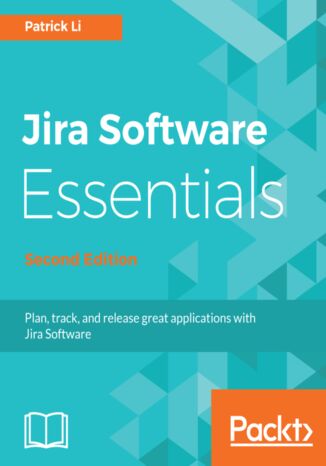
Patrick Li
Jira Software is an agile project management tool that supports any agile methodology, be it scrum, Kanban, or your own unique flavour. From agile boards to reports, you can plan, track, and manage all your agile software development projects from a single tool. Jira Software brings the power of agile methodology to Atlassian Jira.This second edition of JIRA Agile Essentials, will help you dive straight into the action, exploring critical agile terminologies and concepts in the context of Jira Software. You will learn how to plan, track, and release great software. This book will teach you how to install and run Jira Software and set it up to run with Scrum and Kanban. It will also teach you to use Jira Software your way and run projects beyond the out-of-box Scrum and Kanban way, including a hybrid approach of both the methodologies and other options that come with Jira Software. Later, you will learn how to integrate it with the tools you are already using and enhance Jira with add-ons such as Confluence. You will learn to stay connected with your team from anywhere to ensure great development. Jira Software has numerous deployment options in the cloud, on your own infrastructure, or at a massive scale. You will be introduced to Bitbucket, Atlassian’s distributed version control system, which integrates seamlessly with Jira, allowing your team to work within the two applications as one harmonious environment.With this practical guide, you will develop a great working knowledge of Jira Software and your project management will become much more efficient.
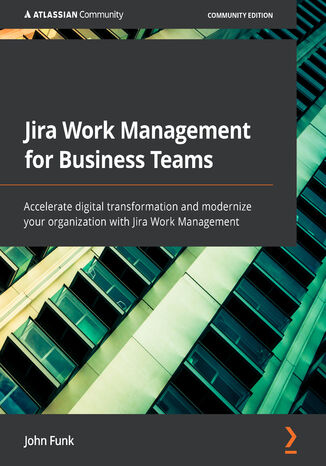
John Funk
Jira Work Management (JWM) is the newest project management tool from Atlassian, replacing Atlassian's previous product, Jira Core Cloud. While Jira Software focuses on development groups, JWM is specifically targeted toward business teams in your organization, such as human resources, accounting, legal, and marketing, enabling these functional groups to manage and enhance their work, as well as stay connected with their company's developers and other technical groups. This book helps you to explore Jira project templates and work creation and guides you in modifying a board, workflow, and associated schemes.Jira Work Management for Business Teams takes a hands-on approach to JWM implementation and associated processes that will help you get up and running with Jira and make you productive in no time. As you explore the toolset, you'll find out how to create reports, forms, and dashboards. The book also shows you how to manage screens, field layouts, and administer your JWM projects effectively. Finally, you'll get to grips with the basics of creating automation rules and the most popular use cases.By the end of this Jira book, you'll be able to build and manage your own Jira Work Management projects and make basic project-related adjustments to achieve optimal productivity.
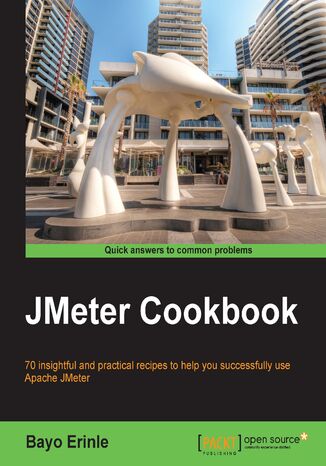
JMeter Cookbook. 70 insightful and practical recipes to help you successfully use Apache JMeter
Bayo Erinle
This book is great for you if you are a developer, quality assurance engineer, tester, or test manager who is looking to get a firmer grasp of elementary, deep, and advanced testing concepts using Apache JMeter. It’s assumed you have access to a computer and an Internet connection. No prior testing or programming experience is required, but would be helpful.
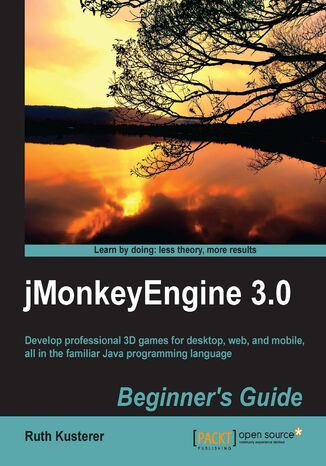
Ruth Irene Kusterer
jMonkeyEngine 3.0 is a powerful set of free Java libraries that allows you to unlock your imagination, create 3D games and stunning graphics. Using jMonkeyEngine's library of time-tested methods, this book will allow you to unlock its potential and make the creation of beautiful interactive 3D environments a breeze.jMonkeyEngine 3.0 Beginner's Guide teaches aspiring game developers how to build modern 3D games with Java. This primer on 3D programming is packed with best practices, tips and tricks and loads of example code. Progressing from elementary concepts to advanced effects, budding game developers will have their first game up and running by the end of this book.From basic concepts and project creation to building a complex 3D Game, you will learn to layout 3D scenes, make them interactive and add various multi-media effects.You will find answers to common questions including best practices and approaches, how game characters can act and interact, how to simulate solid walls and physical forces, how to take it online to play over a network and much more.From Zero to Hero, start your journey to make your game idea a reality.