
Programowanie
Niezależnie czy dopiero rozpoczynacie swoją przygodę z programowaniem, czy jesteście już uznanymi na rynku profesjonalistami, to w kategorii Programowanie na pewno znajdziecie podręczniki, które pomogą Wam w przebiegu pracy, czy też w nauce podstaw programowania.
W książkach z tego działu zawarta jest wiedza zarówno związana z czysto technicznymi sprawami typu składnia języków, ale także z umiejętnościami bardziej "miękkimi" jak obsługa i wykorzystanie pełnych możliwości środowisk programistycznych, czy też projektowanie oprogramowania lub metody numeryczne czy oraz struktury danych.
Programowanie obiektowe dla studenta i technika programisty INF.04
Aleksander Bies
Książka "Programowanie obiektowe dla studenta i technika programisty" to podręcznik, dzięki któremu każdy czytelnik, bez względu na stopień zaawansowania, zrozumie podstawowe zasady programowania strukturalnego i obiektowego. Początkujący czytelnik będzie miał możliwość nauki prawie od podstaw, a programista zaawansowany utrwali i przećwiczy posiadaną przez siebie wiedzę i znacznie ją rozszerzy. W książce autor zgromadził pokaźny zasób podstawowych pojęć programistycznych, wytłumaczył pojęcie danych, ich typy i struktury bardziej złożone, czyli kolekcje wraz ze sposobami odwoływania się do nich poprzez nazwy i wskaźniki. Omówił instrukcje warunkowe, iteracje, funkcje, obiekty i klasy wraz z dziedziczeniem, polimorfizmem i zasadami dostępu. Dodatkową zaletą omawianych treści są pytania i zadania sprawdzające wraz z odpowiedziami oraz kody źródłowe wszystkich programów z możliwością ich pobrania wprost na komputer. Autorem książki jest Aleksander Bies, nauczyciel programowania, absolwent kierunków Informatyka i Informatyka Stosowana na Wydziale Nauk Ścisłych i Technicznych Uniwersytetu Śląskiego, doktorant badający metody sztucznej inteligencji w układach złożonych. Jest współautorem modelu wykorzystującego uczenie maszynowe, za którego zaimplementowanie zdobył II miejsce w międzynarodowym konkursie Orange Datahack with Energy.
Programowanie równoległe i asynchroniczne w C# 5.0
Mateusz Warczak, Jacek Matulewski, Rafał Pawłaszek, Piotr...
Programowanie współbieżne - wykorzystaj w pełni moc procesorów! Opanuj wątki, zadania i TPL Poznaj sprytne rozwiązania z użyciem bibliotek DSS i CCR Wejdź na wyższy poziom z Reactive Extensions i CUDAfy.NET Programowanie współbieżne jest w dzisiejszych czasach absolutnym standardem, jedyną drogą pozwalającą w pełni wykorzystać moc wielordzeniowych procesorów, umieszczanych we współczesnych komputerach. Jednak nadal niewielu programistów potrafi poprawnie i efektywnie korzystać z tej technologii. Czas to zmienić! Jeśli chcesz być naprawdę świetnym programistą C#, tworzącym aplikacje na platformę .NET, a do tej pory nie przestudiowałeś jeszcze porządnie kwestii współbieżności, pora to nadrobić. W tej książce znajdziesz informacje o podstawach tej technologii, takich jak wątki, a także o klasycznych pułapkach związanych z programowaniem współbieżnym. Kolejne rozdziały odkryją przed Tobą tajemnice zadań oraz bibliotek TPL. Poznasz również technologie DSS i CCR oraz dowiesz się co nieco na temat asynchroniczności. Potem przyjdzie kolej na omówienie technologii Reactive Extensions oraz biblioteki CUDAfy.NET, pozwalającej efektywnie wykorzystać karty graficzne do obliczeń niezwiązanych z grafiką. Odkryj zalety programowania równoległego! Dla niecierpliwych: asynchroniczność i pętla równoległa Wątki i zadania Zmienne w aplikacjach wielowątkowych Synchronizacja wątków, zadań i kontrolek interfejsu z zadaniami Wątki i zadania a interfejs użytkownika Dane w programach równoległych Analiza aplikacji wielowątkowych. Debugowanie i profilowanie Wstęp do CCR i DSS Skalowalne rozwiązanie dla systemów rozproszonych na bazie technologii CCR i DSS Wprowadzenie do Reactive Extensions. Zarządzanie sekwencjami zdarzeń Współbieżność w Rx Przykłady użycia technologii Rx w aplikacjach WPF CUDA w .NET Biblioteka TPL w WinRT Dobre praktyki programowania aplikacji wielowątkowych Zostań mistrzem programowania współbieżnego!
Programowanie sterowane testami w Pythonie. Jak tworzyć skalowalne zestawy testów i aplikacji
Alessandro Molina
Spośród wielu koncepcji tworzenia oprogramowania na szczególną uwagę zasługuje model programowania sterowanego testami, znany jako TDD. Technika ta opiera się na integracji procesów projektowania aplikacji i pisania kodu z prowadzeniem testów. Mimo że taki sposób pracy wydaje się dość wymagający dla zespołów deweloperów, łatwo się przekonać, że TDD pozwala na stałe uzyskiwanie dobrych efektów, a opracowane tą metodą aplikacje zaskakują stabilnością i przewidywalnością w środowisku produkcyjnym. W tej praktycznej książce dokładnie opisano koncepcje przeprowadzania testów oprogramowania, a szczególny akcent położono na model programowania sterowanego testami. Przedstawiono w niej również szeroką gamę przydatnych do testowania narzędzi, takich jak wbudowany w Pythona moduł testów jednostkowych unittest, frameworki pytest i Robot, a także biblioteka webtest. Omówiono też zasady projektowania testów, testowania kodu podczas implementacji nowych funkcjonalności i tworzenia pełnych zbiorów testów. Ponadto dokładnie zaprezentowano najlepsze praktyki związane z testami automatycznymi i modelem programowania TDD. Poszczególne koncepcje zostały zilustrowane praktycznymi przykładami zastosowania narzędzi dostępnych w Pythonie. W książce między innymi: najlepsze praktyki dotyczące projektowania testów praca z frameworkiem pytest przeznaczonym do testowania aplikacji tworzenie testów funkcjonalnych dla aplikacji WSGI za pomocą biblioteki webtest zasady programowania sterowanego testami techniki tworzenia niezawodnych aplikacji w Pythonie Najważniejsze jest testowanie kodu - od pierwszej linii!
Programowanie. Teoria i praktyka w C++. Wydanie IV
Bjarne Stroustrup
Książka twórcy języka C++ Chcesz naprawdę dobrze opanować C++? Ucz się od najlepszego! Bjarne Stroustrup, twórca tego języka, jak nikt inny potrafi wyjaśnić zarówno podstawy, jak i najbardziej zaawansowane metody programowania. To on zaprojektował i zaimplementował C++, a w tej książce dzieli się swoim bogatym doświadczeniem i ekspercką wiedzą. Teraz dostępną także dla Ciebie! Programowanie. Teoria i praktyka w C++ to kompletny przewodnik, który krok po kroku odkrywa tajniki jednego z najważniejszych i najpotężniejszych języków programowania. Najnowsze wydanie zostało zaktualizowane i uwzględnia standardy C++20 i C++23, dzięki czemu będziesz się uczyć na przykładach zgodnych z aktualnym kierunkiem rozwoju języka. Dzięki tej książce dowiesz się, jak pisać kod nie tylko wydajny, ale i elegancki. Poznasz zasady, które z powodzeniem zastosujesz również w innych językach programowania. Autor wprowadzi Cię w świat kluczowych paradygmatów programowania od proceduralnego, przez obiektowe, aż po generyczne i pokaże, jak tworzyć bezpieczne, praktyczne i łatwe w utrzymaniu programy. Oprócz technik programowania wysokopoziomowego opanujesz techniki niższego poziomu, niezbędne do efektywnego korzystania z możliwości sprzętu. Znajdziesz tu zarówno solidne podstawy, jak i bardziej zaawansowane zagadnienia, takie jak: opis pojęć i technik programistycznych instrukcje sterujące, obsługa błędów, funkcje i system typów obsługa danych liczbowych i tekstu praca z graficznym interfejsem użytkownika kontenery i algorytmy w bibliotece STL parametryzacja klas i funkcji Niezależnie od tego, czy dopiero zaczynasz przygodę z C++, czy chcesz rozwinąć swoje umiejętności tu znajdziesz wszystko, czego potrzebujesz, aby pisać doskonały kod. Chłoń wiedzę od samego twórcy języka C++!
Programowanie. Teoria i praktyka z wykorzystaniem C++. Wydanie III
Bjarne Stroustrup
Zaczerpnij wiedzę o C++ od samego twórcy języka! Jak zacząć pracę w zintegrowanym środowisku programistycznym? Jak profesjonalnie tworzyć programy użytkowe? Jak korzystać z biblioteki graficznego interfejsu użytkownika? Jeśli zależy Ci na tym, aby zdobyć rzetelną wiedzę i perfekcyjne umiejętności programowania z użyciem języka C++, powinieneś uczyć się od wybitnego eksperta i twórcy tego języka - Bjarne Stroustrupa, który jako pierwszy zaprojektował i zaimplementował C++. Podręcznik, który trzymasz w ręku, daje Ci szansę odkrycia wszelkich tajników tego języka, obszernie opisanego w międzynarodowym standardzie i obsługującego najważniejsze techniki programistyczne. C++ umożliwia pisanie wydajnego i eleganckiego kodu, a większość technik w nim stosowanych można przenieść do innych języków programowania. Książka Programowanie w C++. Teoria i praktyka zawiera szczegółowy opis pojęć i technik programistycznych, a także samego języka C++, oraz przykłady kodu. Znajdziesz tu również omówienia zagadnień zaawansowanych, takich jak przetwarzanie tekstu i testowanie. Z tego podręcznika dowiesz się, na czym polega wywoływanie funkcji przeciążonych i dopasowywanie wyrażeń regularnych. Zobaczysz też, jaki powinien być standard kodowania. Poznasz sposoby projektowania klas graficznych i systemów wbudowanych, tajniki implementacji, wykorzystywania funkcji oraz indywidualizacji operacji wejścia i wyjścia. Korzystając z tego przewodnika, nauczysz się od samego mistrza pisać doskonałe, wydajne i łatwe w utrzymaniu programy. Techniki programistyczne Infrastruktura algorytmiczna Biblioteka standardowa C++ Instrukcje sterujące i obsługa błędów Implementacja i wykorzystanie funkcji Kontrola typów Interfejsy klas Indywidualizacja operacji wejścia i wyjścia Projektowanie klas graficznych Wektory i pamięć wolna Kontenery i iteratory Programowanie systemów wbudowanych Makra Wykorzystaj wiedzę Bjarne Stroustrupa i pisz profesjonalne programy w C++!
Zed A. Shaw
Istnieje bardzo wiele nowoczesnych języków programowania, które pozwalają na szybkie wdrożenie i pracę. Takim językiem na pewno nie jest C. Niektóre jego cechy bardzo utrudniają tworzenie bezpiecznego i bezawaryjnego kodu. Warto więc dogłębnie poznać C — przy bardzo prostej składni i niewielkich wymaganiach sprzętowych ma potężne możliwości! Niniejsza książka jest bardzo dobrym podręcznikiem dla początkujących programistów. Nauczysz się C, wykonując 52 sprytnie skonstruowane zadania zilustrowane kodem i specjalnie opracowanymi klipami wideo. Duży nacisk został położony na dogłębną analizę tworzonego kodu — autor zmusza Czytelnika do zrozumienia znaczenia każdej linii programu, do koncentracji i dokładności. Zachęca też do praktykowania tzw. programowania defensywnego, dzięki któremu możliwe jest podniesienie jakości i bezpieczeństwa tworzonego oprogramowania. Wartościowym elementem książki są wskazówki, jak zepsuć napisany kod, a następnie go zabezpieczyć. Bardzo ułatwia to unikanie wielu poważnych, często spotykanych błędów. Najistotniejsze zagadnienia poruszone w książce: Podstawowa składnia C Konfiguracja środowiska programistycznego, kompilacja kodu, pliki Makefile i linkery Kontrola przebiegu działania programu, alokacja pamięci Operacje wejścia-wyjścia i pliki, stosy i kolejki Usuwanie błędów, programowanie defensywne i automatyczne testowanie Eliminacja błędu przepełnienia stosu, niedozwolonego dostępu do pamięci itd. Hakowanie własnego kodu utworzonego w C Zrozum C, programuj starannie — dobrze działać może tylko dobry kod!

Programowanie w Go. Poznaj prosty i wydajny język od Google
Andrzej Gromczyński
Trzy, dwa, jeden, Go! Wielu programistów szuka prostego, bardziej intuicyjnego sposobu na tworzenie aplikacji. Przeszkadza im złożoność języków programowania, nieczytelność ich składni i stopień skomplikowania konfiguracji. W trakcie poszukiwań narzędzi zapewniających prostotę i dużą wydajność trafiają często na stworzony przez inżynierów Google język Go i... okazuje się, że spełnia on te oczekiwania, jest prosty jak Python i wydajny jak Java. Jeśli i Ty chcesz tworzyć aplikacje szybciej i efektywniej, nie tracić przy tym czasu na skomplikowane konfiguracje czy debugowanie, ta książka jest dla Ciebie. Dowiesz się z niej między innymi: jak łatwo rozpocząć pracę z Go, nawet jeśli jesteś początkującym programistą jak prosto i efektywnie korzystać z bibliotek graficznych odpowiednich dla tego języka jak zrealizować w Go pierwszy sprawny projekt, na przykład grę w stylu retro Zacznij programować w języku Go i przekonaj się, jak uprości to Twoje projekty. Napisz i wdróż w nim aplikację - i daj się zaskoczyć jej stabilnością, wydajnością, a także tym, jak mało zasobów zużywa w porównaniu z aplikacjami pisanymi w innych językach.
Programowanie w Javie. Solidna wiedza w praktyce. Wydanie XI
Paul Deitel, Harvey Deitel
Tworzenie oprogramowania to wspaniała umiejętność. Zdolny programista może w zasadzie pracować w dowolnej dziedzinie. Co więcej, szalony rozwój technologii informatycznych właściwie codziennie otwiera nowe rynki i nowe nisze. Niemal wszędzie jest potrzebny procesor i oprogramowanie. I spora część tego cyfrowego torciku przypada programistom Javy. Najlepsze kąski dostają się jednak tym najlepszym, najzdolniejszym i najbardziej profesjonalnym. Jeśli chcesz się stać właśnie takim programistą, wziąłeś do ręki właściwą książkę. Jest to klasyczny podręcznik, dzięki któremu wiele osób zdobyło mistrzostwo w programowaniu w Javie. Zawarto tu wyjątkowo rzetelne, praktyczne i aktualne wprowadzenie do języka. W książce znajdziesz wiele informacji o nowej wersji języka — Javie 9 oraz o świetnym narzędziu JShell, które ułatwia szybkie poznanie języka. Szczegółowo opisano JavaFX — najnowszy GUI i równocześnie zestaw narzędzi do nowych projektów. W przystępny i zrozumiały sposób przedstawiono dość trudne pojęcia, takie jak współbieżność, dzięki czemu bez problemu wykorzystasz moc systemów wielordzeniowych. W tej książce między innymi: Solidne wprowadzenie do Javy — klasy, obiekty, metody Podstawy programowania, w tym programowania obiektowego Struktury danych, kolekcje, lambdy i strumienie Rozwiązania bazodanowe System modułów platformy Java 9 Programuj profesjonalnie — ucz się od najlepszych!
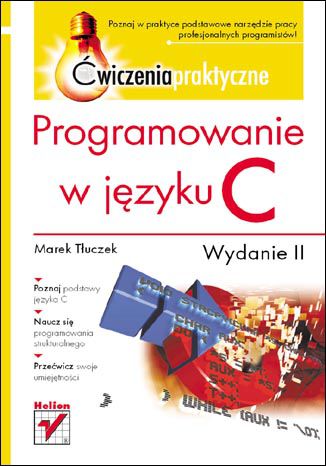
Programowanie w języku C. Ćwiczenia praktyczne. Wydanie II
Marek Tłuczek
Poznaj podstawy języka C Naucz się programowania strukturalnego Przećwicz swoje umiejętności Poznaj w praktyce podstawowe narzędzie pracy profesjonalnych programistów! Opracowanie języka C było milowym krokiem w historii rozwoju informatyki i choć od czasu jego powstania minęło już niemal czterdzieści lat, nadal jest to jeden z najbardziej popularnych języków programowania na świecie. Zawdzięcza to swojej elastyczności, dużym możliwościom, wysokiej wydajności działania, łatwości tworzenia i konserwacji kodu oraz niezależności od platformy sprzętowej. Nie bez znaczenia jest też fakt, że na jego składni oparte są inne nowoczesne języki wysokiego poziomu, takie jak C++, C# czy Java — i że to właśnie jego poznanie jest często pierwszym krokiem na drodze do kariery profesjonalnego programisty. Niezależnie od tego, z jakich powodów chcesz nauczyć się języka C, doskonałą pomocą okaże się książka "Programowanie w języku C. Ćwiczenia praktyczne. Wydanie II ". Poprawiona i uzupełniona edycja ćwiczeń bezboleśnie wprowadzi Cię w świat programowania strukturalnego. Poznasz podstawowe pojęcia związane z językiem C i zasady tworzenia poprawnego kodu, nauczysz się prawidłowo korzystać z różnych typów danych i instrukcji, a także dowiesz się, jak przeprowadzać operacje wejścia-wyjścia. Zgłębisz również tajniki bardziej zaawansowanych technik, takich jak używanie wskaźników, tablic i struktur. Jeśli chcesz zacząć przygodę z programowaniem w C, trafiłeś na idealną książkę! Podstawy tworzenia kodu w C Definiowanie stałych i zmiennych oraz ich używanie Stosowanie prostych i złożonych typów danych Używanie instrukcji warunkowych i tworzenie pętli Korzystanie z funkcji standardowych Posługiwanie się łańcuchami znakowymi Operacje związane ze strumieniami wejścia-wyjścia Definiowanie i używanie wskaźników do danych i funkcji Nauka języka C jeszcze nigdy nie była tak prosta!
Programowanie w języku Go. Koncepcje i przykłady. Wydanie II
Mat Ryer
Go jest nowoczesnym językiem programowania rozwijanym przez firmę Google. Ostatnie zmiany sprawiły, że stał się on komfortowym narzędziem do tworzenia wydajnych aplikacji. Programiści Go mogą korzystać z wciąż rosnącego zbioru pakietów dostępnych jako open source, dzięki czemu tworzą i wdrażają oprogramowanie o znakomitej jakości. Taki kod od pierwszego dnia działa dobrze, a przy tym imponuje skalowalnością. Wbudowane mechanizmy Go, takie jak współbieżność, zapewniają możliwość uzyskiwania fantastycznych wyników nawet na najprostszym sprzęcie. Niniejsza książka stanowi znakomite wprowadzenie do programowania w Go. Przyda się zarówno początkującym, jak i zaawansowanym programistom. Podstawą prezentowanych tu projektów są skalowalność, wydajność działania oraz wysoka dostępność. Poza opisem języka przedstawiono tu sporo istotnych koncepcji architektury oprogramowania. Wykorzystano aspekty filozofii wykorzystywanej przez „zwinnych” programistów. Opisano zasady tworzenia aplikacji korzystających z Google App Engine, pisania i korzystania z mikrousług czy też tworzenia obrazów Dockera. Wiedza zdobyta dzięki tej książce ułatwi każdemu stosowanie rozwiązań najwyższej klasy. Najważniejsze zagadnienia: aplikacje internetowe korzystające z pakietu NET/HTTP programy obsługiwane z poziomu wiersza poleceń systemy rozproszone i elastyczne dane usługi typu RESTful programistyczne korzystanie z magazynu Google Cloud Datastore dobre praktyki przygotowywania aplikacji w Go Język Go. Idź i programuj! Mat Ryer — programuje od szóstego roku życia. Swoje pierwsze eksperymenty przeprowadzał wraz z ojcem w języku BASIC, a następnie w językach AmigaBASIC i AMOS. Jego kariera zawodowa od początku była związana z programowaniem. Używał wielu różnych języków, aż w końcu zwrócił uwagę na rozwijany przez Google język Go. Ryer od lat używa języka Go do tworzenia przeróżnych produktów, usług i projektów typu open source. Jest gorącym orędownikiem tego rozwiązania. Pisze o Go artykuły, a podczas różnych wykładów i konferencji zachęca programistów, by go wypróbowali.
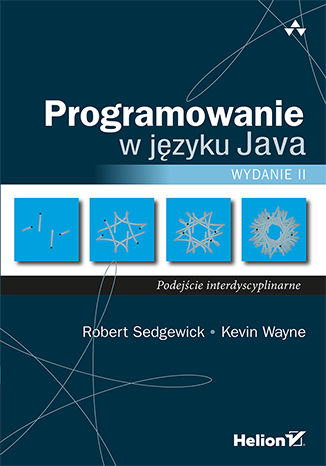
Programowanie w języku Java. Podejście interdyscyplinarne. Wydanie II
Robert Sedgewick, Kevin Wayne
Programowania uczą się już najmłodsi w szkole podstawowej. Umiejętność kodowania będzie wkrótce jednym z wyznaczników dobrego wykształcenia. Rozwiązywanie złożonych problemów za pomocą specjalnie napisanego kodu jest dogodnym sposobem pracy nie tylko inżyniera czy informatyka, ale również biologa, fizyka czy nawet socjologa. Oznacza to, że znajomość języka programowania i choćby podstawowych zagadnień algorytmiki jest cennym uzupełnieniem warsztatu każdego, kto zajmuje się nauką czy techniką. Jeśli więc w programie Twoich studiów zabrakło kursu programowania, warto uzupełnić tę lukę! Trzymasz w rękach znakomity, interdyscyplinarny podręcznik programowania, w którym skupiono się na zastosowaniu kodu Javy do badań z wielu ciekawych dziedzin. Przedstawiono tu zagadnienia podstawowe (zmienne, typy danych, przepływ sterowania, operacje wejścia-wyjścia) oraz bardziej zaawansowane (funkcje, zagadnienia programowania obiektowego, własne typy danych). W książce znalazło się również solidne wprowadzenie do algorytmów i struktur danych z uwzględnieniem charakterystyki wydajności implementacji. Kluczowym elementem wyróżniającym tę publikację spośród innych jest jednak zastosowanie prezentowanych koncepcji do rozwiązania konkretnych problemów nauki i inżynierii. Najważniejsze zagadnienia ujęte w książce: Podstawowe zasady budowania programów w Javie Instrukcje warunkowe, pętle, tablice Sterowanie grafiką i dźwiękiem z poziomu Javy Funkcje, biblioteki, rekurencja Projektowanie API, hermetyzacja, dziedziczenie Studia przypadków i przykłady zastosowań w nauce i technice Java - najlepsze narzędzie dla inżynierów, informatyków i naukowców! Robert Sedgewick jest profesorem informatyki na Uniwersytecie Princeton, jednym z założycieli Wydziału Informatyki tej uczelni. Pracował również w Xerox PARC, Institute for Defense Analyses, INRIA oraz w Adobe Systems. Jest autorem wielu książek, naukowo zajmuje się kombinatoryką analityczną, projektowaniem i analizą algorytmów oraz struktur danych. Kevin Wayne wykłada na Wydziale Informatyki Uniwersytetu Princeton. Otrzymał tytuł ACM Distinguished Educator. Obronił doktorat w dziedzinie badań operacyjnych i informatyki przemysłowej.
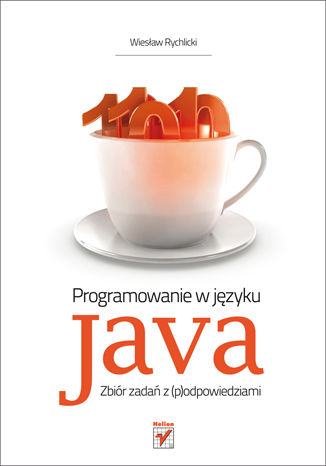
Programowanie w języku Java. Zbiór zadań z (p)odpowiedziami
Wiesław Rychlicki
Poznaj niezawodną Javę! Gdy przegląda się oferty pracy dla programistów, trudno nie natknąć się na słowo "Java". Ten obiektowy, niezależny od platformy język programowania przez niemal dwie dekady swojego istnienia zdążył zapracować na reputację łatwego w użyciu i wydajnego narzędzia do różnych zastosowań, a także zjednać sobie przychylność rzesz profesjonalnych programistów i miłośników technologii informatycznych, traktujących programowanie jako hobby. Za teoretyczną znajomością Javy nie zawsze idzie jednak praktyczna umiejętność korzystania z technik programistycznych stosowanych w tym języku. Właśnie dlatego powstała książka "Programowanie w języku Java. Zbiór zadań z (p)odpowiedziami" . Poprzedzające każdy dział publikacji krótkie, rzeczowe wprowadzenia teoretyczne umożliwi rozpoczęcie przygody z Javą nawet osobom, które nie miały z nią wcześniej żadnego kontaktu, a stanowiące rdzeń książki zadania pozwolą utrwalić wiadomości zarówno początkującym, jak i nieco bardziej zorientowanym użytkownikom tego języka. Całość uzupełniono o odpowiedzi, dzięki którym każdy czytelnik może zweryfikować poprawność rozwiązań, oraz wskazówki dotyczące tego, gdzie należy szukać dodatkowych informacji. Narzędzia przydatne przy programowaniu w języku Java Podstawowe typy logiczne, liczbowe i znakowe oraz sposoby ich używania Zastosowanie odpowiednich klas do przeprowadzania operacji na tekstach Wczytywanie danych od użytkownika i wyświetlanie wyników na ekranie Korzystanie z instrukcji warunkowych i instrukcji pętli Tworzenie i używanie złożonych typów danych Praktyczne wykorzystywanie klas bibliotecznych Obsługa wyjątków, przetwarzanie plików tekstowych i obliczenia statystyczne Skończ z teorią, zacznij tworzyć prawdziwe programy!
Programowanie w języku Kotlin. The Big Nerd Ranch Guide
Josh Skeen, David Greenhalgh
Gdy w 2017 roku na konferencji Google ogłoszono, że Kotlin jest jednym z oficjalnie wspieranych języków programowania aplikacji dla Androida, język ten błyskawicznie stał się popularny. Najpoważniejsze firmy technologiczne doceniają jego zalety, takie jak zwarta składnia i integracja z kodem Javy. Co ważne, twórcy Kotlina czerpali z doświadczeń projektantów Javy i zapewnili, że te dwa języki są ze sobą ściśle powiązane. W ten sposób świeżość rozwiązań i nowoczesne mechanizmy zostały znakomicie połączone z najlepszymi cechami Javy, a Kotlin stał się wszechstronnym wieloplatformowym językiem programowania. Ta książka jest przeznaczona dla programistów, którzy chcą poznać język o możliwościach wykraczających poza Javę i pisać solidne aplikacje dla różnych platform. Pozwala w praktyczny sposób zapoznać się z unikalnymi możliwościami Kotlina i - na podstawie licznych przykładowych projektów - stopniowo zgłębiać złożone zagadnienia. Znakomitym uzupełnieniem prezentowanych treści są informacje o wewnętrznych mechanizmach działania języka wraz z ćwiczeniami do samodzielnego wykonania. Dzięki tej książce nawet początkujący programista szybko zacznie pisać efektywne i solidne aplikacje, które będą służyć użytkownikom różnych platform. W tej książce między innymi: wprowadzenie do Kotlina funkcje w Kotlinie, w tym funkcje anonimowe praca na obiektach: dziedziczenie, klasy, klasy abstrakcyjne programowanie funkcyjne w Kotlinie najciekawsze biblioteki i współdziałanie z Javą Big Nerd Ranch mieści się w Atlancie w USA. Firma została założona w 2001 roku przez Aarona Hillegassa, znakomitego programistę i trenera programowania. Jej misją jest krzewienie wiedzy o rozwijających się technologiach mobilnych. Słynie ze świetnych szkoleń i znakomitych trenerów. Kotlin: najlepsze rozwiązania nie tylko dla Androida!
Programowanie w języku Ruby. Mikrousługi i konteneryzacja
Michał Sobczak
Poznaj Ruby on Rails od praktycznej strony! Odkryj język Ruby i platformę Rails Naucz się testować i uruchamiać swój kod Poznaj zalety mikrousług i konteneryzacji Ruby to nowoczesny, wieloparadygmatowy, interpretowany język programowania. Wraz z platformą Rails stanowi jedno z najpopularniejszych rozwiązań służących do szybkiego tworzenia aplikacji sieciowych; wspiera wiele znanych serwisów dostępnych w internecie. Ruby on Rails od lat utrzymuje się w ścisłej czołówce platform klasy MVC - dzięki rozbudowanym funkcjom, wysokiej wydajności oraz łatwości pisania kodu, a także możliwości stosowania dużej liczby rozszerzeń. Jeśli chcesz się dowiedzieć, jak wykorzystać tę platformę w swoich projektach, jesteś na dobrym tropie! Dzięki tej książce poznasz możliwości i konstrukcje języka Ruby oraz mechanizm działania platformy Rails, a w szczególności interfejs Rack. Dowiesz się, jak zapewniać odpowiednią jakość swoich rozwiązań, nauczysz się je uruchamiać przy użyciu technologii wirtualizacji VMware ESXi oraz konteneryzacji Docker na platformach OpenShift Origin, OKD i Nomad. Prześledziwszy praktyczne przykłady, zdobędziesz wiedzę na temat architektury mikrousług, poznasz też sposoby wykorzystania oprogramowania GitLab w funkcji repozytorium kodu, systemu zgłoszeń, bazy wiedzy i narzędzia CI/CD. Mechanizmy języka Ruby i ich praktyczne zastosowanie Programowanie strukturalne i obiektowe oraz metaprogramowanie Możliwości platformy Rails i ich wykorzystanie w praktyce Zastosowanie interfejsu Rack i szyny usługowej RabbitMQ Zapewnianie jakości aplikacji - teoria i praktyka Uruchamianie aplikacji przy użyciu maszyn wirtualnych i kontenerów Zastosowanie systemów orkiestracji kontenerów Praca z repozytorium kodu oraz ciągła integracja i dostarczanie (CI/CD) Naucz się tworzyć wydajne aplikacje sieciowe z Ruby on Rails!
Programowanie w języku Rust. Wydajność i bezpieczeństwo
Jim Blandy, Jason Orendorff
Programowanie systemowe zwykle nie interesuje twórców aplikacji. Niemniej warunkiem jej poprawnego działania jest właśnie kod systemowy. Programowanie systemowe zapewnia między innymi działanie systemu operacyjnego, sterowników, systemu plików, kodeków, a także zarządzanie pamięcią czy obsługę sieci. Jako że dotyczy wykorzystania zasobów, każdy szczegół, każdy bajt pamięci operacyjnej i każdy cykl procesora ma znaczenie. Rust - wyjątkowe narzędzie, cenione za szybkość, współbieżność i bezpieczeństwo - sprawi, że tworzenie kodu systemowego będzie łatwiejsze. Jednak tym, którzy dotychczas używali C#, Javy czy Pythona, język ten może się wydawać dość trudny do zrozumienia. Ta książka jest znakomitym wprowadzeniem do języka Rust, pozwala też rozeznać się w zasadach programowania systemowego. Pokazuje, w jaki sposób zapewnić w kodzie bezpieczeństwo pamięci i wątków oraz sprawić, aby program był wykonywany szybko i bez błędów. Poszczególne zagadnienia zostały przedstawione jasno i przystępnie, a prezentowane koncepcje - zilustrowane licznymi przykładami kodu. Nie zabrakło również wskazówek ułatwiających bezproblemowe tworzenie wydajnego i bezpiecznego kodu. Książka jest przeznaczona przede wszystkim dla programistów systemowych, jednak przyda się także twórcom aplikacji, którym pozwoli zrozumieć zasady rządzące językiem Rust, a w efekcie tworzyć lepszy i łatwiejszy w utrzymaniu kod. W tej książce między innymi: solidne wprowadzenie do języka Rust podstawowe typy danych, własności i referencje obsługa błędów w języku Rust obsługa wejścia-wyjścia, makra i współbieżność obsługa niebezpiecznego kodu Rust. Programowanie systemowe. Najlepiej zacząć od podstaw!
Programowanie w języku Rust. Wydajność i bezpieczeństwo. Wydanie II
Jim Blandy, Jason Orendorff, Leonora F. S....
Twórcy aplikacji często zapominają o kodzie systemowym, a to dzięki niemu funkcjonują system operacyjny, sterowniki, system plików czy zarządzanie pamięcią. Żadna aplikacja nie będzie działać bez poprawnego kodu systemowego. Język Rust jest dla programistów systemowych wyjątkowym narzędziem, rozwiązującym wiele znanych od dziesięcioleci problemów. Pozwala uniknąć mnóstwa powszechnie popełnianych błędów i tworzyć należytej jakości kod systemowy. Dzięki tej książce zaczniesz kodować w języku Rust. Zrozumiesz też istotę programowania systemowego. Dowiesz się, w jaki sposób zapewnić bezpieczeństwo pamięci i wątków, a także jak sprawić, aby program był wykonywany szybko i bez błędów. Nauczysz się bezpiecznego stosowania operacji współbieżnych i poznasz zasady obsługi błędów. Przekonasz się, w jaki sposób Rust umożliwia kontrolę nad zużyciem pamięci i procesora, dodatkowo otrzymasz mnóstwo wskazówek ułatwiających tworzenie wydajnego i bezpiecznego kodu. Przewodnik jest przeznaczony głównie dla programistów systemowych, na lekturze jednak skorzystają również twórcy aplikacji, którzy dowiedzą się, jak mogą pisać lepszy, efektywniejszy i łatwiejszy w utrzymaniu kod. W książce między innymi: solidne wprowadzenie do języka Rust podstawowe typy danych, a także pojęcia związane z własnością i pożyczaniem obsługa błędów, paczki i moduły zestawy metod i typy generyczne domknięcia, iteratory i programowanie asynchroniczne zaawansowane mechanizmy języka Rust Rust: zadbasz o najwyższą jakość oprogramowania systemowego!
Programowanie w języku Swift. Big Nerd Ranch Guide
Matthew Mathias, John Gallagher
Swift, następca języka Objective-C, pojawił się na rynku w 2014 roku i bardzo szybko zyskuje popularność wśród programistów tworzących aplikacje dla iOS oraz macOS. Charakteryzuje się zwięzłą i przejrzystą składnią, a co więcej, pozwala na korzystanie z nowoczesnych, wysokopoziomowych struktur i cech języka, takich jak typy generyczne czy domknięcia. Jest przy tym wygodny i elastyczny, a jego nauka nie powinna sprawiać problemów nawet tym, którzy dopiero rozpoczynają swoją przygodę z programowaniem. Ta książka jest starannie przygotowanym, praktycznym podręcznikiem efektywnego programowania w języku Swift 3. Wyczerpująco przedstawiono tu zasady posługiwania się środowiskiem programistycznym Xcode 8 i dokumentacją Apple. Dzięki niej zyskasz wiedzę i umiejętności pozwalające na samodzielne rozwiązywanie problemów programistycznych z użyciem języka Swift. Innymi słowy, zaczniesz programować kompletne, efektywne i dojrzałe aplikacje dla platform iOS i macOS. W tej książce: przedstawiono podstawy składni języka Swift omówiono konstrukcje służące do kontroli przepływu działania programu pokazano, jak korzystać z kolekcji, typów wyliczeniowych, struktur i klas zaprezentowano zasady budowania eleganckiego, czytelnego i efektywnego kodu przedstawiono metody projektowania aplikacji opartej na zdarzeniach Swift: wyjątkowe narzędzie do budowy wyjątkowych aplikacji dla Apple! Matt Mathias — jest doktorem socjologii i dyrektorem działu szkoleń w firmie Big Nerd Ranch. Uczy programowania na platformie iOS. Uwielbia jazdę na rowerze, komiksy oraz wszelkiego rodzaju gry. John Gallagher — jest inżynierem oprogramowania i instruktorem w Big Nerd Ranch. Jest znawcą systemów wbudowanych i superkomputerów. Pasjonuje go poznawanie nowych języków programowania. Kiedy nie zajmuje się pracą, spędza czas wolny z żoną i z trzema córkami.
Programowanie w Linuksie. Ćwiczenia
Katarzyna Kuźniar, Kazimierz Lal, Tomasz Rak
Programowanie w Linuksie? To naprawdę proste! Poznaj języki programowania stosowane w systemie Linux Znajdź, zainstaluj i skonfiguruj niezbędne narzędzia programistyczne Naucz się tworzyć, kompilować i testować doskonałe aplikacje użytkowe Systemy należące do rodziny Linux zdobyły ogromną popularność jako stabilne, wydajne, bezpieczne i darmowe środowiska operacyjne zarówno wśród użytkowników prywatnych, jak i wielkich korporacji. Dziś środowiska te można spotkać już niemal wszędzie, a różne dystrybucje walczą o palmę pierwszeństwa i bez kompleksów konkurują z zamkniętymi komercyjnymi systemami, takimi jak MS Windows czy Mac OS X. Wzrostowi popularności Linuksa wśród "zwykłych" użytkowników towarzyszy oczywiście wzrost zapotrzebowania na oprogramowanie użytkowe, ponieważ nikt nie będzie chciał korzystać z systemu operacyjnego, jeśli nie będzie w stanie znaleźć odpowiednich dla siebie narzędzi pracy. Wielu programistów niechętnie odnosi się do tworzenia aplikacji działających pod Linuksem, ponieważ wydaje im się, że brak w nim odpowiednich narzędzi, system stawia im wyższe wymagania, a sam kod pisze się trudniej. Tymczasem Linux obsługuje się podobnie jak inne systemy, a możliwości, jakie proponuje, są naprawdę spore. "Programowanie w Linuksie. Ćwiczenia" to książka, która w praktyczny sposób prezentuje najbardziej popularne języki programowania w tym systemie oraz ich zastosowania. Pomaga też wyposażyć warsztat programisty w bezpłatne narzędzia i właściwie je skonfigurować. Informuje, jak rozpocząć tworzenie aplikacji i rozwinąć swoje umiejętności. Przegląd najpopularniejszych języków programowania w Linuksie Wybór, instalacja oraz konfiguracja narzędzi i środowisk programistycznych Konfiguracja i korzystanie z edytorów kodu oraz kompilatorów Wykrywanie i poprawianie błędów w programach Automatyzacja pracy programisty dzięki użyciu skryptów Tworzenie aplikacji graficznych, systemowych i sieciowych Programowanie wielowątkowe Generowanie i przetwarzanie plików w różnych formatach Odkryj moc drzemiącą w Linuksie! Naucz się w nim programować!
Programowanie w Pythonie dla bystrzaków. Wydanie II
John Paul Mueller
Utworzenie i uruchomienie pierwszej aplikacji Rozwiązywanie problemów i usuwanie błędów Praca z Anacondą i używanie funkcji magicznych Programowanie w Pythonie jest łatwe i sprawia mnóstwo radości! Oferujący potężne możliwości i dynamiczny Python jest używany do tworzenia wielu różnych aplikacji. Został opracowany jako prawdziwie niezależny od platformy - dzięki temu jest doskonałym narzędziem dla początkujących programistów, zwłaszcza tych, którzy chcą szybko poznać nowy język. Zamieszczone w książce polecenia pozwalają w dość krótkim czasie krok po kroku opanować podstawy Pythona. W książce: Pobieranie i instalowanie Pythona Używanie powłoki Jupyter Notebook i jego zastosowanie Używanie różnych typów danych Praca z pakietami
Francesco Esposito
Użyj modeli LLM do budowy lepszych aplikacji biznesowych Autonomicznie komunikuj się z użytkownikami i optymalizuj zadania biznesowe za pomocą aplikacji, których celem jest uczynienie interakcji między ludźmi i komputerami bardziej płynnymi i naturalnymi. Ekspert w dziedzinie sztucznej inteligencji Francesco Esposito przedstawia kilka scenariuszy, dla których efektywny jest model LLM: tworzenie wyrafinowanych rozwiązań biznesowych, zmniejszanie różnicy między ludźmi i maszynami wyposażonymi w oprogramowanie, a także budowanie potężnych silników wnioskowania. Spostrzeżenia dotyczące podpowiadania i programowania konwersacyjnego - z konkretnymi technikami dla wzorców i platform - pozwalają odkryć, w jaki sposób język naturalny może zapewnić nowe, zaawansowane podejście do kodowania. Konkretne kompleksowe demonstracje (wykorzystujące język Python i platformę ASP.NET Core) prezentują wszechstronne wzorce interakcji między istniejącymi procesami, API, danymi i wkładem ludzkim. Ta książka pomoże Ci: Zrozumieć historię dużych modeli językowych i programowania konwersacyjnego Zastosować podpowiadanie jako nowy sposób kodowania Poznać podstawowe techniki podpowiadania i przypadki użycia Zaprojektować zaawansowane podpowiedzi, wliczając w to łączenie modeli LLM z danymi i wywoływanie funkcji w celu budowy silników wnioskowania Użyć w kodzie języka naturalnego do definiowania przepływów pracy i koordynowania istniejących API Opanować zewnętrzne platformy LLM Ocenić obawy związane z bezpieczeństwem, prywatnością i dokładnością sztucznej inteligencji Poznać otoczenie regulacyjne sztucznej inteligencji Zbudować i wdrożyć osobistego asystenta Zastosować wzorzec generowania wzbogacanego wyszukiwaniem informacji (RAG) do formułowania odpowiedzi w oparciu o bazę wiedzy Skonstruować konwersacyjny interfejs użytkownika Dla profesjonalistów IT Dla profesjonalistów, architektów, głównych deweloperów i programistów oprogramowania, a także entuzjastów uczenia się maszyn Dla wszystkich zainteresowanych przetwarzaniem języka naturalnego lub rzeczywistymi zastosowaniami języka podobnego do ludzkiego w oprogramowaniu O autorze Francesco Esposito, uzbrojony w solidną wiedzę matematyczną, jest autorem dwóch książek wydawnictwa Microsoft Press na temat uczenia się maszyn. Obecnie pełni funkcję dyrektora ds. inżynierii i danych w Crionet, firmie dostarczającej innowacyjne rozwiązania dla branży sportowej i medialnej. Założył także Youbiquitous, fabrykę analizy danych i oprogramowania zajmującą się modelami LLM, a także KBMS Data Force, startup skupiający się na terapii cyfrowej i inteligentnej opiece zdrowotnej. Kod źródłowy dostępny na stronie: MicrosoftPressStore.com/ LLMAzureAI/downloads
Programowanie wspomagane sztuczną inteligencją. Lepsze planowanie, kodowanie, testowanie i wdrażanie
Tom Taulli
To już się dzieje! Narzędzia oparte na sztucznej inteligencji wykonują monotonne zadania i zajmują się złożonymi szczegółami kodu. W tym czasie programista może się skupić na rozwiązywaniu problemów i innowacjach. AI w takim tandemie ogrywa rolę zaufanego pomocnika, wyręczającego człowieka w zawiłych lub nużących aspektach kodowania. Efekt? Imponujący wzrost produktywności! Ta praktyczna książka ułatwi Ci optymalne używanie narzędzi AI na wszystkich etapach tworzenia oprogramowania. Niezależnie od Twojego doświadczenia nauczysz się korzystać z szerokiej gamy rozwiązań: od dużych modeli językowych ogólnego przeznaczenia (ChatGPT, Gemini i Claude) po systemy przeznaczone do kodowania (GitHub Copilot, Tabnine, Cursor i Amazon CodeWhisperer). Poznasz również metodykę programowania modułowego, która efektywnie współgra z technikami pisania promptów do generowania kodu. W książce znajdziesz także najlepsze sposoby zastosowania uniwersalnych modeli LLM w nauce języka programowania, wyjaśnianiu kodu lub przekładaniu go na inny język programowania. Najciekawsze zagadnienia: możliwości narzędzi opartych na AI, przeznaczonych do tworzenia kodu zalety i wady popularnych systemów korzystanie z ogólnych modeli językowych podczas kodowania narzędzia oparte na AI w cyklu życia oprogramowania inżynieria promptów podczas tworzenia oprogramowania realizacja żmudnych zadań, takich jak pisanie wyrażeń regularnych Ta książka zaoszczędzi Ci wielu godzin prób i błędów! Jonathan Ellis, współzałożyciel firmy DataStax
Programowanie współbieżne. Systemy czasu rzeczywistego
Paweł Majdzik
Współbieżność to szybkość, efektywność i nowoczesność. Czy Ty też chcesz tak programować? Coraz niższe ceny i powszechna dostępność sprzętu komputerowego o architekturze wieloprocesorowej powodują, że umiejętność projektowania i budowania aplikacji przetwarzających informacje współbieżnie staje się wręcz niezbędna każdemu zawodowemu programiście. W większości współczesnych języków programowania bezpośrednio zaimplementowano metody tworzenia zadań wykonywanych równolegle oraz wysokopoziomowe mechanizmy komunikacji i synchronizacji procesów. Tworzenie efektywnych aplikacji współbieżnych wciąż jednak wymaga dużej, specjalistycznej wiedzy dotyczącej systemów operacyjnych oraz programowania nisko- i wysokopoziomowego, o czym przekonało się wielu studentów kierunków informatycznych i profesjonalnych programistów. Na szczęście teraz wszyscy mogą sięgnąć po książkę "Programowanie współbieżne. Systemy czasu rzeczywistego". Pomoże ona uniknąć wielu typowych błędów związanych z tworzeniem aplikacji współbieżnych i pokaże, jak rozwiązywać problemy specyficzne dla tej dziedziny. Lektura ułatwi też zdobycie praktycznej umiejętności projektowania architektury niezawodnego współbieżnego oprogramowania, a także przybliży wiedzę na temat mechanizmów i metod wykorzystywanych przy tworzeniu systemów równoległych czasu rzeczywistego. Przedstawienie podstawowych pojęć dotyczących programowania współbieżnego Opis metod weryfikacji poprawności programów współbieżnych Definicje i własności mechanizmów synchronizacji oraz komunikacji Przykłady rozwiązań problemów programowania współbieżnego Opis mechanizmów wspierających programowanie systemów czasu rzeczywistego Implementacja metod szeregowania zadań w systemach czasu rzeczywistego Opis metod i mechanizmów języka Ada 2005 umożliwiających implementację programów współbieżnych i systemów czasu rzeczywistego Przyszłość informatyki to przetwarzanie współbieżne. Stać Cię na pozostanie w tyle? Paweł Majdzik - od 1998 roku pracuje jako adiunkt w Instytucie Sterowania i Systemów Informatycznych Uniwersytetu Zielonogórskiego. Jest autorem bądź współautorem ponad trzydziestu opracowań naukowych - książek, artykułów, referatów wydanych w kraju i za granicą, a dotyczących informatyki, w szczególności związanych z analitycznymi metodami modelowania i projektowania systemów współbieżnych.
Programowanie z Minecraftem dla dzieci. Poziom podstawowy
Urszula Wiejak, Karolina Niemira, Adrian Wojciechowski
Przyszli inżynierowie i programiści na start! Programowanie to wspaniała, pełna przygód zabawa. Ty i Twoje dziecko możecie się o tym przekonać dzięki tej wyjątkowej książce. Przedstawione w niej treści zostały opracowane na bazie kilkuletnich doświadczeń zgromadzonych podczas warsztatów programowania dla dzieci i młodzieży w Komputrilo Akademii Komputerowej. Książka jest przeznaczona dla dzieci w wieku 8 lat, ale znakomicie nadaje się również dla dzieci starszych i dorosłych rozpoczynających przygodę informatyczną. Szczególny nacisk położono na przedstawienie trudnych zagadnień w sposób przystępny dla każdego dziecka. Prosty i przyjemny w nauce język programowania Lua Efektywna nauka przez zabawę w świecie Minecrafta Zagadnienia przydatne do zrozumienia różnych języków programowania Rozwój myślenia analitycznego oraz kompetencji cyfrowych Elementy matematyki Rozwiązanie każdego zadania Z nami i Minecraftem nauka programowania to przyjemność!