
Programowanie
Niezależnie czy dopiero rozpoczynacie swoją przygodę z programowaniem, czy jesteście już uznanymi na rynku profesjonalistami, to w kategorii Programowanie na pewno znajdziecie podręczniki, które pomogą Wam w przebiegu pracy, czy też w nauce podstaw programowania.
W książkach z tego działu zawarta jest wiedza zarówno związana z czysto technicznymi sprawami typu składnia języków, ale także z umiejętnościami bardziej "miękkimi" jak obsługa i wykorzystanie pełnych możliwości środowisk programistycznych, czy też projektowanie oprogramowania lub metody numeryczne czy oraz struktury danych.
Elton Stoneman
Kubernetes to system, który uruchamia aplikacje w kontenerach i nimi zarządza. Jest obsługiwany przez wszystkie ważne platformy chmurowe i znakomicie się sprawdza jako centrum danych. Został zbudowany w 2014 roku przez Google i do teraz prężnie się rozwija. Słynie ze skalowalności, z elastyczności, wszechstronności i potężnego zestawu funkcjonalności. Biegłość w posługiwaniu się Kubernetesem jest dziś receptą na sukces. Aby ją zdobyć, musisz zainwestować trochę zaangażowania i nieco ponad 20 godzin. Resztę znajdziesz w tej książce. Oto znakomity przewodnik po Kubernetesie. Dzięki niemu w ciągu 22 godzinnych lekcji poznasz najważniejsze możliwości Kubernetesa. Od początku będziesz się koncentrować na praktyce: dzięki codziennym ćwiczeniom, przykładom i laboratoriom zdobędziesz biegłość w używaniu najlepszych narzędzi Kubernetesa zgodnie ze sprawdzonymi praktykami. Dowiesz się, jak definiować aplikacje w manifestach YAML, nauczysz się konfigurować ruch sieciowy i uruchamiać zadania wsadowe. Płynnie przejdziesz do pracy w środowisku produkcyjnym i zapewnisz aplikacji wysoki poziom bezpieczeństwa. Zapoznasz się też z zagadnieniami zaawansowanymi, takimi jak skalowanie aplikacji w górę i w dół, kontrola dostępu oparta na rolach, a także używanie Kubernetesa jako platformy dla funkcji bezserwerowych i jako klastra wieloarchitekturowego. Najciekawsze zagadnienia ujęte w książce: cykl życia aplikacji Kubernetesa bezpieczeństwo w Kubernetesie wdrażanie aplikacji w klastrach Kubernetes tworzenie aplikacji skalowalnych i odpornych na błędy Kubernetes jako platforma dla nowych technologii Kubernetes: wystarczą Ci 22 godziny!
Nauka programowania dla początkujących: podejście graficzne
Diana Domańska, Krzysztof Gdawiec
„Niniejsza książka jest łagodnym wprowadzeniem w świat programowania. Okazuje się, że nie musimy być geniuszami komputerowymi, aby nauczyć się programować. Większość ludzi ma ograniczone pojęcie o budowie i działaniu samochodu czy motocykla, ale nie powstrzymuje ich to przed tym, aby zasiąść za kółkiem i jechać. Nie musimy znać od podstaw budowy i zasad działania komputerów, aby móc ich używać. Podobnie jest z programowaniem. W dzisiejszych czasach mamy do dyspozycji wiele różnych języków programowania. Naukę możemy zacząć od każdego z nich, ale w przypadku jednych języków będzie to proces prostszy, a w przypadku innych – trudniejszy. Jak mówi chińskie przysłowie: „Jeden obraz wart więcej niż tysiąc słów” – dlatego do nauki programowania wykorzystamy język, który nastawiony jest na tworzenie obrazów. Tym językiem jest Processing. Jest on dialektem języka Java, najpopularniejszego języka programowania (październik 2016) według rankingu TIOBE1. Został zaprojektowany z myślą o artystach, dzięki czemu jest bardzo prosty do nauki. Najlepszym sposobem nauki programowania jest pisanie, pisanie i jeszcze raz pisanie programów. Samo przeczytanie książki nie sprawi, drogi Czytelniku, że posiądziesz umiejętność programowania. Dlatego w trakcie lektury powinieneś przepisywać przykładowe programy, modyfikować je oraz używać ich jako zachęty do pisania własnych programów. Jeśli postąpisz według tych rad, to po przeczytaniu tej książki z pewnością będziesz wiedzieć wiele o procesie programowania. Co prawda po ukończeniu lektury nie będziesz guru programowania, ale nauczysz się podstaw programowania komputerów i posiądziesz wiedzę, która umożliwi Ci pójście różnymi ścieżkami. Może nawet w przyszłości zostaniesz zawodowym programistą, czego Ci życzymy. Książka została przewidziana dla osób, które nigdy wcześniej nie miały styczności z programowaniem. Z tego powodu wiele pojęć jest omawianych w bardzo szczegółowy sposób. Osobom, które już mają doświadczenie w programowaniu, może się to wydać nudne, ale i dla nich znajdzie się coś w tej książce: będą miały okazję zaznajomić się z podstawami języka Processing. Od Czytelnika nie wymagamy znajomości żadnych zaawansowanych narzędzi. Jedynymi wymaganiami są znajomość elementów szkolnej matematyki i chęć nauczenia się programowania. Pomimo że nauka programowania w książce odbywa się w języku Processing, to nabyta wiedza pozwoli na łatwe przejście do nauki programowania w innych językach, takich jak C, C++, C# czy Java”. (– ze Wstępu)
Nauka programowania opartego na testach. Jak pisać przejrzysty kod w kilku językach programowania
Saleem Siddiqui
Od oprogramowania wymaga się solidności i poprawności, a równocześnie oczekuje wydajnego działania i skalowalności. Jako programista odpowiadasz za zapewnienie aplikacjom tych właśnie cech. Niezależnie od tego, jakiego języka programowania używasz, praca zgodnie z paradygmatem TDD umożliwi Ci otrzymanie testowalnego kodu o wysokiej jakości. Choć te korzyści przeważają nad niedogodnościami podejścia TDD, wielu programistów narzeka na czasochłonność, pracochłonność i sprawiającą problemy implementację programowania opartego na testach. To przewodnik dla programistów, którzy chcą stosować podejście TDD w swojej codziennej praktyce. Pokazuje, jak korzystać z programowania sterowanego testami podczas pracy w trzech różnych językach: Go, JavaScripcie i Pythonie. Dzięki tej książce zrozumiesz, w jaki sposób zastosować klasyczny paradygmat "dziel i zwyciężaj" do budowania testów jednostkowych i w efekcie radzić sobie nawet z bardzo rozbudowaną architekturą oprogramowania. Liczne przykłady o stopniowo rosnącym poziomie zaawansowania pozwolą Ci płynnie nabierać wprawy i pewności w tworzeniu testów jednostkowych, a także ich używaniu. Szybko się przekonasz, że wprowadzenie TDD do codziennej praktyki kodowania jest bardzo opłacalną decyzją: kod będzie czysty, zrozumiały, elegancki i prosty w utrzymaniu! W książce między innymi: działanie TDD w różnych językach, frameworkach testowych i koncepcjach domenowych TDD a ciągła integracja konfiguracja środowiska ciągłej integracji refaktoryzacja i przeprojektowywanie przy użyciu TDD testy jednostkowe w JavaScripcie jak TDD ułatwia pisanie czystego kodu w Go, JavaScripcie i Pythonie TDD: napisz kod, któremu można zaufać!
Nauka programowania. Rusz głową!
Eric Freeman
Przewodnik po kodowaniu i myśleniu komputacyjnym Programista to bardzo szczególny typ specjalisty. Jeśli uważasz, że myśli w inny sposób niż tak zwani normalni ludzie, to masz rację. Dobra wiadomość jest taka, że i Ty możesz się nauczyć myślenia komputacyjnego - umiejętności, która się przydaje niezależnie od charakteru rozwiązywanego problemu, środowiska czy języka programowania. Tylko w ten sposób można od początku nauki programowania pisać przejrzysty, uporządkowany, znakomity kod, zgodny z najlepszymi praktykami wypracowanymi przez mistrzów. Innymi słowy: pracować jak profesjonalny programista. Ta książka jest niezwykłym podręcznikiem programowania. Być może wygląda nieco dziwacznie, ale prędko się przekonasz, że to podręcznik jest wyjątkowo skuteczny: w końcu jego formuła została opracowana na podstawie najlepszych osiągnięć neurologii i kognitywistyki. W ten sposób Twój mózg się zaangażuje i błyskawicznie przyswoi sobie zasady programowania w Pythonie. Autor wykorzystał oczywistą prawdę, że najszybciej uczymy się wtedy, gdy uwzględnimy specyfikę działania własnego mózgu! Najpierw więc się zainteresujesz, potem zaangażujesz, wreszcie przygotujesz sobie warsztat pracy, czyli zainstalujesz Pythona. Później zaczniesz ćwiczyć myślenie komputacyjne i oczywiście napiszesz swój pierwszy program. A dalej będzie coraz ciekawiej... W tej książce między innymi: Istotne koncepcje programistyczne Zasady programowania w Pythonie Funkcje i rekurencja Programowanie obiektowe Tworzenie API dla aplikacji internetowych Widgety i zdarzenia Neurony płoną. Emocje szaleją. Tak napiszesz kod godny mistrza!
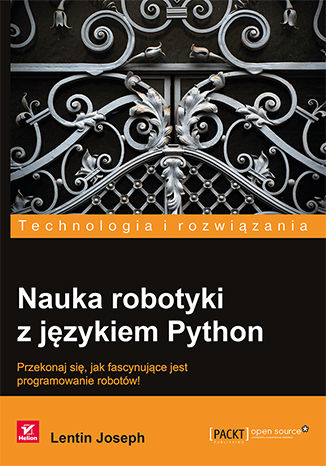
Nauka robotyki z językiem Python
Lentin Joseph
Roboty wkraczają do różnych dziedzin naszego życia, więc robotyka nabiera coraz większego znaczenia. Nauka o robotach, ich budowaniu i programowaniu jest dość złożoną, ale fascynującą dziedziną. Jej opanowanie wymaga wysiłku, jednak aby zaprojektować łatwy do wykorzystania interfejs, wystarczy posłużyć się kilkoma programami narzędziowymi oraz językiem Python. W ten sposób można zaprojektować zachowania robota, określić, w jaki sposób będzie zmierzał do celu, reagował na sygnały otaczającego świata, czy sprawić, by oczekiwał na instrukcje. Dzięki tej książce można się nauczyć, jak z wykorzystaniem języka Python oraz kilku popularnych frameworków stosowanych w robotyce, takich jak system ROS, budować autonomiczne roboty mobilne. Omówiono w niej również inne frameworki programistyczne, w tym również te dla Pythona. Aby równocześnie pokazać praktyczne wykorzystanie przedstawianego materiału, omówiono krok po kroku proces budowania robota-służącego ChefBot, który na przykład może podawać posiłki w domu, hotelu czy restauracji. W tej książce przedstawiono: zwięzłe podstawy robotyki i zasady projektowania oprogramowania robotów, aspekty projektowania CAD 2D i 3D z wykorzystaniem programów LibreCAD i Blender, budowanie modeli 3D z wykorzystaniem API Blender dla Pythona, zagadnienia sprzętowej warstwy projektowania robota, zasady obsługi sensorów robotów, w tym programowanie sensorów wizji, obsługę rozpoznawania mowy i syntezę mowy z wykorzystaniem Pythona i ROS, implementację sztucznej inteligencji za pomocą Pythona, zagadnienie testowania i kalibrowania robota. Przekonaj się, jak fascynujące jest programowanie robotów! Lentin Joseph — inżynier elektroniki, entuzjasta robotyki i ekspert w dziedzinie systemów wbudowanych. Szczególnie interesuje się robotyką, przetwarzaniem obrazu i zastosowaniem języka Python w programowaniu robotów. Jest również znawcą wielu platform oprogramowania robotów, takich jak system ROS (ang. Robot Operating system), V-REP i Actin. Biegle posługuje się bibliotekami przetwarzania obrazu, w tym OpenCV, OpenNI i PCL. Specjalizuje się również w dziedzinie projektowania 3D i programowania systemów wbudowanych na platformach Arduino i Launchpad Stellaris. Jest właścicielem firmy Qbotics Labs zajmującej się rozwijaniem robotyki i jej zastosowaniami w wielu dziedzinach.

Neha Shrivastava, Rishabh Verma
With the rise in the number of tools and technologies available today, developers and architects are always exploring ways to create better and smarter solutions. Before, the differences between target platforms was a major roadblock, but that's not the case now. .NET Core 2.0 By Example will take you on an exciting journey to building better software.This book provides fresh and relevant content to .NET Core 2.0 in a succinct format that’s enjoyable to read. It also delivers concepts, along with the implications, design decisions, and potential pitfalls you might face when targeting Linux and Windows systems, in a logical and simple way.With the .NET framework at its center, the book comprises of five varied projects: a multiplayer Tic-tac-toe game; a real-time chat application, Let'sChat; a chatbot; a microservice-based buying-selling application; and a movie booking application. You will start each chapter with a high-level overview of the content, followed by the above example applications described in detail. By the end of each chapter, you will not only be proficient with the concepts, but you’ll also have created a tangible component in the application.By the end of the book, you will have built five solid projects using all the tools and support provided by the .NET Core 2.0 framework.
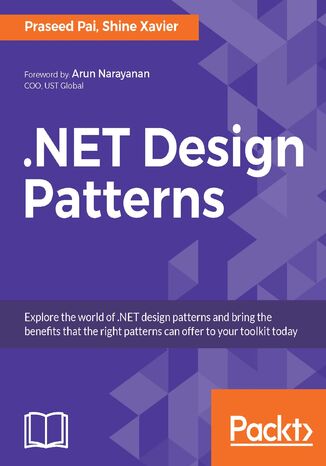
Praseed Pai, Shine Xavier
Knowing about design patterns enables developers to improve their code base, promoting code reuse and making their design more robust.This book focuses on the practical aspects of programming in .NET. You will learn about some of the relevant design patterns (and their application) that are most widely used. We start with classic object-oriented programming (OOP) techniques, evaluate parallel programming and concurrency models, enhance implementations by mixing OOP and functional programming, and finally to the reactive programming model where functional programming and OOP are used in synergy to write better code. Throughout this book, we’ll show you how to deal with architecture/design techniques, GoF patterns, relevant patterns from other catalogs, functional programming, and reactive programming techniques. After reading this book, you will be able to convincingly leverage these design patterns (factory pattern, builder pattern, prototype pattern, adapter pattern, facade pattern, decorator pattern, observer pattern and so on) for your programs. You will also be able to write fluid functional code in .NET that would leverage concurrency and parallelism!
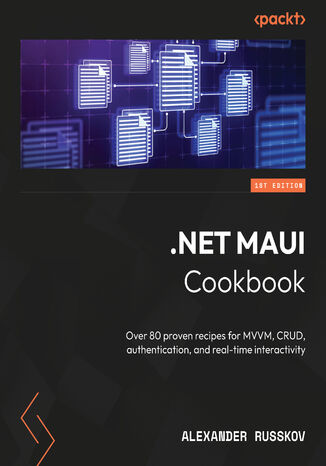
Alexander Russkov
Think about how much time you usually spend building an app in a technology you're still mastering—grasping new concepts, navigating roadblocks, and even rewriting entire modules as you learn. This book saves you that time, helping you create a modern .NET MAUI application like a pro.The chapters address a wide range of tasks and concepts essential for real-world apps, including UI best practices and advanced tips, MVVM, dependency injection, performance, and memory profiling. Since real-world applications often go beyond frontend development, this book also explores integration with backend services for authentication, data processing, synchronization, and real-time updates. Additionally, you’ll learn to implement multiple AI integration strategies, all without any prior machine learning experience.Mastery comes with practice, so the book is organized with step-by-step recipes, each tackling a specific task. Each recipe includes detailed explanations to help you apply what you're learning to your own unique projects.By the end of this book, you'll have developed the skills to build high-performance, interactive cross-platform applications with .NET MAUI, saving valuable time on your future projects.