
Programowanie
Niezależnie czy dopiero rozpoczynacie swoją przygodę z programowaniem, czy jesteście już uznanymi na rynku profesjonalistami, to w kategorii Programowanie na pewno znajdziecie podręczniki, które pomogą Wam w przebiegu pracy, czy też w nauce podstaw programowania.
W książkach z tego działu zawarta jest wiedza zarówno związana z czysto technicznymi sprawami typu składnia języków, ale także z umiejętnościami bardziej "miękkimi" jak obsługa i wykorzystanie pełnych możliwości środowisk programistycznych, czy też projektowanie oprogramowania lub metody numeryczne czy oraz struktury danych.

Czysty Agile. Powrót do podstaw
Robert C. Martin
W lutym 2001 roku grupa kilkunastu pasjonatów programowania zebrała się w Snowbird w stanie Utah, aby podyskutować na temat efektywności tworzenia oprogramowania i określić nowe zasady pracy. Nie był to cel łatwy do osiągnięcia. Siedemnaście osób o całkowicie różnych doświadczeniach i przekonaniach raczej rzadko wypracowuje wspólne stanowisko. A jednak w tym przypadku tak się stało i powstał Manifest Agile. Właśnie wtedy narodziła się jedna z najważniejszych idei w świecie oprogramowania, która stopniowo zyskiwała zwolenników również poza światem programistów. Zwiększająca się popularność Agile sprawiła, że wielu starało się upiększać, rozmywać czy modyfikować jego koncepcje. Powoli dookoła Agile nagromadziły się nieporozumienia. Ta książka jest bardzo potrzebnym powrotem do podstaw Agile. Przyda się nowemu pokoleniu programistów, nieprogramistów i osób, które kierują zespołami. Znalazł się tu jednoznaczny opis sedna Agile jako prostej i spójnej koncepcji zwinnego zarządzania małym projektem w niewielkim zespole. To bardzo ważny aspekt Agile, gdyż wielkie projekty składają się z szeregu małych projektów. Pokazano tu, jak zaimplementować metodyki Agile w poprawny, czysty sposób. Zaprezentowano kluczowe koncepcje w ich pierwotnej formie. Wyjaśniono zasady poszczególnych praktyk. Przy tym wszystkim książka jest szczerą, osobistą opowieścią o historii Agile i jego fundamentalnej idei. W tej książce między innymi: czym jest Agile i jaka jest jego istota właściwe stosowanie metodyki Scrum najważniejsze praktyki biznesowe Agile najważniejsze praktyki techniczne Agile wartości i rzemieślnictwo a praca zwinnych zespołów Agile: ponadczasowa idea zwinnego rozwoju projektu!
Czysty kod. Podręcznik dobrego programisty
Robert C. Martin
Poznaj najlepsze metody tworzenia doskonałego kodu Jak pisać dobry kod, a zły przekształcić w dobry? Jak formatować kod, aby osiągnąć maksymalną czytelność? Jak implementować pełną obsługę błędów bez zaśmiecania logiki kodu? O tym, ile problemów sprawia niedbale napisany kod, wie każdy programista. Nie wszyscy jednak wiedzą, jak napisać ten świetny, "czysty" kod i czym właściwie powinien się on charakteryzować. Co więcej - jak odróżnić dobry kod od złego? Odpowiedź na te pytania oraz sposoby tworzenia czystego, czytelnego kodu znajdziesz właśnie w tej książce. Podręcznik jest obowiązkową pozycją dla każdego, kto chce poznać techniki rzetelnego i efektywnego programowania. W książce Czysty kod. Podręcznik dobrego programisty szczegółowo omówione zostały zasady, wzorce i najlepsze praktyki pisania czystego kodu. Podręcznik zawiera także kilka analiz przypadków o coraz większej złożoności, z których każda jest doskonałym ćwiczeniem porządkowania zanieczyszczonego bądź nieudanego kodu. Z tego podręcznika dowiesz się m.in., jak tworzyć dobre nazwy, obiekty i funkcje, a także jak tworzyć testy jednostkowe i korzystać z programowania sterowanego testami. Nauczysz się przekształcać kod zawierający problemy w taki, który jest solidny i efektywny. Nazwy klas i metod Funkcje i listy argumentów Rozdzielanie poleceń i zapytań Stosowanie wyjątków Komentarze Formatowanie Obiekty i struktury danych Obsługa błędów Testy jednostkowe Klasy i systemy Współbieżność Oczyszczanie kodu Niech stworzony przez Ciebie kod imponuje czystością!
Czysty kod. Receptury. Przepisy na poprawienie struktury i jakości Twojego kodu
Maximiliano Contieri
Funkcjonalność oprogramowania nieustannie się poszerza, a nowoczesny kod jest coraz częściej generowany przez narzędzia oparte na sztucznej inteligencji. W tych warunkach czystość kodu staje się niezwykle ważna. Niezależnie od tego, czy pracujesz na oprogramowaniu zastrzeżonym, czy otwartym, czysty kod jest najlepszym sposobem na to, aby zachować świeżość projektów i ich gotowość do rozwoju. Oto książka wsparta głęboką teorią i wieloma praktycznymi przykładami pisania czystego kodu! Daniel Moka, inżynier oprogramowania, Moka IT Receptury zawarte w tym zbiorze pozwalają nie tylko zrozumieć koncepcję czystego kodu, ale również poznać zasady identyfikacji kodu wymagającego poprawy i oceny wpływu refaktoryzacji na kod produkcyjny. Poza recepturami opisano tu potrzebne narzędzia i przedstawiono wskazówki dotyczące technik zmieniania kodu ― wraz z licznymi przykładami. Omówiono ponadto różne praktyki, heurystyki i reguły projektowania oprogramowania w sposób zapewniający jego niezawodność, łatwość testowania, bezpieczeństwo i skalowalność. Docenisz, że przykłady kodu zostały przedstawione w kilku nowoczesnych językach programowania. Dzięki temu receptury zawarte w tym przewodniku są przydatne niezależnie od używanego języka. W książce: znaczenie czystego kodu i identyfikacja możliwości jego poprawy techniki refaktoryzacji zestaw przykładów w kilku współczesnych językach programowania brzydkie zapachy kodu, ich konsekwencje i potencjalne rozwiązania techniki pisania prostego, czytelnego kodu W tej książce doskonale uchwycono głęboką wiedzę o tworzeniu oprogramowania! Alex Bunardzic, deweloper i instruktor
Czysty kod w C#. Techniki refaktoryzacji i najlepsze praktyki
Jason Alls
Język C# cechują dojrzałość, prostota i nowoczesność. Służy on do wielu celów: do tworzenia aplikacji sieciowych, aplikacji działających w chmurze, oprogramowania dla urządzeń mobilnych i internetu rzeczy. Choć pozwala na pisanie kodu bezpiecznego, przejrzystego, wydajnego i prostego w konserwacji, zdarzają się przypadki, gdy jest on tak fatalnej jakości, że uzyskanie właściwej skalowalności i wydajności oprogramowania staje się niemożliwe. W takim wypadku trzeba zidentyfikować i rozwiązać problemy występujące w kodzie. Nie jest to łatwe zadanie. Dzięki tej książce zrozumiesz znaczenie standardów kodowania, zasad i metodologii. Dowiesz się, czemu służą przeglądy kodu oraz jak przyczyniają się do jego poprawiania oraz zapewnienia zgodności z uznanymi standardami. Opisano tu także testy jednostkowe, zagadnienia związane z techniką TDD oraz rozwiązywaniem zadań przekrojowych. Zaprezentowano dobre praktyki programowania obiektów, struktur danych, obsługiwania wyjątków oraz innych aspektów pisania programów w języku C#. Poszczególne zagadnienia zilustrowano licznymi przykładami działającego kodu C# oraz wyczerpującymi wyjaśnieniami w postaci procedur krok po kroku. W książce między innymi: dobre praktyki pisania kodu w C# implementacja metodologii fail-pass-refactor dla kodu w C# wzorce projektowe i ich stosowanie rozpoznawanie kodu złej jakości zabezpieczanie interfejsów API i usługa Azure Key Vault wykorzystywanie narzędzi do profilowania i refaktoryzacji C#. Sekret sukcesu tkwi w czystym i najbardziej przejrzystym kodzie
Czysty kod w C++17. Oprogramowanie łatwe w utrzymaniu
Stephan Roth
Wzorce i najlepsze praktyki rozwoju łatwego w utrzymaniu oprogramowania w C++17 Język C++ jest wszechstronnym, potężnym językiem programowania, który ma bardzo różne zastosowania. To klasyczne, wciąż udoskonalane i unowocześniane narzędzie. Problemem jednak jest to, że programiści piszący w C++ dość często mają złe nawyki. Nie przestrzegają zasad manifestu Software Craftsmanship, stosują okropną składnię, całkowicie ignorują podstawowe reguły prawidłowego projektowania i pisania oprogramowania, a tworzony przez nich kod, choć często wydajny i szybki, bywa niemal niemożliwy w utrzymaniu. Jeśli chcesz, aby Twój kod C++ stał się optymalny i zyskał wyższą jakość, powinieneś uważnie przestudiować tę książkę. Pisanie dobrego kodu oznacza przyjemniejszą i wydajniejszą pracę. Niezależnie od tego, czy dopiero zaczynasz przygodę z C++, czy jesteś doświadczonym deweloperem, znajdziesz w tej publikacji cenne i przydatne informacje dotyczące zasad pisania kodu. Akronimy KISS, YAGNI czy DRY zyskają dla Ciebie nowe znaczenie! Otrzymasz też mnóstwo przydatnych wskazówek odnoszących się do pisania funkcji, prowadzenia testów, obsługi wyjątków i błędów, a nawet umieszczania komentarzy w kodzie. Na licznych przykładach pokazano, jak pisać zrozumiały, elastyczny, łatwy w konserwacji i wydajny kod w C++. W książce między innymi: Solidne wyjaśnienie zasad pisania czystego kodu w C++ Programowanie funkcyjne i obiektowe Wskazówki dotyczące programowania sterowanego testami (Test Driven Development) Wzorce projektowe i idiomy z C++ Praktyczne wykorzystanie wzorców projektowych podczas programowania Czysty kod C++17: elegancja, prostota i moc.
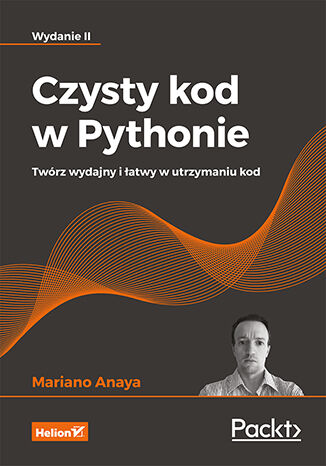
Czysty kod w Pythonie. Twórz wydajny i łatwy w utrzymaniu kod. Wydanie II
Mariano Anaya
Popularność Pythona, ulubionego języka programistów i naukowców, stale rośnie. Jest on bowiem łatwy do nauczenia się: nawet początkujący programista może napisać działający kod. W efekcie, mimo że Python pozwala na pisanie kodu przejrzystego i prostego w konserwacji, zdarzają się przypadki kodu źle zorganizowanego, nieczytelnego i praktycznie nietestowalnego. Jedną z przyczyn tego stanu rzeczy jest tendencja niektórych programistów do pisania kodu bez czytelnej struktury. Zidentyfikowanie takich problemów i ich rozwiązywanie nie jest łatwym zadaniem. Dzięki tej książce nauczysz się korzystać z kilku narzędzi służących do zarządzania projektami napisanymi w Pythonie. Dowiesz się, czym się charakteryzuje czysty kod i jakie techniki umożliwiają tworzenie czytelnego i wydajnego kodu. Przekonasz się, że do tego celu wystarczą standardowa biblioteka Pythona i zestaw najlepszych praktyk programistycznych. Opisano tu szczegóły programowania obiektowego w Pythonie wraz z zastosowaniem deskryptorów i generatorów. Zaprezentowano również zasady testowania oprogramowania i sposoby rozwiązywania problemów poprzez implementację wzorców projektowych w kodzie. Pokazano też, jak można podzielić monolityczną aplikację na mikrousługi, by otrzymać solidną architekturę aplikacji. W książce między innymi: konfiguracja wydajnego środowiska programistycznego tworzenie zaawansowanych projektów obiektowych techniki eliminacji zdublowanego kodu i tworzenie rozbudowanych abstrakcji zastosowanie dekoratorów i deskryptorów skuteczna refaktoryzacja kodu budowa solidnej architektury opartej na czystym kodzie Pythona Czysty kod w Pythonie. Tylko taki warto pisać!
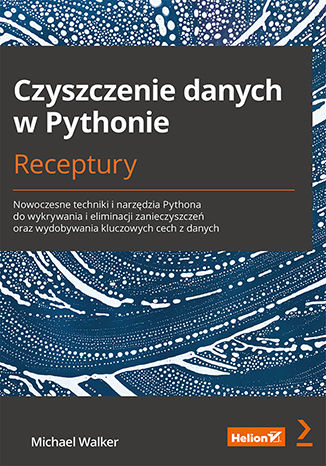
Michael Walker
Przetwarzanie dużych ilości danych daje wiedzę, która leży u podstaw istotnych decyzji podejmowanych przez organizację. Pozwala to na uzyskiwanie znakomitych efektów: techniki wydobywania wiedzy z danych stają się coraz bardziej wyrafinowane. Podstawowym warunkiem sukcesu jest uzyskanie odpowiedniej jakości danych. Wykorzystanie niespójnych i niepełnych informacji prowadzi do podejmowania błędnych decyzji. Konsekwencją mogą być straty finansowe, stwarzanie konkretnych zagrożeń czy uszczerbek na wizerunku. A zatem oczyszczanie jest wyjątkowo ważną częścią analizy danych. Ta książka jest praktycznym zbiorem gotowych do użycia receptur, podanych tak, aby maksymalnie ułatwić proces przygotowania danych do analizy. Omówiono tu takie kwestie dotyczące danych jak importowanie, ocena ich jakości, uzupełnianie braków, porządkowanie i agregacja, a także przekształcanie. Poza zwięzłym omówieniem tych zadań zaprezentowano najskuteczniejsze techniki ich wykonywania za pomocą różnych narzędzi: Pandas, NumPy, Matplotlib czy SciPy. W ramach każdej receptury wyjaśniono skutki podjętych działań. Cennym uzupełnieniem jest zestaw funkcji i klas zdefiniowanych przez użytkownika, które służą do automatyzacji oczyszczania danych. Umożliwiają one też dostrojenie procesu do konkretnych potrzeb. W książce znajdziesz receptury, dzięki którym: wczytasz i przeanalizujesz dane z różnych źródeł uporządkujesz dane, poprawisz ich błędy i uzupełnisz braki efektywnie skorzystasz z bibliotek Pythona zastosujesz wizualizacje do analizy danych napiszesz własne funkcje i klasy do automatyzacji procesu oczyszczania danych Prawdziwą wartość mają tylko oczyszczone i spójne dane!
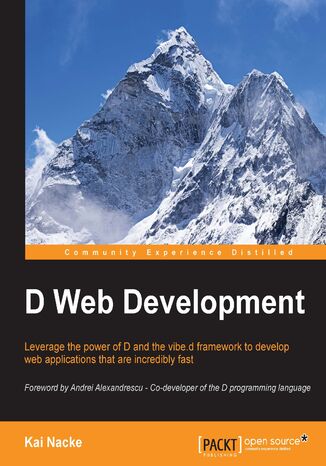
Kai Nacke
D is a programming language with C-like syntax and static typing. The vibe.d framework builds on powerful D concepts like template meta-programming and compile-time function execution to provide an easy-to-use environment for web applications. The combination of a feature-rich web programming framework with a language compiling to native code solves two common issues in web development today: it accelerates your development and it results in fast, native web applications. Learning the vibe.d framework before you start your application will help you to choose the right features to reach your goal.This book guides you through all aspects of web development with D and the vibe.d framework.Covering the popular operating systems today, this guide starts with the setup of your development system. From the first Hello World-style application you will move on to building static web pages with templates. The concise treatment of web forms will give you all the details about form handling and web security. Using the abstractions of the web framework you will learn how to easily validate user input. Next, you will add database access to your application, providing persistent storage for your data. Building on this foundation, you will expose your component and integrate other components via REST. Learning about the internals of vibe.d you will be able to use low-level techniques such as raw TCP access. The vibe.d concepts can also be used for GUI clients, which is the next topic that you will learn. vibe.d is supported by an active community, which adds new functionality. This comprehensive guide concludes with an overview of the most useful vibe.d extensions and where to find them. It also shows you how to integrate these extensions in your application.The concepts are always illustrated with source code, giving you an insight into how to apply them in your application.