Przygodowa
Beata Ostrowicka
Koniec roku szkolnego już blisko. Wszystko wskazuje na to, że lato będzie całkiem zwyczajne. Piątka przyjaciół zamierza spędzić wakacje w swoim miasteczku. Czy nudne łowienie ryb w pobliskiej rzece może być początkiem fantastycznych wydarzeń? Bohaterowie przeżywają niesamowite przygody, odbywają przedziwne podróże w czasie i przestrzeni, są świadkami niecodziennych wypadków, poznają tajemnice sprzed wieków...
Ford Madox Hueffer
Despite his intellectual brilliance, successful career, and sizeable inheritance, Christopher Tietjens is a largely unhappy man. Tortured by his wifes open infidelity, caught up in his own heated affair, Tietjens attempts to put his past behind him by volunteering to fight for his country. Tragic and emotionally piercing, No More Parades by Ford Madox Ford, is a story of romance, war and betrayal that proves a brilliant sequel to Some Do Not.
Emerson Hough
North of 36 is another magnificent novel by the author of The Covered Wagon. This is just a good old-fashioned western about the first cattle drive from Texas to Abilene. Emerson Hough (1857-1923) was an American author best known for writing western stories and historical novels. Houghs literary career grew out of his taking camping trips and writing about them for publication. His body of work eventually included 27 novels and hundreds of short stories and articles. Houghs early works included The Singing Mouse Stories, for children, and the nonfiction The Story of the Cowboy. He had his first major success in 1902 with his novel The Mississippi Bubble, which became a bestseller. Several of his works were adapted for film, including North of 36 which was first published in 1923.
Rex Beach
Rex Beach is an American writer, playwright, and Olympic water polo champion. Big George was drinking and the little Arctic mining camp was paralyzed. He was central to the North Club.
Nostromo. A Tale of the Seaboard
Joseph Conrad
Set in the fictional South American country of Costaguana, this story of revolution, deception, and self-betrayal centers on Nostromo, a handsome Italian sailor, who, like Costaguana, is being consumed by secret guilt and corruption. The story begins halfway through the revolution, employing flashbacks and glimpses of the future to depict the lure of silver and its effects on men corrupting and destroying some, revealing the strengths of others.Nostromo is considered by many to be Conrads greatest novel. The ambiguous nature of good and evil, the importance of duty, common themes in all of Conrads novels, get an epic treatment in Nostromo. Published in 1904, the book has the feel of a modern novel. Its a book about revolutions, money, and character, told through different voices, different eyes.
Joseph Conrad
Akcja Nostromo. Opowieści z wybrzeża rozgrywa się w II poł. XIX wieku w portowym mieście Sulaco w fikcyjnym latynoskim państwie. Josepha Conrada, autora takich uznanych powieści jak Jądro ciemności czy Lord Jim, zainspirowały własne doświadczenia z podróży do Ameryki Środkowej i Południowej, a także oderwanie się w 1903 roku Panamy od Kolumbii. Książka zawiera obszerną galerię postaci o pogłębionych portretach psychologicznych, uwikłanych w polityczne wydarzenia Costaguany. Nielinearna narracja skupia się na przeżyciach młodego marynarza Nostromo, przeplatają ją retrospekcje przywołujące innych bohaterów i zapowiadające przyszłe wydarzenia.
Joseph Conrad
This book is a collection of some of Konrads reviews and writings. The collection is divided into two parts, primarily the sections Letters, its reviews. The second section is called Life, but this is only true in a limited sense. It contains Conrads views on some of the pressing political issues of the day. They range from the Russo-Japanese War and the question of the independence of Poland to the death of the Titanic.
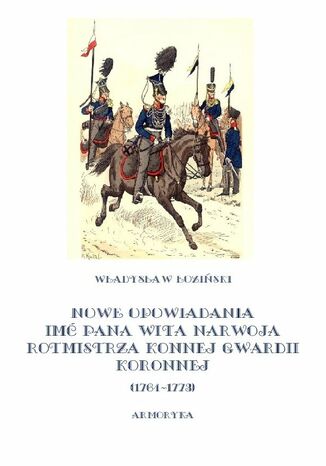
Nowe opowiadania imć pana Wita Narwoja rotmistrza konnej gwardii koronnej 1764-1773
Władysław Łoziński
Opowieści pana Wita Najrwoja przenoszą nas w czasy schyłku osiemnastego stulecia. Są to trzymające w napięciu powieści o pruskich werbownikach, wojnach, podjazdach, pojedynkach, złoczyńcach, szlachciurach, ale też o alchemikach, zbójcach, rycerzach i pięknych kobietach na tle dziejów chylącej się ku upadkowi Rzeczpospolitej. Władysław Łoziński, pseudonimy Wojtek ze Smolnicy, Władysław Lubicz (ur. 29 maja 1843 w Oparach pod Samborem, zm. 20 maja 1914 we Lwowie) - polski powieściopisarz i historyk, badacz przeszłości kultury polskiej, sekretarz Ossolineum, kolekcjoner dzieł sztuki.