
Popularnonaukowe i akademickie
Kategoria "Popularnonaukowe i akademickie" w księgarni Ebookpoint.pl to skarbnica wiedzy dla wszystkich, którzy pragną poszerzać swoje horyzonty i zgłębiać tajemnice świata. Znajdziesz tutaj publikacje z różnych dziedzin nauki, od psychologii i tajemnic ludzkiego umysłu, przez ekonomię, matematykę, aż po kosmologię i zagadnienia Wszechświata. Starannie dobrane ebooki, audiobooki i książki, które w przystępny sposób tlumaczą zachodzące w świecie procesy - nie musisz być związany ze światem nauki, by zrozumieć treść publikowanych tu książek.
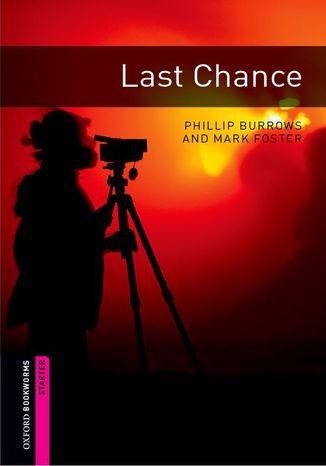
Last Chance Starter Level Oxford Bookworms Library
Burrows Phillip, Foster Mark
A Starter level Oxford Bookworms Library graded reader. Written for Learners of English by Phillip Burrows and Mark Foster. 'How can Mr Frank be angry now?' thinks Mike happily. His film is good and he is the only cameraman on the volcano. Now he can go home. But then he finds Jenny and she is dying. Rocks start to move and Mike is afraid. Can they get off the volcano alive? And what happens to Mike's camera and film?
Lasy przyszłości. Wyzwania współczesnego leśnictwa
Aleh Marozau, Dan Wołkowycki
Monografia „Lasy przyszłości. Wyzwania współczesnego leśnictwa” opublikowana staraniem Oficyny Wydawniczej Politechniki Białostockiej dotyczy różnorodnych aspektów kształtowania, hodowli i ochrony lasów. Lasy i leśnictwo stoją współcześnie wobec wielu wyzwań o skali dotychczas niespotykanej, związanych zwłaszcza z kryzysem klimatycznym, a także przewartościowaniem potrzeb i oczekiwań społecznych dotyczących ich funkcji. Wymaga to modyfikacji zarządzania lasami w wielu obszarach. Młode pokolenie leśników będzie mierzyć się z tego rodzaju wyzwaniami w nieporównywalnie większym stopniu niż ich poprzednicy. Procesom i zjawiskom tego rodzaju poświęcone były konferencje organizowane w Instytucie Nauk Leśnych Politechniki Białostockiej w latach 2020–2021. Referaty prezentowane wówczas stały się punktem wyjścia dla autorów większości rozdziałów składających się na niniejszy tom.
Latarnie są oświetlone. Szkice bezpartyjne
Marek Tabin
Ta książka traktuje nasze najnowsze dzieje jako jeden ciąg, w którym zdarzenia późniejsze zwykle wynikają z wcześniejszych. Konkretnie, PiS-owska powtórka PRL jest logicznym skutkiem rządów 1989–2015, a nie „wypadkiem przy pracy” czy wybrykiem „przypadkowego” społeczeństwa. Potężniejące niezadowolenie z rządów po 1989 roku widać było przecież już we wczesnych latach 90. Autora bardziej interesują postawy ludzkie niż konkretne decyzje i uważa, że hasło „przede wszystkim odsunąć PiS” jest kolejnym politycznym strzałem w płot. W książce znajdziemy analizy niebywałego rozwoju i udoskonalenia stalinowskiej nowomowy, a także analizy skutków usiłowań oparcia życia społecznego na jakiejś jednej, spójnej doktrynie, która ma automatycznie załatwić wszystkie problemy. Jeden z tekstów wskazuje, że próby zdobycia reparacji od Niemców mogą się dla Polski zakończyć sukcesem, czyli bardzo źle. Najogólniejszą tezą książki jest pogląd, że rozwój kraju w małym stopniu zależy od ustroju społeczno-gospodarczego, w znacznym zaś od kultury społeczno-politycznej obywateli. Jeśli jest ona taka, jak we współczesnej Polsce – czyli bardzo niedojrzała – to cwaniacy i oszuści coraz łatwiej zdobywają stanowiska decyzyjne ze wszystkimi tego skutkami, a wprowadzone instytucje demokratyczne zostają obłaskawione i przystosowane do ich potrzeb. Marek Tabin – urodzony w Tarnowie, magister fizyki i doktor socjologii (Uniwersytet Warszawski). Po ukończeniu studiów pracował jako nauczyciel, później jako socjolog w Polskiej Akademii Nauk i Uniwersytecie Warszawskim, jednocześnie uczestniczył w działaniach opozycji demokratycznej. W stanie wojennym internowany. W okresie 1983–1994 na emigracji, w Paryżu – wydawca „Biuletynu Informacyjnego NSZZ «Solidarność»”, w Monachium – redaktor w Radio Wolna Europa. Prowadził wykłady na Uniwersytecie Paris-Saint Denis. Po powrocie do Polski aż do emerytury pracował na UW. Tłumacz literatury socjologicznej na język polski. Jest laureatem Nagrody Sekretarza Naukowego PAN za pracę doktorską; odznaczony Krzyżem Kawalerskim Orderu Odrodzenia Polski. Zainteresowania: metody ilościowe w socjologii, socjologia i psychologia polityki, konflikt, niekomunikacyjne wykorzystywanie języka. Mieszka na wsi pod Warszawą.
Stefan Kottwitz
Writing a thesis, research paper, technical report, or book often challenges users with formatting and consistency. The LaTeX typesetting tool offers a powerful, structured approach to document creation, though mastering it can be daunting for beginners. This third edition of the LaTeX Beginner’s Guide simplifies the learning curve, providing a hands-on introduction to writing professional-quality documents efficiently.Written by Stefan Kottwitz, a leading LaTeX expert and community moderator, this book builds on over 20 years of coding and publishing experience along with feedback from LaTeX users worldwide. Through step-by-step tutorials and real-world examples, you’ll learn how to fine-tune text, typeset complex equations, manage citations, and produce high-quality tables, images, and presentations. The book also explores modern LaTeX features, including advanced PDF capabilities and different TeX engines. With dedicated sections on slide presentations and best practices for document structuring, this edition ensures that users can optimize their workflows and produce publication-ready documents with ease.By the end of this book, you'll confidently use the LaTeX software to produce academic papers, generate bibliographies, and achieve professional layouts for any type of document.*Email sign-up and proof of purchase required

Antoine Compagnon
W nowej publikacji z serii "Lato z" Antoine Compagnon przybliża współczesnemu czytelnikowi postać Montaignea. W czterdziestu krótkich, bo będących zapisem pięciominutowych pogadanek radiowych, rozdziałach zaprasza do odkrycia na nowo tego francuskiegorenesansowego myśliciela i pisarza. Interpretując w lekki, przejrzysty i zabawny sposób wybrane fragmenty jego najbardziej znanego dzieła, Prób, pokazuje, że poruszane w nich tematy od pojęcia zaangażowania do epikureizmu, przez rozmowę, przyjaźń, edukację, marnowanie czasu, a nawet nadwagę pozostają nadal aktualne i warto o nich myśleć z uwzględnieniem perspektywy sprzed pięciu wieków. Bo czyż nie jest zaskakujące dla dzisiejszego czytelnika, że chociażby spór o to, czy w edukacji kłaść nacisk na wiedzę, czy na kompetencje, był już żywy w czasach Montaignea. Równie ciekawe jest poznanie stanowiska filozofa na temat równości płci: bo co prawda przyznaje, że kobiety są równe mężczyznom, ale już zdolność przekazywania podobieństwa fizycznego, cech charakteru, temperamentu i humorów przypisuje jedynie mężczyznom. Te i wiele innych rozważań pozwolą nabrać dystansu do wciąż nurtujących nas problemów, a także zrozumieć ich podłoże głęboko zakorzenione w humanizmie, bez konieczności studiowania opasłych dzieł filozoficznych.
Latopis Nestora. Stary tekst mnicha Ławrentego z XIV wieku
Ławrenty Nestor
Plik pdf jest zamknięty w postaci rastrowej złożonej ze skanów. Dość archaiczny przekład Juliana Kotkowskiego Latopisu Nestora. Niemniej dla badacza dziejów Słowiańszczyzny wartościowy i zasługujący na miejsce w jego bibliotece. Stanowi on bowiem jedno z najważniejszych źródeł do historii Rusi. Poza tym można również znaleźć w nim liczne informacje dotyczące dziejów świata, krajów ościennych i oczywiście dawnych ziem polskich. Książka zawiera tekst oryginalny, tyle że w transkrypcji na łacinkę i przekład polski. Mimo, iż tekst nie jest kompletny, to i tak zasługuje na uwagę i może być przydatny w badaniach historyków i religioznawców zajmujących się Słowiańszczyzną i jej najwcześniejszymi dziejami.
Zofia A. Brzozowska, Ivan Petrov
Piąty tom "Series Ceranea" zawiera edycję oraz polski przekład Latopisu nowogrodzkiego pierwszego - jednego z najstarszych średniowiecznych tekstów historiograficznych, powstałych na Rusi. Jest on niezwykle cennym źródłem, zawierającym wiele informacji na temat dziejów Europy Wschodniej w XI-XIV w. W tomie zaprezentowano starszą redakcję zabytku, zachowaną w jednym tylko rękopisie, tzw. odpisie synodalnym (ГИМ, Син. 786) z XIII-XIV w., obejmującą wydarzenia z lat 1015-1353. Publikacja przybliża mniej znany aspekt historii średniowiecznej Rusi - dzieje i kulturę Nowogrodu Wielkiego, będącego przez stosunkowo długi okres nieomal całkowicie niezależną republiką miejską, posiadającą oryginalny ustrój, utrzymującą rozległe kontakty handlowe (m.in. z Hanzą), a jednocześnie stanowiącą prężny ośrodek piśmiennictwa i sztuki. * Książę Jarosław [...] zasiadł w Russie, a do Nowogrodu przysłał Tworimira, [ze słowami]: "Zrzekam się wszystkiego, co [stało się powodem] waszej niechęci do mnie, a wszyscy książęta za mnie poręczą". Nowogrodzianie wysłali do niego Łazarza Mojżeszowica, [mówiąc]: "Książę, zamyślałeś zło przeciwko Świętej Sofii, więc odejdź. Już prędzej umrzemy godnie za Świętą Sofię. U nas nie ma księcia, lecz jest Bóg, sprawiedliwość i Święta Sofia, a ciebie nie chcemy!". Latopis nowogrodzki pierwszy starszej redakcji AM 6778 (AD 1270/1271)
Latopisiec Litwy i Kronika Ruska
Ignacy Daniłowicz
UWAGA! e-book jest skanem zapisanym w formacie PDF. Plik pdf uniemożliwia przeszukiwanie i kopiowanie tekstu REPRINT. Ignacy Daniłowicz (1788-1843) historyk i prawoznawca. Syn Mikołaja, księdza unickiego, i Domiceli z Michniewiczów. Wychowywany przez stryja Michała, wybitnego pedagoga pijarskiego, kształcił się już od roku 1797 w łomżyńskiej szkole pijarów, a od roku 1807 w gimnazjum pruskim w Białymstoku. Trzy lata później (1810) rozpoczął studia na wydziale moralno-politycznym Cesarskiego Uniwersytetu Wileńskiego, ukończył je z tytułem magistra praw. W roku 1812 był sekretarzem francuskiego gubernatora Białegostoku. W roku 1814 wykładał w Wilnie prawo krajowe. Pod wpływem J. W. Bandtkiego, I. Ołdakowskiego i J. Lelewela zainteresował się bliżej historią prawa polskiego. W latach 1817-1818 w celach naukowych odwiedził kolejno: Warszawę, Petersburg i Moskwę. Po powrocie nadal wykładał w Wilnie (od roku 1819 jako adiunkt, od 1822 jako profesor nadzwyczajny, a od 1823 już jako profesor zwyczajny swej alma mater). Profesor uniwersytetów kijowskiego i charkowskiego, przyjaciel i mentor Piotra Hułaka-Artemowskiego. Badał m.in. wywiezioną do St. Petersburga Metrykę Koronną. Ogłosił drukiem pomnik prawa litewskiego Statut Kazimierza Jagiellończyka z roku 1468. (z Wikipedii) Zebrał i opublikował również to cenne dzieło Latopisiec Litwy i Kronika Ruska, które oddajemy do rąk czytelników.