
Popularnonaukowe i akademickie
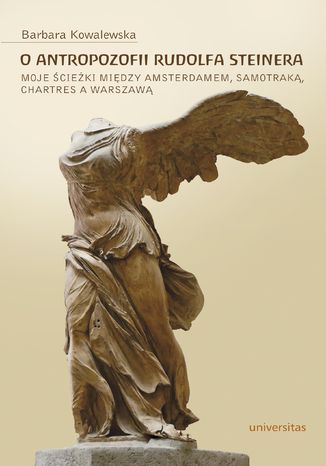
O antropozofii Rudolfa Steinera. Moje ścieżki między Amsterdamem, Samotraką, Chartres a Warszawą
Barbara Kowalewska
Antropozofia? Co to właściwie jest? Powiedz w kilku zdaniach, na czym to polega? Zajmujesz się tym od tylu lat i jeszcze ci się nie znudziło? – takie pytania zadają mi czasem dawno niewidziani przyjaciele, znajomi, krewni. Zwłaszcza w Polsce. W Polsce, gdzie o twórcy antropozofii, Rudolfie Steinerze (1861–1925) – jednej z najwybitniejszych indywidualności XX w., filozofie, mistyku, reformatorze kultury i życia społecznego – wie się niewiele. A to, co się wie, bardzo rzadko pochodzi z własnych doświadczeń. Wyrażane opinie są zwykle powielaniem sądów gdzieś przeczytanych lub usłyszanych, zlepkiem informacji wyrwanych z kontekstu, czasem słusznych, częściej jednak groteskowo przekręconych i zdeformowanych. […] Zawsze interesowało mnie najbardziej, jak myśli potężnych indywidualności działają w świecie: poznasz drzewo po owocach, jakie rodzi. Praktyczne owoce antropozofii były dla mnie kamieniem probierczym jej wartości i użyteczności. […] jak to jest w innych dziedzinach inspirowanych przez antropozofię: w medycynie, rolnictwie, inicjatywach gospodarczych, polityczno-społecznych, w bankowości? I wreszcie: czy zajmowanie się antropozofią zmienia ludzi? A jeżeli tak, to w jakim kierunku? Czy proponowana przez antropozofię droga rozwoju wewnętrznego rzeczywiście zawsze doskonali ludzi moralnie? A jeżeli dzieje się inaczej, to gdzie szukać przyczyn niepowodzenia? ze Wstępu Barbara Kowalewska – ur. w 1950 r. w Warszawie, od 1975 r. mieszka w Amsterdamie; studiowała polonistykę na Uniwersytecie Warszawskim, niderlandystykę na Uniwersytecie w Amsterdamie oraz pedagogikę waldorfską w Zeist (Holandia). Tłumaczka z języków niederlandzkiego i niemieckiego, autorka artykułów z zakresu pedagogiki małego dziecka.W latach 2007–2013 współpracowała jako tłumaczka, autorka oraz koordynator w realizacji siedemnastotomowej serii książek „Pedagogika Waldorfska”, wydanej przez krakowską Oficyną Wydawniczą Impuls. W ramach tej serii ukazała się książka jej autorstwa, Mam czas dla dziecka. Pedagogika waldorfska dla najmłodszych. Propozycja alternatywnej kultury wychowania w domu, przedszkolu i w żłobku (2011), która okazała się wielkim sukcesem wydawniczym. Zachęciło to autorkę do podjęcia tematu pasjonującego ją od 35 lat: antropozofii Rudolfa Steinera stosowanej w rozmaitych dziedzinach praktycznego życia. Autorka prezentuje w niej antropozofię nie jako teorię czy filozofię austriackiego reformatora kultury, lecz w formie esejów biograficznych, wychodząc z przekonania, że najlepiej odpowiada to jej stosunkowi do opisywanych zagadnień i procesów.
O Babilonie mieście piekielnym
Giacomino Da Verona
Poezja lombardzka (XIII w.). Giacomino z Werony jest autorem dwóch poematów dydaktycznych: De Babilonia civitate infernali (O Babilonie mieście piekielnym) złożonego z 280 wersów i De Jerusalem celesti (O niebieskim Jeruzalem) złożonego z 336 wersów. Najprawdopodobniej wiersze zostały skomponowane przez tego brata franciszkańskiego za czasów jego młodości, być może około 1275 roku. Autor opisuje radość błogosławionych i kary dla złych. W O Babilonie mieście piekielnym opisano męki piekła, a w drugim podkreślono radość nieba.
Mieszko Ciesielski
W trzech głównych częściach prezentowanej pracy Mieszko Ciesielski podejmuje ważne zagadnienia teologiczne związane z pozornie paradoksalnym łączeniem postawy ateistycznej i teistycznej, będącym jednocześnie propozycją alternatywy dla dominującej dychotomii wiary i niewiary w Boga. Najwięcej miejsca poświęca tzw. teizmowi umiarkowanemu, jak określa wypracowane stanowisko, które ma przezwyciężać wzrastający w ostatnim czasie radykalizm tradycyjnego teizmu i światopoglądu ateistycznego; na jego rzecz prezentuje oryginalny dowód z miłosierdzia na obecne nieistnienie Boga. W ramach przedstawianego stanowiska rozważa również problematykę samounicestwienia się Boga - w filozofii antycznej i chrześcijańskiej, a także, dzięki nowej interpretacji, dostrzeganą w samej Ewangelii. Teizm umiarkowany zostaje ponadto odniesiony do współczesnych wydarzeń religijnych w ramach teologii znaków bożych. Całość stanowi bardzo ciekawe i nowatorskie studium filozoficzno-teologiczne. Mieszko Ciesielski - filozof, adiunkt w Instytucie Kultury Europejskiej UAM w Gnieźnie. W kręgu jego zainteresowań badawczych znajduje się metodologia nauk humanistycznych, filozofia i teoria społeczna. Opublikował m.in.: Zagadnienie ograniczeń racjonalnego modelu działań ludzkich. Próba ujęcia działania nawykowo-racjonalnego, Poznań 2012.

O. Paolo Segneri
Czyż Chrystus nie używał wszelkich środków, aby okazać, że jest Bogiem prawdziwym? Do tego zmierzał zawsze i wszędzie, to położył sobie za cel, tego słowami i czynami dowodził. Nauka, cuda i cierpienia Jego były skierowane głównie do tego celu. Najwyższymi godnościami obdarzał tych, którzy otwarcie, jak Piotr św., wyznawali Jego Bóstwo; ganił tych, którzy o tym powątpiewali, jak Tomasz niewierny; to oświadczył Natanaelowi i wszystkim pytającym. W publicznych i prywatnych rozmowach czynami i słowami tego dowodził, jak to wyznają sami Jego nieprzyjaciele: ˝Ty, będąc człowiekiem, czynisz się sam Bogiem˝ (J 10, 33).

O czym kłamią myśli. Jak przerwać cykl destrukcyjnego myślenia
Iza Maliszewska
Czy kiedykolwiek zastanawiałaś się, dlaczego czasem reagujesz w sposób, którego sama nie rozumiesz? Jak to się dzieje, że twoje emocje biorą górę nad racjonalnością, wpływając na zachowanie i podejmowane decyzje? Czy istnieje sposób, aby lepiej zrozumieć siebie i odnaleźć równowagę w szalonym tańcu życia? Wybierz się wraz z autorką tej książki w niezapomnianą podróż, dzięki której: poznasz niezdrowe tendencje w myśleniu i częste błędy poznawcze, by móc je przezwyciężyć, zrozumiesz, czym są myśli automatyczne i ruminacje, by móc ograniczyć ich wpływ na własne życie, pokonasz bariery, które często niepotrzebnie same sobie narzucamy, i zaczniesz podejmować bardziej świadome decyzje, wykształcisz u siebie odporność psychiczną, odkryjesz uzdrawiającą moc wdzięczności, dowiesz się, jak dbać o swój dobrostan i skąd czerpać siłę. Twoje emocje, myśli i pragnienia są ważne. Gdy dobrze je poznasz i zrozumiesz, osiągniesz równowagę psychiczną, zdobędziesz siłę do mierzenia się z przeciwnościami losu i odnajdziesz swoje miejsce w świecie. Najpierw jednak rozpoznaj kłamstwa, które podsuwa ci twój własny mózg, by nie dać mu się zwieść na manowce. Iza Maliszewska psycholożka i psychoterapeutka poznawczo-behawioralna, członkini Polskiego Towarzystwa Psychoterapii Poznawczej i Behawioralnej. Pracuje z osobami zmagającymi się z depresją, zaburzeniami lękowymi, zaburzeniami osobowości, traumą, żałobą i kryzysami życiowymi. Autorka bloga i profilu na Instagramie @psyche_et_soma, gdzie zamieszcza wartościowe materiały psychoedukacyjne i promuje zdrowie psychiczne. Wierzy, że potencjał do pozytywnej zmiany drzemie w każdym z nas. Aby go wykorzystać, trzeba przede wszystkim zrozumieć swoje myśli i przekonania oraz świadomie kierować swoim życiem.

O czym mówią prawnicy, mówiąc o podmiotowości
red. Agnieszka Bielska-Brodziak
Publikacja wielopłaszczyznowo charakteryzuje problematykę podmiotowości, prezentując ją jednocześnie z wielu punktów widzenia. Dzięki temu książka może okazać się pomocna w rozważaniach nie tylko teoretyków prawa, ale też przedstawicieli poszczególnych nauk prawnych, jak też praktyków i studentów prawa. Ze względu na rozbudowane ujęcie tytułowej tematyki, przy uwzględnieniu jej aspektów filozoficznych, dogmatycznych, socjologicznych, filologicznych, międzynarodowych etc., nie ma przeszkód, by odbiorcami książki byli również studenci i przedstawiciele nauk innych niż prawne. Publikacja wpisuje się w ciągle rozważany ogólny problem przełożenia natury ludzkiej na sferę prawa. Niespotykany dotychczas rozwój nauk przyrodniczych sprawia, że kategoria podmiotowości osoby fizycznej z nową siłą zostaje poddana wyzwaniom tak w obszarze początku życia, jak i w obszarze identyfikacji płciowej. To także wyzwania, jakie przed prawem stawia eksperymentalna możliwość tworzenia hybryd, chimer ludzko-zwierzęcych, zmuszająca do rewizji myślenia. Stąd już tylko mały krok do innego zagadnienia, które wraz z rozwojem współczesnych technologii staje się sprawdzianem dla dyskursu prawnego – problematyki podmiotowości prawnej sztucznej inteligencji. Zauważalne jest też, że z coraz większym trudem udaje się utrzymać całkowicie niejasny status prawny zwierząt. Rozwój cywilizacyjny stawia również nowe wyzwania przed drugą formą podmiotowości – osobami prawnymi. Ich złożoność, dynamika rozwoju oraz wymuszone globalizacją i informatyzacją świata przeobrażenia, wymagają od prawników dostarczania efektywnych propozycji normatywnych, opartych na szerokim, dynamicznym widzeniu świata. Książka jest wyrazem integracji teorii prawa z dogmatykami prawniczymi, jak również uzewnętrznieniem wymykających się schematom sposobów myślenia o podmiotowości. Tak szerokie, niestandardowe spojrzenie na tę tematykę stało się możliwe dzięki temu, że tytuł jest zbiorem tekstów przedstawiających różne perspektywy naukowe, a zaprezentowane punkty widzenia – choć odnoszą się do tego samego terminu – pochodzą z odległych sobie dyscyplin prawnych.
Krystyna Pietrych
Poszukuję tego, co ukryte pod dykcją oficjalną, schowane pod czytelnymi znaczeniami, naruszające sensy nazbyt łatwo uznane za oczywiste i ostateczne. Taki sposób czytania, podważający utrwalone interpretacje i nakazujący podejrzliwie przyglądać się tekstowi, pozwala ujawniać się temu, co sytuuje się na granicy możności wypowiedzenia, co rozszczelnia wierzchnie znaczenia i odtajnia sensy przesłonięte i zagmatwane, nie proponuje jednak w zamian następnego jednoznacznego rozumienia, lecz otwiera proces lekturowych hipotez i niepewności. Tajemnica wiersza, do której staram się dotrzeć (...) sytuuje się na ruchomej i nieostrej granicy pomiędzy tym, co jeszcze daje się wyrazić słowem i tym, co umyka próbom werbalizacji. Dlatego starałam się pochwycić poetyckie sposoby służące do kreowania owego stanu pomiędzy wyrażaniem i niemożnością wyrażenia. Ze Wstępu

O dobrym wyrozumieniu chłosty Bożej i o zbawiennym z niej korzystaniu
Ks. Zygmunt Golian
˝A to gdy się dziać pocznie, poglądajcie, a podnoście głowy wasze˝. ˝A przeto czuwajcie, modląc się na każdy czas, abyście byli godni ujść tego wszystkiego, co przyjść ma˝. (Łk. XXI, 28. 36). Są czasy, w których nie można czytać tej Ewangelii bez pewnej straszliwej bojaźni, gdy porównywając te groźby zapowiedziane przez Zbawiciela z powszechną nędzą i uciskiem świata, bronić się prawie potrzeba tej myśli, azali to wszystko nie jest ostateczną zapowiedzią ostatniej zguby świata – azali rozliczne klęski i uciski nie są właśnie tymi, o których mówi Grzegorz św., iż ostateczny ucisk wiele ucisków wyprzedzi. I… czy my właśnie nie żyjemy w czasach największego i ostatniego ucisku zapowiadającego koniec obecnego świata?